
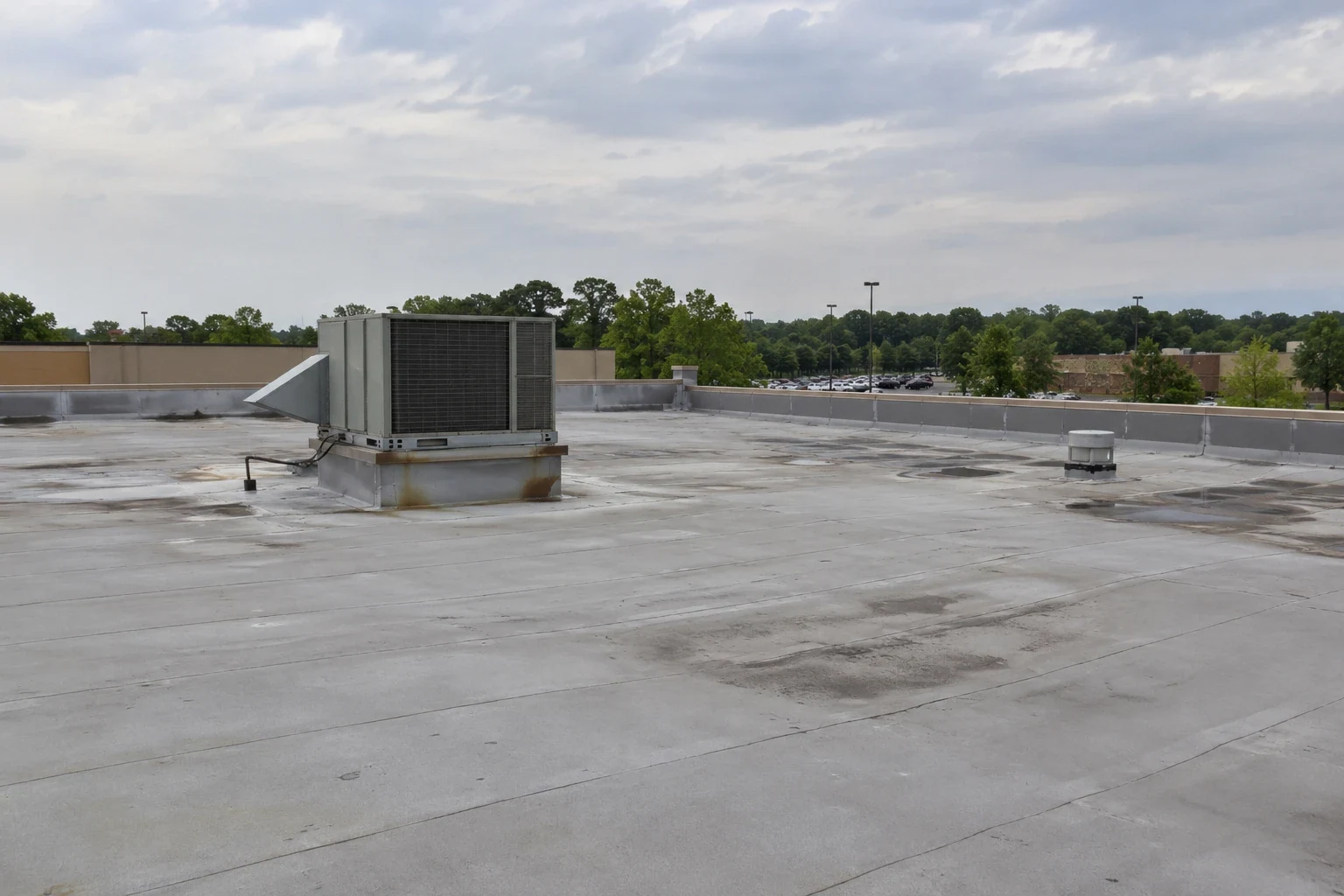
Commercial roof repair in Flint starts with the existing assembly, drainage, and a work boundary the crew can close before leaving. The community sits where FM 2868, FM 346, and FM 2493 meet, about four miles north of Bullard in Smith County. Nearby Tyler’s normal July high averages 94.5°F, so heat-sensitive preparation belongs in the daily sequence. We check the actual surface and set a release point around product requirements.
Flint’s recorded history includes an 1882 railroad stop, cotton gins, and truck-farming and shipping activity. A community profile counted 37 businesses in 1989, a historical snapshot of a multi-business area rather than today’s tenant list. An inspection establishes the current membrane or metal system, including any layers concealed by later repairs. For each commercial property, we review available assembly records, repair history, access limits, and current operating needs, then map seams, penetrations, edges, and drainage. A commercial roof inspection gives the project team a condition record before repair scope is released.
A work plan for three connected routes
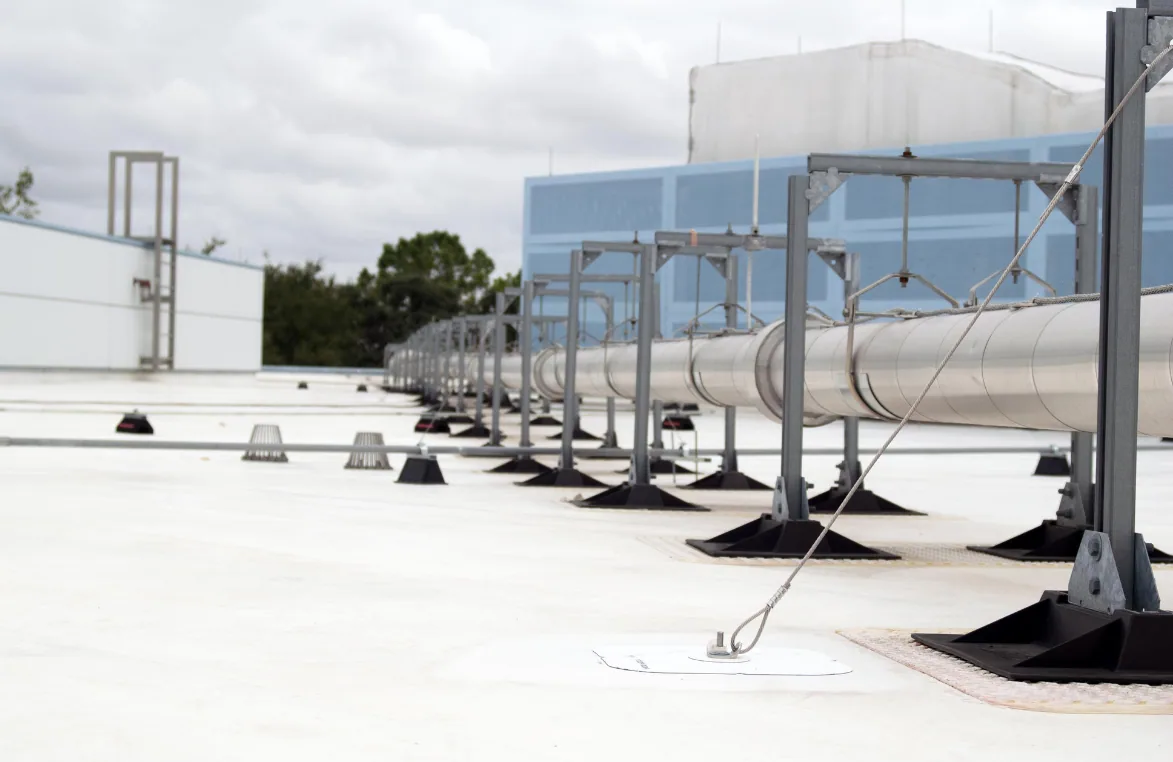
The FM 2868, FM 346, and FM 2493 junction gives the field team a geographic reference, but property access still needs confirmation at the actual address. We verify the entrance, staging area, roof hatch, equipment limits, occupied hours, and material route before mobilization. A general contractor can then tie the roof-zone release to a real access window instead of assuming that a nearby road makes staging simple. Each property receives its own plan, photos, and work boundary.
The nearby Bullard service area and the broader FM 2493 corridor are separate location contexts. Tyler sits north of this work area and provides the market-level climate reference. A portfolio schedule can track several roofs, but it should preserve each assembly, open test, and approval as distinct. Our multi-site roof coordination records the property contact and release state for each site.
Findings by roof zone
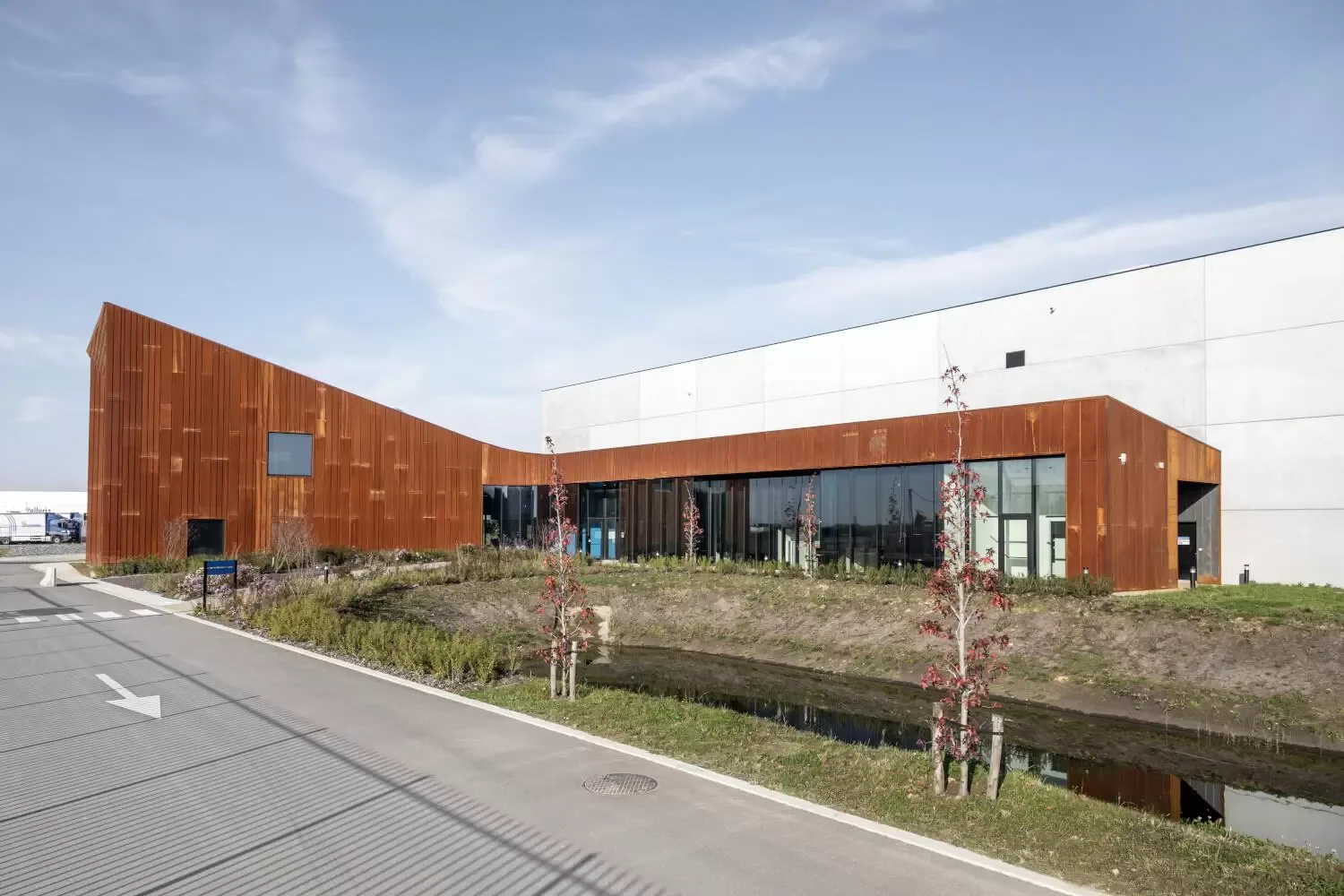
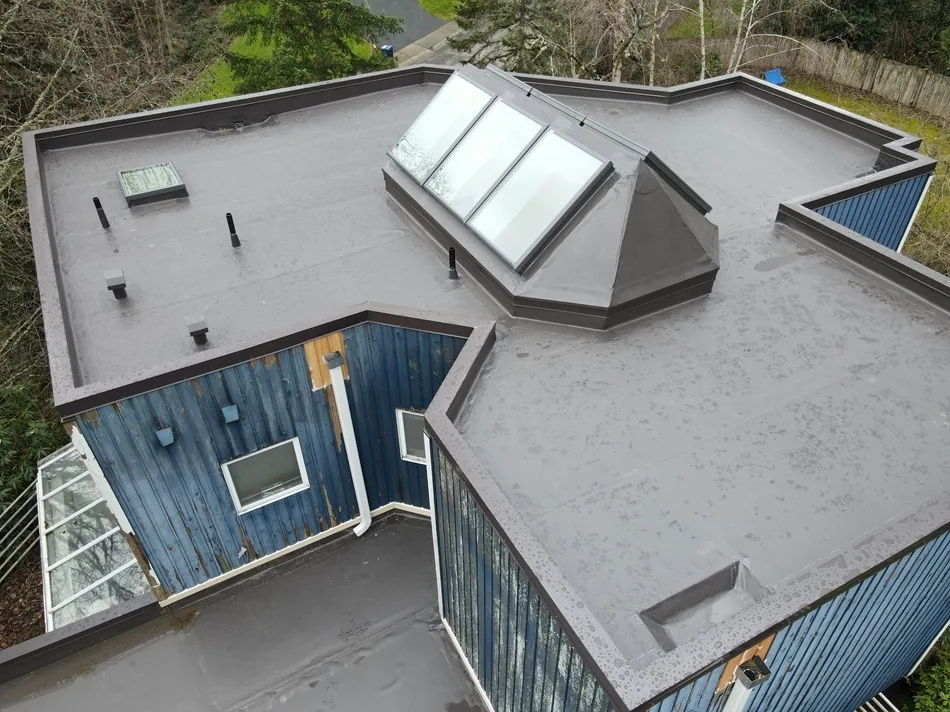
We walk the field seams, perimeter, penetrations, curbs, flashing transitions, and drain path with the roof plan in hand. Photos identify the zone and the condition observed, such as an open seam, displaced metal, puncture, or debris restriction. A stain inside the building does not locate the entry point by itself, so the inspection follows the water path and checks details above the affected area. If access or stored material limits the view, that limitation is noted beside the follow-up step.
Moisture questions can affect whether a patch, recover, or replacement is practical. We use infrared or hands-on survey methods to identify areas for closer review, then propose a test cut only when its result could change the scope. The work package names the location, approval, and method for restoring the opening. A condition report with photographs keeps visible findings apart from concealed conditions still awaiting a test. That distinction gives the owner a decision point before tear-off quantities expand.
Preparation in East Texas heat
Sun exposure, shade, and moisture can change conditions between a prepared flashing and the adjoining roof field. Before bonding, sealing, or applying liquid material, we read the substrate and check the system instructions. If the reading falls outside the permitted window, the crew can move to another approved task while the zone remains protected. The log records the material step, surface condition, and reading needed before work resumes.
Preparation should leave the approved surface clean, dry, and ready for the selected detail. We verify the existing membrane and compatibility before introducing a patch or flashing material. If the assembly is metal, low-slope membrane, or a coating, the repair method changes with the system and its movement. A standing-seam metal review begins with panel laps, fasteners, clips, and penetrations, while membrane work checks seams and transitions. A heat-related roof review separates surface aging from an active opening that needs water control.

Storm observations and scope limits
Across East Texas, severe thunderstorms with large hail and damaging wind are most common in spring and autumn. For a Flint property, that regional schedule supports a timely roof review, not an assumption that a particular building took a hit. We inspect its membrane, edge details, flashings, penetrations, and drains, then compare new photos with earlier records where available. Findings remain tied to their roof zone so repair work does not absorb unrelated age or maintenance conditions.
If water is entering, temporary protection and permanent repair are separate work packages. For an active roof opening, call us; once safe attendance is confirmed we record the affected interior area, exposed edge, and interim measures before repair is released. We identify the affected interior area, control the opening where safe, and document what remains exposed before the next crew handoff. The permanent detail waits for a confirmed assembly and access release. A rapid stabilization visit can therefore address immediate water control without treating that action as the final repair.
Repair choice and crew handoff
A targeted repair can fit when the surrounding material is stable, the defect has a clear boundary, and the assembly accepts the proposed detail. Broader moisture, repeated seam movement, damaged insulation, or deck concerns may require testing or replacement planning. We list the condition, the test that could change the recommendation, and the approval needed before expanding removal. Replacement cost and timing reflect system type, area opened, insulation, edge metal, access, disposal, and interior protection.
At shift end, the record states which zone is complete, what remains under temporary protection, the drain path status, and the condition that releases the next visit. Dated photos stay with the roof plan. A maintenance schedule can carry forward unresolved drains, seams, and flashing details without losing the original finding. For a suspected hail event, a hail inspection scope keeps impact observations and prior wear distinct. Send the plan, assembly records, access window, current condition, and decision deadline for a sequenced field package.
Drainage is part of that boundary. We check the path from low areas to each outlet, note debris or restricted flow, and separate a maintenance item from a defect that needs repair. The closeout photo should show the outlet and the work around it after protection is removed. If that check requires another access period, the record names the person who releases the zone.
Commercial Roofing Questions
Does Flint’s railroad history tell you what roof a building has today?
No. The historical shipping, cotton-gin, and truck-farming record describes the community’s development, not a present assembly. We confirm the system from property records and field observations before selecting a repair material or testing concealed layers.
How is the adhesion window set for a Flint roof repair?
The crew measures the Flint roof surface and substrate before preparing a bonded detail. We compare the reading with the selected product limits, record the result by roof zone, and release preparation only within the permitted range.
How do the three road routes affect a roof project?
They help orient the property location, but the actual entrance, staging rules, roof hatch, and operating hours control access. We confirm those details with the site team and keep each building’s access release with its own work package.
What is needed before deciding on a recover?
For a recover decision, we confirm the layer count and moisture extent, check attachment and drainage, measure perimeter clearance, and verify the governing code requirements. We propose a test opening only when its result could change the choice, recording its location, restoration detail, and approval before work begins.
What does the crew record after temporary protection?
We document the opening, protected area, exposed edge, drain status, and the check required before permanent repair. The owner receives dated photos and a separate repair boundary so temporary control is not mistaken for a completed scope.
Related Pages
Plan the Flint roof-zone release
Send the roof plan, assembly records, access window, current condition, and decision deadline. We will return a sequenced field plan with open tests and hold points marked.