
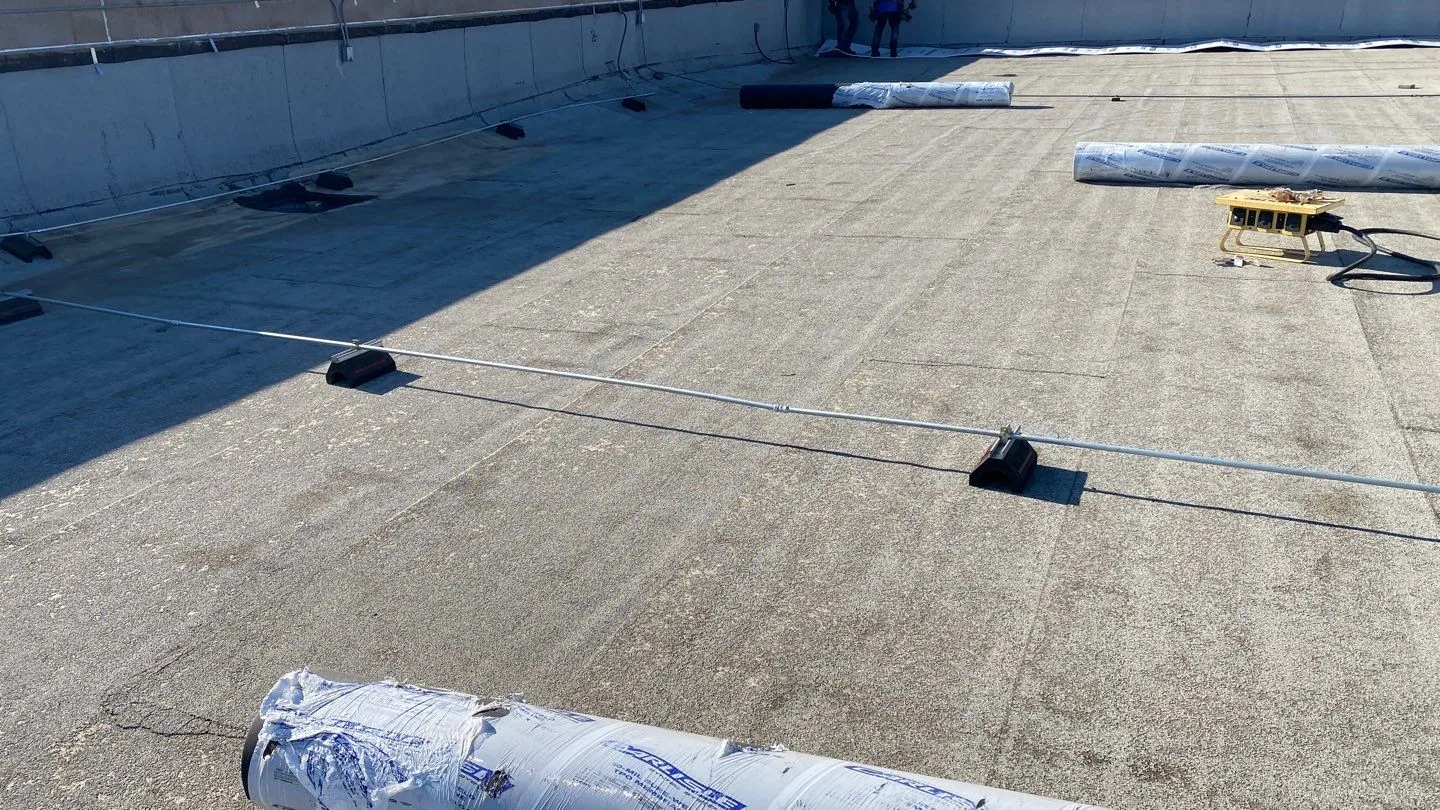
Tyler’s severe-weather window spans spring and autumn, when regional storms can bring large hail and damaging wind. A hail review begins with roof-zone mapping because membrane impacts, metal dents, loose edges, and debris marks call for different checks. We photograph the field before clearing material, then separate visible impact from any opening or moisture condition. That first record lets the general contractor release temporary protection while keeping the permanent repair boundary open to inspection.
Tyler recorded a tornado on June 8, 2021, while large hail remains a separate regional severe-storm hazard across the four-state area that includes Texas. Neither record tells us what happened on a specific roof. The Tyler Interstate Commerce Park, beside I-20 at SH 155, and the South Broadway Commercial Corridor offer different mobilization contexts, so we confirm the actual property entrance, equipment limits, and operating period before setting a roof-zone release. The storm damage inspection maps visible impact questions and temporary protection needs.
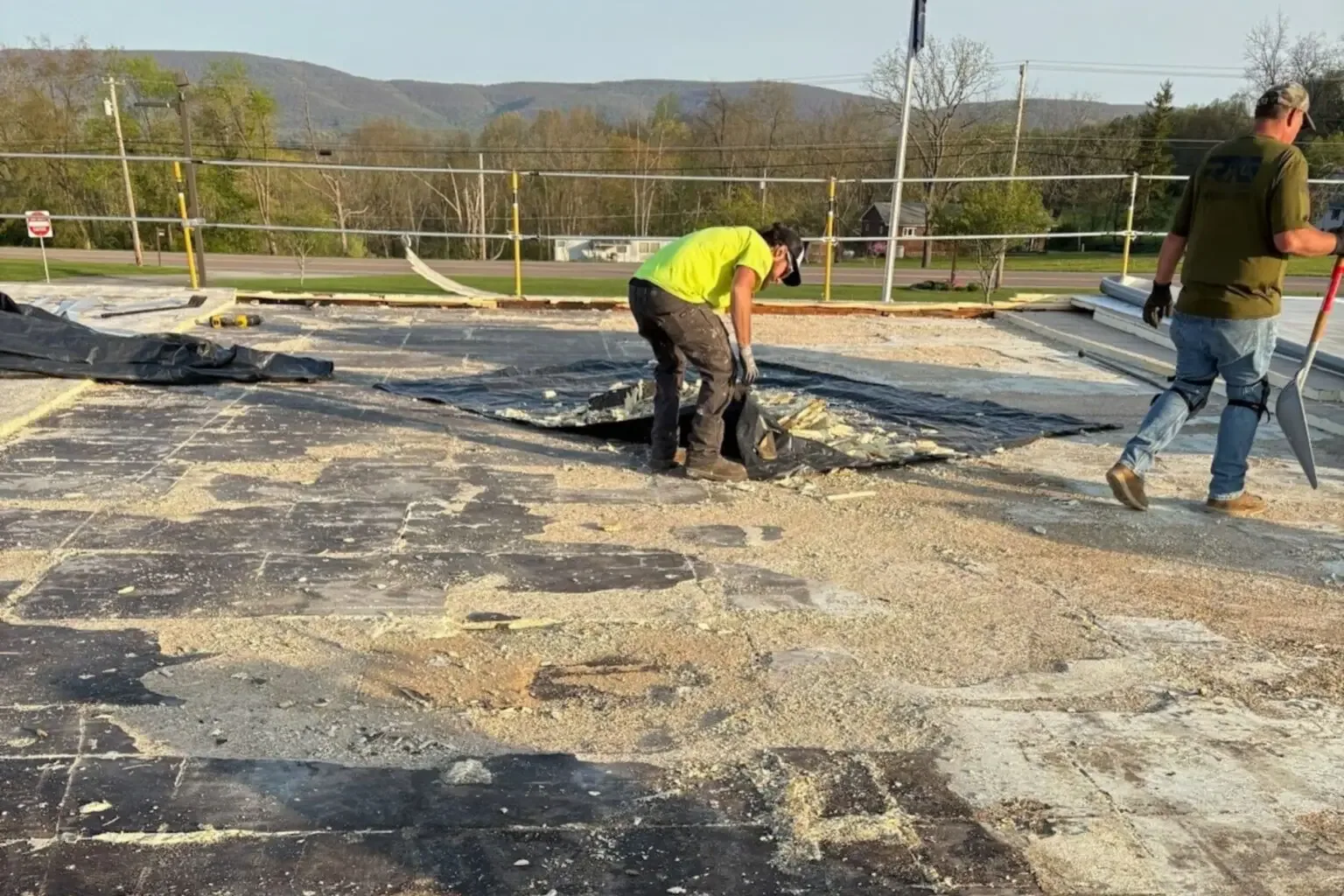
Impact map and surface condition
Hail observations are mapped by roof section, slope, equipment obstruction, and membrane type. We record punctures, splits, bruised or fractured surfaces, displaced gravel, and damage to metal accessories. A close photograph should include a reference point so the location can be found again. The survey also notes old repairs, weathered areas, or foot traffic that can resemble impact damage. These distinctions support an accurate work package and keep unrelated conditions from being attributed to one storm. We preserve an overview image and close views so the project team can return to the same points during repair review.
Wind can move coping, edge metal, or rooftop accessories during the same event. We inspect those items separately from impact patterns and check whether fasteners or flashings have released. If debris remains, we photograph its position before removal when conditions permit. Wind damage may need temporary restraint, while a confirmed puncture needs a membrane repair detail. We list each zone and finding separately, then group the approved work by access window rather than combining different defects into a broad storm allowance.
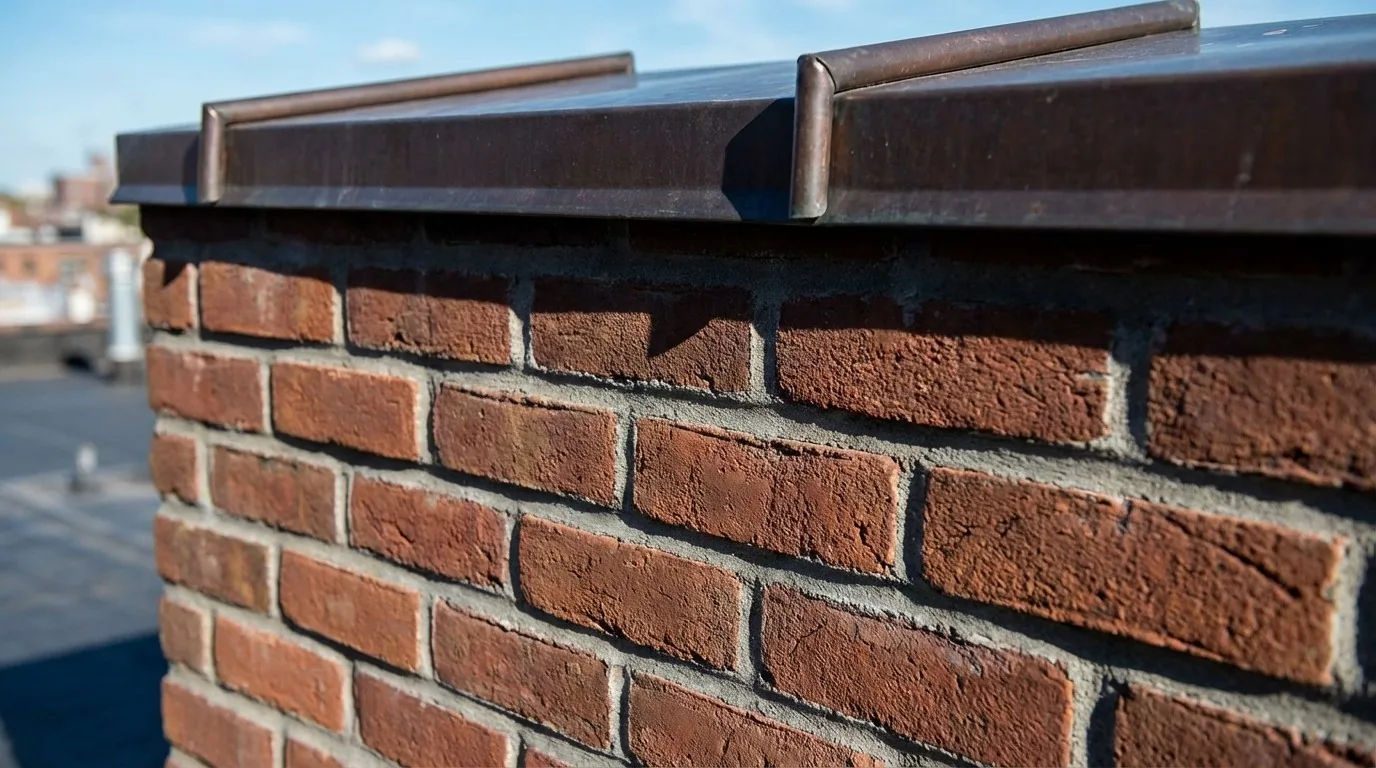
Membrane and metal checks
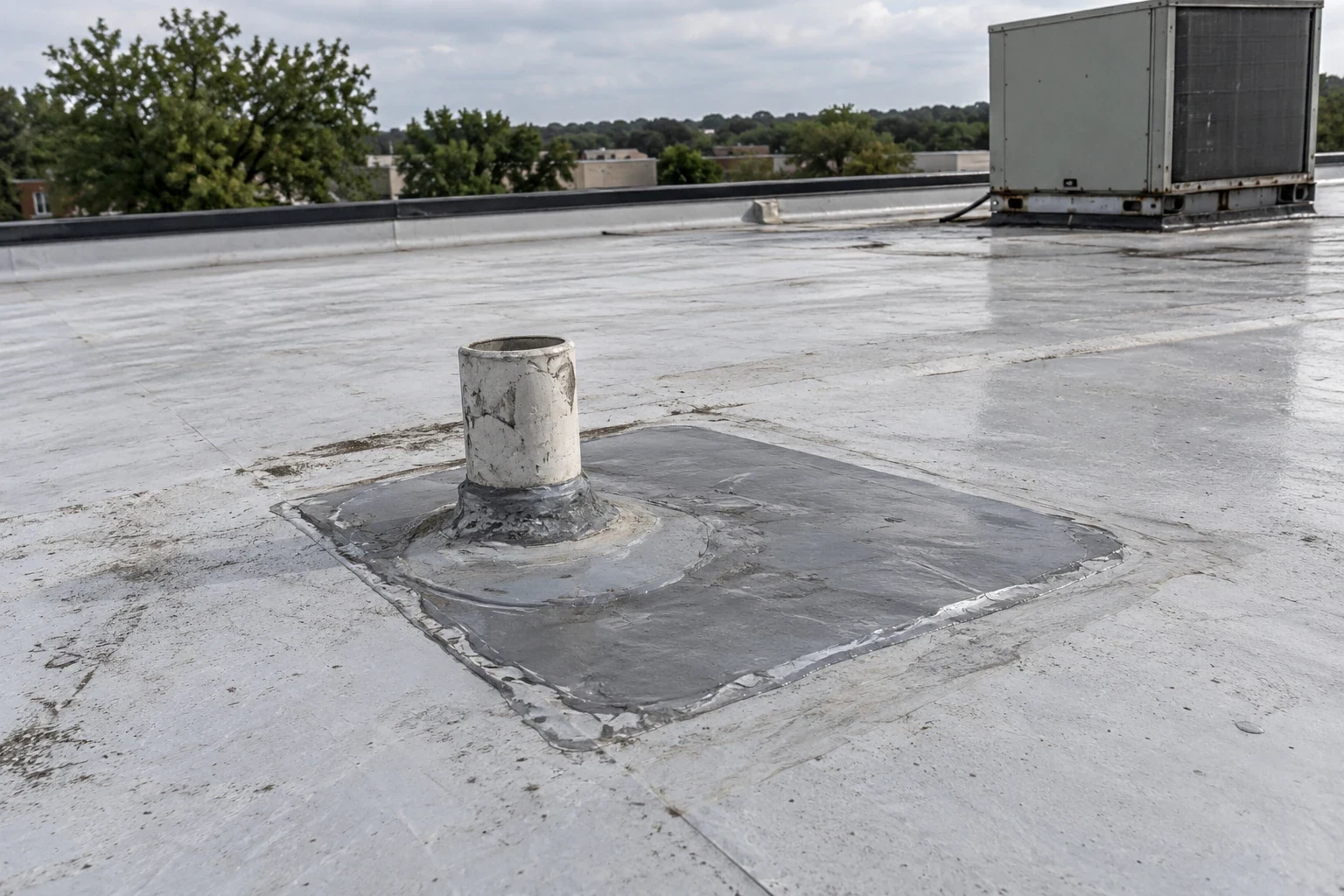
On single-ply roofs, we look for cuts, impact points, disturbed seams, and areas where the top surface has changed. A mark is not automatically a breach. The technician checks whether membrane layers remain continuous and whether the seam or nearby flashing has lost adhesion. If the assembly permits, a test or moisture survey can clarify whether insulation below is affected. We record the method and location rather than interpreting a broad visual pattern as concealed damage.
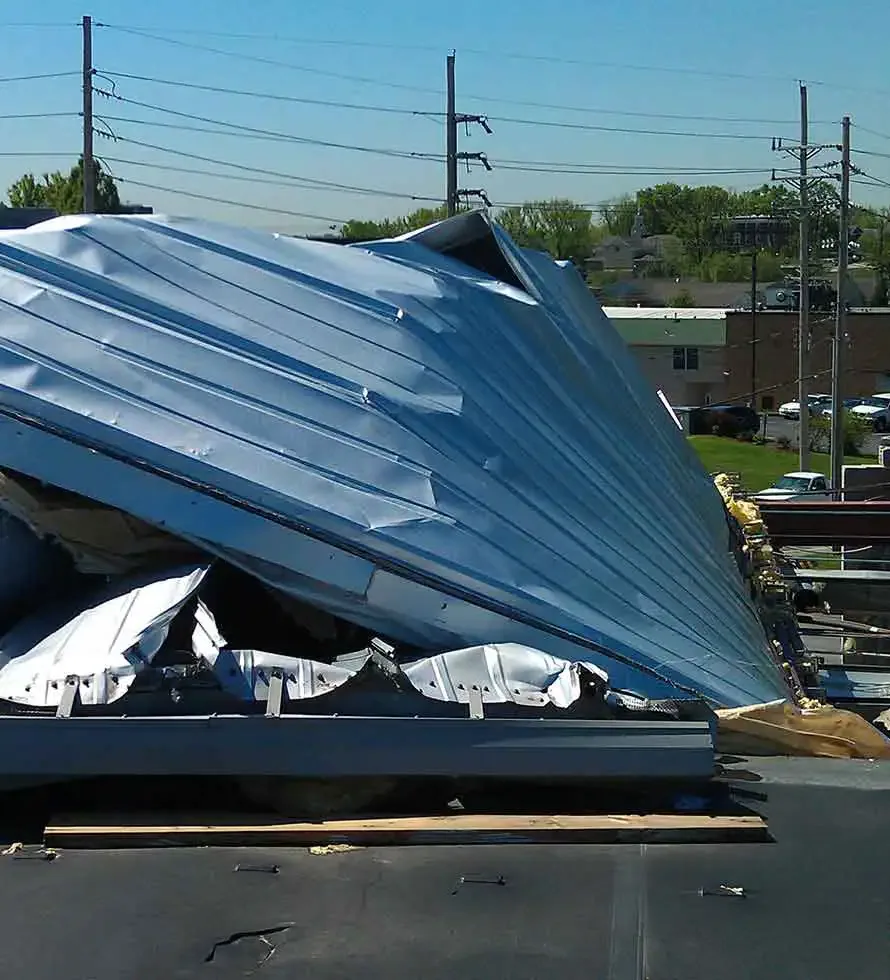
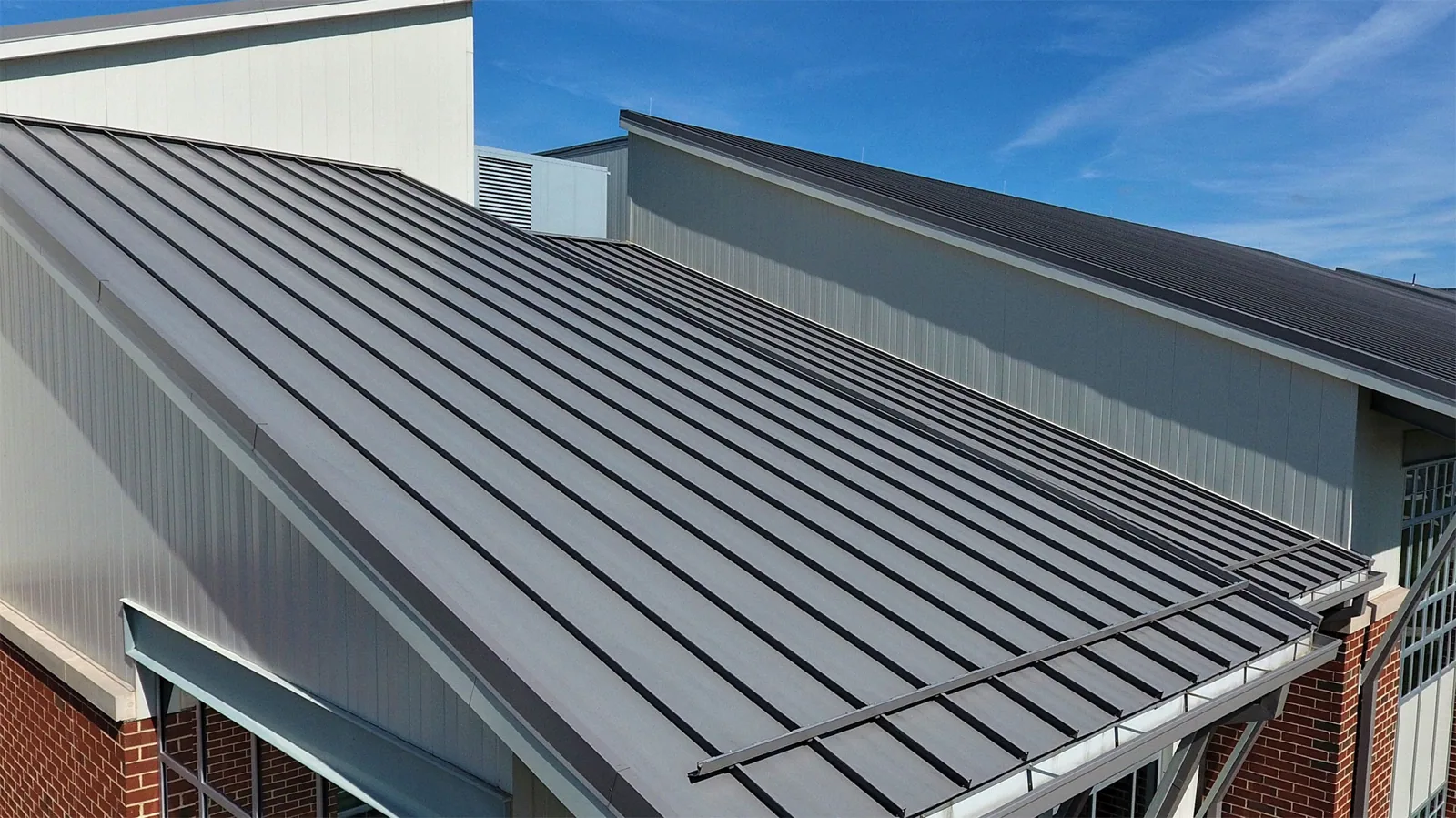
Metal roofs require review of panel ribs, seams, fasteners, coatings, and trim. A dent may be cosmetic, while a puncture or separated lap can create a water path. We inspect the adjoining attachment and note whether movement has changed the panel connection. Existing coatings or repairs can complicate adhesion and should be identified before patching. A standing seam roof and a TPO membrane need different repair details. The inspection record lists the assembly and any testing needed before the owner approves permanent work.
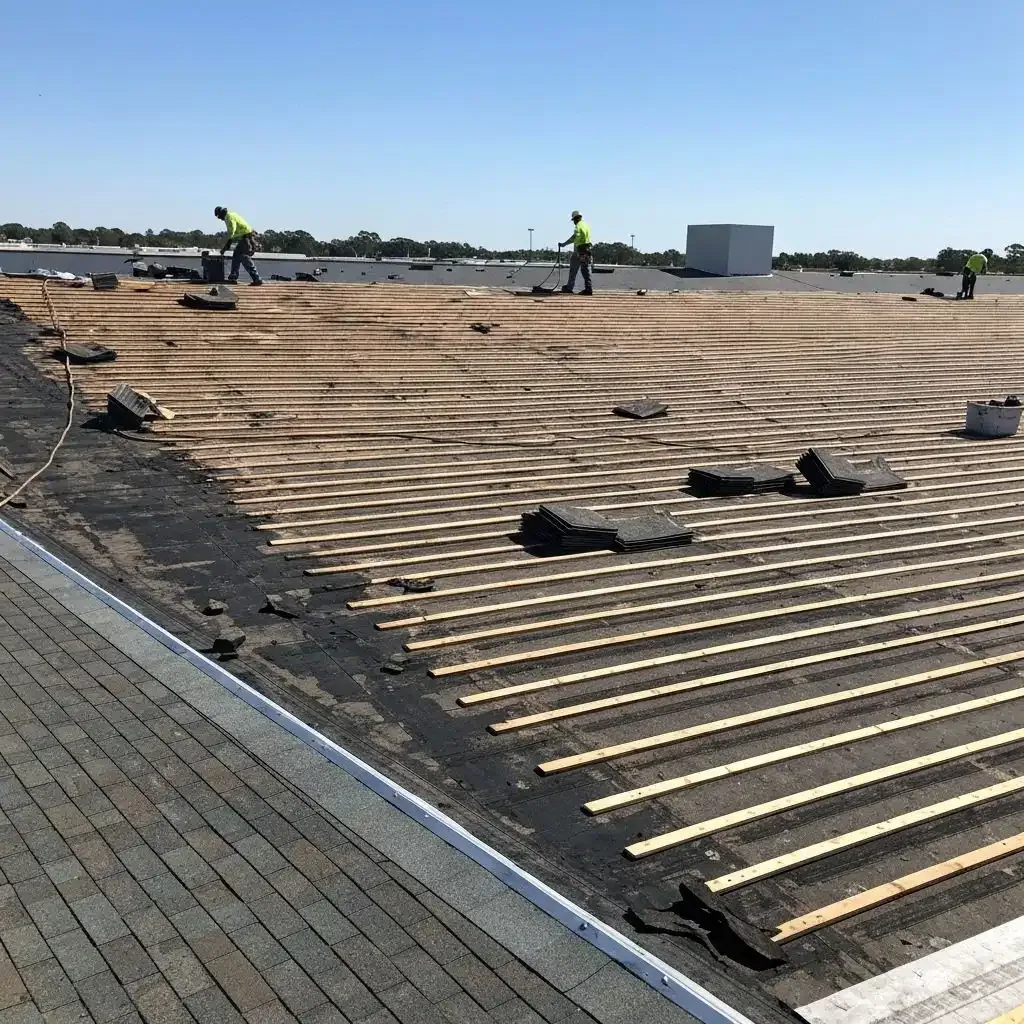
Water path and interior coordination
After hail, rain can enter at a puncture, loose flashing, failed seam, or nearby penetration. We relate interior reports to the roof plan, but do not use a ceiling stain as the roof opening location. Water can move across insulation, deck flutes, or a sloped surface. The field plan identifies the likely route and the next test that can narrow the boundary. When active water is present, temporary protection is scoped separately from permanent repair.
A test cut, if approved, exposes the roof layers at a named location and lets the project team inspect moisture directly. The opening is photographed and closed after the review, with its disposition included in the report. If wet insulation continues outside the approved limit, the crew pauses for a decision before expanding removal. A moisture survey can guide selected test points where conditions allow. For occupied buildings, we coordinate interior protection and equipment shutdown with the general contractor before a roof zone is opened.
Heat-sensitive repair sequence
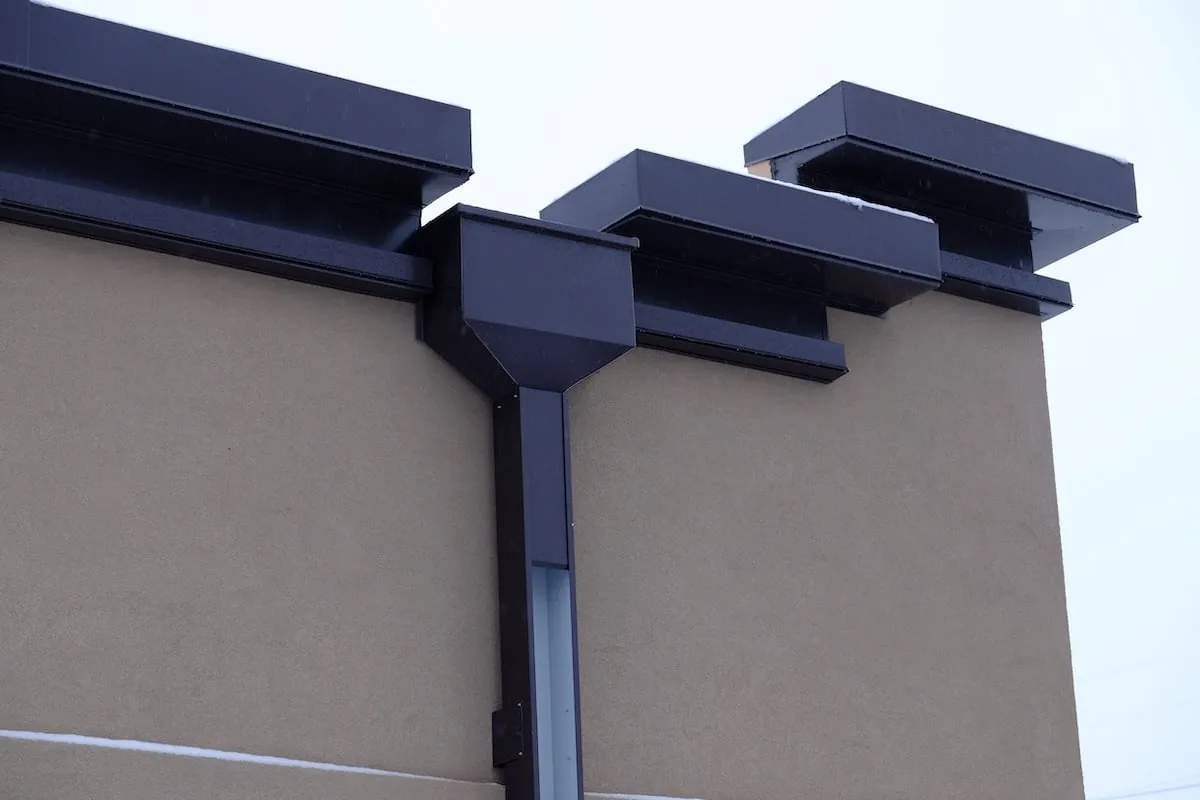
Tyler’s normal July high is 94.5°F, so adhesive or coating work must use the roof’s actual surface and substrate readings. The normal gives schedule context, not a property measurement. We check material instructions, surface moisture, and the time needed for preparation before setting the repair window. If an afternoon storm changes conditions, the crew secures exposed sections, checks drainage, and records the last completed hold point for the next handoff.
A hail scope can involve several trades: rooftop equipment, electrical, interior ceiling protection, and roofing. We name the access release, staging area, roof-zone boundary, and any shutdown in the work package. The former Wisenbaker property now goes by Prosperity Park. A specific facility’s operational constraints still require confirmation. Work may need a lift or material route that avoids active deliveries. We coordinate those details against the actual site calendar before the crew opens the membrane.
Repair evidence and owner decision
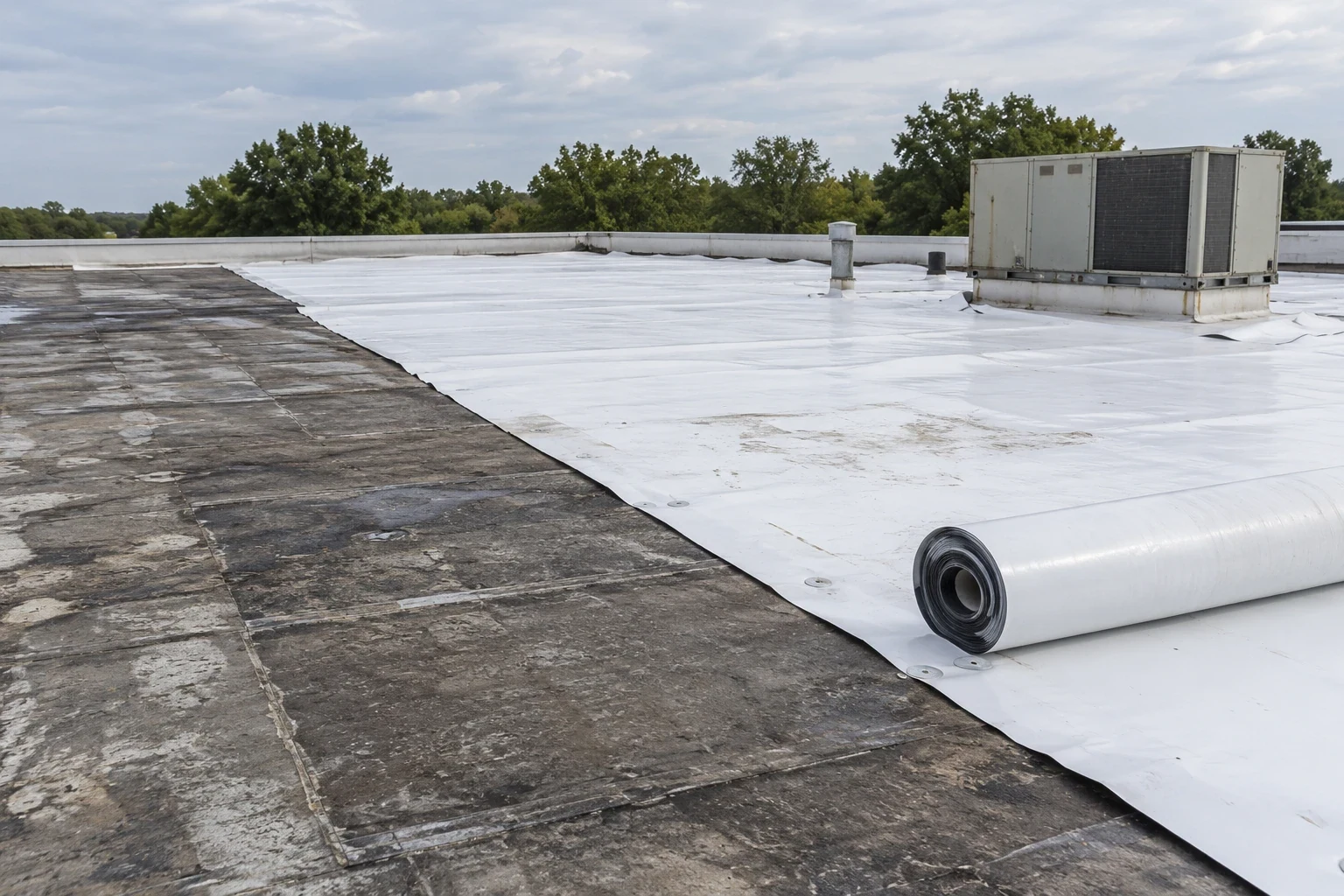
The final record includes the impact map, photographs, confirmed openings, material and detail used, moisture test results, and conditions left for additional review. We distinguish damage repaired from areas monitored or not reached. The owner can see the affected roof zones without treating an entire building as damaged based on a few marks. We also record whether temporary covers were removed and verify that drains remain clear.
Cost and duration depend on roof height, number of impact points, system type, testing, insulation removal, replacement materials, and access restrictions. If only accessories need replacement, that scope stays separate from membrane repair. Widespread impact with wet layers can require a larger restoration decision, which we present with the evidence that supports it. A photo-based condition report can carry findings into future maintenance. For a Tyler project near the Tyler service area, the closeout identifies the work completed, any open test, and the next release deadline.

Commercial Roofing Questions
Does every hail mark mean the membrane is damaged?
A visible mark alone does not establish membrane damage. We check whether the surface is breached, whether the seam or flashing moved, and whether the substrate shows moisture. Photographs and any approved test identify the evidence. The repair scope follows confirmed conditions rather than assigning damage from appearance alone.
Can hail and wind damage be handled in one visit?
They can be inspected together when access and safety conditions allow, but each finding receives its own roof-zone note. A dent, puncture, and lifted edge need different repair details. The work package can coordinate approved repairs in one mobilization while retaining separate records.
How do you check a metal roof after hail?
We review panel surfaces, seams, fasteners, trim, penetrations, and any coating that may affect repair. A dent is recorded separately from a split seam or puncture. The report identifies whether the connection still performs as intended and what test or repair is needed.
Can water damage extend beyond the impact area?
Yes. Water can move under a membrane before showing inside. We compare the reported leak with roof details and use approved moisture tests or cuts to check the assembly. Any confirmed wet area beyond the original zone becomes a separate approval point.
How do weather conditions affect hail repair?
Preparation and installation follow the selected product’s surface, temperature, moisture, and cure requirements. Tyler’s summer normal provides planning context, but the crew uses actual readings. If the weather interrupts work, we close the exposed section and verify conditions before resuming.
Related Pages
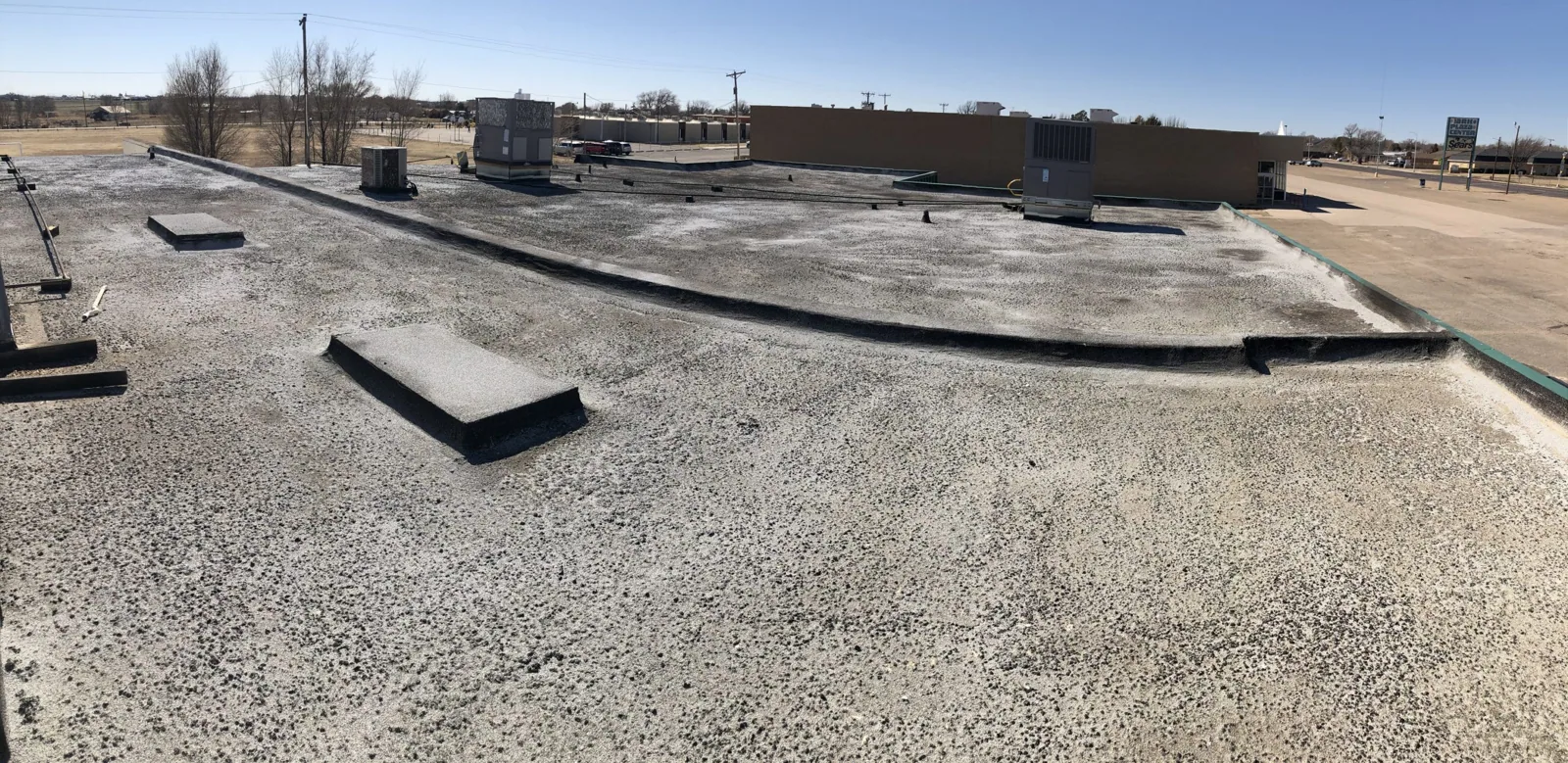
Storm Damage Roof Repair
Tyler, TX

Wind Damage Roof Repair
Tyler, TX
Standing Seam Metal Roofing
Tyler, TX
Map the hail-affected zones
Send the roof plan, assembly records, access window, current condition, and decision deadline. We will return an impact map with confirmed repairs, moisture test points, temporary protection, and release holds marked.