
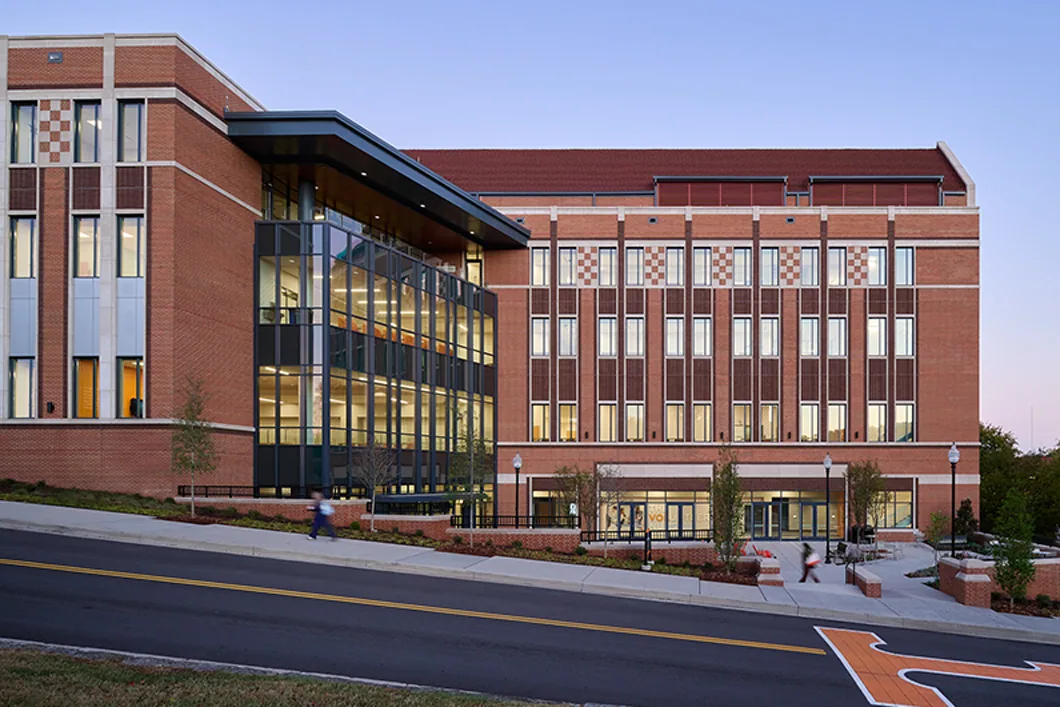
Tyler’s summer heat puts a clock on adhesion-sensitive roof work above occupied care space. The normal July high averages 94.5°F, yet we check the roof surface and substrate where the work will occur before releasing a detail. A healthcare project also needs a clear route for roof access, equipment staging, and protection below the active zone. We begin with the facility contact, roof plan, known water paths, and operational restrictions, then divide the work into roof zones that can be inspected and closed out in sequence.
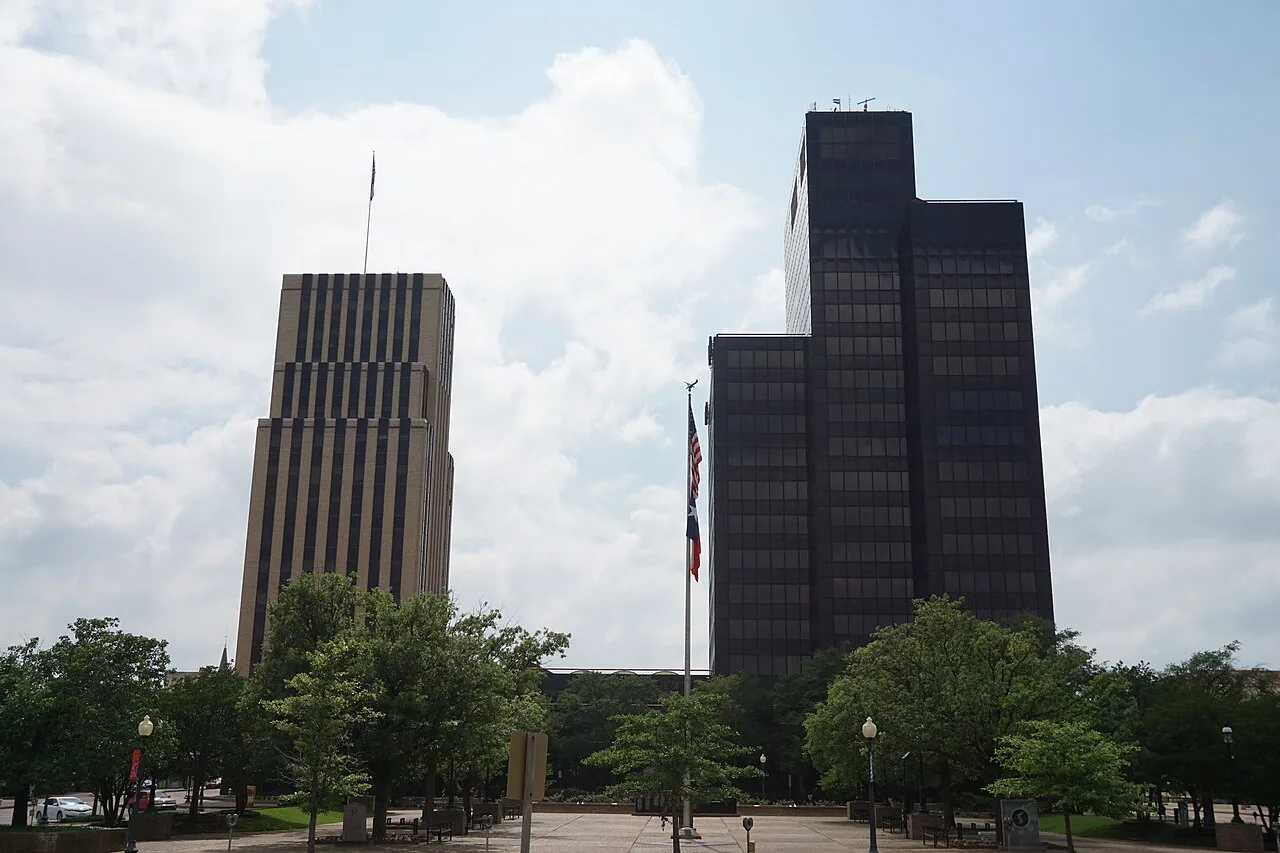
Tyler serves as a regional medical hub with hospitals and specialty clinics, and the Tyler Midtown Area continues to support healthcare and education uses. A property portfolio coordination plan and general contractor roof sequence can keep approvals tied to each building. That context makes coordination across buildings a practical concern, but no two assemblies can be assumed alike. We record the membrane or metal system where identified, penetrations, drainage, flashing, and any condition requiring a closer test. Our Midtown Tyler roofing coordination ties a roof finding to its actual location and the person who can release the next access period.
Care operations and roof access
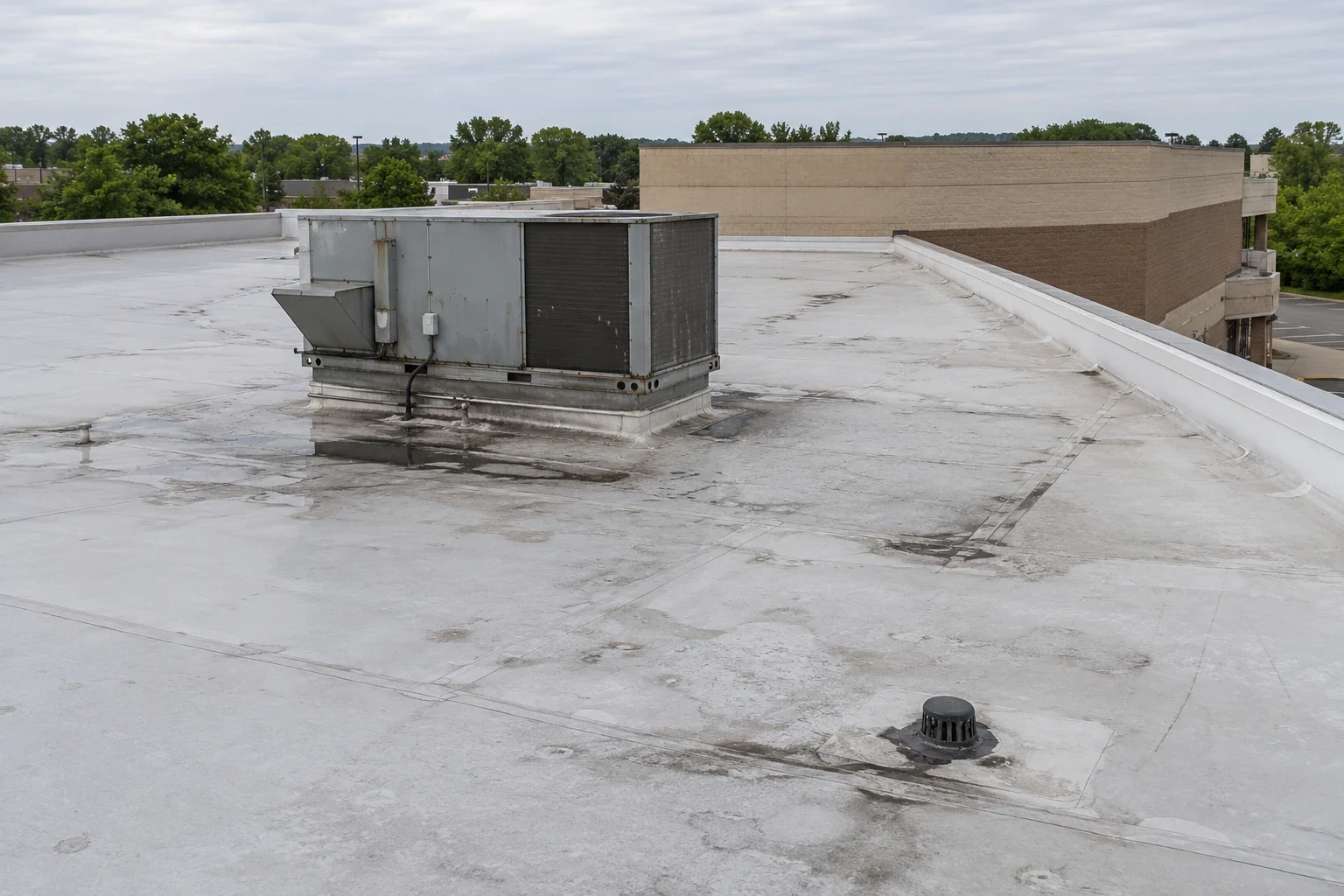
A roof repair over a clinical area can involve several simultaneous boundaries: the roof zone, the interior space below, a service route, and a patient or staff access path. We confirm where ladders, lifts, and materials can move and whether escort or infection-control procedures affect access. The facility team identifies rooms that cannot be interrupted and equipment requiring protection. We then set an agreed work area and establish who can pause or release it if daily operations change.
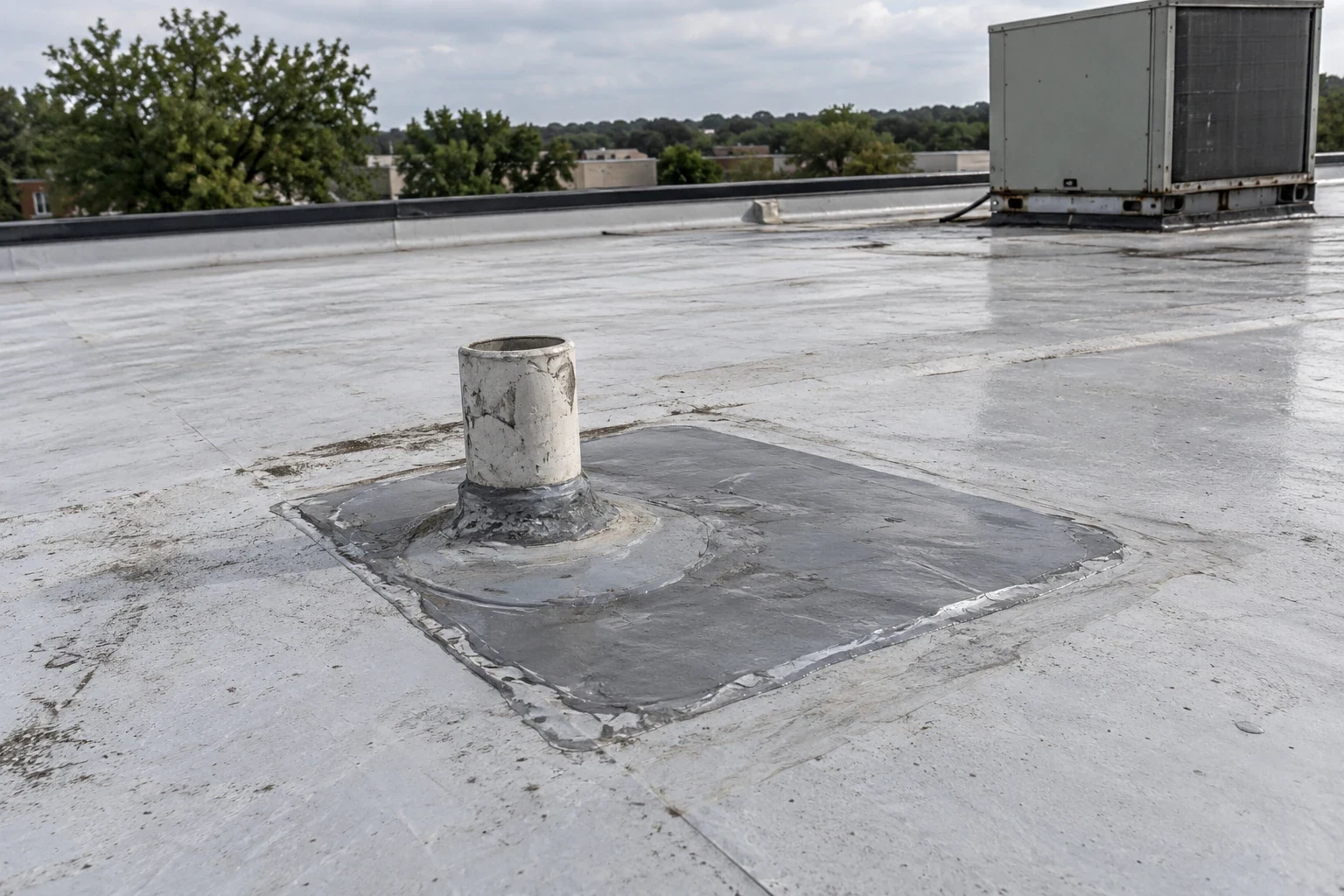
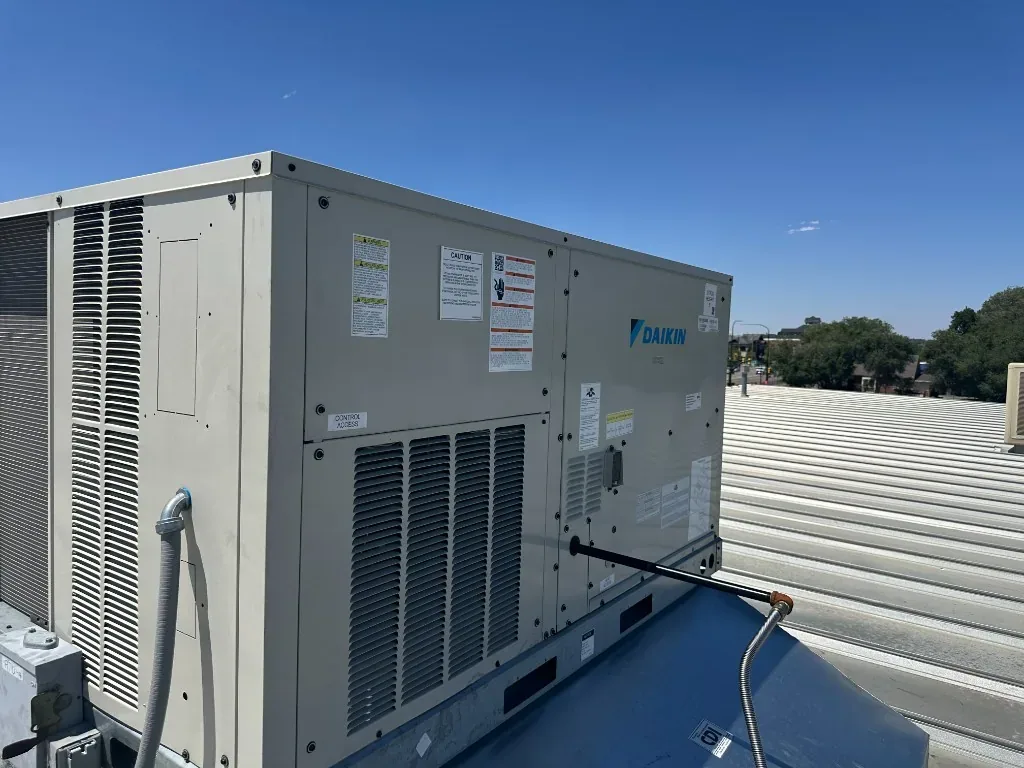
Penetrations often deserve a closer look because medical buildings carry rooftop mechanical equipment and related service lines. We inspect curbs, pitch pans, conduit supports, and flashing transitions for open connections or movement. A curb and equipment-support review can define whether the detail needs local repair or broader reconstruction. Work above an operating room, imaging suite, or clinical support area is planned with the building representative’s route and protection requirements, not with an assumed empty interior.
Water paths and condition evidence
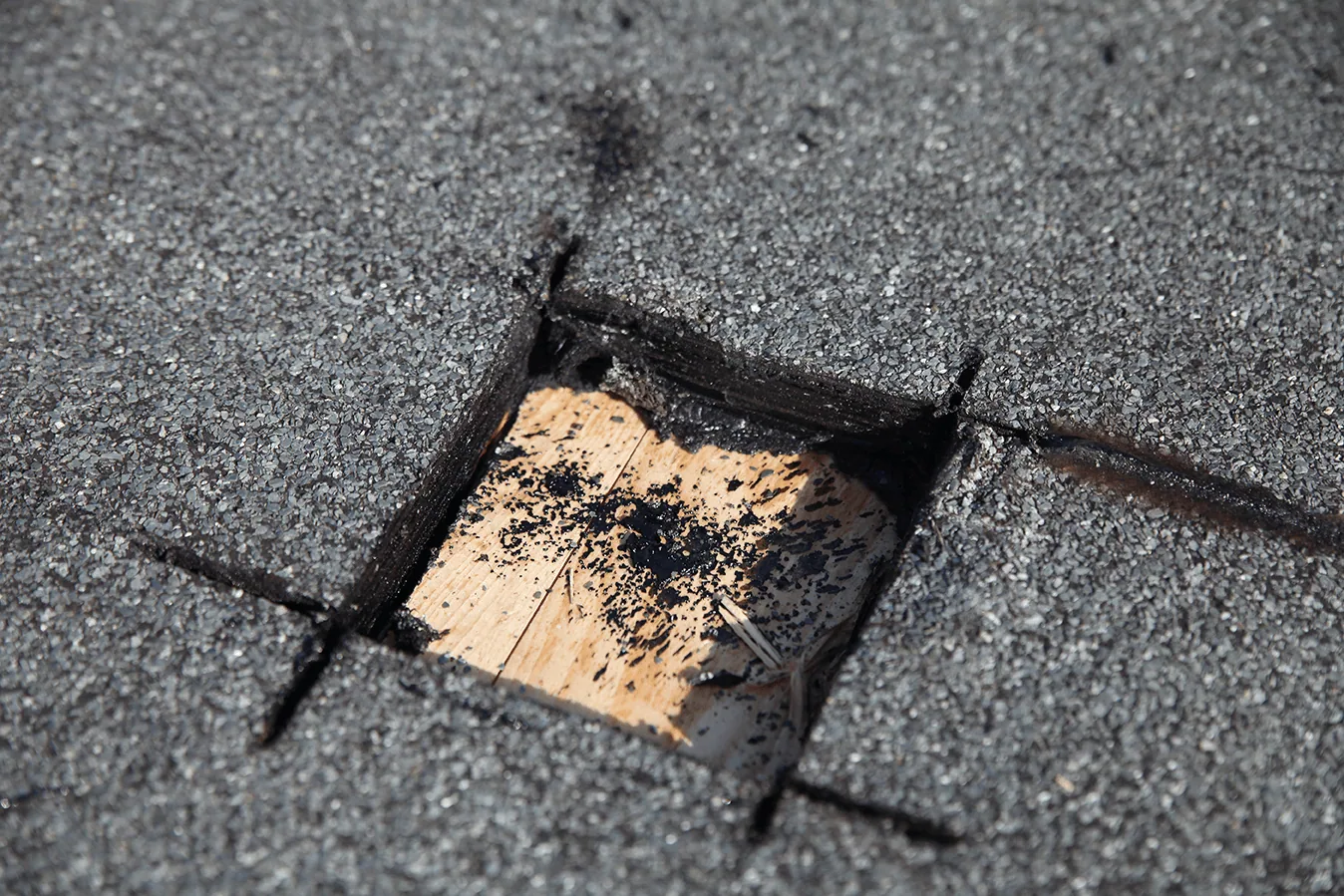
An interior ceiling mark may appear some distance from a roof opening. Water can follow deck flutes, insulation joints, structural members, or mechanical lines before it becomes visible. We compare the reported room and timing with the roof plan, drains, seams, penetrations, and transitions above and around it. Photos show the observed condition and location, while any test point or concealed layer remains identified as unresolved until it is checked.
Infrared moisture readings can help focus attention when the assembly and conditions support the method. A temperature pattern alone does not establish the moisture boundary, so we use targeted confirmation where it changes the removal or repair decision. A moisture survey paired with field observations can help distinguish a local repair from a larger wet area. The condition record names the inspected zones and open tests so the facility team can coordinate follow-up without treating unexamined areas as cleared.
Tyler heat and storm exposure
The July normal high in Tyler is 94.5°F, with a monthly mean of 84.4°F. These climate values describe typical local conditions, not the temperature of a healthcare roof at a particular hour. Before bonding or applying a coating, we read the substrate and compare the measurement with product instructions. An afternoon heat window can change when a detail is prepared, when materials are installed, and how the zone is protected if work must pause.
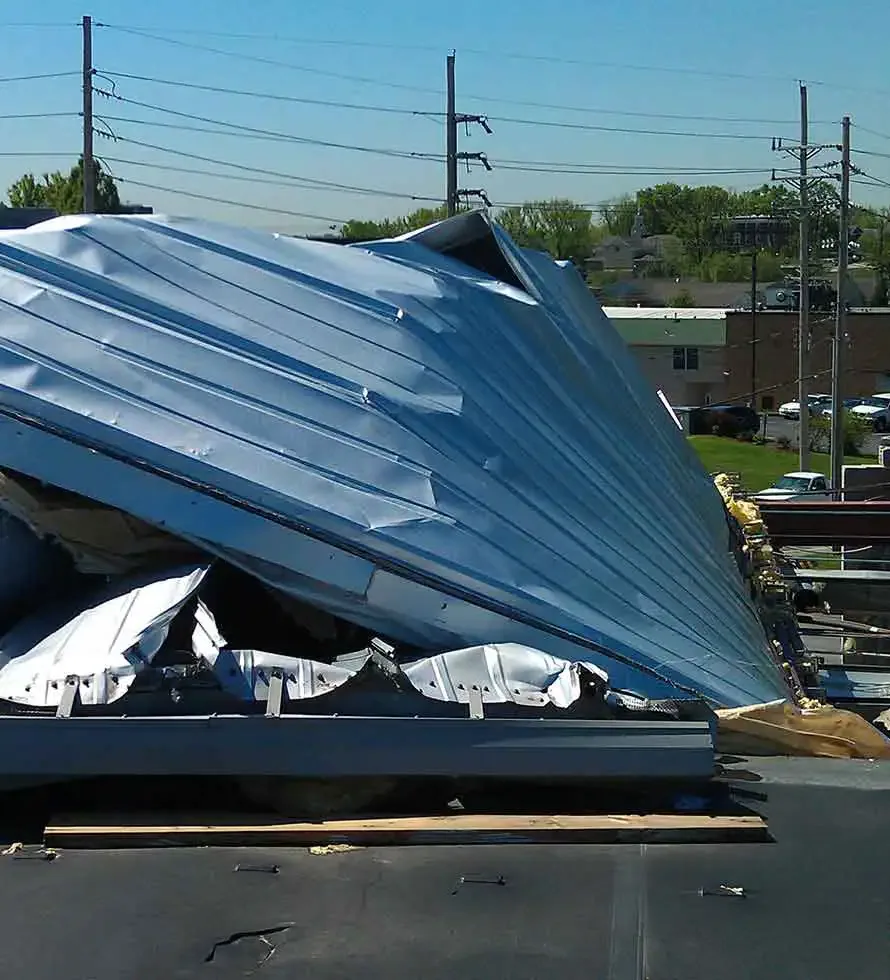
Severe thunderstorms bring large hail and damaging winds to the region, most often in spring and autumn. Tyler also has a documented tornado on June 8, 2021. After a weather event, we photograph visible conditions at edges, seams, penetrations, and drains, then separate possible impact from prior wear. The property’s report can support an insurance documentation package while keeping observed roof damage separate from coverage decisions. The work plan identifies temporary protection, affected zones, and the next safe inspection point.
Repair sequence and building protection
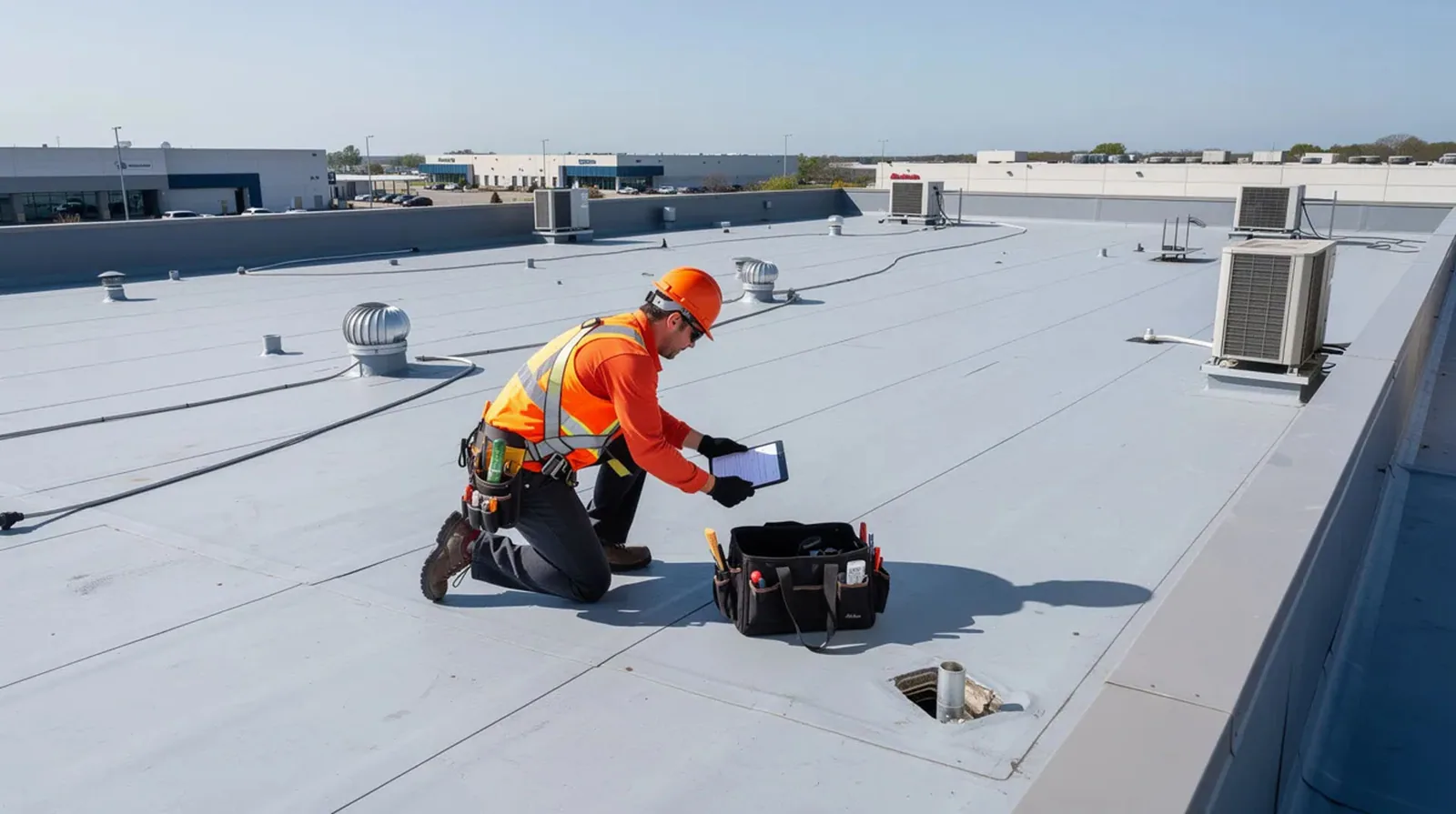
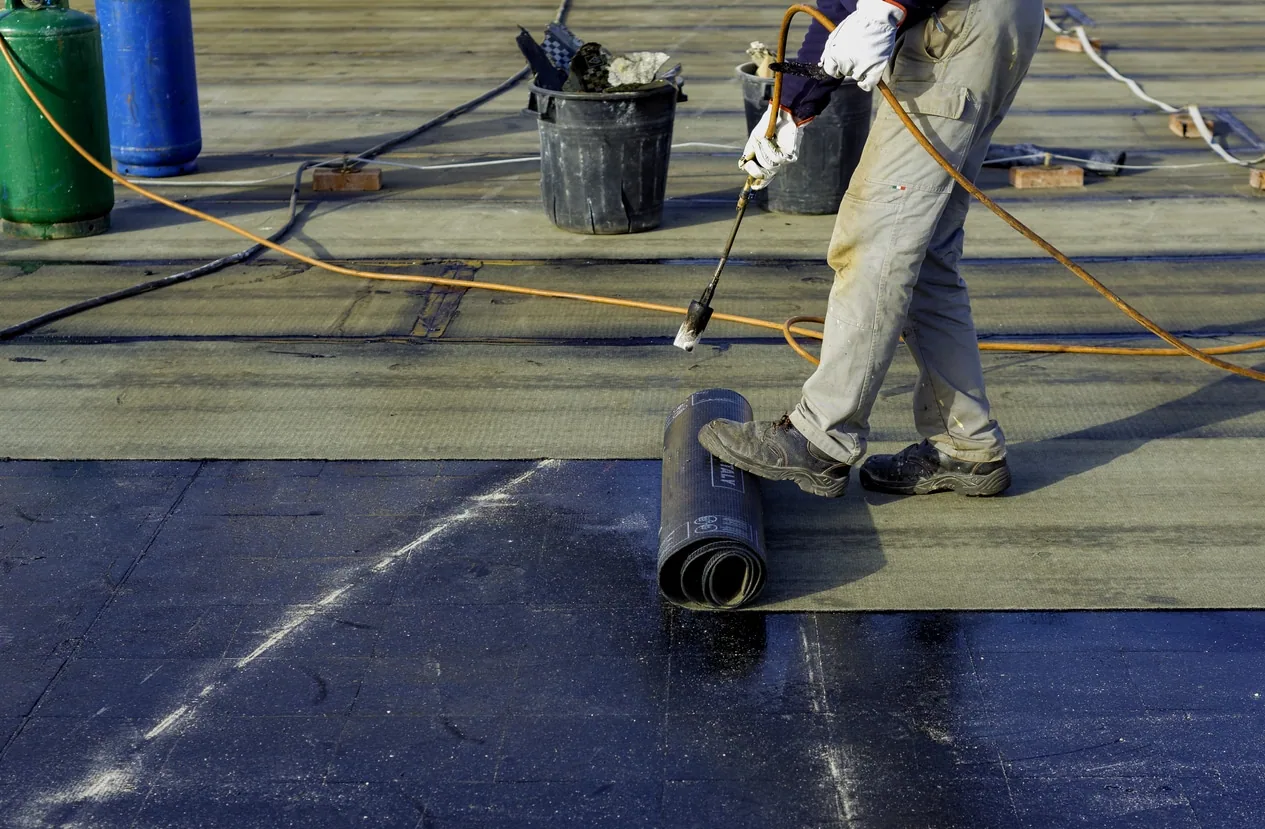
A repair sequence begins with access and protection, continues through preparation and installation, and ends with an exposed-section closeout. The facility contact identifies interior restrictions and the crew confirms the roof surface, drain path, and weather conditions before opening material. If removal reveals wet insulation or damaged cover board, we stop at the defined hold point, photograph the layer, and provide the measured condition for approval. The scope does not grow by assumption while the roof is open.
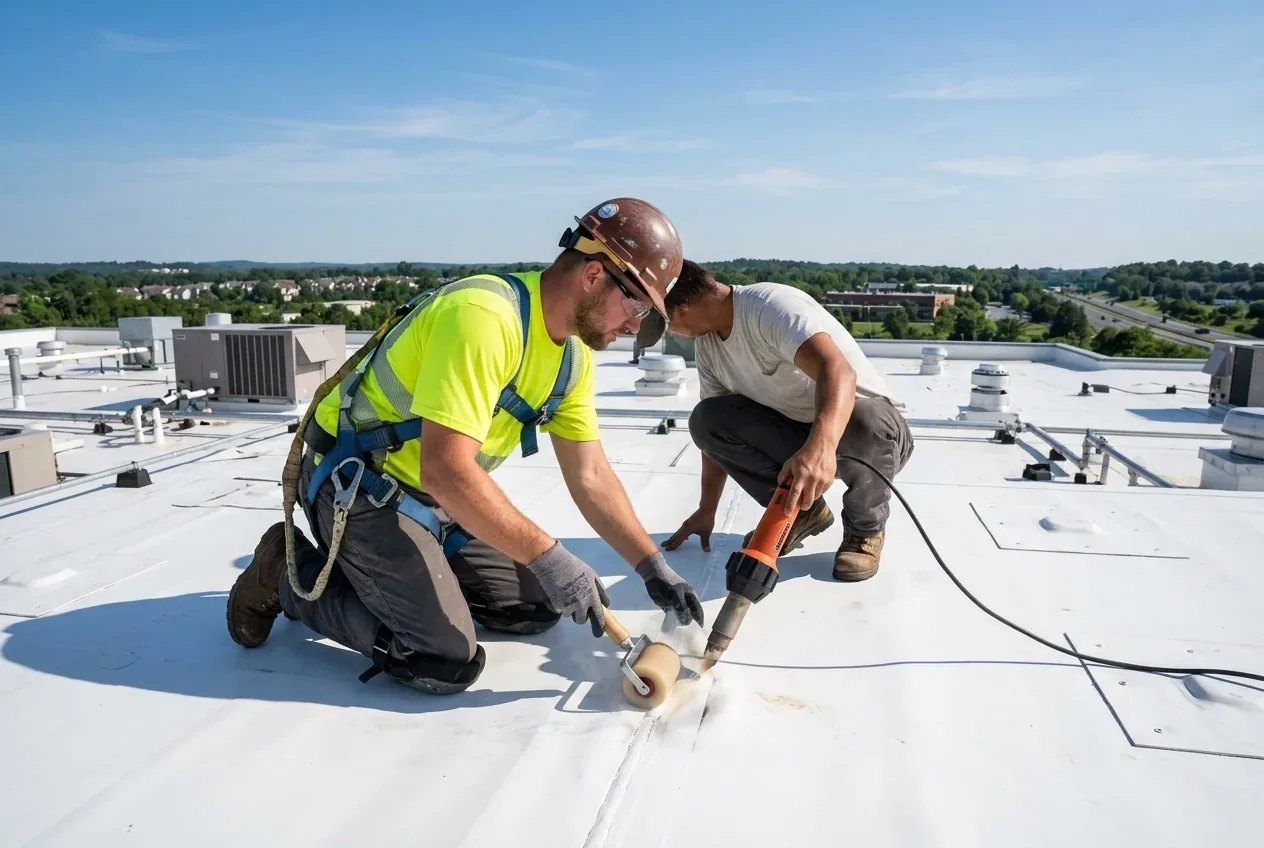
A limited repair can address a puncture, seam issue, or flashing failure when nearby material and supporting layers remain sound. Repeated failures or widespread moisture may call for a recover or replacement analysis. We describe removal, replacement layers, tie-ins, and equipment coordination so the health system can compare the complete work. A phased reroof plan can keep designated areas in service as each roof zone is completed, inspected, and handed back to the facility contact.
Crew handoff and closeout
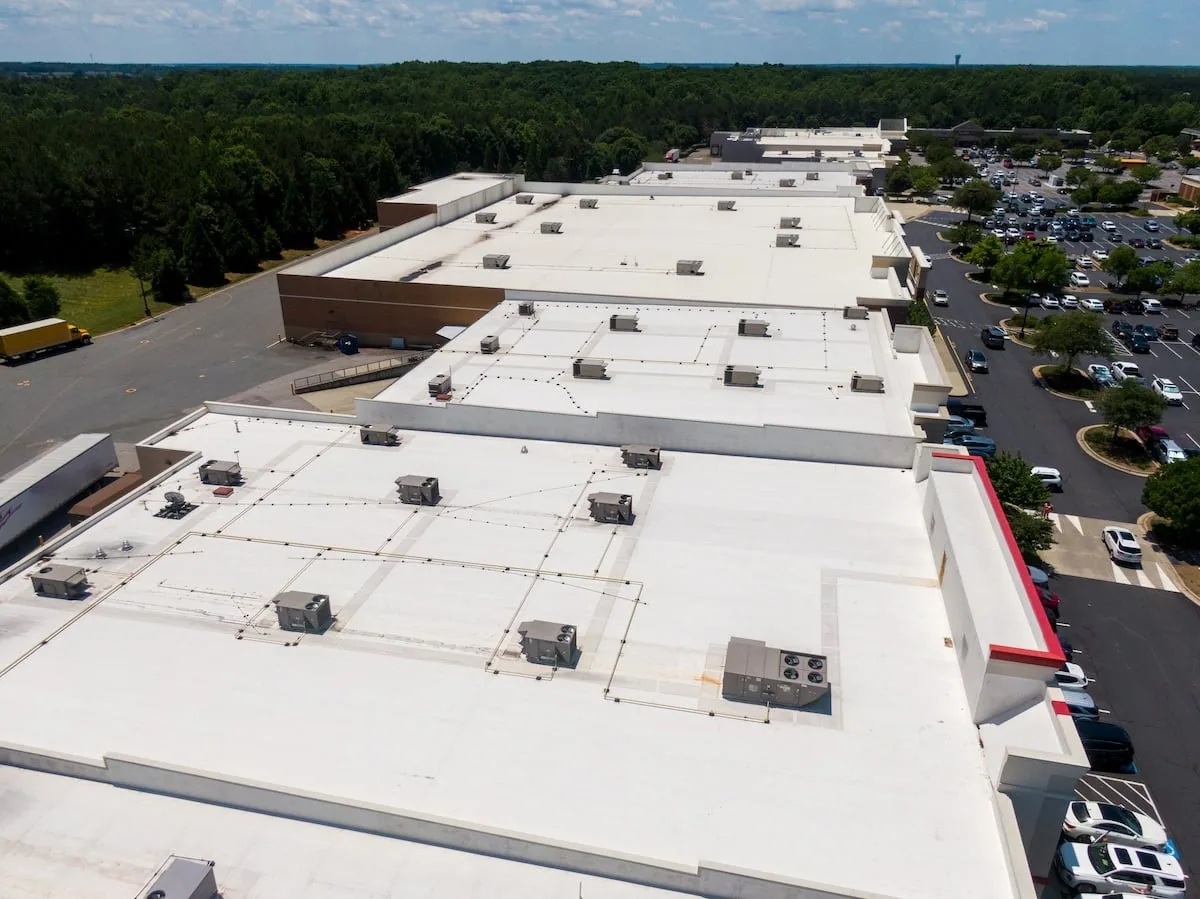
The handoff should state what was repaired, what remains under temporary protection, which drains were checked, and whether a test or approval is still open. We attach photographs to the zone record and identify the contact who accepted the work area. If an afternoon storm interrupts the planned sequence, the notes show the exposed boundary and next inspection. This gives the next shift a reliable starting point without asking facility staff to infer what happened from a roof hatch or ceiling mark.
The South Broadway Commercial Corridor has a documented history of congestion and coordinated signal work. That city route context can inform travel planning, though the healthcare site still sets its own deliveries and restricted areas. We confirm actual gate access and service windows with the facility team. The completed work package records the crew handoff, materials, open test points, and maintenance observations for the next review.
Commercial Roofing Questions
Can roofing work proceed above active clinical space?
It can be sequenced when the facility defines access, interior protection, restricted rooms, and the work boundary. We coordinate with the designated site contact and close one agreed zone at a time. A change in care operations can pause the release and reset the sequence.
How do you investigate a leak near mechanical equipment?
We compare the interior report with curbs, conduit supports, seams, drains, and nearby flashing. Water can move before it reaches the ceiling, so the stain is a starting location rather than a repair outline. We document the evidence and any test needed to confirm the boundary.
What roof records help a health system plan capital work?
Provide roof plans, assembly records, service history, known leaks, equipment layouts, and access restrictions. We return condition notes, photographs, zone maps, test points, and repair options. Each building keeps its own observations so capital priorities remain tied to its actual assembly.
Does a moisture survey prove the whole roof is dry?
A survey can focus investigation where its readings and the roof assembly make the method useful. We interpret the pattern with field observations and confirm areas where the result would change removal. The report states the zones inspected and leaves untested areas open for review.
How are heat delays handled over an occupied facility?
We check actual substrate temperature and product limits before adhesion-sensitive work. If conditions require a pause, we identify the exposed section, secure temporary protection, preserve the drain path, and set the next inspection point. The facility contact receives the updated release sequence.
Related Pages
Midtown
Tyler, TX
Rooftop Equipment Curbs and Supports
Tyler, TX
Infrared Roof Moisture Survey
Tyler, TX
Commercial Roof Condition Reports
Tyler, TX
Coordinate the next care-area release
Send the Tyler facility roof plan, assembly records, active leak locations, equipment layout, access rules, and care-area restrictions. We will return a sequenced inspection or repair package with protection limits and open approvals marked.