
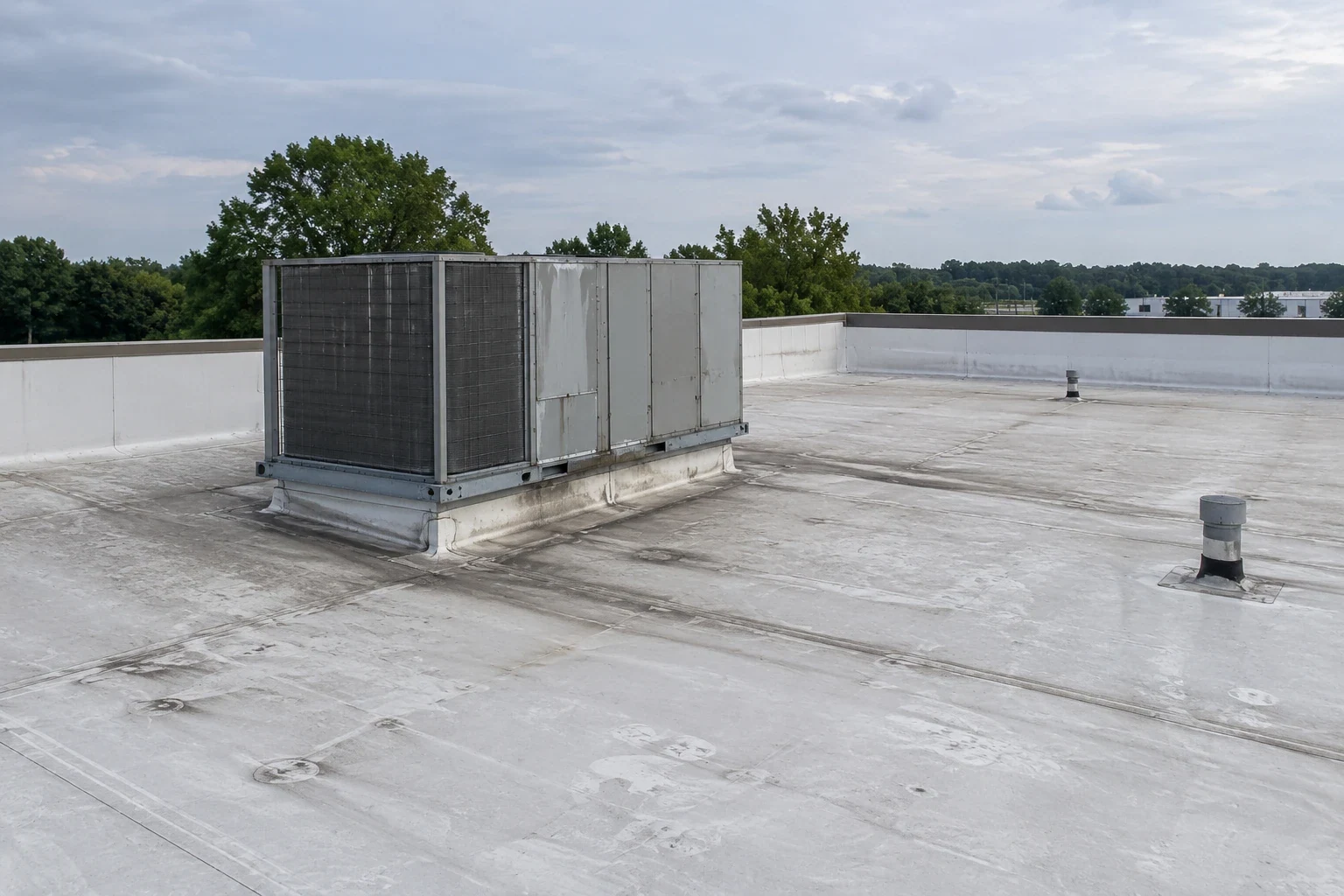
Moisture at a cold-storage roof can come from a roof opening, condensation, or a change in the assembly. Tyler’s normal July high is 94.5°F. Where exterior air reaches a colder layer, we check condensation pathways separately from rain-entry details. We mark the roof zone, interior temperature-control boundary, and equipment penetrations before deciding where to test. Tyler Interstate Commerce Park and Lindale’s I-20 distribution corridor show the region’s logistics setting; each cold room still needs its own assembly record and operating window.
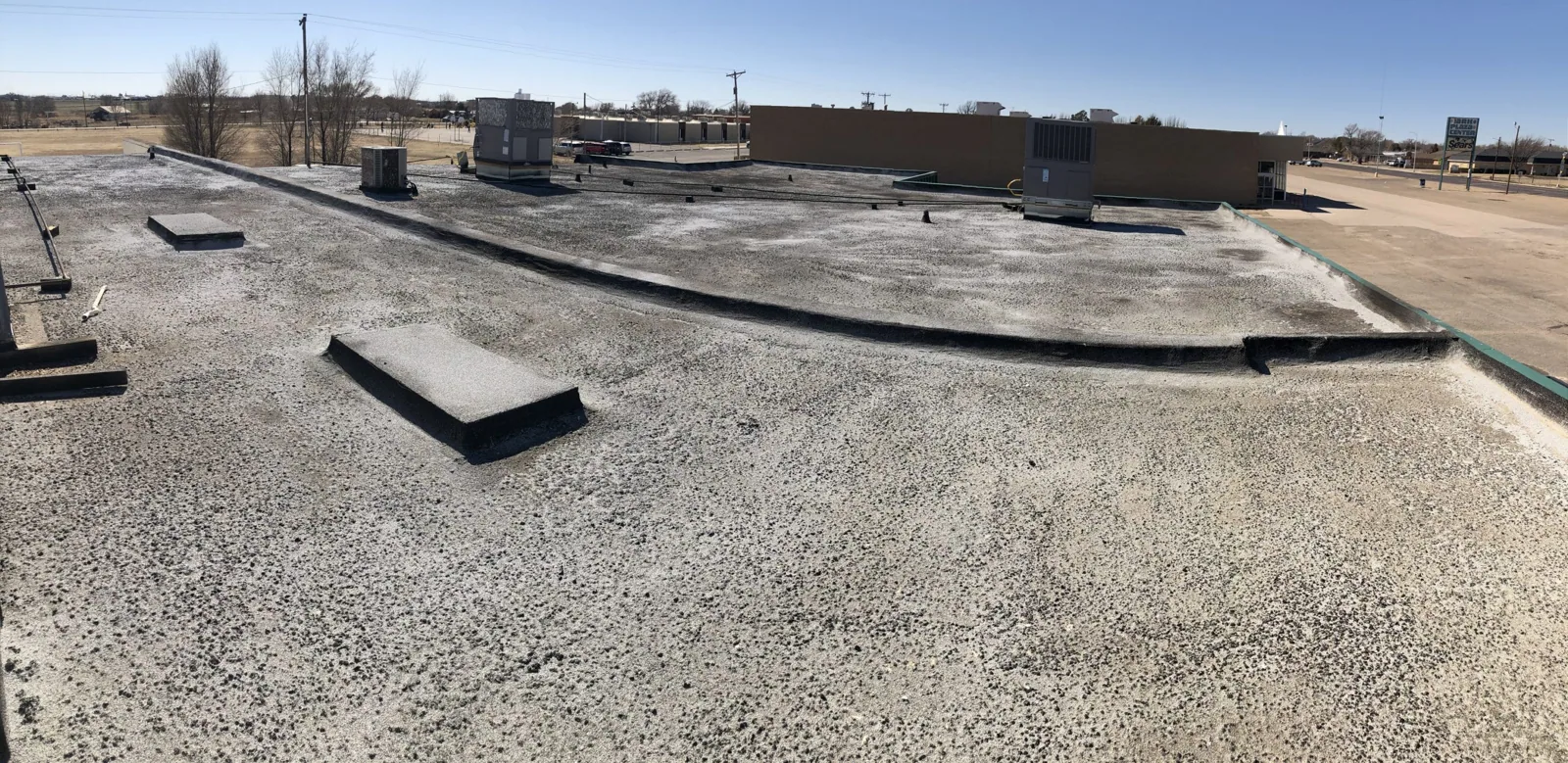
The roof must manage exterior weather while the building controls temperature below. We inspect membrane seams, vapor-retarder continuity where accessible, insulation condition, curbs, drains, and transitions to wall panels. A surface stain does not establish whether the cause is a roof leak or interior moisture movement. The inspection scope combines roof-side observations with maintenance input; a distribution-center roof may share dock constraints, while plant roofing can involve another set of exhaust and production penetrations.
Condensation and vapor movement
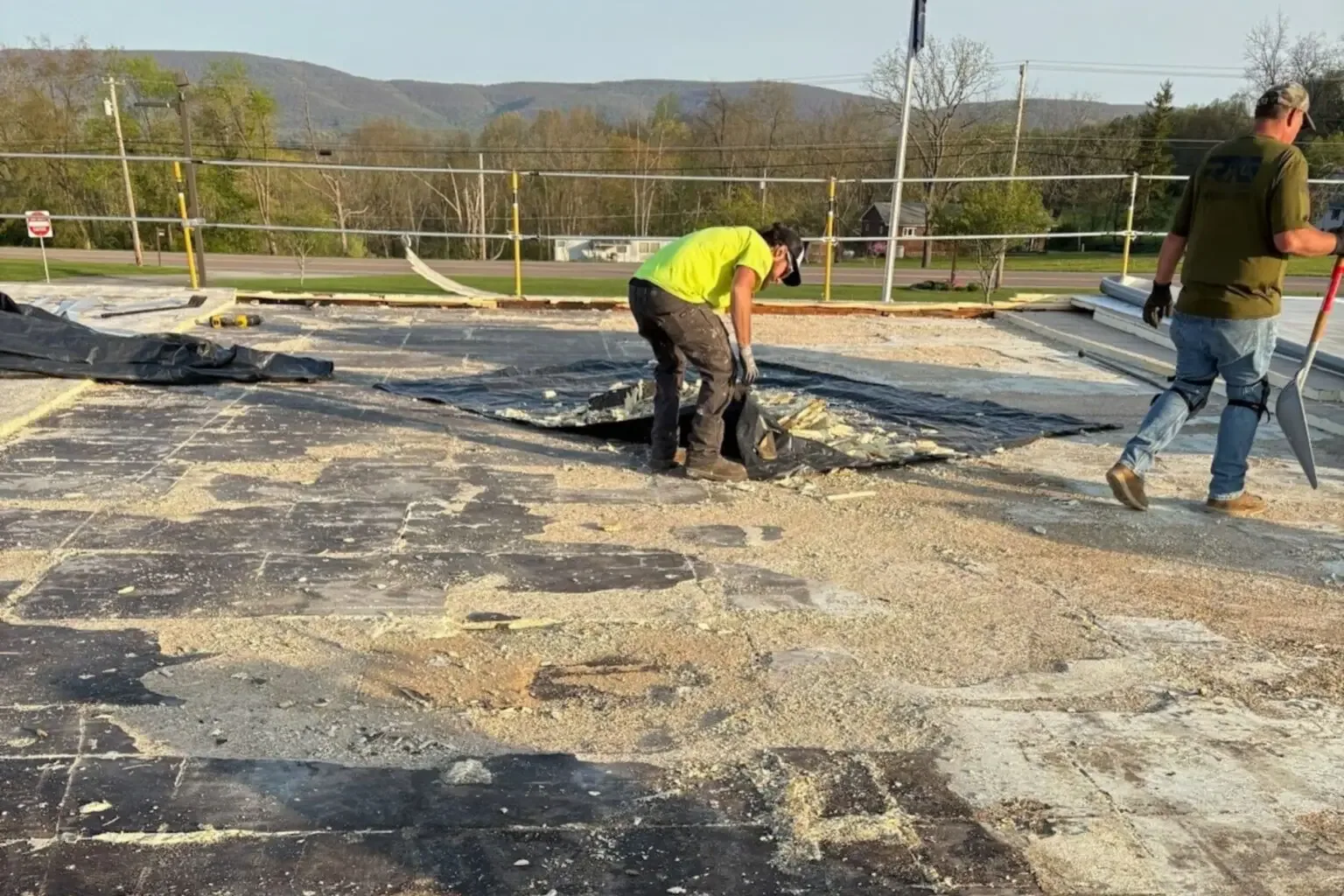
Warm air that reaches a colder layer can release moisture, while a roof opening can admit rain through a separate path. We compare the interior pattern with roof-side seams, penetrations, insulation, and wall-roof transitions. Maintenance staff can help identify when a condition appears, whether equipment or operating settings changed, and whether moisture follows a daily or seasonal cycle. That information guides testing; it does not replace inspection of the roof assembly.
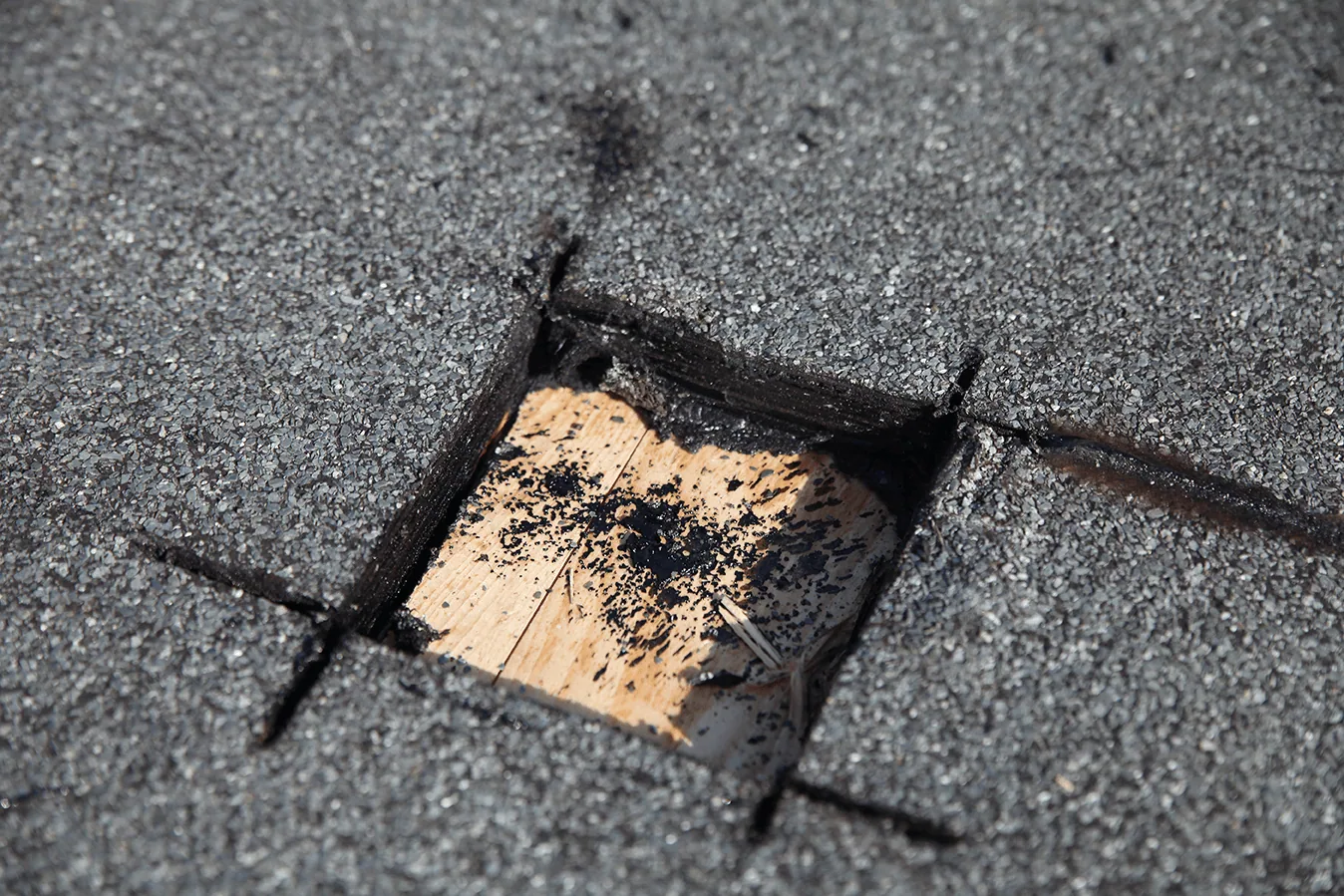
Where concealed layers matter, we select test points that can answer a specific assembly question. A cut may show whether insulation is wet, whether the vapor control layer remains continuous, or whether the deck needs review. We record the location, condition, and repair made to the test opening. If readings are inconclusive, the work plan identifies the next check rather than describing the entire roof as wet. The infrared survey can help prioritize locations when combined with field observations and agreed verification.
Roof penetrations and service access
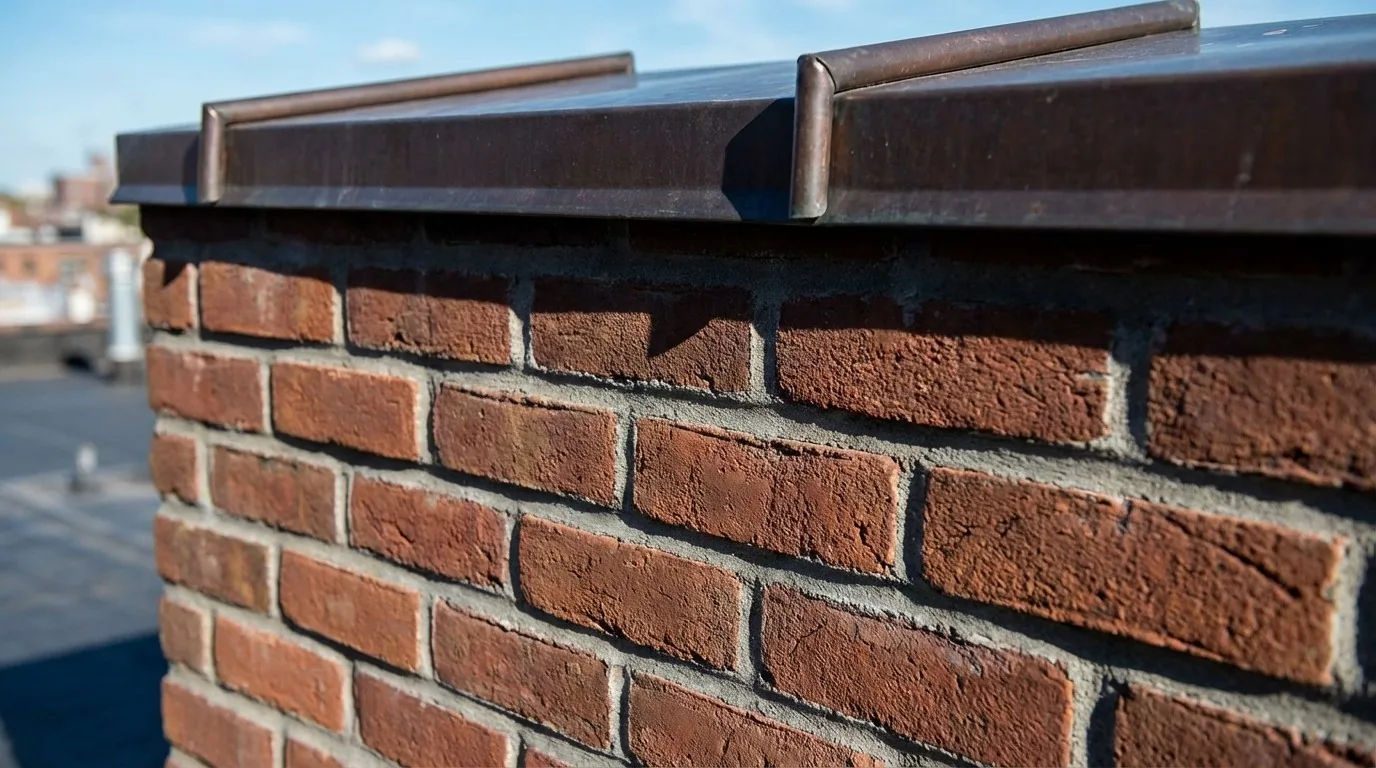
Refrigeration lines, exhausts, conduits, and equipment curbs interrupt the roof plane. Their flashing must remain compatible with the membrane and accessible for future service. We note each penetration, nearby seam, support, and service route before proposing a repair. Where a trade needs to move or replace equipment, the roofing detail and mechanical work get separate approval and a shared access release. That prevents a finished flashing from being disturbed without a new inspection.
Cold rooms often have strict temperature and product-handling controls. We coordinate any overhead work boundary with the facility contact and identify interior protection, product relocation, and required clearances before opening the roof. Each shift records the exposed limit, temporary cover, drain path, and person releasing access. A curb and support repair can be sequenced with the roofing work when the equipment schedule is ready. No curb is treated as a standard detail until its actual height, condition, and service needs are observed.
Storm exposure and heat limits
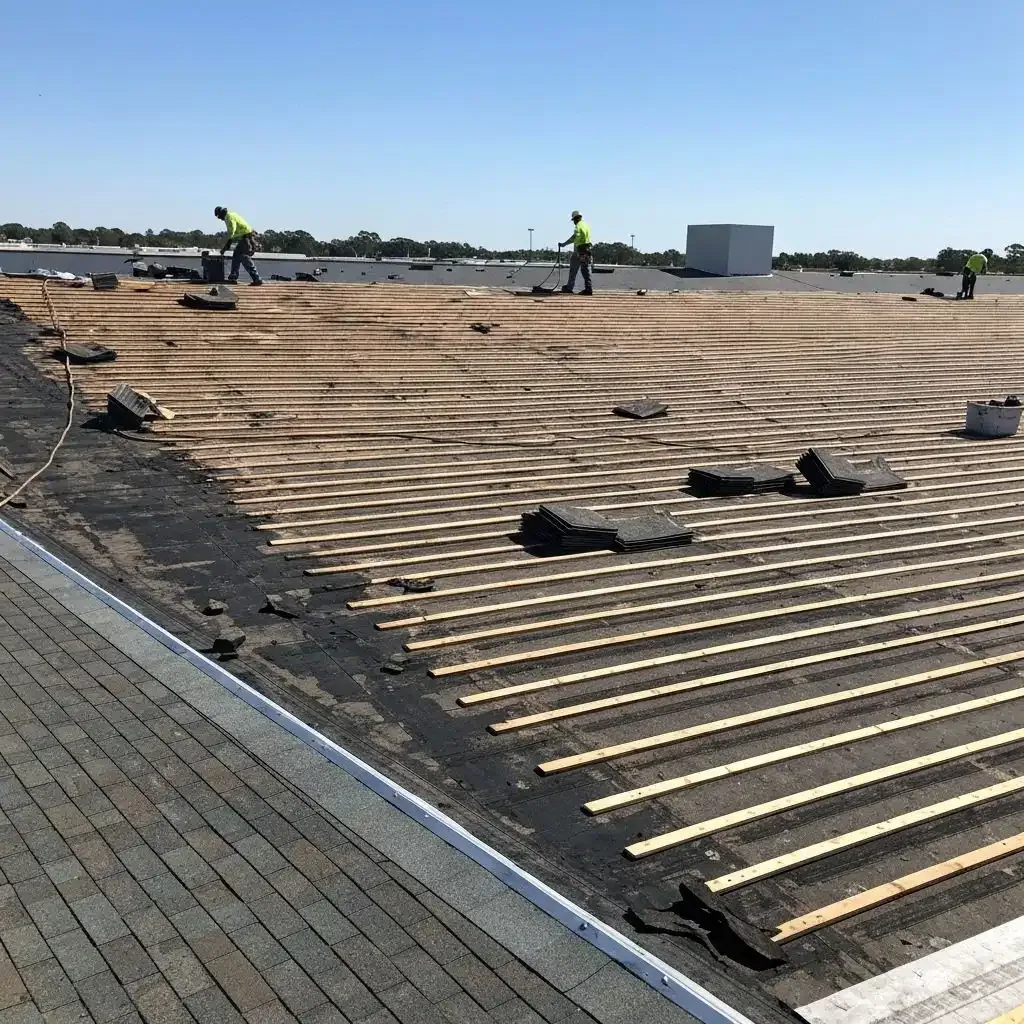
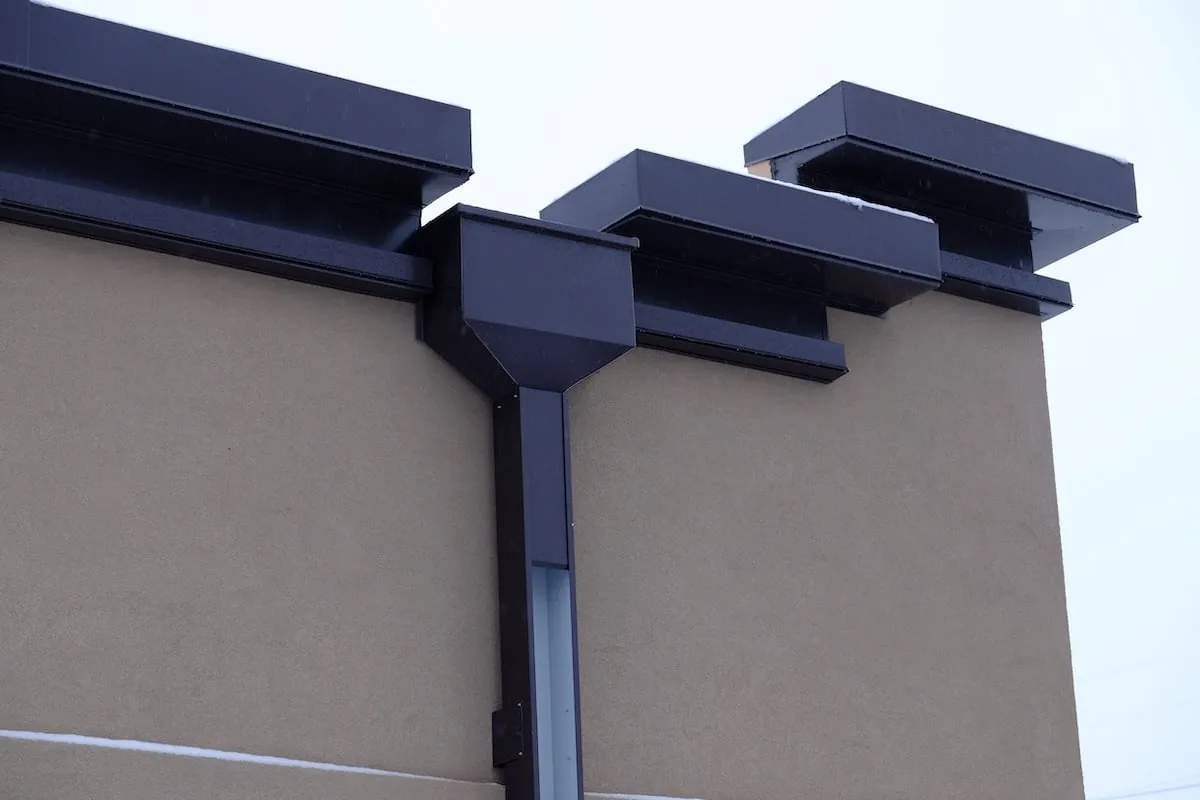
Large hail and damaging wind can cross the region with Tyler’s spring and autumn storms. After a storm, we inspect roof edges, seams, equipment flashings, skylights, and drains for visible displacement or impact, then document the finding by zone. A cold-storage building’s operating temperature does not establish whether an exterior membrane was damaged. The current roof condition and any testing guide the repair boundary. We record temporary protection separately from the permanent detail so the owner can track each stage.
Summer heat creates a different scheduling constraint. The 94.5°F normal July high is not a surface reading, so we check the substrate where work will occur and follow the selected system’s application limits. Coatings, adhesives, and flashing materials may have different requirements from a mechanical repair. If the work surface is outside the specified range, the crew holds that step and completes an approved task elsewhere. A weather delay plan names the exposed-section closeout and drain check before material is removed.
Repair, recover, or remove
A local puncture or failed penetration flashing may support repair if the adjacent membrane, insulation, and deck are sound. We prepare the surface and complete a compatible detail, then check the repair before releasing the area. If moisture appears at multiple test points or the assembly no longer controls vapor movement as designed, a single patch will not answer the larger question. We map the condition and compare the evidence with operating history before recommending additional testing or replacement.
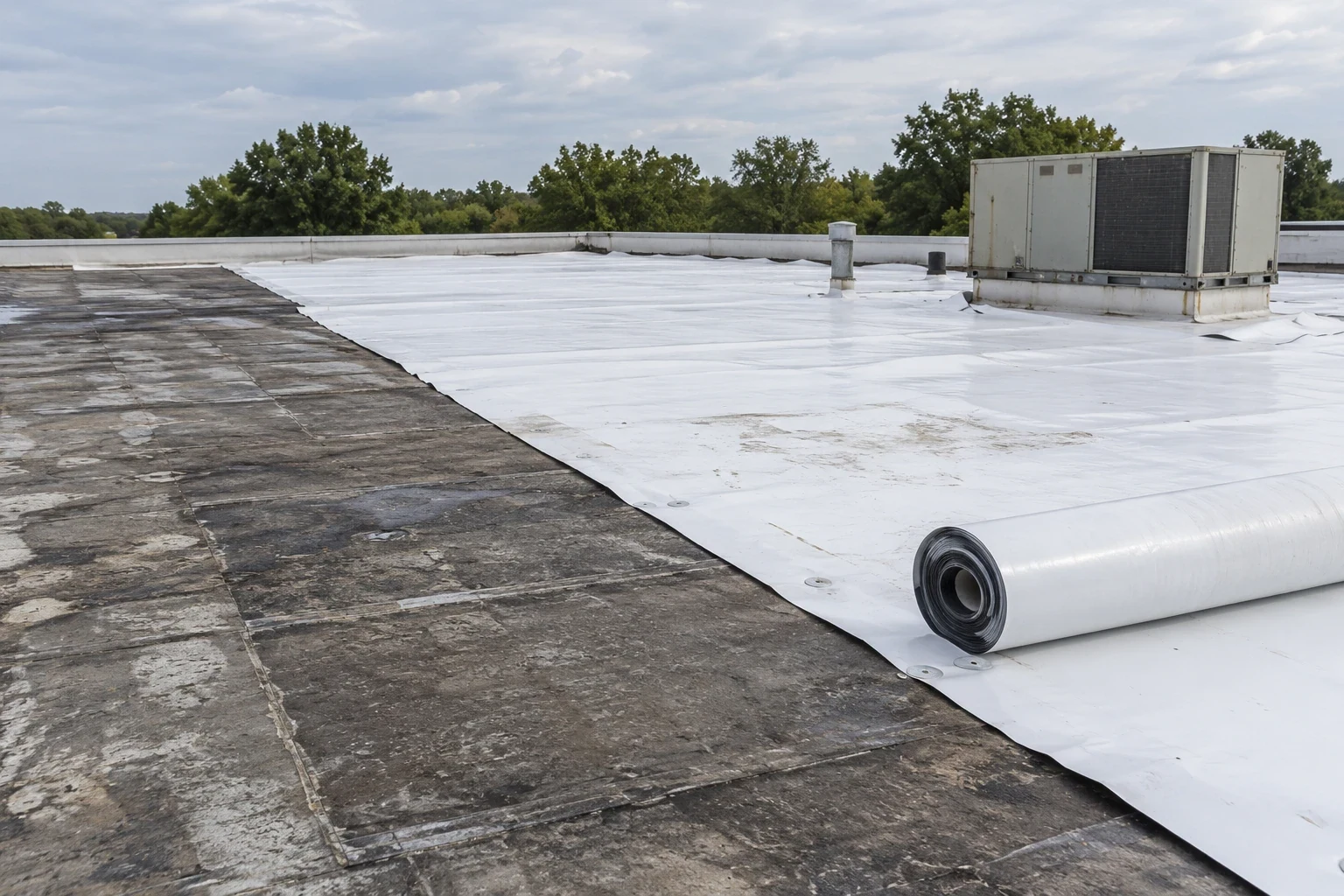
A recover depends on the existing roof’s moisture, attachment, compatibility, layer count, and applicable system limits. Wet insulation or a compromised vapor-control layer can make concealment a poor choice. Replacement scope also depends on insulation design, cold-room continuity, deck repairs, equipment access, perimeter details, and how long each room can tolerate overhead work. We separate confirmed repairs from open tests and show the hold point for owner approval. A replacement scope can show the sequence and cost drivers without assuming concealed conditions.
Protected rooms and daily closeout
Before work starts, the facility contact identifies temperature-sensitive rooms, sanitation routes, loading schedules, and any space that cannot be exposed to dust or debris. We divide the roof into manageable areas and align each opening with interior controls and a clear end-of-shift limit. If a room must remain closed, that condition belongs in the access plan. The general contractor can then coordinate roofing, refrigeration service, and operations using the same zone map.
At Tyler Interstate Commerce Park near I-20 and the Lindale I-20 commercial corridor, regional freight access may inform delivery planning, while the cold-storage property’s gates and dock rules control its actual work schedule. We agree on lift placement, material route, roof access, and emergency egress before mobilization. A phased occupied-building sequence can preserve approved portions of the operation as each roof zone is protected, inspected, and released.
Condition records and next inspection
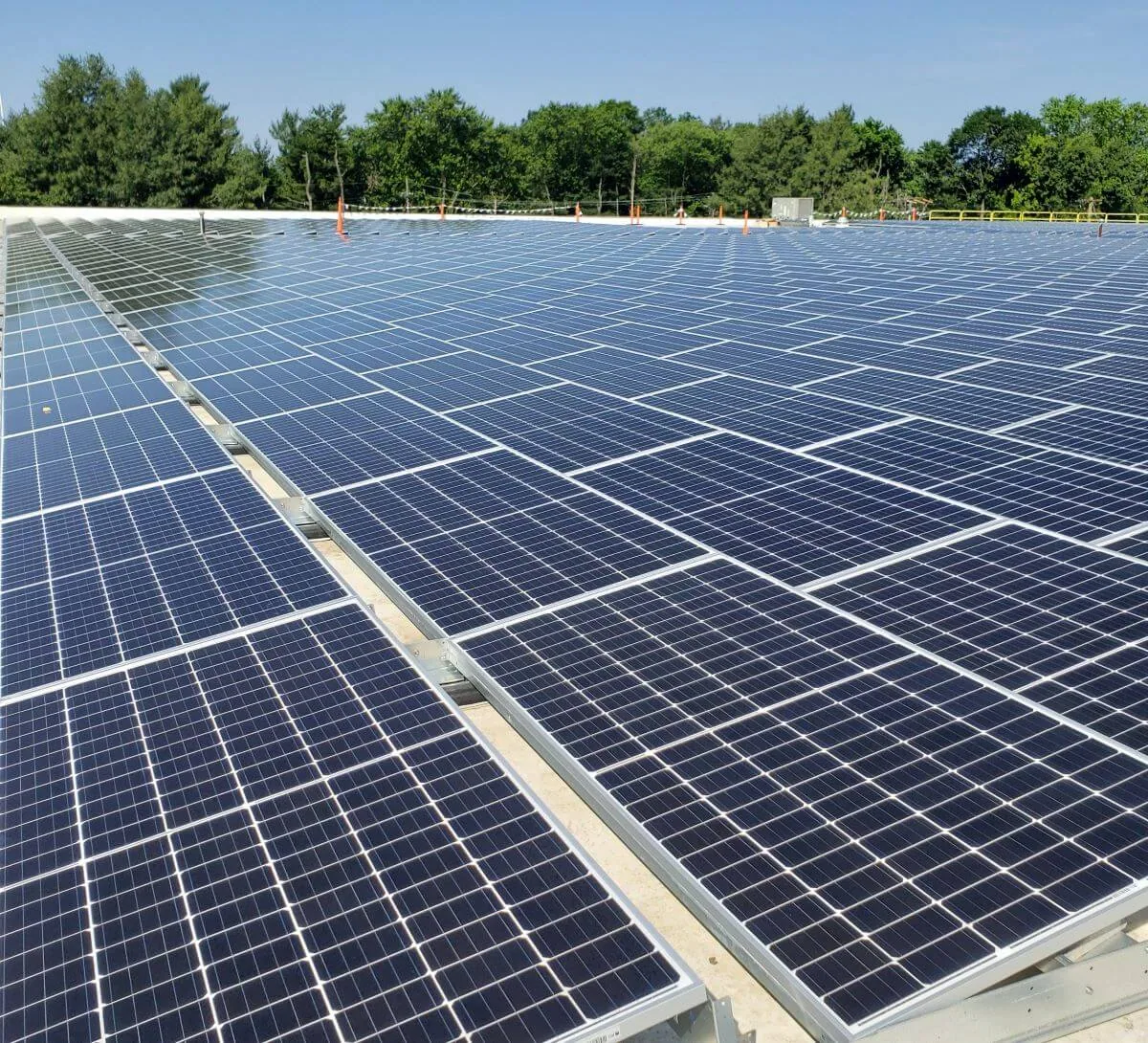
The turnover record should connect photographs and test results to the roof plan. We identify moisture locations, repaired penetrations, completed seams, drain checks, temporary protection, and any remaining observation. Material and assembly records help maintenance staff review later changes without confusing a roof detail with refrigeration-system work. A condition report can establish a current baseline for planned maintenance and capital comparison.
Provide assembly drawings, leak history, temperature-control constraints, equipment access needs, roof plan, and decision date for a scoped review. We return a work package that identifies test points, protected operating zones, hold points, and crew handoffs. For a breach affecting a temperature-controlled area, call us; we confirm dispatch against safe entry and weather, then record interim safeguards. For a building in the Tyler service area, the closeout identifies completed repairs and any room or roof-zone release that remains open.
Commercial Roofing Questions
How do you tell condensation from a roof leak?
We compare the interior moisture pattern with roof-side seams, penetrations, insulation, drains, and wall transitions, then ask maintenance about operating changes and timing. Testing can identify wet layers or an opening. Condensation and rain entry can also occur together, so the work record separates each supported finding.
Can a cold-storage facility keep running during roof repairs?
We plan around temperature-controlled rooms, loading schedules, interior protection, and service routes. A phased sequence can keep approved areas in operation while one roof zone is repaired. The facility contact releases each boundary and confirms any room restriction before work begins overhead.
Does Tyler’s summer heat affect cold-storage roofing?
Yes. The 94.5°F normal July high signals a period for checking heat-sensitive steps, but the crew measures the substrate at the actual work zone. Product instructions control adhesive, coating, and flashing conditions. Another approved task can proceed if one operation must wait.
When is a recover unsuitable over a cold-storage roof?
A recover may not fit if moisture, attachment, layer count, compatibility, or vapor control cannot support another system. We inspect and test where concealed conditions would change the choice. Wet insulation or deck problems can make selective removal or replacement the sounder comparison.
What does the owner receive after roof testing?
We record each test location, finding, repaired opening, photograph, and next decision. The summary identifies confirmed conditions separately from areas that need another check, and notes how the result affects the assembly choice and work sequence.
Related Pages
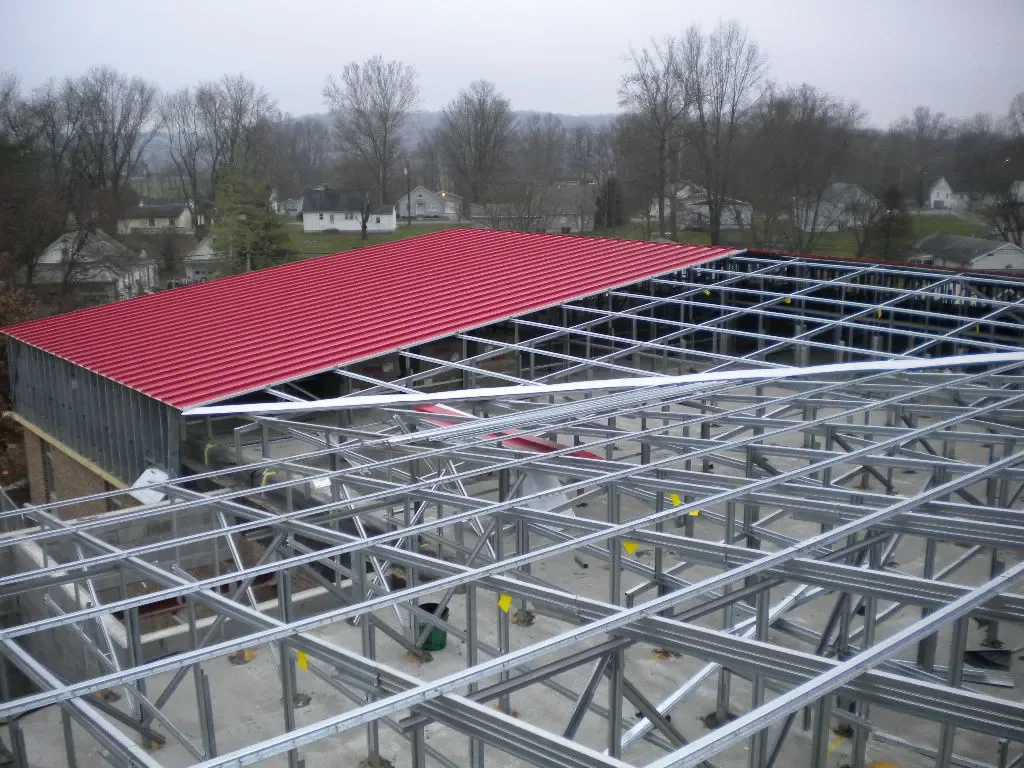
Commercial Roof Inspection
Tyler, TX
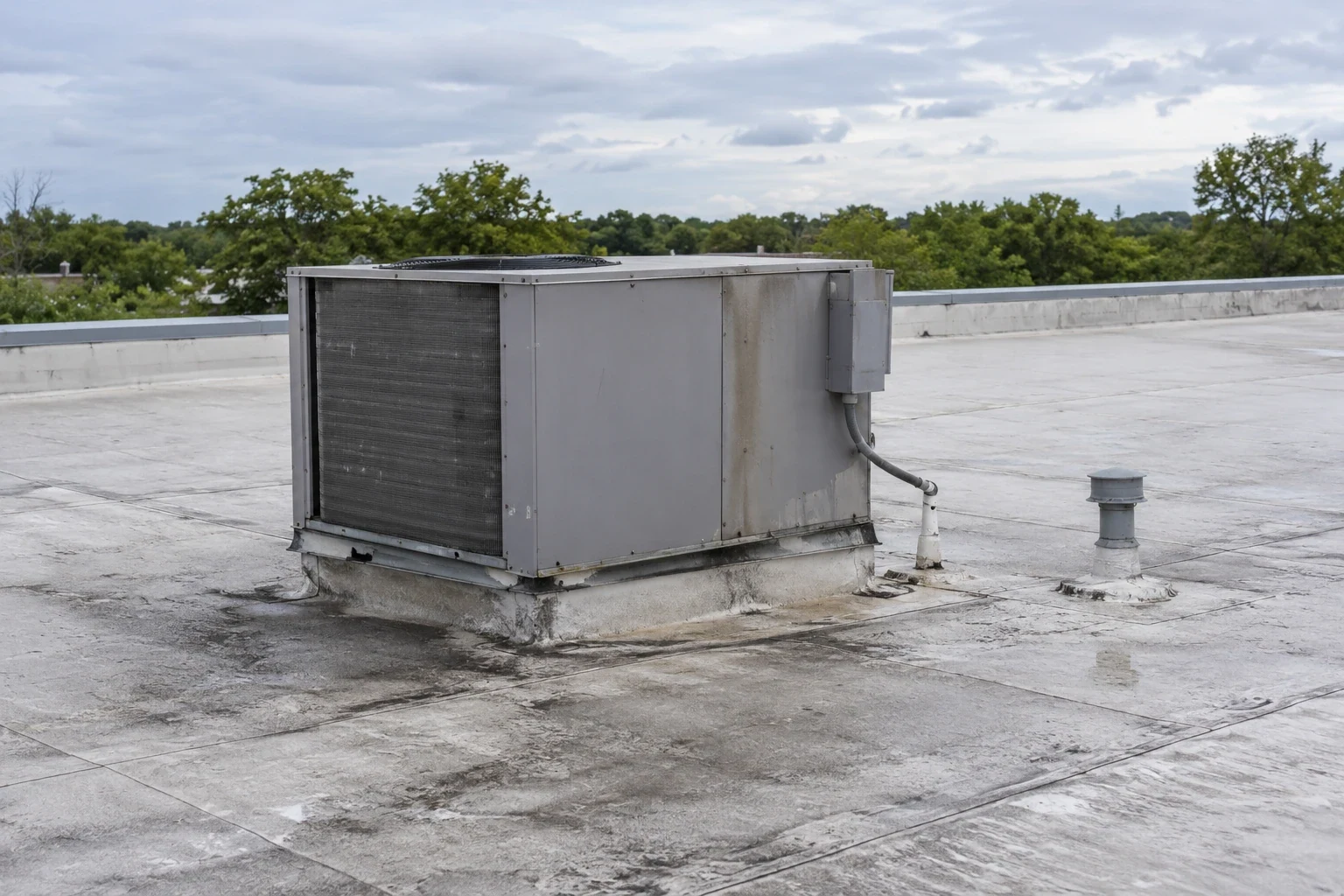
Distribution Center Roofing
Tyler, TX
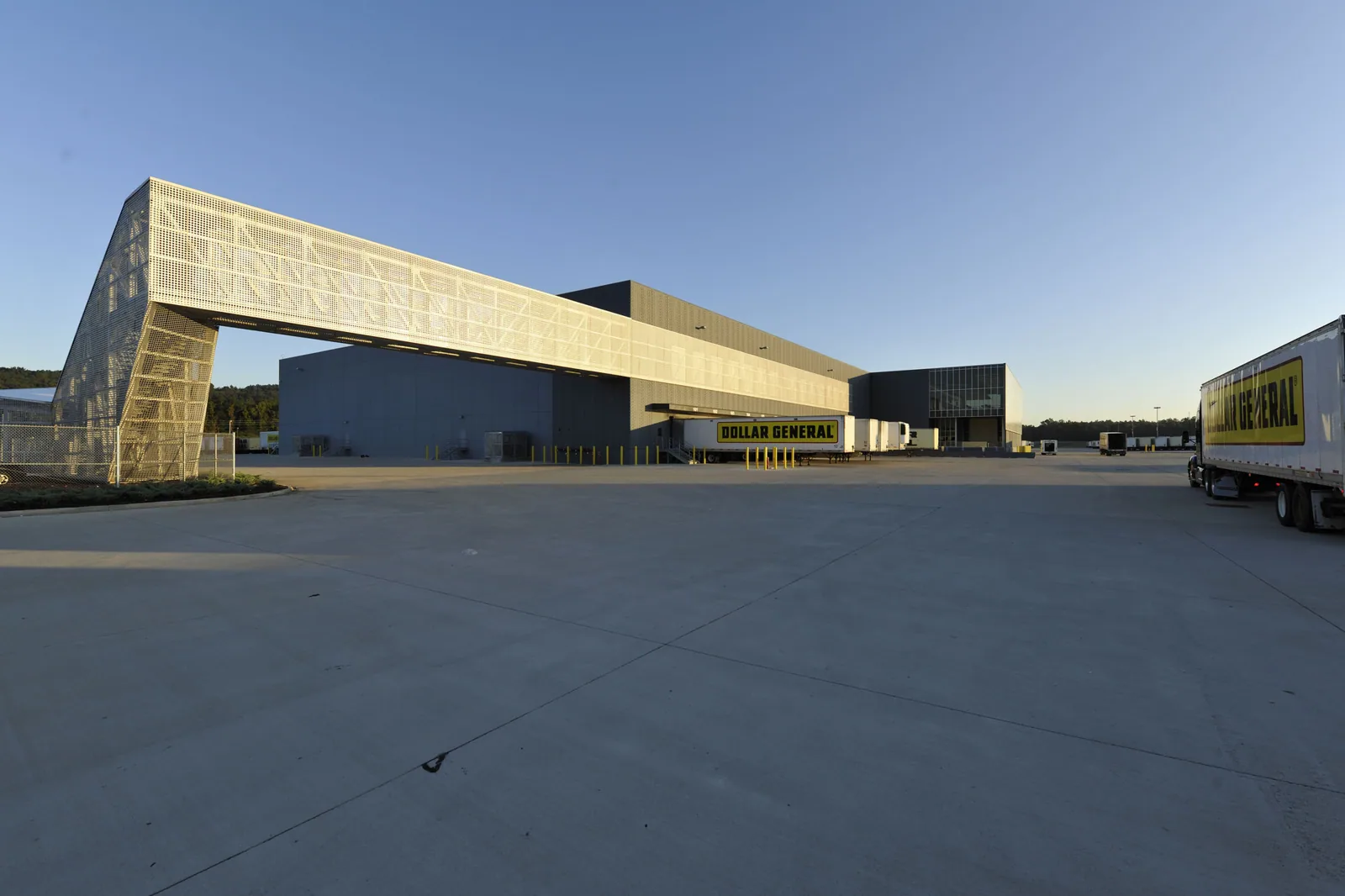
Manufacturing Plant Roofing
Tyler, TX
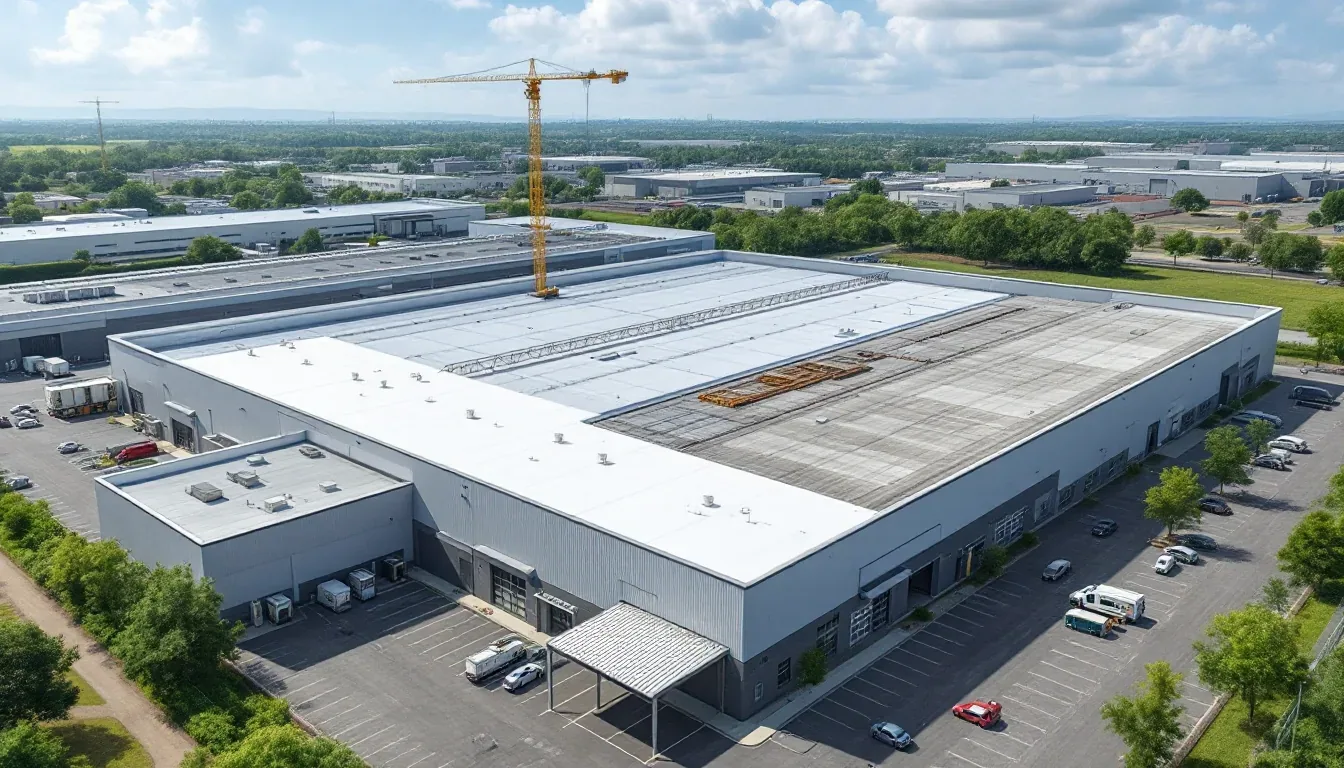
Infrared Roof Moisture Survey
Tyler, TX
Plan the cold-storage roof sequence
Send assembly drawings, the roof plan, leak history, temperature-control constraints, equipment schedule, access window, and decision deadline. We will return test points, protected zones, closeout limits, and approval holds for the general contractor.