
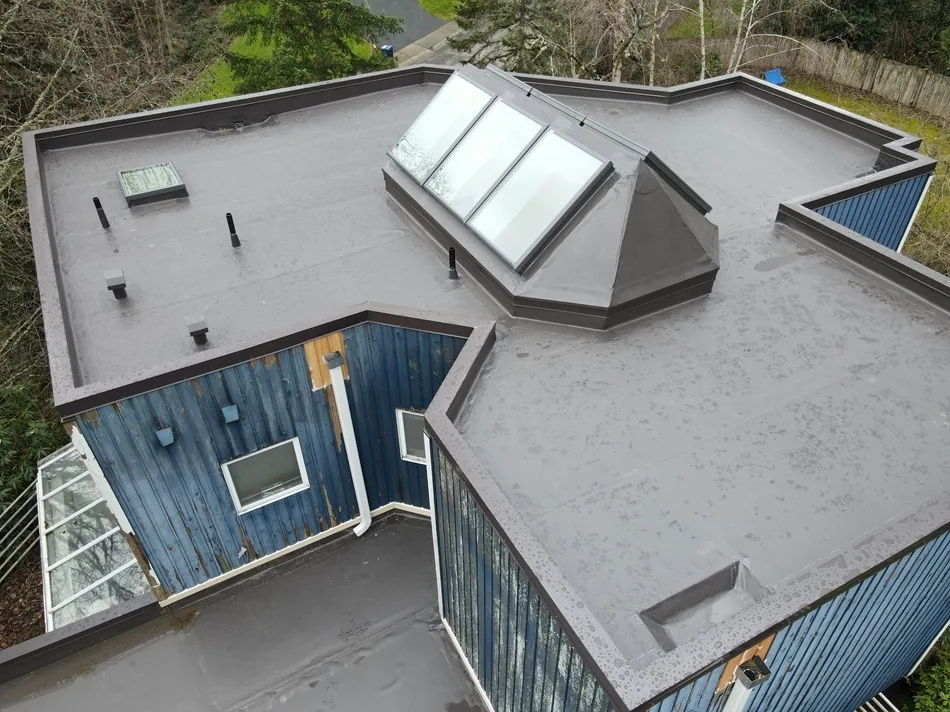
Commercial roof work along FM 2493 / Old Jacksonville Highway in Tyler, TX starts with the building’s assembly, access route, and repair boundary. Tyler’s normal July high averages 94.5°F, a climate reference rather than a reading from a particular roof. We check the actual surface and substrate, compare them with product instructions, then mark which work package can proceed. That sequence matters along a corridor with separate properties, entrances, schedules, and roof assemblies.
FM 2493 crosses Tyler, unincorporated Gresham and Flint, and Bullard, running 14 miles from Loop 323 to U.S. Highway 69 south of Bullard. Plans for the southern segment include widening and multimodal features. Roof access and material delivery are coordinated separately at each property along the route. We confirm the address, access rules, roof plan, and operating window before staging a crew. A commercial roof inspection establishes the first roof-zone record.
A multi-jurisdictional work area
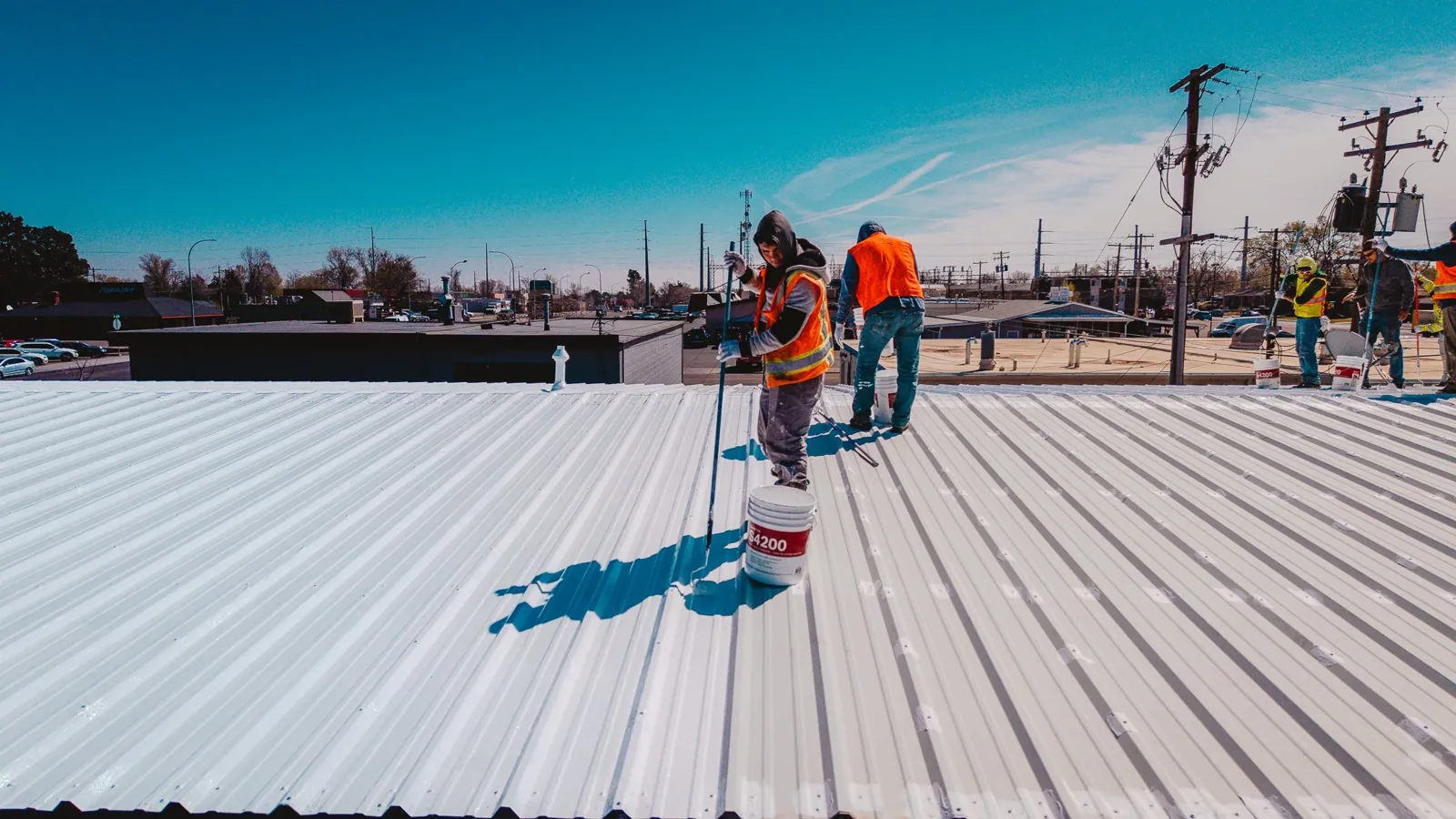
A project that follows this route can cross municipal boundaries, so the work package should identify the property and its governing review path before design details are set. The corridor’s goals include safer traffic flow, reduced delay, improved air quality, and better bicycle and pedestrian access. Those transportation goals do not describe any individual roof, but they make access planning a practical item for a contractor scheduling deliveries or a lift. We confirm where materials can stage and which entrance the property team releases.
We keep each building’s findings separate even when a portfolio uses the same route. The Gresham community and Flint community have distinct place records, while Bullard has its own permitting and corridor context. For a multi-site program, each roof gets a current plan, access contact, and work boundary. A multi-site roof program can track those records without treating nearby properties as identical.
Roof-zone findings before access release
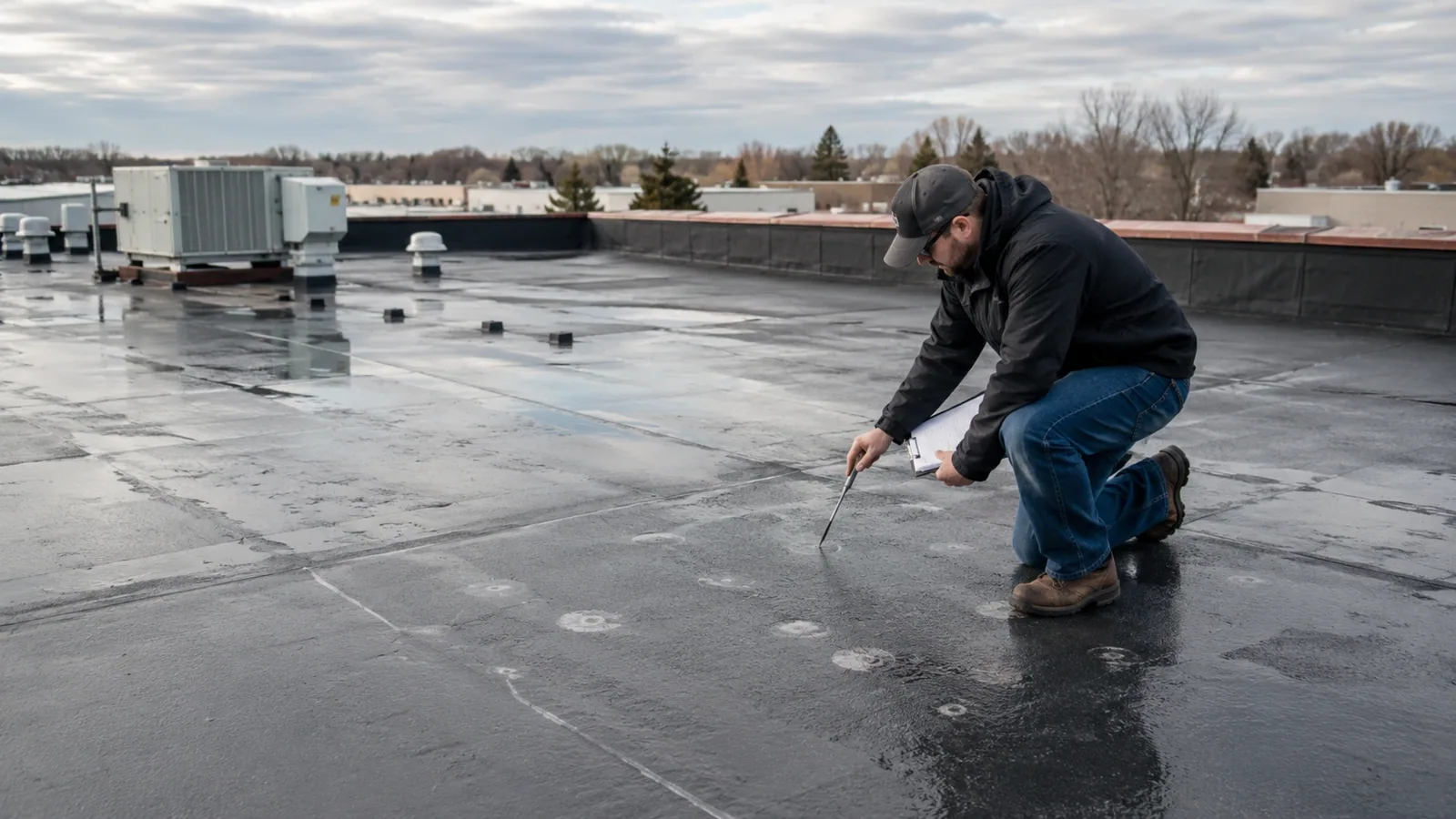
At the first walk, we map seams, penetrations, curbs, drains, scuppers, perimeter metal, and transitions against the roof plan. The notes distinguish visible damage from a question about concealed insulation, deck, or attachment. If an infrared survey or test cut could change the repair choice, we mark its location, purpose, and restoration detail as a hold point. The owner can approve that test before removal expands, and the general contractor can reserve the access period around the confirmed work.
Access planning includes more than reaching the hatch. We check roof loading limits, equipment clearances, material routes, occupied hours, interior protection, and any shutdown needed for rooftop equipment. A drone view can help document areas that are difficult to approach, while hands-on checks remain necessary for details that require contact or testing. The resulting photo-based condition record ties each observation to a roof zone, open question, and next release rather than leaving a list without a location.
Heat, hail, and exposed-section closeout
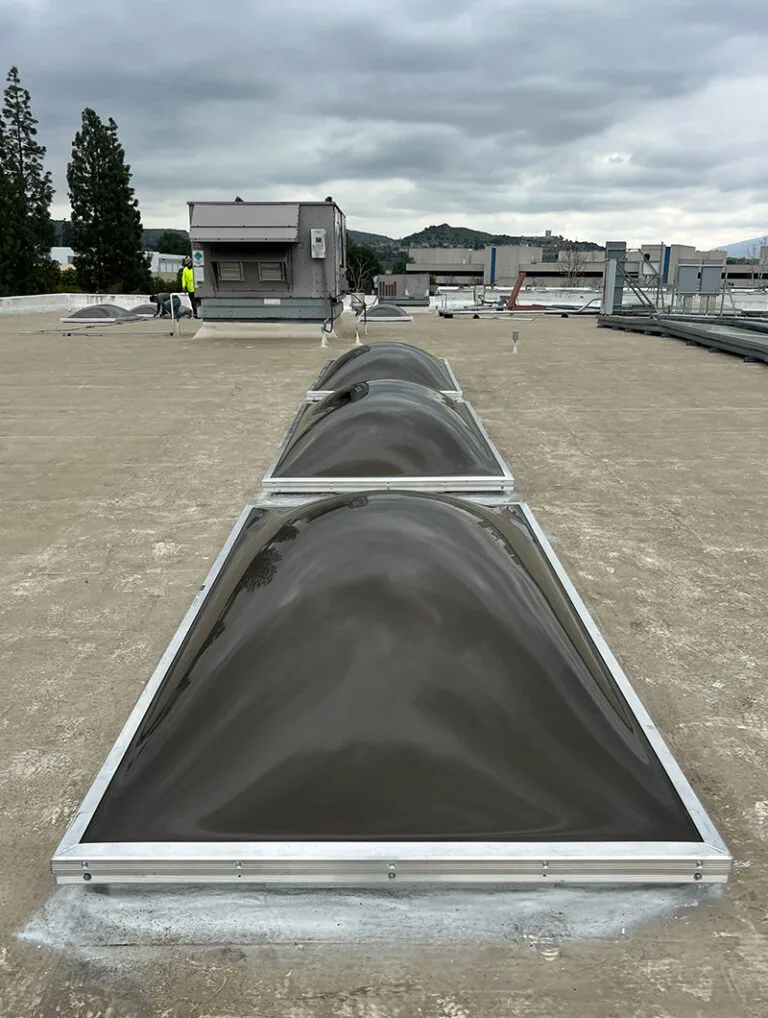
Tyler-area summer heat affects adhesive, sealant, primer, and coating steps differently. We use product requirements and field readings to set the work window, not the regional normal by itself. When the substrate sits outside the permitted range, the crew moves to an approved task that does not rely on the bond and comes back once conditions support installation. The work package names the zone held, the material affected, and the reading needed before the next crew handoff.
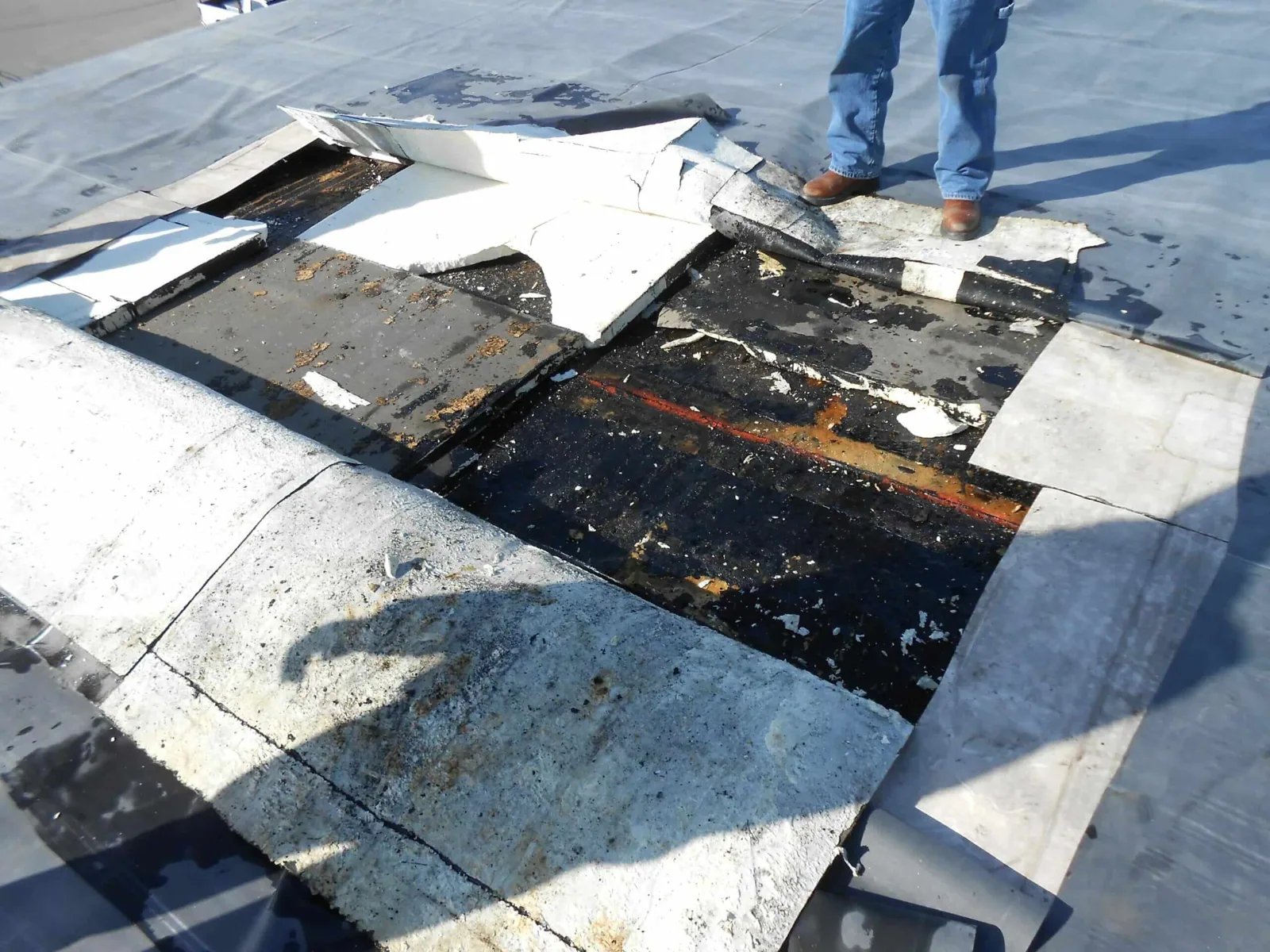
Spring and autumn bring the most frequent severe-thunderstorm activity in the region, including the hail and damaging wind that make a post-event roof review timely. That pattern informs readiness, but it does not establish damage at a corridor property. After a reported event, we inspect the actual membrane, seams, edge details, penetrations, and drainage, then separate new observations from prior records. If water is entering, call us and we confirm dispatch for that day’s conditions. The visit documents safe access and interim protection before permanent work follows a confirmed scope; the emergency roof repair process keeps stabilization separate from repair.
Repair limits and system choices
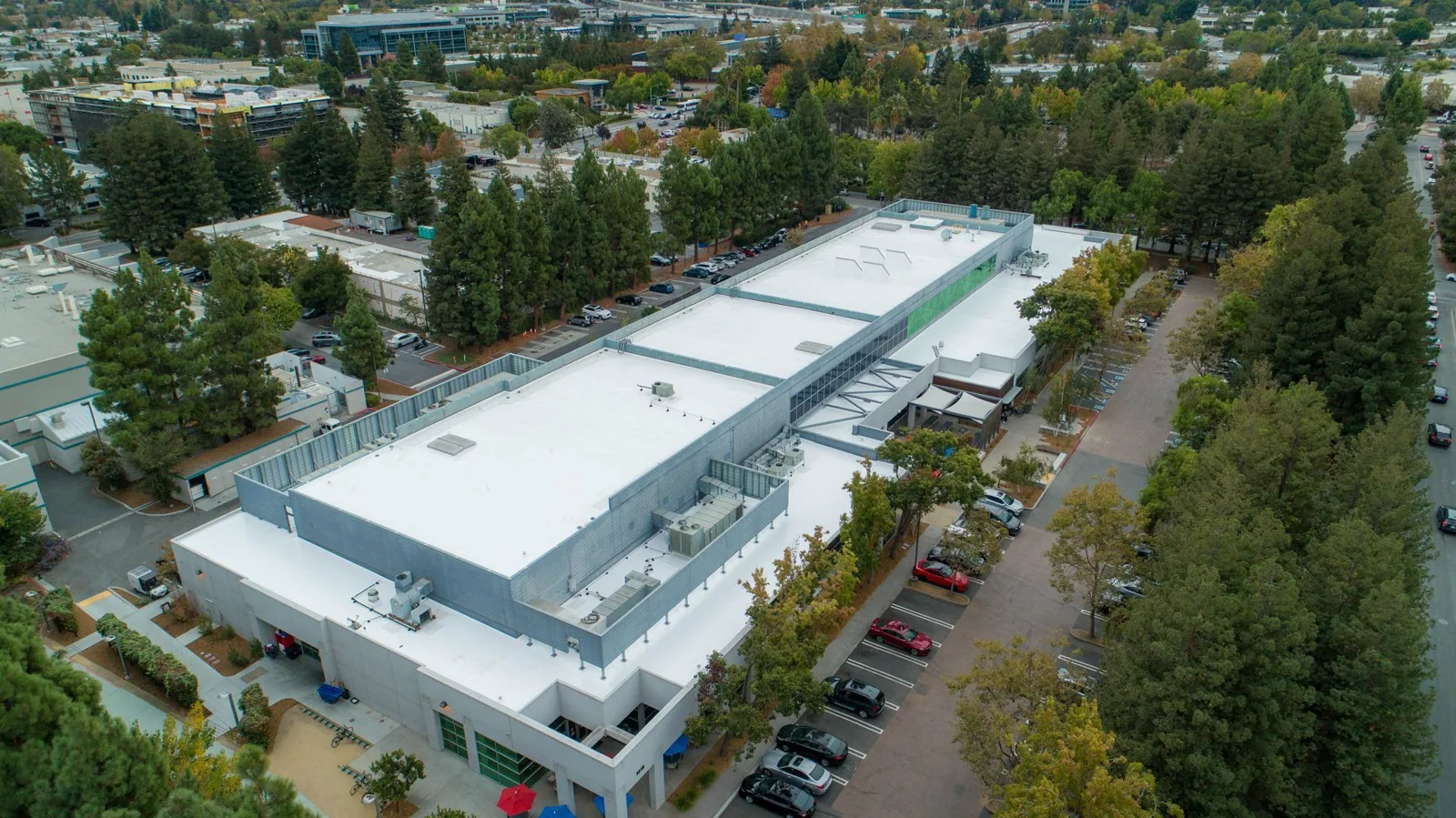
A local seam or flashing defect may support a targeted repair when adjacent material is stable and the assembly accepts a compatible detail. Repeated separation, wet insulation, damaged deck, or failed attachment can move the decision to broader removal or replacement. We document the observed boundary, identify tests that could change it, and price the confirmed work separately from an alternate scope. That gives the owner a decision point before hidden conditions become an unapproved quantity.
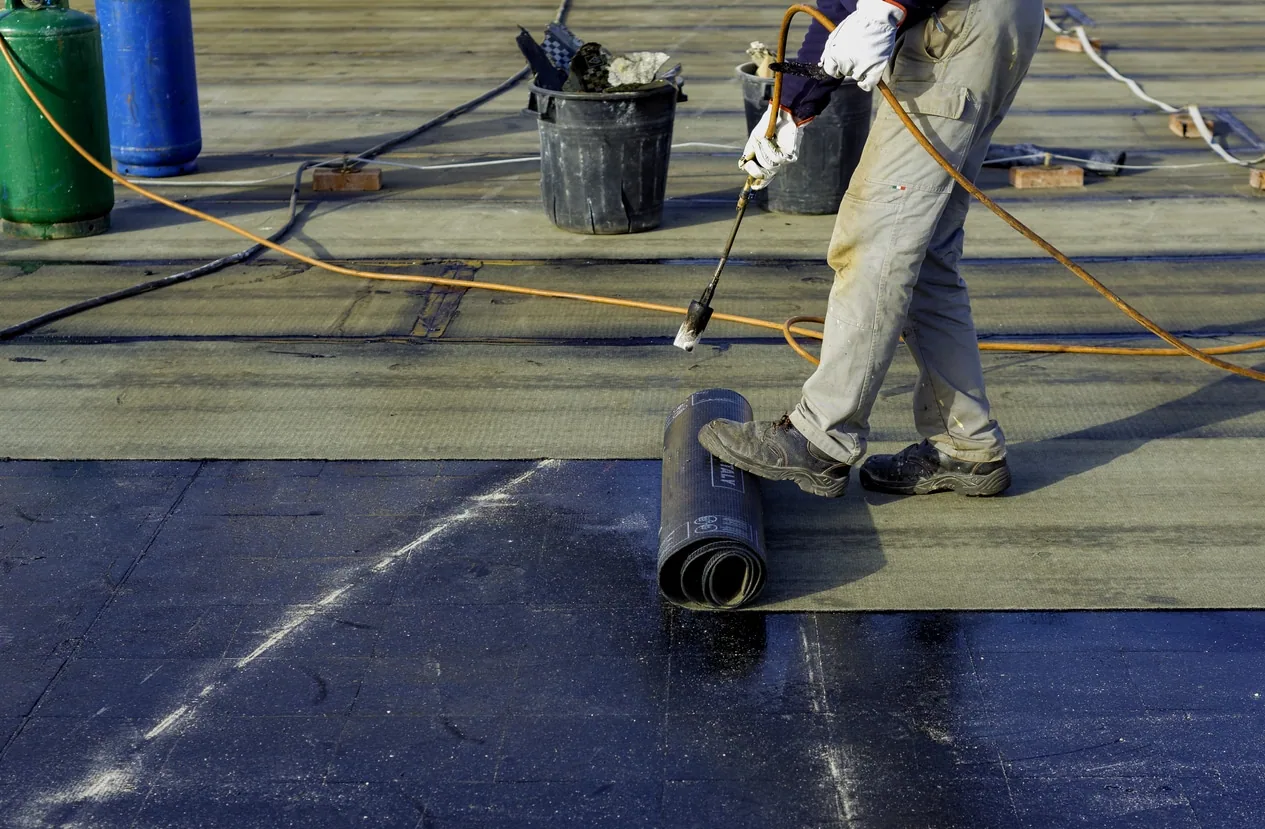
Recover and coating proposals need their own checks. Existing layers, moisture, drainage, edge height, attachment, and code requirements affect whether a recover is suitable. Coating requires a sound, compatible substrate and an adhesion window; it does not correct wet insulation or an unresolved drain path. We can compare a repair with a recover evaluation or a TPO assembly when the existing system and project criteria support those options. Replacement planning also accounts for tear-off, insulation, edge metal, disposal, and interior protection.
Drainage belongs in the same decision record as seams and flashing. We trace the drain path, note low areas and obstructions, and distinguish a blocked outlet from a broader slope or assembly concern. The observation guides temporary water control and any follow-up test. It does not, by itself, justify adding insulation or changing the roof system; those choices wait for measurements, records, and approval.

Approvals and the next crew handoff
Ahead of mobilization, send the roof plan, assembly records, known repairs, access window, current conditions, and decision deadline. We return a sequence that marks completed findings, open tests, approvals, and the person who releases each zone. A curb or penetration held open for another trade is flagged in the work package before the membrane is closed. A weather delay changes the release order, so temporary protection and exposed-section closeout need an assigned check.
At the end of a shift, we record what was finished, what remains exposed, how drainage was left, and what must be checked before work resumes. Closeout photos belong with the roof plan, not detached from their location. A maintenance visit can then use the same record to track recurring details and drain paths. When a leak is reported outside the property’s usual work period, call us and we confirm dispatch before access is planned. That visit stays limited to safe temporary control and documentation; permanent repair returns to its own approval point.

Commercial Roofing Questions
Does the corridor study identify the roof system at a property?
No. It describes a transportation corridor through several jurisdictions, not a roof assembly. We confirm the membrane or metal system from available records and field observations, then check attachment, seams, flashing, drainage, and prior repairs before setting a work boundary.
How does summer heat affect the crew sequence?
A field reading and the selected product instructions govern adhesion-sensitive work. Tyler’s normal July high is seasonal context only. We mark the zone that can proceed, hold work outside its material window, and use the next access release after readings support the step.
Can hail or wind reports support an insurance scope?
They can help establish timing for an inspection, but the property condition needs its own record. We photograph and map observed marks, displaced details, open seams, and drainage issues, while separating prior wear from conditions tied to the event.
What should a multi-property project team send first?
Send each roof plan, assembly record, repair history, property access rules, operating window, and decision date. We keep the findings and staging assumptions property-specific, then identify the test points and approvals that control each crew handoff.
What happens if a test exposes a different assembly?
We stop at the approved hold point, photograph the exposed layers, and record the moisture or attachment finding. The owner receives the changed condition and its effect on quantities before removal or replacement limits expand.
Related Pages
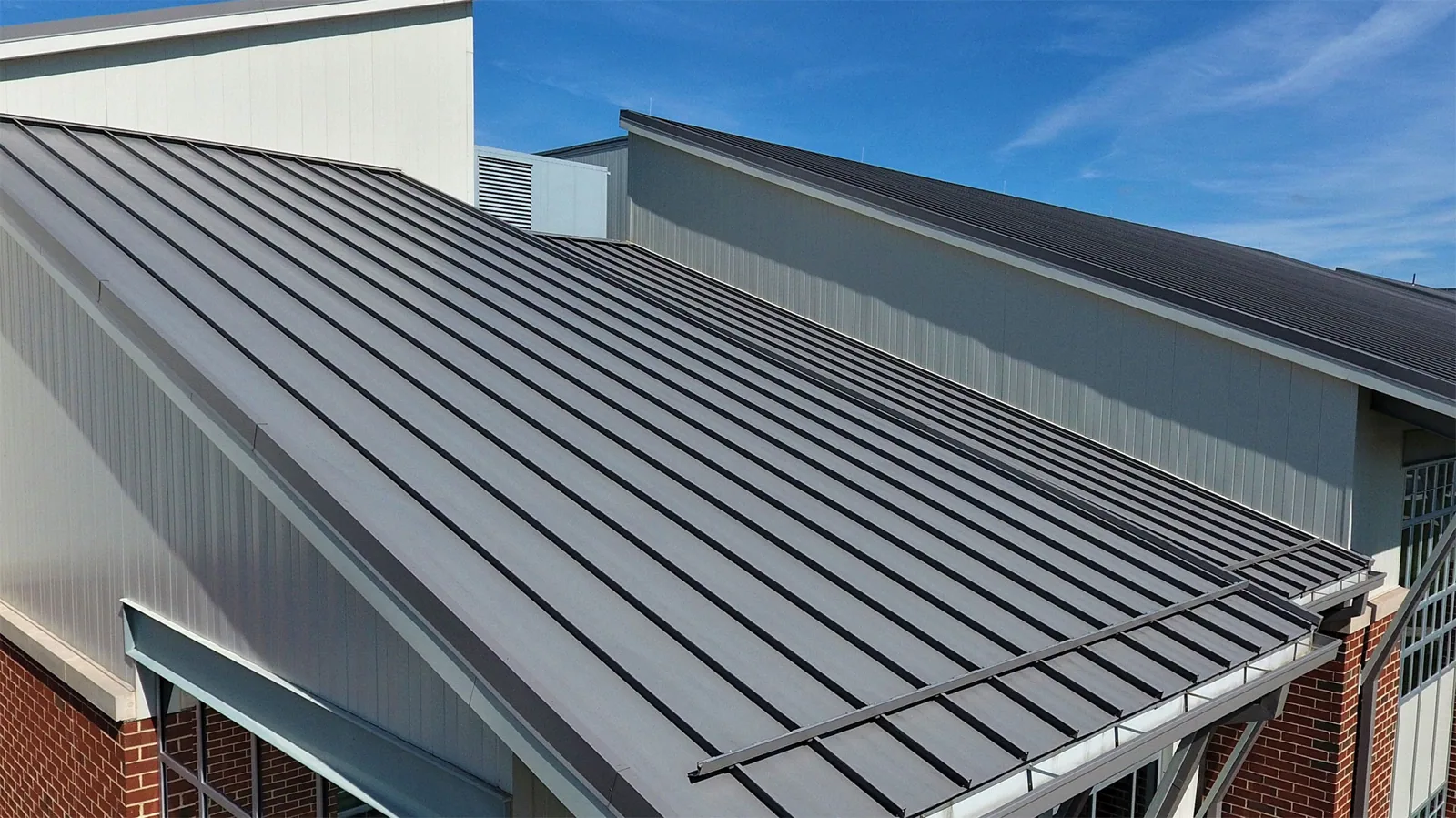
Commercial Roof Inspection
Tyler, TX
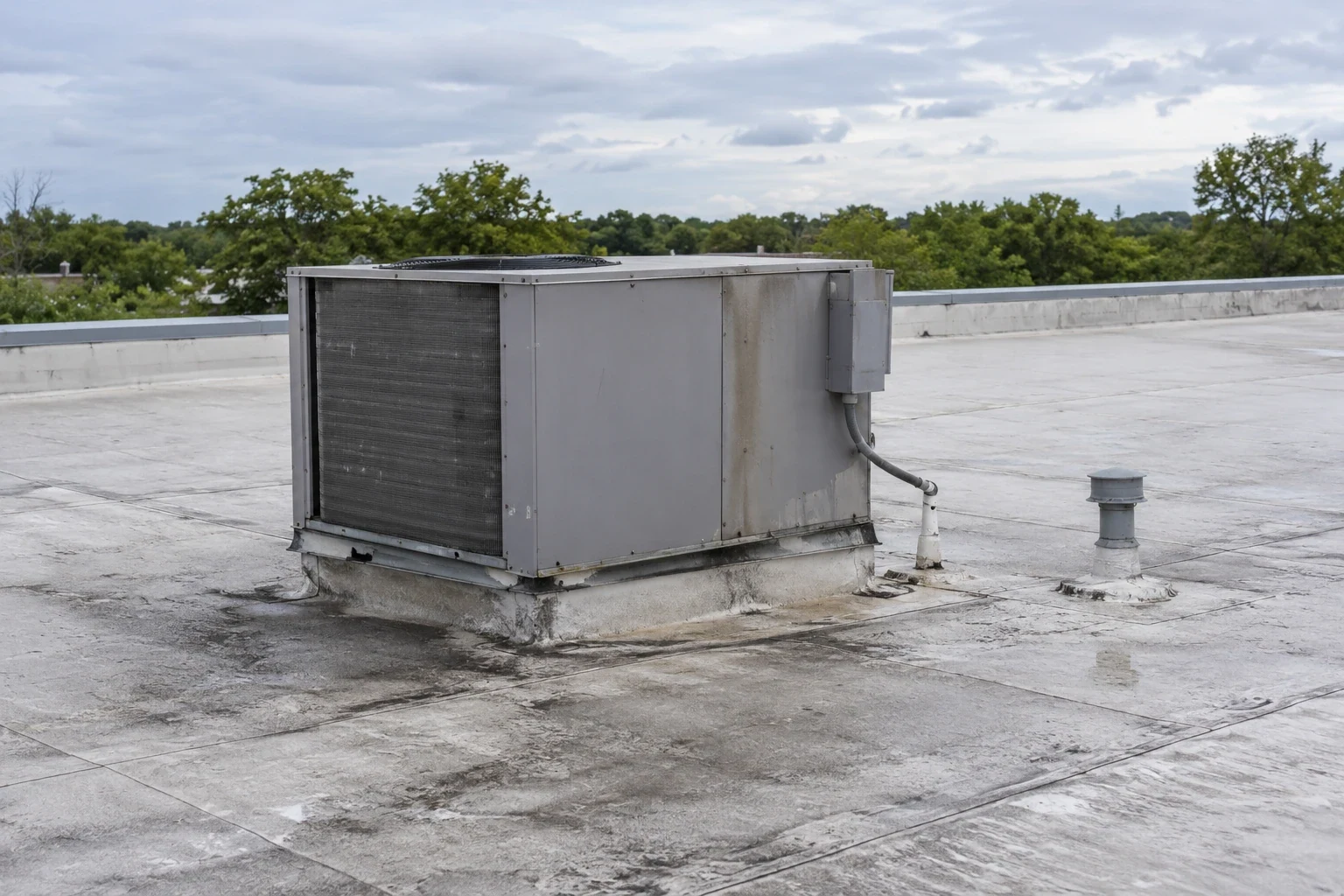
Multi-Site Commercial Roof Programs
Tyler, TX
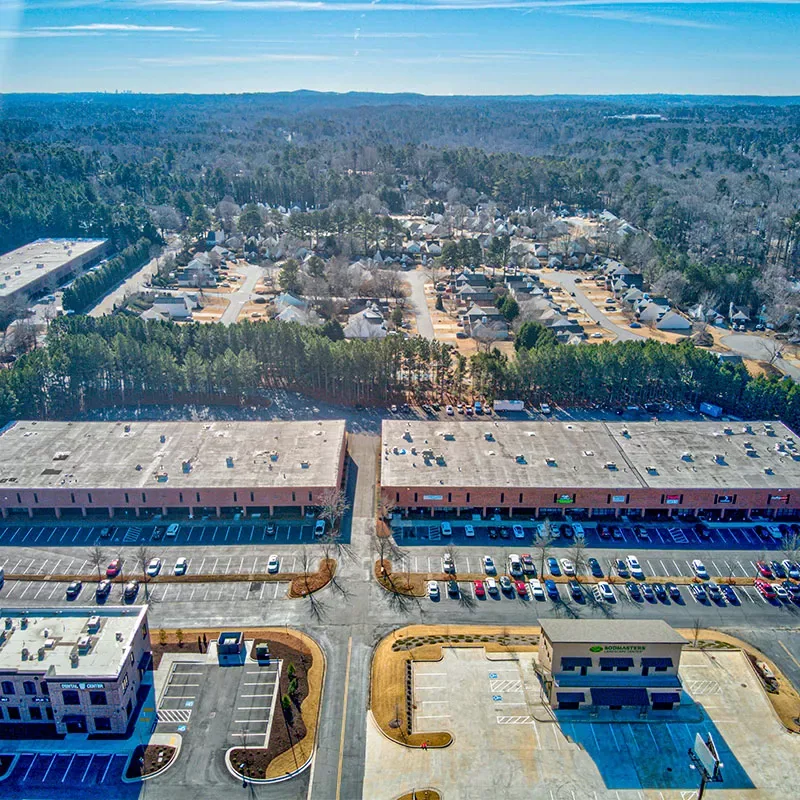
Commercial Roof Condition Reports
Tyler, TX
Emergency Commercial Roof Repair
Tyler, TX
Set a corridor work package
Send the roof plan, assembly records, access window, current condition, and decision deadline. We will return a sequenced field plan with open tests and roof-zone releases marked.