
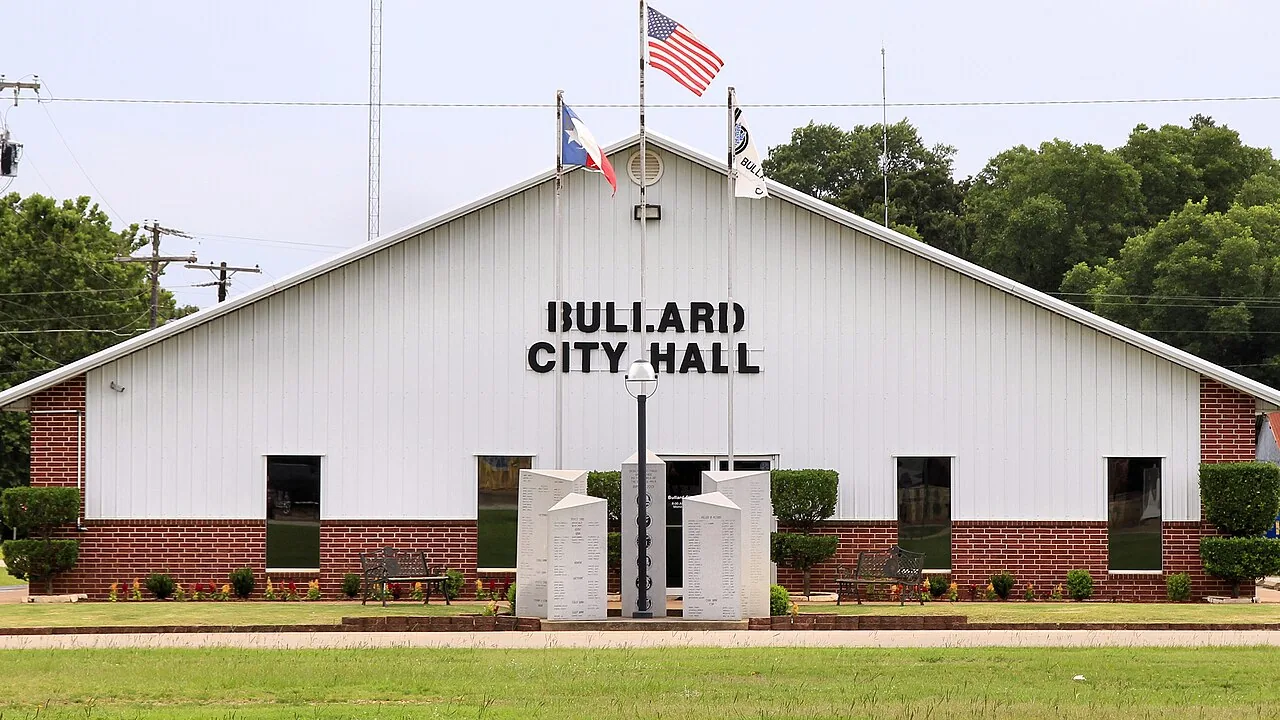
A Bullard roof project can involve a different work package along U.S. 69 than in downtown or along FM 2493, where the city’s plan directs smaller community-serving uses. The actual property and roof assembly still control the scope. We start with records, leak history, access rules, and the owner’s decision date, then map seams, flashings, edges, drains, and penetrations by roof zone. That lets a general contractor coordinate the right material and crew handoff without assuming that every address along a corridor has the same building or roof.
Bullard Development Services handles building inspections, code compliance, engineering, planning, permitting, and plan review. Those project steps can affect when roofing details need to be ready for review. They do not replace a field inspection. We keep the permit path and the roof condition separate, then connect them in a work package with open tests and approvals clearly marked. For a portfolio extending into the Tyler service area, we keep each building’s permit review, assembly, and access release with its own roof plan.
Roof access on distinct commercial routes
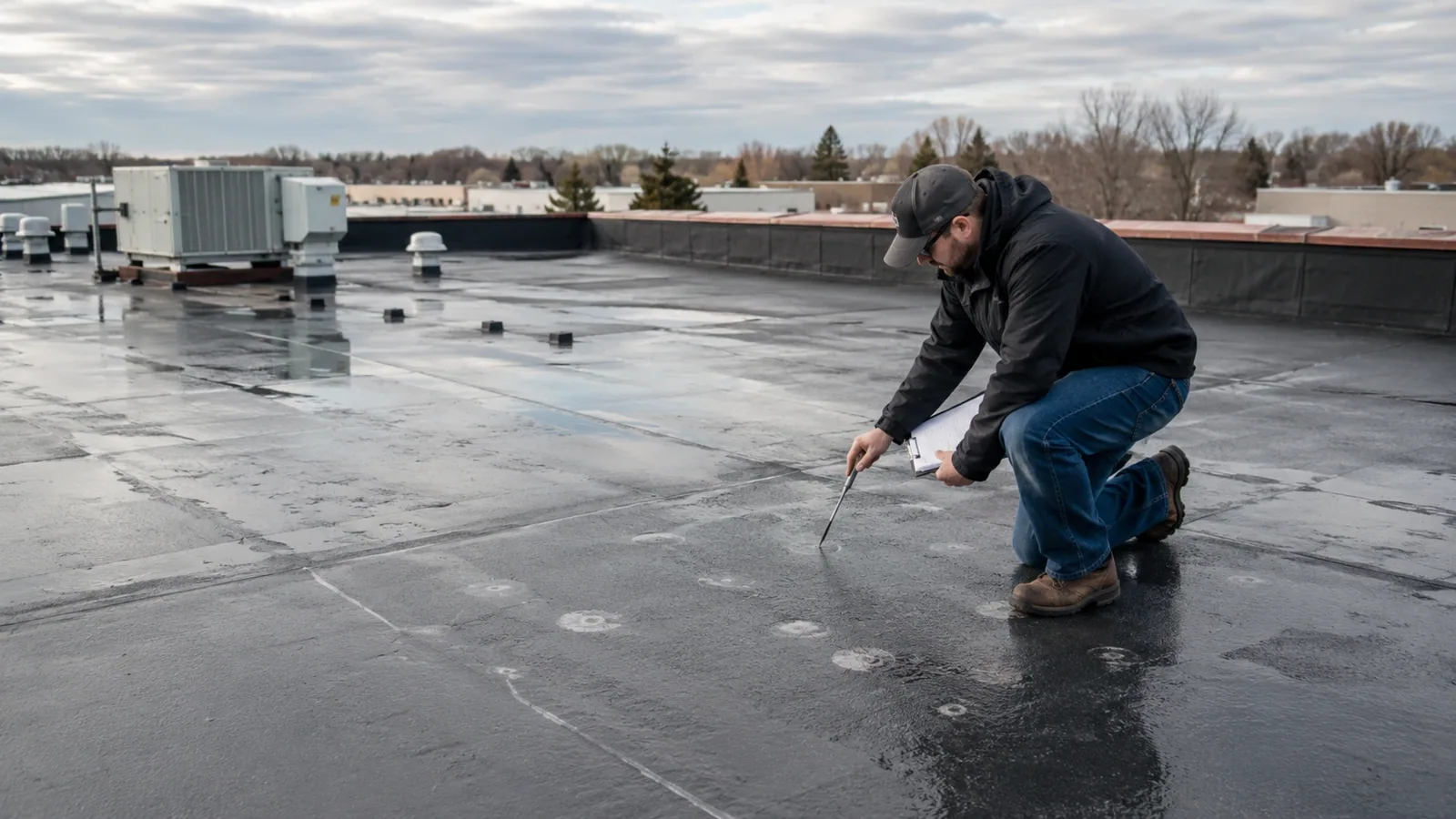
Bullard’s plan directs regional commercial uses toward U.S. 69 and smaller community-serving retail and office activity toward downtown. FM 2493 is another key Bullard corridor. That gives the project team a useful location frame, not a description of any individual roof. We confirm each property’s loading rules, material route, roof hatch, equipment clearances, and occupied hours before staging. If two sites share a portfolio, each receives its own access release and roof plan rather than a copied logistics assumption.
On the roof, we inspect the perimeter, field seams, transitions, curbs, penetrations, and drainage before defining a repair boundary. A commercial roof inspection records the starting condition. A photo-based condition report ties the finding to its zone and identifies any area that could not be reached. If a concealed layer could alter the repair decision, we identify a test point, state what it can answer, and wait for the owner’s approval before opening the assembly.
Permitting and assembly decisions
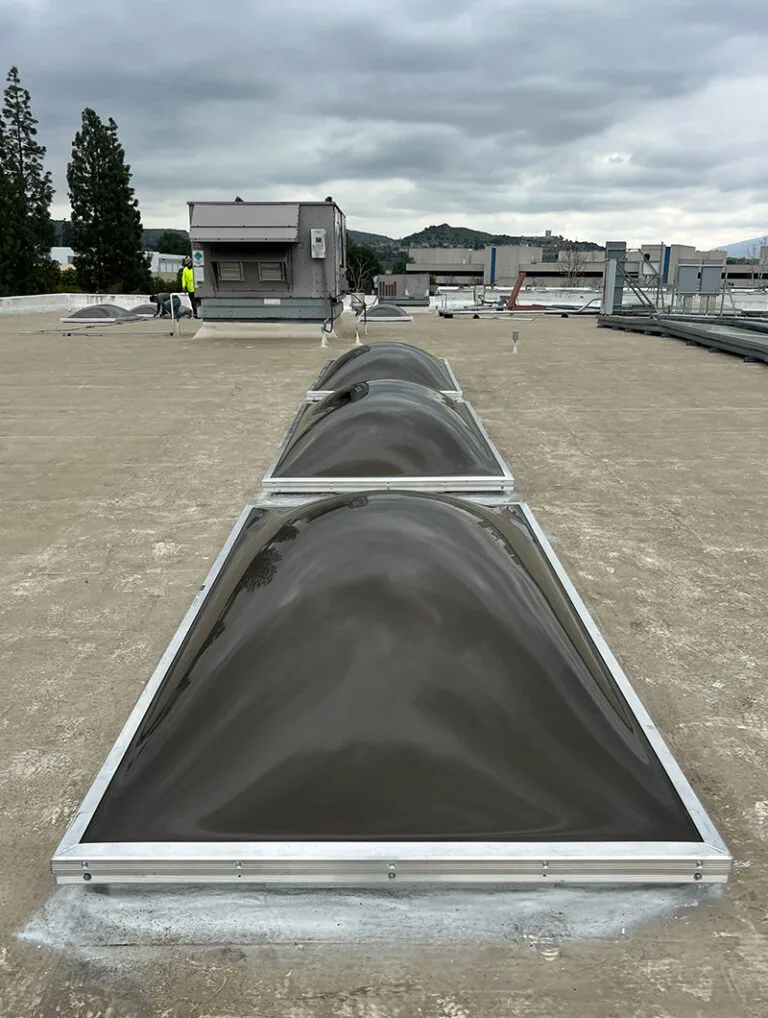
Plan review is easier to coordinate when the proposed work describes the existing assembly, replacement or repair boundary, drainage, insulation, perimeter details, and any change that affects the building. We align the roofing submittal with the project records and identify what remains subject to inspection. A recover should not be carried forward until roof count, attachment, moisture, drainage, and structural questions are checked. If a test result changes the assumed layers, the general contractor receives a clear hold point before quantities or removal limits expand.
Bullard’s planning distinguishes larger regional or auto-oriented retail along U.S. 69 from smaller-scale downtown and FM 2493 activity. Each setting may have a different access calendar, but the roof facts must be verified at the building. The capital-planning record can separate urgent water-control work from renewal that needs a budget window. Where roof renewal is indicated, a replacement scope should state tear-off depth, insulation choices, edge-metal work, and the inspection point before new membrane is concealed.
Tyler-area heat and storm sequence
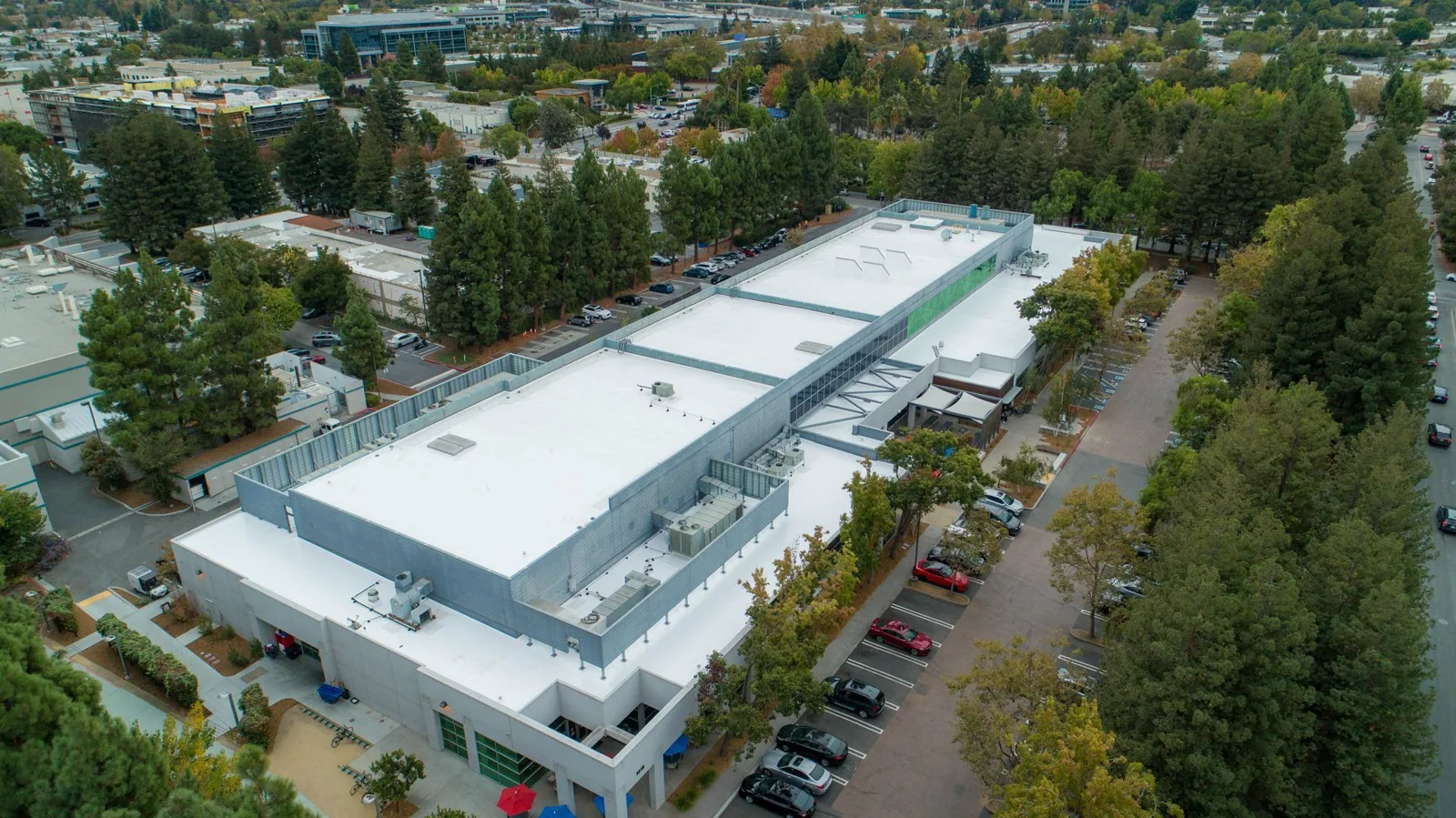
The 94.5°F normal July high recorded for Tyler can inform a Bullard schedule allowance, but it cannot clear a roof surface for installation. Before releasing primer, adhesive, sealant, or coating, we record conditions at the work zone and compare them with the selected product requirements. If the measured area is outside its permitted window, the crew holds that operation and moves only to an authorized task that does not depend on adhesion. The next release follows a fresh check of the same area.
Hail and damaging wind are among the regional storm concerns that can affect a roof detail, with the more active severe-weather seasons in spring and autumn. Tyler’s record includes a tornado on June 8, 2021. A Bullard inspection begins with the reported event date and observations from that property. Following a report, we inspect the specific roof for shifted edges, membrane openings, seam movement, penetration damage, and drainage obstruction. A hail impact review and a wind-related detail check retain separate findings, while temporary protection is recorded apart from permanent repair.

Repair boundary and cost drivers
A local defect with dry, stable surrounding material can support a targeted repair. We remove only to the approved limit, inspect the exposed substrate, and tie compatible material into sound existing layers. Repeated seam separation, broad moisture, damaged insulation, or a weak deck can change the decision. We pause at that boundary, photograph the condition, and request approval for a test or expanded removal. The owner receives a repair alternative and a larger-scope comparison when the evidence supports both paths.
Cost and duration depend on the quantity opened, system type, penetrations, insulation or deck repair, staging distance, roof height, and weather-sensitive steps. Occupied use, equipment shutdowns, and other trades can alter access. A repair work package states preparation and closeout as well as material. If a coating is considered, a restoration option needs compatible, sound material and a prepared substrate. Coating does not correct a wet assembly or unresolved drainage issue beneath the surface.
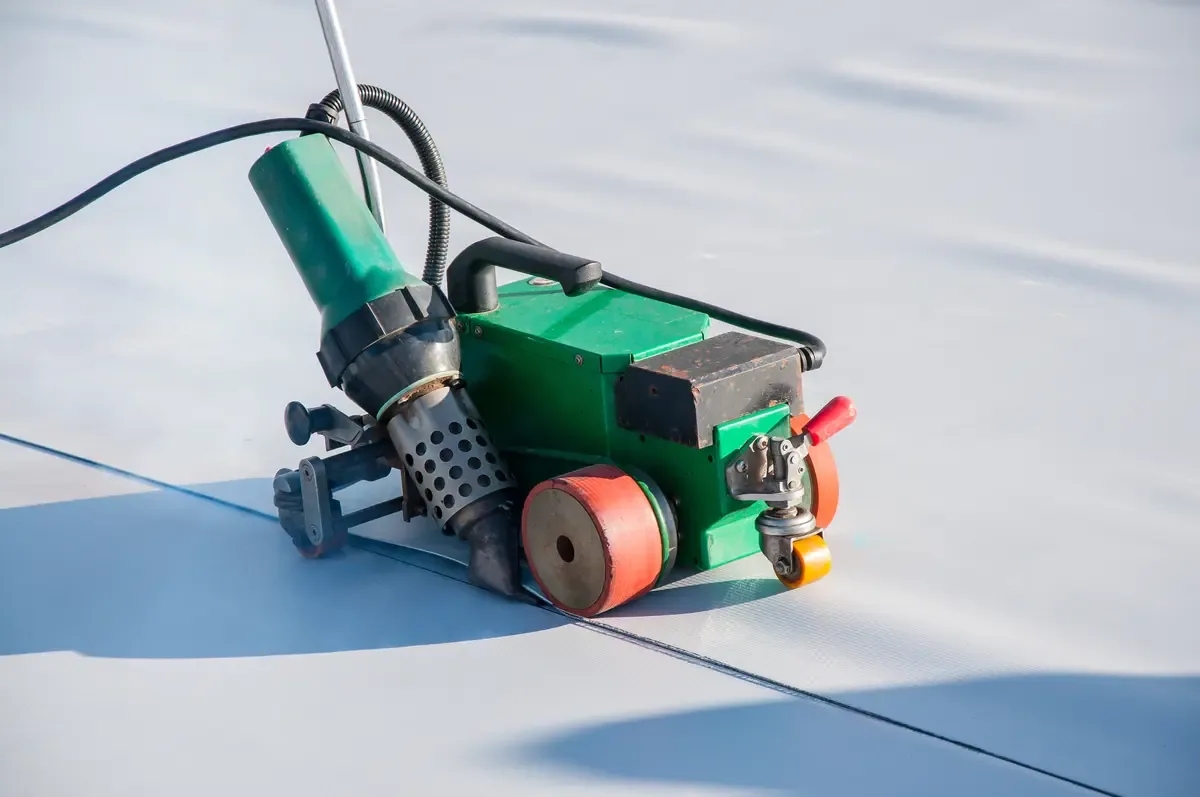
Closeout by zone
Each shift ends with a record of the completed detail, the status of the drain path, any section protected overnight, and the check required before another crew resumes. We attach photographs to the roof plan and identify open test results, material changes, and remaining approvals. The general contractor can see whether the zone is released or held. That record matters when a property has operating hours or delivery activity that narrows the next access period.
For a regional portfolio, Whitehouse and Troup have their own location records and field conditions. Bullard’s plan, permit path, roof assembly, and access remain specific to Bullard. Send the roof plan, available system records, current condition, access window, and decision deadline. In reply we send a sequenced field plan that identifies confirmed work, open questions, and the person who releases each hold point.
Commercial Roofing Questions
Does the U.S. 69 corridor tell you which roof system a property has?
No. U.S. 69 has a broad commercial role, but that does not reveal an individual building’s assembly. We confirm the system from records and field inspection, then check attachment, flashing, drainage, and repair history before recommending a detail.
How do permits fit into a commercial reroof?
We prepare the roofing scope and supporting assembly information for coordination with the project team’s permit and inspection path. Bullard Development Services handles the city review. Field findings still determine the work boundary, and any concealed condition that changes the plan becomes an approval point before removal expands.
Can a roof coating solve recurring leaks in Bullard?
Only if the existing roof is a suitable candidate and the leak source, moisture, and drainage conditions are resolved. We check compatibility, surface preparation, attachment, and details before comparing restoration with repair or replacement. A coating is not a substitute for correcting wet insulation or an open flashing detail.
What changes after hail or damaging wind?
We inspect the actual roof and record impact, displacement, open seams, flashing movement, and debris by zone. Tyler-area storm patterns guide when a review may be useful, but they do not establish property damage. Temporary water control and permanent repair receive separate scopes.
What should the project team provide before a site walk?
Share the roof plan, available assembly information, leak and repair notes, access rules, operating hours, and decision deadline. If permit review is underway, include the current scope and relevant inspection requirements. We use the package to prepare the first route, mark test points, and establish a roof-zone release.
Related Pages
Tyler
Tyler, TX
Commercial Roof Inspection
Tyler, TX
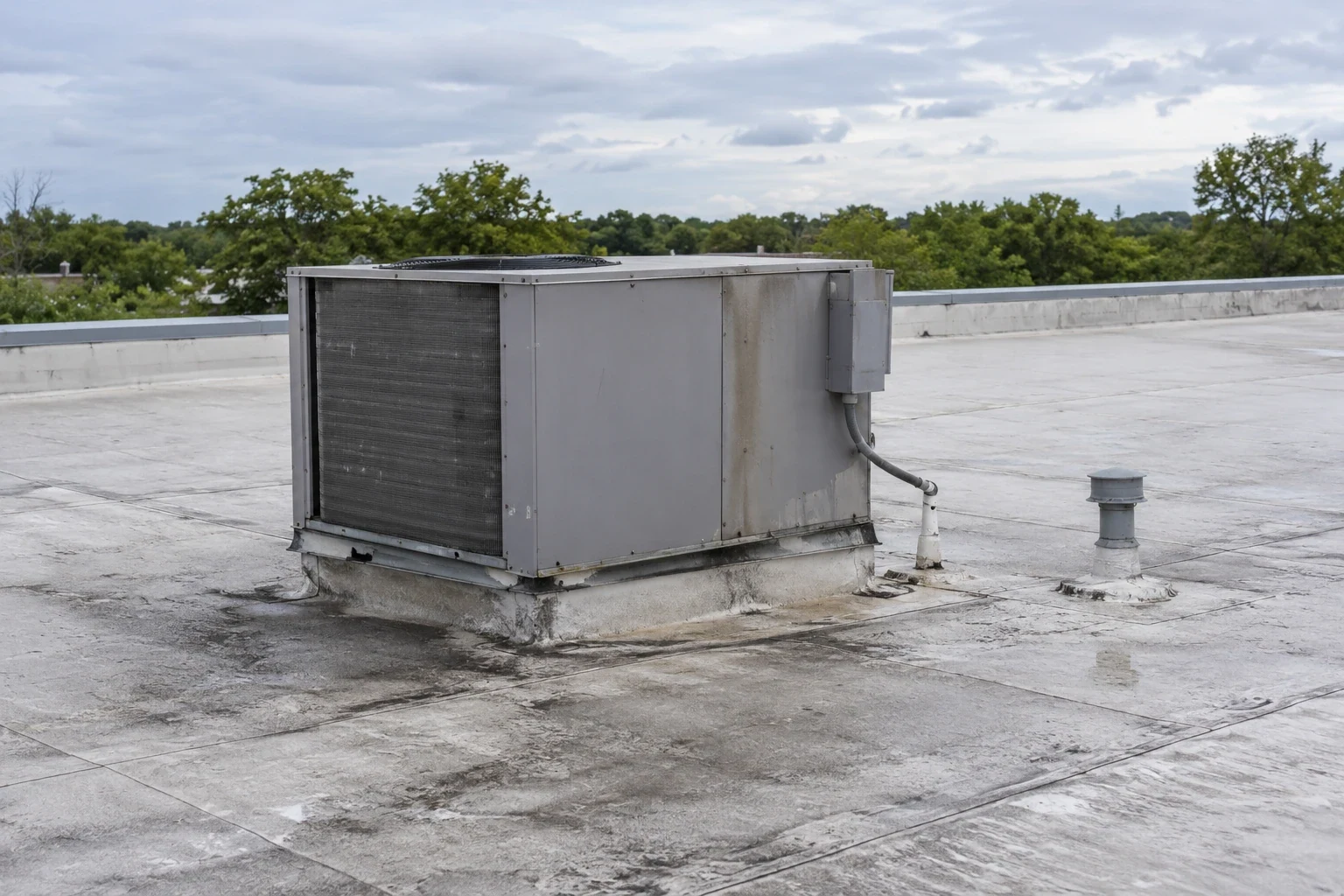
Commercial Roof Condition Reports
Tyler, TX
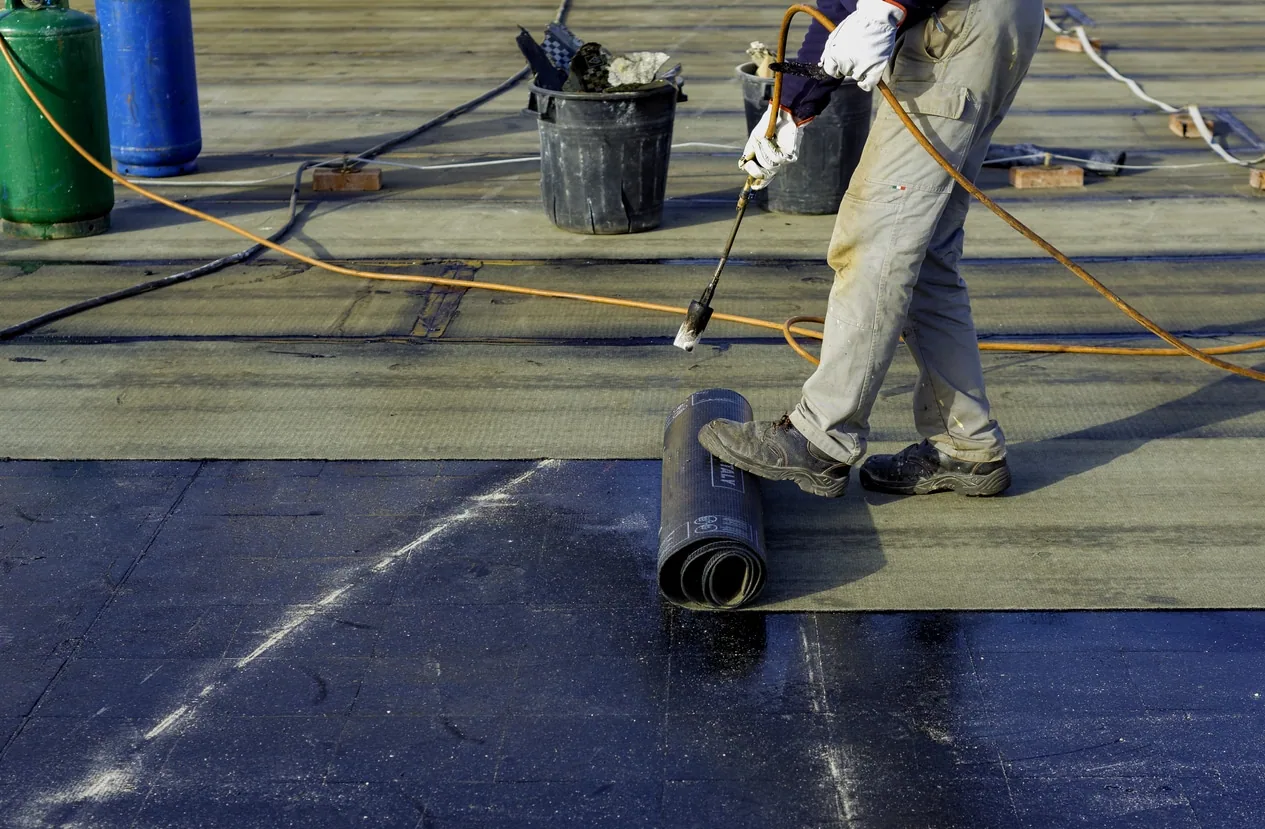
Commercial Hail Damage Roof Repair
Tyler, TX
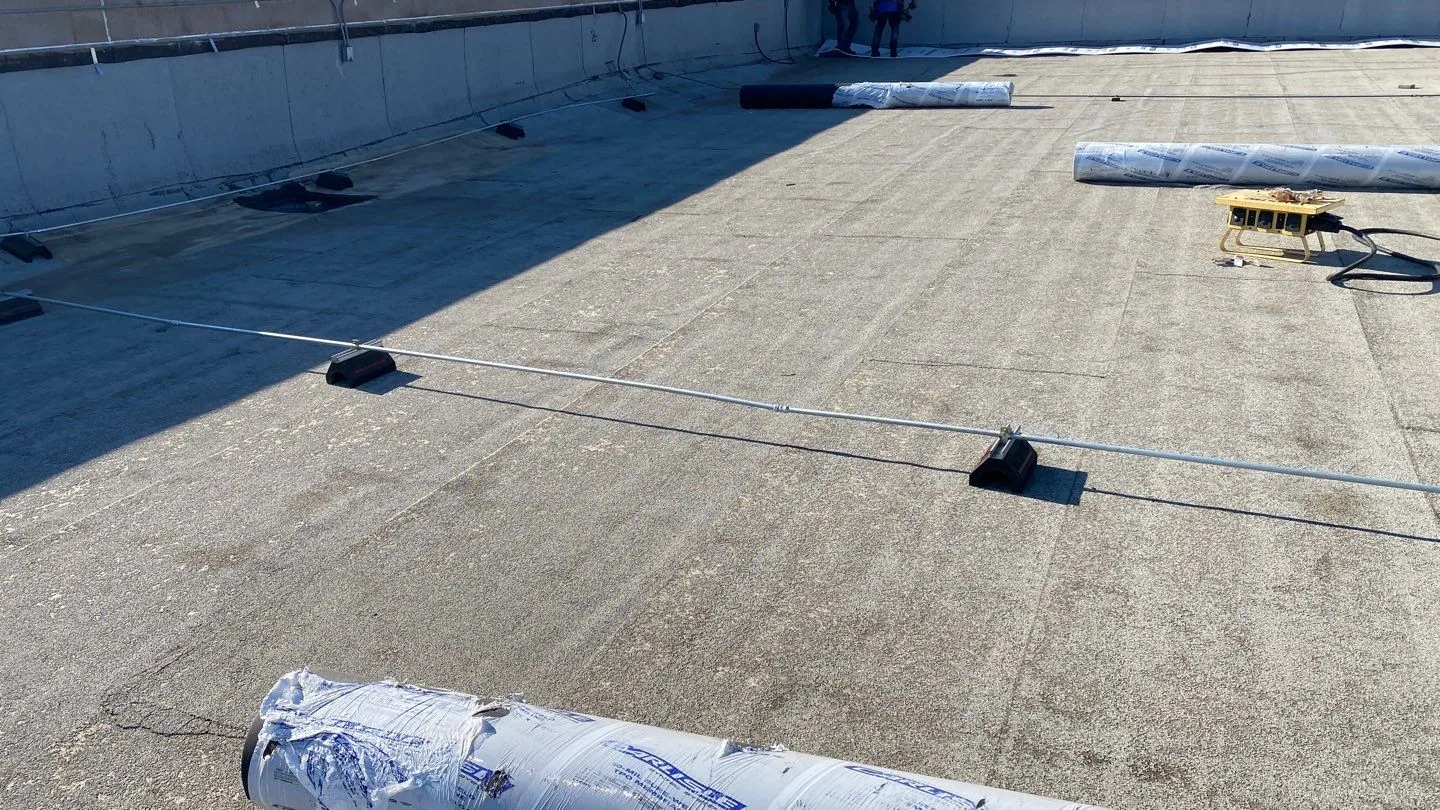
Build a release-ready roofing scope
Send the roof plan, assembly records, access window, current condition, and decision deadline. We will return a sequenced field plan with tests and approvals marked for the general contractor.