
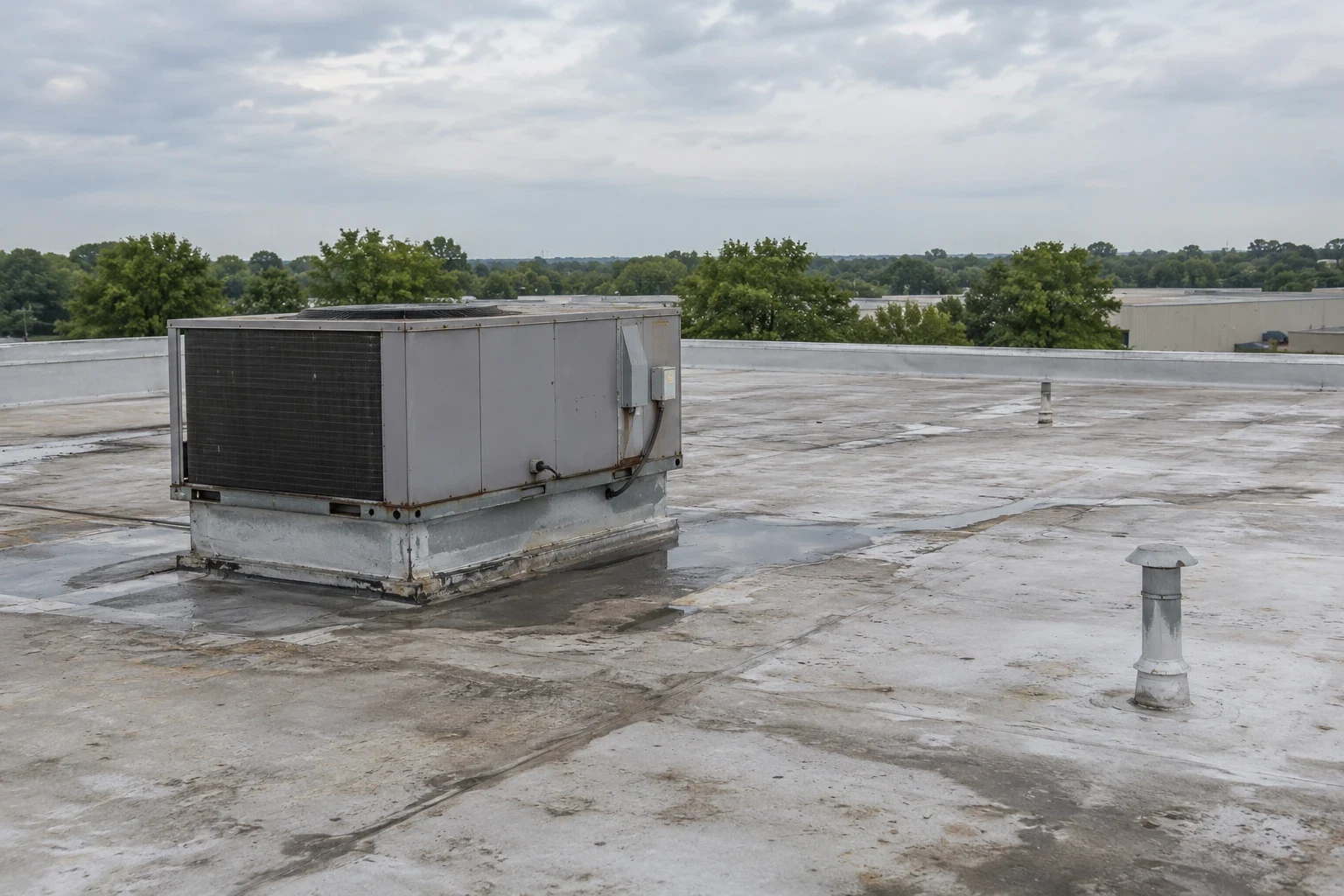
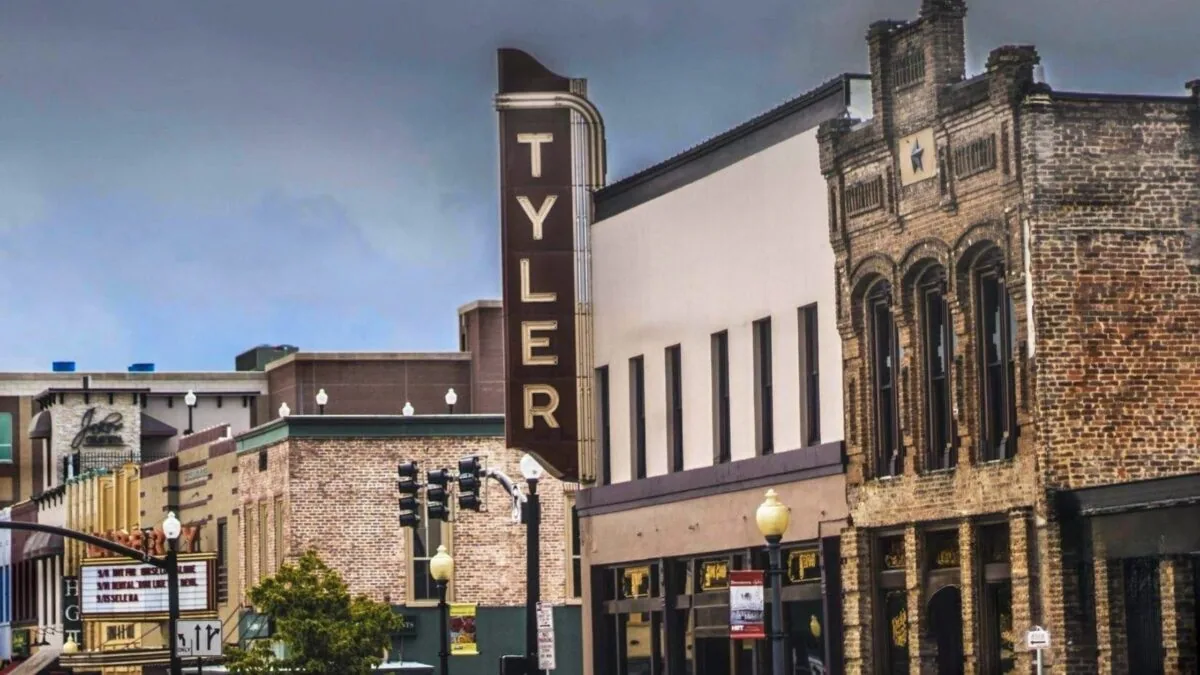
A long warehouse run can carry a large exposed field into the hottest part of a Tyler, TX work shift. The July normal high is 94.5°F; we measure the surface and check product limits before adhesives, flashing, or coating are released. At Tyler Interstate Commerce Park and along I-20, receiving schedules and roof access can affect where materials stage and when crews can work above active operations. The Tyler service area plan begins with the roof map, assembly records, current leak locations, and the operating window.
A warehouse roof is a sequence of field membrane, seams, penetrations, drains, edges, and transitions. We trace the condition by zone instead of treating a ceiling stain as a complete diagnosis. A focused roof inspection can identify repair boundaries, moisture concerns, and test points before the owner chooses a replacement, recover, or limited repair. Each choice carries its own access, protection, and daily closeout requirements.

Inventory and interior exposure
A drip over stored goods calls for a logged location and a separate look at the roof side. We compare the interior mark with the roof plan, then inspect seams, penetrations, curbs, and nearby drain paths. Water can travel across a deck or follow a structural member before appearing indoors, so the first visible point guides the search without deciding the repair boundary. We note active moisture, temporary protection, and any area that needs a closer test.
Where inventory cannot move, the sequence may require a smaller work zone, interior protection, or a temporary operating restriction agreed with the facility contact. The crew needs room to prepare sound material, complete the detail, and keep foot traffic clear of tools and wet products. We identify what must move before access release. The resulting condition report ties each roof finding to its interior consequence and next decision.
Roof-zone survey
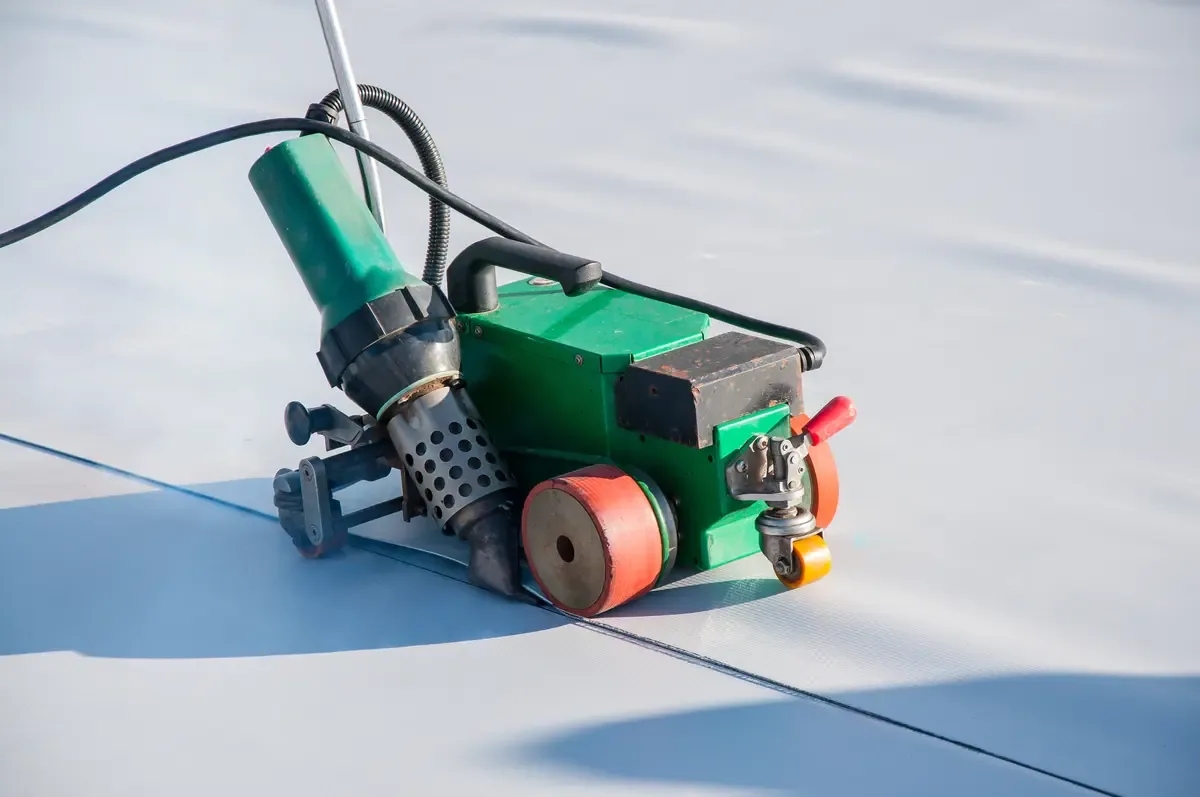
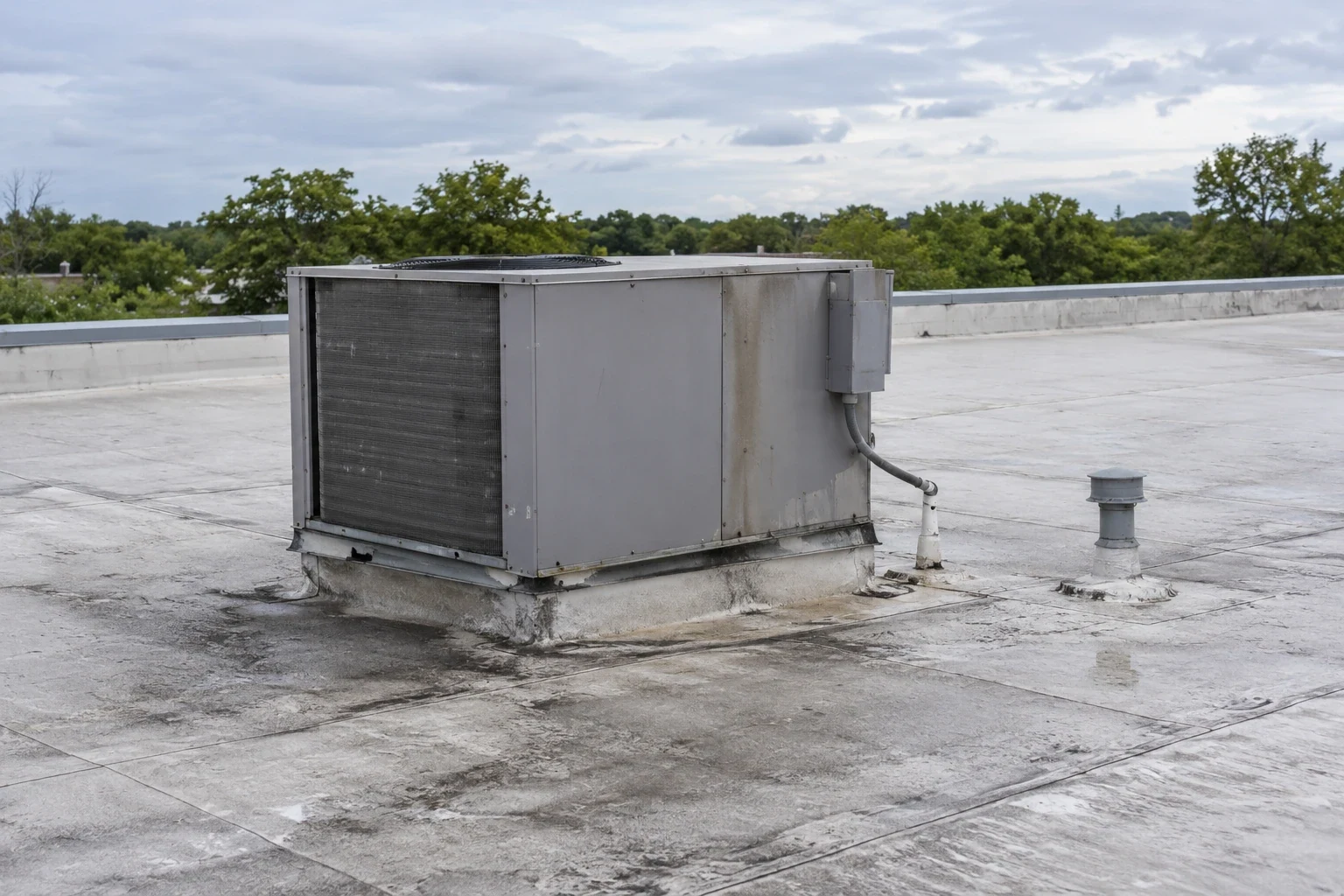
Warehouse plans often show long roof runs with repeated equipment, skylights, or loading areas. We divide the surface into identifiable zones and record the membrane type, seam direction, perimeter details, and penetrations in each one. Infrared readings can help direct selective testing, but a temperature pattern is not a moisture map by itself. A moisture survey works best when paired with field observations and test cuts where the result would change the scope.
Spring and autumn thunderstorms in Tyler can leave large hail and damaging wind behind. We record any observed impact, lifted edge metal, open seam, or blocked outlet by warehouse zone, keeping pre-existing wear separate from post-event findings. Photographs show the owner which areas need priority review. If evidence points to a defined impact area, a hail damage review can document that portion while the rest of the roof receives a separate maintenance assessment.
Drain paths and temporary closeout
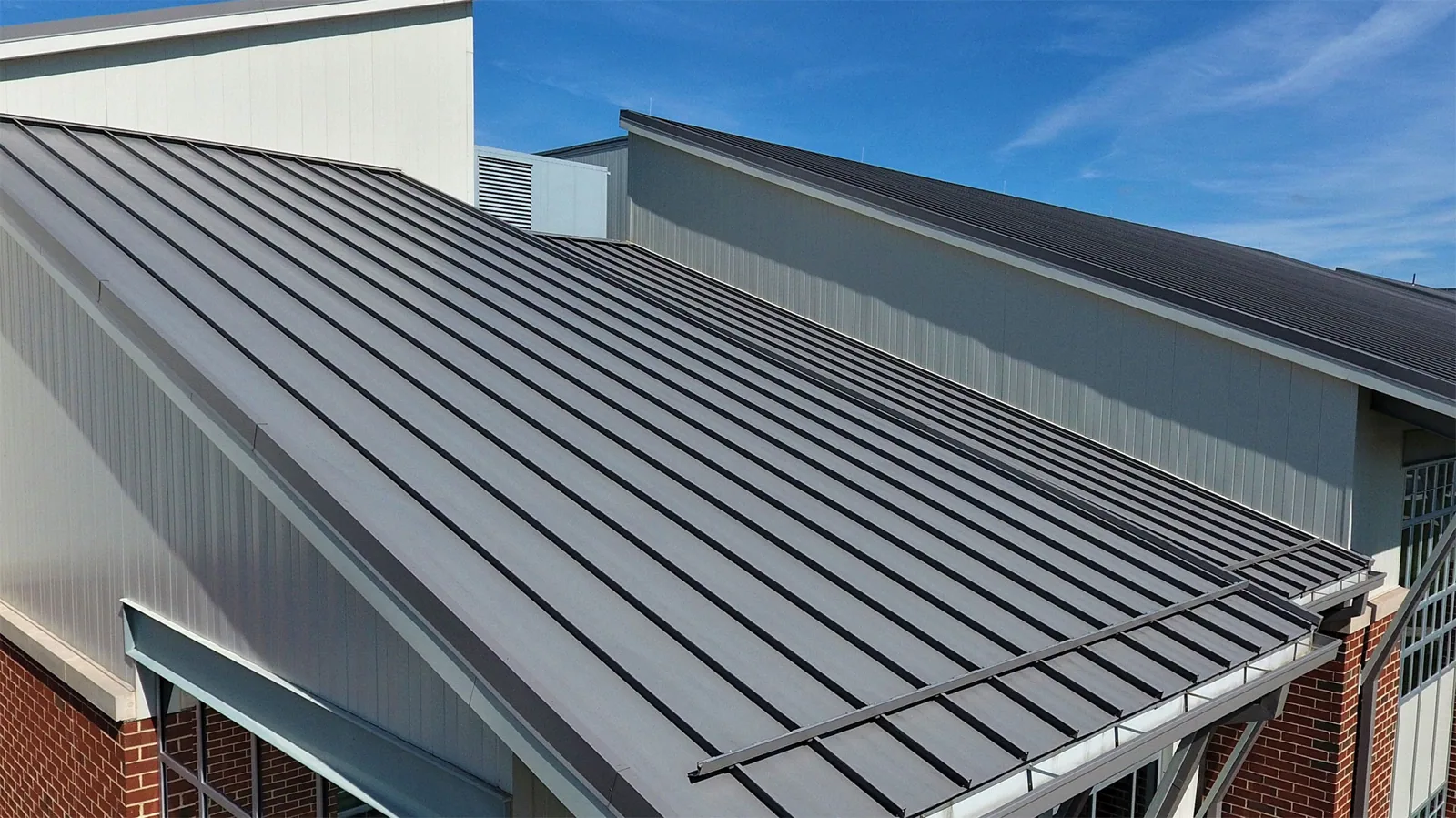
Standing water near a warehouse drain can come from debris, a restricted outlet, a damaged bowl, or a low area in the assembly. We check the drain, overflow route, surrounding membrane, and deck slope before assigning the correction. Clearing an outlet may restore flow, while repeated ponding over a soft or saturated area can call for testing. The roof plan marks drain locations and safe inspection access.
A weather delay needs a closeout plan before tear-off or wet work begins. The assigned crew records the exposed limit, temporary protection, clear drain path, and next inspection point at the end of the shift. That handoff matters during Tyler’s storm seasons, when hail or wind may interrupt a planned work package. A drainage repair scope can precede membrane work if water management would otherwise remain unresolved. We release the next roof zone after protection and operating access are checked.
Repair, recover, and replacement
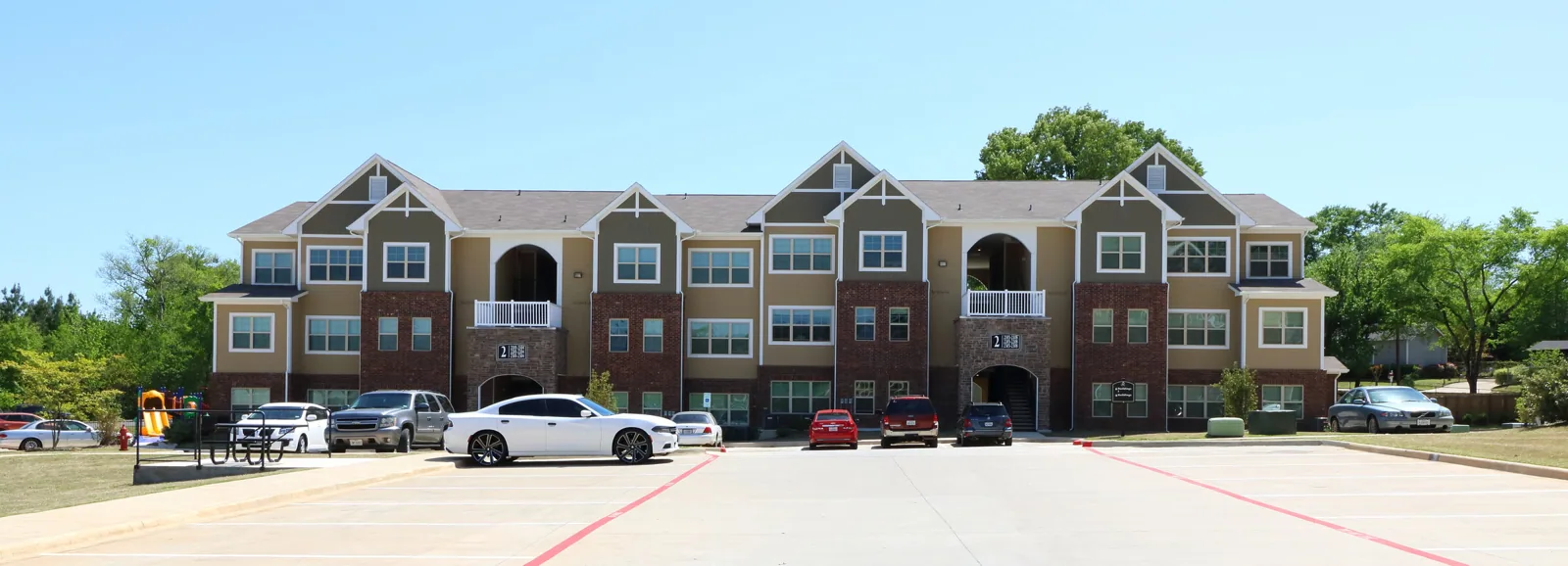
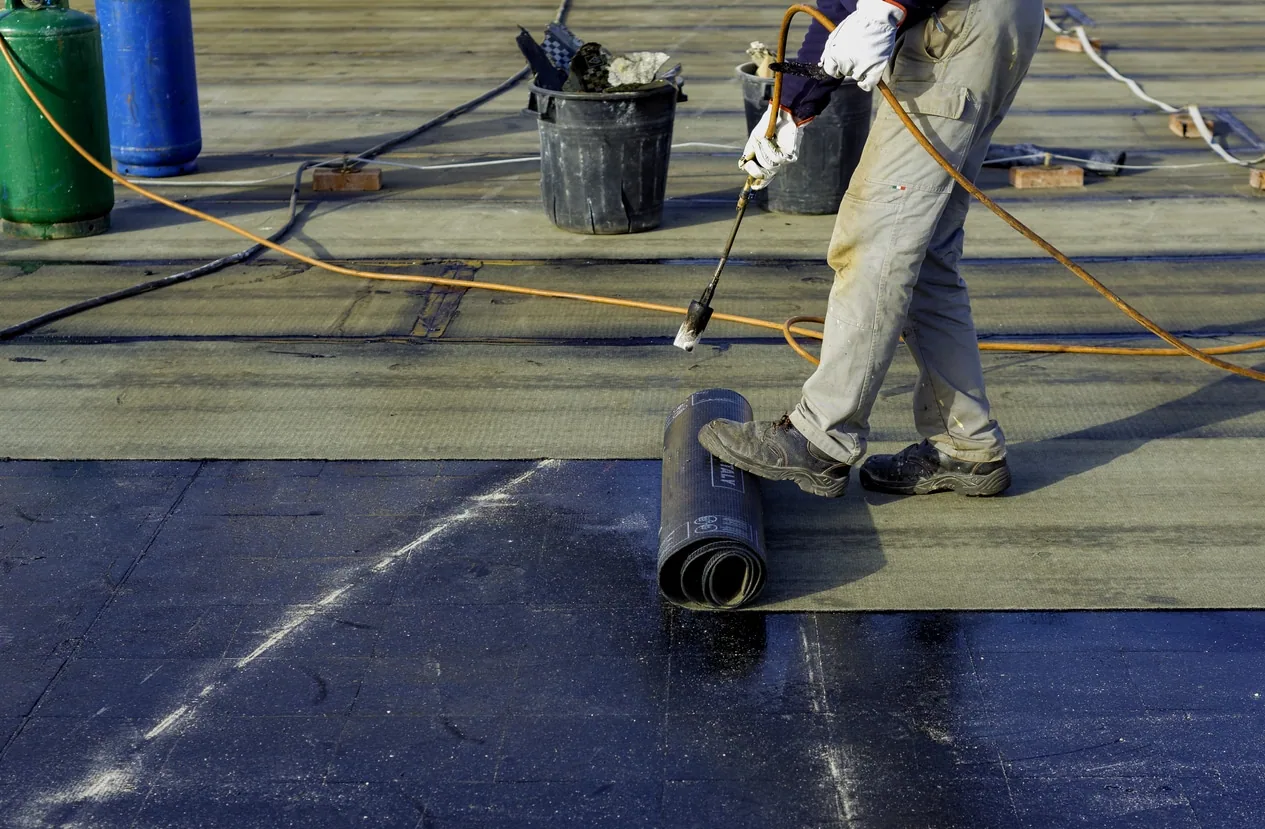
A localized puncture or failed flashing may suit a repair when the surrounding assembly is dry, attached, and compatible with the patch material. We remove unsound material as the detail requires, prepare the surface, complete the repair, and record the location and check performed. Repeated seam failure, widespread wet insulation, or deck deterioration changes the decision. We compare the repair area with the full roof map so a string of small patches does not conceal a broader assembly problem.
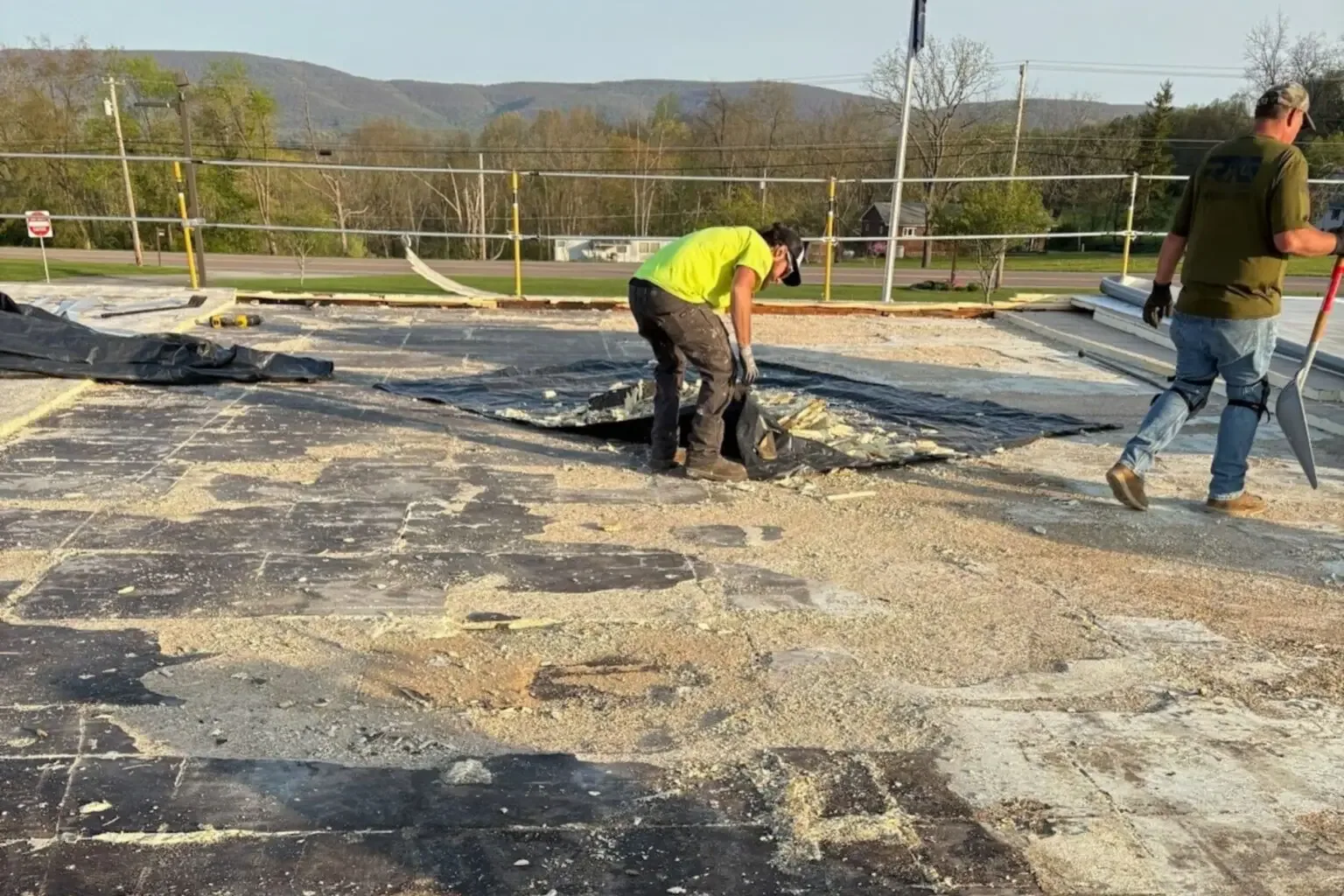
A recover can reduce removal work only when the existing layers meet moisture, attachment, compatibility, and system limits. If test cuts find wet insulation or the deck needs correction, removal may be needed to restore a sound base. Cost and duration move with tear-off depth, deck repairs, insulation changes, perimeter detail, equipment density, access, and daily exposure limits. We present these drivers as separate work items and mark open tests as hold points before the owner approves a larger scope.
Operating access and crew handoff
Truck courts and loading doors set access limits. The general contractor or facility contact can identify delivery peaks, restricted aisles, fire lanes, and areas where overhead work needs a temporary buffer. We place those restrictions on the roof-zone plan. If a forklift route or dock remains active below the work, the plan assigns a protected boundary and a person who can release it when conditions change.
For regional context, the Interstate Commerce Park is a planned multi-property area near the I-20 and SH 155 junction, while South Broadway carries commercial traffic through Tyler. A distribution center may add shipping windows, while a manufacturing plant can require a production release. We schedule roof work against the site’s actual gates, crane setup, tenant hours, and heat-sensitive tasks. A phased occupied-building sequence can preserve selected operations while the crew completes and closes one approved section at a time.
Closeout records and next work
Turnover should identify the installed or repaired assembly, completed zones, drain checks, photographs, and any observation that remains open. We keep approved changes with the location and reason so future maintenance can distinguish original scope from field direction. Roof plans, product records, and repair notes should stay together for the next inspection or capital review. When a weather delay changes the sequence, the record shows which exposed section was closed and who released the next access period.
For a warehouse condition review, share the roof plan, assembly history, leak log, access limits, and date a decision is needed. The work package separates confirmed repairs from items needing tests, replacement decisions, or an operations hold. For an active warehouse leak, call us; we confirm dispatch and safe access with the facility contact and record interim protection. Emergency work covers immediate protection and lists what remains, and the follow-up inspection still closes the assembly.
Commercial Roofing Questions
Can a warehouse keep receiving shipments during roof work?
We map dock use, truck routes, lift areas, and roof zones with the facility contact before work starts. A phased sequence may leave selected receiving areas active while one section is repaired or replaced. Each overhead work boundary needs an agreed access release, and a weather delay can change the daily sequence.
When does a warehouse leak call for a local repair or a wider roof scope?
The decision follows the membrane, nearby seams and details, moisture evidence, and condition of the surrounding assembly. We mark the affected roof zone and compare it with other findings. A localized defect with sound material around it may support repair; repeated failures or wet layers can justify testing and a wider scope.
What does Tyler’s summer heat change on a warehouse roof?
Tyler’s normal July high of 94.5°F signals a period for closer heat planning. We take a substrate reading and follow the selected product’s working limits before adhesive or coating tasks. If a step is outside its allowed range, the crew holds that operation and releases another approved task.
Will a recover work over an existing warehouse roof?
Only when the existing layers are dry enough, secure, compatible, and within system and code limits. We inspect the assembly and use agreed testing where concealed moisture or attachment could change the recommendation. The comparison should include the removal and deck work required if a sound base is not available.
What should the closeout package show?
We provide the completed roof zones, repair locations, photographs, drain and edge checks, approved changes, and remaining observations. The record also identifies temporary protection and any hold point that must be released before another crew or operation uses the area.
Related Pages
Tyler
Tyler, TX
Commercial Roof Inspection
Tyler, TX
Commercial Roof Replacement
Tyler, TX
Commercial Roof Condition Reports
Tyler, TX
Set the warehouse roof release
To compare roof work with warehouse operations, provide plans, leak locations, assembly records, loading and access rules, and the decision date. The scope will identify test points, loading boundaries, open-roof limits, and the release required before each shift.