
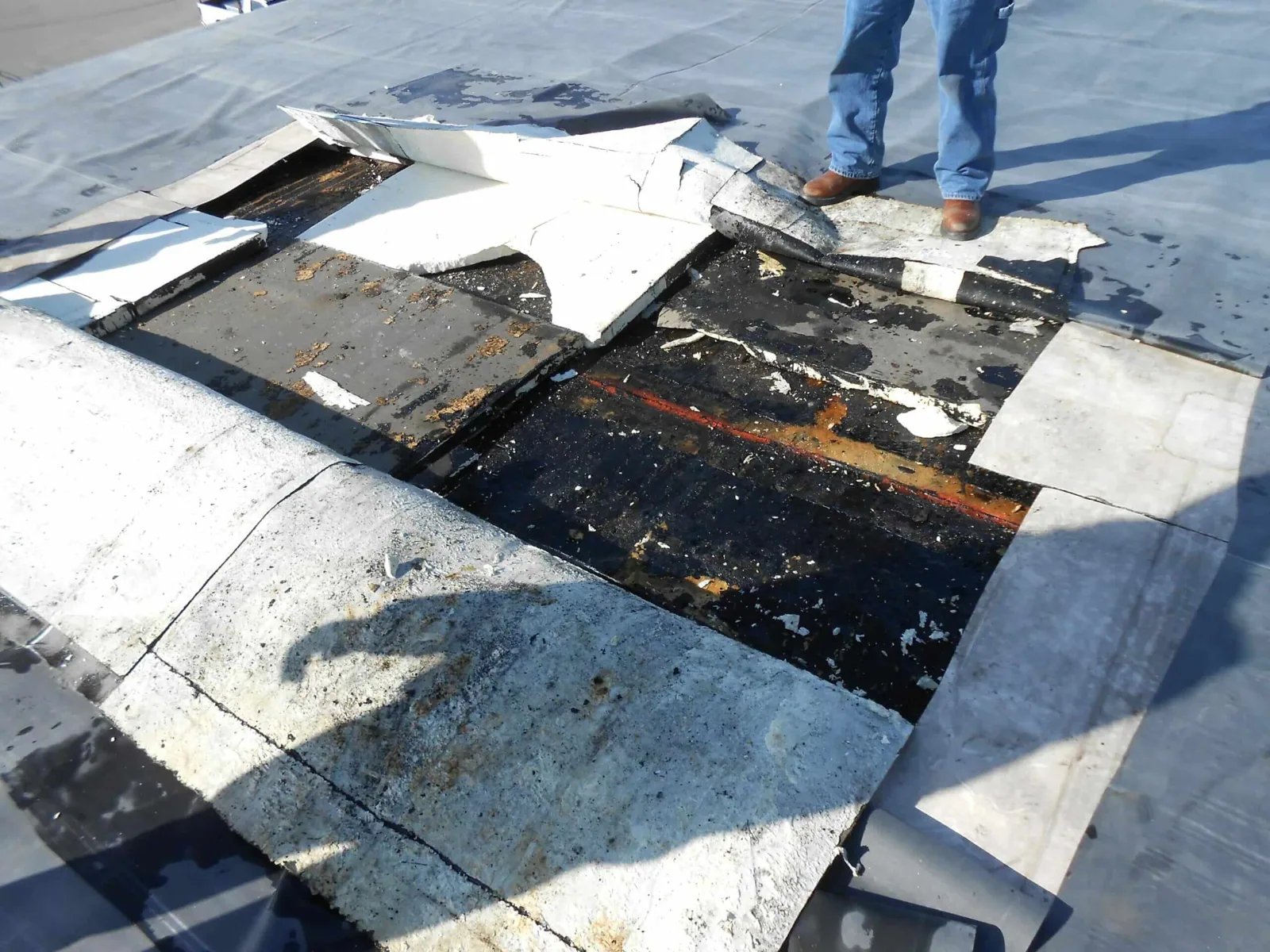
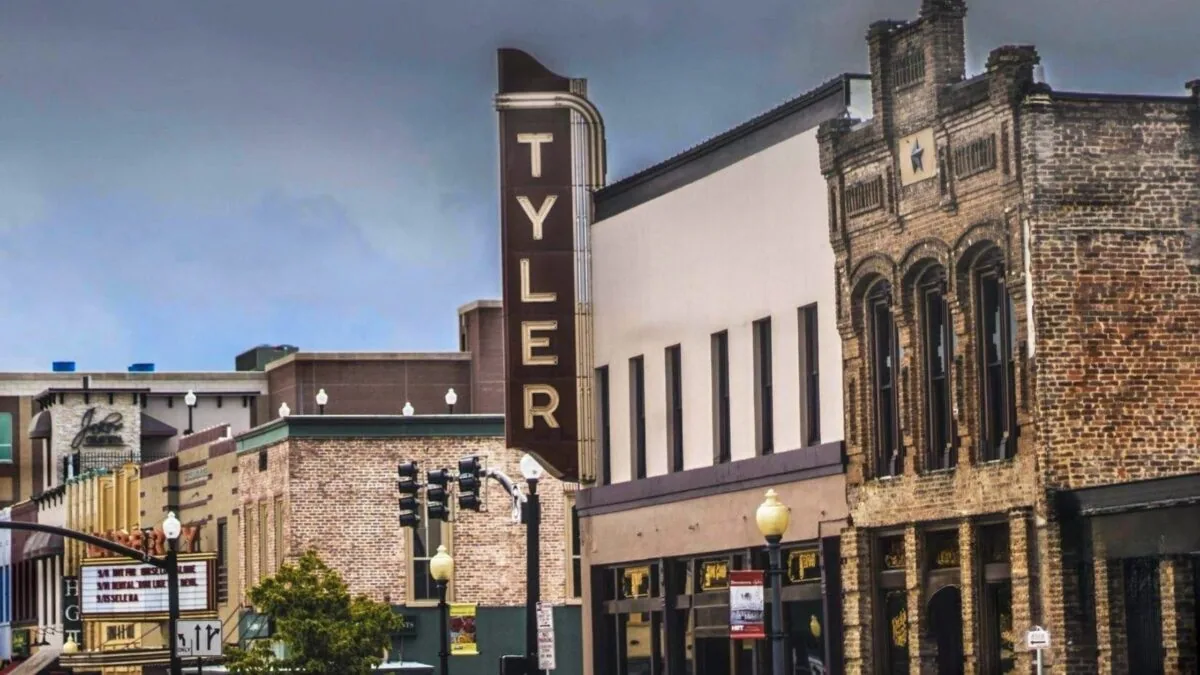
Tyler's June 8, 2021 tornado record is a reminder that severe wind can leave a roof opening that needs a controlled response. We coordinate emergency requests around safe access and the active condition, then set the first roof-zone release. The immediate work is to limit water entry, protect exposed areas, and record what remains unresolved. A temporary dry-in is a distinct package, with a clear handoff to testing and permanent repair.
We ask for the building address, leak location, active operations, and a safe contact before dispatch. At the roof, the crew checks access, drainage, visible damage, and the likely entry point before choosing a temporary measure. Photos and notes separate observed conditions from assumptions about cause. A commercial property in Tyler receives a plan for its roof and operating limits, whether the call follows a storm, equipment damage, or a sudden leak.
First response and roof-zone triage
Emergency work starts with immediate hazards: unstable materials, energized equipment, interior water near electrical systems, blocked drains, and roof access exposed to wind. We coordinate with the building representative and general contractor before anyone enters a restricted zone. The crew identifies which area can be inspected and what must remain closed. If conditions make roof access unsafe, we state the limit and plan the next safe inspection rather than creating a second incident.
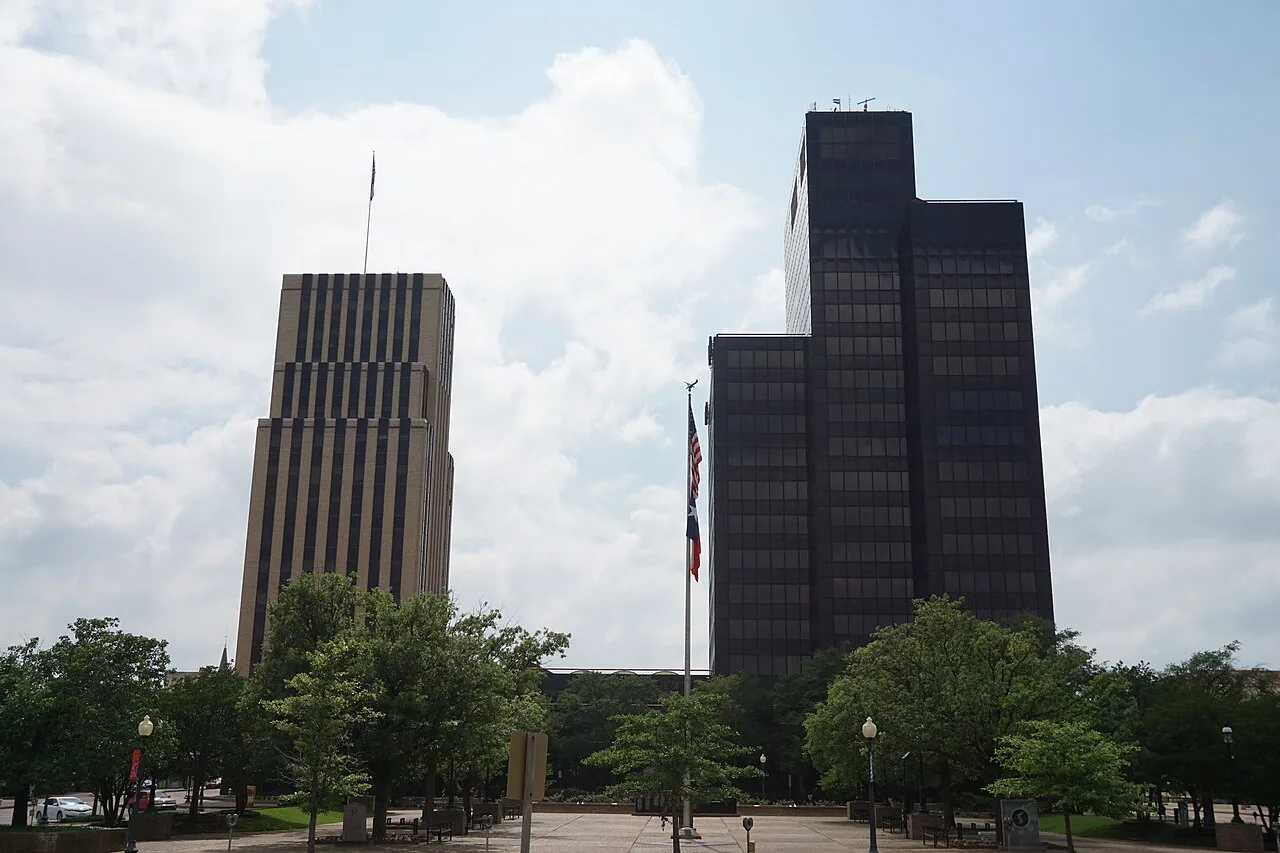
A tornado struck Tyler on June 8, 2021, while regional severe thunderstorms also bring large hail and damaging wind in spring and autumn. Those facts describe area exposure, not damage to a particular facility. We inspect actual seams, edges, penetrations, and flashing to see what failed. If the opening is not apparent, a leak-tracing step can follow after temporary protection, with each test point and finding logged for the permanent scope.
Temporary dry-in limits
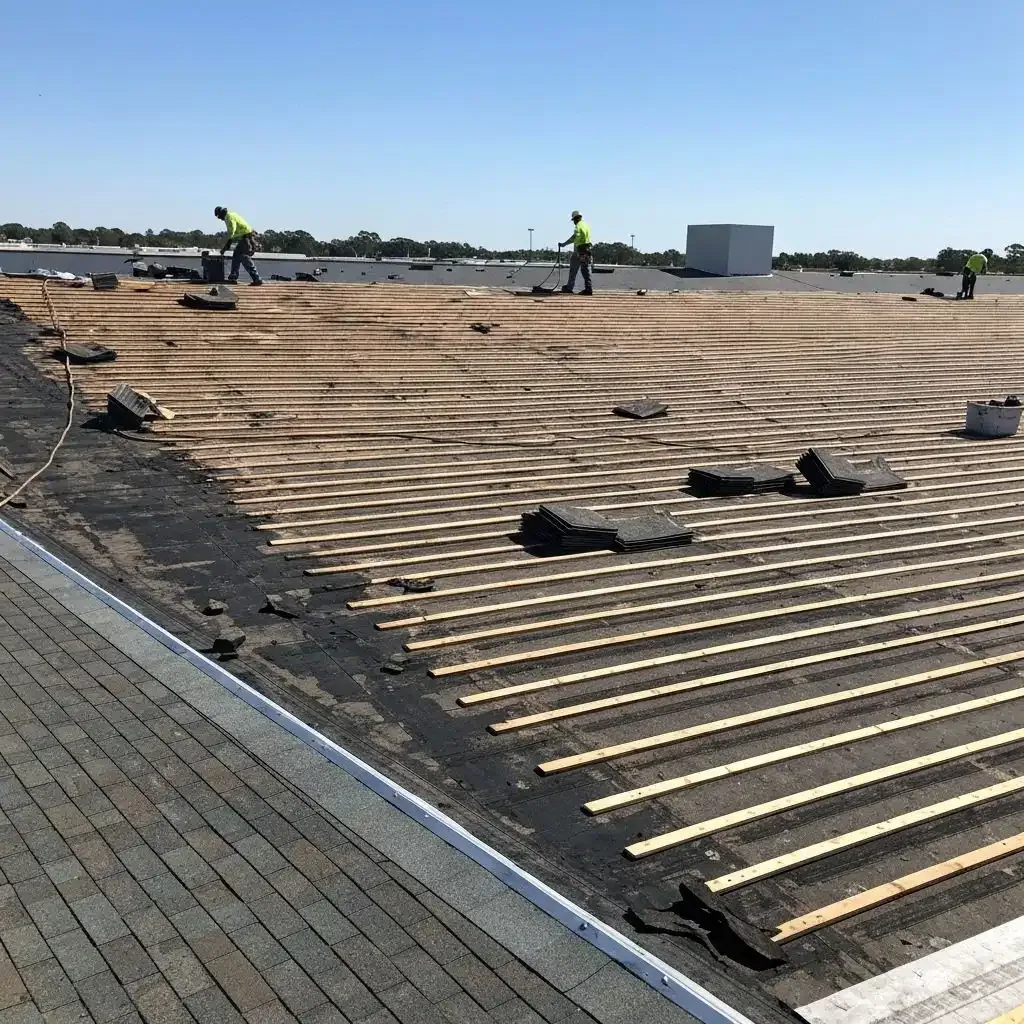
A temporary cover is selected for the opening, available attachment points, drainage route, wind exposure, and expected access window. We define how it is secured and how the covered area will be checked. A temporary patch is not a permanent membrane repair and may not control water under every condition. The Diligence Notes records the measure, limitations, photographs, and person responsible for monitoring it until the permanent work is released.
If the crew has to leave an exposed roof zone during a weather delay, the closeout identifies edges, drains, loose material, and any remaining path for water. Tyler's normal July high of 94.5°F also makes heat a factor for adhesives and certain preparation steps later in the repair. We do not substitute a climate normal for the actual roof reading. The next crew confirms substrate conditions and product requirements before converting a dry-in into a permanent detail.
Interior protection follows the reported water path, not just the room where the first stain appeared. The site contact can identify sensitive equipment, materials, and spaces that cannot be closed for long. We note those priorities and the access method before laying temporary cover. If an interior area needs a separate containment step, it stays coordinated with the building representative rather than being treated as part of the roof patch alone.
Access and operations
Emergency access may cross loading areas, mechanical rooms, tenant space, or active production routes. We confirm the site contact, escort or key requirements, roof ladder, fall-protection points, and any area that must remain open to responders. The general contractor sets the operational boundary, and we identify the roof zone that can be reached without blocking a critical route. These details affect the arrival sequence and the type of temporary protection available.
East and southeast Tyler are being studied for street extensions alongside existing Toll 49 route alternatives around East Grande Boulevard and Old Omen Road. The Tyler North End Area includes public-safety and infrastructure priorities. Neither regional context is a route plan for a property: the facility contact confirms gate access, internal travel lanes, and the roof hatch before the crew proceeds. At a roof emergency, we still need the property's own gate, loading schedule, and safety controls. The project contact releases the actual route to the work zone, and the Diligence Notes gives the permanent repair crew an access handoff, turn points, and any restriction to review before mobilizing.
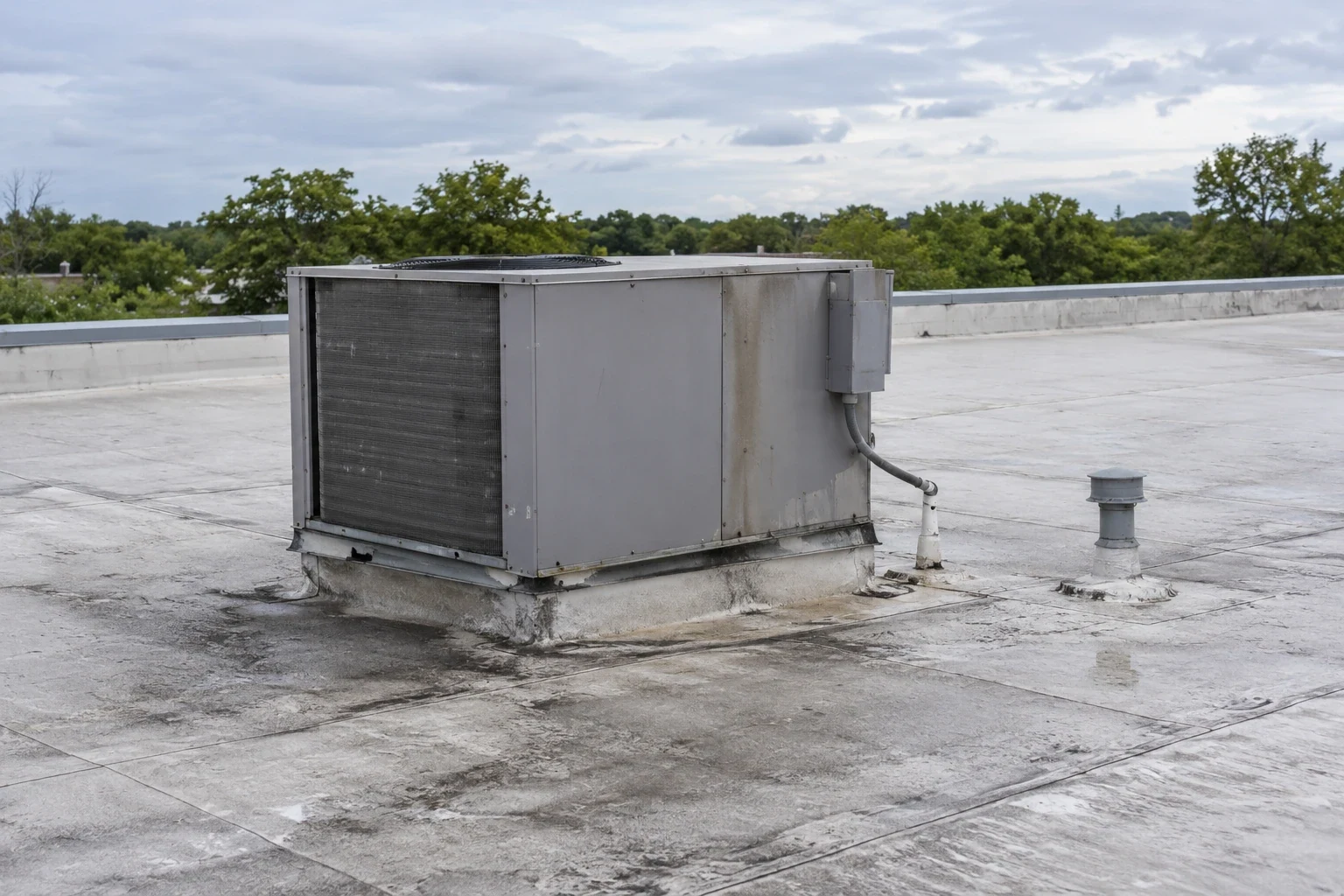
From stabilization to permanent repair
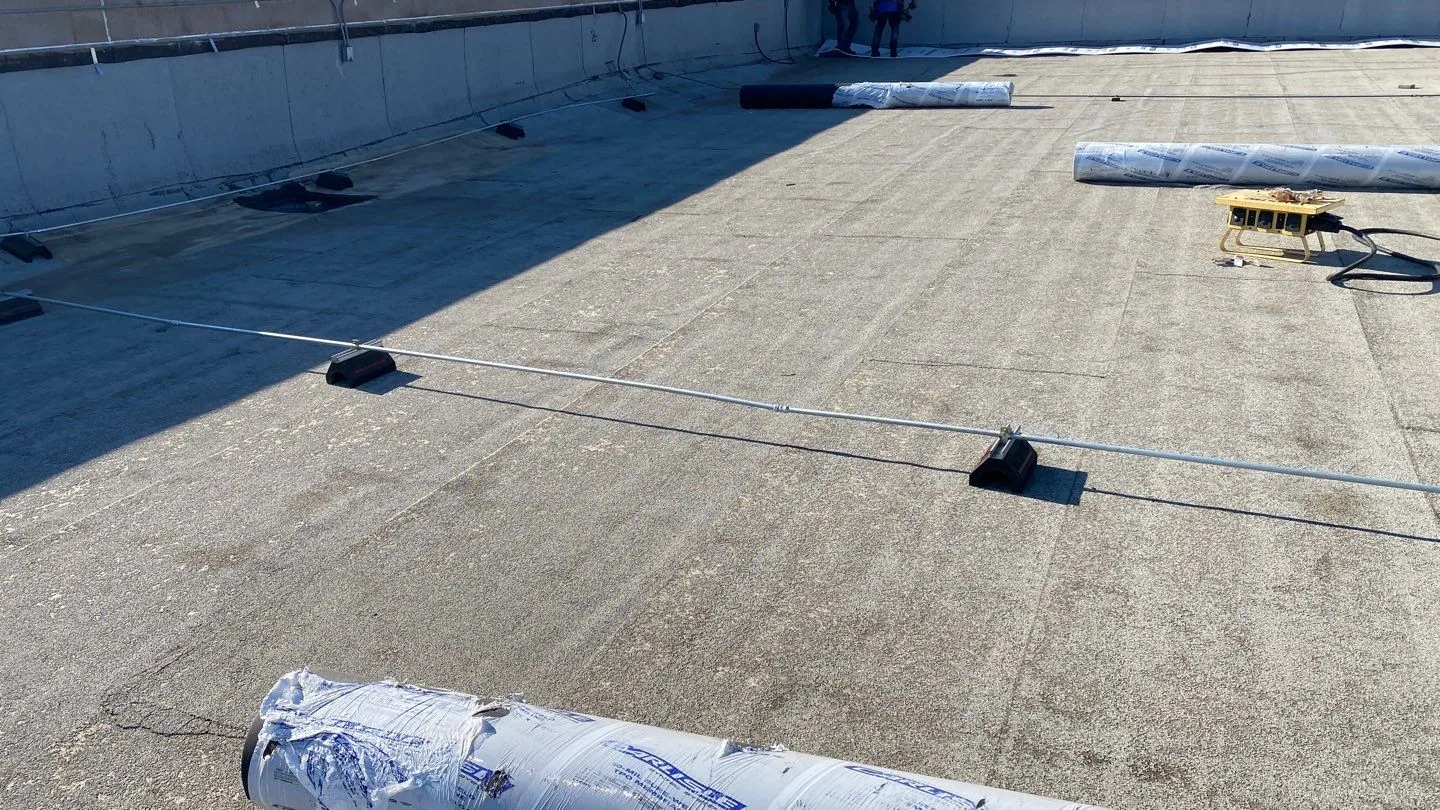
Once the immediate opening is protected, we inspect the surrounding assembly and determine what must be tested or removed. A failed seam, puncture, loose flashing, or damaged edge calls for a detail matched to the roof system. If moisture has spread into insulation or the deck, the scope may extend beyond the visible opening. We separate confirmed work from proposed work and wait for the owner's approval where removal or replacement changes the authorized package.
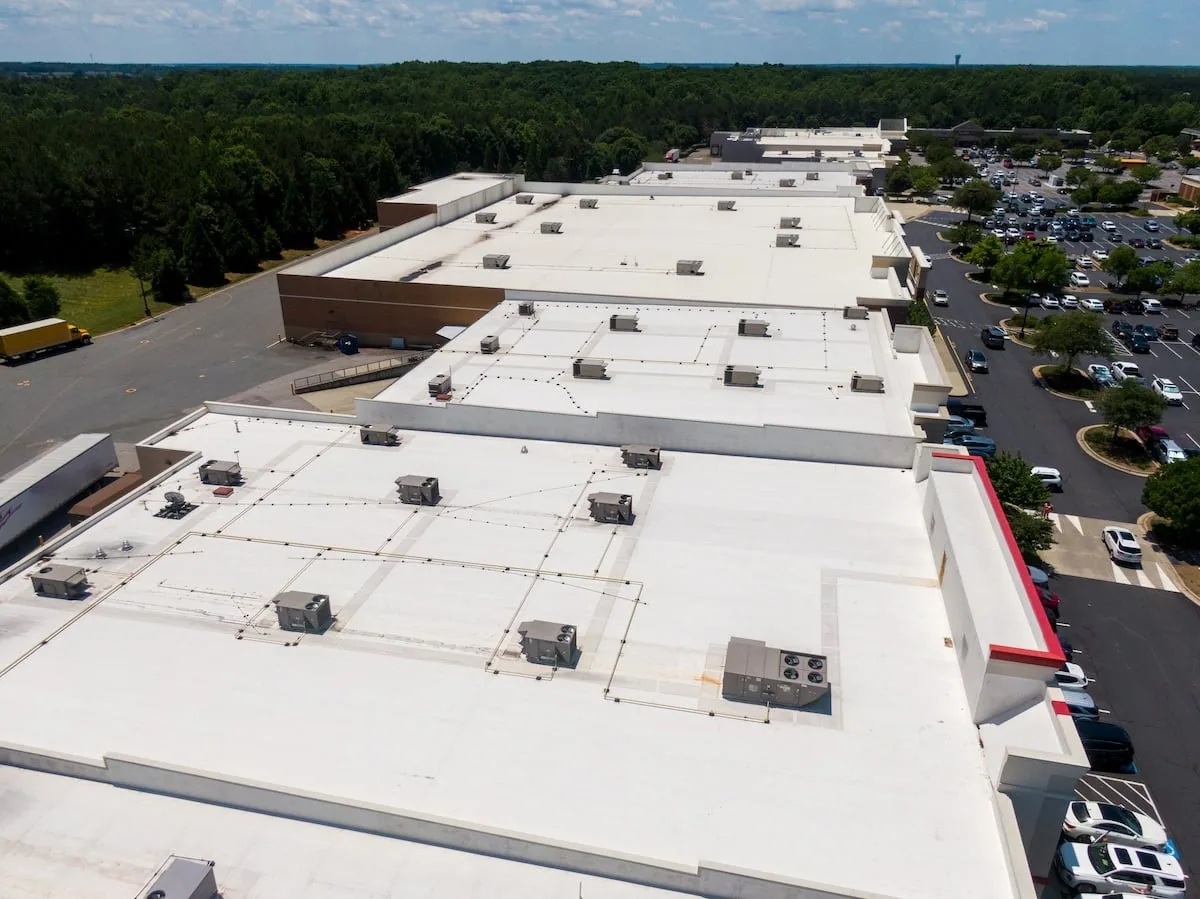
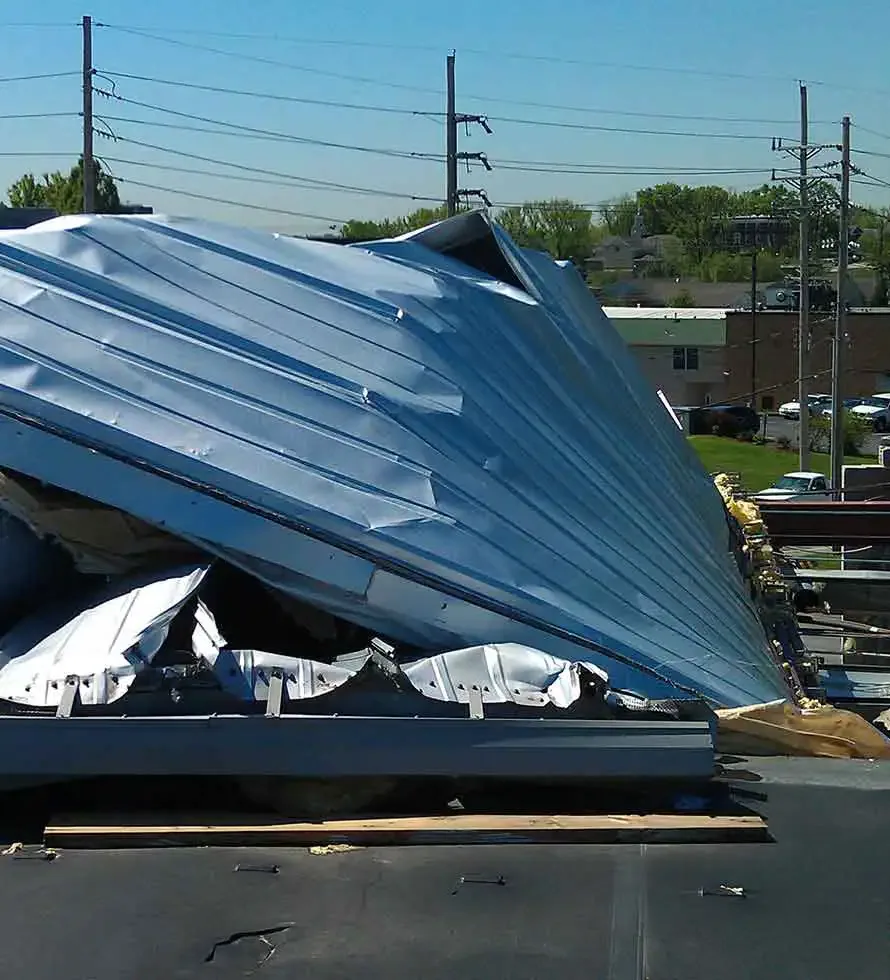
On return, the crew removes temporary material as needed, verifies the substrate, and installs a compatible permanent detail under suitable conditions. The field record connects the emergency photos with the finished repair and notes any remaining test. A wind damage assessment can document a broader affected area, while a hail inspection distinguishes impact evidence from unrelated wear. If repeated failures emerge, a replacement review may be more useful than repeated temporary calls.
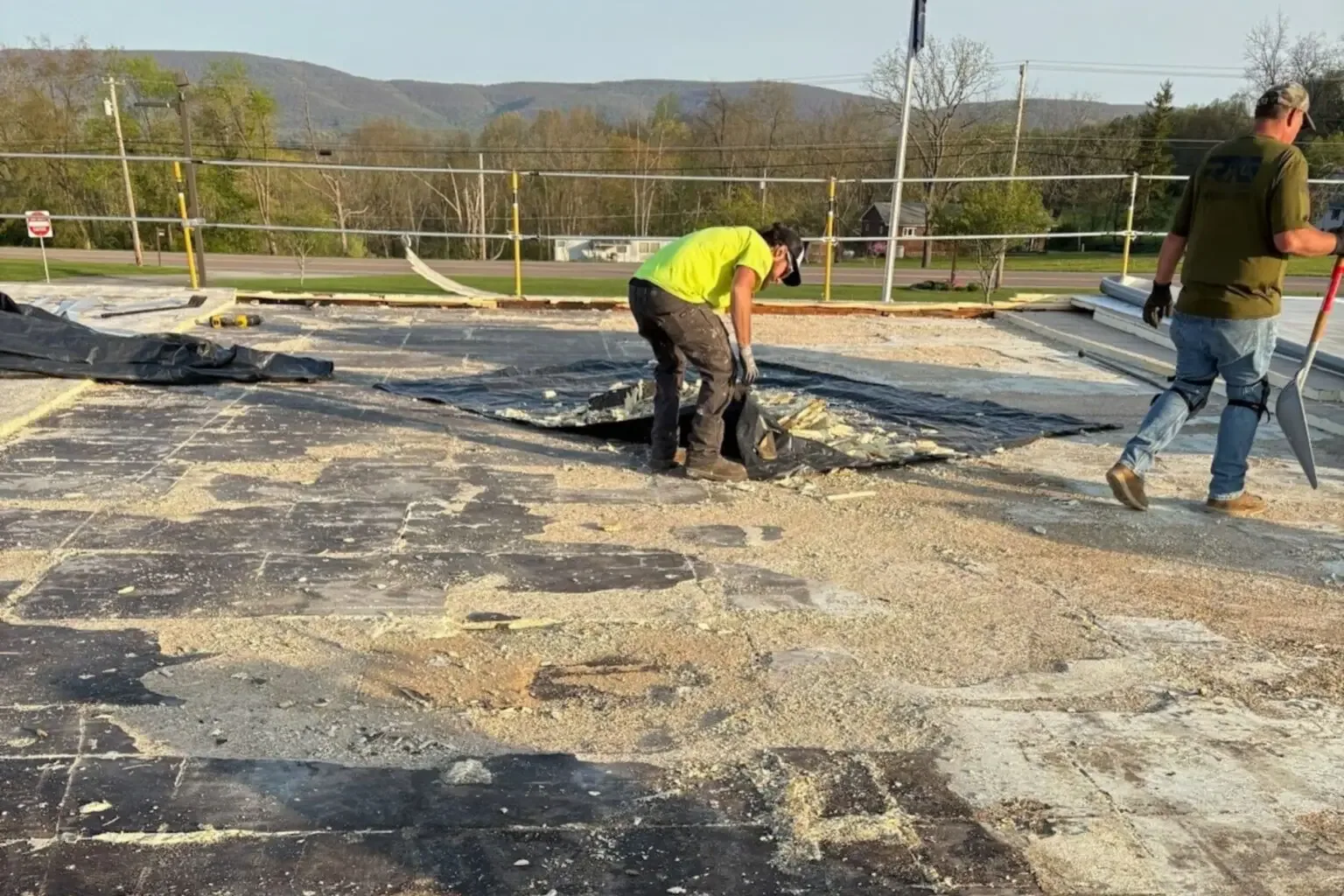
Crew handoff and records
The emergency log should show access instructions, weather and safety limits, roof-zone location, observed opening, temporary work, and photographs. We identify who accepted the dry-in and which conditions still need review. If operations change before permanent work, the site contact can update the access window without losing the original scope. A written condition record also supports later repair planning and insurance documentation.
In the South Tyler Mobility Study Area, seven corridors and nine proposed transportation projects address congestion, connectivity, and mobility. That city context may help a project team discuss approach routes, but it does not determine a roof crew's access. We hand over the property's actual open test points, temporary-protection limits, and next approval gate. The general contractor then has a site-specific record for moving from stabilization to closeout.
Commercial Roofing Questions
How quickly can emergency roof work begin?
Response timing depends on location, safe access, current conditions, and the active roof issue. The first visit focuses on triage, water control, and a documented next step. We confirm the access release before anyone enters a restricted zone.
Does a temporary tarp count as a permanent repair?
No. A temporary cover or patch stabilizes an opening for a limited period and has defined attachment, drainage, and weather limits. We record those limits and schedule the permanent detail after the assembly and substrate can be checked.
What information should the site contact provide?
Share the address, affected rooms, active leak timing, roof access instructions, operating restrictions, and a contact who can release the zone. Photos from a safe interior location can help triage. Do not send staff onto a roof with uncertain access or hazards.
Can the permanent repair be completed on the emergency visit?
It may be possible when the cause is confirmed, compatible materials are available, and access and weather conditions suit the repair. We separate temporary stabilization from permanent work in the scope. If testing or approval remains open, the crew records the hold point and returns after release.
What records are available after a storm response?
We can provide location notes, photographs, observed conditions, temporary work details, and permanent repair findings. Those records document the roof work, while the insurer determines claim coverage. Any untested zone remains identified as open rather than implied clear.
Related Pages
Tyler
Tyler, TX
Commercial Roof Leak Repair
Tyler, TX
Wind Damage Roof Repair
Tyler, TX
Commercial Hail Damage Roof Repair
Tyler, TX
Release the first safe zone
Call with the address, active condition, roof plan, access contact, and operational limits. We will assess the available response, document temporary protection, and outline permanent repair steps with open tests and hold points marked.