
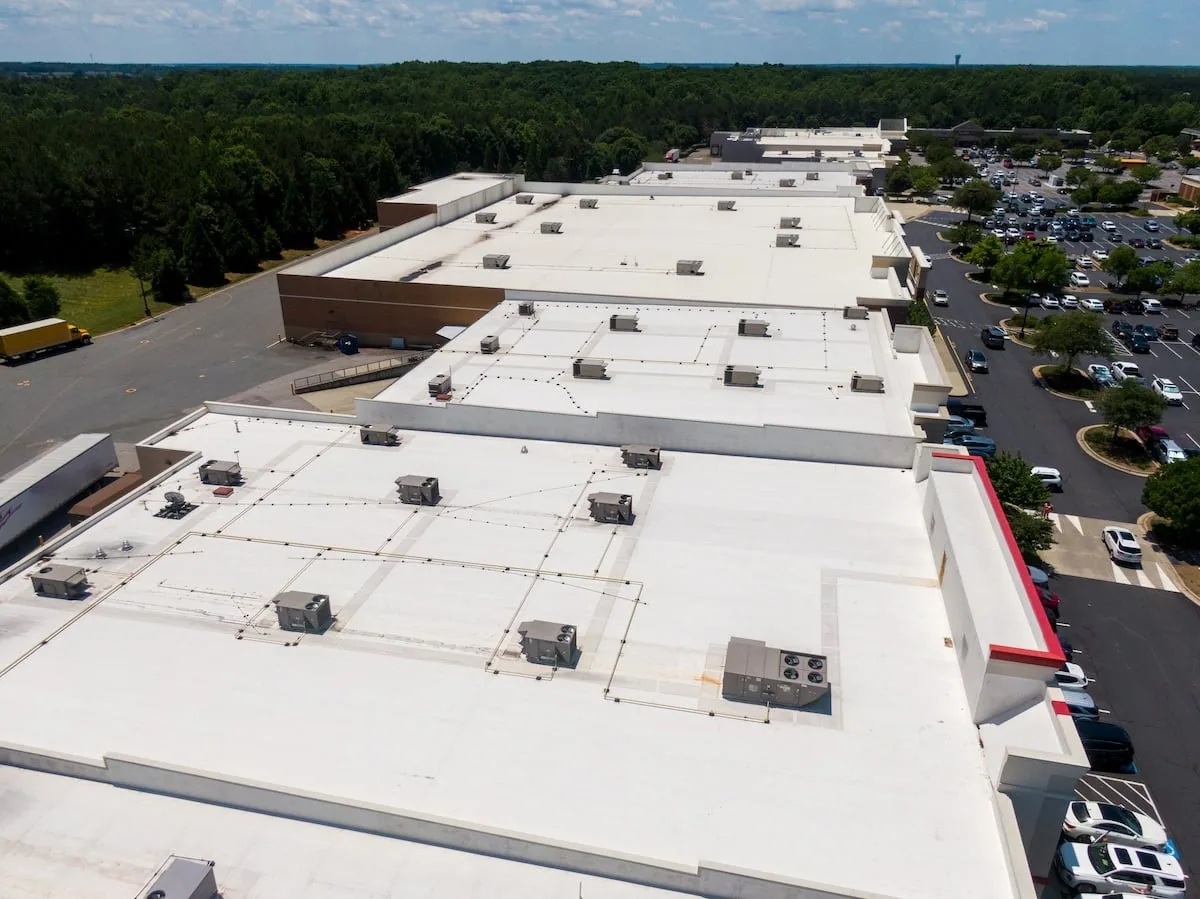
A spring downpour can turn a small Tyler, TX roof opening into an active interior leak before the crew reaches the property. Large hail and damaging wind come with Texas severe thunderstorms, which are most active in spring and autumn. We first locate the entry path, separate immediate protection from permanent repair, and mark which roof zone can be opened safely. The general contractor receives the test point and access release before the crew moves from a ceiling symptom to a repair detail.
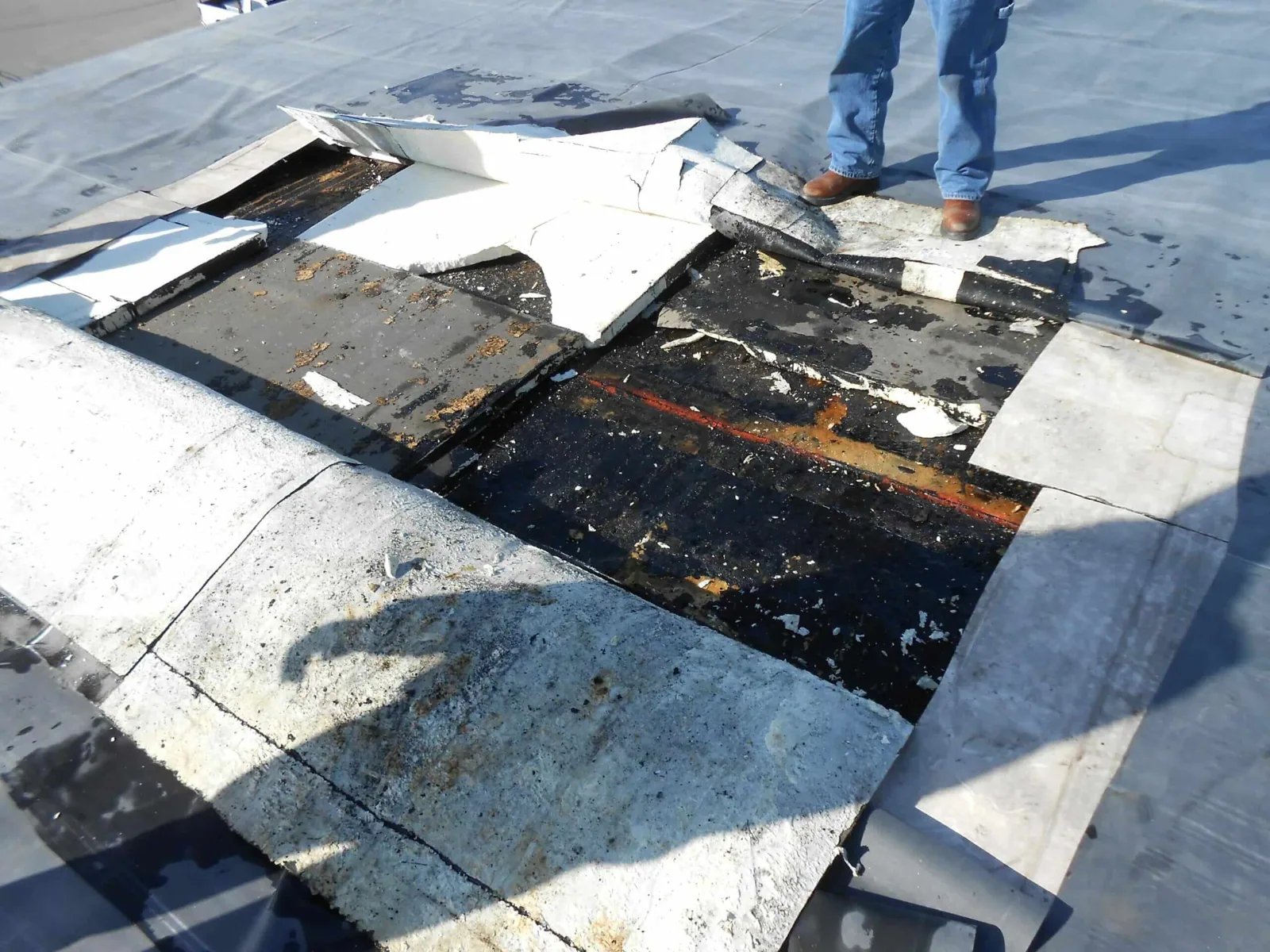
The water mark is useful evidence, but it may sit away from the failed seam or flashing. We inspect transitions, curbs, drains, penetrations, and adjacent repairs, then trace the path with focused testing. Photos show the suspected entry and any interior effect without treating one as proof of the other. For a Tyler commercial building, the work package names what is confirmed, what remains open, and how the exposed area will be protected while the leak is stopped.
Trace from the roof zone
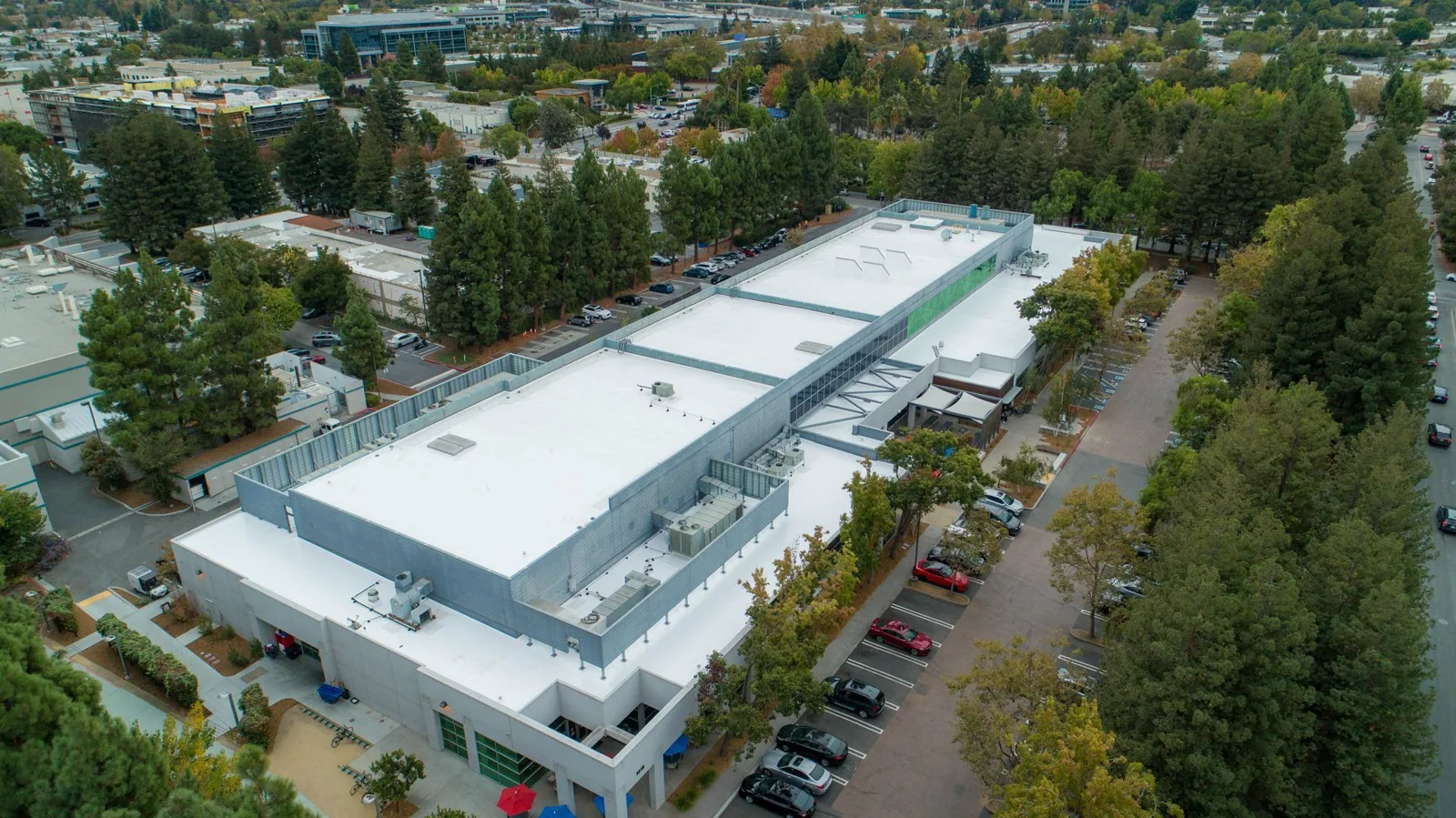
We start with the building representative's leak timing, affected rooms, operating equipment, and any recent roof work. On the roof, we check the nearest penetrations, seams, wall transitions, drains, and edge conditions, then expand the search if the first area does not explain the path. Moisture readings or selective openings can help test a suspected route. Each test is recorded with its location and result, so the owner can distinguish a confirmed defect from a nearby condition that still needs review.
County Road 3344 construction and utilities serving the Tyler Interstate Commerce Park were complete in 2025. Infrastructure context can inform a project meeting, but it cannot establish a specific building’s roof condition. We coordinate the entrance, roof route, and operating limits with the site contact. The access record names the release contact, material staging point, and interior area needing protection before the crew opens a detail. A leak investigation is sequenced around the property in front of us, not assumptions drawn from its address or neighboring use.

Temporary protection and dry-in
If water is entering, temporary protection comes before a full repair detail. We identify the opening, protect vulnerable equipment or interior areas where directed, and restore a temporary water-shedding condition that can be checked. A tarp or temporary patch has limits: drainage, wind exposure, attachment, and roof access affect how it performs. The report states what was covered, what remains exposed, and who must release the next access window for permanent work.
During a weather delay, the exposed-section closeout has to be clear enough for another crew handoff. We photograph the temporary measure, note the drain path, and identify any test point that could not be completed. If a permanent repair needs a compatible membrane or primer, installation waits for conditions allowed by that product. A emergency response visit can stabilize the opening while a later visit completes testing and a permanent repair scope.
Permanent repair details
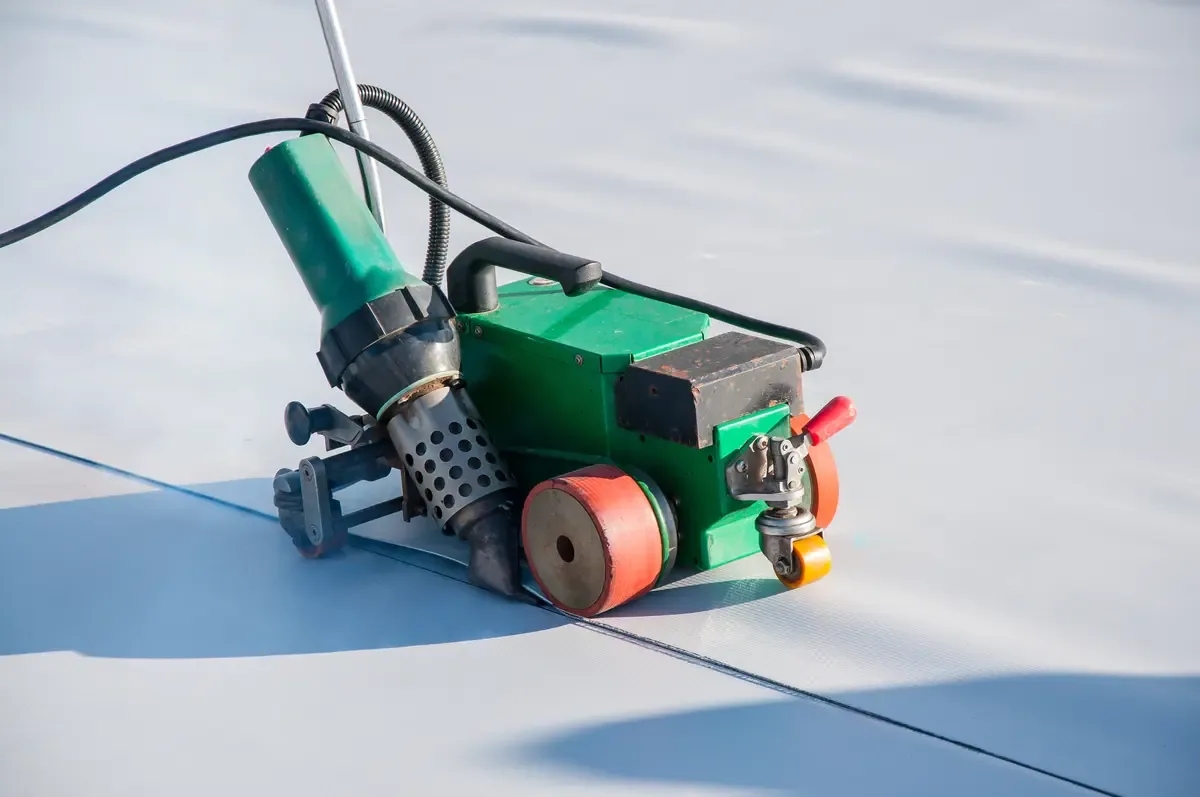
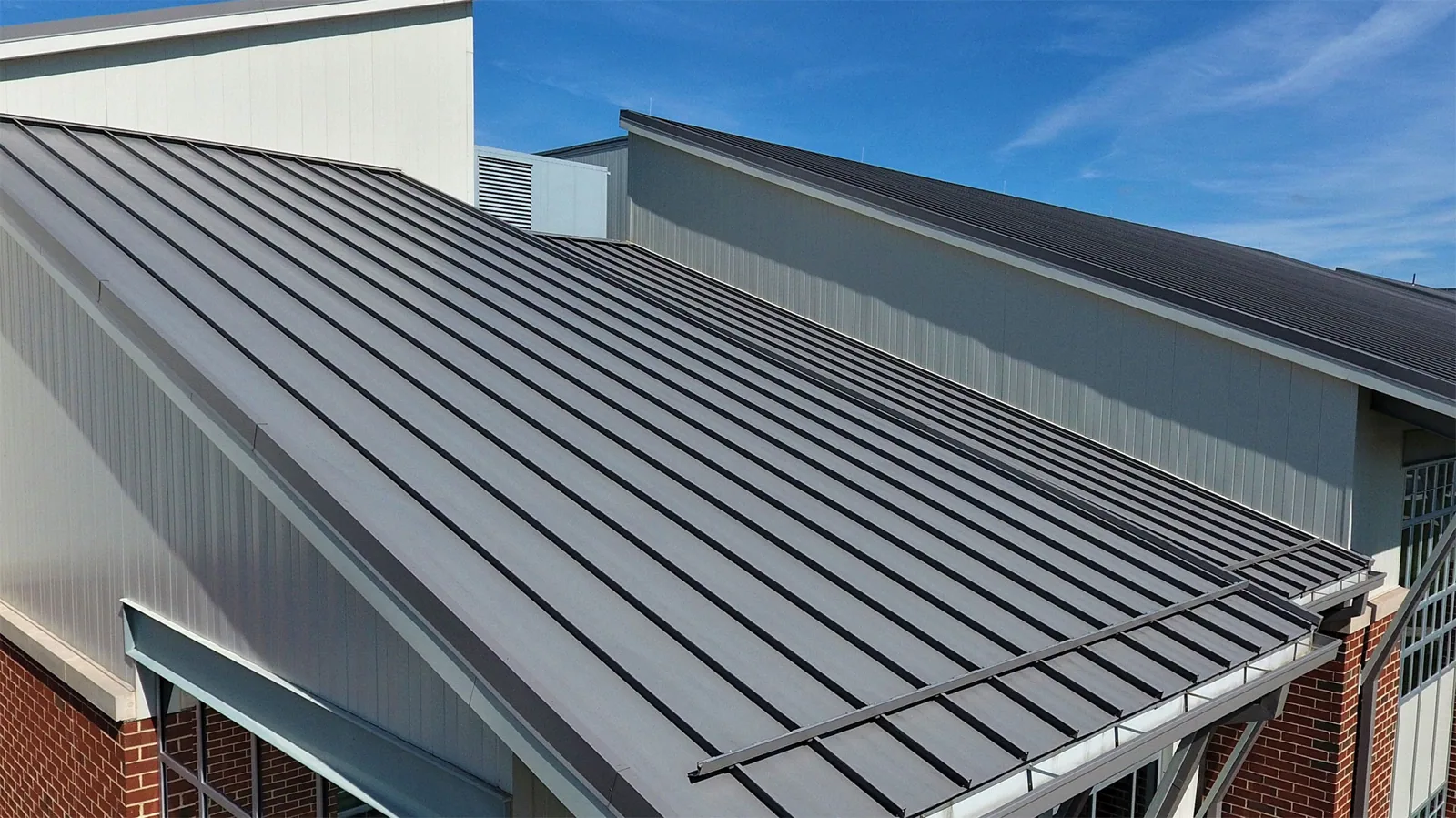
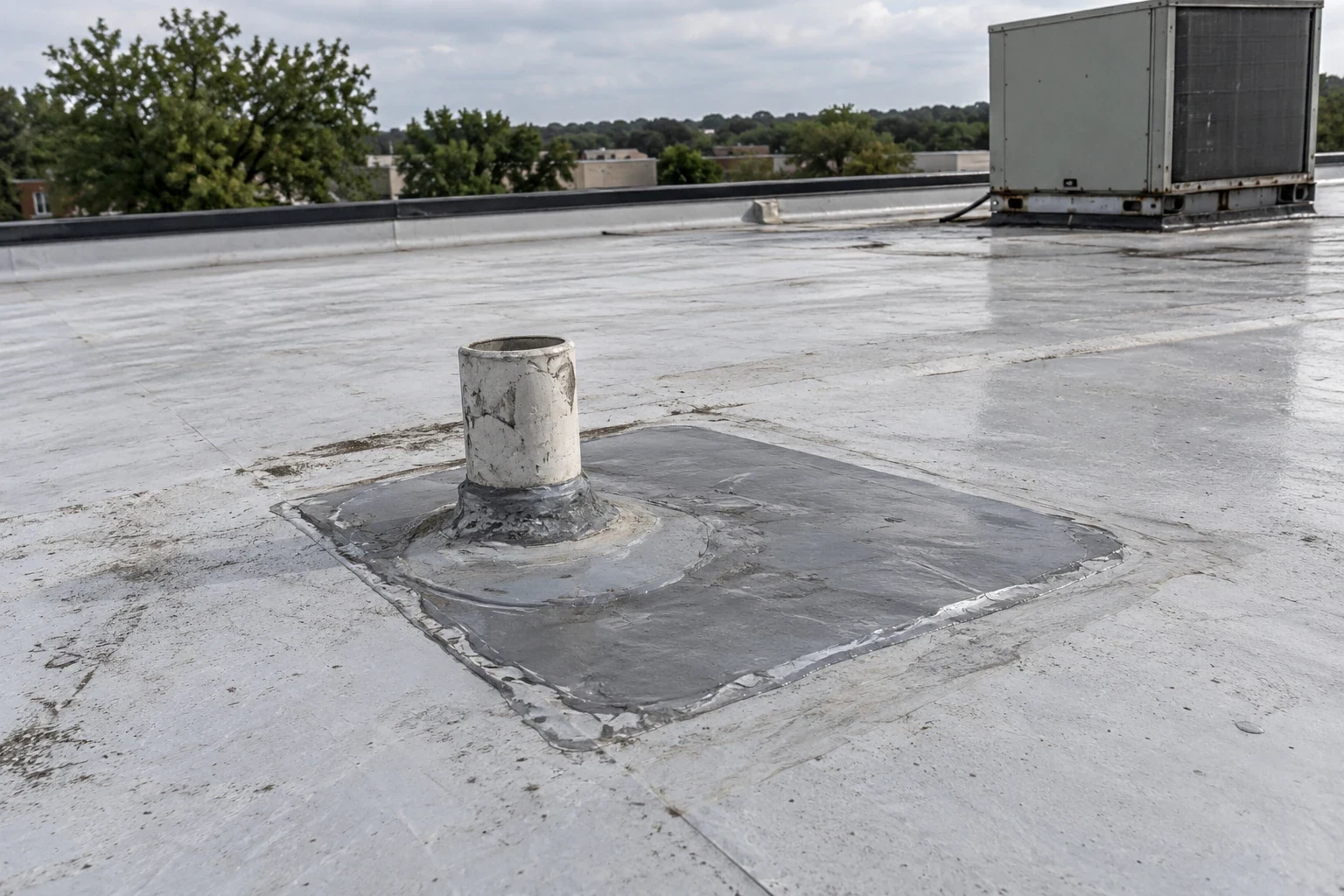
Once the leak path is understood, we match the repair to the assembly. A membrane seam may need cleaning, test welding, or a compatible cover strip; a penetration may need new flashing that returns to sound membrane. Metal roofs require attention to panel laps, fasteners, and trim movement. We define the repair footprint, surface preparation, material, and inspection point before closing the zone. If water has reached insulation or the deck, the work package records that condition rather than treating a surface patch as a complete correction.
Tyler's regional exposure to severe storms makes wind-driven water a practical concern, but the roof evidence still controls the repair. We examine the detail that failed and nearby attachment or drainage features, then note whether another roof zone appears affected. A flashing repair or membrane puncture repair uses a defined material and tie-in. If repeated failures appear, we compare a focused repair with a broader repair scope instead of expanding without approval.
At a drain, we check the bowl, clamping area, and nearby membrane for separation or debris that changes water flow. At a wall, we inspect termination height and the condition of the surface receiving the flashing. Those observations determine whether the work stays at one detail or needs a larger tie-in area. The crew records that boundary before the material is placed.
Heat window and occupied areas
Tyler's normal July high is 94.5°F, which can affect primers, adhesives, and the time available for surface preparation. A regional average is not a temperature reading from the roof. We check the substrate and follow the specified installation range, then schedule each repair around that hold point. If the work window closes, the crew documents the safe stopping condition and protects the zone before leaving. That record prevents a partially prepared detail from being mistaken for a finished repair.
Lindale’s I-20 area is growing as a retail and commercial corridor, and distribution activity there is increasing. That broad context is a reminder to coordinate loading, access, and work timing, not a claim about a specific roof. We confirm which rooms, production areas, or tenant routes need protection and communicate any temporary restriction before cutting or welding begins. The crew handoff lists the roof-zone release, interior contact, and next inspection point so operations can continue with a known boundary.
Evidence and next decision
Leak closeout includes the reported symptom, roof-zone location, suspected entry, tests performed, repair material, photographs, and any condition left unresolved. If a test cut shows wet insulation or deck deterioration, the finding is logged separately from the leak repair. The general contractor can then decide whether to authorize additional removal, testing, or replacement. A photo-supported condition report keeps those findings available for a future maintenance visit and avoids repeating the same search without the original observations.
The Tyler Interstate Commerce Park and Lindale's commercial corridor serve different local functions, but both contain multiple properties whose roof conditions must be evaluated one at a time. At an individual building, water entry may be isolated, or it may point to a larger pattern. We state which conclusion the evidence supports and which question remains open. If a storm produced multiple marks, a wind damage review can record the roof evidence separately from the immediate dry-in and repair work.
Commercial Roofing Questions
Why is the ceiling stain not directly under the roof opening?
Water can move along roof layers, framing, or service pathways before it appears inside. We trace from likely roof details and test the suspected route rather than assuming the stain identifies the entry point. The report keeps the roof finding and interior effect distinct.
What happens on the first visit if water is still entering?
We locate the active opening, establish temporary protection, and document what remains exposed. The permanent repair may require additional testing or a suitable weather window. The work package identifies the next access release and the person responsible for it.
Can you repair a leak during a storm?
Roof access and repair materials have weather limits. For an active opening, we first assess whether safe access is available and what temporary protection can be installed. Permanent work follows when roof conditions, materials, and the approved scope allow. The crew records the temporary closeout and any hold point.
How do you know whether wet insulation needs removal?
Readings, selective cuts, and the extent of affected material help establish a boundary. We report confirmed wet areas and identify any untested section. The owner can approve removal or further testing based on those findings.
What should be documented for a later storm claim?
Keep dated photographs, roof-zone locations, observed conditions, test results, and the temporary or permanent work performed. We can record the field evidence and repair scope. The insurer determines coverage, while the repair plan addresses the active roof condition.
Related Pages
Tyler
Tyler, TX

Emergency Commercial Roof Repair
Tyler, TX

Trace the water path
Share the roof plan, assembly records, leak timing, access window, and interior areas affected. We will return a sequenced visit plan with temporary protection, test points, repair limits, and the next release clearly marked.