
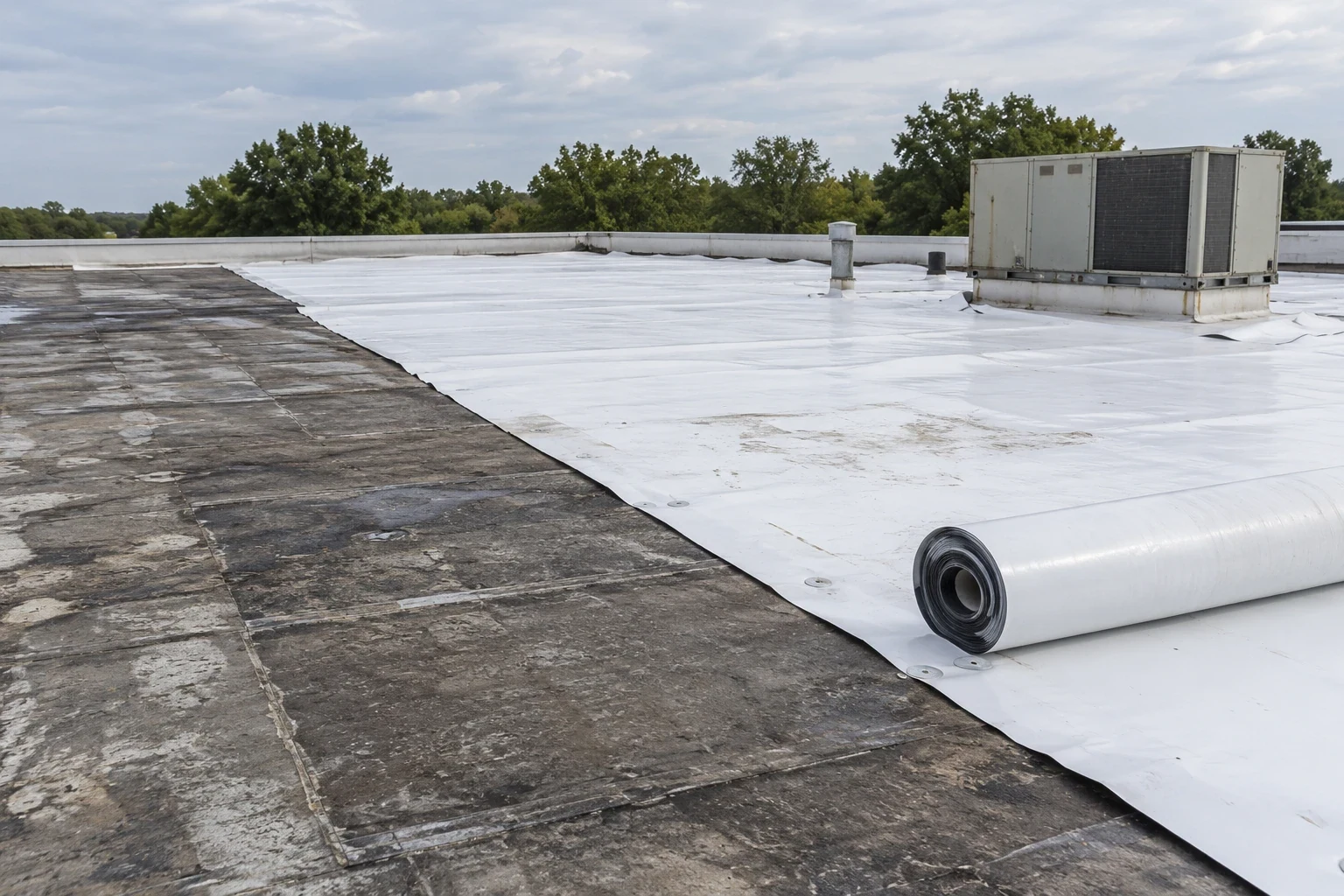
Summer heat in Tyler, TX can tighten the installation window for primers and adhesives, but the first recover decision happens below the membrane. We inspect the existing assembly, locate moisture, confirm what layers are present, and mark any area that needs a test cut. Tyler’s normal July high is 94.5°F; the crew measures the substrate and follows product limits before releasing each work zone.
A recover places a new system over an existing roof only when the assembly is suitable and the applicable code and manufacturer requirements permit it. It can reduce removal, debris, and disruption, but it does not correct concealed wet insulation or a weak deck. We compare the overlay option with a full replacement scope and document the evidence behind each path. For a Tyler property, that decision should be based on roof-zone findings rather than the convenience of leaving layers in place.
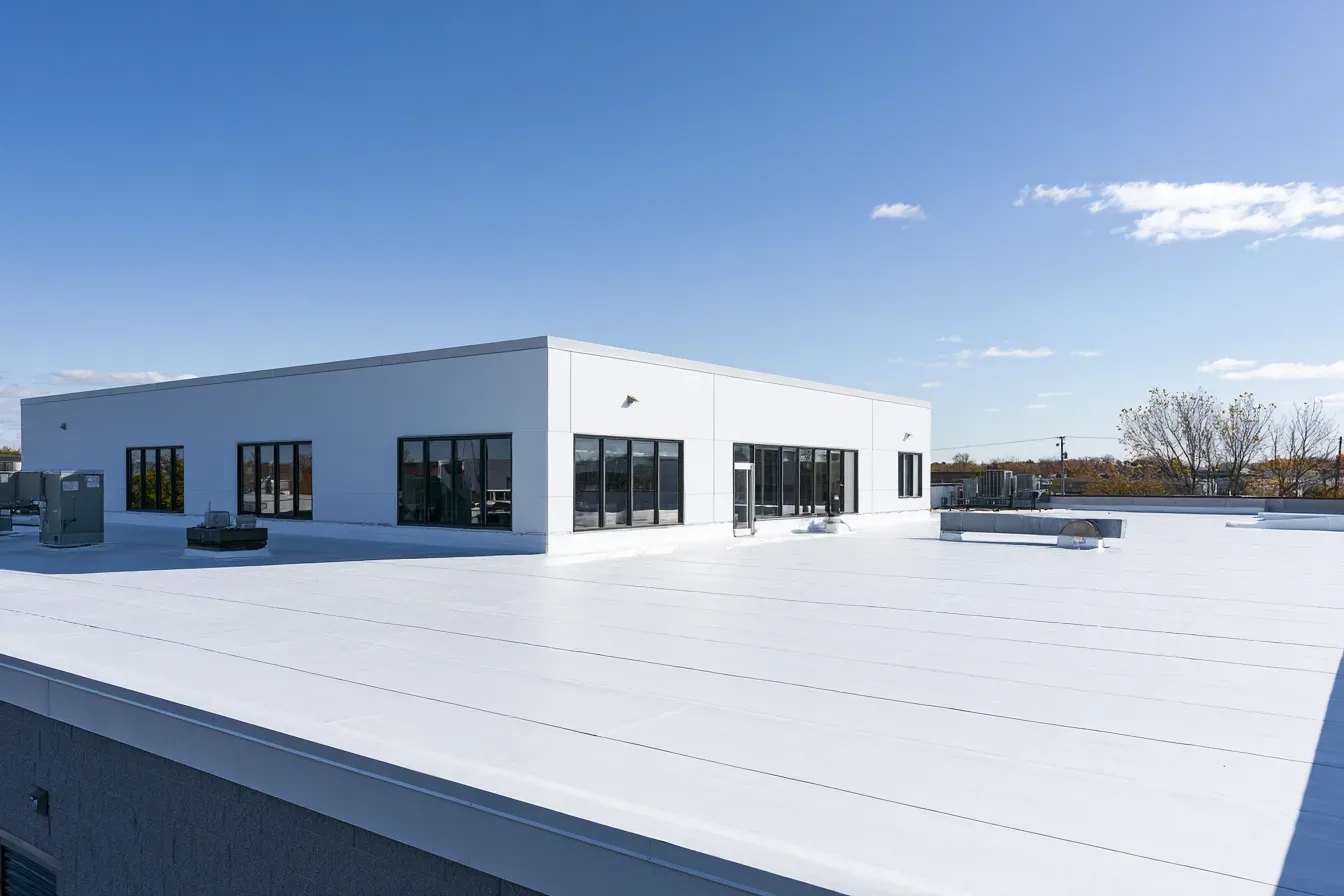
Existing assembly conditions
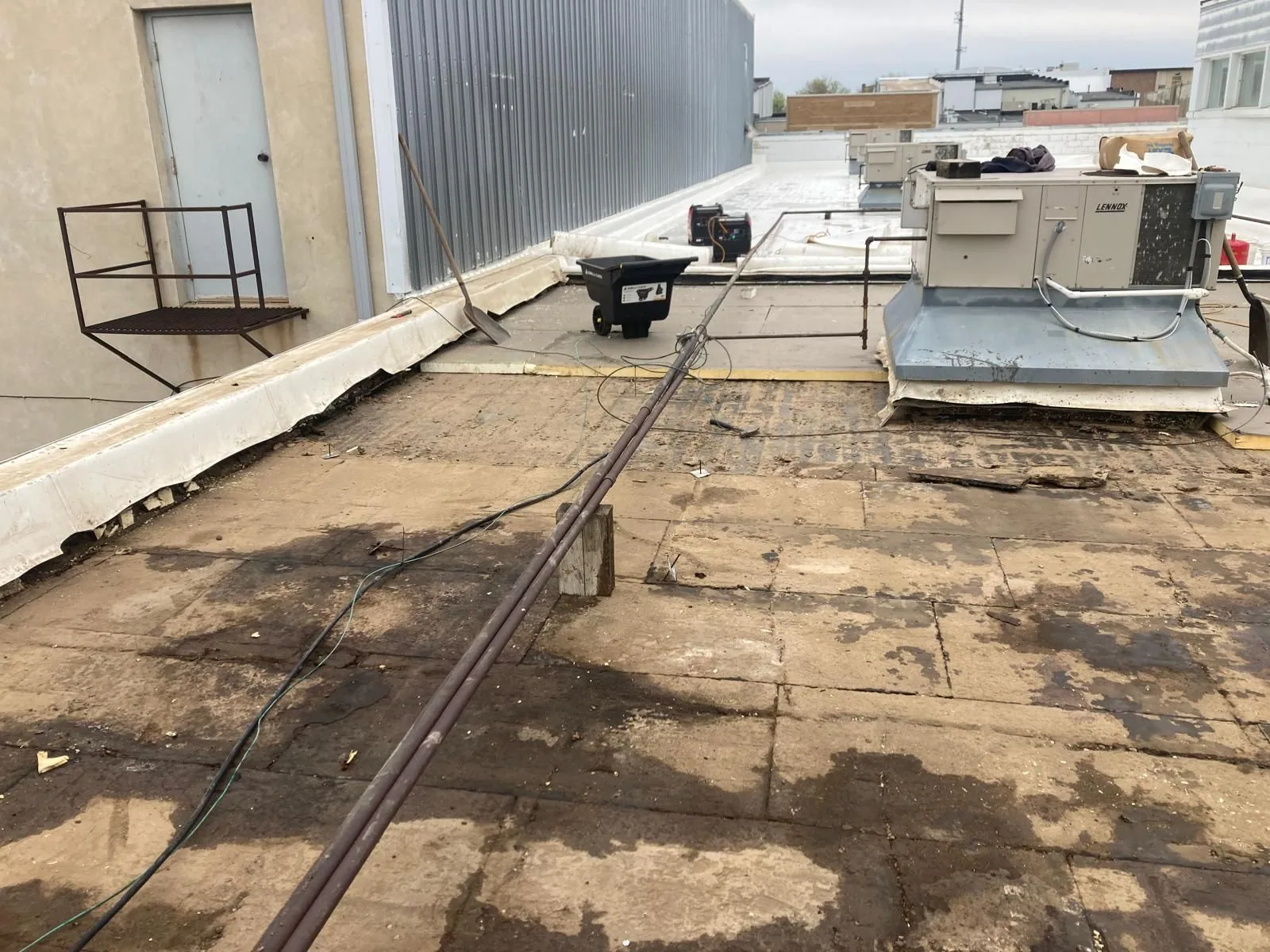
We begin with a layer map, visible membrane condition, seam and flashing checks, drainage review, and a record of penetrations or past patches. Moisture testing helps identify whether wet insulation is isolated or distributed through the assembly. Core cuts can show the actual layers and deck condition at selected points. Each opening is repaired under the agreed detail, and the result is logged with its location so the general contractor can approve the next step without relying on a broad visual impression.
Along the South Broadway Commercial Corridor, signal timing and equipment changes can affect arrival and material staging at commercial sites. A local contact can identify gate access, delivery limits, and the safest approach before the crew arrives. For a recover survey near an active commercial route, an access release and material staging point need to be agreed before test cuts begin. That traffic context does not describe a building's roof, so we plan around the actual property, note restricted access areas, and keep the overlay recommendation tied to test results rather than a nearby use.
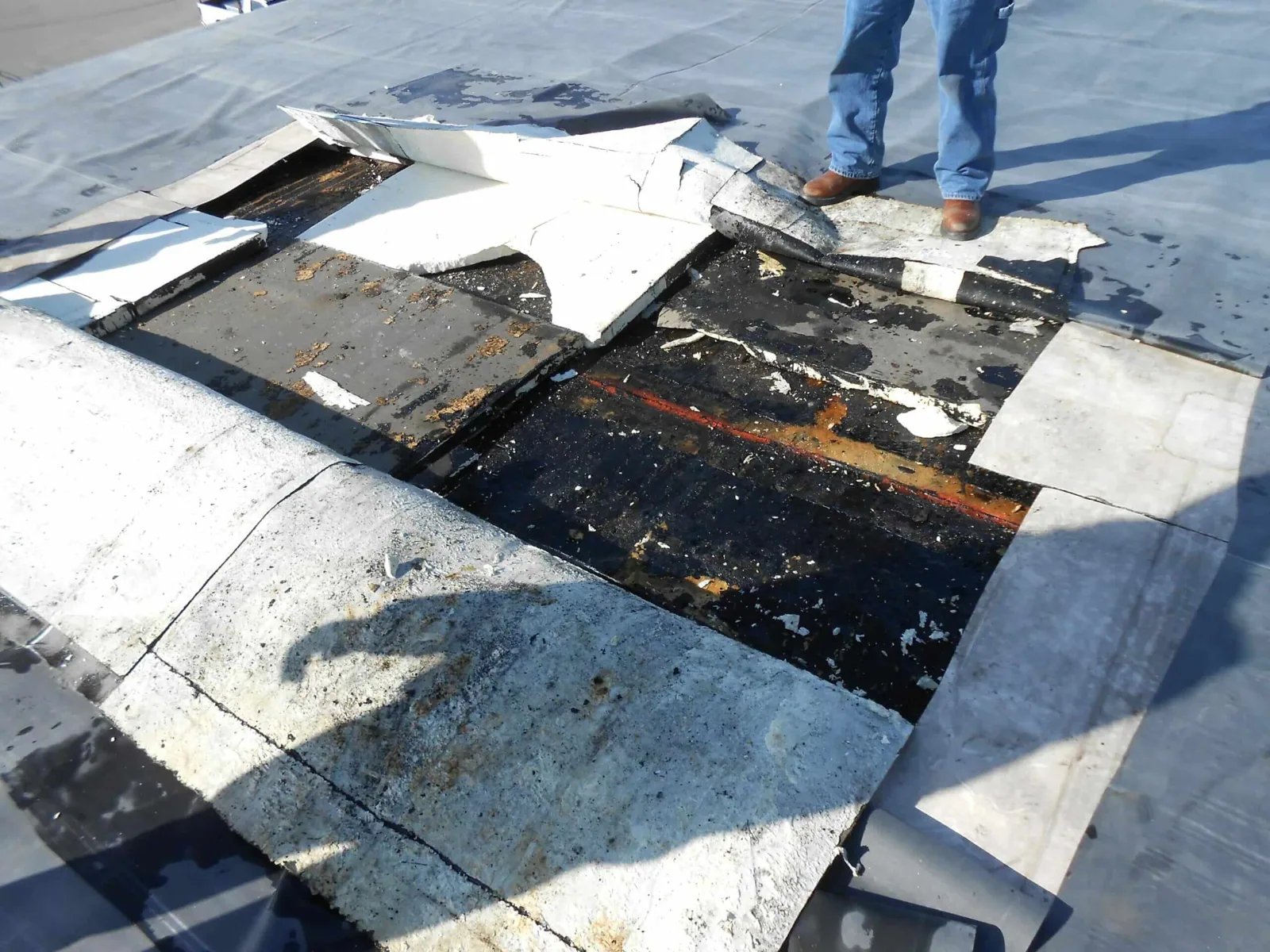
Moisture and attachment checks
Trapped water can undermine a new membrane, accelerate insulation failure, and leave a leak active beneath a cleaner-looking surface. We use the agreed survey method to locate suspect areas, then verify selected readings with cuts or other field checks. The work package separates confirmed wet material from untested zones and identifies how each opening will be closed. If moisture crosses multiple areas or reaches the deck, a recover may simply cover the condition, so removal and replacement become the more defensible comparison.
Attachment matters as much as dryness. We review the deck type where known, existing fastener pattern, membrane bond, perimeter condition, and the proposed system's approved attachment method. Loose layers, incompatible materials, or movement at the edge may require removal or a different assembly. The TPO option and EPDM option each need compatible substrates and properly detailed seams. We mark uncertain conditions as a hold point before the crew orders material or closes a roof zone.
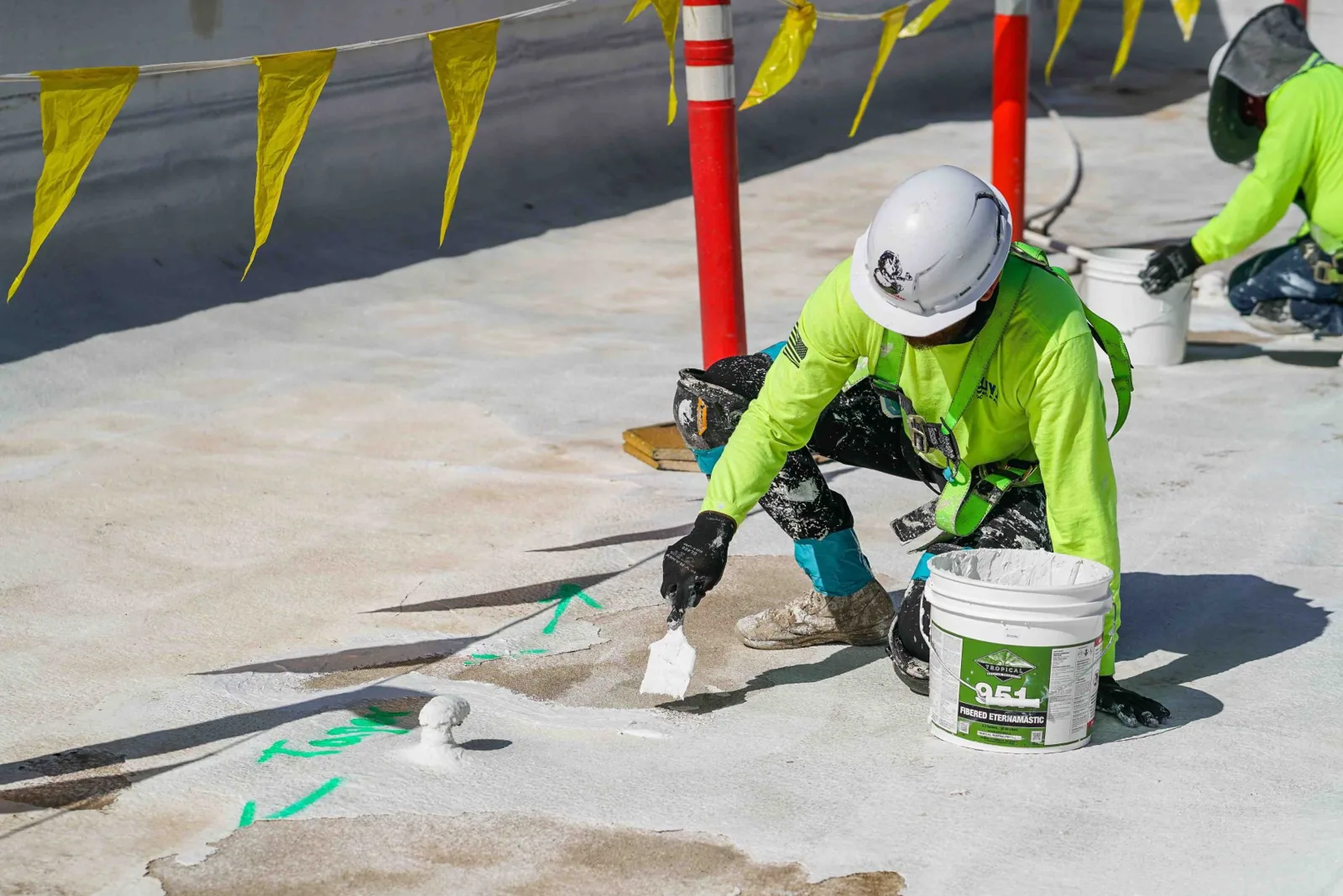
Code and transition details
A recover cannot exceed the applicable limits on existing roof layers, and the permit scope still has to address the building's current requirements. Tyler's plan review applies the 2021 International Building Code to building plans filed from January 1, 2024; its energy-code adoption also moved to the 2021 International Energy Conservation Code on that date. The project designer and permitting authority determine how those provisions fit a particular assembly. We coordinate the selected system, insulation, edge metal, drains, and curb heights with the approved documents before the field sequence begins.
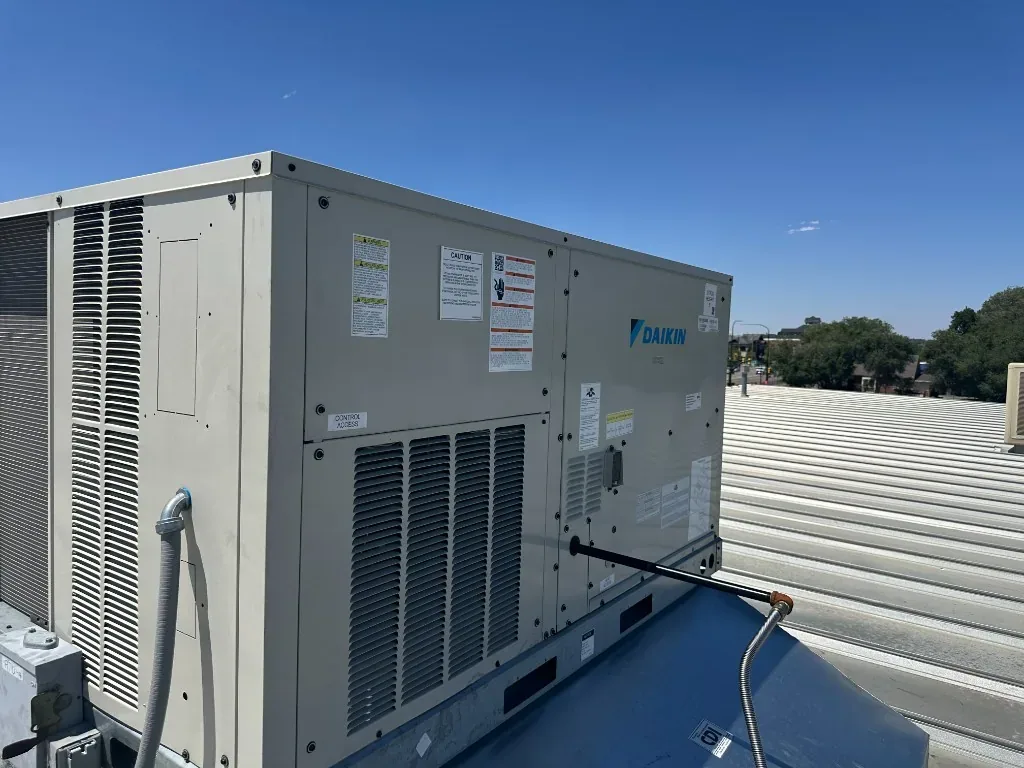
Existing penetrations can make an overlay more demanding than the broad roof field. New height at drains, equipment curbs, door thresholds, wall terminations, and edge conditions must be checked against the design. We record each transition and identify where tear-back is needed to connect the new membrane to a sound surface. A drainage review or edge-detail repair may need to precede the recover. The approved detail, not a generic overlay note, controls that handoff.
Heat window and occupied work
Adhesion-sensitive work needs a substrate reading and a product-specific temperature range. Tyler's July normal high signals that midday conditions can differ from the morning work window, so we sequence preparation, primer, membrane, and seam work accordingly. A shaded curb and an open field receive separate readings before their bonded details are released. The foreman records the roof zone, reading, material step, and next hold point; if conditions move outside the permitted range, the work shifts rather than hiding a questionable bond beneath the next layer.
Tyler Midtown is a healthcare and education hub identified as an area development plan. At occupied properties, we coordinate a roof-zone release around the actual operations on site. At a property serving occupied offices, clinics, or classrooms, access windows and interior protection can matter as much as the adhesive range. We coordinate rooftop equipment, tenant access, and noise restrictions with the general contractor. A phased occupied-building plan can define the daily work area, protection, and crew handoff.
Decision record and closeout
The recover recommendation should identify what was tested, what remains uncertain, and what the owner accepts by leaving the existing layers in place. We provide photographs, moisture findings, layer notes, transition details, and the proposed inspection or maintenance checks. If a test cut reveals a condition outside the bid assumptions, the crew pauses at the stated hold point while the general contractor reviews the change. That record lets the owner compare present work with a later repair without treating the new membrane as proof that every concealed layer was sound.
East Texas thunderstorms can bring large hail and damaging gusts, most often in spring and fall. Before closing the final zone, we document temporary protection, perimeter attachment, drainage flow, and exposed transitions. A condition report can preserve that baseline, while a wind-related review can distinguish later damage from the original recover scope. South Broadway and Tyler Midtown have different access patterns, so the crew handoff remains specific to the property.
Commercial Roofing Questions
What makes an existing roof eligible for a recover?
The assembly needs to be dry enough, stable, compatible with the proposed system, and within applicable code and manufacturer limits. We inspect visible conditions and use agreed testing to check concealed layers. The recommendation lists the evidence and any unresolved test points before the overlay is priced.
Can wet insulation stay under a new membrane?
Wet material should be identified and addressed rather than hidden by a new layer. We map suspect areas, verify selected points, and define the removal boundary. If moisture is broad or the deck is affected, a tear-off comparison may be necessary.
How does Tyler heat change the recover sequence?
Tyler’s normal July high is 94.5°F, a seasonal planning reference. We check each work zone’s substrate and follow the product’s temperature and preparation requirements. The foreman records the release point for primer, adhesive, and membrane work by zone.
Will a recover raise the drains or equipment curbs?
Adding a layer can change the height at drains, curbs, wall terminations, and edge metal. We measure those transitions and coordinate the approved details before installation. Any item that needs tear-back or replacement stays in the work package as a defined step.
What should the owner receive if the overlay is approved?
The closeout record should include the tested assembly, repaired openings, completed transitions, photos, and maintenance observations. We also identify areas that were not tested and any access limitations. Those notes make the next inspection more useful.

Related Pages
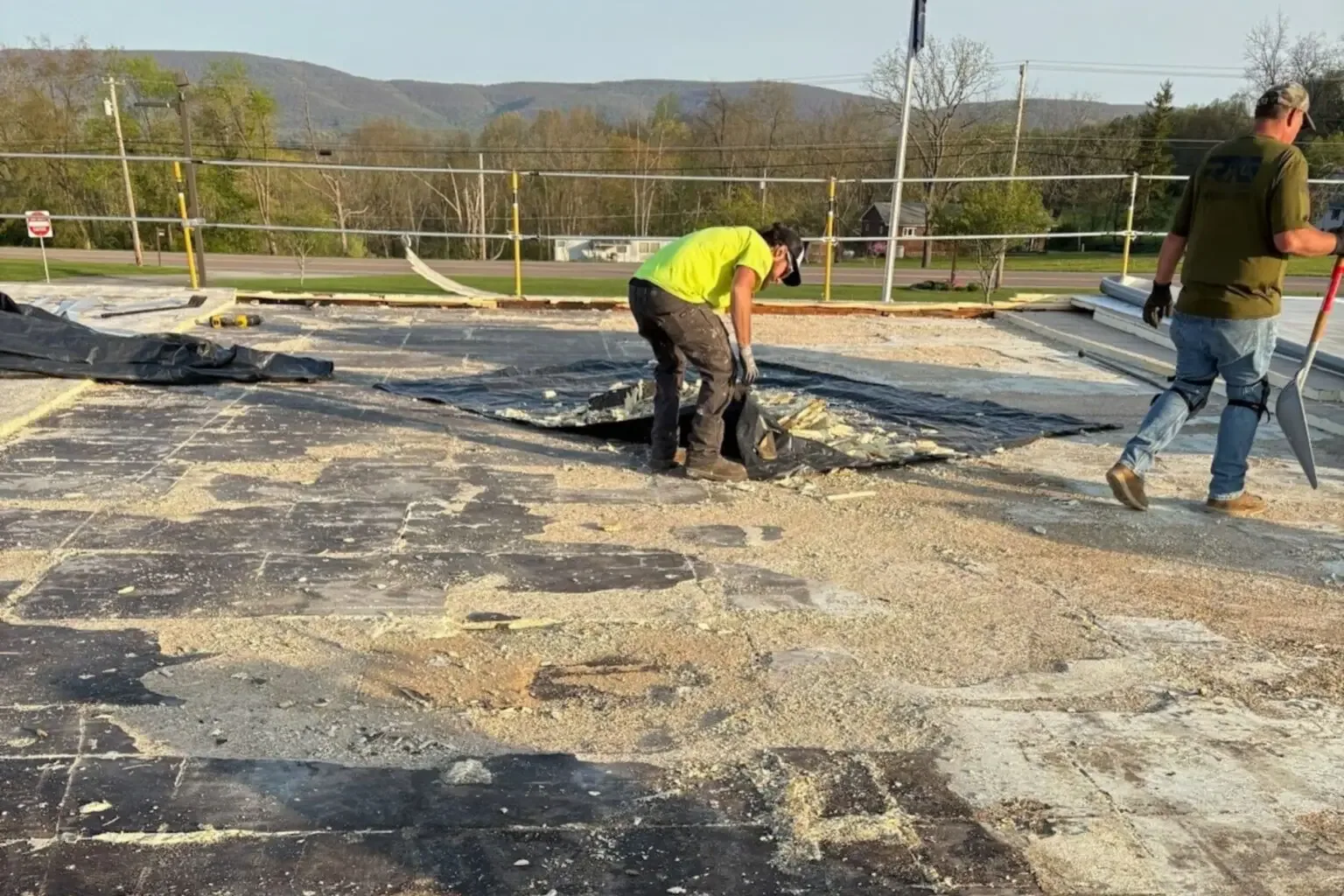
Confirm the existing layers
Provide the roof plan, assembly records, access window, current condition, and decision deadline. We will return a recover-versus-tear-off comparison with test points, transition details, and roof-zone releases marked.