
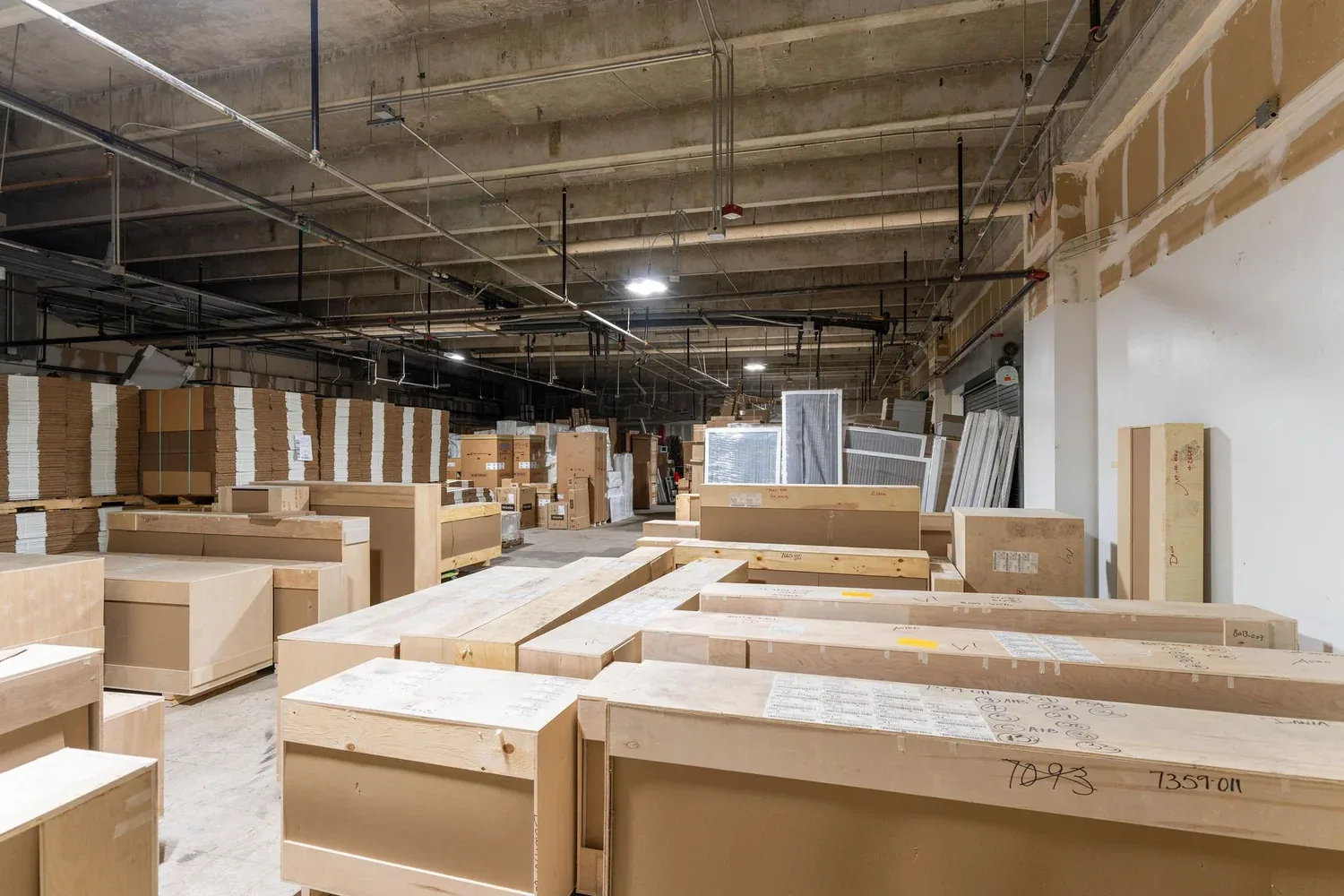
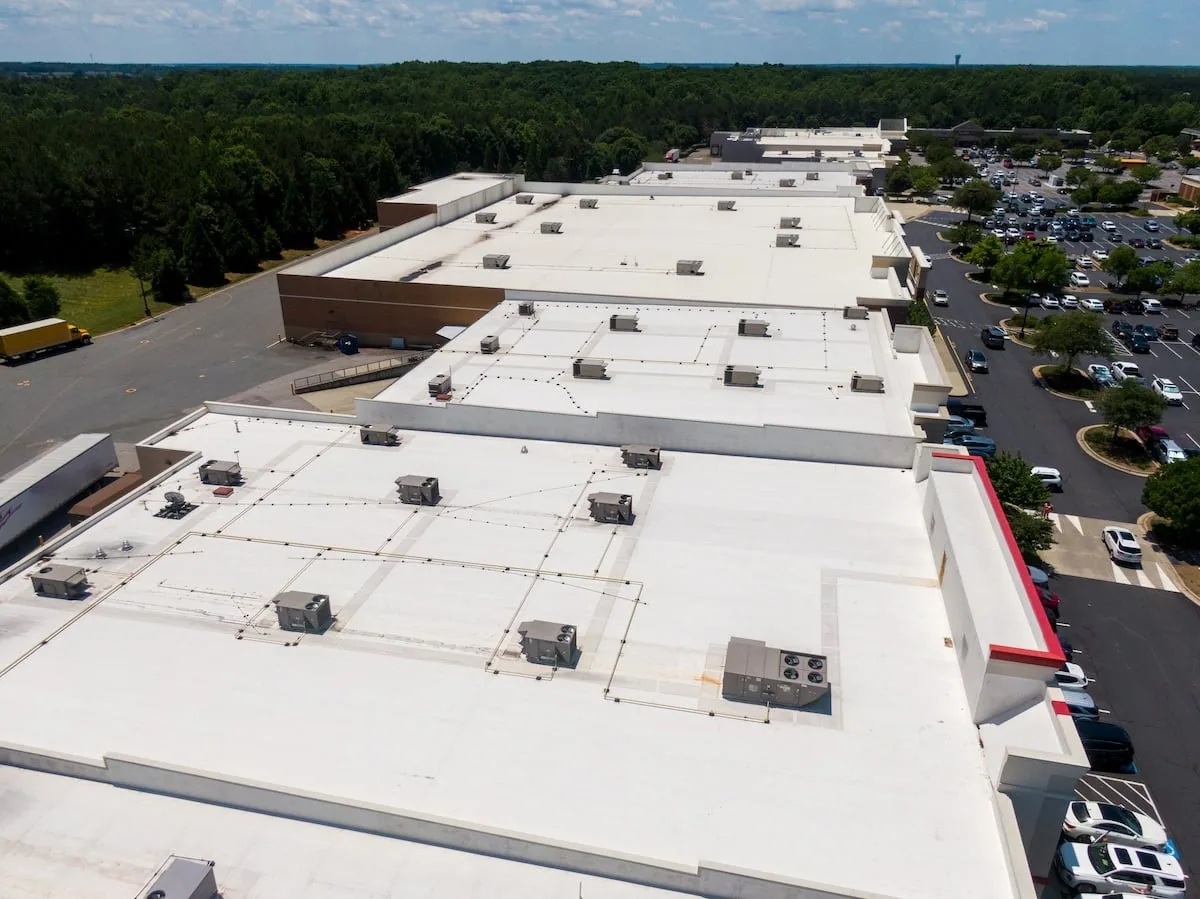
A distribution roof in Tyler sits above moving inventory, dock doors, and truck routes, so the first release needs an operating boundary. The city’s normal July high is 94.5°F; for bonding or coating, we measure the receiving surface and follow the selected product limits before scheduling that step. We begin with the roof map, known leak locations, delivery peaks, access instructions, and the contact who can release each zone. A warehouse can then keep its interior and exterior limits visible to receiving staff.
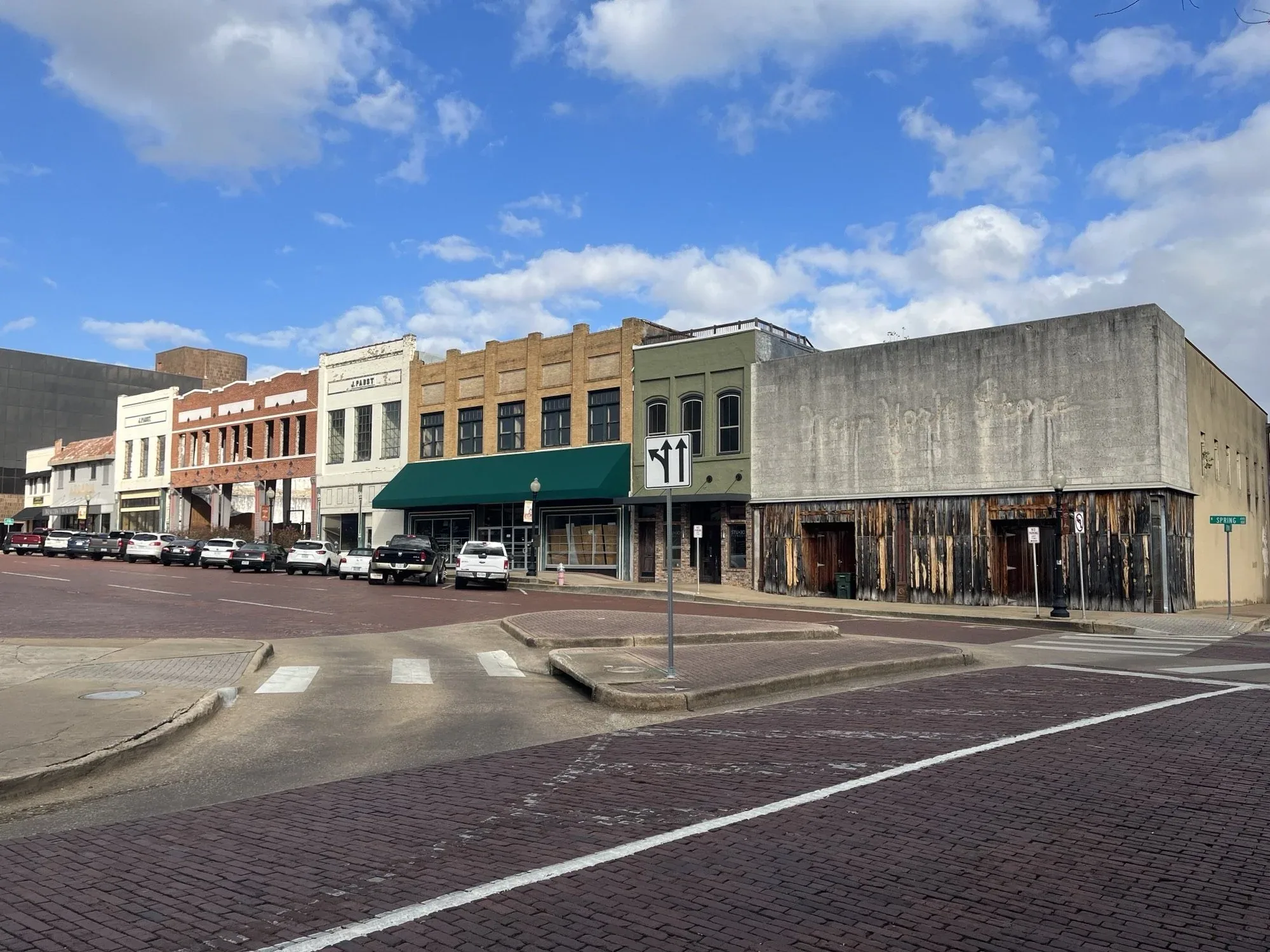
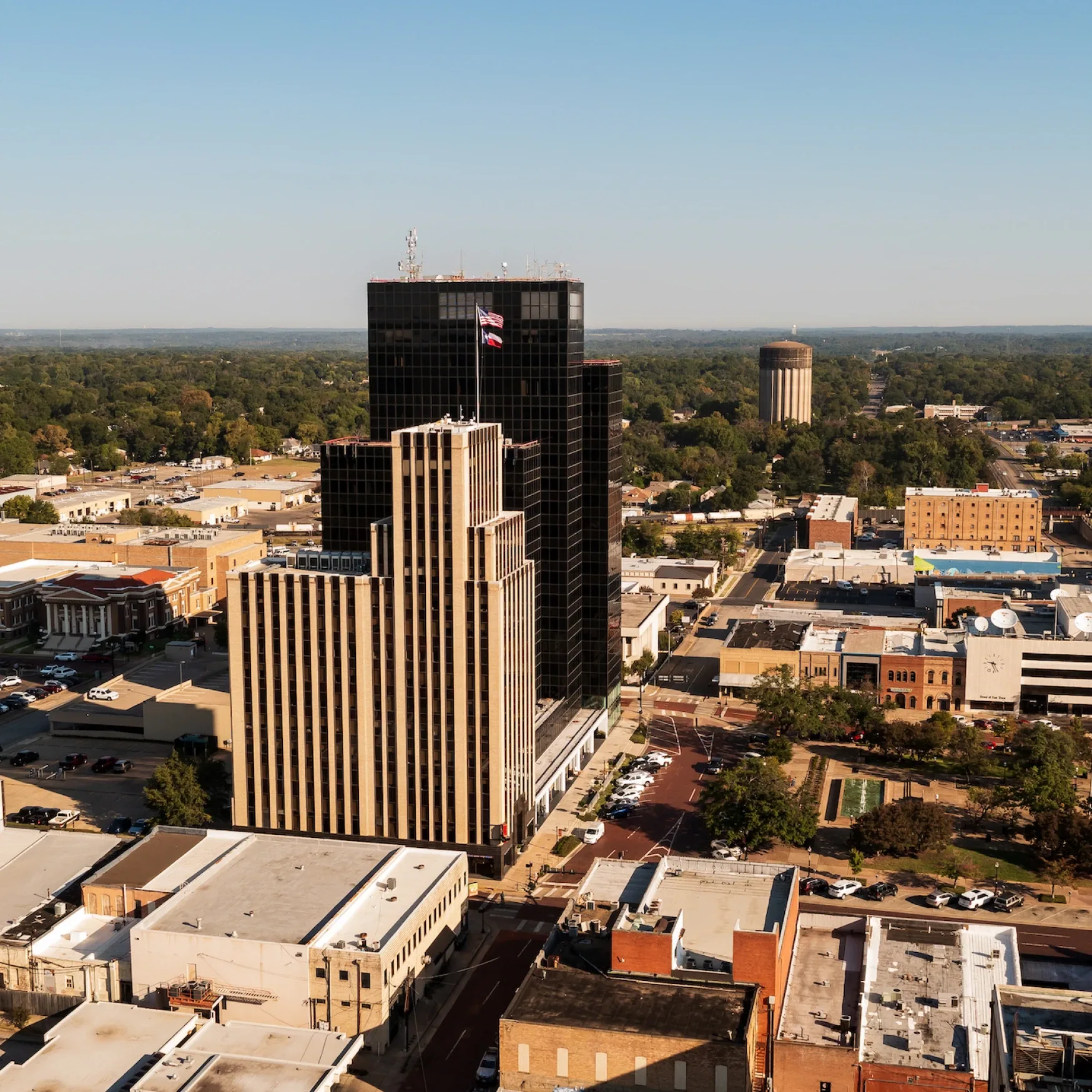
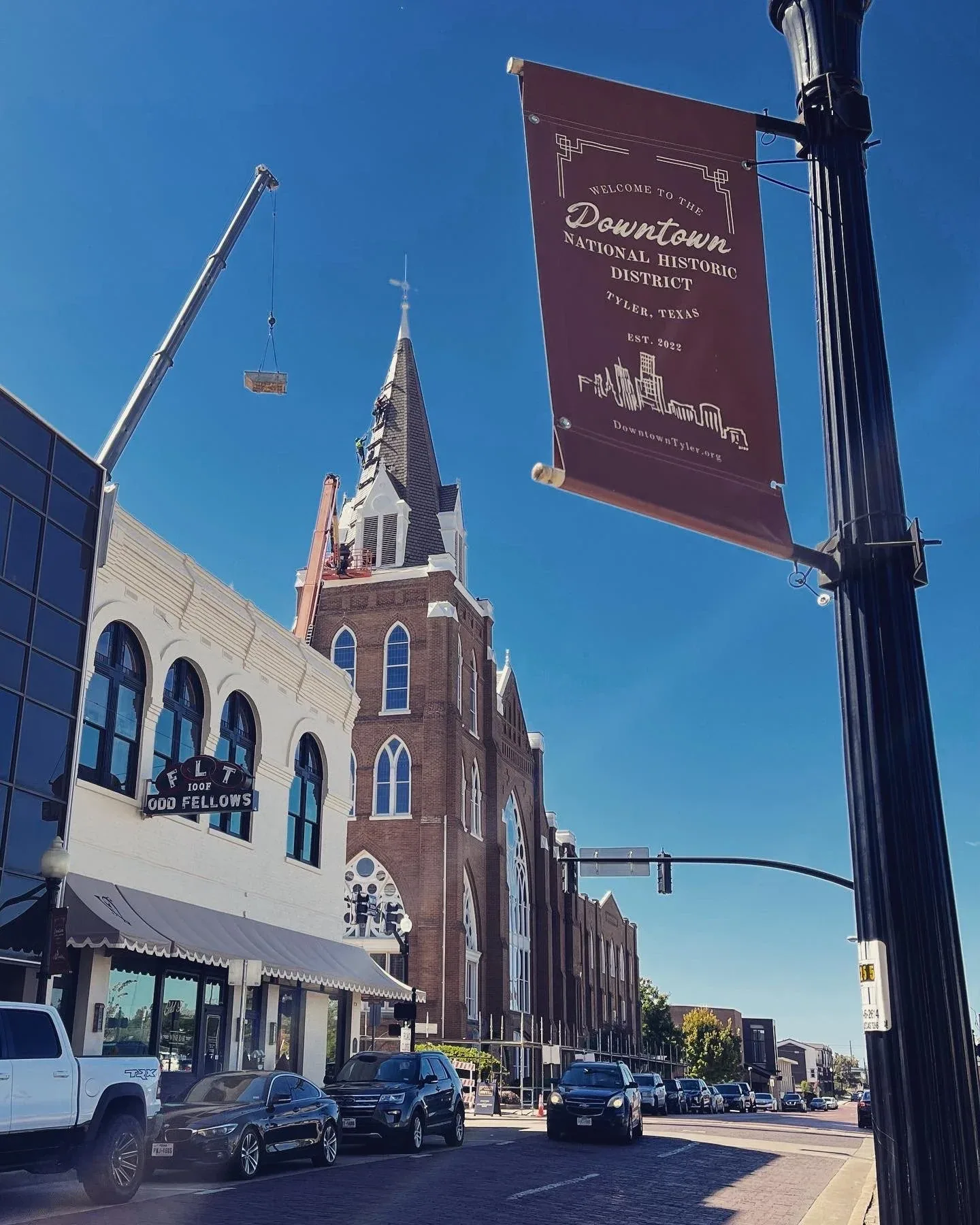
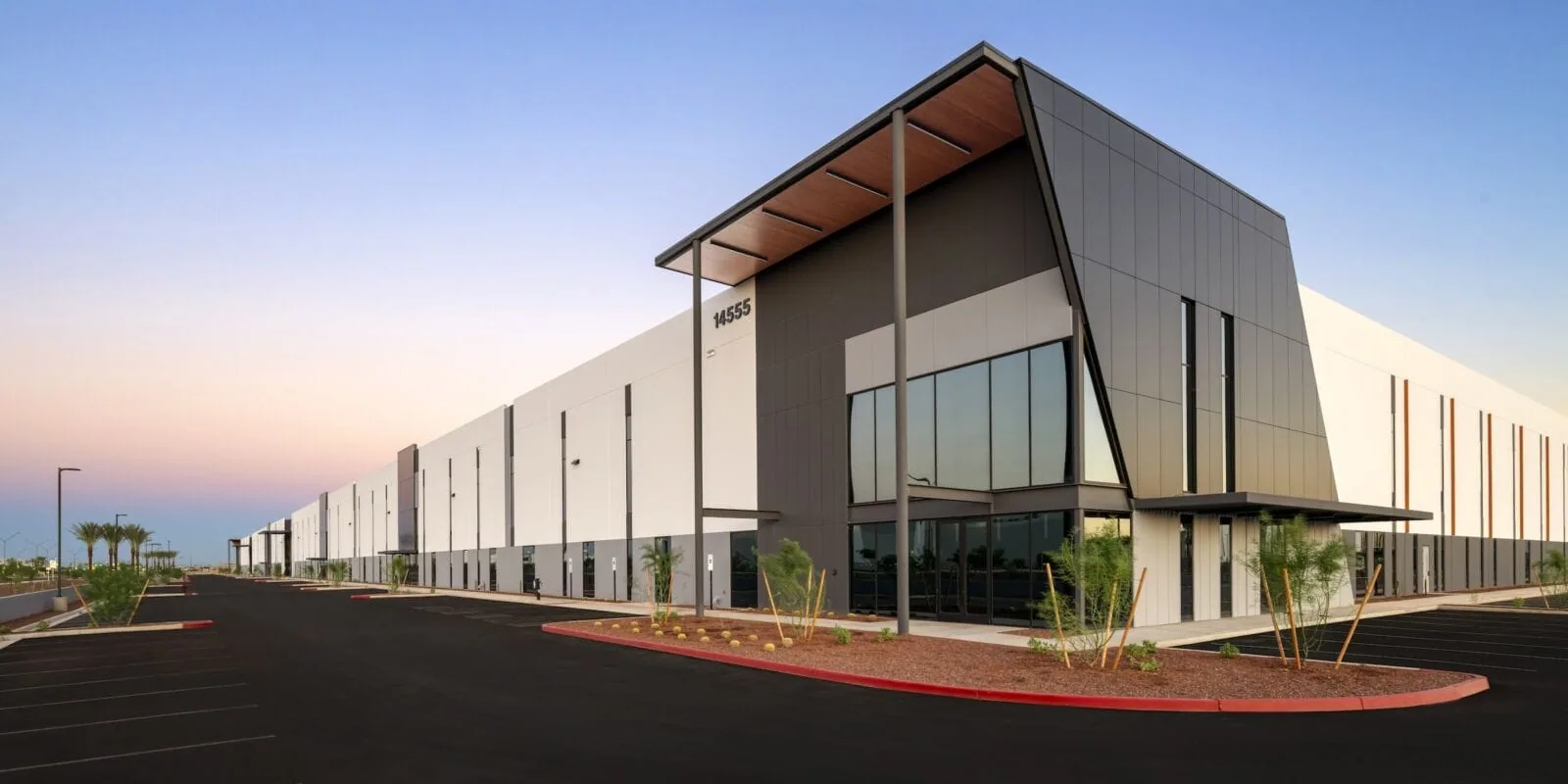
Tyler’s freight network includes I-20, a Union Pacific Class I railyard, and a regional airport. The Tyler Interstate Commerce Park adjoins the SH 155 interchange, while Lindale's I-20 vicinity is seeing more distribution use alongside its retail and commercial properties. For a logistics property, dock movements and material delivery need a shared schedule before a roof zone opens. We set each dock sequence from the warehouse roof map, delivery peaks, staging limits, and facility contact. Our Tyler Interstate Commerce Park roof planning ties findings to that property’s own assembly and access plan.
Dock activity and material staging
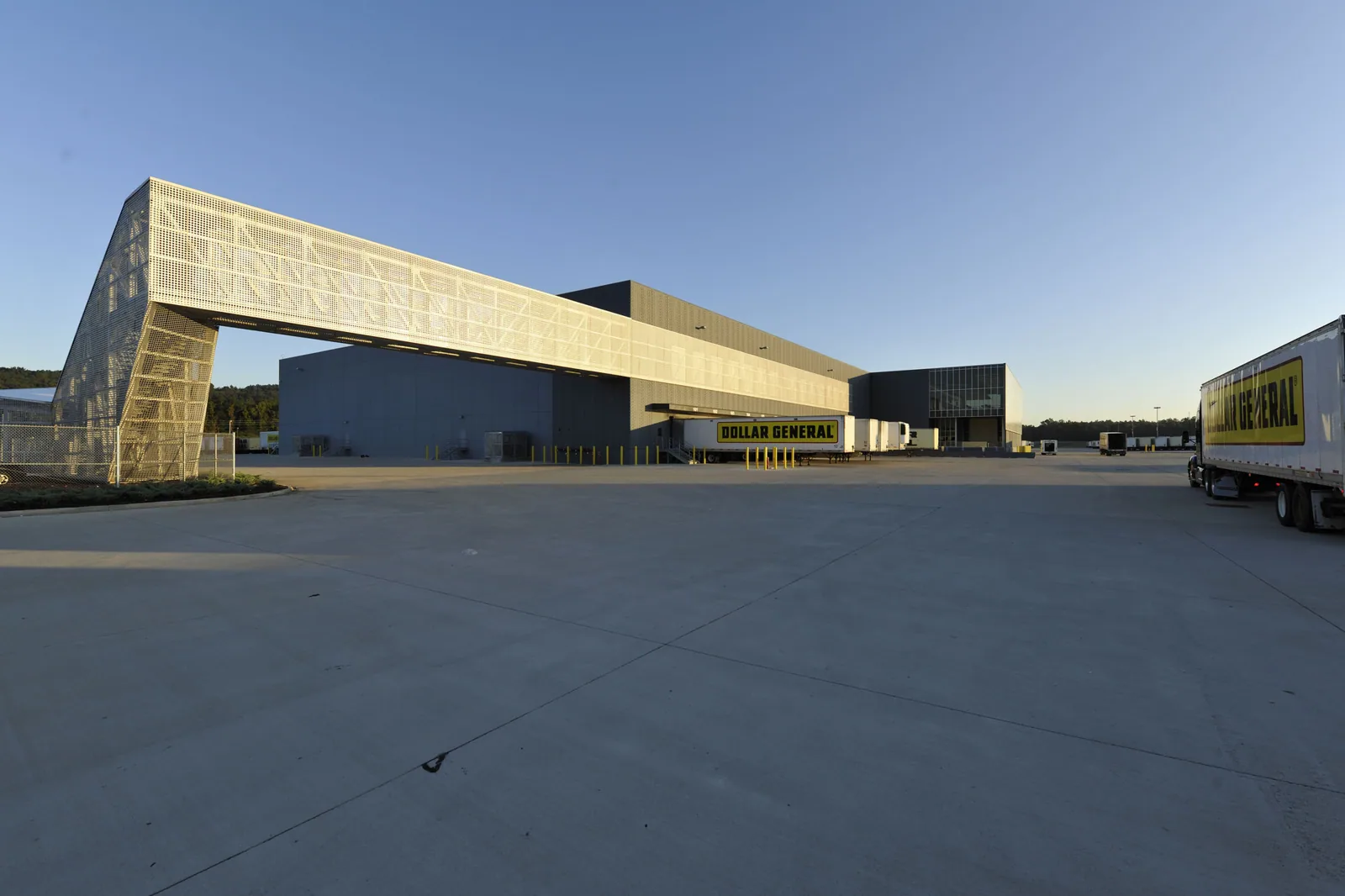
Dock doors and truck courts set practical limits on material delivery, lift placement, and overhead work. The site contact identifies fire lanes, trailer movement, receiving peaks, and areas where a temporary barrier will affect circulation. We map those constraints to the roof zone and set a route for crew, equipment, and material before work begins. If a loading bay must remain available, the daily sequence marks the roof area above it and the person who can release the protected boundary.
Staging is also affected by tear-off depth and what the crew needs to keep secure at shift end. Membrane rolls, insulation, metal edge components, and debris have separate movement and storage requirements. We confirm the laydown area and removal route with the facility representative rather than assuming an empty dock. A general contractor handoff plan can align roofing deliveries with other work packages and identify the point at which the next roof zone is released.
Inventory protection and water paths
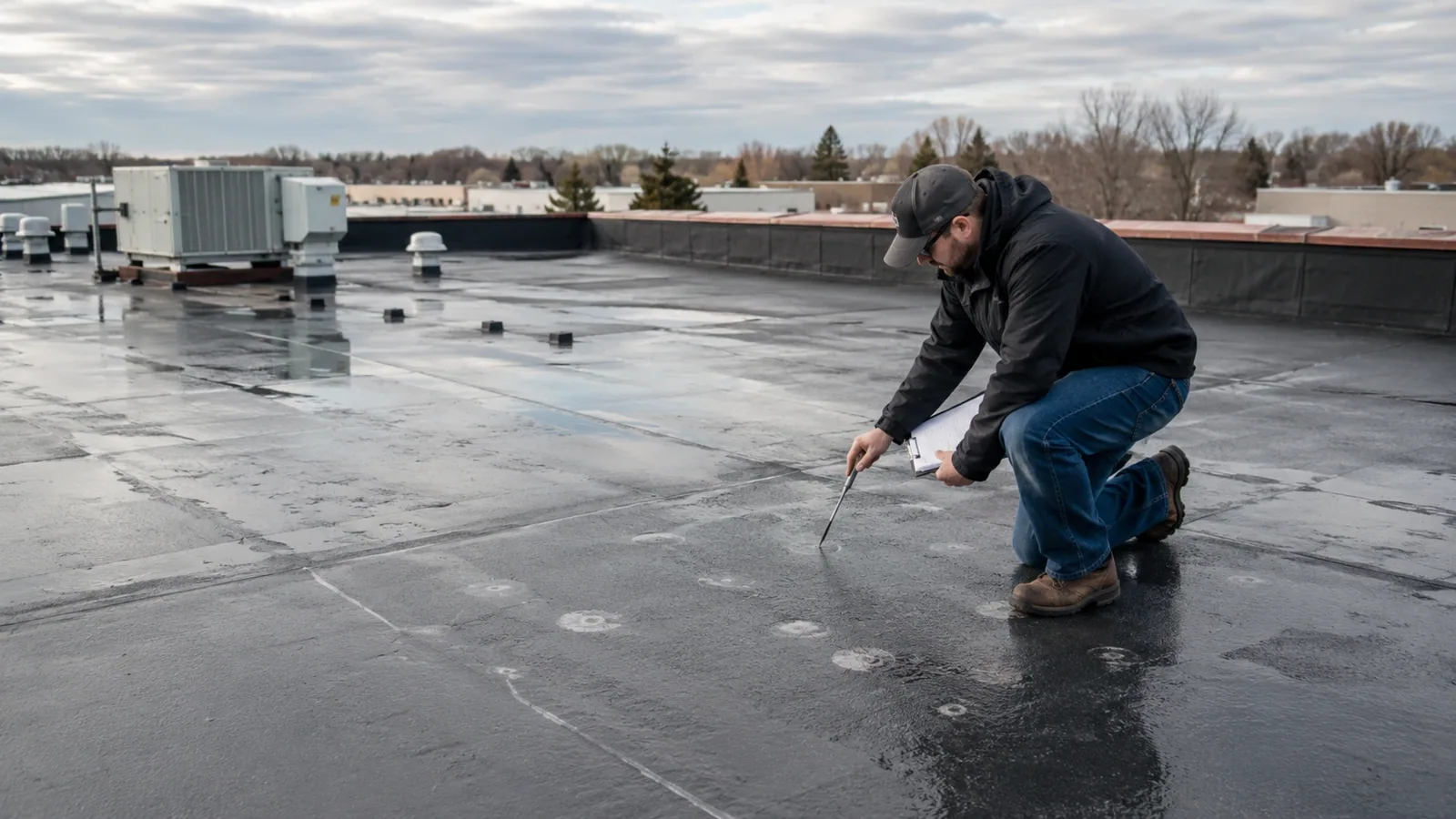
A leak over stored product needs both an interior location record and a roof-side investigation. We compare the reported time and area with seams, penetrations, drains, equipment curbs, and deck conditions above the storage zone. Water can travel before it reaches a visible ceiling mark, so the first drip guides the inspection without defining the repair boundary. We photograph affected roof details and record any temporary protection needed below.
Where inventory cannot move, the work plan may use a smaller roof area, a protected interior route, or a temporary restriction coordinated with operations. We state which spaces need protection and how the site contact will know the roof work is complete for that section. The distribution-center roof plan can include receiving lanes, conveyor penetrations, and high-value storage areas where applicable. A leak investigation connects the reported path with observed roof conditions and proposed test points.
Heat windows and severe weather
Tyler’s July climate normal pairs an average high of 94.5°F with a mean of 84.4°F. Those climate readings help set expectations for heat-sensitive work but do not replace a roof reading. At the work zone, we check substrate temperature, surface condition, and the selected material’s installation requirements. A hot field, shaded parapet, or damp surface can alter preparation and adhesion. If the sequence pauses, the closeout marks exposed limits and keeps drainage open.
A tornado struck Tyler on June 8, 2021. In the four-state severe-storm region that includes Texas, hail and damaging wind are common hazards, with storms most frequent in spring and autumn. For a warehouse, the response maps each observation to the roof zone above inventory or a dock, rather than treating the weather report as a damage finding. We photograph displaced edges, punctures, open seams, and blocked drains, then identify any test that could alter the repair boundary. The hail damage assessment can separate visible impact from earlier wear.
Drainage and exposed-section control
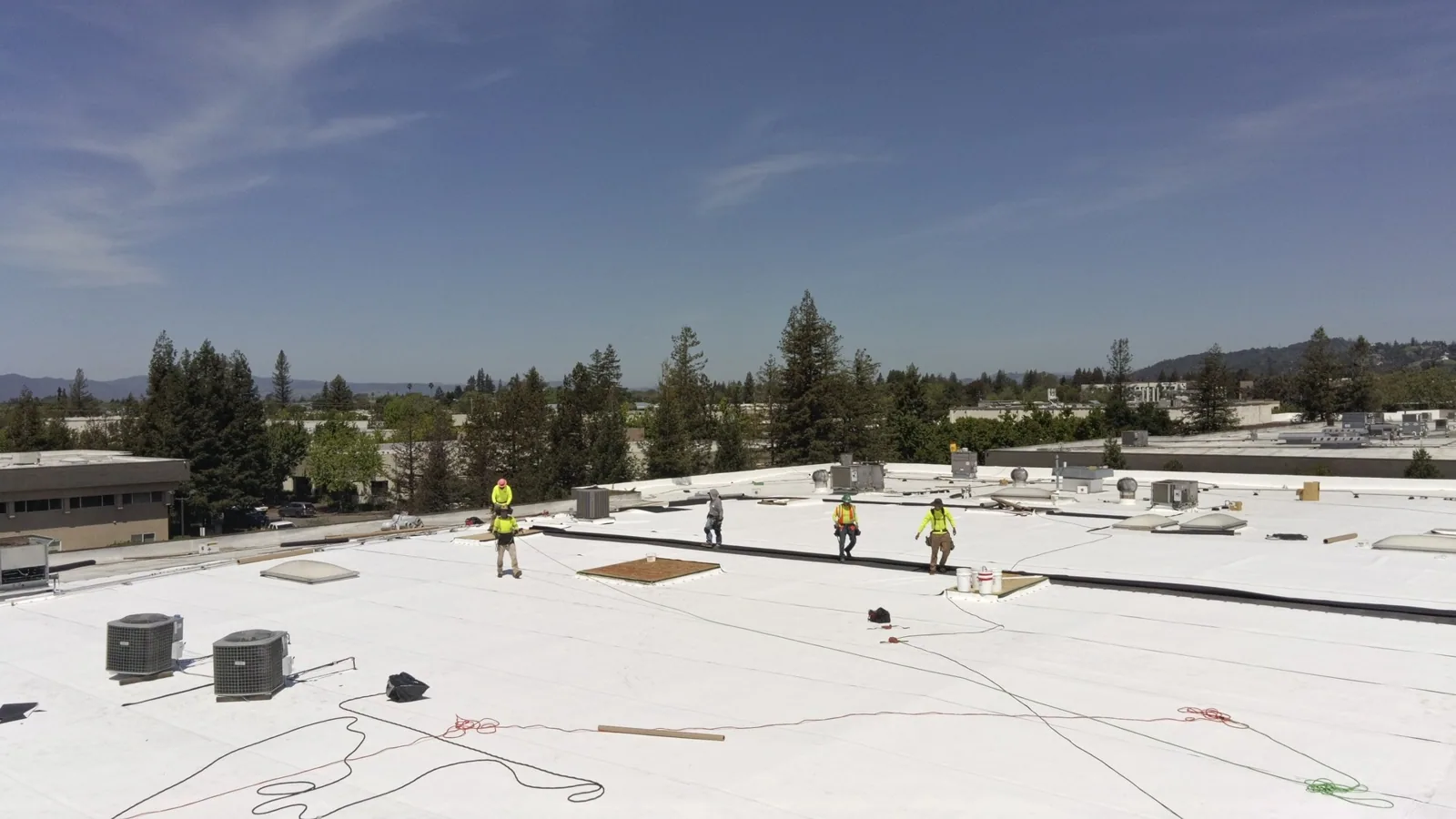
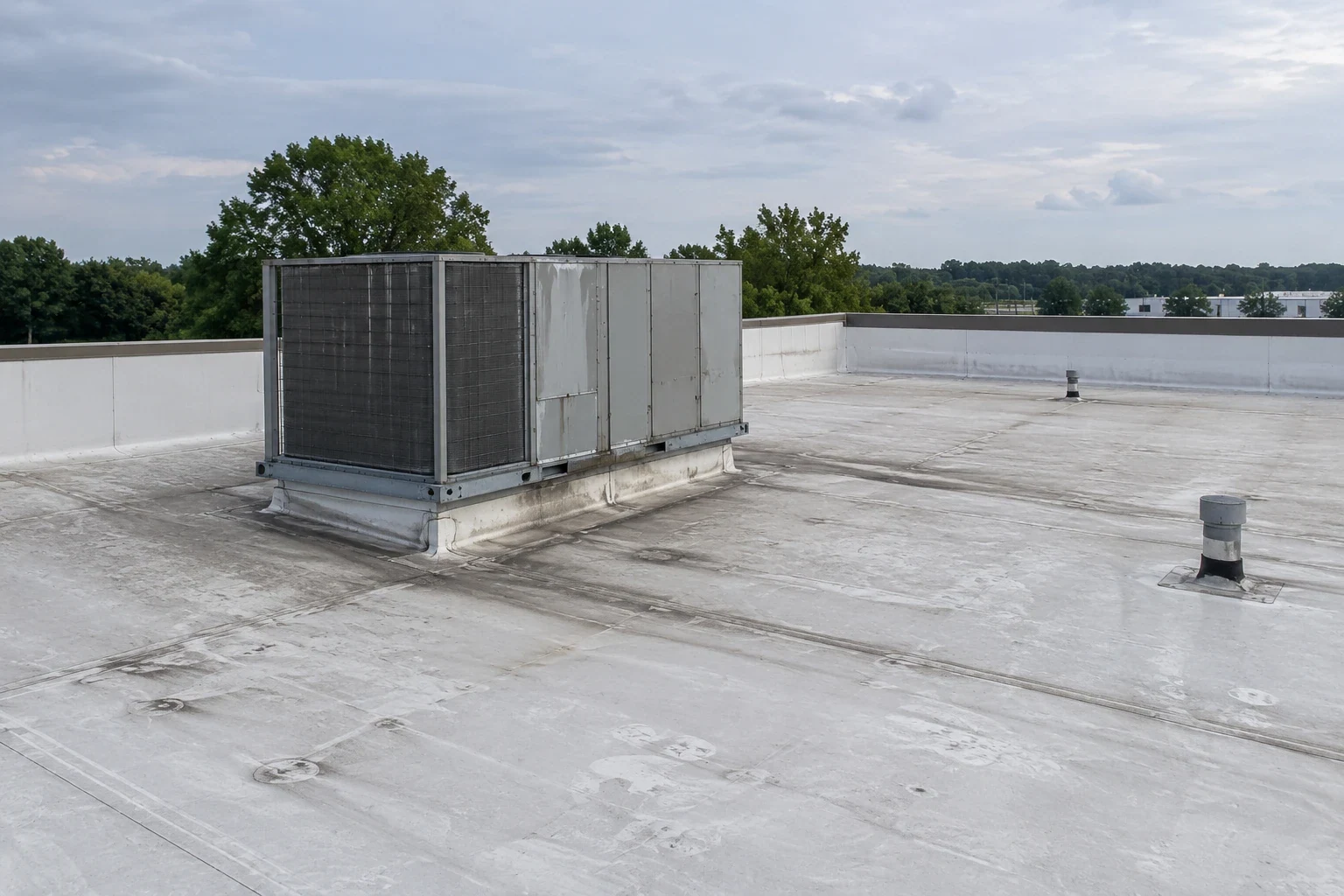
A drain check starts with the bowl, strainer, overflow route, nearby membrane, and any low point holding water. Debris removal may restore flow, but a damaged outlet or recurring ponding can require repair or testing. We identify the drain path before setting a tear-off boundary so debris, tools, or temporary cover do not block the outlet. If the roof surface is opened, the end-of-shift record includes the secure edge, remaining exposed area, and next inspection.
Weather can interrupt a planned warehouse repair while receiving continues below. The crew closes the work area, checks temporary protection, and records whether inventory or a dock route remains under a restriction. The named contact accepts that handoff and receives the next release point. For widespread damp insulation or repeated ponding, a moisture survey can direct test cuts where results change the repair option. We document what was measured and leave any untested zone open.
Repair choices for large roof areas
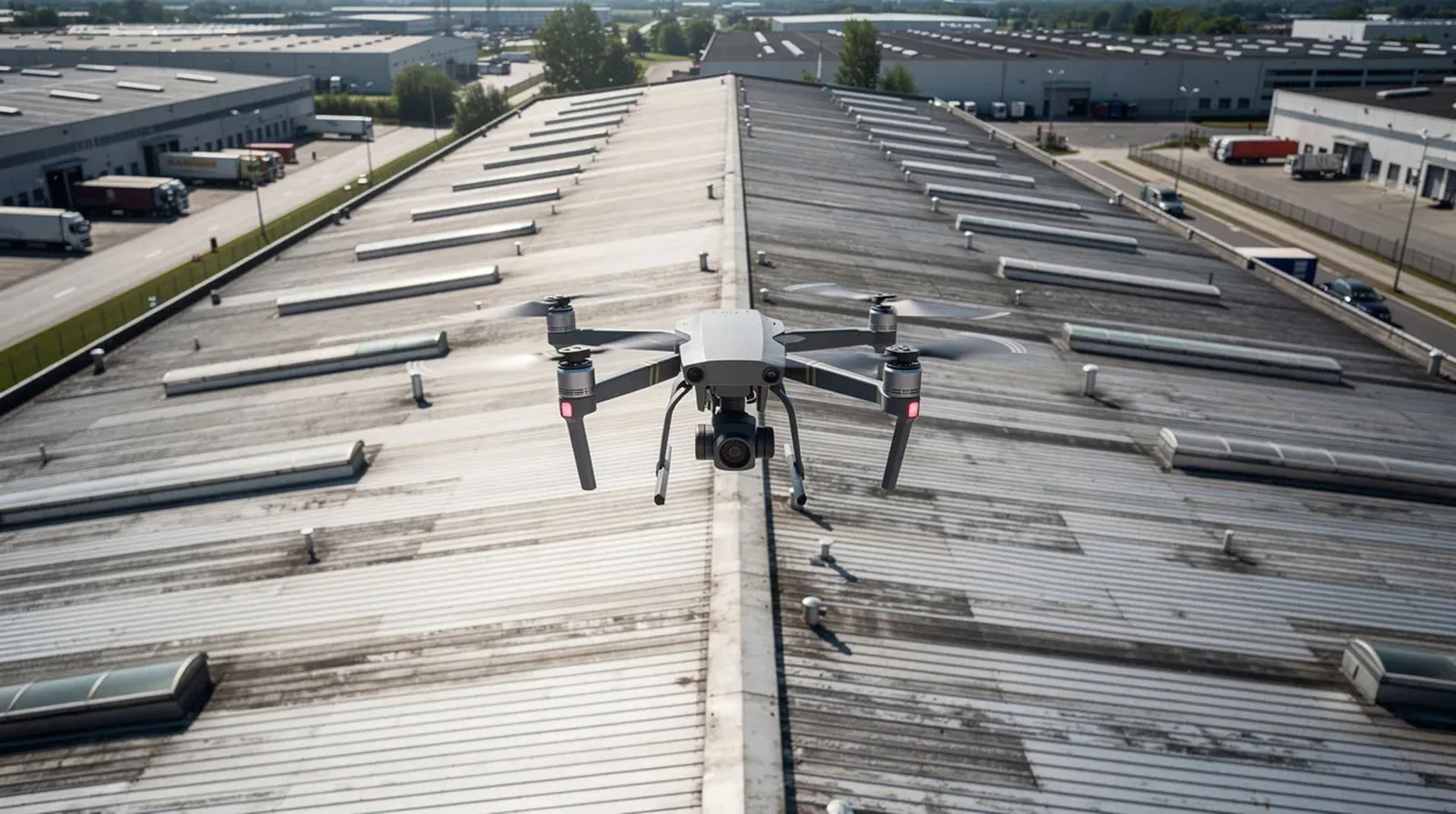
A local seam split, puncture, or damaged flashing may be repaired where the surrounding assembly provides a suitable connection. We identify preparation, compatible materials, repair boundary, and any required field check. If removal uncovers wet insulation or a deteriorated deck, we stop at the agreed hold point and present photographs and measured findings before increasing scope. This approval step keeps a small work package from silently becoming a larger replacement.
A recover may reduce removal only if moisture, attachment, drainage, compatibility, and system requirements support it. Repeated failures or broad wet areas can point toward replacement, especially where the supporting layers need reconstruction. A replacement sequence states tear-off depth, insulation, edge work, equipment transitions, and daily weather closeout. A portfolio record can carry each building’s completed zones, repairs, and remaining tests into later capital review without combining dissimilar roofs.
Turnover record and crew handoff
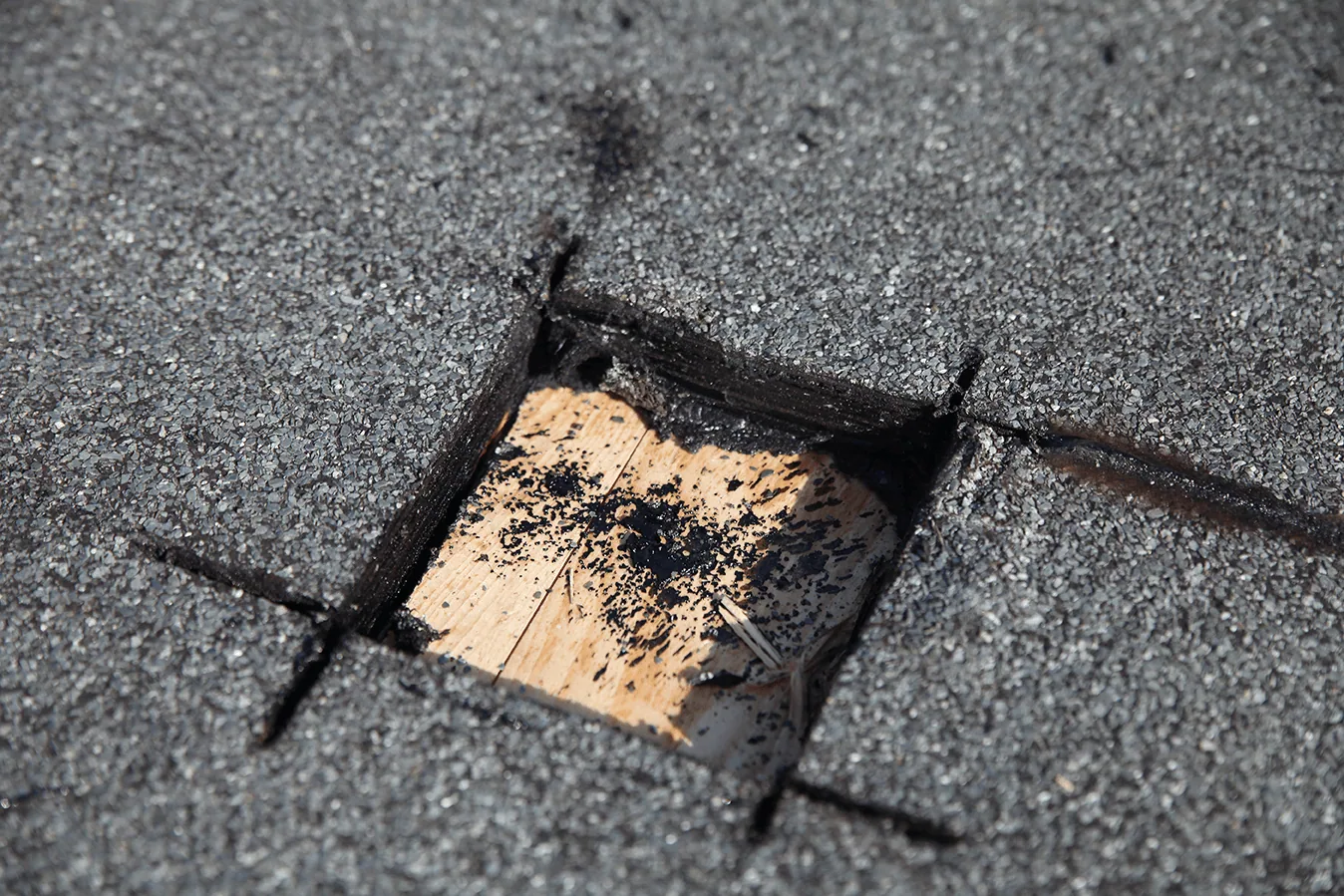
At turnover, the facility should have a roof-zone map, photographs, completed repair locations, drain observations, and a list of open tests or approval items. We identify the material installed and the work area returned to operations. If weather or access changes the sequence, the record notes the reason and the condition of the protected section. A later crew can see what was released and what remains under temporary control.
Lindale sits where I-20 meets U.S. 69, and the Tyler Interstate Commerce Park is a separate industrial setting near SH 155. The maintenance schedule can revisit drains, edges, and penetrations after repairs. We coordinate each inspection with site access and truck activity, then provide findings tied to the building and roof zone rather than a generic portfolio status.
Commercial Roofing Questions
How do you protect inventory during a roof leak repair?
We document the interior location, identify the roof zone, and coordinate protection or temporary movement with the facility contact. The work boundary includes the route and storage areas affected below. Any remaining leak path or untested area is listed in the closeout.
Can a distribution building stay open during roof work?
A building can remain in operation when dock, truck, and interior boundaries are agreed and the crew can complete a safe daily closeout. We define material staging and overhead restrictions before releasing the zone. The site contact can pause access if receiving activity changes.
What does Tyler summer heat change on the roof?
The July normal high is 94.5°F, but the task is governed by actual substrate conditions and product limits. We measure at the work location before bonding or coating. If the heat window is unsuitable, temporary protection and the next release time are recorded.
When should a warehouse roof be tested before replacement?
Testing is useful when moisture, attachment, or concealed layers could change whether repair, recover, or removal is appropriate. We select test locations that can affect scope and record the result by zone. Additional removal quantities wait for the documented finding and approval.
What information helps schedule work around truck movements?
Send delivery peaks, dock availability, fire-lane requirements, staging areas, roof access, and site contacts. We map those limits alongside the proposed roof zones and daily closure plan. Any change to the traffic boundary is included in the crew handoff.
Related Pages
Tyler Interstate Commerce Park
Tyler, TX
Distribution Center Roofing
Tyler, TX
Commercial Roof Leak Repair
Tyler, TX
Set a dock-compatible roof sequence
Share the building roof plan, active leaks, dock schedule, inventory restrictions, staging area, and access contact. We will mark work zones, drainage checks, and daily closeout points for an approved logistics facility sequence.