
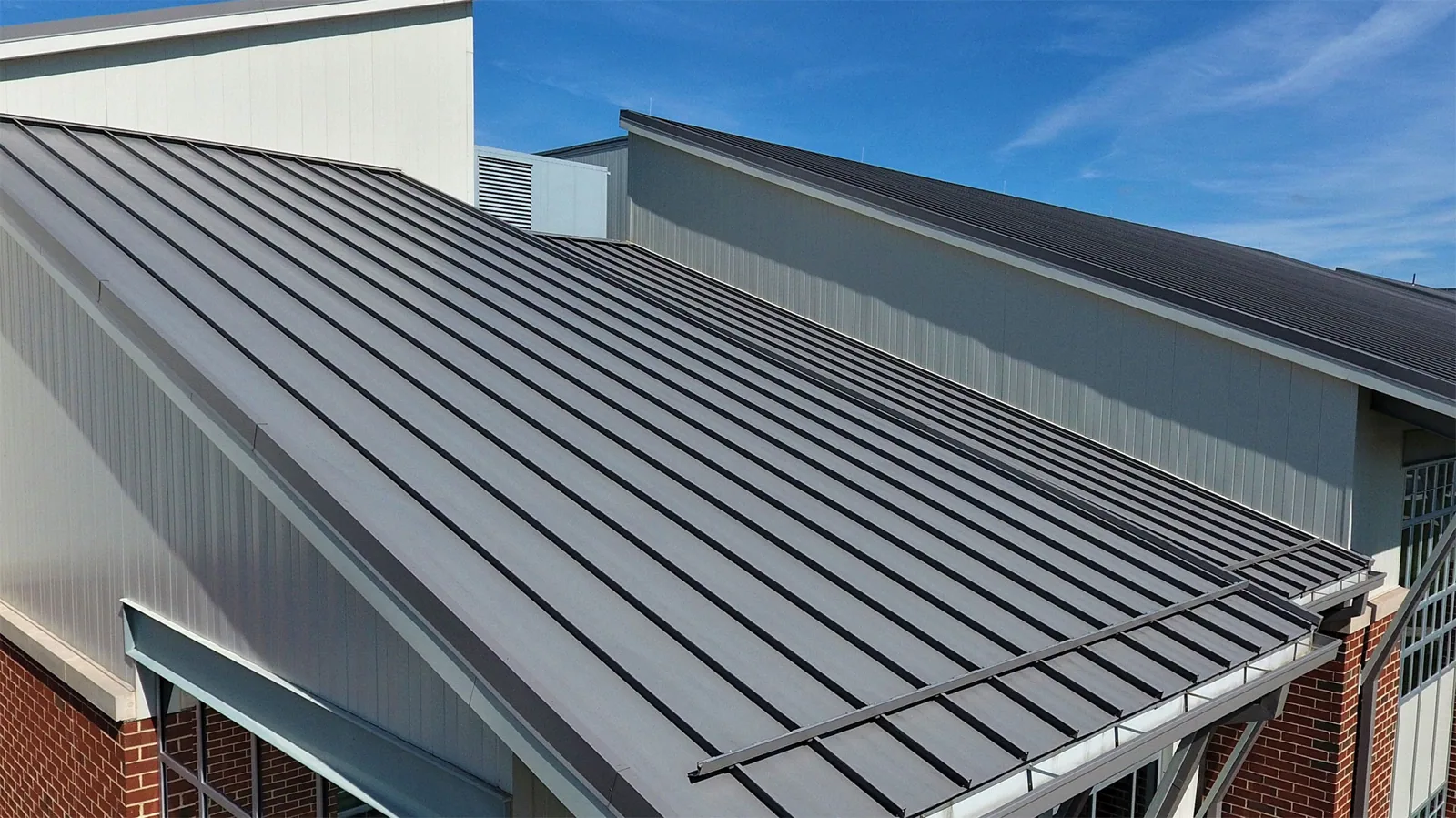
A standing seam panel can look straight while a concealed clip or end lap has shifted below the surface. Tyler’s spring and autumn severe storms include damaging wind and hail, so we inspect the panel field, seams, eaves, ridges, and perimeter as connected parts of the assembly. The Tyler Interstate Commerce Park and FM 2493 / Old Jacksonville Highway Corridor bring different delivery and access conditions. Neither location predicts the condition of a specific roof; the inspection map sets the actual scope and release point.
Standing seam roofing uses raised interlocking seams that keep most fasteners concealed and allow panels to move with temperature. Panel length, clip type, slope, substrate, and attachment determine how the system handles that movement. We document corrosion, open seams, loose trim, failed sealant, and water entry before proposing repair or replacement. Inspection records the current assembly, while a targeted metal repair can address a limited defect when nearby panels remain sound.
Panel movement and clip checks
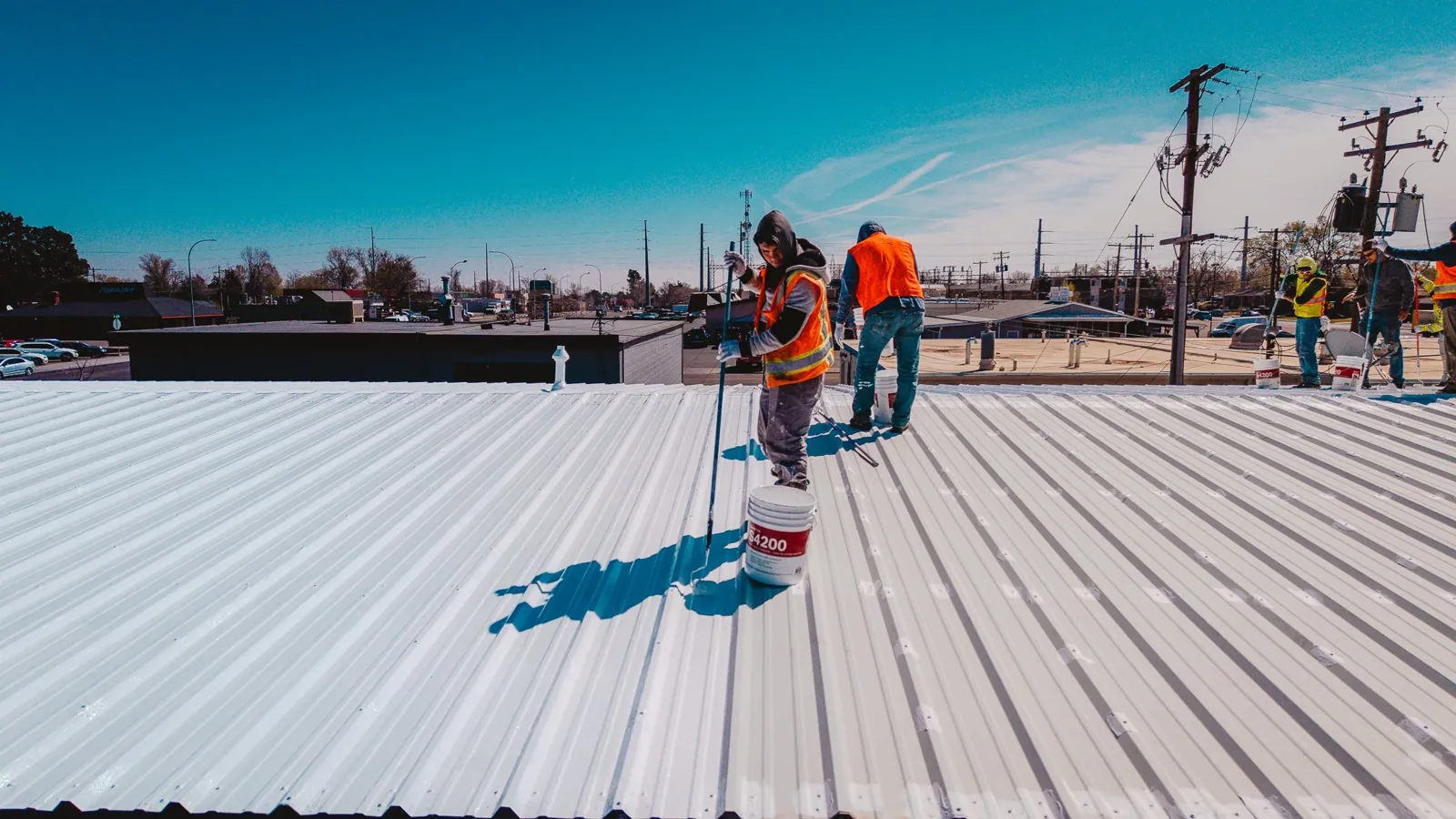
Metal panels expand and contract as temperatures change. Clips and concealed fasteners must allow the movement intended by the system; a fixed point placed incorrectly can distort a panel or stress a seam. We check panel alignment, clip attachment where access allows, fastener condition, and signs of oil canning or buckling. Those observations are recorded by elevation and roof zone, with a test opening identified if the clip condition cannot be confirmed from above.
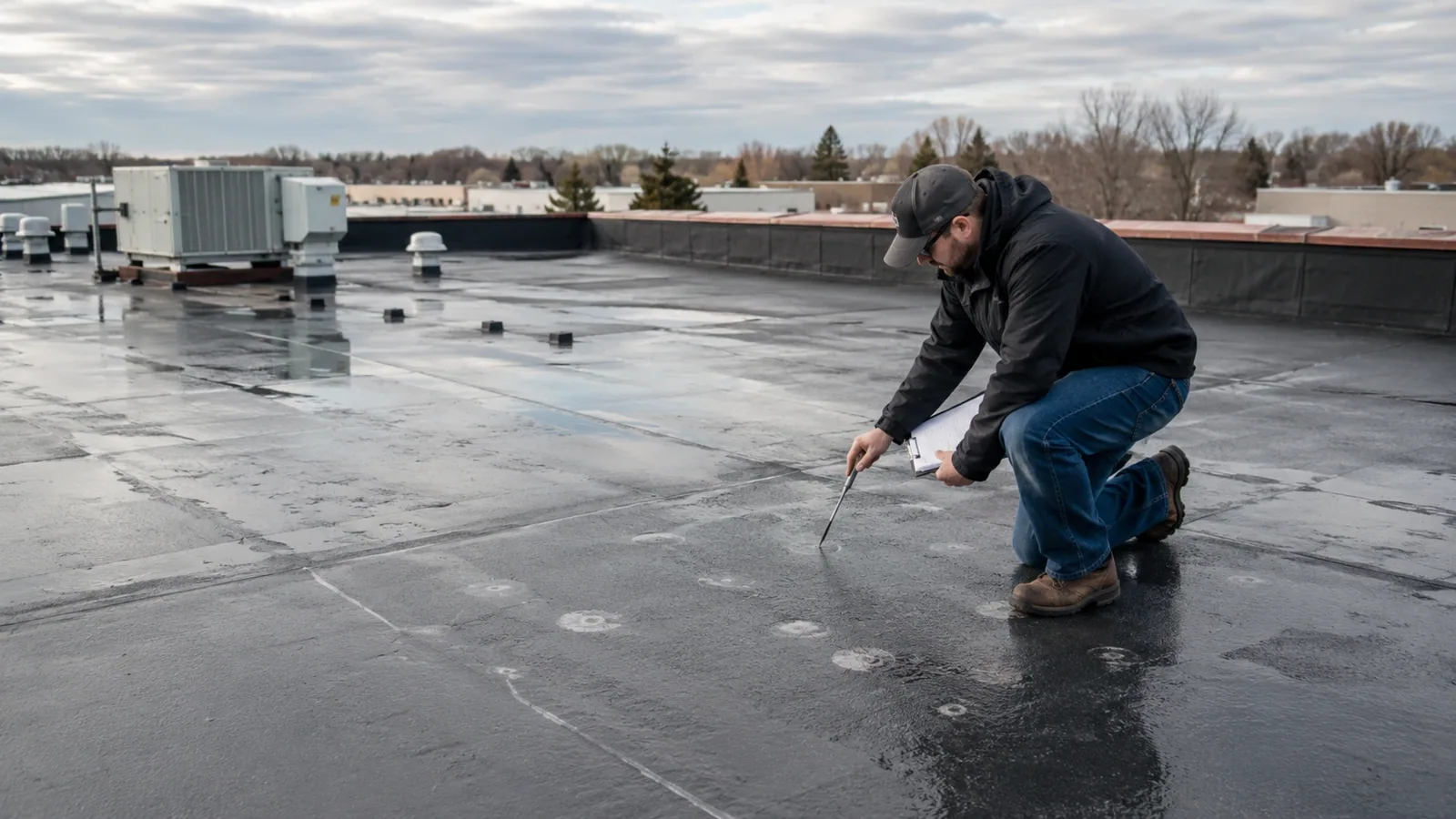
At long panels, end laps and transitions deserve separate attention because sealant or attachment may not match the movement of the field. We trace water staining back to the nearest penetration, side lap, ridge, valley, or eave instead of assuming a visible rust spot is the entry point. An agreed test point can reveal whether the underlayment, insulation, or deck is also affected. The owner receives a roof-zone map that separates repairable surface conditions from concealed questions.
Seams, trim, and transitions
A standing seam roof depends on complete seams, correctly formed panel edges, and transitions that drain water over the next layer. We inspect clips, closures, ridge caps, valleys, curbs, gutters, and wall flashings as one path. Sealant may have a role at selected details, but it cannot replace a missing closure or correct a panel cut that channels water inward. We identify the detail that failed and specify how the repair ties into the surrounding metal.
At a penetration or equipment curb, we verify the attachment and counterflashing before adding sealant or a patch. Repeated water entry near a wall may require rebuilding the transition rather than coating the field panels. A perimeter and coping review can be coordinated with penetration flashing when the work crosses several metal details. Each scope includes the access required and the point at which the crew can close the area.
Corrosion and finish condition
Rust can indicate coating loss, trapped moisture, incompatible metal contact, or a fastener detail that is holding water. We identify the metal type and finish where possible, inspect nearby cuts and laps, and distinguish surface oxidation from section loss. Cleaning, touch-up, panel replacement, or a flashing rebuild depend on that finding. A repair plan should not cover active corrosion or trap water under a sealant layer.
Tyler’s July normal high averages 94.5°F, making heat a factor when primers or sealants have application limits. We still base the work window on substrate reading, product instructions, shade, and moisture conditions at the property. Before coating or sealing, the crew prepares the surface and checks compatibility with the metal finish. A metal retrofit assessment or coating review can be considered when the existing panels no longer support a straightforward repair.
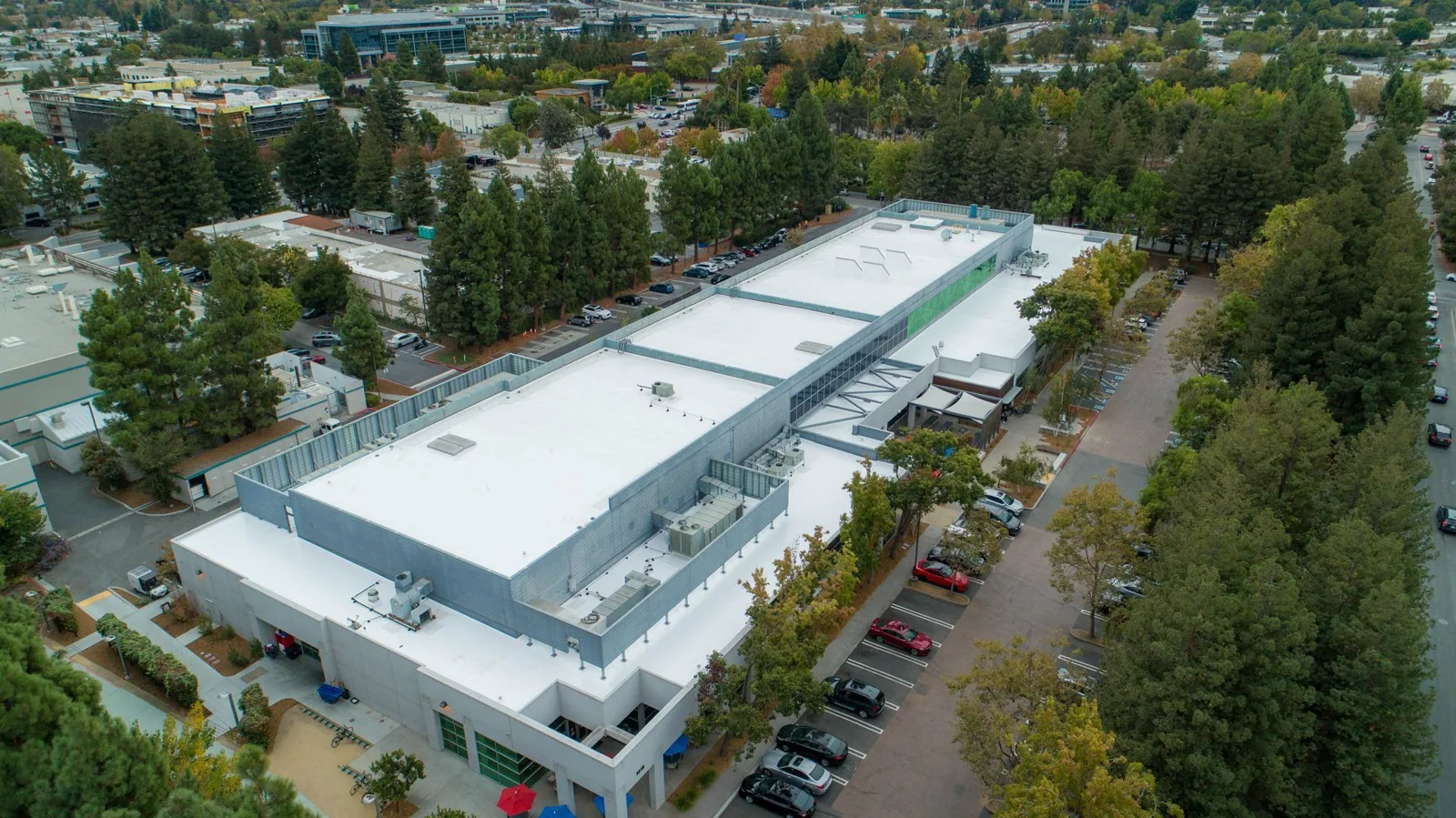
Storm findings and water control
Hail and damaging wind are recurring severe-storm hazards across Texas, especially in spring and autumn. After a storm, we document dents, loose trim, displaced panels, punctures, blocked gutters, and interior water reports separately. A hail mark alone does not show whether a panel, seam, or underlayment has failed. The field record ties each proposed repair to observed damage, photographs, and a stated inspection limit.
Tyler’s June 8, 2021 tornado is part of the local weather record. It provides regional context, not evidence about a particular property. During planned work, we secure loose trim and staged panels, maintain a clear drain path, and identify the section that can be closed before weather arrives. If conditions force a stop, the general contractor receives the area left open, temporary protection, and the person who authorizes the next access release. A wind review can document perimeter and panel displacement separately.
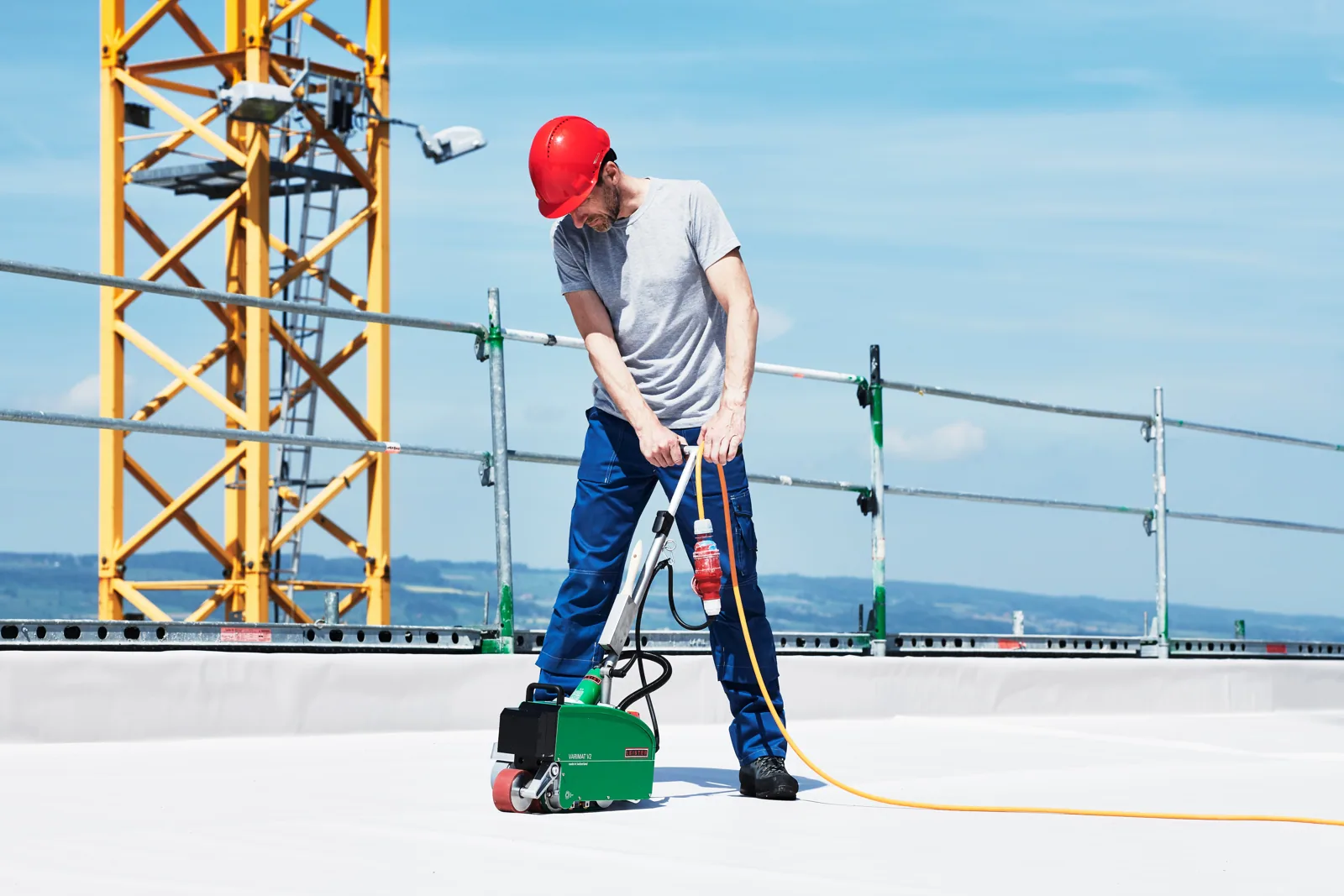
Repair, recover, or retrofit
A limited repair may fit a loose trim piece, isolated fastener, or discrete flashing failure where the surrounding panels and attachment remain intact. Broad corrosion, widespread clip movement, recurring leaks, or substrate damage can require a larger panel replacement or retrofit. We inspect the deck and existing assembly, then compare removal, over-roof framing, or another approved system based on weight, drainage, attachment, access, and building operations. Each option states what remains unknown.
Tyler uses the 2021 IBC and IECC for building plans beginning January 1, 2024. For standing seam work, the design team resolves wind design, insulation, and permit details before we lock the panel profile, clip arrangement, perimeter, and flashing into the submittal. We check those approved details against field dimensions before material arrives. A TPO system may be compared when the owner is weighing a change from metal to a membrane assembly.
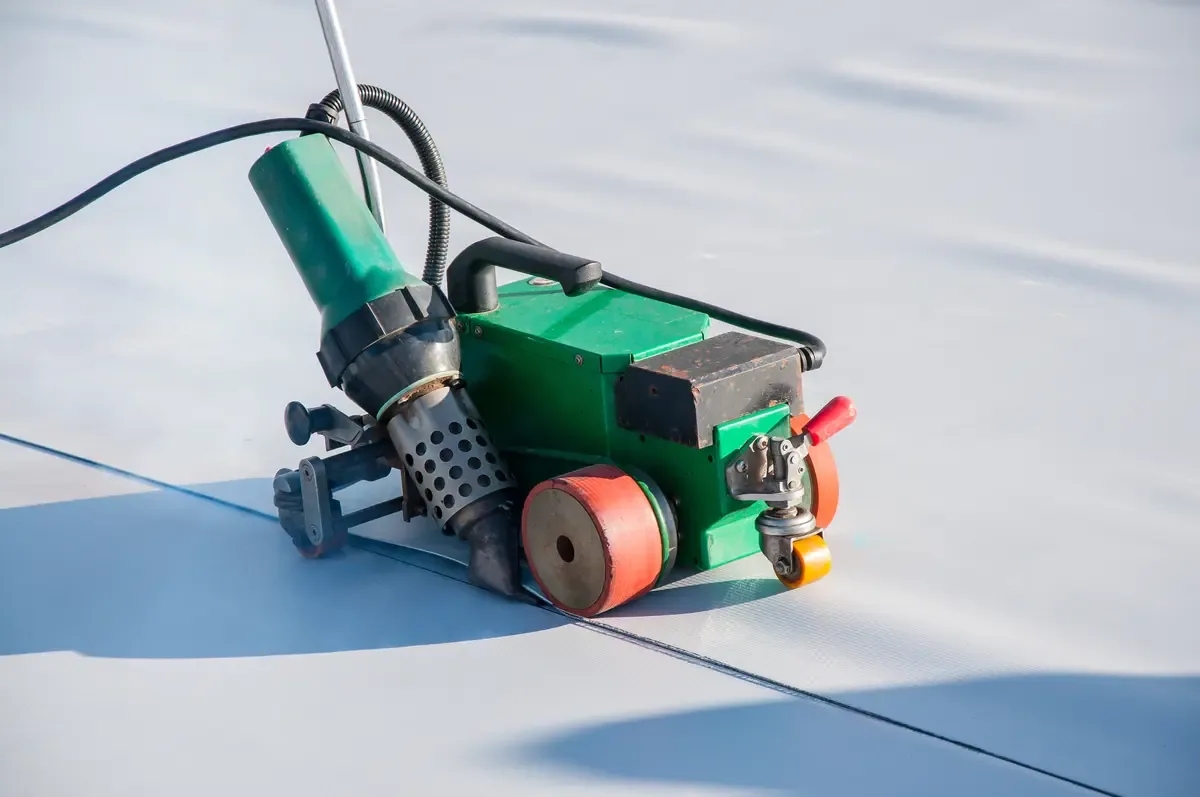
Installation records and maintenance
The work package identifies panel profile, finish, clip or fastener approach, repair location, replacement metal, and each tested seam or transition. Photographs should show eaves, ridges, valleys, penetrations, and completed trim with roof-zone references. We record exposed sections closed before weather delay, and list any location that could not be opened or tested. The owner can use that record to distinguish completed repairs from a remaining assessment.
Cost and schedule depend on panel length, custom trim, access, attachment exposure, underlayment, corrosion removal, and whether the building can be isolated by zone. We keep deck work and concealed damage as separate allowances or hold points where the agreement permits. A condition report retains the findings, and a Tyler service plan can set future inspections around access and operations. Closeout ends with the open decisions, approved changes, and next crew handoff assigned.
Commercial Roofing Questions
What causes standing seam panels to buckle or ripple?
Panel movement, clip placement, fixed points, attachment, and support conditions all affect how the metal lies. We map the distortion and inspect nearby seams and terminations before deciding whether a clip or panel needs correction. The field finding, not the appearance alone, defines the repair.
Can you repair a standing seam leak without replacing all panels?
A local repair may fit where the opening is isolated and surrounding panels, clips, and flashing remain serviceable. We trace the water path, inspect the connection, and document any concealed condition that needs testing. Broad corrosion or repeated movement changes the comparison toward a larger scope.
How does Tyler weather affect metal roof work?
Heat can change panel handling and sealant or primer limits, while wind affects material lifting and temporary closeout. We check current substrate and weather conditions against the product instructions. Spring and autumn storms also make secure staging and a defined stop point part of the plan.
When should a metal roof be retrofitted instead of repaired?
A retrofit is considered when recurring leaks, widespread corrosion, or attachment and substrate issues make isolated repairs ineffective. We verify the existing panel, structure, drainage, and design requirements before comparing over-roof framing with replacement. Unknown deck conditions remain a test or approval hold point.
What should the metal roof handoff include?
It should identify panel and trim work, clips or fasteners reviewed, seam checks, photographs, storm findings, and zones left untested. We also record access limits and the next inspection or maintenance item. That gives the owner a clear record of the work and remaining decisions.
Related Pages
Commercial Roof Repair
Tyler, TX
Metal Roof Retrofit
Tyler, TX
Release the metal roof inspection
Provide the roof plan, panel information, leak history, access window, and decision deadline. We will return a standing seam scope with clip checks, transition repairs, storm findings, and test points assigned to each roof zone.