
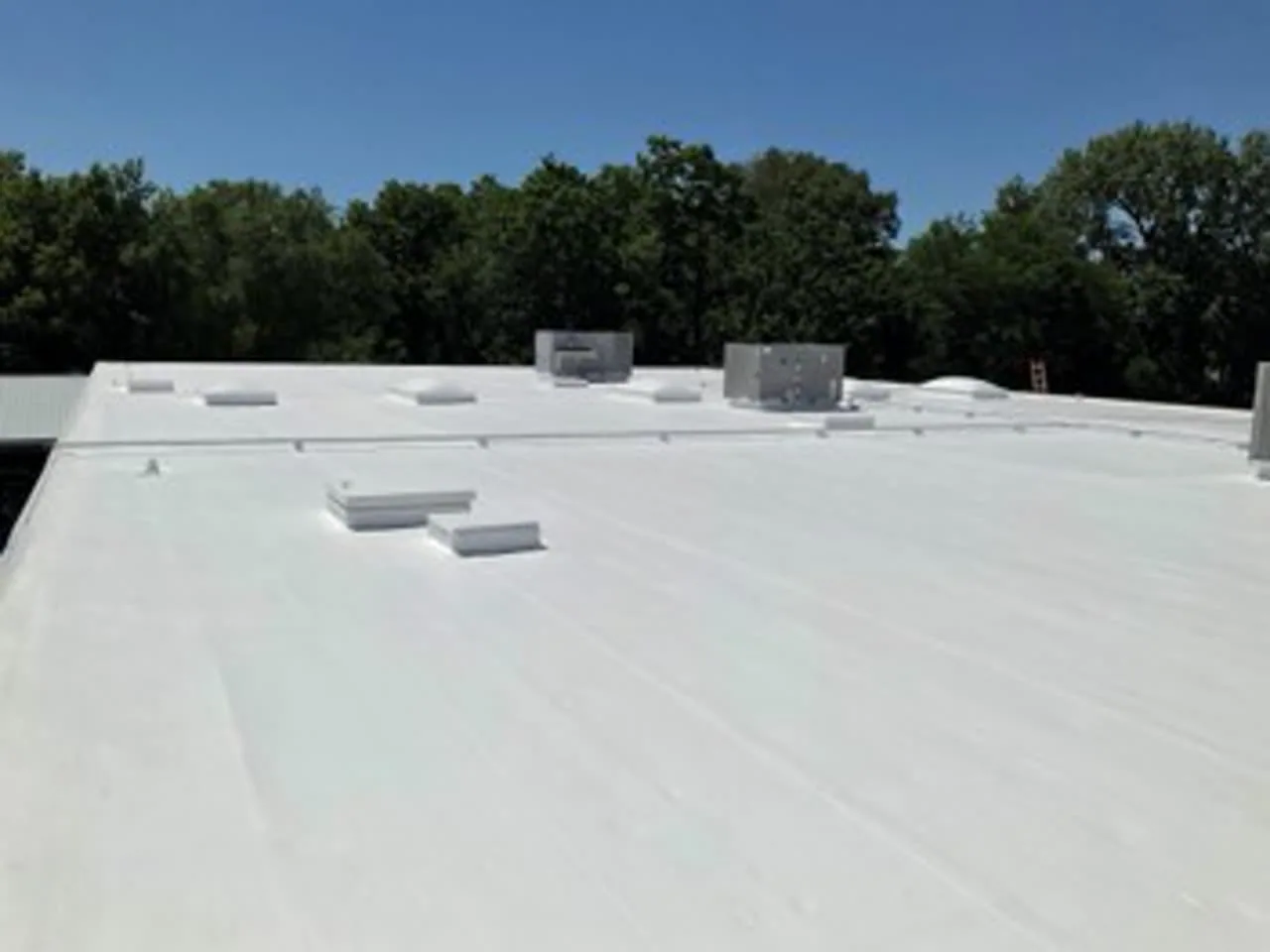
Seam welding on a TPO roof needs a measured release point before accessories and flashing are prepared. Tyler’s July climate normal is 94.5°F, a seasonal indicator for scheduling, not the temperature at a work area. We inspect the membrane, deck, fastening pattern, and current substrate, then mark where a weld and accessory detail can proceed. Whether the job sits in the Tyler Interstate Commerce Park or on the South Broadway Commercial Corridor, the property’s own delivery and access rules set the handoff; those plans stay attached to the individual roof. The Tyler service area reflects those separate work windows.
TPO is a single-ply thermoplastic membrane with heat-welded seams. Its suitability depends on the deck, insulation, attachment design, drainage, edge conditions, and how the roof is used. We inspect the existing assembly and mark repairs, test points, and transitions before proposing a new system or repair. A replacement scope may follow widespread failure; isolated openings can fit a targeted repair when sound material remains around them.
Assembly and attachment
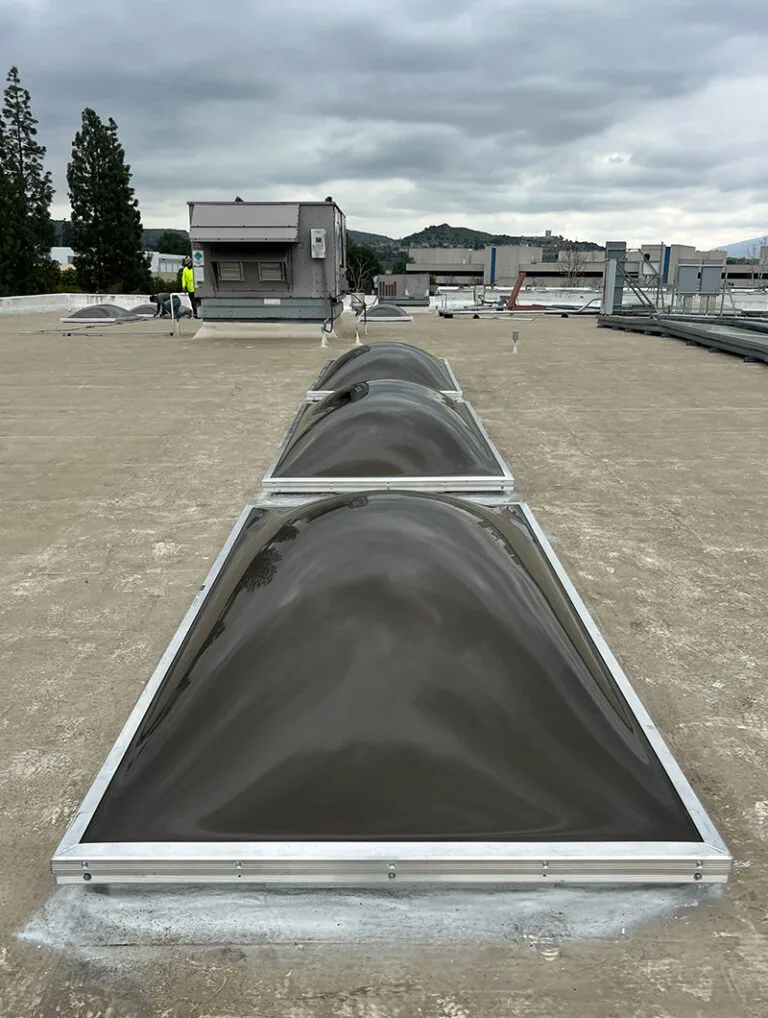
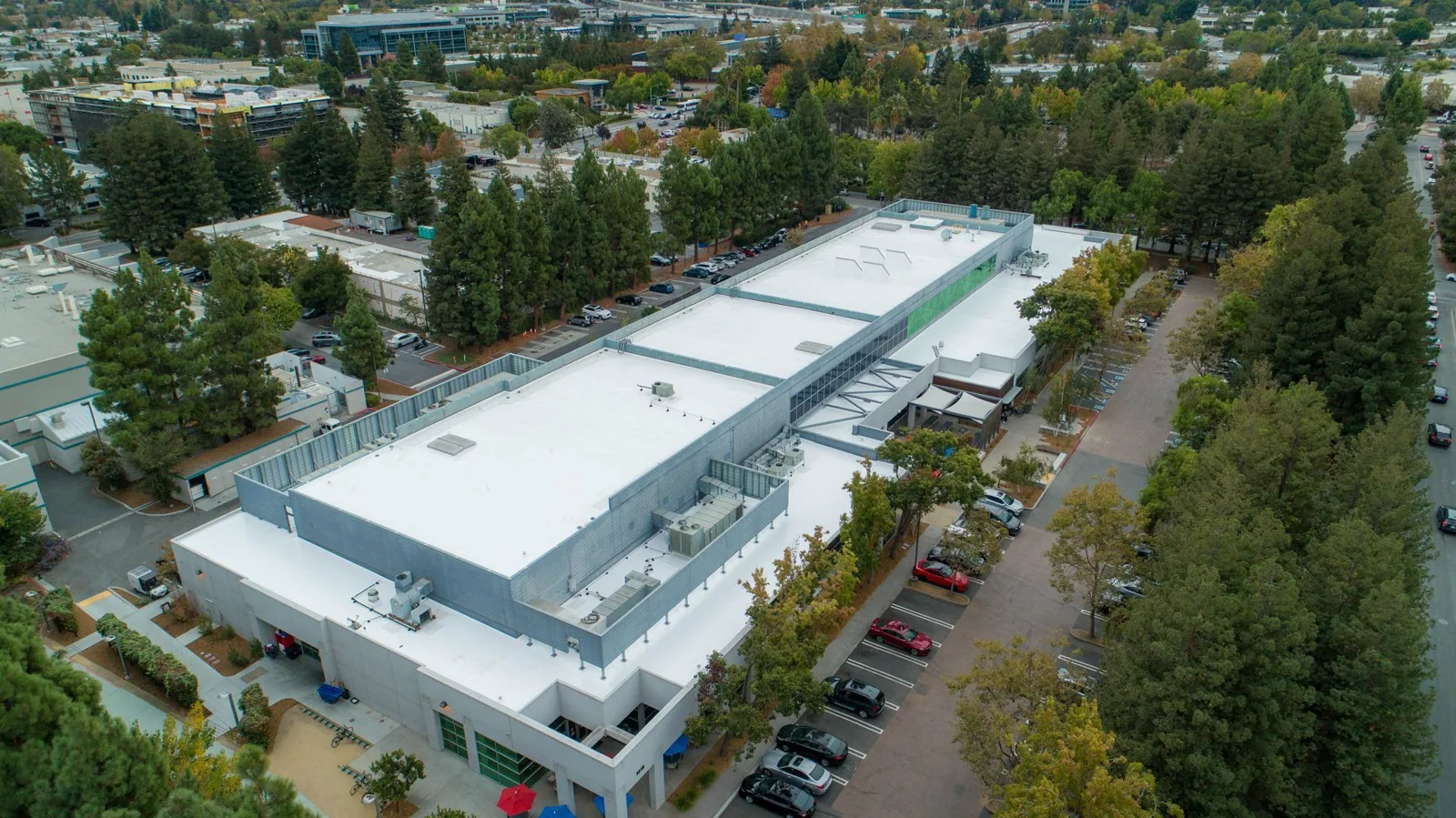
A TPO specification starts below the white sheet. We identify the deck type, existing layers, insulation condition, slope, and perimeter geometry, then compare mechanically attached, adhered, or other approved assemblies against the project design. Fastener pullout, deck corrosion, wet insulation, and irregular transitions can change both material quantities and sequence. The work package separates confirmed conditions from items requiring a test cut or designer decision.
Every TPO submittal still needs a project-specific permit review. The designer settles wind criteria, insulation targets, and fastening zones before we place the approved attachment pattern and edge conditions in the submittal. We then check that each zone can be reached without interfering with rooftop equipment or required access routes.
Welds and test points
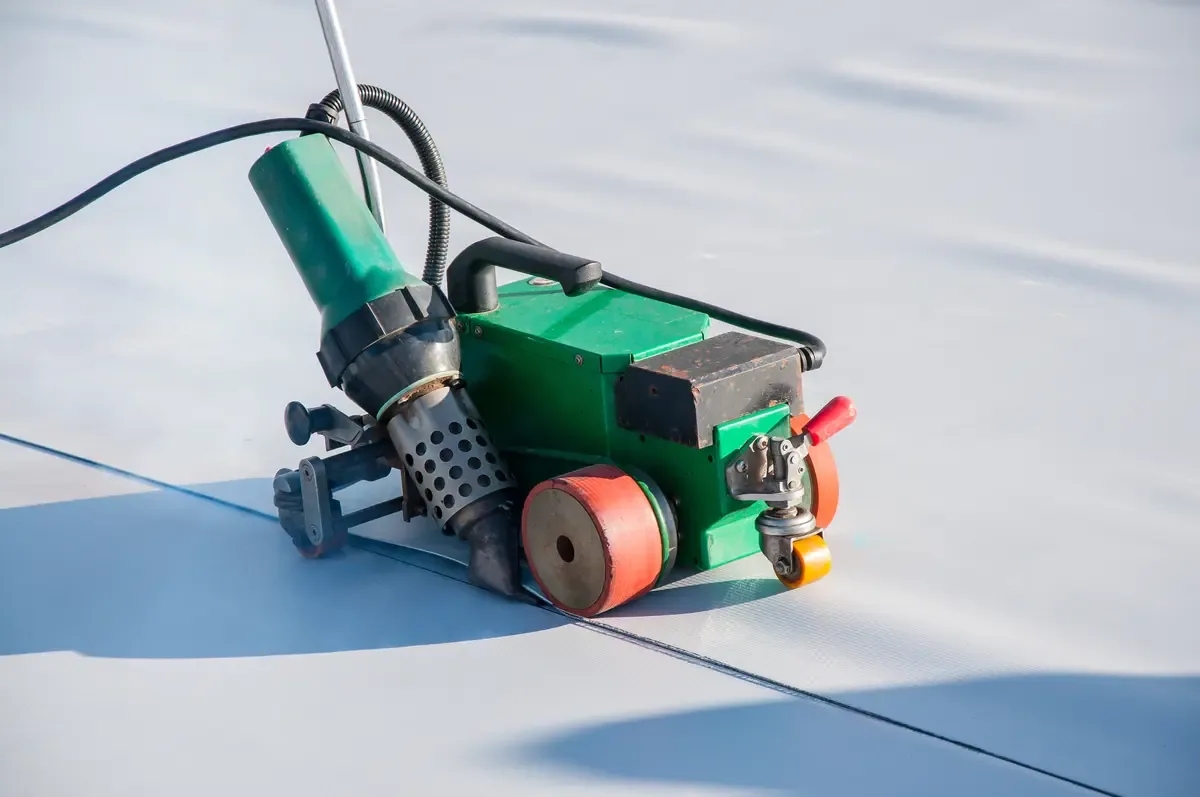
The seam is a field joint with a temperature, speed, pressure, and cleanliness window. Dust, moisture, inconsistent travel, or a poorly prepared repair edge can weaken the weld even when the sheet looks continuous. We use the specified welding setup, make a test weld when conditions or equipment change, and allow it to cool before probing. The field record carries the result, tool setting, roof location, and corrective step.
Hot weather changes the pace of this work. A surface exposed to full sun can be warmer than the surrounding air, so the crew records a substrate reading and checks product instructions before welding or applying primer and sealant at details. If the test point is unacceptable, we adjust the process and repeat the check before continuing. The general contractor receives a roof-zone release only after the open seam, penetration, or perimeter detail has passed its agreed inspection hold point.

Drain path and roof details
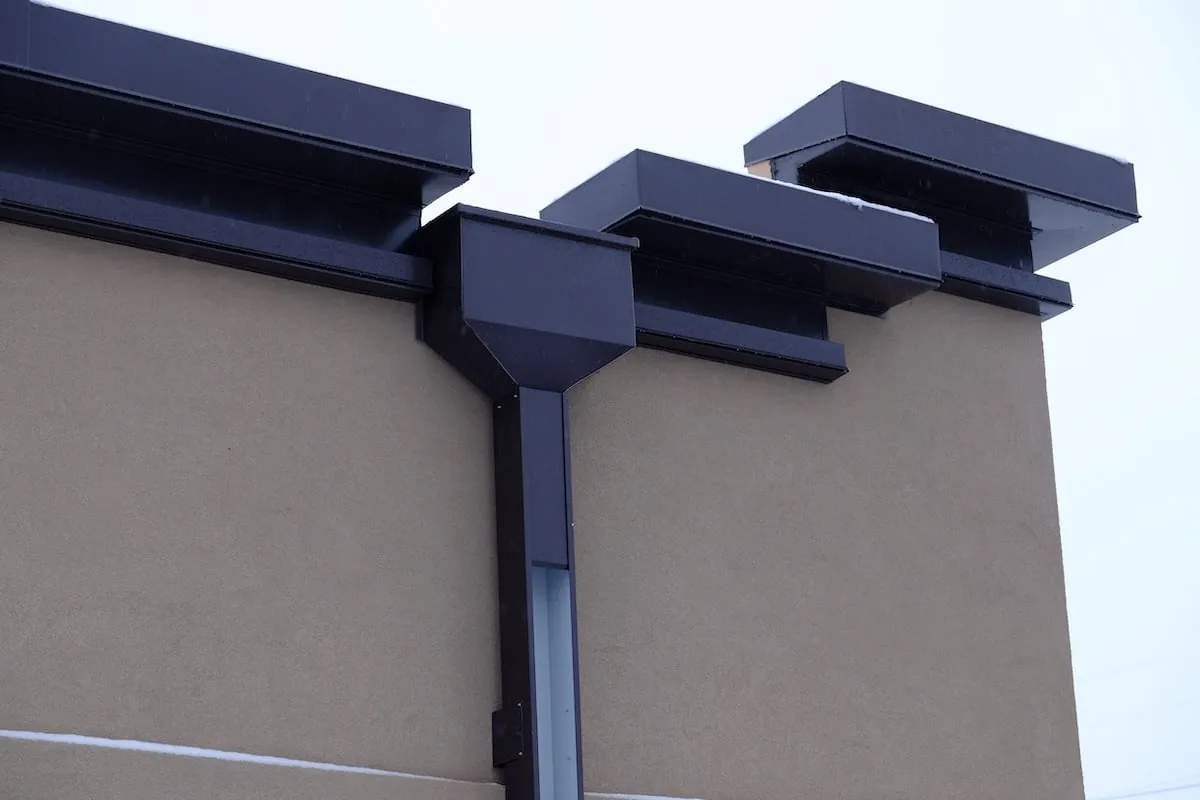
Sheet goods do not correct a poor drain path by themselves. We review slope, drain bowls, scuppers, overflow provisions, and low areas, then distinguish an obstructed outlet from a deck or insulation depression. At curbs, pipes, and equipment supports, the membrane needs a compatible flashing detail that remains serviceable when adjacent equipment is maintained. The roof plan should show each drain and penetration before material is staged, with details assigned to the crew responsible for completing and checking them.
Tyler’s spring and autumn severe-storm exposure includes hail and damaging wind, so temporary drainage and daily closeout need an assigned owner. Loose membrane edges, open laps, or debris beside a drain can turn a weather delay into a larger interior issue. We identify what can remain exposed, how the section will be protected, and who confirms the next access release. A drainage work package may be needed before membrane work proceeds. Compare PVC membrane options or EPDM assemblies when those systems fit the deck and use.
Repair, recover, or replace
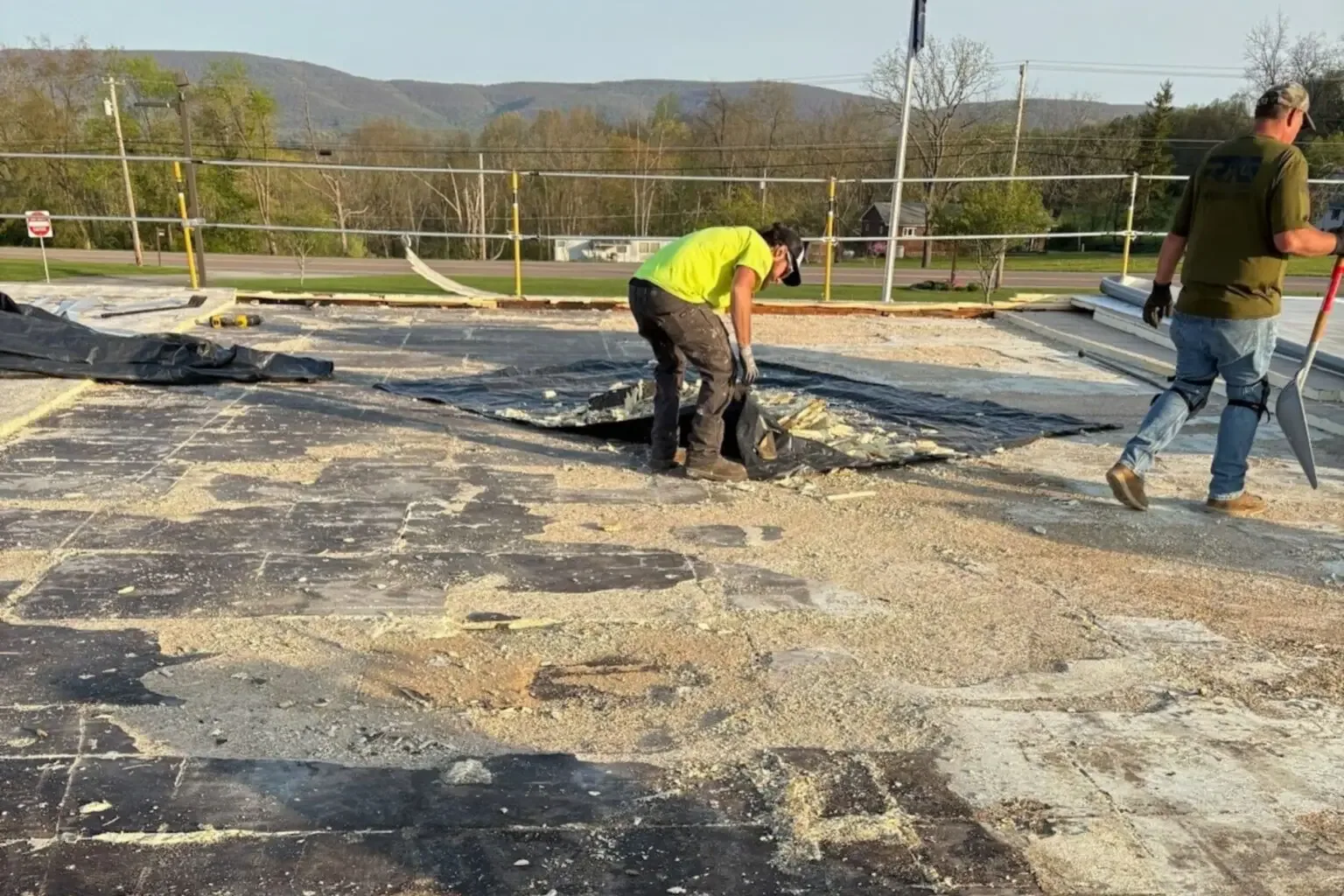
A puncture, open weld, or damaged flashing can often be evaluated as a local repair if the surrounding sheet is clean, compatible, and securely attached. We mark the patch boundary, remove compromised material where the detail requires it, and use a repair method that matches the existing membrane and manufacturer instructions. A repair record identifies the roof zone, seam or field location, substrate condition, and test performed. When defects repeat across many areas, the owner needs a broader condition map before approving a series of unrelated patches.
A recover may be possible when the existing roof is dry, stable, compatible, and within code and system limits. Wet insulation, saturated cover board, poor attachment, or trapped moisture can make another layer unsuitable. We use inspection and agreed testing to distinguish those conditions, then compare a limited repair, recover, or tear-off. The assessment can include an infrared moisture survey or selective cuts where the results would change the assembly choice. Each option carries separate access, removal, and closeout tasks.
Heat window and storm closeout
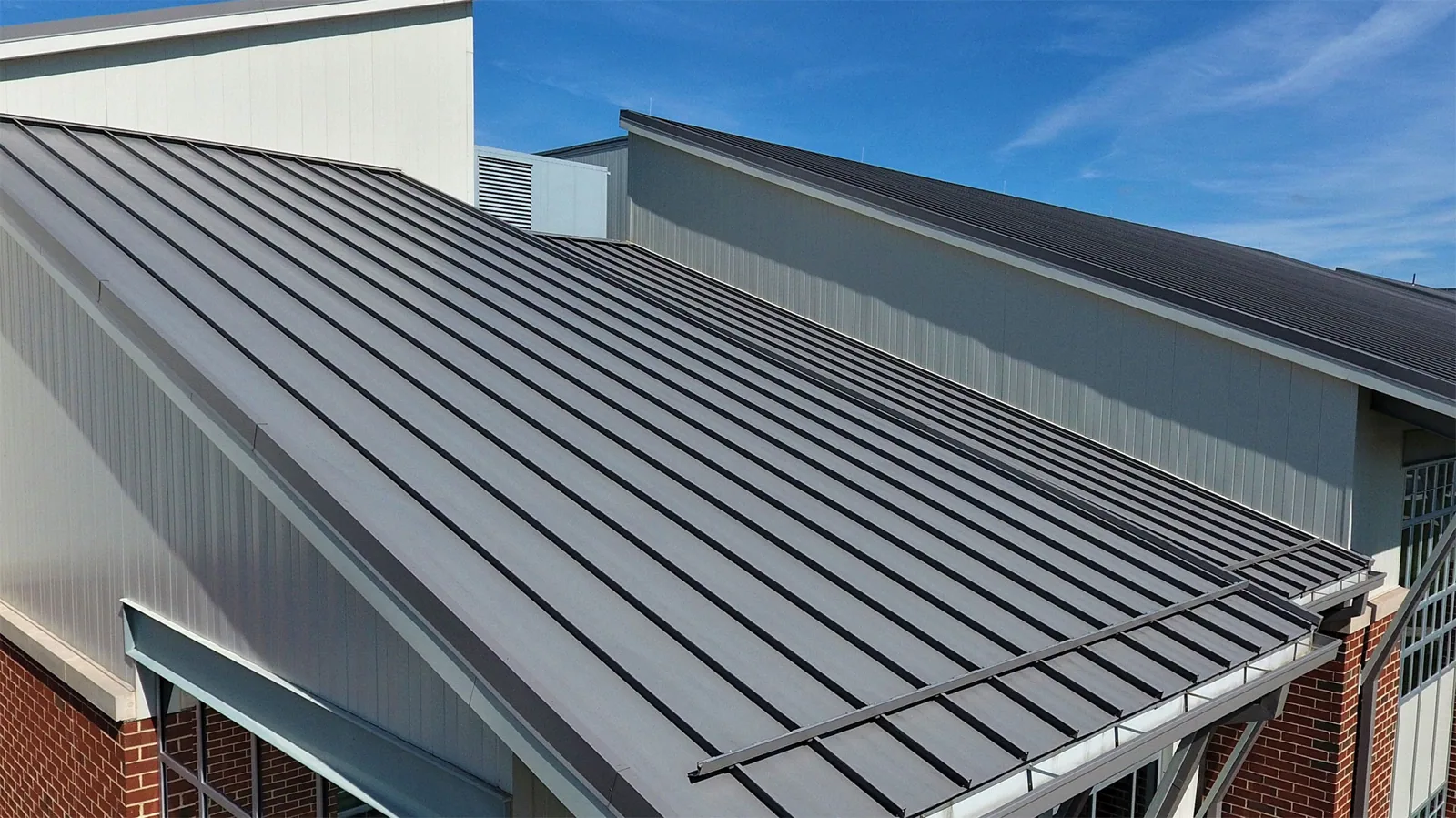
Tyler’s July normal high sets a reason to plan heat-sensitive work, not permission to assume the roof has a particular temperature. We measure the work surface, check wind and moisture conditions, and follow the selected system’s limits for welding, adhesive, and flashing materials. A weather delay may move the crew from field seams to approved detail work or inspection, but any change must keep material and substrate conditions within the specified range. The daily plan records ready zones and holds.
Regional thunderstorms can bring hail and damaging wind during spring and autumn. Before an opening begins, the crew and general contractor agree on temporary protection, drain clearance, and end-of-shift limits. If a storm interrupts work, the closeout identifies the exposed area, the protection installed, and the next inspection needed before production resumes. Tyler’s recorded June 8, 2021 tornado is part of the local exposure record, while repair decisions still depend on current observations. A wind-damage review can document displaced edges or flashing after an event.
Submittals and turnover
Before mobilization, the general contractor can provide roof plans, assembly records, access windows, current leak locations, and the decision deadline. We return a sequenced work plan with test points, daily exposure limits, material staging, and named hold points. During installation, photographs and inspection notes connect completed seams and details to the roof-zone map. When a condition differs from the approved detail, we record the location and request direction before changing material or expanding the work package.
Turnover should show the installed assembly, repair boundaries, tested seams, completed penetrations, drain checks, and any remaining observation. Product and installation records accompany approved submittals for future maintenance. The owner receives open items with an assigned next step. A roof condition report preserves seam locations and unresolved tests for the next maintenance inspection.
Commercial Roofing Questions
Which findings decide whether an existing roof can receive TPO?
We check moisture, attachment, deck condition, existing layers, drainage, and compatibility with the proposed assembly. Test cuts or other agreed checks resolve hidden conditions that could change the recommendation. A dry reading in one area does not represent a different roof zone.
How do you check a TPO seam before covering the next area?
The crew makes and cools a test weld when the setup or conditions call for it, then probes the seam using the project inspection method. We note the location and result, correct any weak section, and release the next roof zone after the agreed hold point is satisfied.
Does Tyler’s summer heat stop TPO installation?
The 94.5°F July normal is a scheduling signal, not a jobsite surface measurement. We take a substrate reading and follow the system instructions for welding, adhesive, and flashing products. The sequence can move to other approved tasks if a specific operation falls outside its working range.
Can TPO go over an older commercial roof?
A recover needs a stable, compatible, sufficiently dry assembly and must meet applicable code and system limits. We inspect the existing layers and use agreed tests where moisture or attachment is uncertain. If the substrate cannot support the proposed system, removal or localized correction belongs in the comparison.
What belongs in the TPO closeout package?
The file should carry the approved assembly, a roof-zone map, seam and detail checks, repair locations, photographs, the drain review, and unresolved items. We tie open decisions to a person and next release point.
Related Pages
Tyler
Tyler, TX

Commercial Roof Replacement
Tyler, TX
Commercial Roof Repair
Tyler, TX
Commercial Roof Drains and Scuppers
Tyler, TX
Release the TPO work package
Send the roof plan, assembly records, access window, current roof condition, and decision deadline. We will return a sequenced TPO scope with open tests, heat-sensitive steps, and roof-zone hold points marked for the general contractor.