
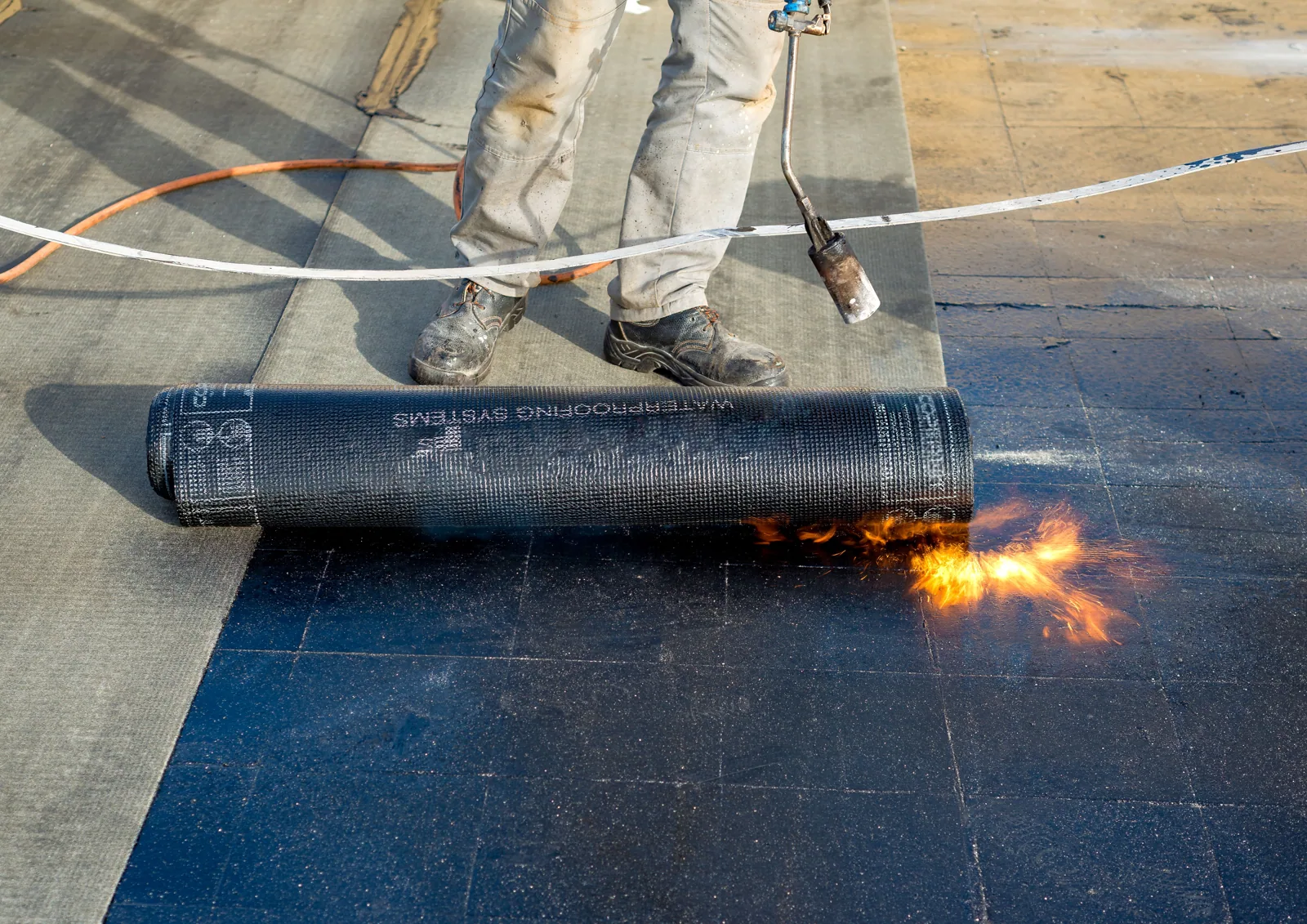
A modified bitumen roof can show a dry surface while water is moving through a split at a lap or flashing transition. Hail and damaging wind arrive with Tyler’s spring and autumn storms, so inspection starts with the work zone that is open or admitting water, then follows the assembly to its boundary. The City’s North End plan covers commercial development and infrastructure, and the South Tyler study is reviewing several corridors. Those settings make access worth planning, but the roof scope comes from the actual surfacing and ply condition.
Modified bitumen is a reinforced asphalt roofing sheet installed in plies, with surfacing and attachment methods varying by system. We inspect laps, end joints, base flashing, penetrations, drains, and prior repairs before setting a repair boundary. A localized repair may fit a contained defect; widespread loss of adhesion, moisture, or repeated openings can justify comparing replacement.
Ply condition and surface wear
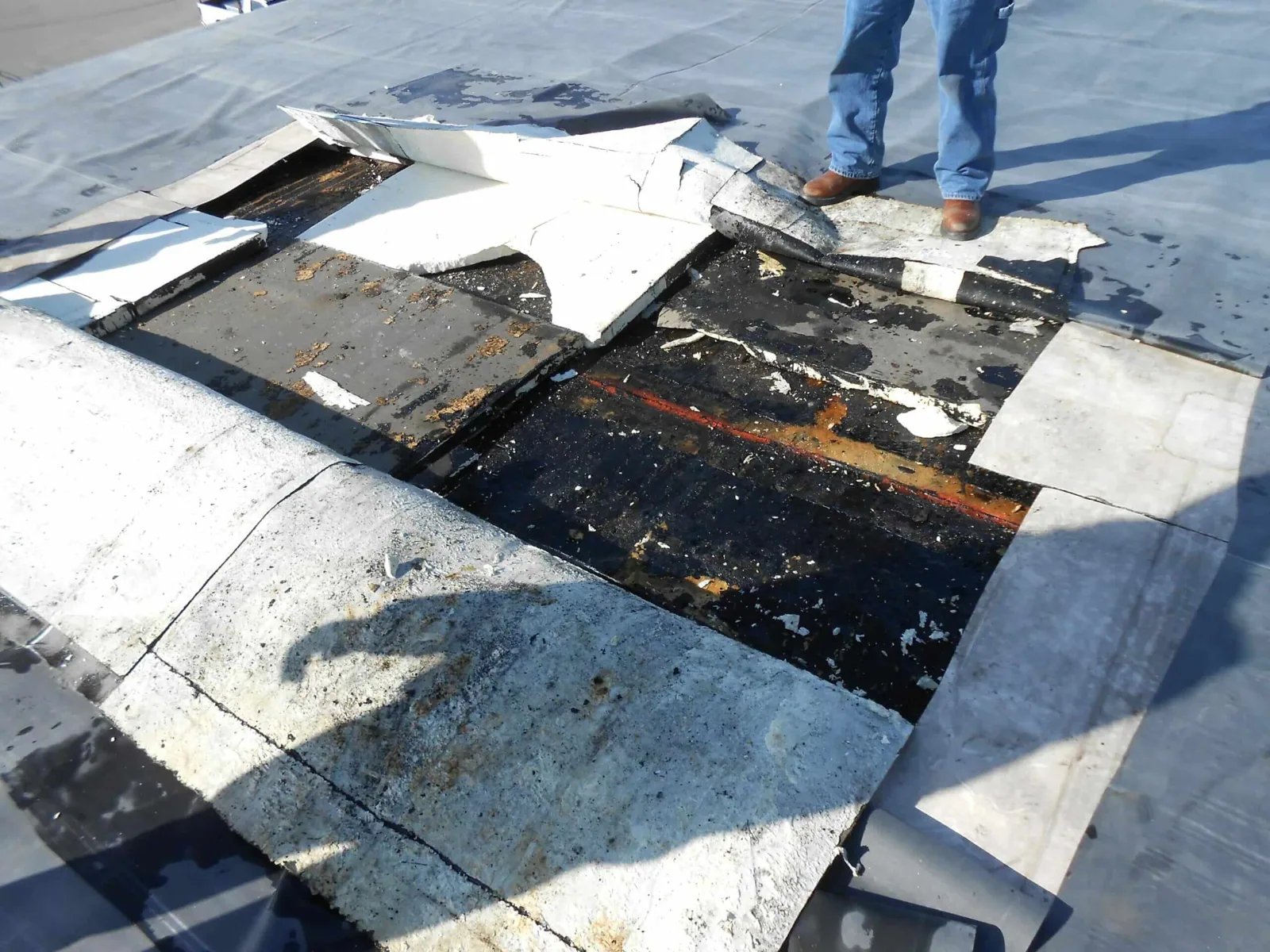
Granule loss, exposed reinforcement, blisters, splits, and open laps point to different conditions. We map them by roof area and note whether damage reaches the cap sheet, base sheet, insulation, or deck. A blister may reflect trapped moisture or another assembly issue, so cutting it without a plan can enlarge the opening. The work package records where a test or selective cut is allowed, what it can establish, and which person releases that step.
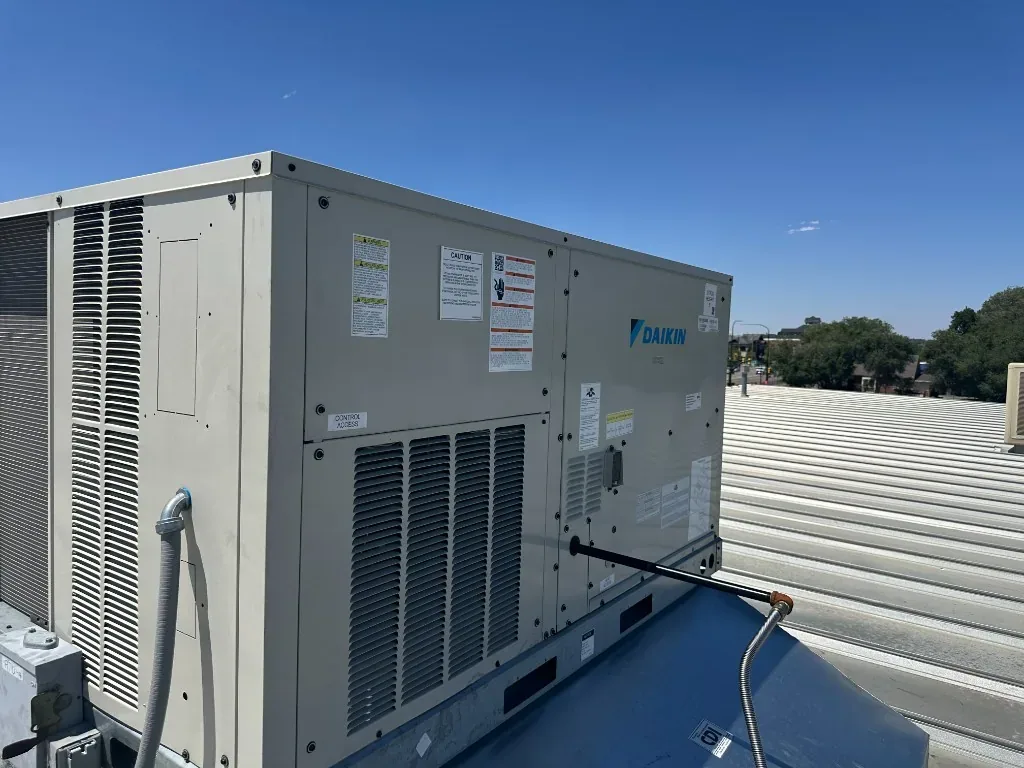
At parapets and curbs, surfacing can hide a termination that has loosened or cracked. We inspect transitions at changes in elevation and around equipment, then confirm how the existing layers are attached. Tyler’s recorded June 8, 2021 tornado is a local weather reference, but it does not establish what happened on an individual roof. After an event, we document current displacement, punctures, or impact and compare those observations with pre-existing wear before recommending work.
Application method and fire controls
Modified bitumen can be installed using hot asphalt, torch application, cold adhesive, or self-adhered methods, depending on the selected assembly. Each method has different substrate, weather, ventilation, and fire-safety controls. We verify the project specification, identify combustible materials and occupied spaces below, and coordinate any required fire watch or shutdown before the crew begins. The schedule includes a hold point for substrate readiness and an exposed-section closeout before the work area moves.
Tyler’s July normal high averages 94.5°F, which calls for heat-aware planning when adhesives or primers have temperature limits. The station normal is not a roof reading. We measure the substrate, follow the product instructions, and avoid sequencing a bond-dependent operation into a period that the system does not permit. If conditions shift, the crew secures the work boundary and the general contractor receives the revised zone, expected next step, and any access change.
Drainage, flashing, and laps
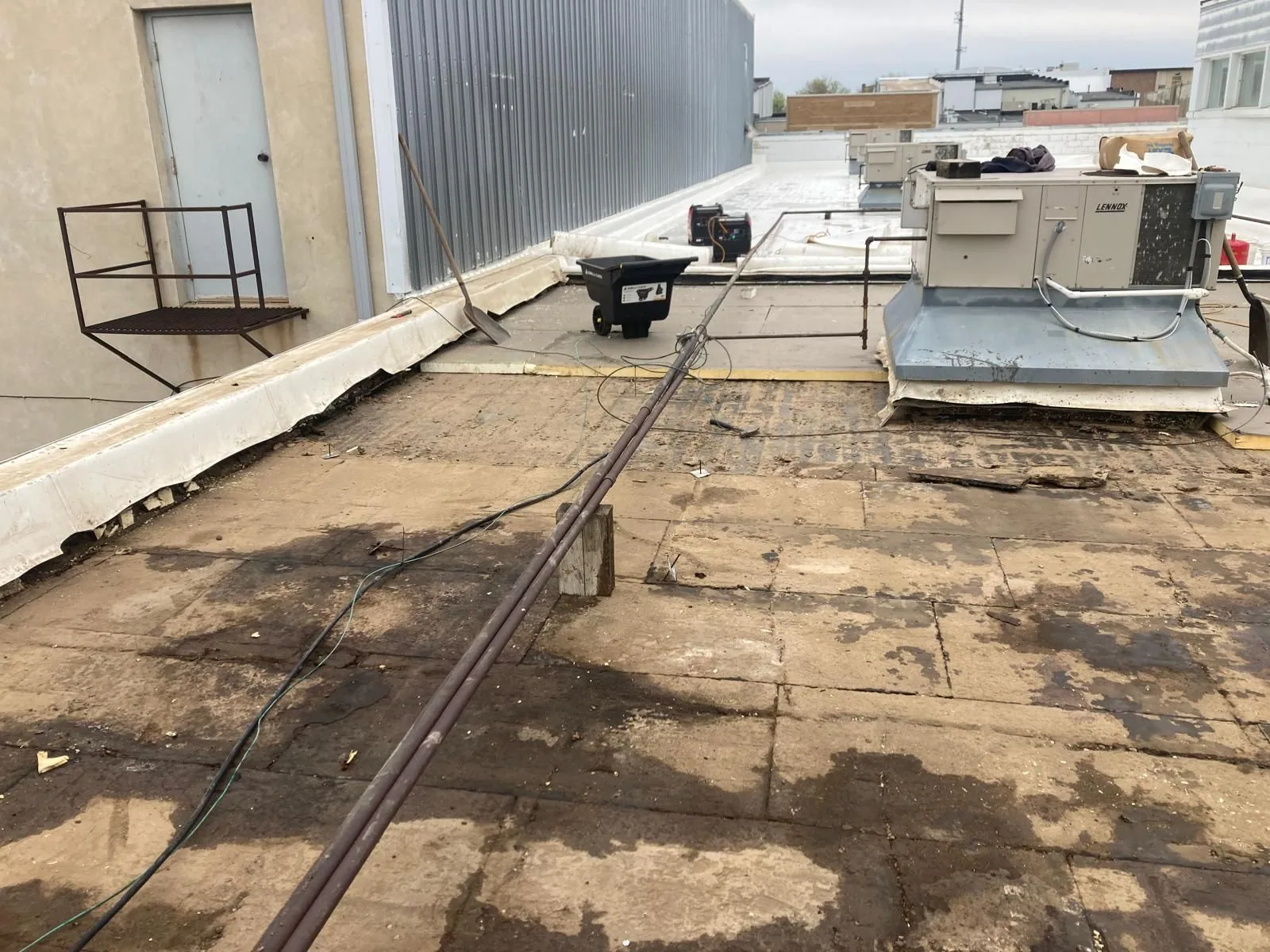
Water that sits at a drain or behind a curb can test seams repeatedly. We check slope, drain bowls, scuppers, overflow routes, and local depressions, then separate a blocked outlet from a low insulation or deck area. Laps should be continuous and firmly bonded, but edge conditions and penetrations need dedicated flashing details. We record each connection and the method used to verify it before another ply or protective surfacing covers the work.
At a repair, the new material must tie into dry, sound layers. We remove only to the authorized boundary, inspect what is exposed, and pause if moisture or substrate damage changes the proposed detail. A drain repair scope can be scheduled before cap-sheet work when the outlet itself is defective. Where a seam has opened across a larger area, a seam-failure review maps repeated or connected failures beyond one patch.
Repair, recover, or tear-off
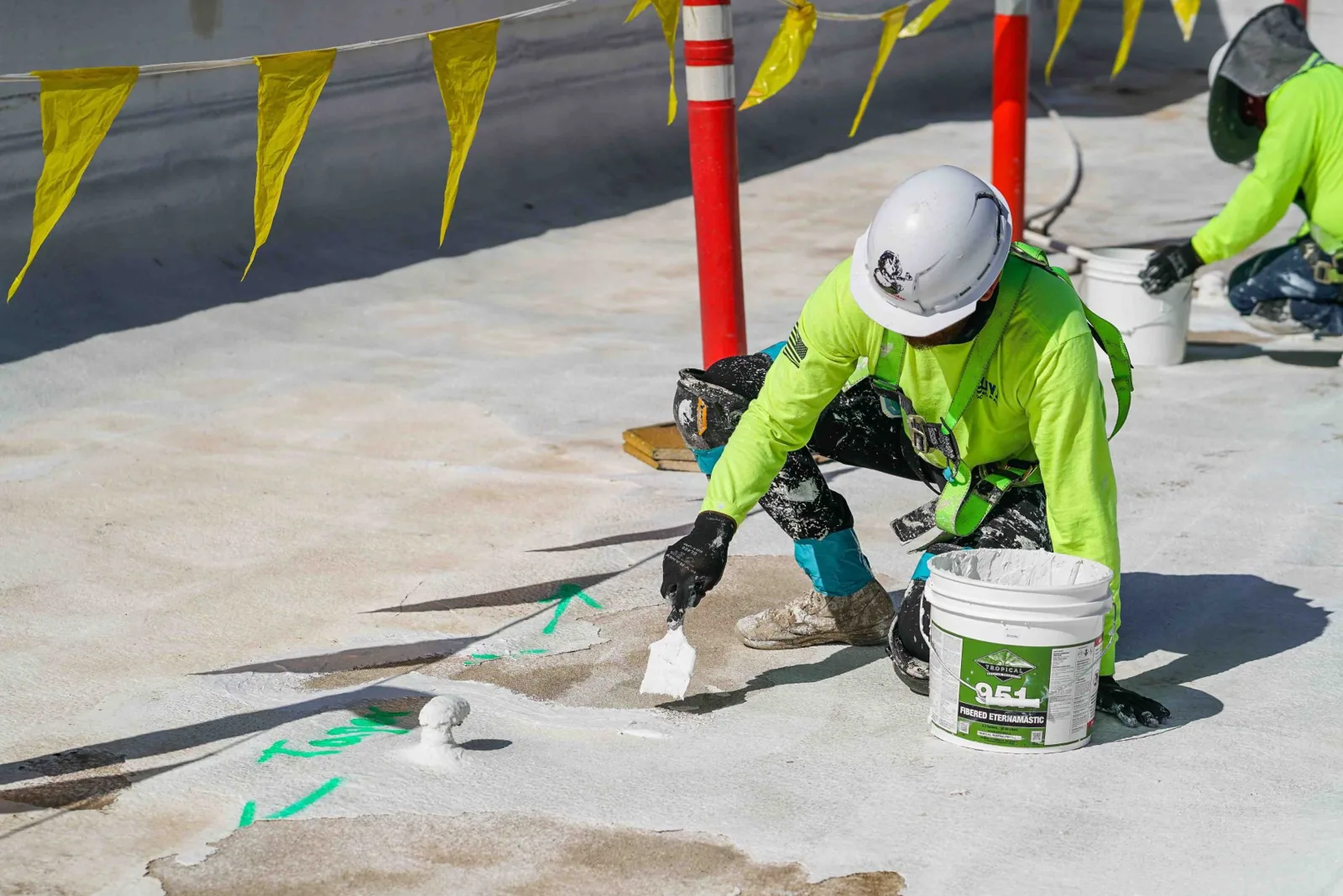
Modified bitumen can sometimes be repaired with compatible sheet and flashing materials when the adjacent plies remain bonded and dry. We define the patch, prepare the surface, reinforce details when specified, and inspect the tie-in. A roof with broad blistering, wet insulation, deteriorated edges, or recurring leaks needs a wider survey. We list the findings that support repair and the findings that need more testing, so an owner can compare a focused package with renewal.
A recover remains conditional on stable, dry layers, roof count, drainage, structural capacity, and perimeter height. Tyler’s adopted 2021 IBC and IECC apply to building plans beginning January 1, 2024, so the design team must settle the permit route for this assembly before a new layer is priced as the selected path. A TPO membrane or built-up system may offer another path where the deck and use support it.
Weather protection and crew handoff
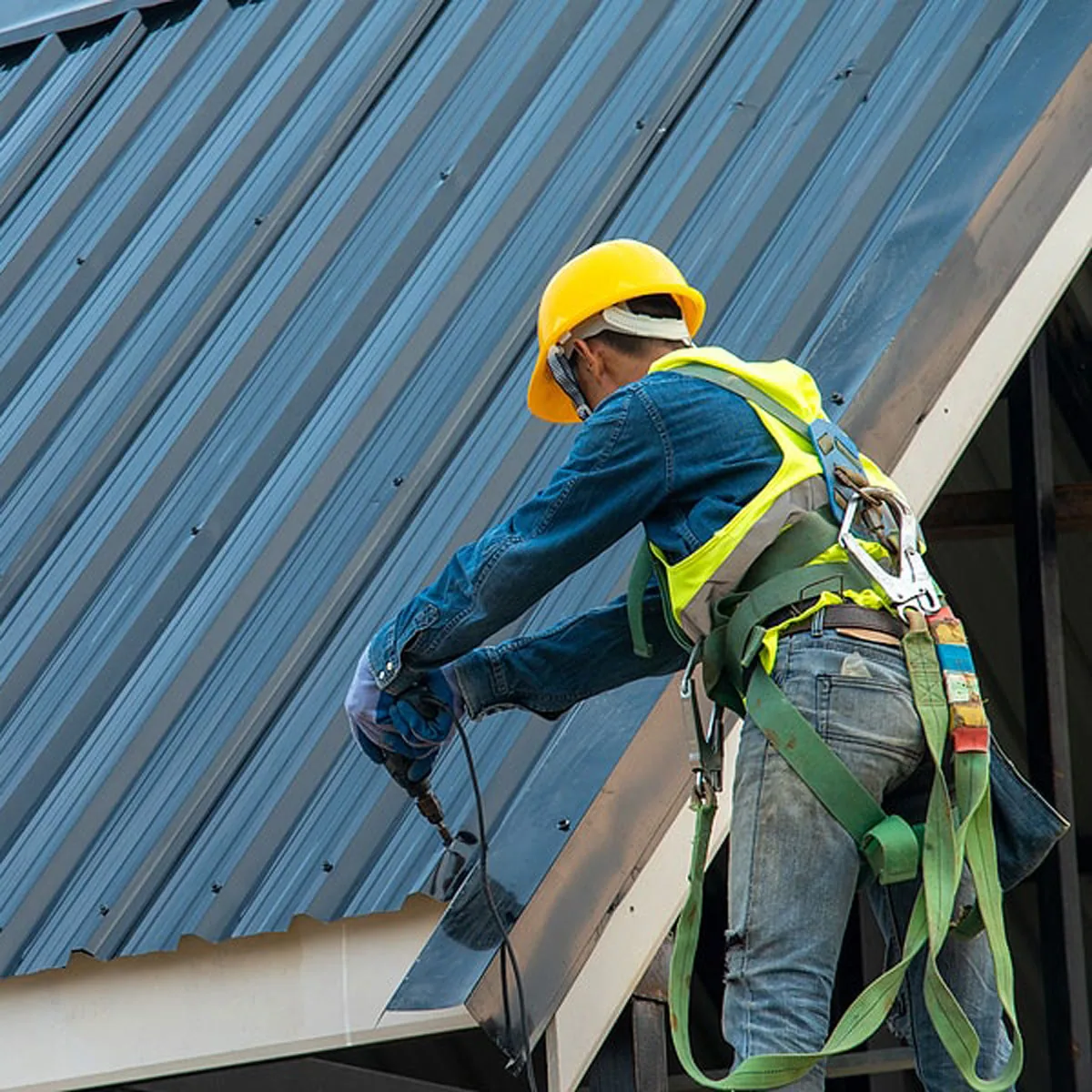
Hail and high winds ride in with East Texas thunderstorms, which are busiest in spring and autumn. A roof opening needs a temporary protection plan before removal begins. We identify the daily limit, outlet route, material storage, and person who accepts the closeout. If rain or wind changes the work sequence, the record shows the secured zone and the inspection needed before a crew returns to hot work or adhesion-sensitive tasks.
For an occupied commercial property, we coordinate odors, noise, equipment access, and interior protection with the general contractor. No two roof zones need the same release time if work methods or building activities differ. Along South Broadway Commercial Corridor, traffic and delivery routes can affect staging; at the Tyler North End Area, the construction plan may include infrastructure coordination. We confirm property-specific access and keep those logistics attached to the roof package rather than treating a citywide pattern as a site condition.
Acceptance and maintenance record
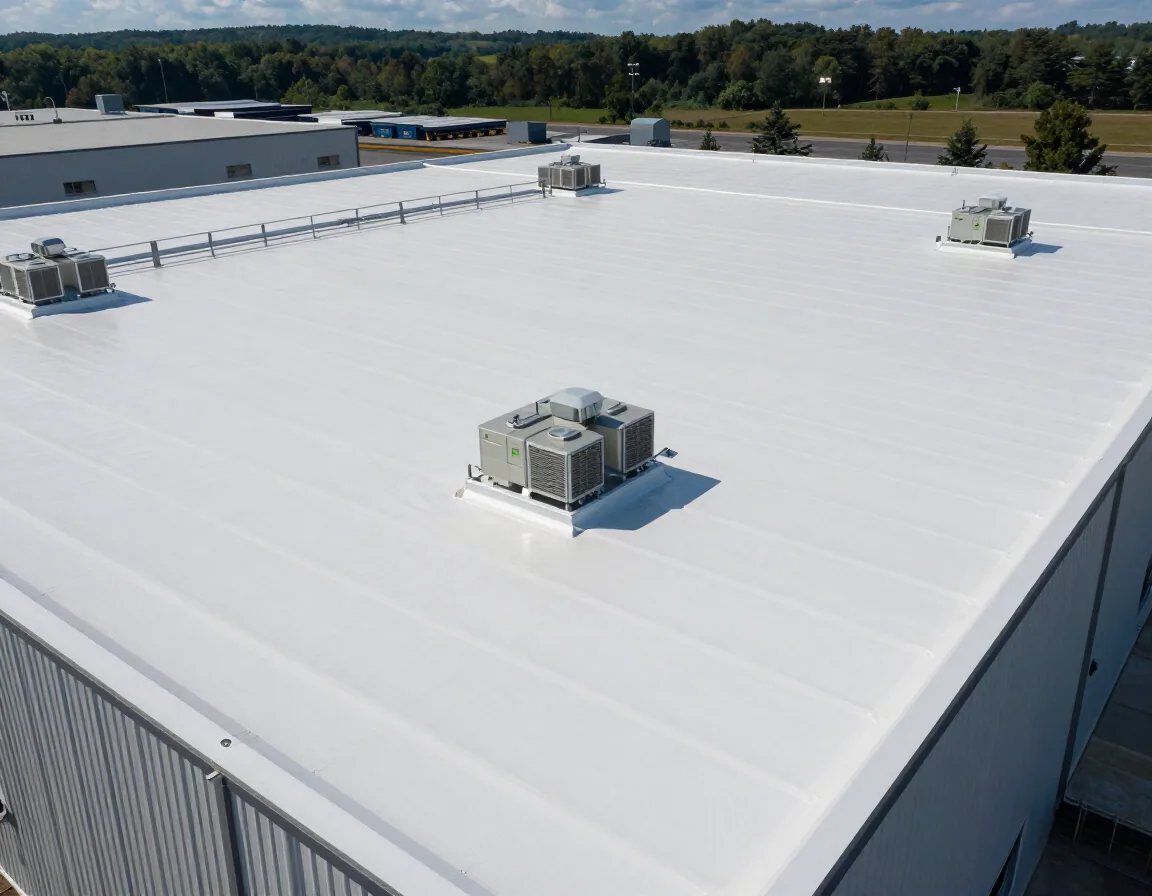
Closeout identifies installed plies, surfacing, repaired laps, flashing, drains checked, and any area excluded from the authorized work. We attach photographs and test findings to the roof plan and note changes accepted by the owner. A remaining moisture test or deck question receives an owner and next decision date. This provides a practical reference when a future leak appears near a prior repair or when capital work is planned across several roof zones.
Cost and duration depend on the chosen application method, tear-off depth, insulation, deck condition, access, number of penetrations, and weather holds. We break those factors into work packages so the general contractor can compare a repair with a phased replacement. A condition report keeps the baseline for a Tyler roof review. We leave the owner with open tests, approval points, and the next crew handoff in writing.
Commercial Roofing Questions
How can you tell whether a modified bitumen roof needs a patch or replacement?
We map splits, open laps, blistering, surfacing loss, moisture, and deck condition by zone. A contained defect with sound surrounding plies can support a repair; widespread or recurring problems call for a broader comparison. Testing resolves areas where concealed layers would change the decision.
Which modified bitumen application method will you use?
The selected assembly and project conditions determine whether the work uses hot asphalt, torch, cold adhesive, or self-adhered material. We review substrate, ventilation, fire controls, occupied space, and manufacturer instructions before mobilization. The sequence and required protection are recorded in the work package.
What does Tyler’s July heat change for modified bitumen work?
It flags a period for close attention to substrate temperature and adhesive or primer limits. The 94.5°F normal is not a measurement of the roof. We take a field reading and schedule the specific method within its product requirements, with a hold point if conditions change.
Can modified bitumen go over the existing roof?
A recover requires a compatible, stable, dry-enough assembly, acceptable roof count and drainage, and compliance with code and system requirements. We check those items and test where needed before treating an overlay as an option. Removal stays in the comparison if wet layers or poor attachment are found.
What is documented at the end of a modified bitumen repair?
The closeout should show the repair boundary, material and method, lap and flashing checks, drain condition, photographs, and outstanding tests. We identify who accepts any hold point and what area remains outside the scope. That record supports maintenance without treating one repair as proof about the entire roof.
Related Pages
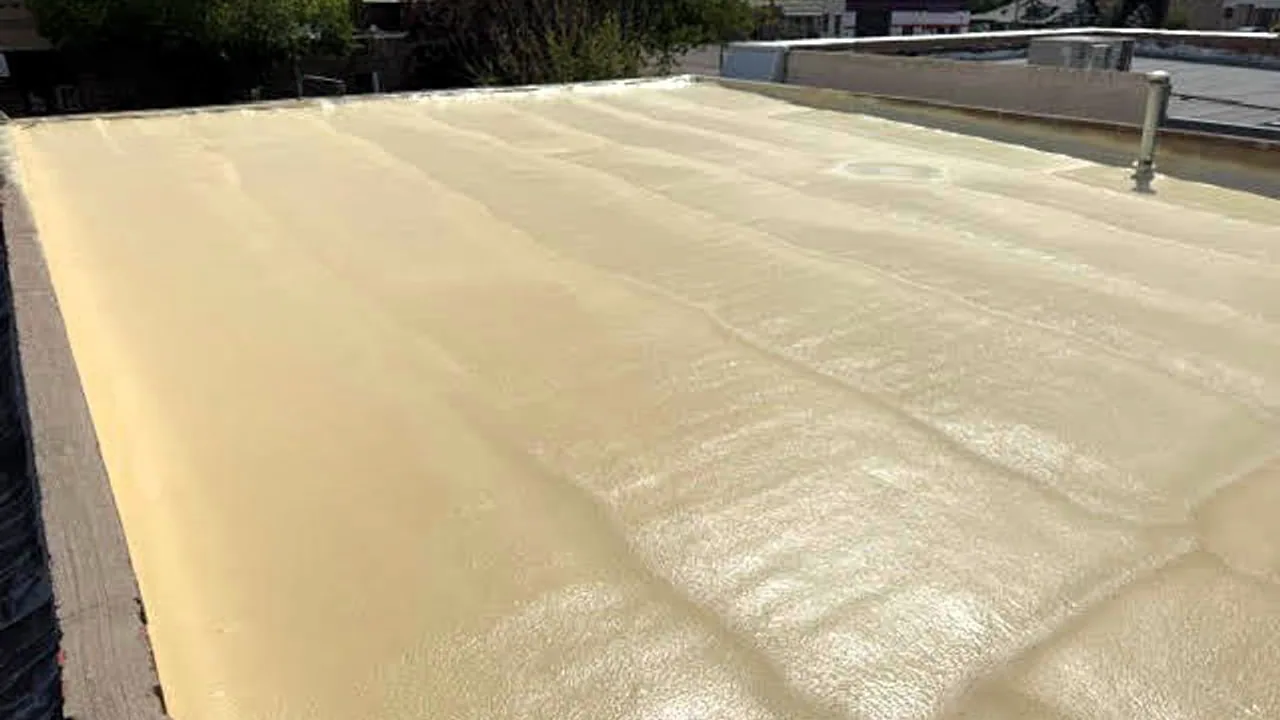
Commercial Roof Drains and Scuppers
Tyler, TX
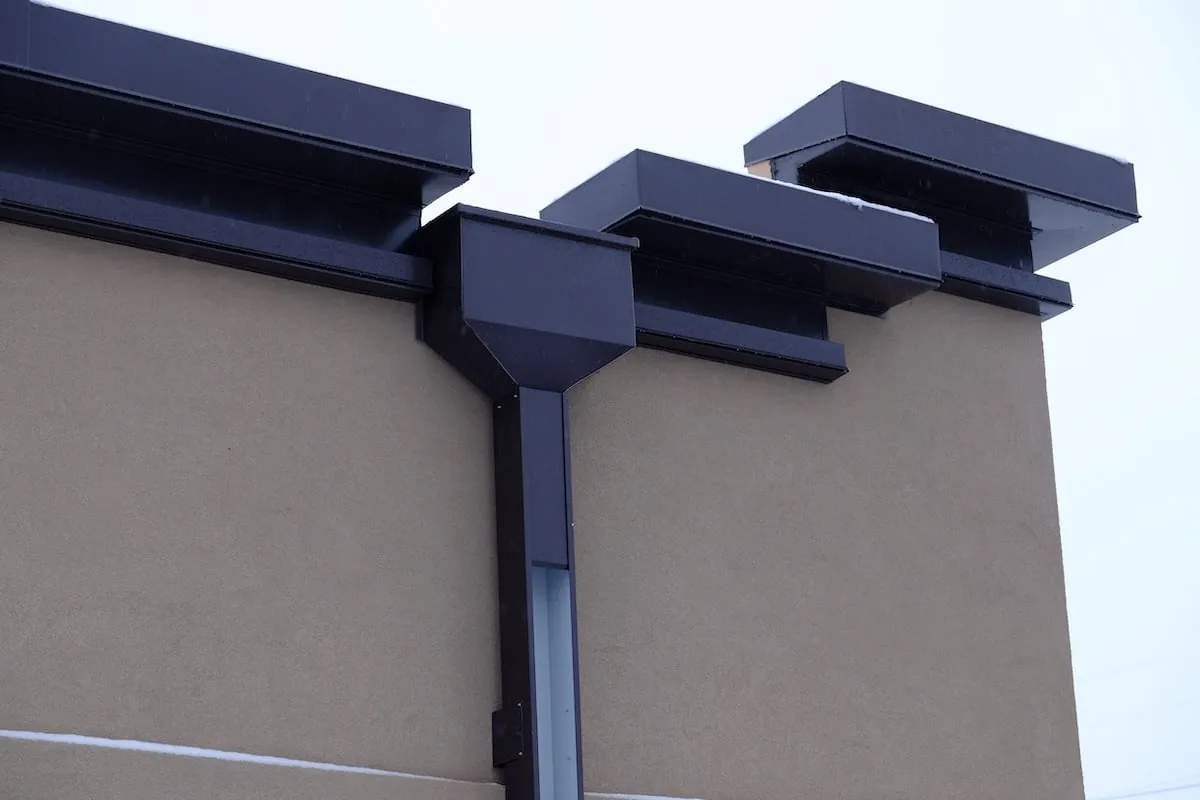
Commercial Roof Seam Failure Repair
Tyler, TX
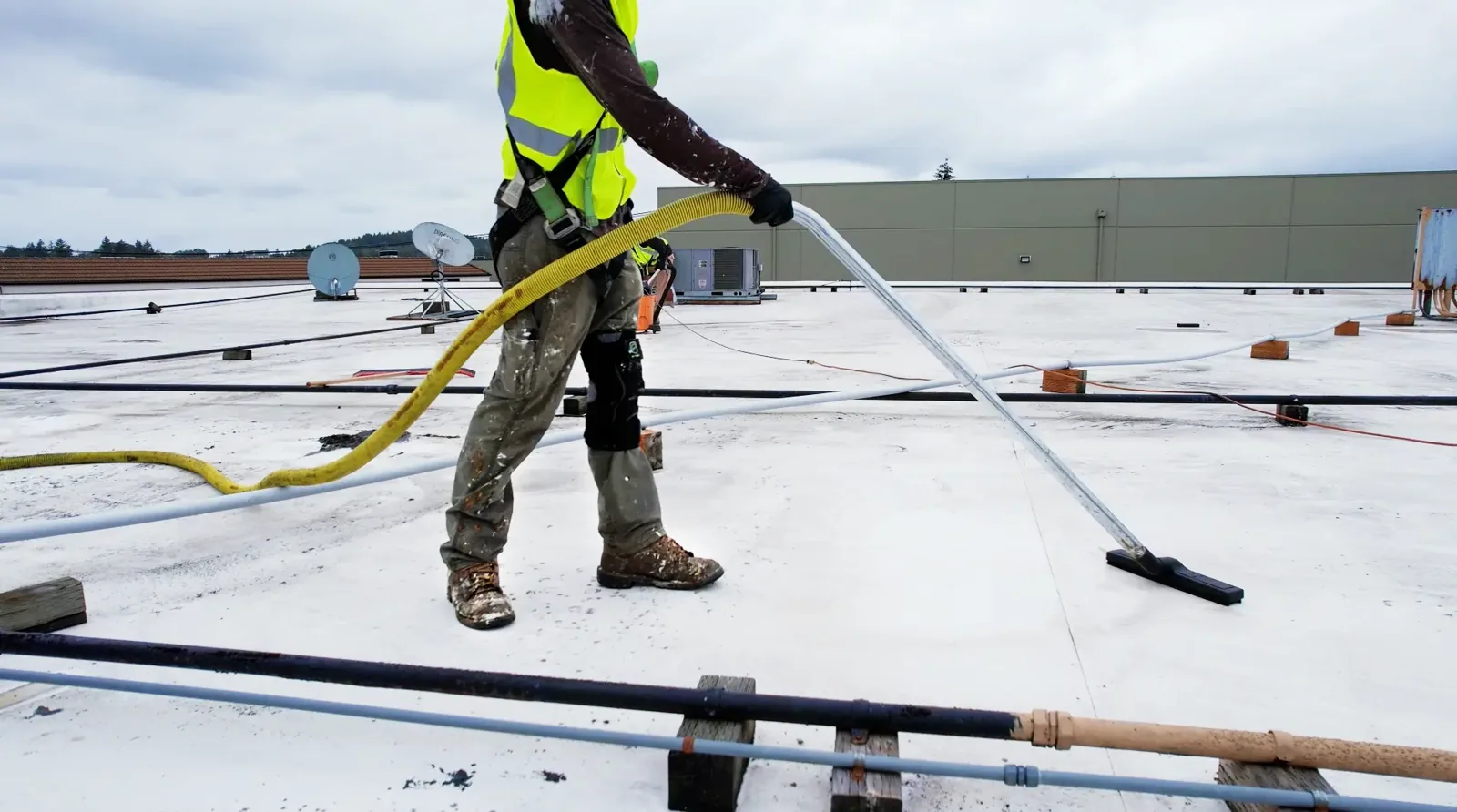
Commercial Roof Condition Reports
Tyler, TX
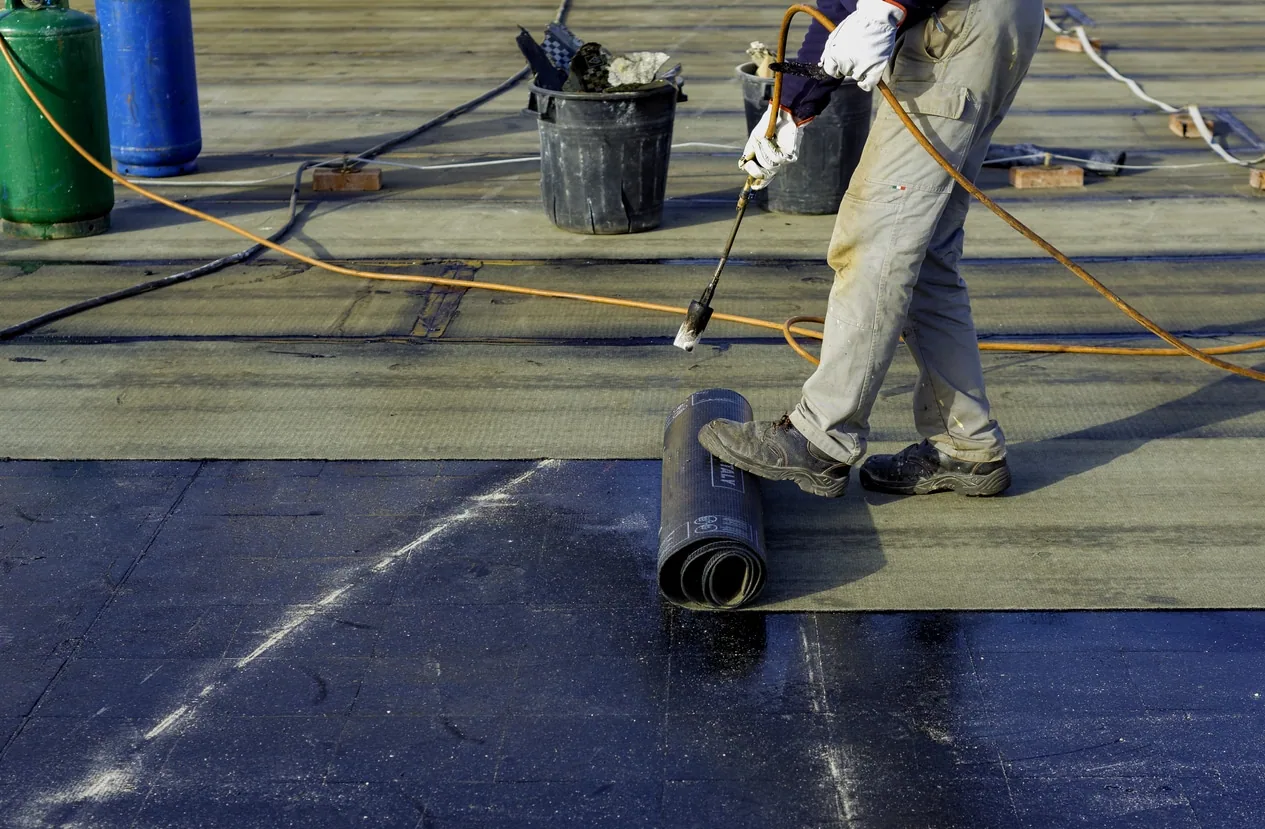
Tyler
Tyler, TX
Set the modified bitumen work package
Provide the roof plan, assembly record, leak history, access window, and decision deadline. We will return a modified bitumen scope with test points, application controls, drainage work, and roof-zone closeout responsibilities for the general contractor.