
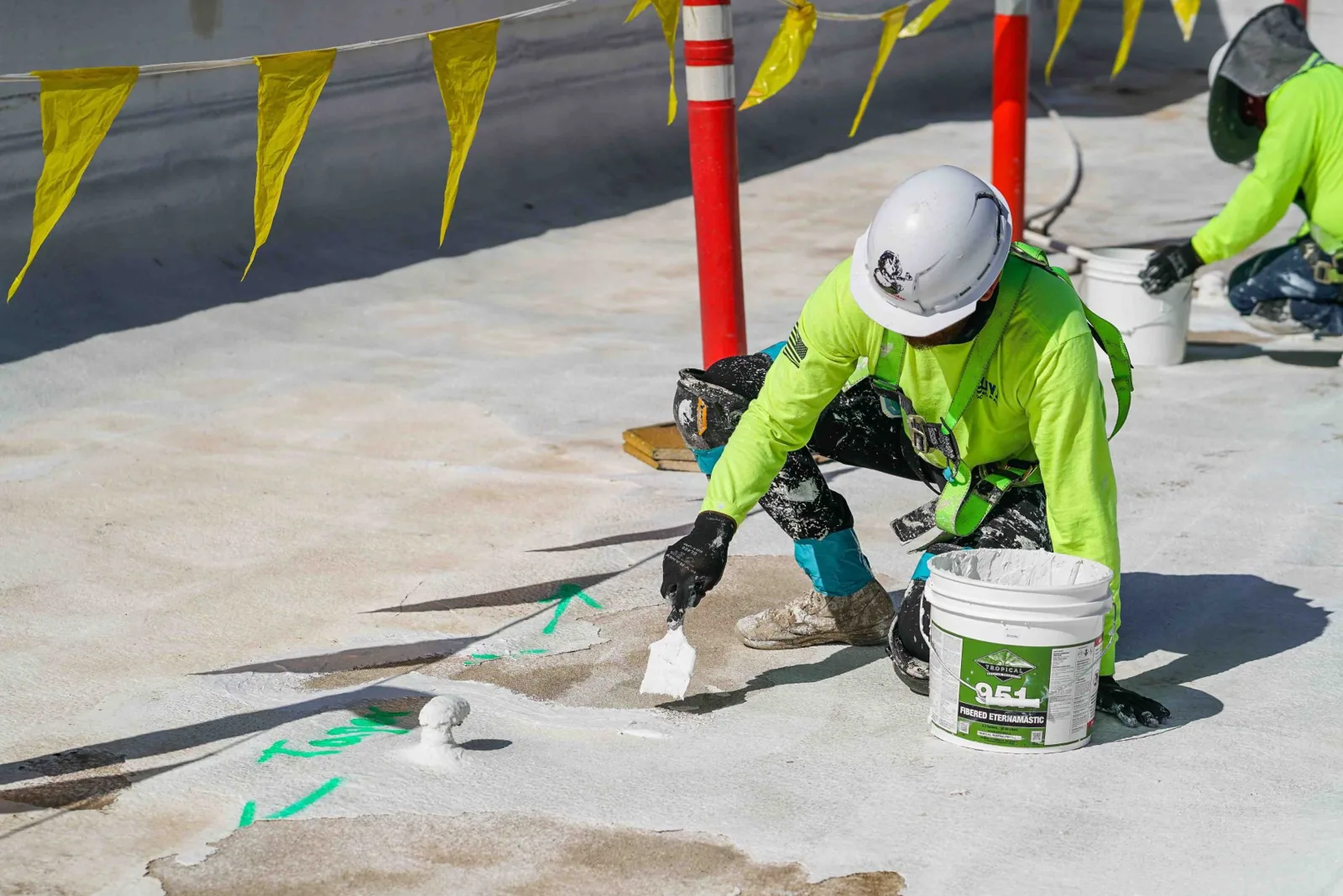
During Tyler’s hottest maintenance window, cleaning, primer, and adhesive steps need a measured release rather than a calendar assumption. Tyler's normal July high averages 94.5°F; we read the substrate, mark the roof zone, and set a hold point before the first maintenance task. That visit maps open seams, drainage restrictions, aging flashings, and prior patches to the work package, giving the general contractor a current record for repair and follow-up.
Maintenance protects the next decision as much as the membrane. In the Tyler Interstate Commerce Park, a multi-property industrial setting makes repeatable records useful; in the Tyler Midtown Area, roof access may need to fit around active healthcare and education operations. We coordinate the current building’s route, safety boundaries, and interior concerns, then connect findings to a hands-on roof inspection or a photo condition report when the owner needs a broader baseline.
Roof-zone priorities
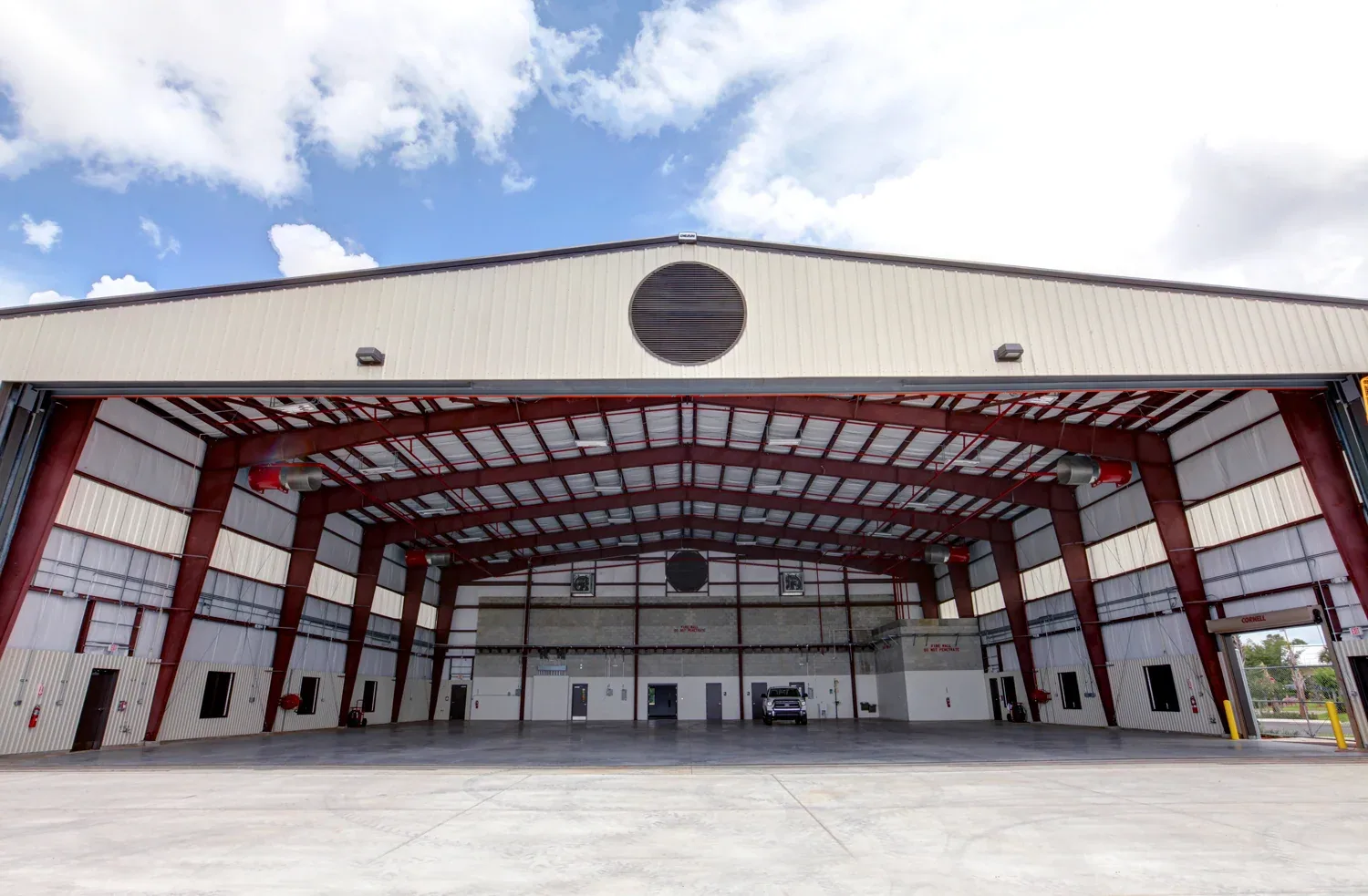
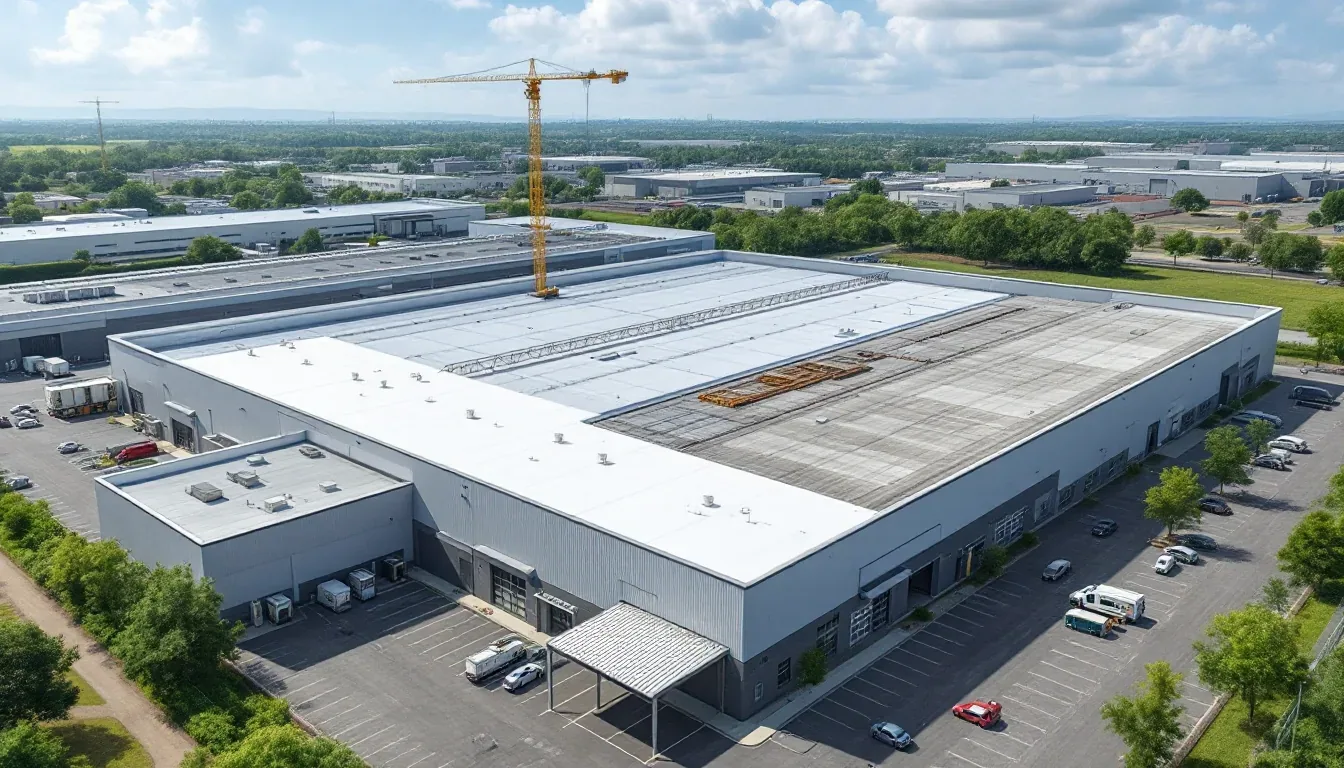
A maintenance visit starts with the roof plan or a field sketch that identifies drains, curbs, expansion joints, wall transitions, and areas with repeated repairs. We match each observation to a location and record whether it needs cleaning, monitoring, a repair detail, or further testing. At a manufacturing or logistics property near I-20, rooftop equipment and service routes can divide the roof into zones with different access windows. The map keeps a small defect from becoming an unbounded instruction to inspect everything again.
We inspect membrane seams for separation, fishmouths, open laps, and failed sealant, then look at penetrations and terminations where multiple materials meet. On metal roofs, loose fasteners, failed washers, displaced closures, and corrosion need a different repair package than a membrane split. We note the system and the limit of visible evidence before recommending material. A targeted repair scope can follow once the assembly, access, and surface preparation requirements are clear.
Heat and storm intervals
Summer heat changes the order of cleaning, priming, and coating work. Tyler's normal July high averages 94.5°F, but sun, wind, roof color, and insulation alter the temperature at the work surface. We measure the substrate and follow the product instructions before releasing adhesion-sensitive work. If the reading or surface condition falls outside the approved range, the crew shifts to inspection, drain clearing, or another work package that does not conceal an incomplete bond.
Large hail and damaging wind can come with spring and autumn thunderstorms across Texas. After a storm, the maintenance visit separates loose edge metal, punctures, displaced rooftop items, and blocked drain paths instead of combining them under one storm note. Tyler also has a recorded tornado event on June 8, 2021, so the inspection plan includes perimeter conditions and debris-related impact points when the property’s exposure calls for it. The date establishes local exposure, not damage to a specific roof.
Drain paths and water control
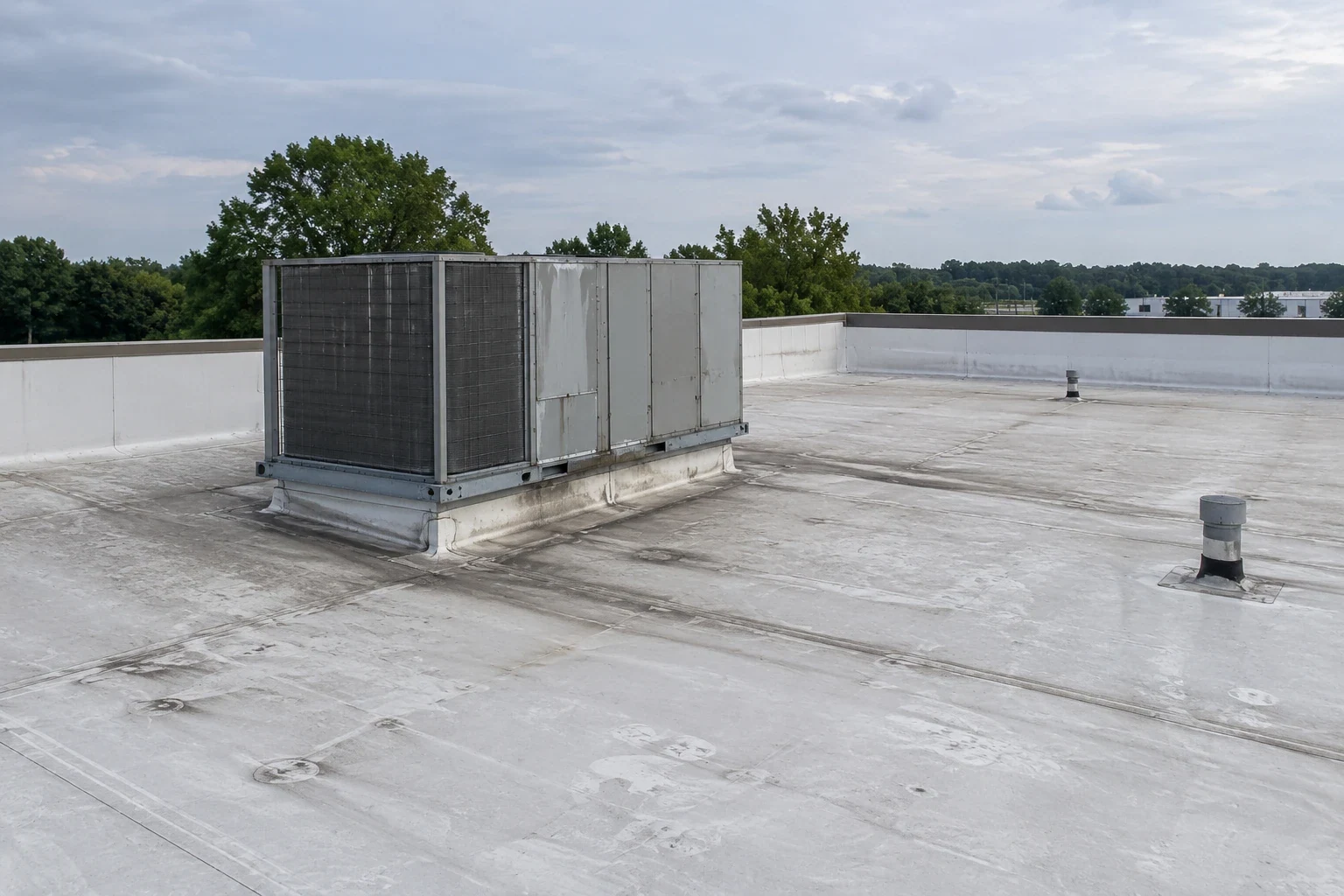
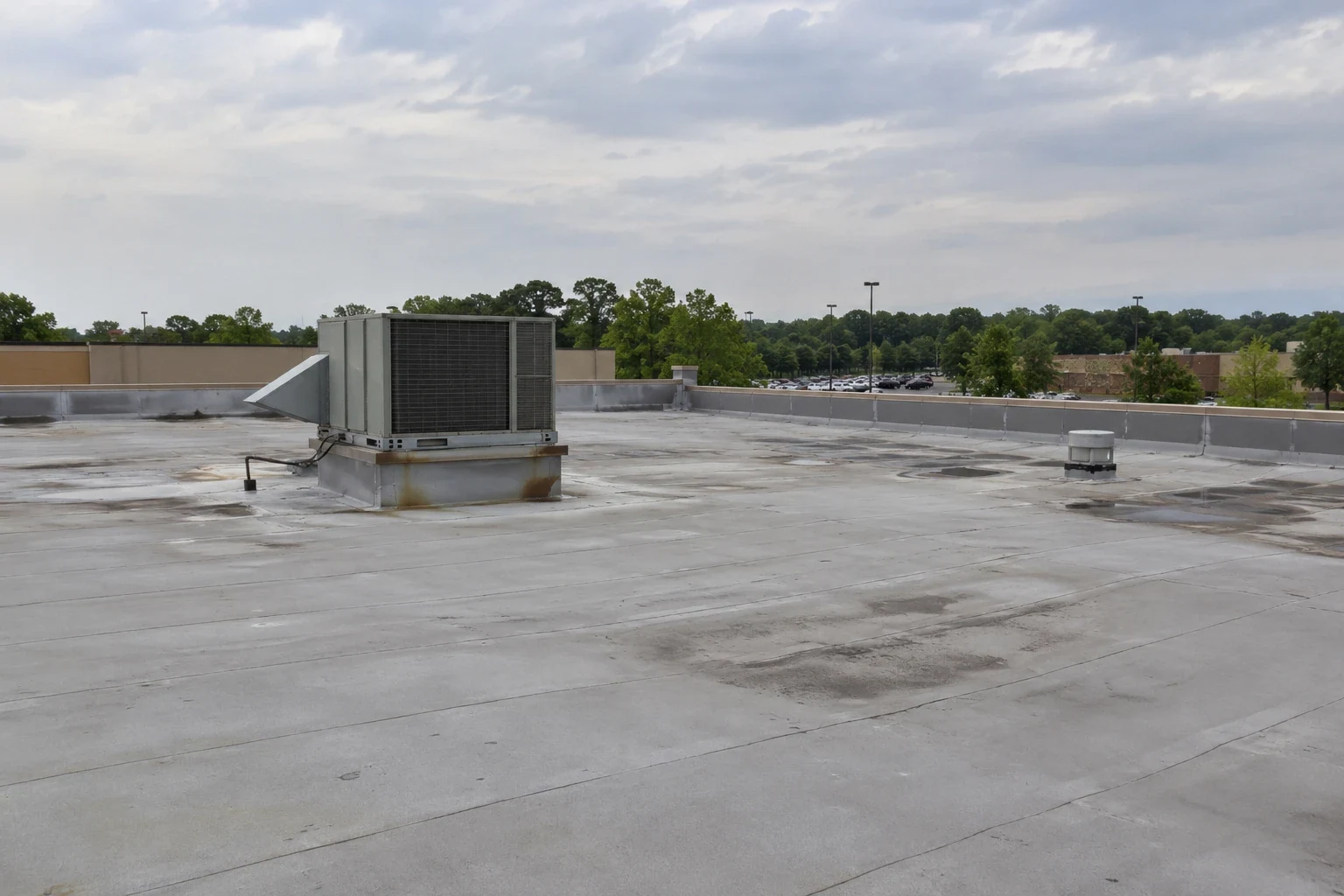
Leaves, packaging, sediment, and roof-gravel can collect at drains or scuppers and slow the route to the outlet. We clear the approved area, check strainers and visible discharge points, and photograph any obstruction that returns between visits. A clogged inlet is not the same finding as a low area that holds water after the rest of the roof clears. We mark both conditions separately so the owner can decide whether to schedule routine cleaning, a drainage correction, or an evaluation of the roof slope.
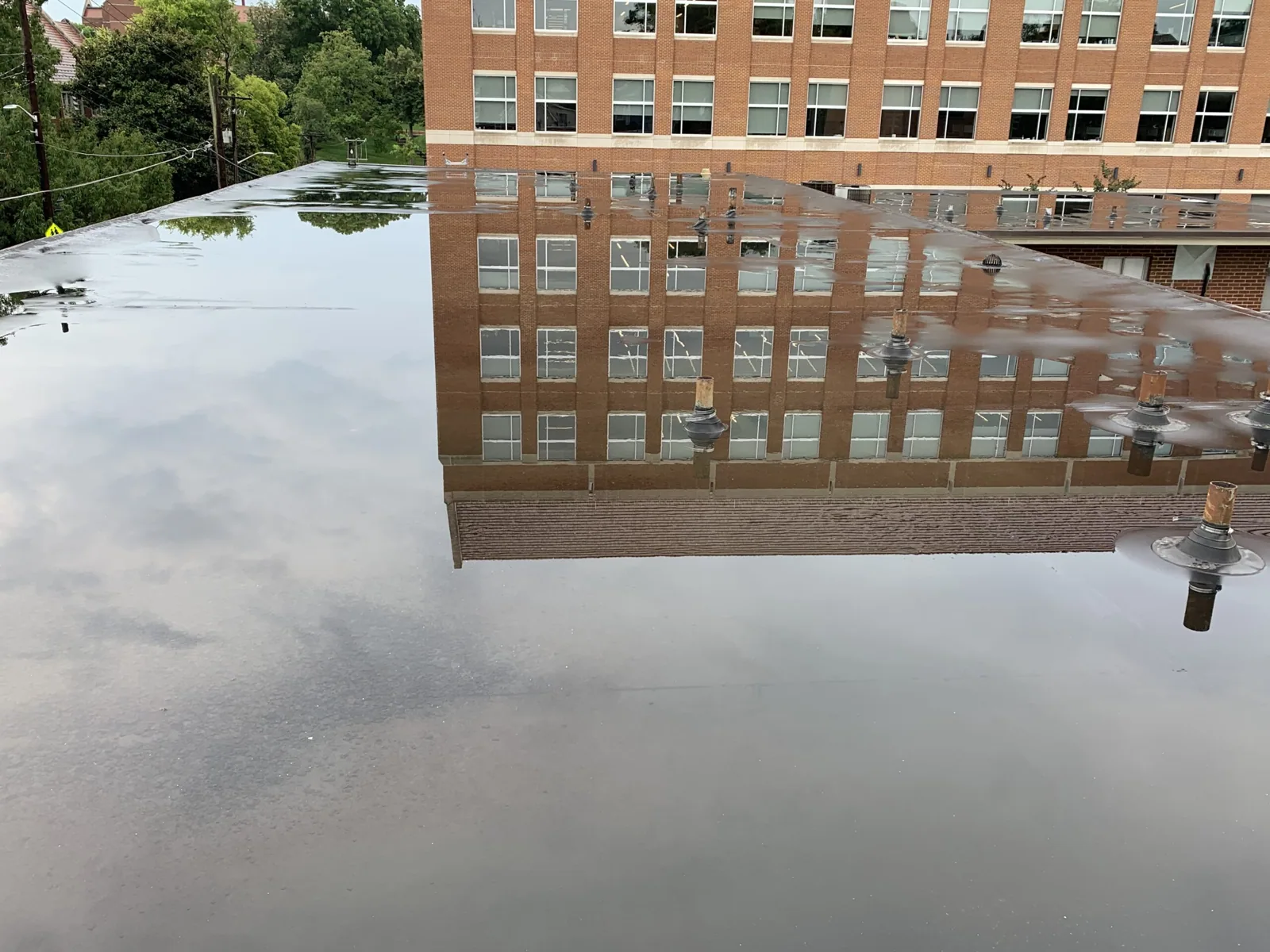
In prolonged wet weather, ponding can add load and stress laps, patches, and insulation. A maintenance record should show where water remained, how long after rain the observation was made, and whether the drain path was open. If the pattern persists, a ponding-water evaluation can compare local repair with broader correction. We may recommend a drain and scupper scope when strainers, bowls, leaders, or overflow routes need separate access and pricing.
Repair windows and release points
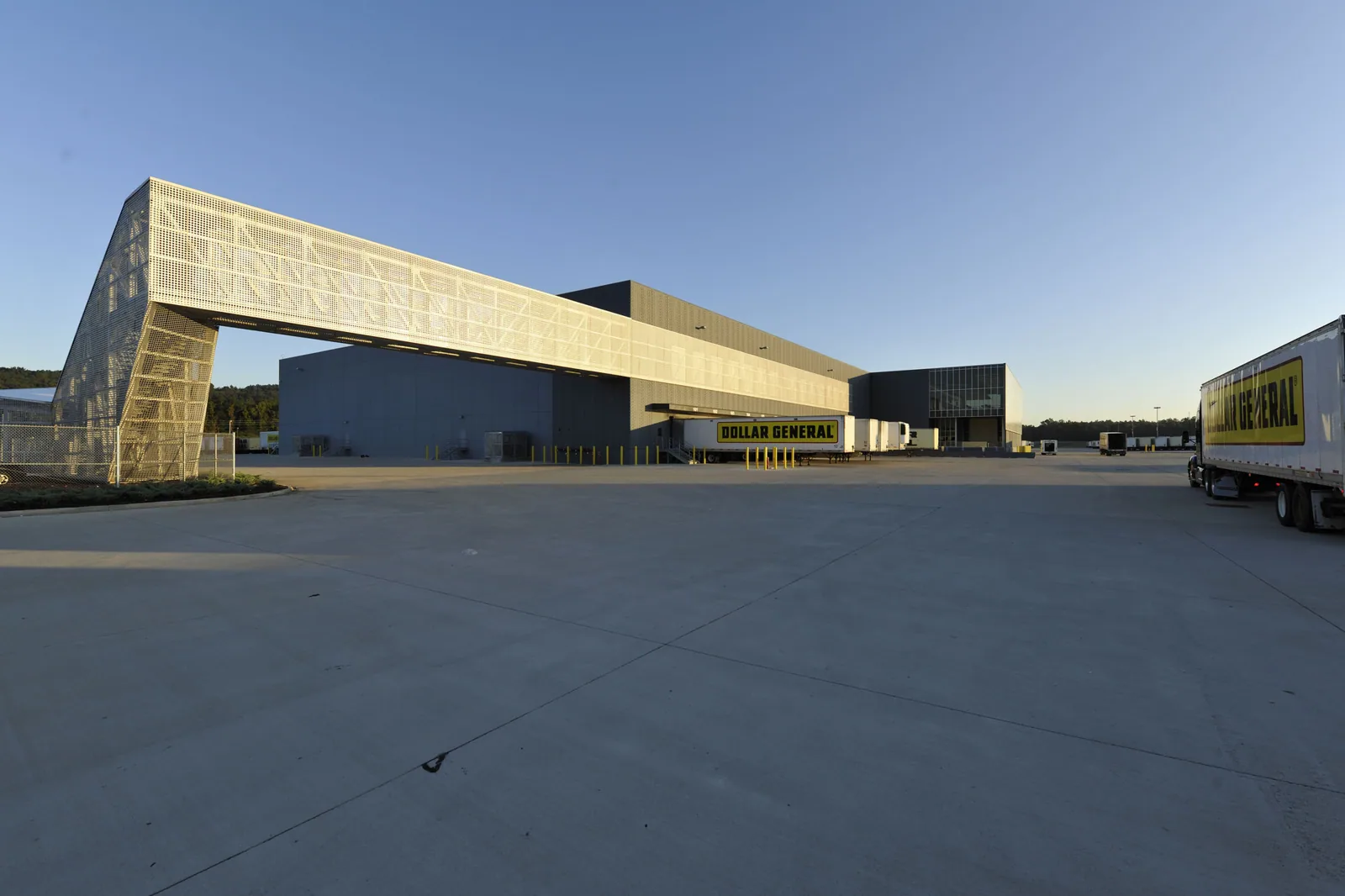
A useful maintenance plan sorts work by consequence and dependency. An open seam near an active leak path may need an earlier repair than a worn but intact coating; a drain correction may need to precede membrane work nearby. We label each item with the observed condition, proposed action, material or test requirement, roof-zone boundary, and approval hold point. That sequence lets the general contractor release one area while keeping unrelated work out of the first package.
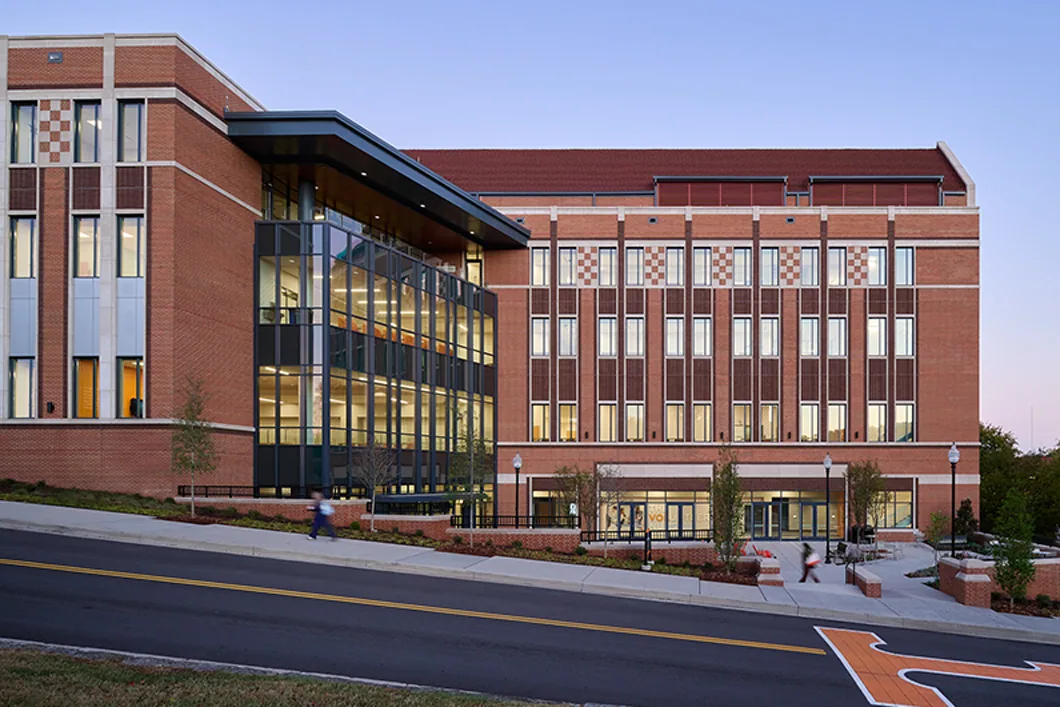
Occupied buildings add limits on staging, noise, deliveries, and access above sensitive rooms. The daily plan names the area released, the crew handoff, interior protection requirements, and the exposed-section closeout before the team leaves that zone. In Tyler Midtown, healthcare and education uses are part of the area’s documented role, but the schedule still comes from the individual property contact. A phased access plan can make those constraints visible before materials arrive.
Maintenance records for the next bid
Each visit should add a dated photo set, roof-zone map, completed repair list, and open items with a responsible decision owner. We distinguish a cleaned drain from a repaired drain, a monitored seam from a sealed seam, and a suggested test from an authorized opening. That distinction helps the next estimator understand what was found and what was actually changed. For a multi-building portfolio, consistent zone labels allow separate properties to be compared without treating their roof assemblies as identical.
The record also captures weather at the visit, substrate readings where the material step requires them, and any access area the crew could not enter. A future reviewer can see why a repair moved, whether a temporary closeout was used, and which approval remains open. If planned work turns into a replacement decision, a roof replacement comparison can use the maintenance history alongside current testing. A Tyler roof program should preserve the original observations rather than overwrite them with a later condition.
Crew handoff and closeout
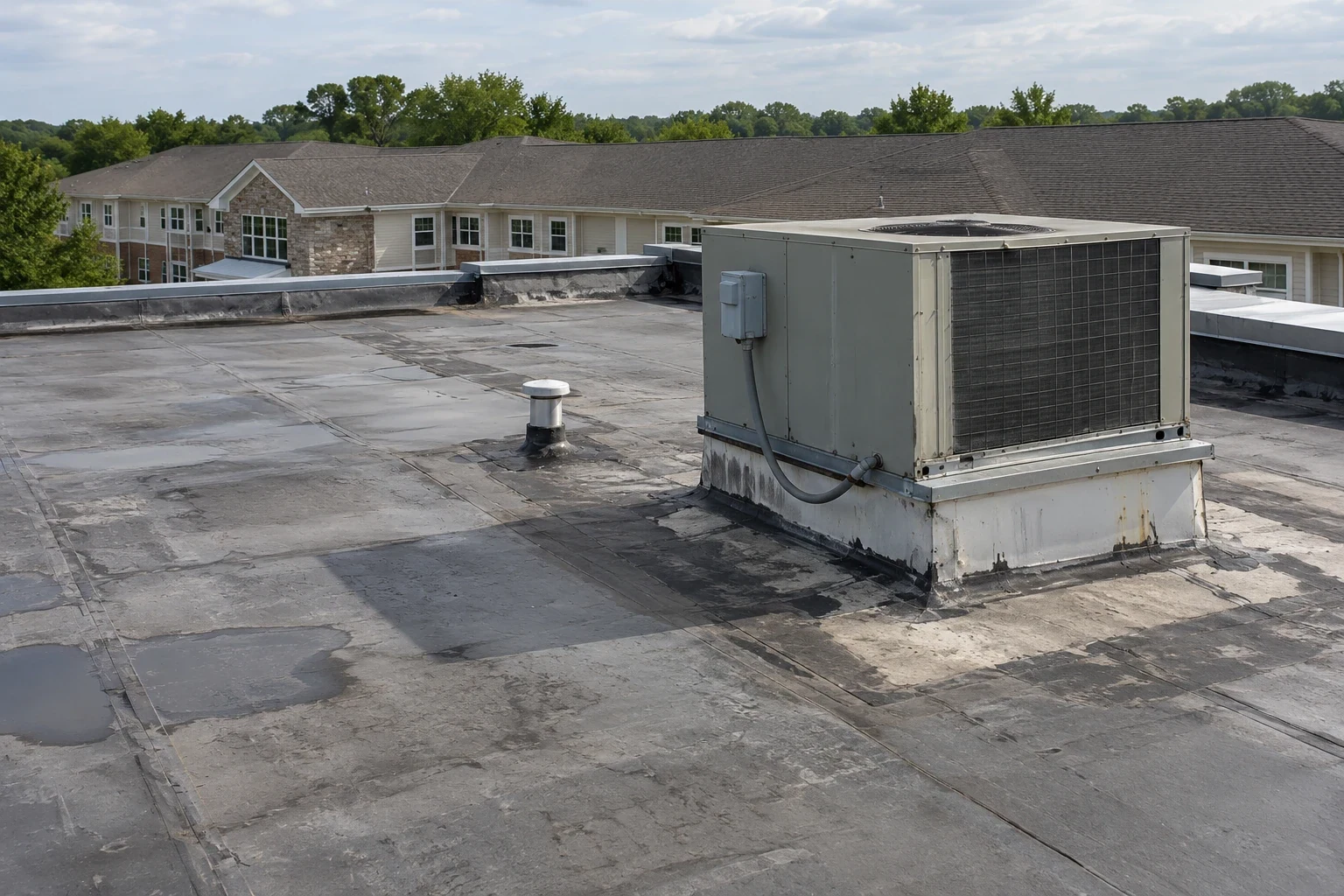
Before a zone is closed, we check repaired details, remove loose debris, confirm the visible drain route, and document any remaining opening or temporary measure. The handoff notes what was completed, what needs curing or another inspection, and who authorizes the next access period. An exposed section gets a defined closeout even if a weather delay changes the planned sequence. The record should identify the material and location so a later crew does not have to infer what lies beneath a patch.
Commercial Roofing Questions
Which roof findings belong in the next maintenance visit?
Start with open water paths, loose or split details, repeated patches, blocked outlets, and areas where the same issue has returned. We record each location and assign a repair, cleaning, monitoring, or testing step. The next visit can then close the open items and preserve the rest of the roof map.
Does a Tyler summer visit require different coating timing?
Tyler's normal July high averages 94.5°F, which is context, not a surface measurement. We check the substrate and follow the coating maker’s temperature and preparation requirements before releasing that work. If the roof is outside the usable range, the crew can take measurements or handle a separate approved task while the coating zone waits.
How should we handle a drain that repeatedly backs up?
We first separate debris at the inlet from a low area, damaged bowl, or downstream restriction. The visit records the condition and checks the accessible route. If clearing does not resolve the ponding pattern, we price the appropriate correction or further evaluation as its own work package.
Can maintenance continue after hail or high wind?
A post-storm visit can document visible impact, displaced edges, punctures, and drainage obstructions. We identify any opening that needs immediate protection and plan permanent repair after confirming the affected assembly and approved work area. Damage scope remains tied to observed conditions at that property.
What information should the contractor include in the maintenance request?
Send the roof plan, available assembly records, recent leak locations, known access limits, operating hours, and decision date. We return a route and zone list, test points where needed, proposed repairs, and the hold points that require approval before the crew continues.
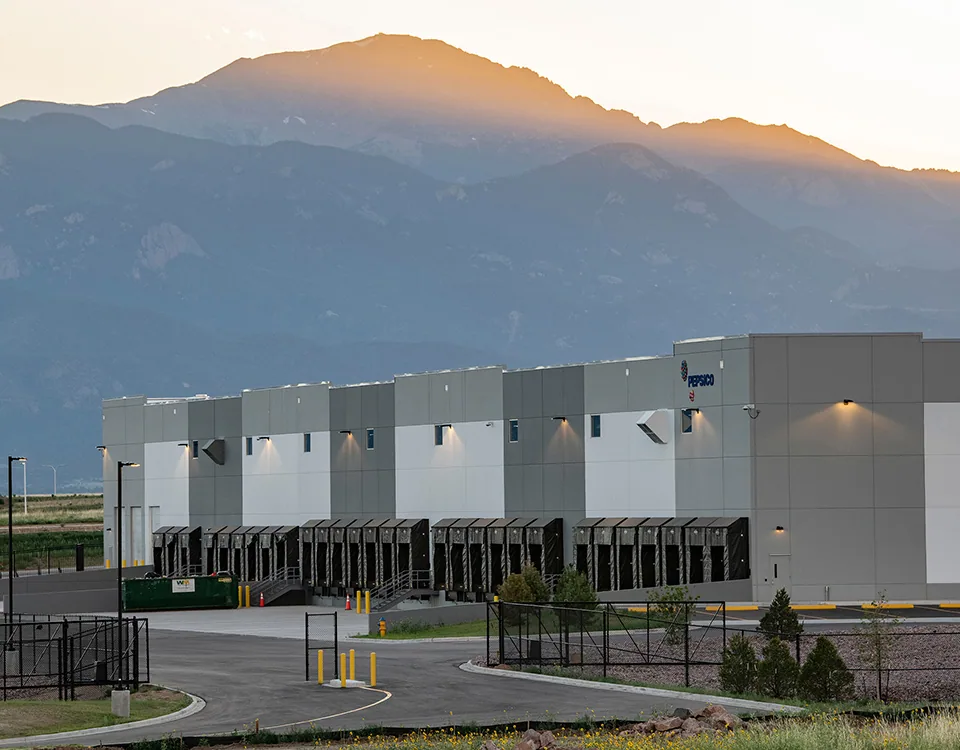
Related Pages
Commercial Roof Inspection
Tyler, TX
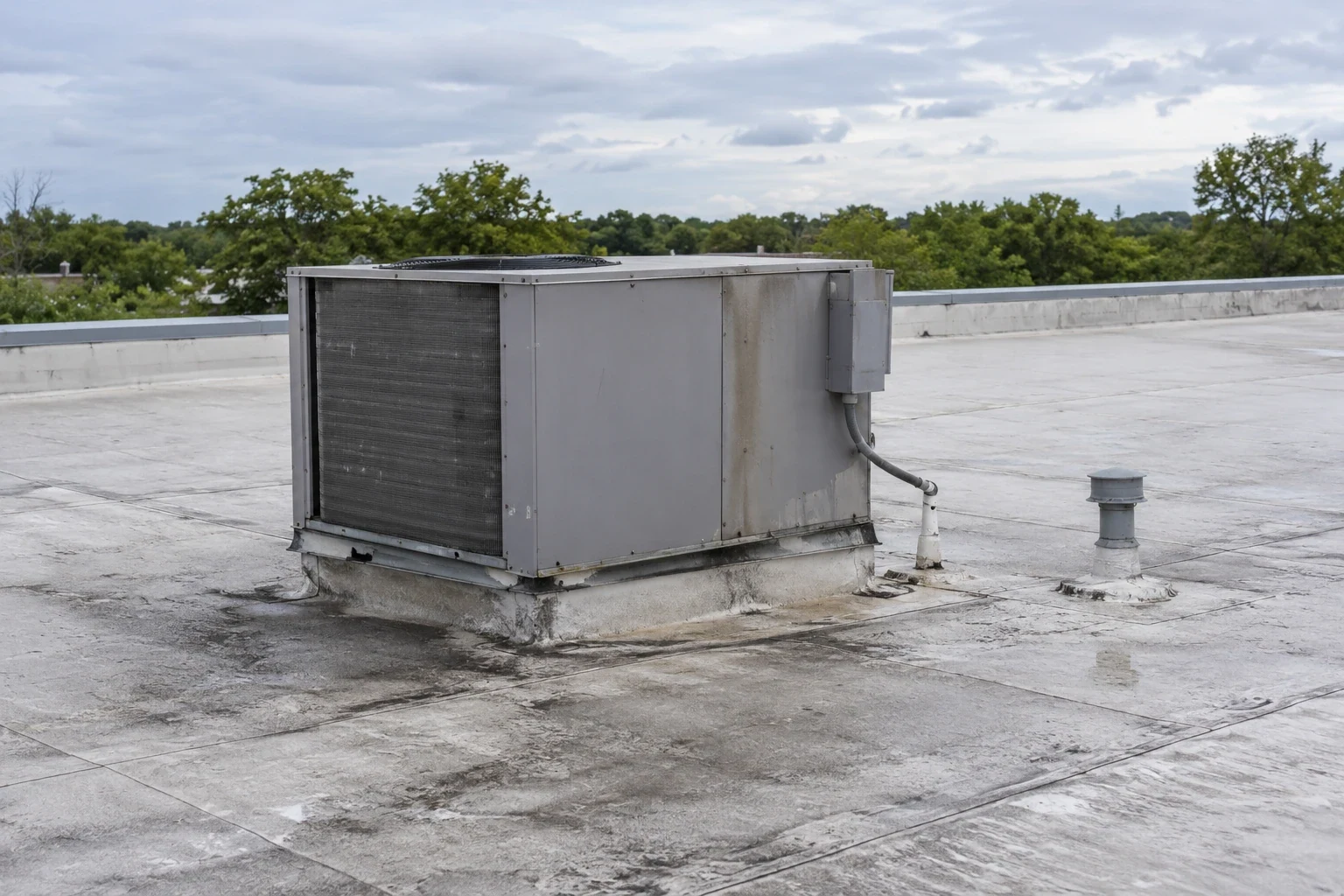
Commercial Roof Condition Reports
Tyler, TX
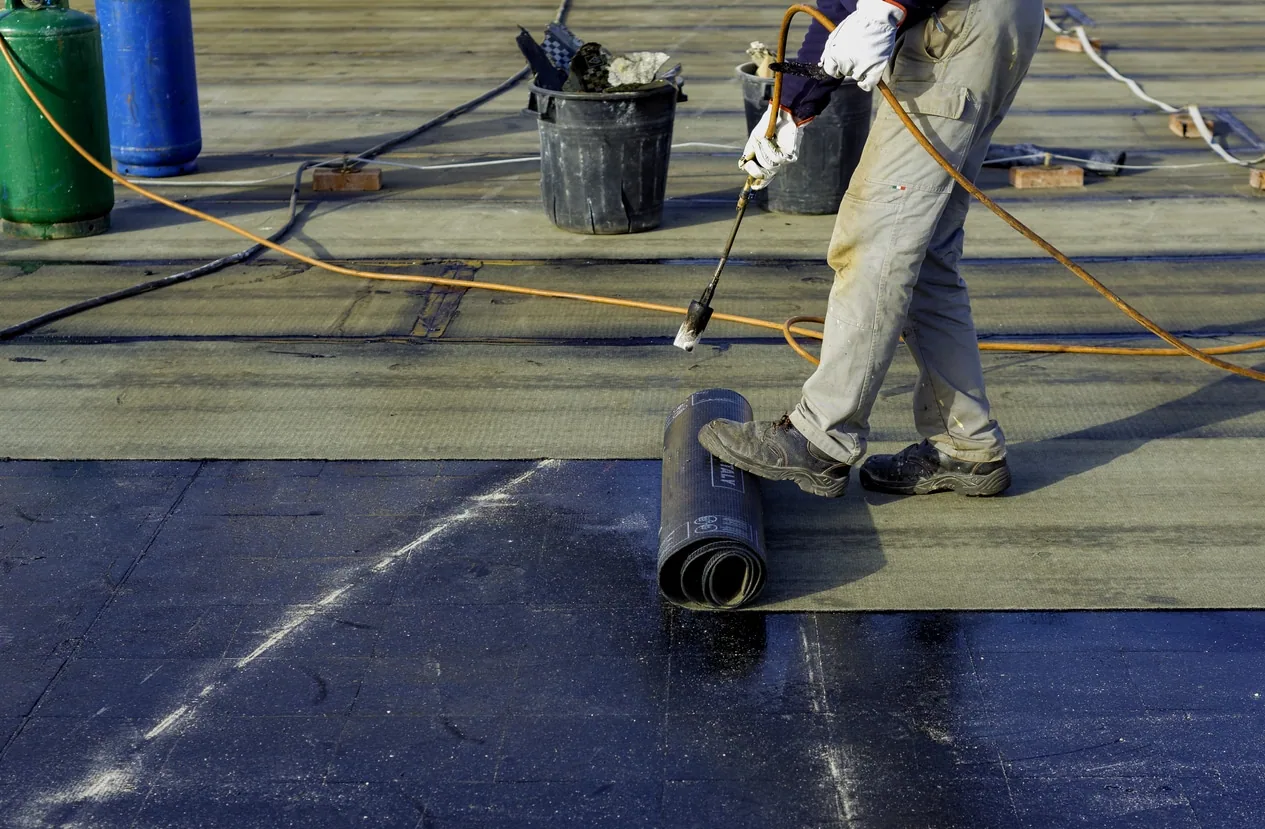
Commercial Roof Repair
Tyler, TX
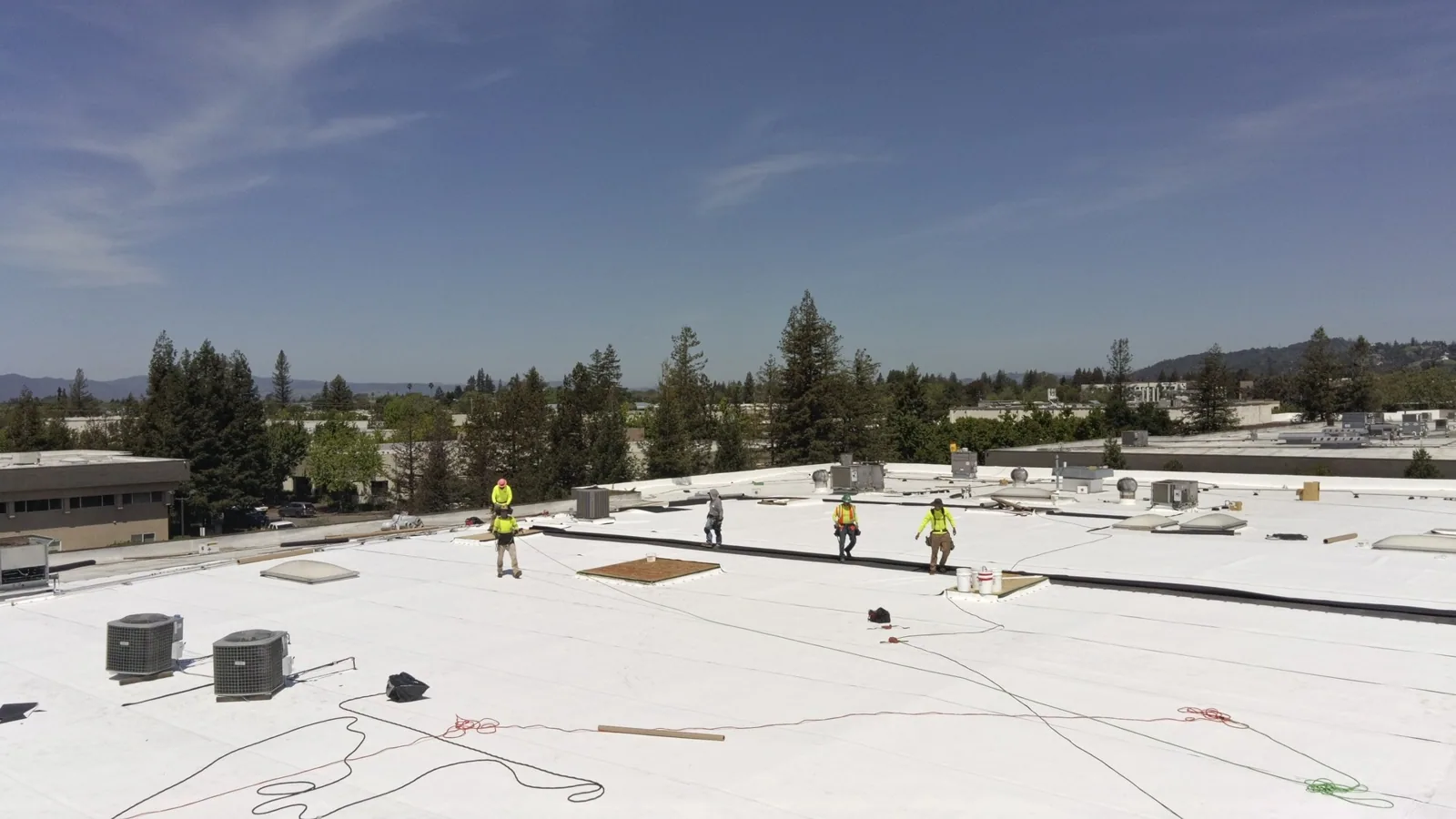
Ponding Water Roof Repair
Tyler, TX
Set the next roof-zone release
Share the roof plan, assembly records, recent leak history, access window, and decision deadline. We will return a maintenance sequence with priority zones, test points, repair packages, and open hold points.