
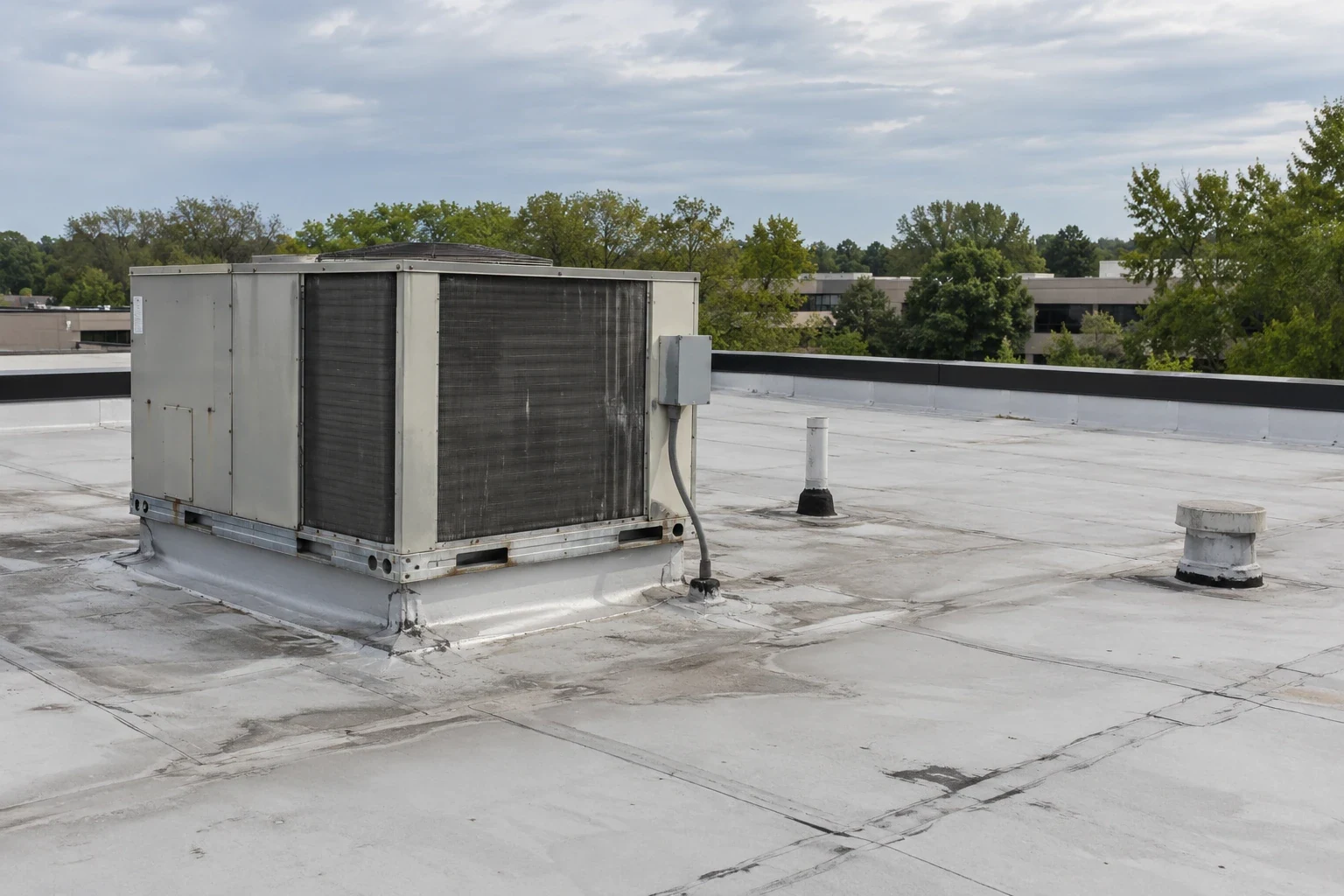
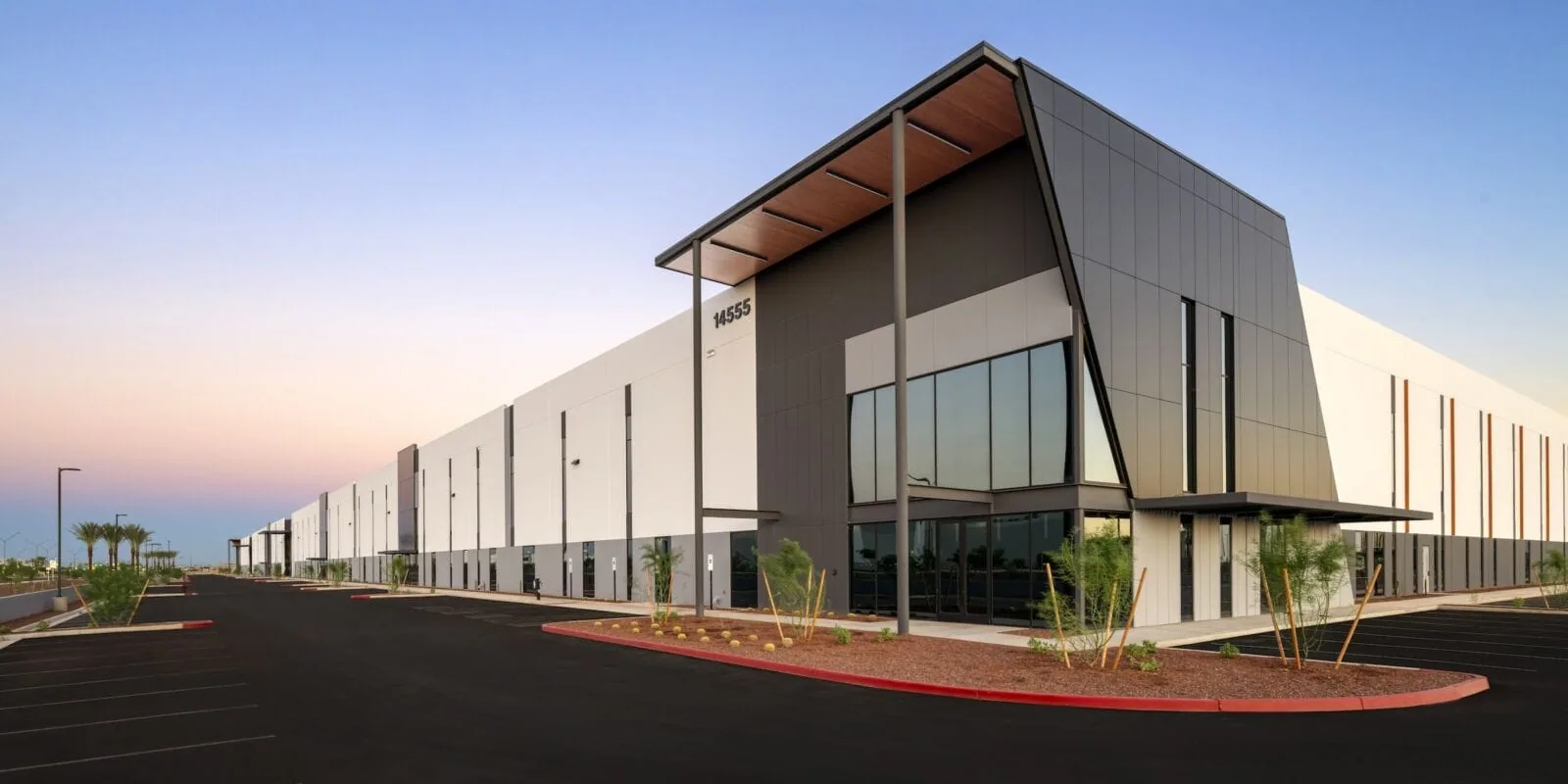
A manager overseeing several Tyler assets needs roof findings that stay separate by building but can still be compared at budget review. Tyler’s normal July high is 94.5°F; for adhesion-sensitive work, we read the receiving surface at that asset and check the selected product’s instructions. We connect each work zone to tenant access, approval authority, known leaks, assembly records, and the contact who can accept a changed scope. A GC roof coordination and multi-site logistics roofing can use those property-specific boundaries. Our Tyler commercial roofing work begins with the portfolio list and current operating limits.
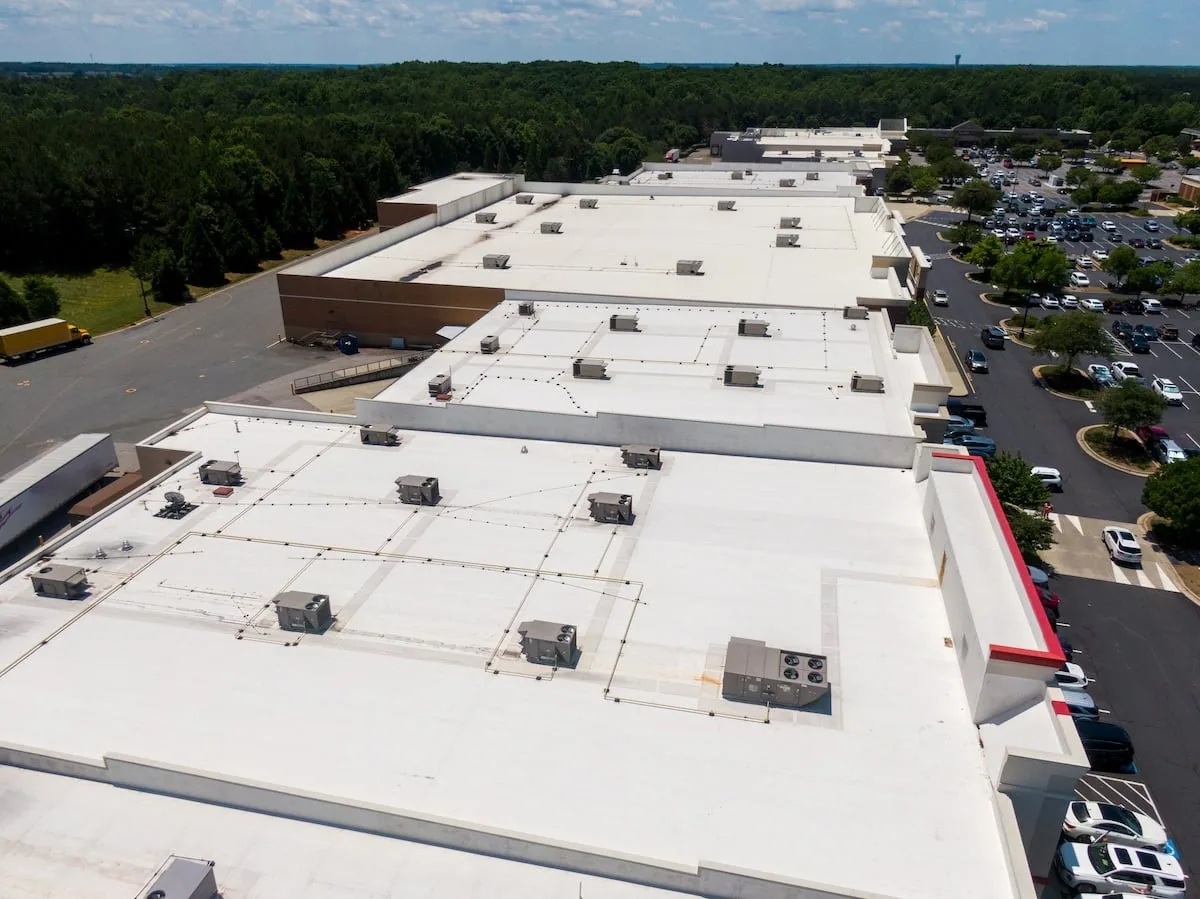
A managed portfolio can include offices, industrial buildings, and service properties with different roof details and access constraints. A written condition report identifies the building, zone, observed defect, and next decision. That makes it easier to separate an urgent opening from maintenance that can be scheduled later. Each property receives its own findings, even when the owner wants a consolidated view of roof condition and capital needs.
Portfolio records and roof zones
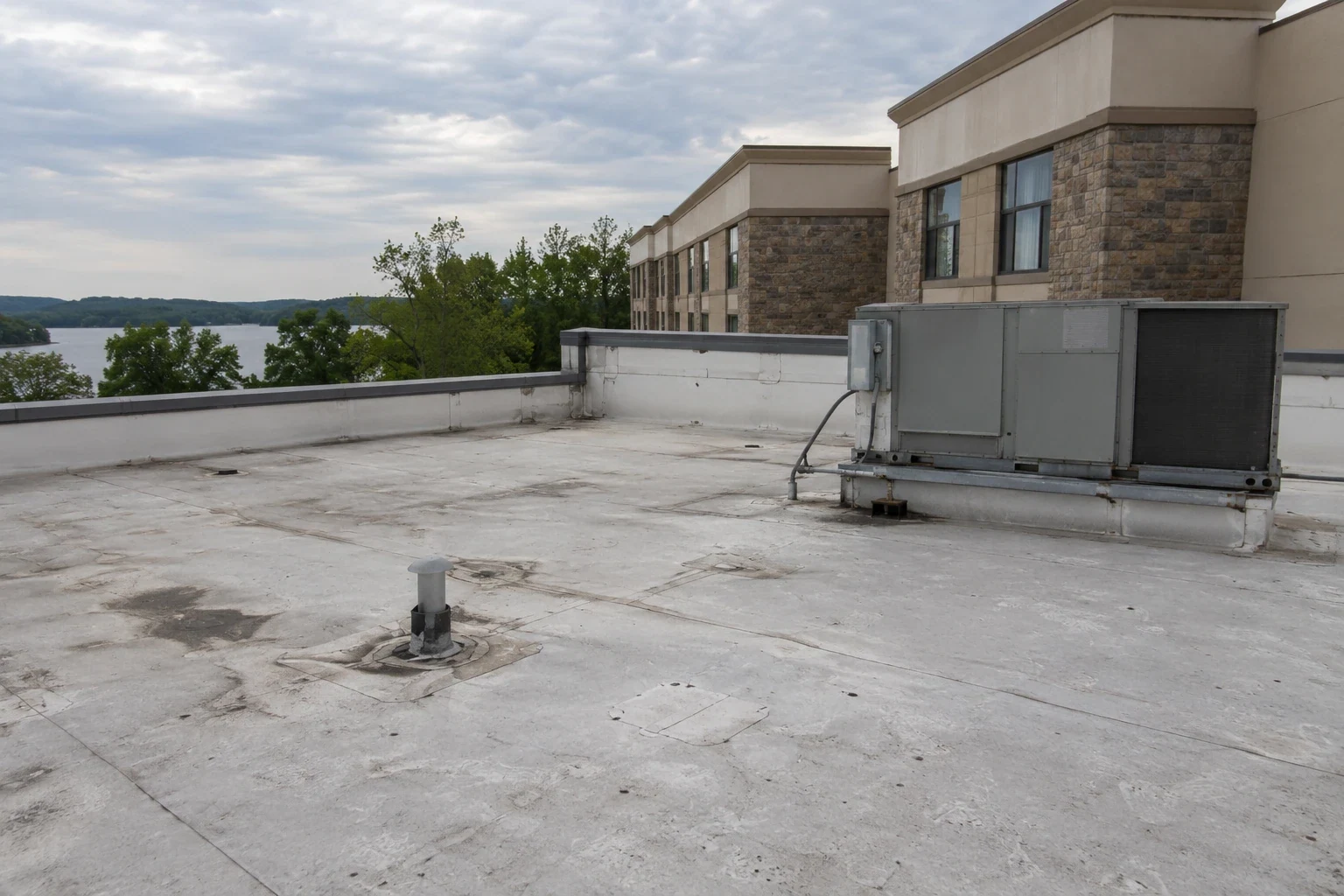
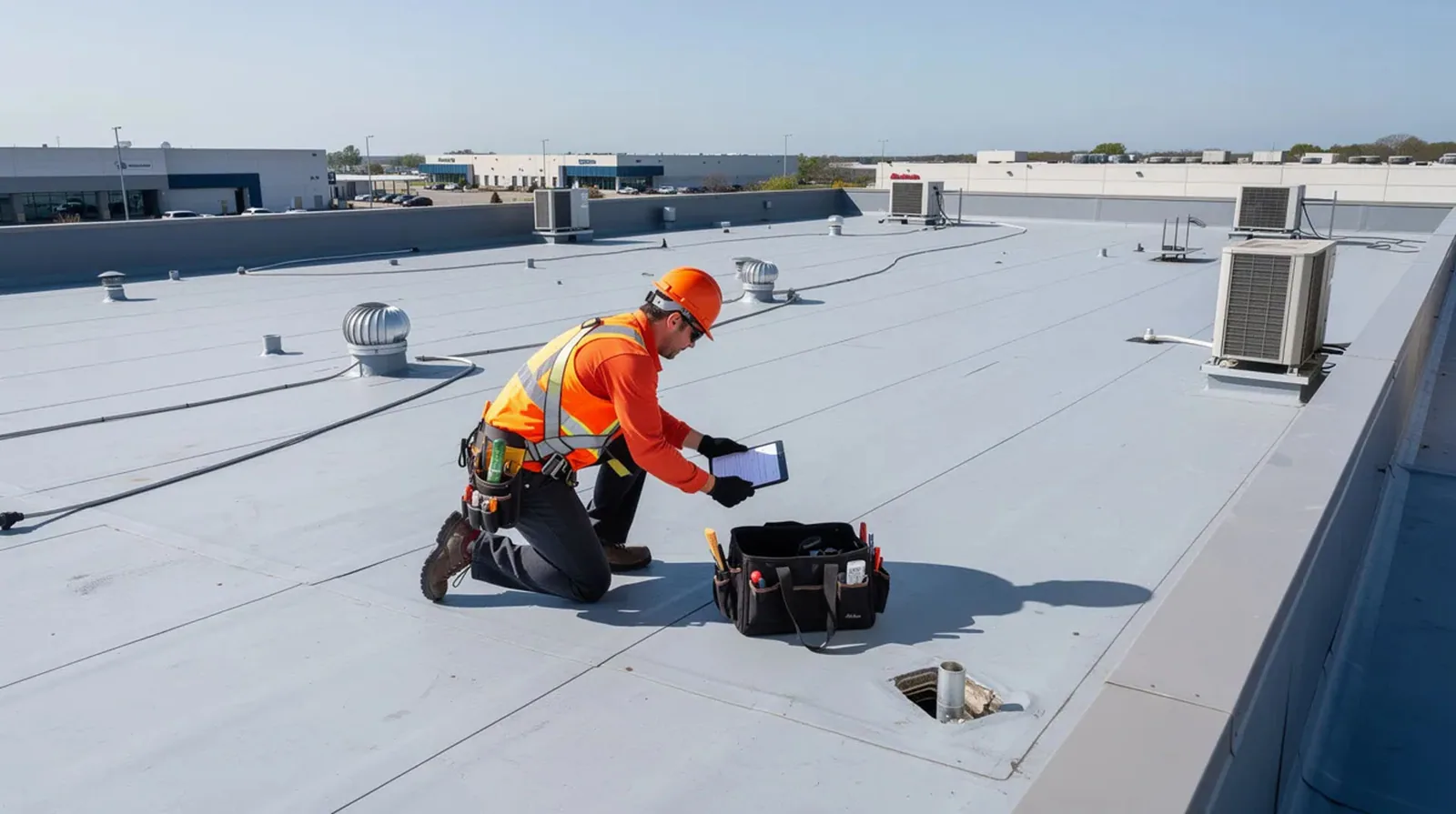
A portfolio spreadsheet is useful only when its roof entries describe comparable things. We record the assembly where it can be identified, the visible condition, active leak reports, drainage concerns, and access restrictions for each address. A property with a membrane repair need should not be ranked beside a metal-edge issue as though both represent the same work package. The roof asset record can retain photographs and inspection dates while keeping confirmed defects distinct from conditions that still need testing.
Properties in a regional portfolio may have different penetrations, edge details, and operating constraints; we confirm each assembly and use on site. We map repairs to roof zones rather than applying one allowance across every building. A moisture pattern may justify selective test cuts, while sound areas may remain in service. The resulting condition report gives the asset manager a record to carry into approvals, tenant coordination, and future maintenance without implying that a single observation settles every assembly.
Tenant access and occupied work
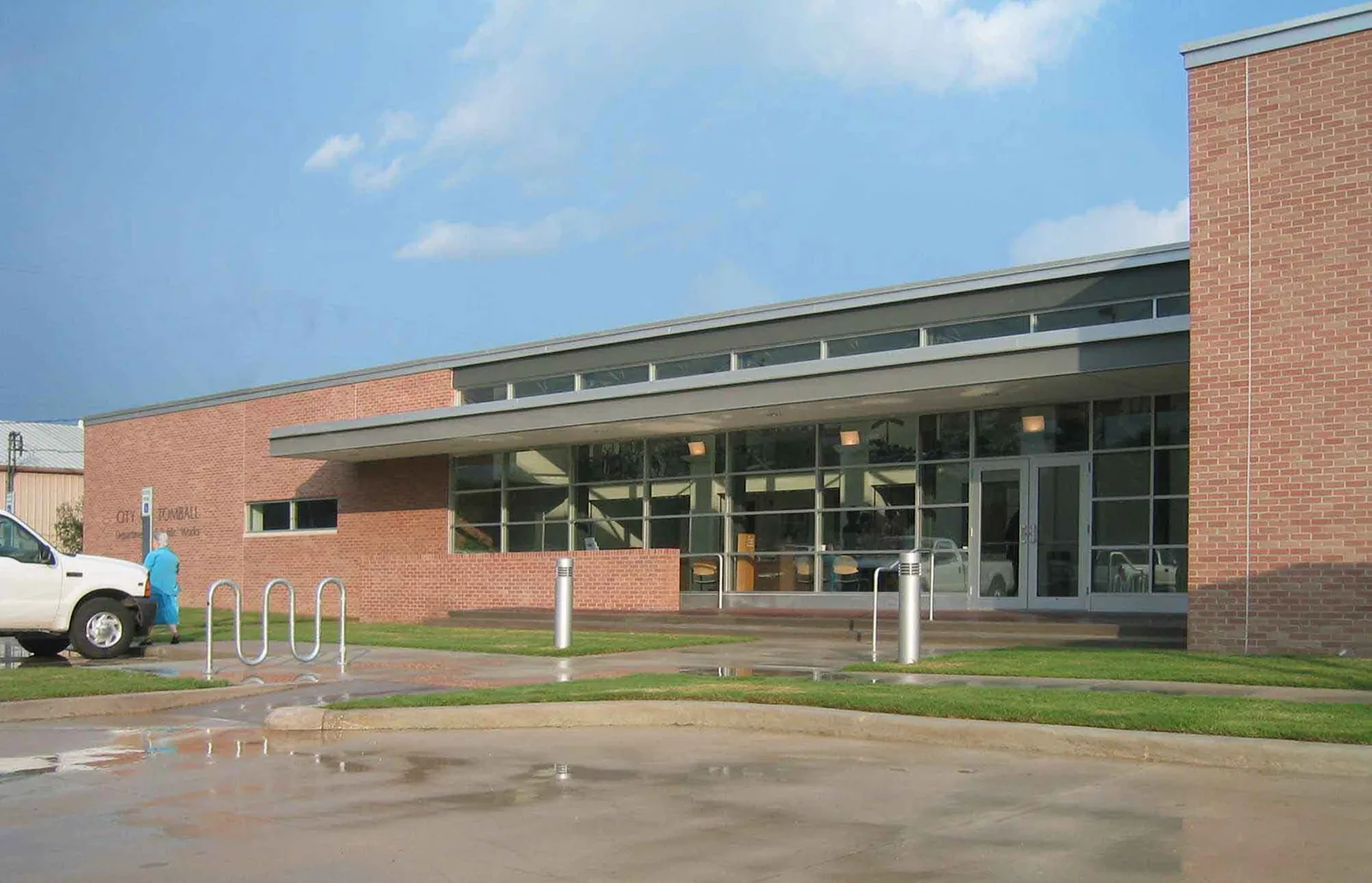
Access can be the first constraint on an occupied property. A crew may need a roof hatch key, escort, lift reservation, loading-area closure, or notice before work above a tenant’s room. We list those dependencies with the proposed zone and ask who can release the area. When an office stays open below a repair, the sequence accounts for interior protection, noise, material movement, and a path to close the roof before the crew leaves.
On South Broadway, commercial traffic and signal coordination shape how a manager plans deliveries and site visits. The corridor itself does not determine a property’s access rules, so we confirm the actual gate, loading schedule, roof entry, and tenant contact. A phased occupied-building reroof can move through defined areas while other portions remain under operation. The daily handoff states which zone is complete, what protection remains, and who has authority to reopen the next work area.
Heat windows and storm findings
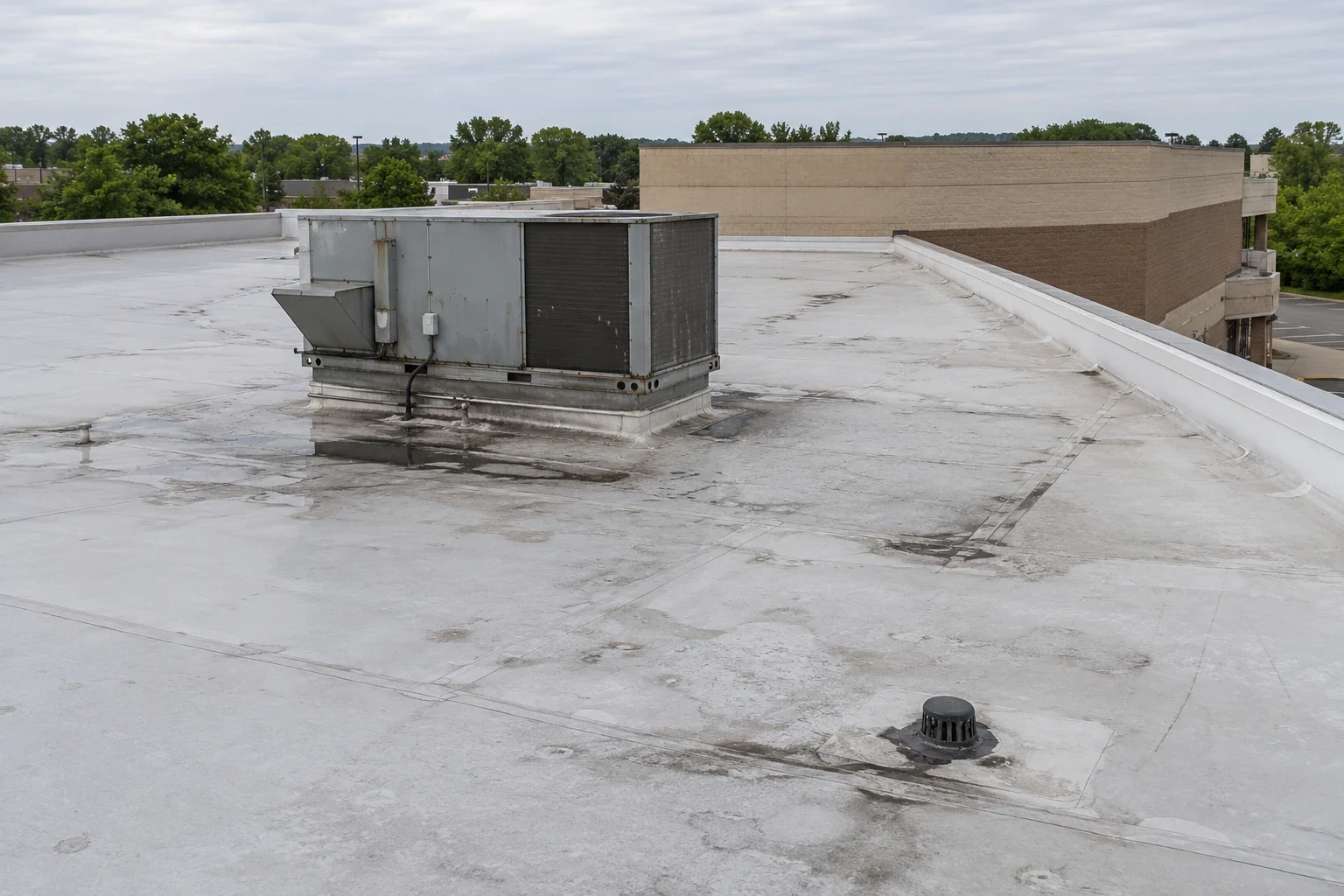
For bonding, coating, or a heat-sensitive flashing detail, we test the actual work face against the selected product’s limits. A shaded curb and an open roof field can call for separate release decisions. The log identifies the measured location, product step, and condition needed before that building’s next release. If the operation must wait, that building’s record names the protected boundary, drain check, revised work window, and reinspection point.
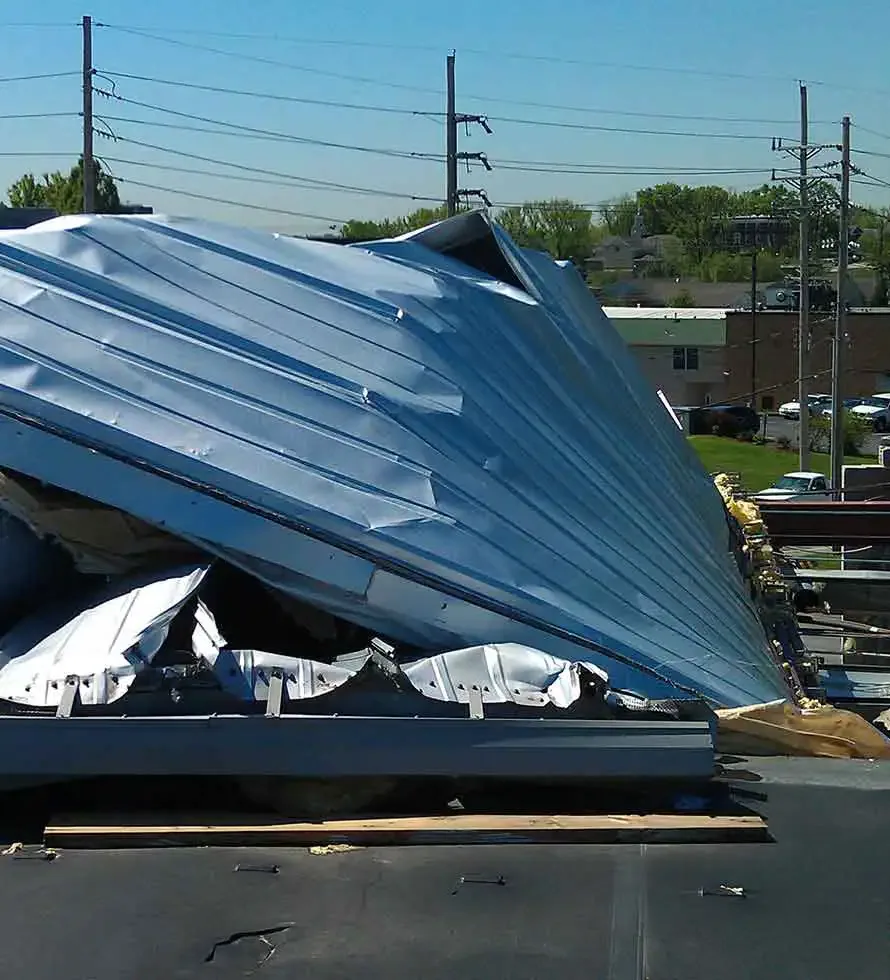
Spring and autumn severe thunderstorms can bring large hail and damaging winds across this part of Texas, and Tyler has a documented tornado on June 8, 2021. Following a storm, we distinguish new impacts from existing wear through photographs, seam and edge checks, and targeted testing where a result would change the scope. A hail assessment can support an owner’s next decision, while separate reports preserve the condition of unaffected zones.
Repair choices and approval gates
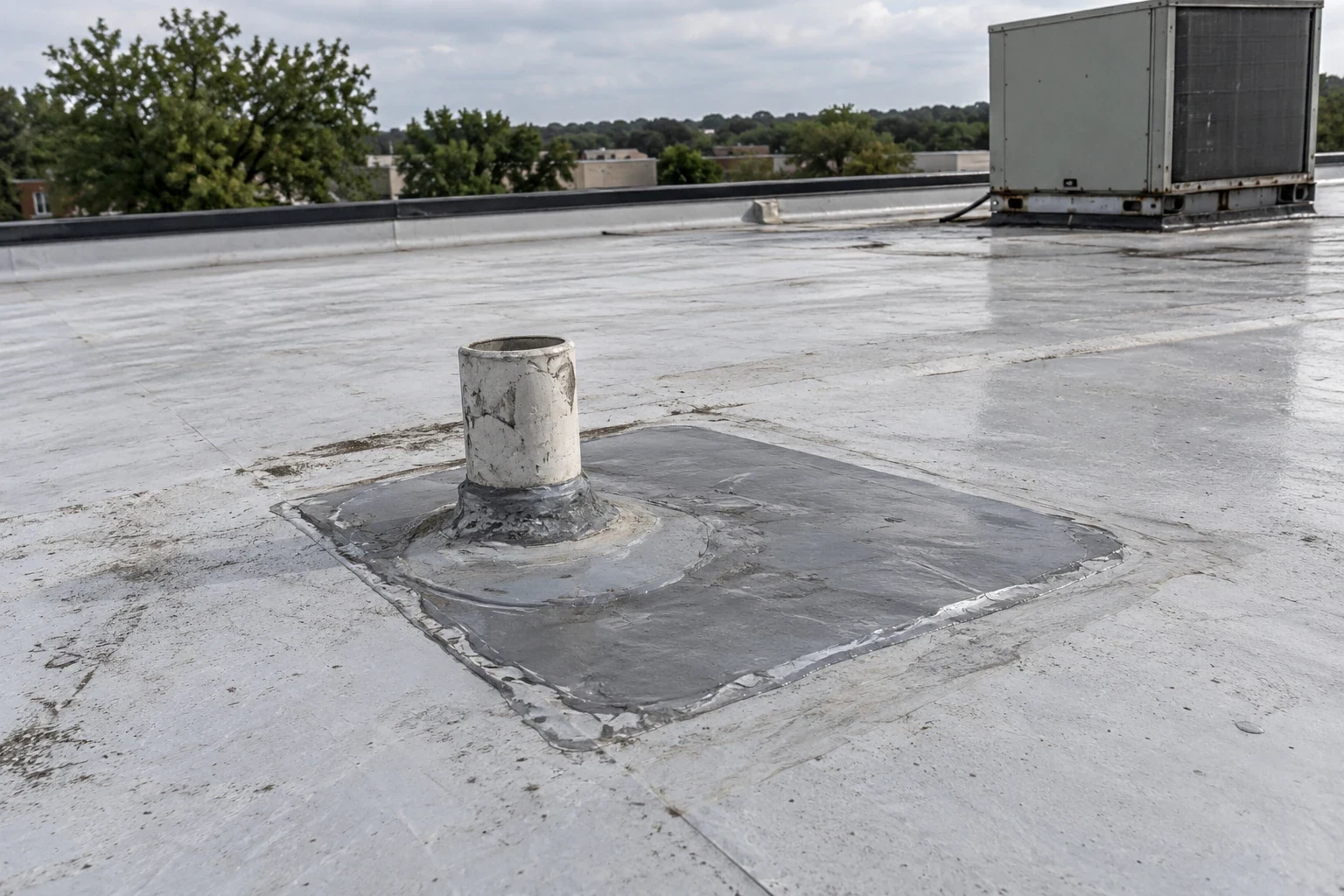
A localized seam split or flashing failure may be repairable when adjacent membrane and supporting layers remain suitable. We identify the repair boundary, preparation, compatible materials, and any test needed before the permanent detail closes. If moisture extends into insulation or a deck condition appears, selective opening can change the removal quantity. The property manager receives a clear distinction between work already authorized and an additional task that requires owner approval.
For a larger roof, the choice may include repair, recover, restoration, or replacement. A recover depends on the existing assembly’s moisture, attachment, compatibility, and system limits. Repeated failures or widespread wet insulation can favor removal to a sound base. Cost and schedule move with removal depth, deck work, insulation, edge details, rooftop equipment, and access windows. The inspection record helps compare those choices by zone, with open tests and hold points shown before a portfolio capital plan is approved.
Drainage, closeout, and records
A blocked drain can leave water at a low point, but clearing debris does not resolve a damaged drain bowl or a depression in the assembly. We check the outlet, overflow route, nearby seams, and roof slope, then document whether the finding is maintenance, repair, or a test point. During a weather delay, the exposed section needs a secure boundary, open drain path, and named next inspection. The closeout is part of the work package rather than a note to reconstruct later.
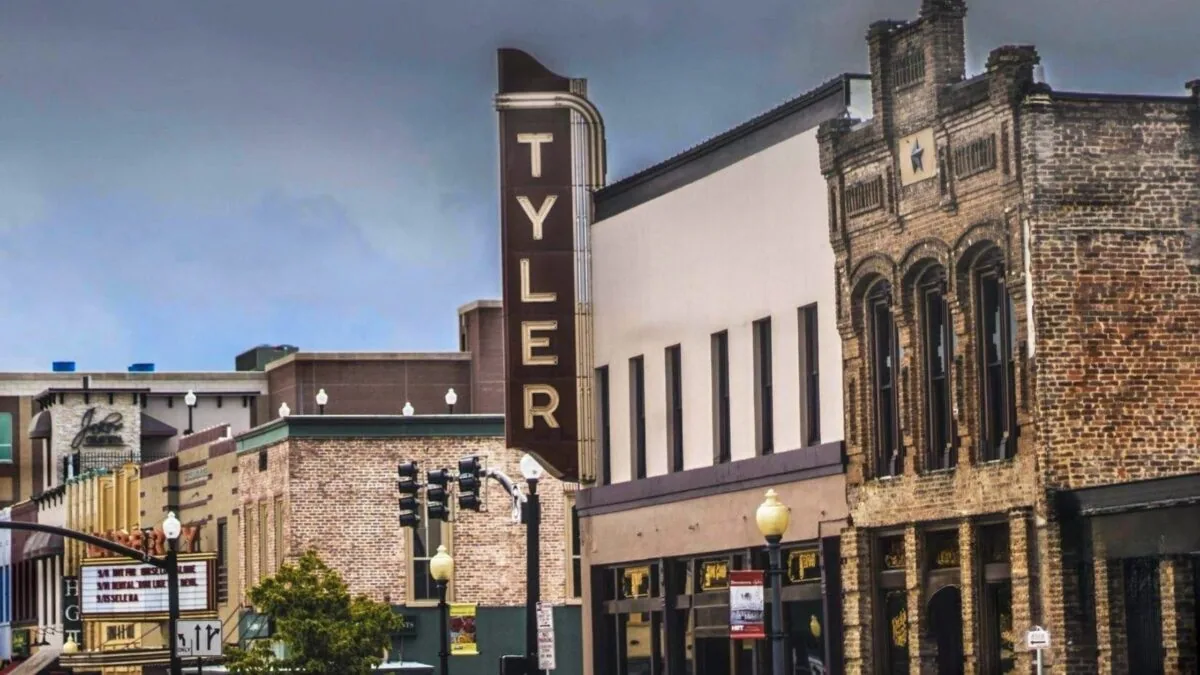
Tyler Interstate Commerce Park sits by I-20 at the SH 155 interchange, while FM 2493 links Tyler with Gresham, Flint, and Bullard. Those regional corridors can affect travel planning, but a site contact still sets the property's access release and tenant restrictions. A maintenance program can carry completed repairs into recurring drain and flashing checks. We return a zone log, photographs, remaining observations, and a crew handoff so the manager can reconcile completed work with the portfolio record.
Commercial Roofing Questions
What should a portfolio roof record include?
Start with the property, assembly if known, roof-zone map, photographs, active leak reports, drain locations, and access rules. We add observed defects, tests completed, and work still awaiting authorization. That keeps the capital decision tied to an identifiable condition instead of a general roof label.
Can repairs proceed while tenants remain in the building?
Occupied work can be sequenced when access, interior protection, noise limits, and operating routes are agreed. We define the work area and daily closeout before releasing the crew. A tenant restriction or unsafe access condition can change the sequence and should be recorded with the affected zone.
How do Tyler’s summer conditions affect scheduling?
The local July normal high is 94.5°F, which makes actual surface temperature and product instructions relevant for adhesion-sensitive steps. We read the substrate at the work area and schedule those operations within the permitted window. Weather delay and temporary protection are recorded if the zone cannot close as planned.
When does a recurring repair become a replacement question?
Repeated seam or flashing failure, widespread wet insulation, or deteriorated support can change the economics of another patch. We map confirmed conditions and any needed test cuts, then compare repair with recover or replacement by roof zone. The approval package identifies removal and concealed-condition assumptions before scope expands.
What information helps coordinate a multi-property job?
Provide the address list, roof plans, assembly records, tenant contacts, access instructions, known leaks, and each owner’s approval path. We return a sequence with planned zones, hold points, and a closeout record for each property. Different buildings keep separate findings while shared planning can group suitable work windows.
Related Pages
Set the next portfolio release
Send the Tyler property list, roof plans, assembly records, current conditions, access windows, and approval contacts. We will return zone-based findings, open tests, and a sequenced plan for repairs or capital work.