

July heat changes the release order for commercial roof work in Tyler, TX. The normal July high is 94.5°F, useful scheduling context but not a reading from the membrane or deck. Before adhesion-sensitive repairs or coating work, we check product limits, actual substrate temperature, and the roof zone that can be safely prepared. That gives the general contractor a clear test point before the next crew handoff.
Tyler’s business targets span advanced manufacturing, corporate services, information technology, and regional headquarters; none defines a particular building’s use or roof condition. The roof plan for an office property may call for a different access window than a production or service building, even when both have similar visible symptoms. We inspect the assembly, drainage, edge details, and prior repairs, then separate immediate water control from testing and capital work. A roof inspection can establish the condition record before the team releases a repair scope.
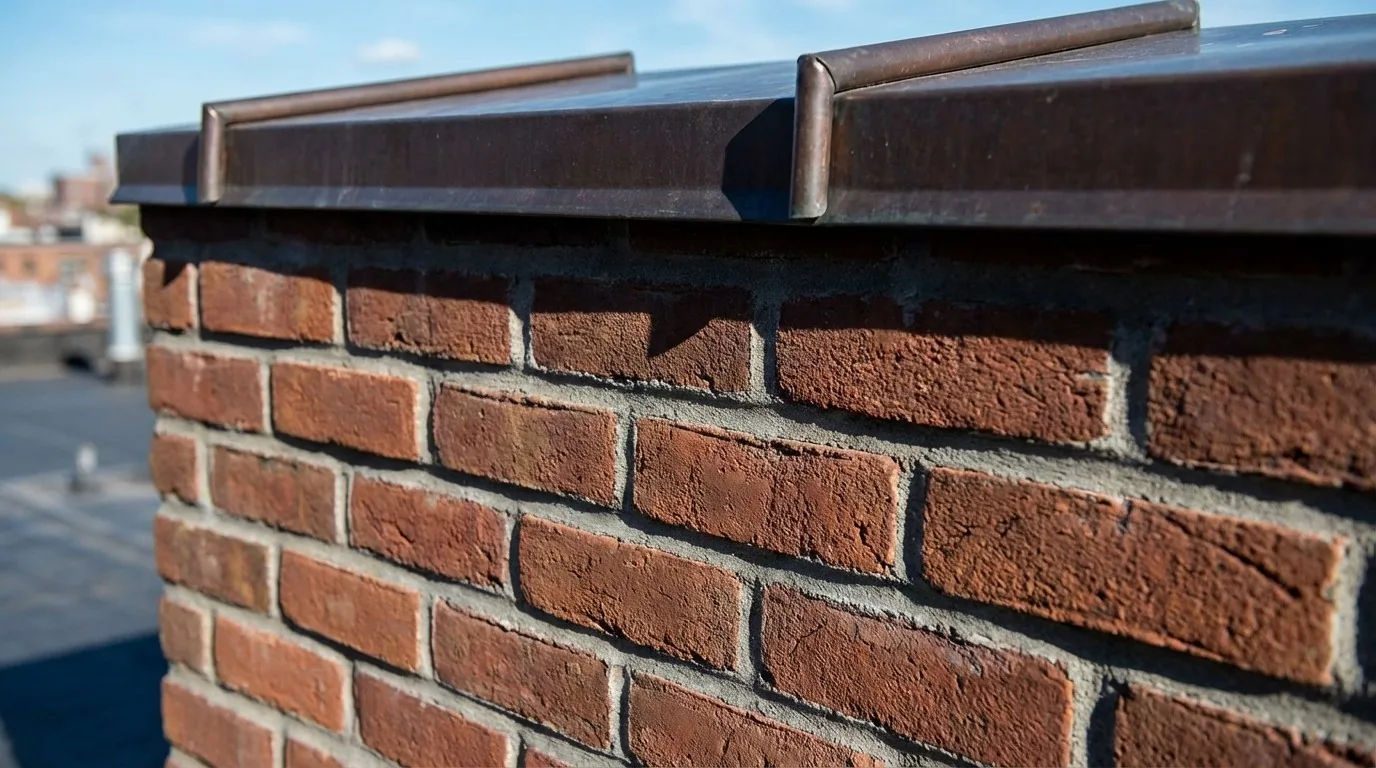
Heat and storm work windows
A Tyler storm assessment links the reported interior condition to accessible roof zones, then lists what could not be seen because of standing water, debris, or access limits. We compare dated photographs with current observations at seams, flashings, edge metal, and drains. The record marks each inspection boundary and the next test or access release; an unseen detail remains unresolved rather than being described as clear. That gives the building contact a defined temporary measure and a follow-up path.
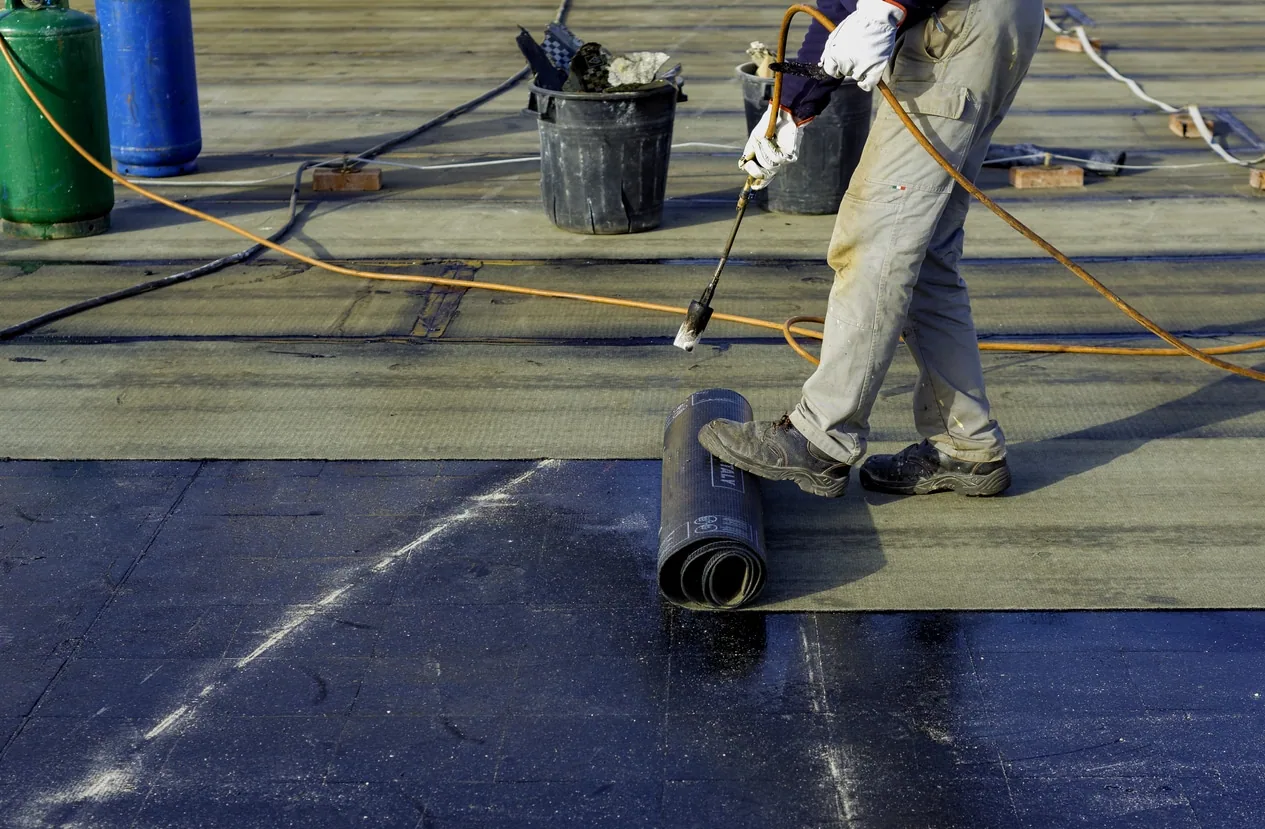
Heat can narrow the period for membrane bonding, flashing work, and liquid-applied materials. A surface reading, manufacturer instructions, and the assembly underfoot shape the order of operations. We mark the area that can be prepared, the area held for a test, and the exposed-section closeout needed before weather changes. For urgent water entry, call us; we confirm dispatch and access, then record temporary safeguards while permanent work waits for confirmed conditions. The emergency roof repair service separates stabilization from permanent scope.
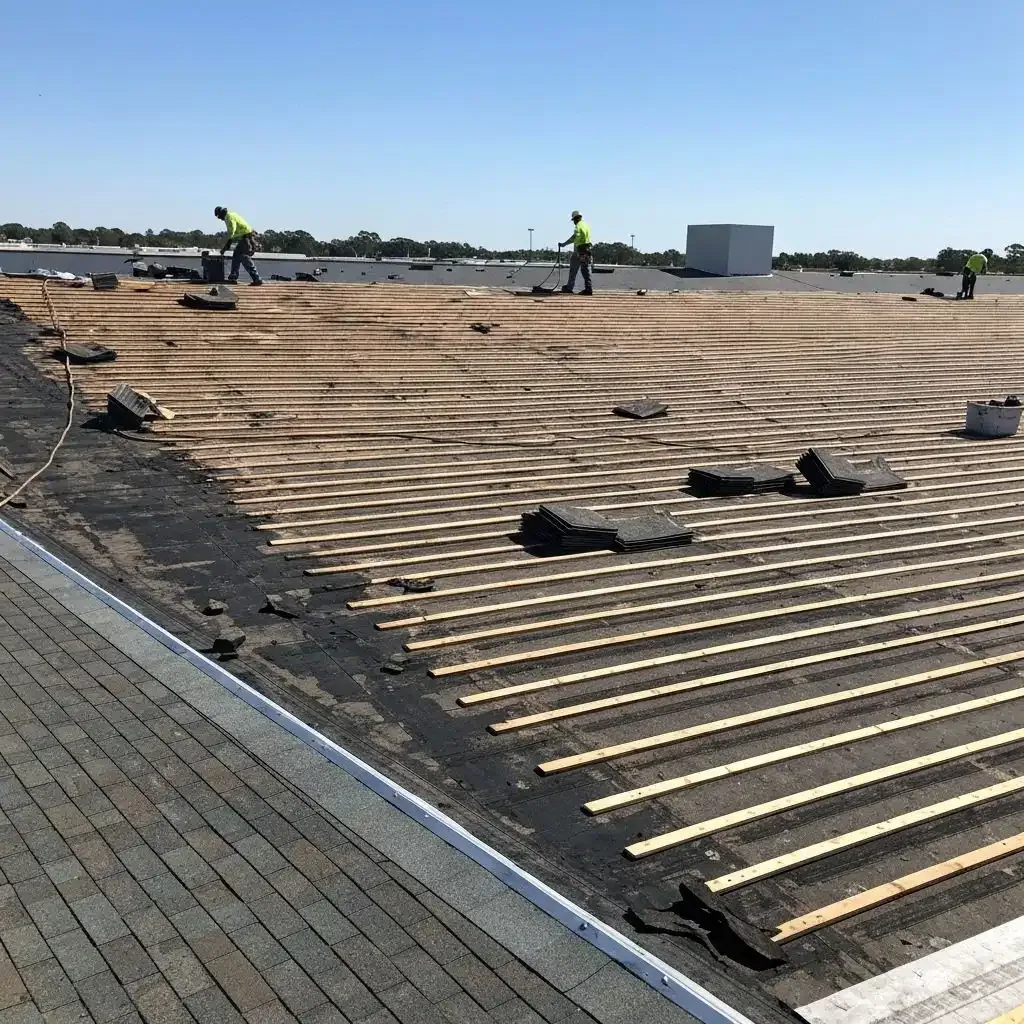
Roof-zone findings and access
A useful field walk starts with the roof plan and the property’s access rules. We divide the surface into workable zones, then inspect seams, penetrations, curbs, perimeter details, drains, scuppers, and transitions. The notes distinguish a visible defect from a question about concealed insulation, deck, or attachment. Where a moisture reading or test cut could change the repair choice, we identify the test point and the restoration needed after it.
The Tyler Interstate Commerce Park occupies the business area at the I-20/SH 155 junction; the Downtown Tyler Business District covers a different group of properties. We use those locations to frame routing, then verify the entrance, staging limits, occupied hours, and roof-zone release for the actual job. Neither district name supplies a condition assessment. Our photo-based condition report keeps the inspected details tied to a marked plan rather than leaving them as an unlocated list.
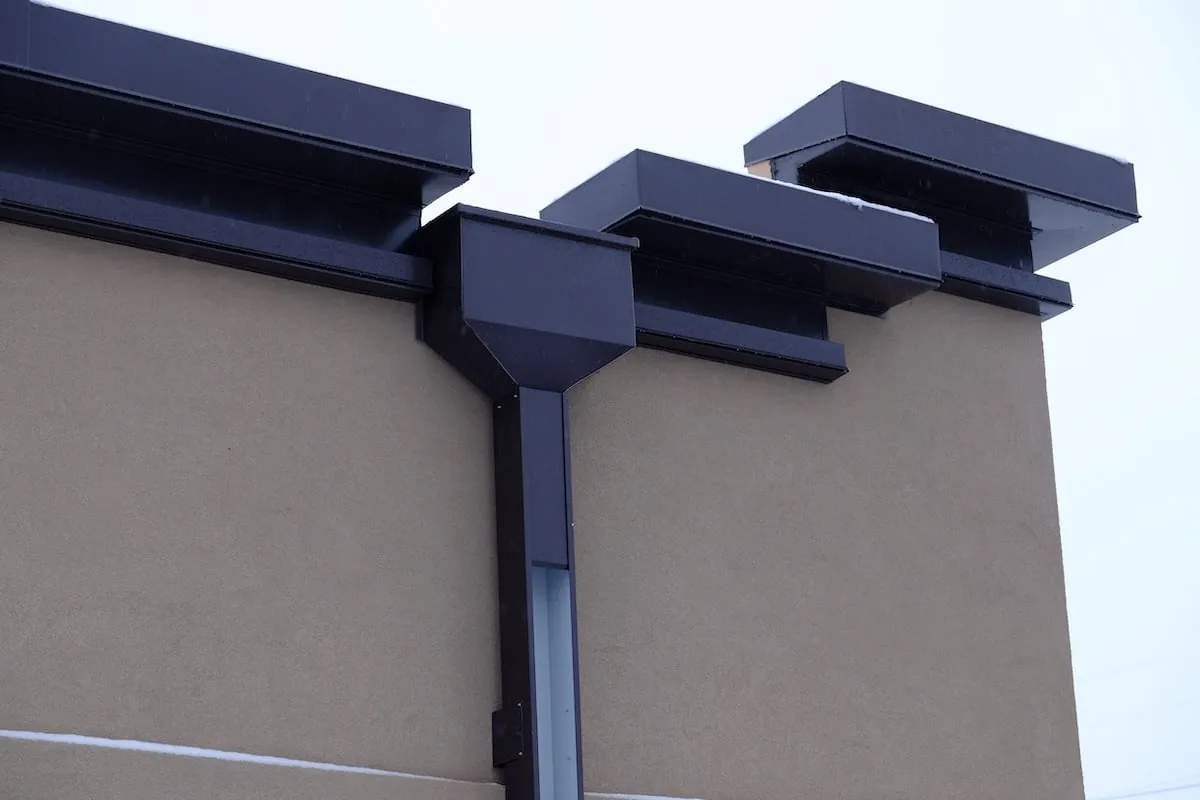
Repair, recover, or replace
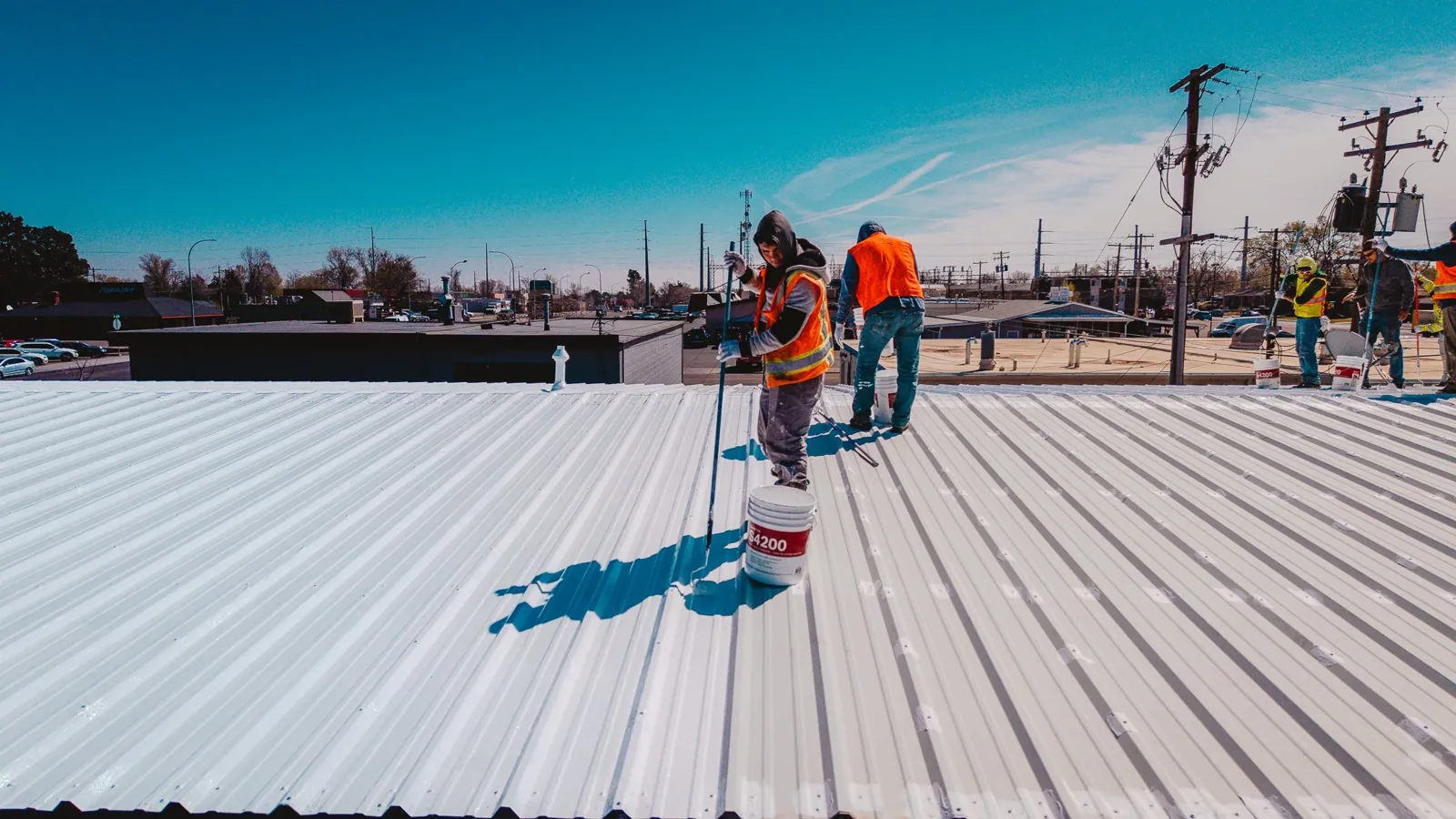
A localized seam or flashing defect may support a repair when surrounding material remains sound and the assembly can accept the proposed detail. Before considering a recover, we establish how many layers are present, whether moisture or attachment problems exist, how the roof drains, and what clearance remains at the edges. The project requirements and permit path also affect whether another layer is supportable. Coating is a separate decision: substrate condition, compatibility, and adhesion testing have to support it before an application schedule is set. Replacement can bring tear-off, insulation changes, deck work, edge metal, disposal, and interior protection into the work package.
For building plans submitted in Tyler from January 1, 2024, the City references the 2021 International Building Code together with the 2021 International Energy Conservation Code. The owner, designer, and project team should confirm how those codes apply to the proposed recover, replacement, or major alteration. We record the field condition and identify any design or approval hold point before permanent work is released. A coating restoration review or a system review can help compare compatible options without assuming what is beneath the visible surface.
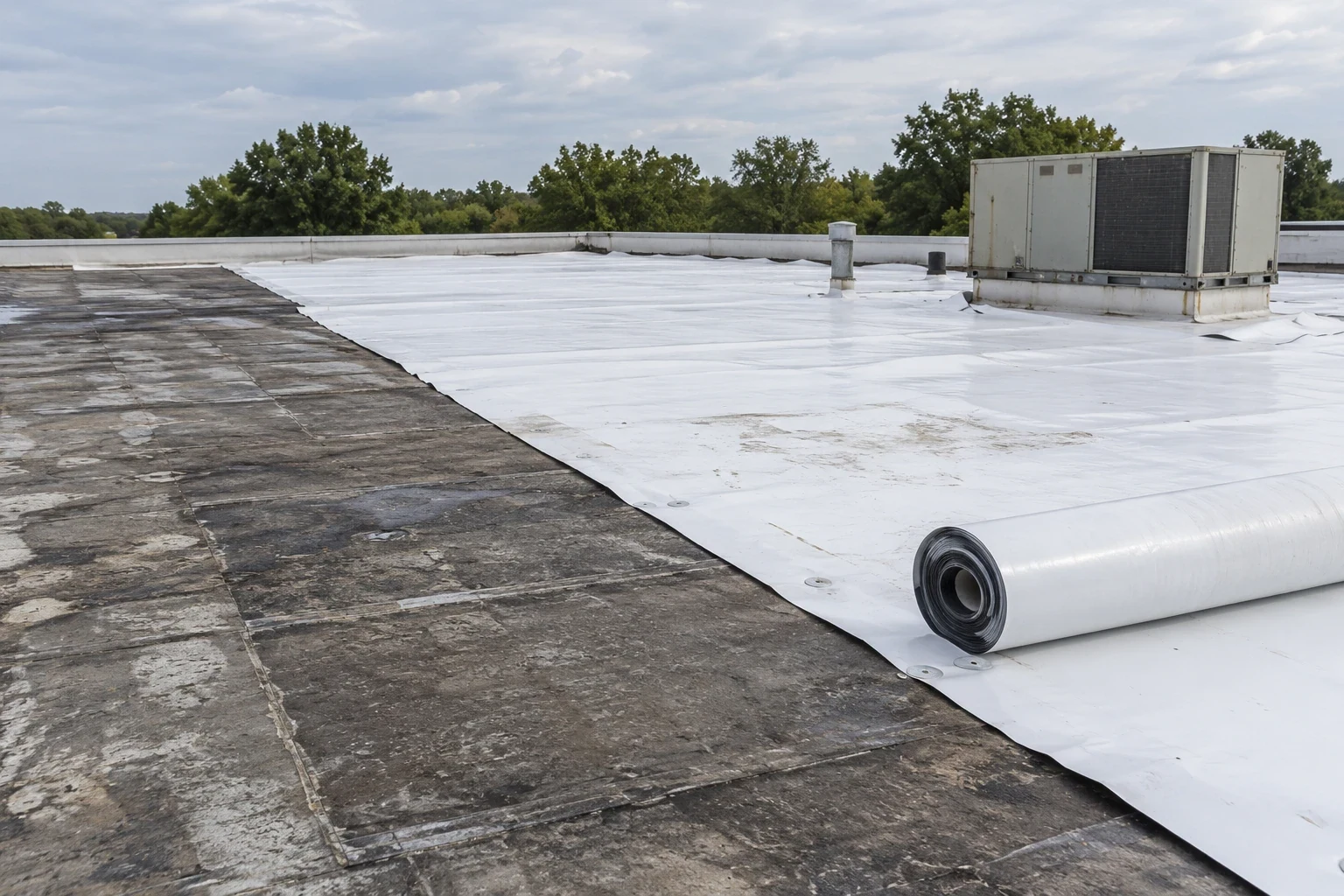
Occupied operations and closeout
Production, office, and service activity can affect where a crew stages material, how deliveries move, and when a roof zone can be closed. We coordinate the access window, interior protection, rooftop equipment limits, and any noisy or odor-sensitive task before mobilization. If the property stays occupied, the sequence should say which zone is open, which is under work, and who releases the next area. A weather delay changes that handoff, so exposed edges and temporary water control receive a defined closeout.
At completion, the project record should include dated photos, repaired locations, materials noted in the scope, test results, and items left for monitoring. Building operations can follow different calendars, but the roof file should stay specific to the property and its own assembly. We can maintain that history through planned roof maintenance and a roof asset register. For a storm-related scope, hail detail review keeps newly observed conditions distinct from prior wear.
A follow-up file also needs a clear owner for each open item. If a drain check requires a second access release, the report should name the roof zone and the condition to be confirmed, not merely carry forward a general reminder. The same applies to a bond test, a flashing detail, or an interior check after water-control work. When the record has that level of detail, the general contractor can sequence the return visit without reopening settled scope questions.
Timing and cost move with access, quantity, assembly, and the condition uncovered after preparation. A small repair can grow if wet insulation or deck deterioration appears, while a compatible repair may avoid unnecessary removal where the surrounding assembly is sound. We identify those decision points before the permanent work package is released. The owner can then compare a defined repair, a recover study, or replacement planning against the building’s operating schedule and current roof evidence.
Commercial Roofing Questions
What changes the schedule for a Tyler roof repair?
The actual surface temperature, forecast window, assembly, access release, and repair material set the sequence. Tyler’s normal July high gives seasonal context, while a field reading governs adhesion-sensitive work. We identify which zone can proceed and which remains at a hold point.
Can a storm report establish that my roof was damaged?
A regional hail or wind event is a reason to inspect, not a finding about one property. We compare dated records with visible conditions by roof zone and note limits to access or visibility. Any concealed condition that could change the scope gets a test point or follow-up.
How do you decide between a repair and a recover?
The existing layers, moisture, attachment, drainage, edge conditions, and code path all matter. We document what is visible, identify tests that could change the recommendation, and separate a limited repair from a larger assembly decision. The next work package follows those findings. We also compare the expected service life of the existing assembly with the operating period available for the work. That keeps a temporary water-control repair separate from a capital decision that needs testing or design review.
What should the general contractor have ready before mobilization?
Send the roof plan, assembly and repair records, access requirements, occupied hours, staging limits, and decision deadline. We use them to mark roof zones, test points, and the person responsible for each release. That keeps the crew handoff tied to the approved scope.
What belongs in closeout after the work is complete?
Keep dated photos, locations addressed, material and test information, access notes, and any open monitoring item with the roof plan. We record weather delays and exposed-section closeout when they affect the sequence. The file gives the next maintenance visit a clear starting condition.
Related Pages
Commercial Roof Inspection
Tyler, TX
Emergency Commercial Roof Repair
Tyler, TX
Commercial Roof Condition Reports
Tyler, TX
Commercial Roof Coating Restoration
Tyler, TX
Set the next roof-zone release
Send the roof plan, assembly records, access window, current condition, and decision deadline. We will return a sequenced field plan with open tests and hold points marked.