Spring storm alerts across Tyler, TX, can move a multi-property roof schedule into triage before the next planned visit. Hail and damaging wind are regional hazards, so each building needs a dated condition check before portfolio priorities change. We maintain one roof-zone record per property, then group the work by water-control need, testing, planned repair, and capital decision. That lets the general contractor coordinate the sequence across a portfolio without assigning one condition or response window to every building.
July’s normal high in Tyler is 94.5°F, a seasonal marker for planning adhesive, sealant, and coating crews across several properties. It does not release any roof zone for bonding. We pair the scheduled task with a substrate reading and the selected product’s requirements at that building, then update its status separately from the rest of the portfolio. That lets a program coordinate labor without treating regional weather or another property’s test as permission to proceed. A Tyler-area program retains separate assemblies, access rules, and approvals.
A register that keeps properties distinct
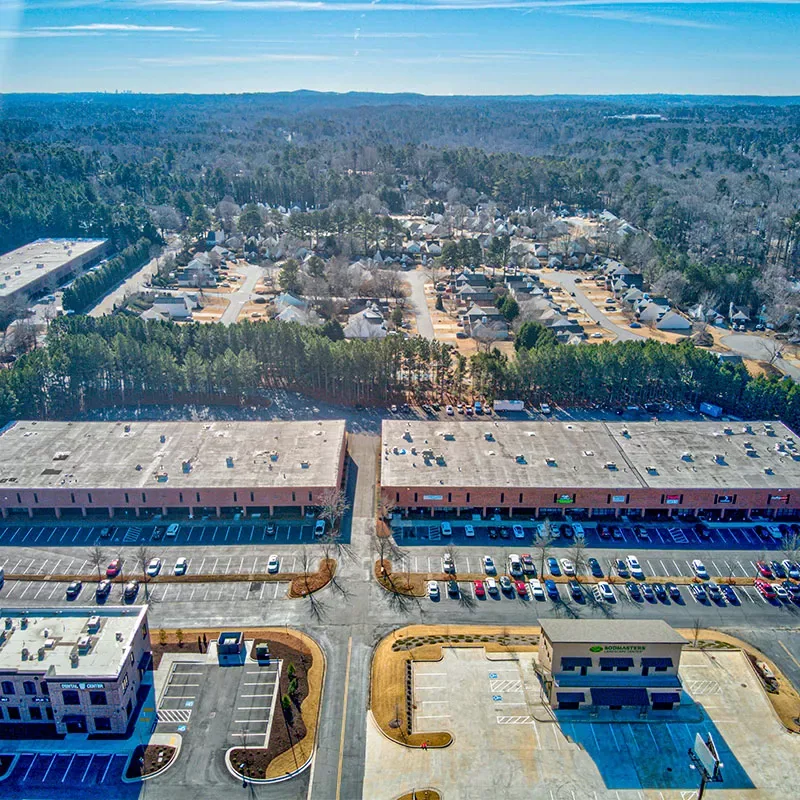
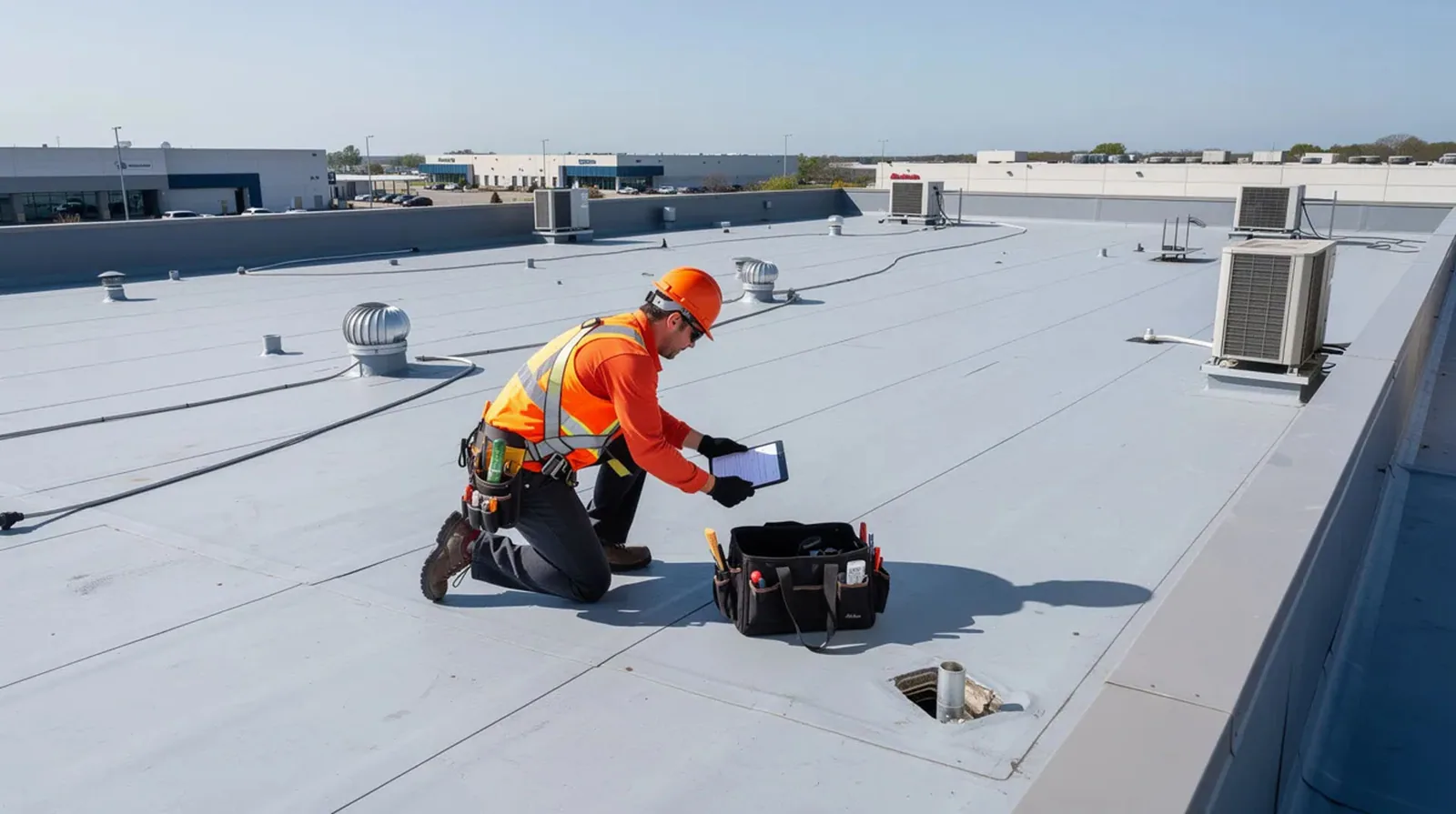
We begin with a property list, roof plans, assembly records, repair history, and current access contacts. Each building receives its own roof-zone map and condition trail, with the same fields for finding, photo, priority, next action, and release need. That gives portfolio managers a comparable view without flattening differences in membrane, metal, drainage, deck, or operational access. If a record conflicts with the exposed assembly, the mismatch becomes a test or document-review item tied to that site.
A portfolio in Tyler may touch several of the city’s target sectors, from advanced manufacturing to corporate offices and regional headquarters. For a portfolio of production, office, or service properties, we confirm shutdown windows and interior-protection requirements with each building’s operating contact. The Tyler Interstate Commerce Park and Lindale Business Park are separate multi-property areas; each roof still needs a property-specific record. A roof asset register can hold the baseline while the work schedule tracks approvals and closeout by building.
Storm review across the portfolio
After a storm, we collect the event date, affected locations, leak reports, access limits, and any temporary protection already placed. The first review separates active water-control needs from visible damage questions and areas that remain inaccessible. Each site gets a follow-up assignment with a roof-zone reference so the field team can return to the right location. We do not use a storm report from one property as evidence about another property in the same portfolio.
Tyler Midtown serves healthcare and education, while South Tyler is a growth area with transportation corridors and proposed mobility work. Those settings may affect which access period is approved and how deliveries are staged, but the roof condition comes from the specific building. We can link a hail review or wind-detail inspection to the relevant site record. A portfolio status meeting can then compare open tests and authorizations while the field findings remain property-specific.
One schedule, separate work windows
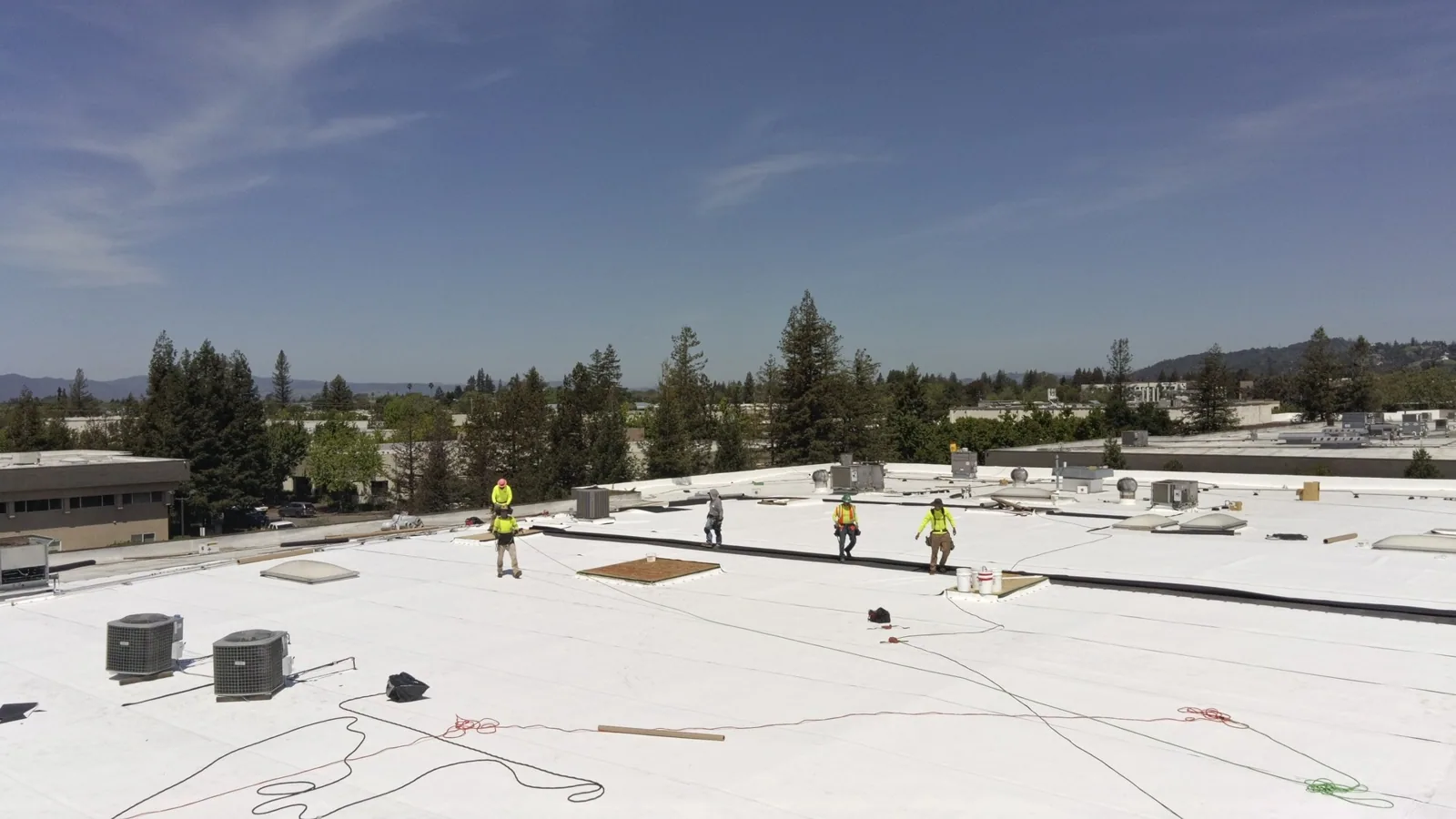
Program scheduling groups tasks by material, trade, weather condition, and access release. A coating preparation step may need a dry substrate and an acceptable adhesion window; a flashing repair may need a different setup; a rooftop equipment area may require a separate escort or operating release. We identify the sequence for each building, show shared crew dependencies, and keep temporary closeout responsibilities visible. If rain or heat moves the planned period, the contractor can see which area was protected and what needs a new release.
Tyler’s summer temperature pattern and regional spring and autumn storms make a single calendar date a weak basis for every roof task. We set target periods, then confirm current weather, substrate, product instructions, and access before the crew starts. A maintenance route can address repeatable drainage and detail checks, while approved repair scopes receive their own crew handoff. The schedule notes which properties can be worked in the same mobilization and which need a separate operating window, so each site can prepare the right contact and roof access.
Shared standards with local approvals
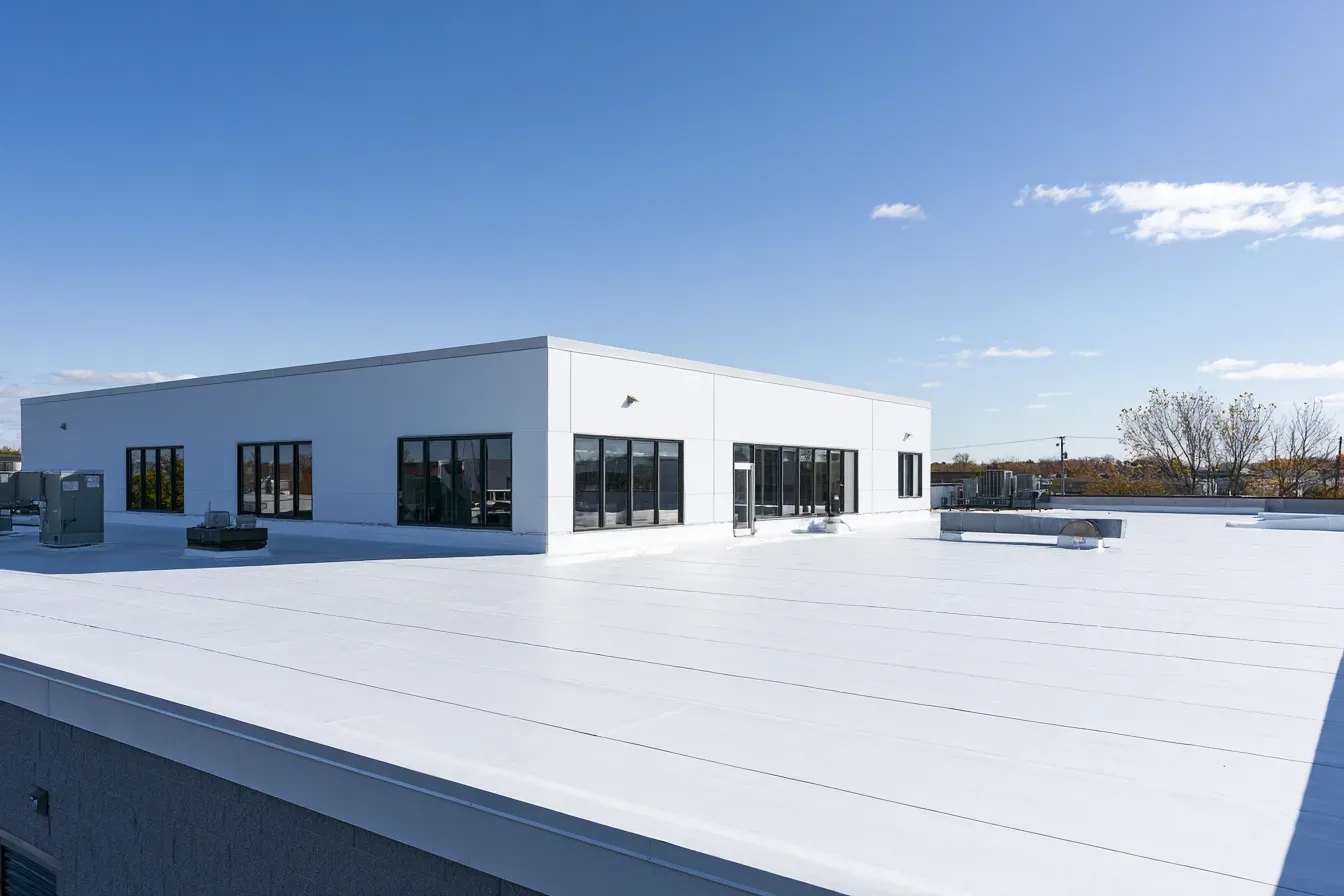
A portfolio program can standardize the way findings are recorded, but each roof scope still follows its assembly, condition, and project requirements. We use common categories for repair, testing, monitoring, and capital review, then preserve site-specific details that affect material selection, drainage, attachment, and code review. A test cut or fastener pull check gets its own decision gate; a change in findings does not automatically authorize added work. This structure makes approvals easier to compare while keeping the work limits clear.
Tyler’s 2021 International Building Code and International Energy Conservation Code apply to building plans beginning January 1, 2024. Each proposed recover, replacement, or major alteration therefore gets its own design and permit confirmation in the portfolio schedule. We keep that approval tied to the property and roof assembly it concerns, so one building’s review cannot stand in for another. The condition report supplies field evidence, while a capital review compares confirmed scope with each funding window.
Monthly status and field closeout
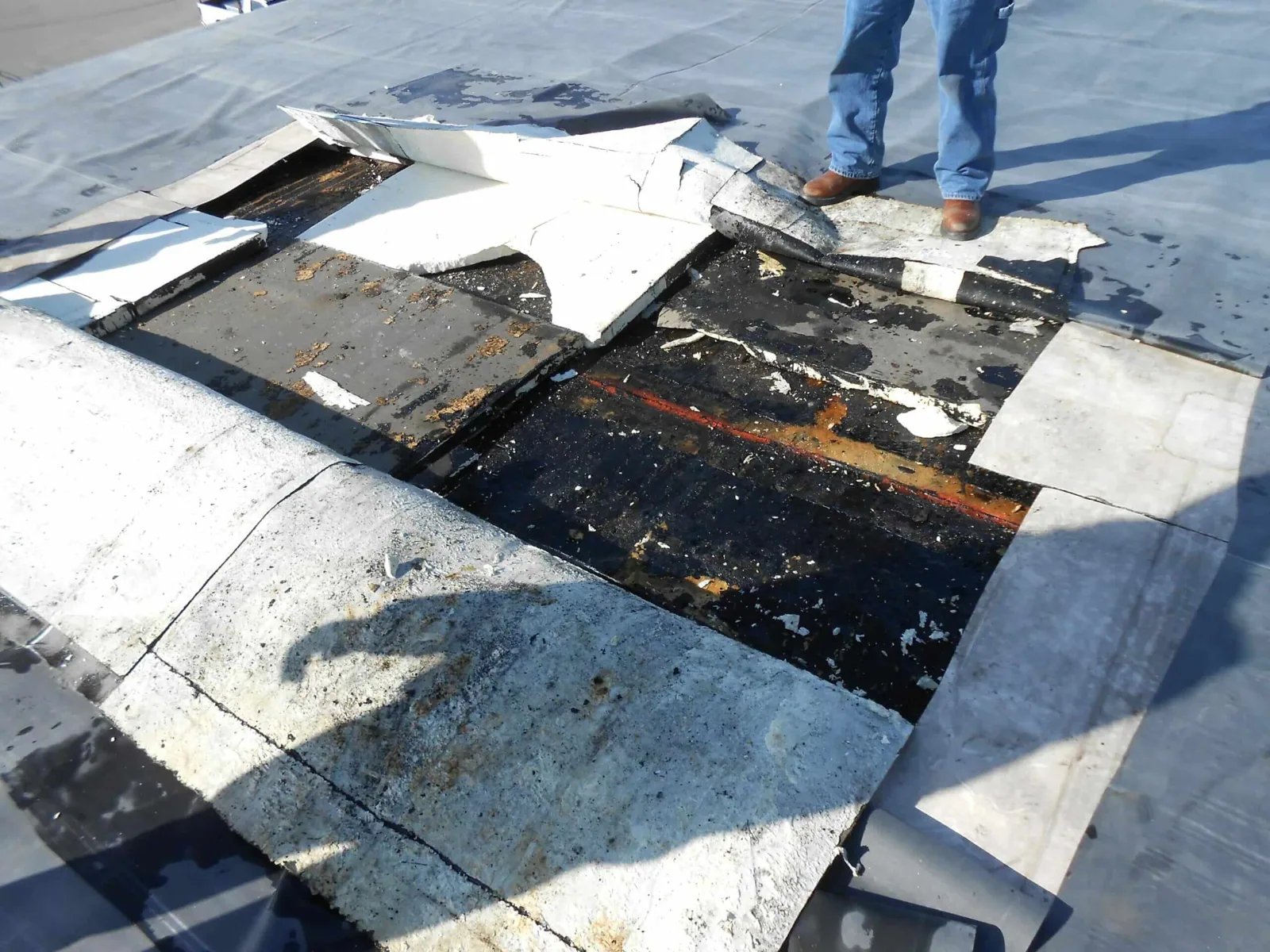
A useful program status shows each property’s last visit, current finding, open action, next access period, and approval owner. We report completed repairs separately from recommendations and tests still waiting for authorization. This gives management a concise queue for the next decision and helps the general contractor arrange access before mobilization. A cost or timing change is linked to its driver, such as concealed moisture, deck condition, material lead time, or operating restrictions, rather than buried in a portfolio total.
At closeout, we attach roof-zone photographs, completed work, available material details, and any follow-up item requested by the scope. That record gives the portfolio lead a property-by-property view of what is ready for service and what still needs a test or sign-off. For work near the Tyler Interstate Commerce Park, downtown, or Lindale, the approved entry route, delivery contact, and access period stay with that building’s record. The next inspection can then be scheduled from actual open items rather than a shared assumption about the whole group.
Commercial Roofing Questions
How is a multi-site roof program organized for Tyler properties?
Each building receives a roof-zone plan, condition record, access process, and next action. We use shared fields to compare priorities and approvals, then preserve the assembly and operating details that differ by property. The program schedule groups compatible work while leaving each site’s release and closeout attached to its own record.
Can one storm inspection plan cover every building?
The program can coordinate the visits, but findings must be recorded at each property. We collect dates, leak reports, access limits, and visible changes by site, then assign separate follow-up areas. A condition observed at one building does not establish damage at another, even if both are in the same market.
What changes a scheduled roof work window in Tyler?
Current weather, substrate temperature, moisture, product instructions, access permission, equipment coordination, and trade availability can all affect the release. Tyler’s July normal high is 94.5°F, which informs planning for heat-sensitive steps; field readings and conditions govern the actual work period. We identify the affected roof zone and its closeout needs if the window moves.
How should the owner compare repair priorities across different assemblies?
Use common priority labels for urgency and approvals, then compare the underlying finding, system, drainage, attachment, repair history, and test results. A localized flashing repair and a moisture investigation should not appear as the same task just because they share a portfolio score. We show the action and decision needed for each building.
What does the general contractor provide to launch the program?
Send the property list, roof plans, assembly records, repair history, leak reports, access rules, and decision deadlines. We can identify missing records, build the site-by-site inspection sequence, and return a schedule with test points, releases, and open approvals. Include any operating restrictions or planned storm follow-up so crews can prepare the correct work package.
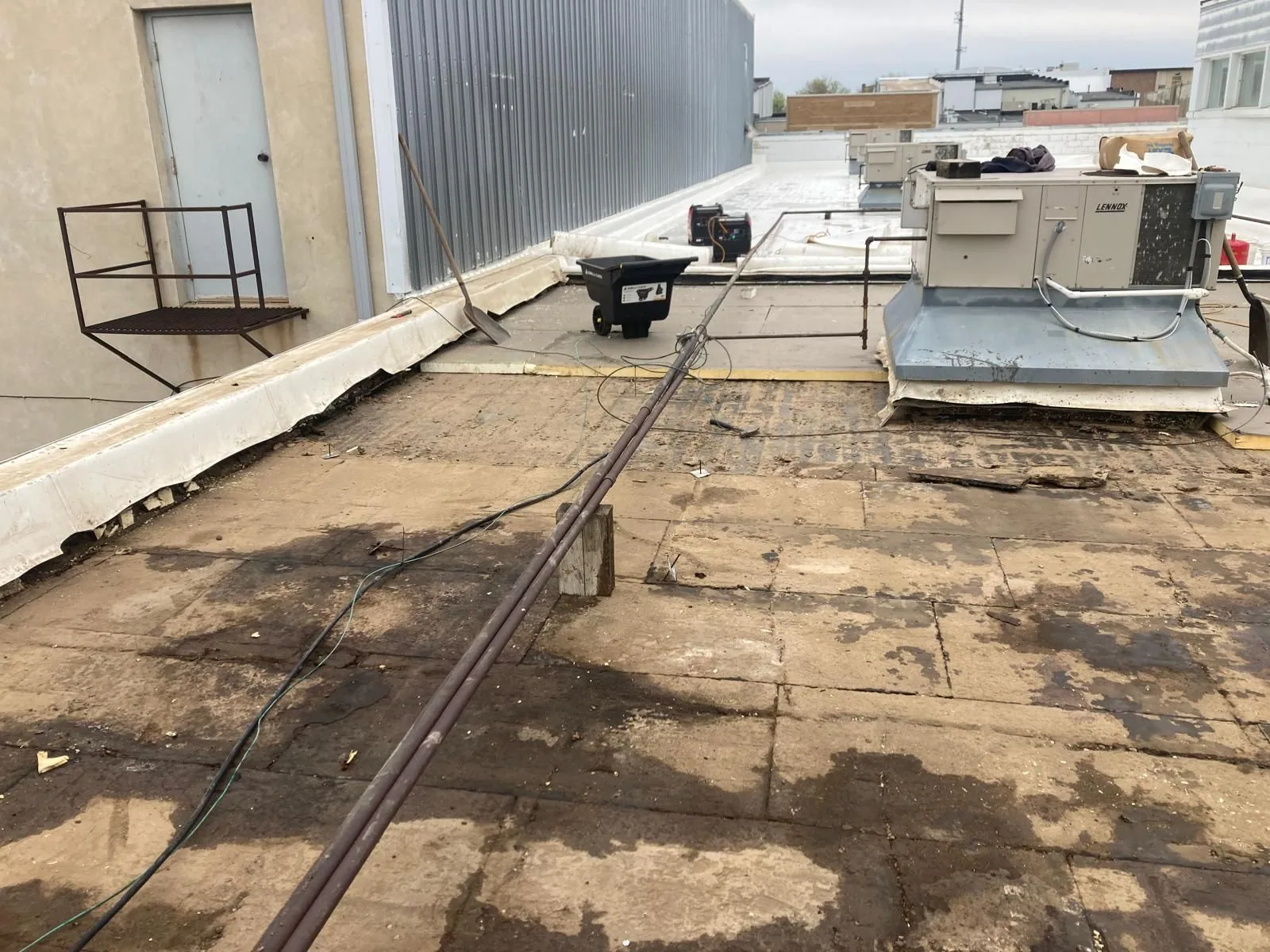
Related Pages
Tyler
Tyler, TX
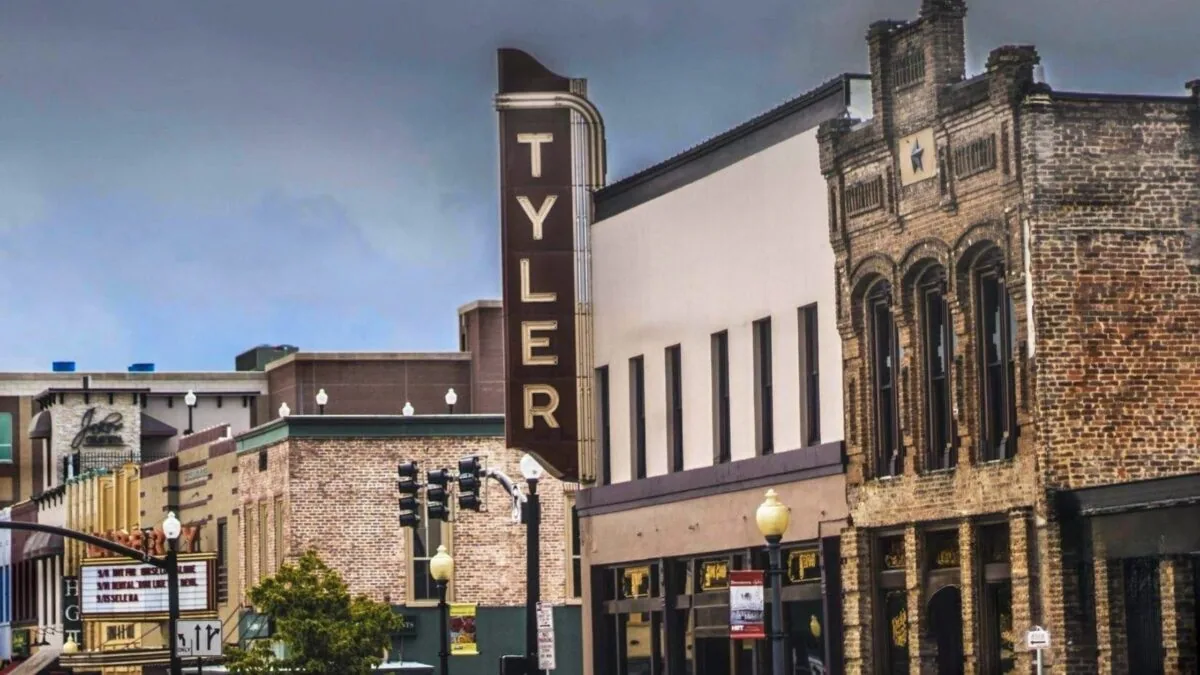
Tyler Interstate Commerce Park
Tyler, TX
Lindale Business Park, Lindale
Tyler, TX
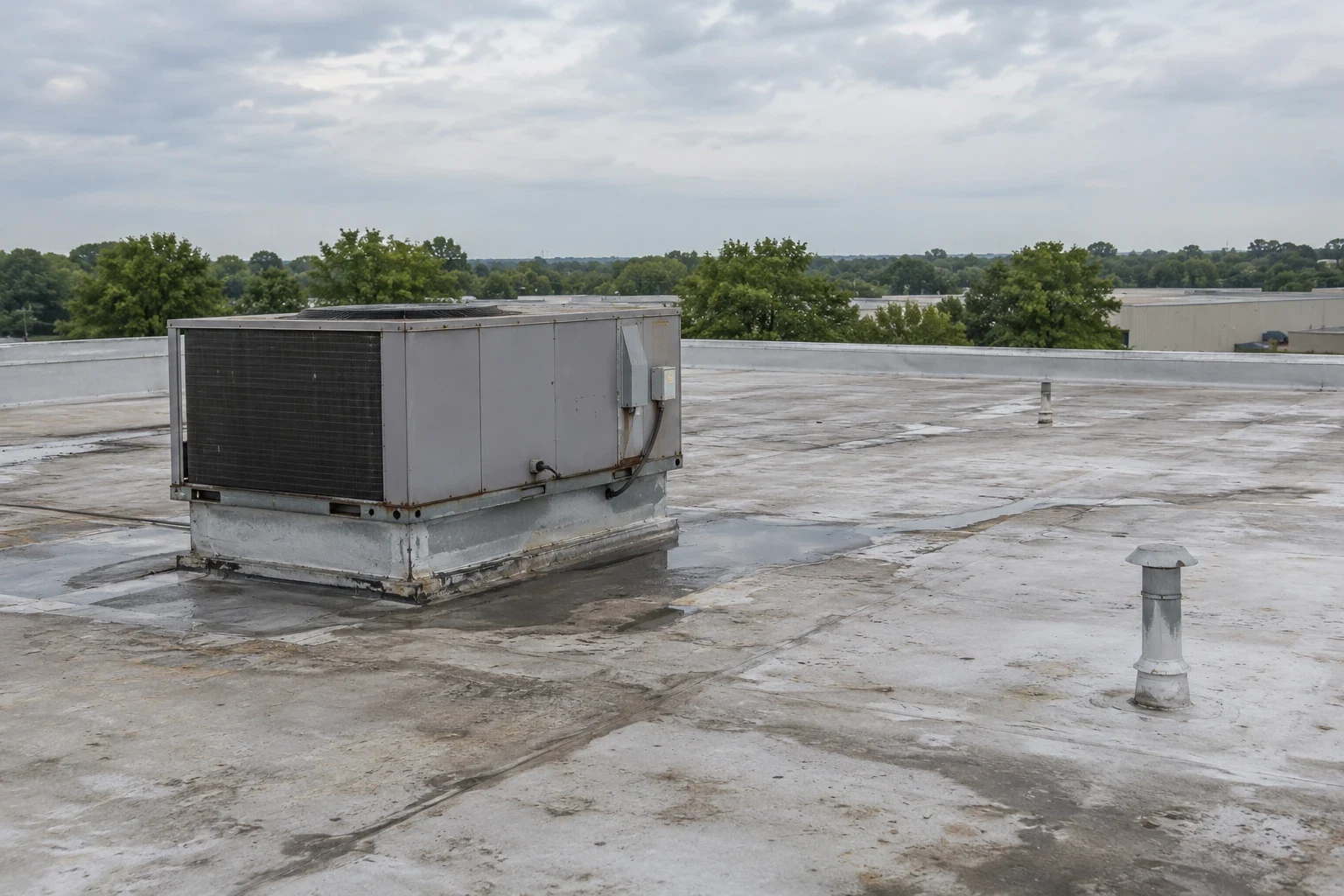
Commercial Roof Asset Management
Tyler, TX
Coordinate the next property release
Send the property list, roof plans, records, access windows, current conditions, and decision deadlines. We will return a sequenced portfolio plan with open tests and hold points marked by building.