

Heat, exhaust, and recurring service traffic can meet at the same roof detail, so a KEE membrane decision starts with the exposure map. Tyler’s July normal high of 94.5°F signals a long hot period, but the roof surface still needs a substrate reading before work is scheduled. Around the Tyler Interstate Commerce Park and the Downtown Tyler Business District, access routes and rooftop activity vary from property to property. We record the actual assembly and discharge paths, then set the first release at a test point that can answer a system question.
KEE is a ketone ethylene ester resin used in some reinforced PVC membrane formulations. Product composition, thickness, reinforcement, and approved accessories vary by system. We compare the selected data with the roof’s chemical exposure, substrate, attachment, and intended maintenance, then verify the complete assembly rather than selecting by acronym alone. A documented inspection can frame a new installation, while a localized repair may remain practical where the surrounding sheet is sound.
Membrane formulation and exposure
The KEE designation does not make every sheet interchangeable. We identify the manufacturer’s actual membrane, reinforcement, thickness, surfacing, and accessory requirements in the submittal. If grease, oils, cleaning products, or process liquids can reach the roof, the owner should identify the material and likely concentration where known. We compare the exposure with current product guidance and detail the discharge path, so compatibility is tied to a real source rather than a general building label.
At a service curb or exhaust point, residues can migrate downslope, collect at a low area, or reach a drain bowl. We photograph the affected surface, note odors or visible changes without assuming a chemical identity, and keep unclear exposure as a test or owner decision. Tyler counts advanced manufacturing and corporate services among its target industries. For a roof exposed to process discharge, we identify the equipment, collect the available material information, and resolve compatibility before selecting membrane or flashing components.
Weld checks and detail tie-ins
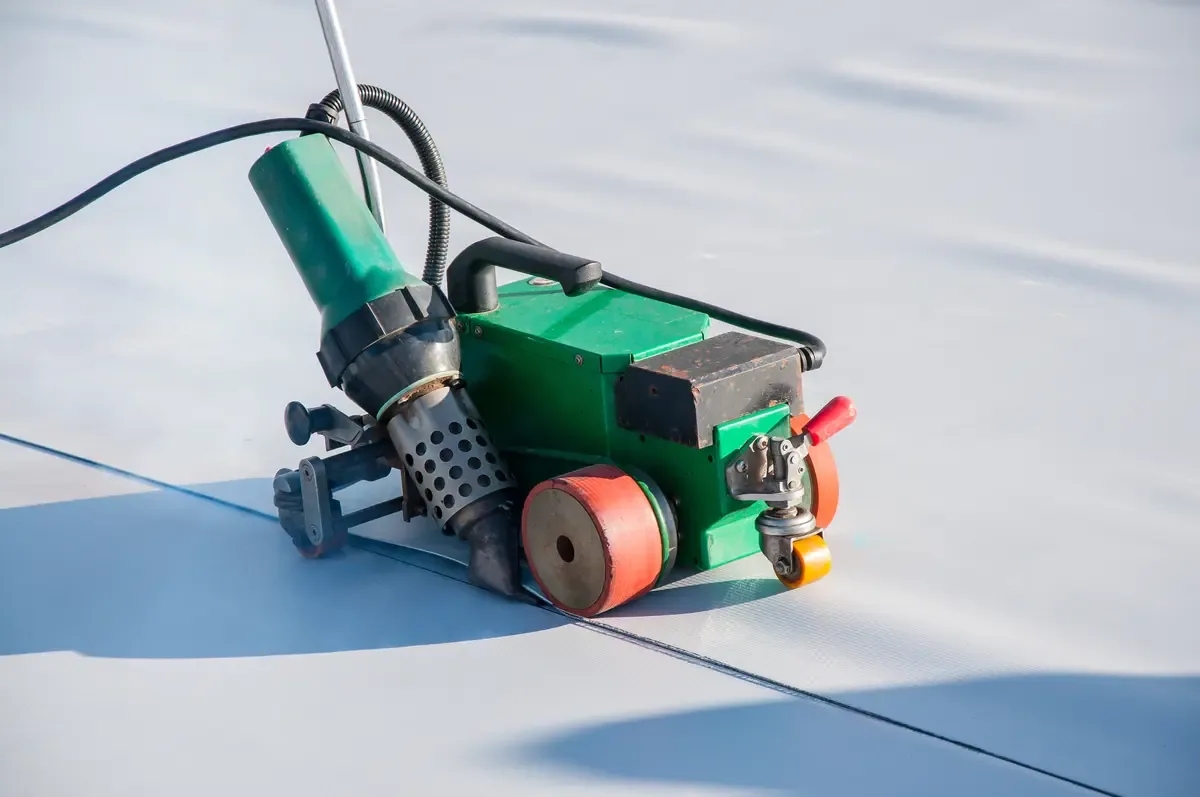
Reinforced KEE membranes commonly rely on heat-welded seams, with settings matched to the selected sheet and field conditions. We check that adjoining surfaces are dry and free of residue, set the equipment, and make a test weld when the approved procedure calls for it. Once cool, the weld is examined by the project method. The inspection record identifies the seam, test result, tool setting, and correction, allowing the next crew handoff to proceed on evidence.
Field seams are only one part of the system. Curbs, pipes, drains, expansion joints, parapets, and edge metal each need a detail compatible with the membrane and accessory package. We identify corners and irregular transitions before material is rolled out, then assign a crew and inspection hold point for each concealed connection. A PVC membrane comparison or TPO assembly review can help the owner evaluate alternatives where both systems meet the project’s performance requirements.
Existing roof and attachment
Before installing another layer, we check the deck, insulation, existing roof count, attachment, moisture, slope, and perimeter. A test cut may reveal wet insulation or a deck condition that a surface walk cannot show. Fastener pullout, corrosion, or uneven substrate can change the attachment design and roof-zone sequence. We plot each test point and its decision in the work package, then separate known quantities from concealed conditions awaiting an approval.
Tyler applies the 2021 International Building Code and International Energy Conservation Code to building plans from January 1, 2024. A KEE proposal moves toward ordering only after the design team settles project wind criteria, insulation, and the required permit details. We match the accepted assembly and accessories to that submittal, then check field installation against it. An insulation and cover-board review can be listed separately when existing layers do not support the proposed membrane.
Drainage and storm exposure
A membrane can be intact while water remains at a low point. We check drain bowls, scuppers, overflow outlets, slope, and any insulation depression that may hold water against a seam. Debris, residue, and damaged strainers are recorded separately from the membrane itself. If the drainage path needs correction before installation, that decision goes into its own scope and schedule so the roofer can protect each open zone while other work proceeds.
Spring and autumn are the more active severe-storm periods in the regional record, which lists large hail and damaging wind among hazards across the four states including Texas. On a KEE roof, we protect the drain and the seam boundary before opening the existing membrane. A delay handoff identifies the exposed sheet, water route, and next access release. After an event, a hail review can identify impact concerns before membrane scope is approved.
Heat window and work package
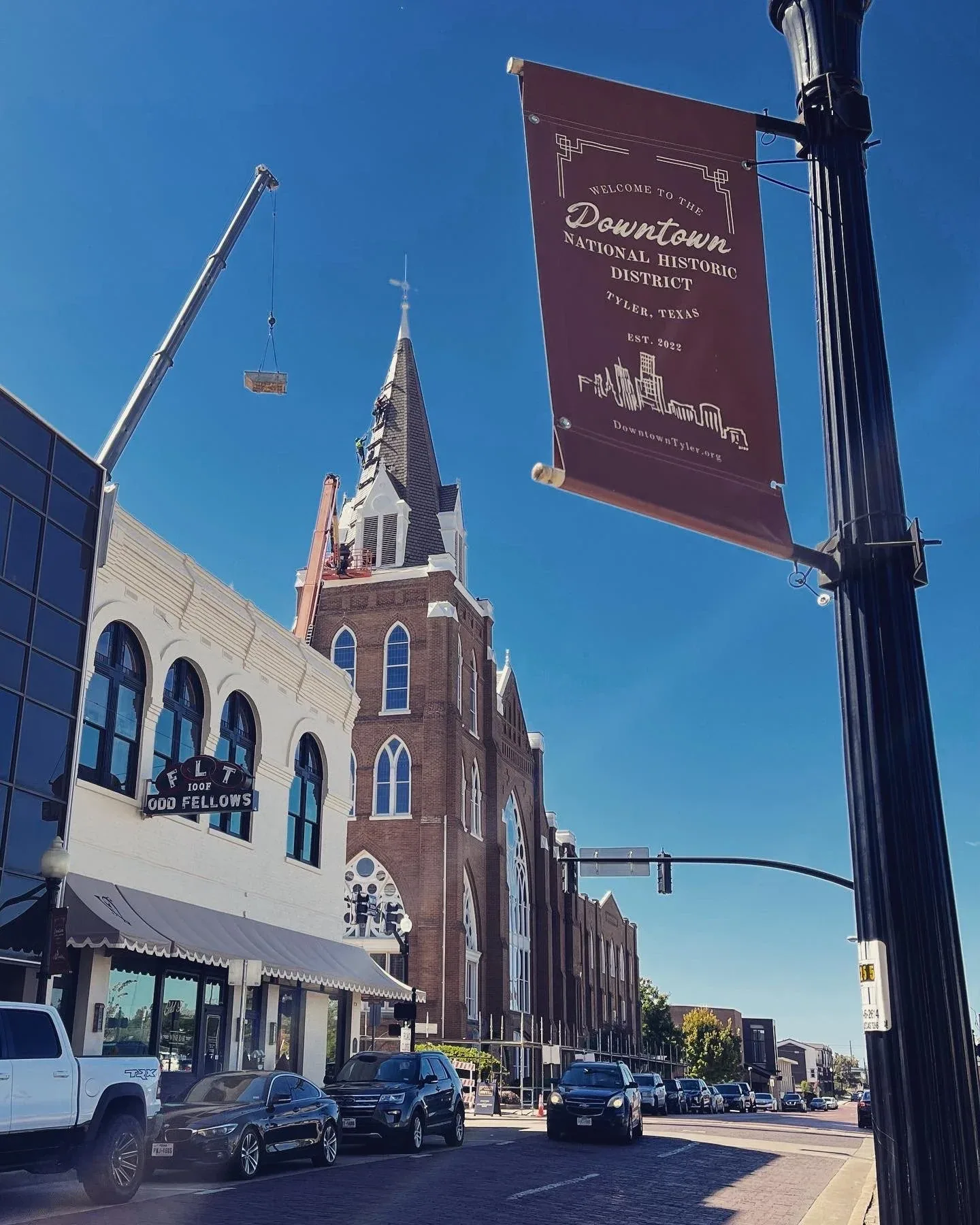
During summer, air temperature alone does not predict the condition of a membrane laid in direct sun. We take a substrate reading, check product limits for welding and accessory work, and identify when the roof zone can be prepared and closed. Tyler’s July normal is useful for seasonal planning, while current conditions decide the work window. If one operation must wait, the foreman updates the sequence and keeps the uncompleted detail visible for the next crew handoff.
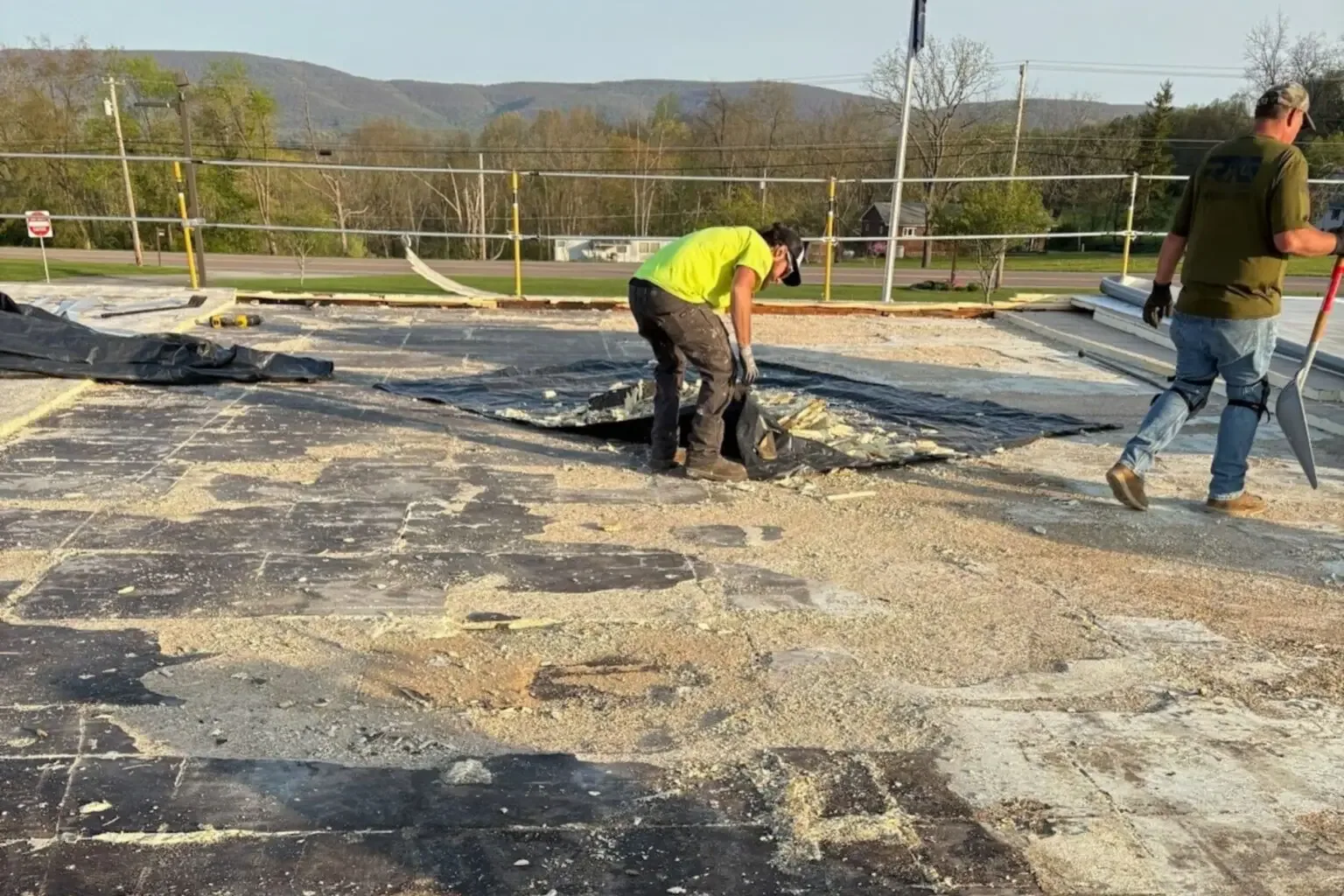
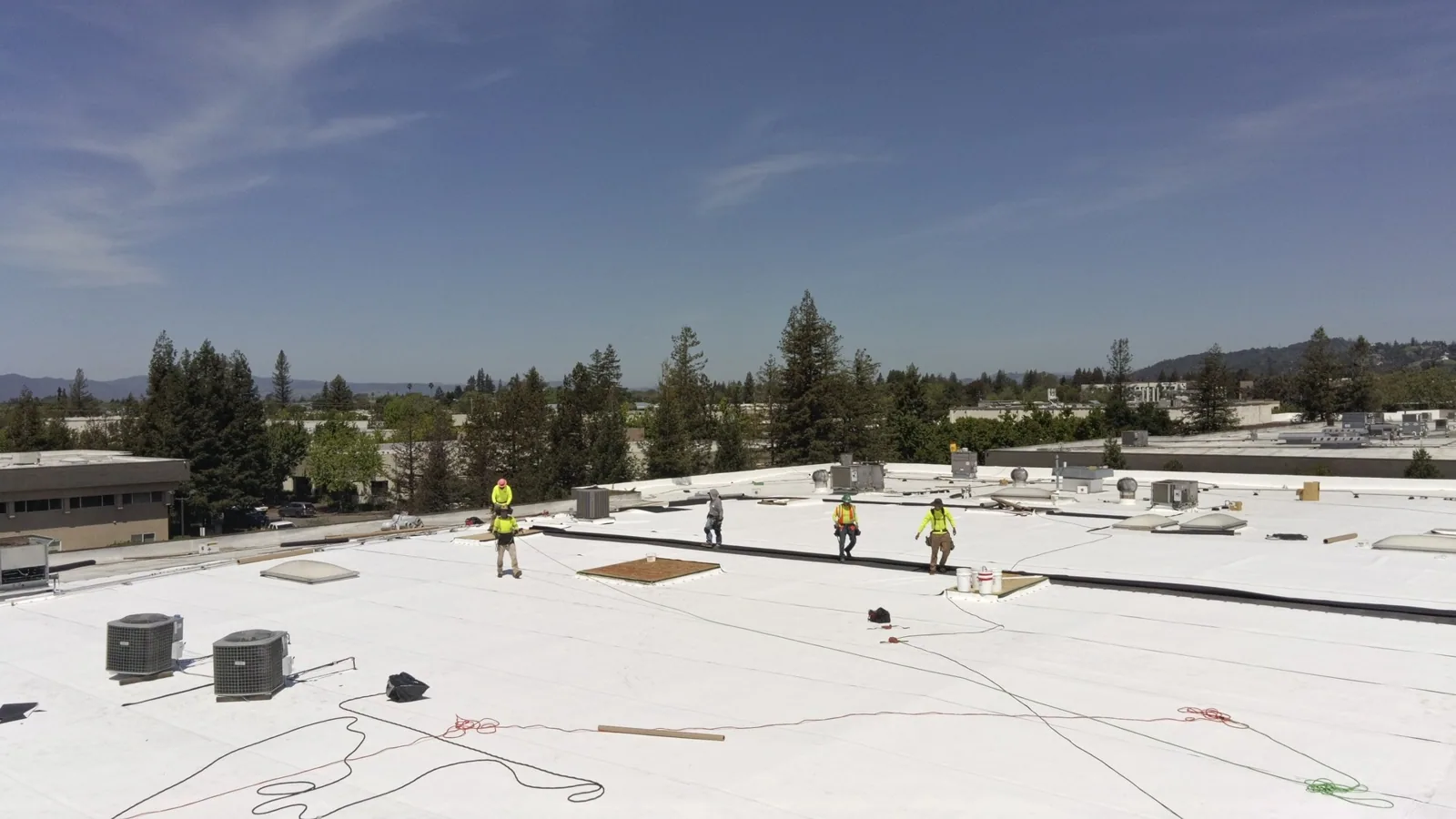
Before mobilization, the general contractor supplies roof plans, assembly history, access requirements, known leaks, and decision timing. We return a map showing the tested zones, membrane transitions, temporary protection, and approval hold points. Photographs and test records are attached to locations rather than filed as an unindexed collection. Where a surface is opened, the exposed-section closeout identifies who secures it and what must be checked before restarting. The plan distinguishes an accepted installation detail from a location still awaiting a test or product decision.
Closeout and service life planning
The turnover package records the KEE membrane product, accessories, attachment, completed welds, repaired details, drain checks, and any excluded area. We include the approved submittal, inspection notes, and roof-zone map to support maintenance. An open question, such as concealed moisture beyond the tested area, stays attached to a follow-up task. The owner receives a clear list of the work completed and the evidence used to release each area.
Budget and duration depend on preparation, deck repair, insulation replacement, fastening, roof geometry, perimeter length, number of penetrations, access, and weather. We show these factors by work package so the general contractor can see what changes the bid or sequence. A condition report records the inspection baseline; a Tyler roof assessment can map the next service area when a property has multiple structures under one operating plan.

Commercial Roofing Questions
Does KEE mean every membrane has the same formulation?
No. KEE identifies a resin used in some reinforced PVC membranes, but product composition, reinforcement, thickness, and accessories vary. We identify the proposed sheet and check its data against the roof assembly and known chemical exposure before writing the submittal.
How do you evaluate chemical exposure on a KEE roof?
We identify the source, discharge route, surface condition, and drain path, then compare known materials with the selected product guidance. If the substance or concentration is unclear, that remains an open test or owner question. A broad industry label does not establish roof compatibility.
What is inspected at a KEE field seam?
The crew confirms preparation and equipment settings for the specified sheet, completes a test weld when called for, and checks the cooled seam using the project procedure. We record the location and result before covering adjacent work. A weak point is corrected and checked again before release.
Can the KEE membrane go over an existing roof?
That depends on moisture, attachment, deck condition, number of existing layers, compatibility, and applicable code limits. We map test cuts or other agreed checks and compare the results with an overlay design. Removal stays in the options when the old assembly cannot support the proposed work.
Which records belong in the KEE closeout?
The owner should have the product and accessory record, roof-zone plan, weld checks, flashing and drain details, photos, and remaining observations. We assign follow-up for an open test or access restriction, giving the next maintenance visit a clear starting point.
Related Pages
Commercial Roof Inspection
Tyler, TX
Commercial Roof Repair
Tyler, TX
PVC Roofing
Tyler, TX
TPO Roofing
Tyler, TX
Release the KEE review
Send the roof plan, assembly history, known chemical exposure, access window, and decision date. We will return a KEE system review with product checks, test points, storm closeout, and roof-zone release holds for the general contractor.