Commercial Roofing in Tyler
July’s heat can hold an adhesion-sensitive task at a roof-zone release in Tyler, TX. The normal July high averages 94.5°F, but that climate figure is not a reading from a roof surface. We measure the actual substrate, check the selected material’s instructions, and identify which area can move into preparation. If the condition does not support that step, the work package names the hold point and the next approved task.
Commercial Roofers Tyler works on low-slope and metal commercial roofs. Our scope includes inspection, repair, replacement, recover, restoration, coatings, and maintenance. We approach the roof as part of an operating property: access, drainage, equipment, tenants, deliveries, interior protection, and approvals can all affect the order of work. The field record ties each decision to the building and the zone where it applies.
What we check in the field
A field visit begins with the roof plan, available assembly records, repair history, and access rules. We inspect seams, penetrations, drains, scuppers, perimeter details, flashing, transitions, and areas of visible movement or impact. Hands-on inspection provides close detail. Drone images can support a broader view, while an infrared moisture survey can flag patterns that need confirmation. These methods answer different questions, so the report identifies what was observed, what remained inaccessible, and which test could change the recommendation.
We organize observations by roof zone rather than leave the owner with a list detached from the surface. Dated photographs show the finding and its location. If a test cut or moisture check is warranted, the plan identifies the test point and the repair or restoration needed afterward. A commercial roof inspection can establish that baseline before a repair decision, insurance file, or capital discussion. The record also notes the access release and who is responsible for the next step.
Repair, restoration, and replacement
A limited repair may fit when the surrounding material is sound and compatible with the proposed detail. We document the seam, penetration, curb, edge, or drain condition and define the boundary of the work. Where active water entry is affecting operations, contact our emergency roof repair team to confirm current dispatch availability, safe access, and practical interim protection options. The first visit can stabilize the opening and record temporary protection; permanent repair remains a separate scope if drying, testing, or approval is needed.
A recover adds a new assembly above existing material, so moisture, attachment, edge height, drainage, loading, and applicable code requirements need review. A coating requires a stable, suitable substrate, preparation, and an adhesion check. Replacement can involve removal, insulation, deck repairs, perimeter metal, disposal, and protection inside the building. We lay out those drivers and the unanswered conditions before the owner approves the next work package. A recover evaluation or restoration review compares options without assuming the assembly beneath the visible surface.
We also install and repair TPO, PVC, EPDM, KEE, modified bitumen, built-up, standing-seam metal, retrofit metal, spray foam, and silicone or acrylic coating systems. The product record and field condition guide the detail. For a TPO assembly or another specified system, we check the actual membrane, seams, flashing, terminations, and prior repairs before selecting a method. Product names do not replace compatibility checks or approved instructions.
Weather windows and approvals
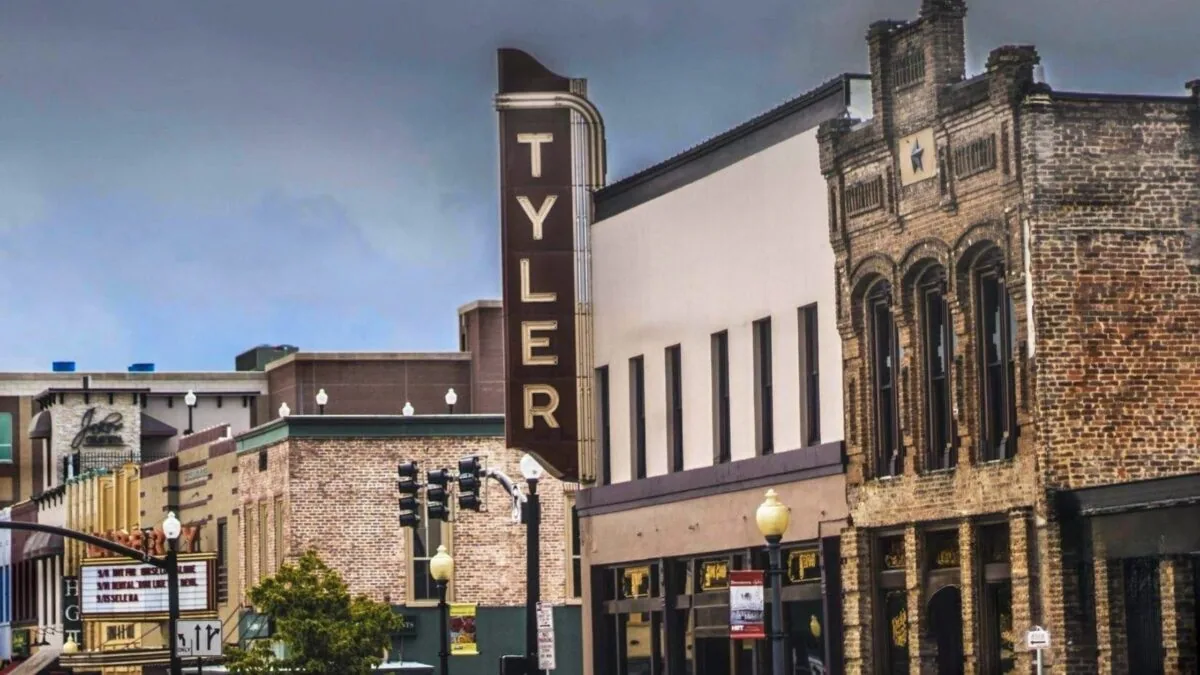
Large hail and damaging wind are common severe-thunderstorm hazards across the four-state region that includes Texas; spring and autumn are the most active storm seasons. That context informs readiness, but a weather report does not prove damage to a specific property. After an event, we compare dated photos and maintenance records with visible conditions by zone. Open seams, displaced edge details, punctures, flashing movement, and blocked drains receive their own observations. If access or debris limits the view, the report lists the follow-up needed.
Tyler building plans beginning January 1, 2024, use the 2021 International Building Code and International Energy Conservation Code. The project designer and the permitting authority confirm which path applies to a particular alteration or replacement. We keep that review attached to its scope, apart from field observations. On heat-sensitive work, our crew measures the substrate and checks product instructions before releasing primer, sealant, or coating. If weather interrupts, we record the protected boundary and the next access decision.
Our work package keeps field findings separate from design decisions and owner approvals. If an assembly question needs a test or a designer’s review, that item remains open rather than being folded into a repair assumption. We mark the hold point, name the decision owner, and show which work can proceed safely while it is pending.
Buildings and operating needs
We serve owners, property managers, facility teams, asset managers, and general contractors responsible for commercial buildings. The building may be an office, warehouse, manufacturing facility, medical property, school, retail space, hotel, church, government building, or another low-slope or metal-roof property. Building use shapes the access questions, but it does not tell us the roof’s age, system, or concealed condition. We confirm the roof itself and the operating calendar with the people who release the work.
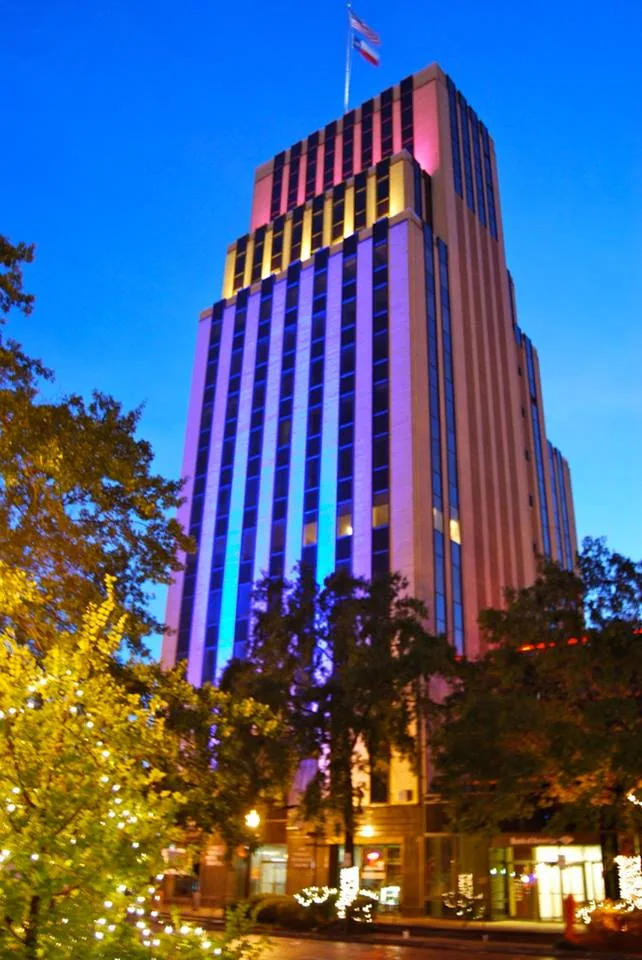
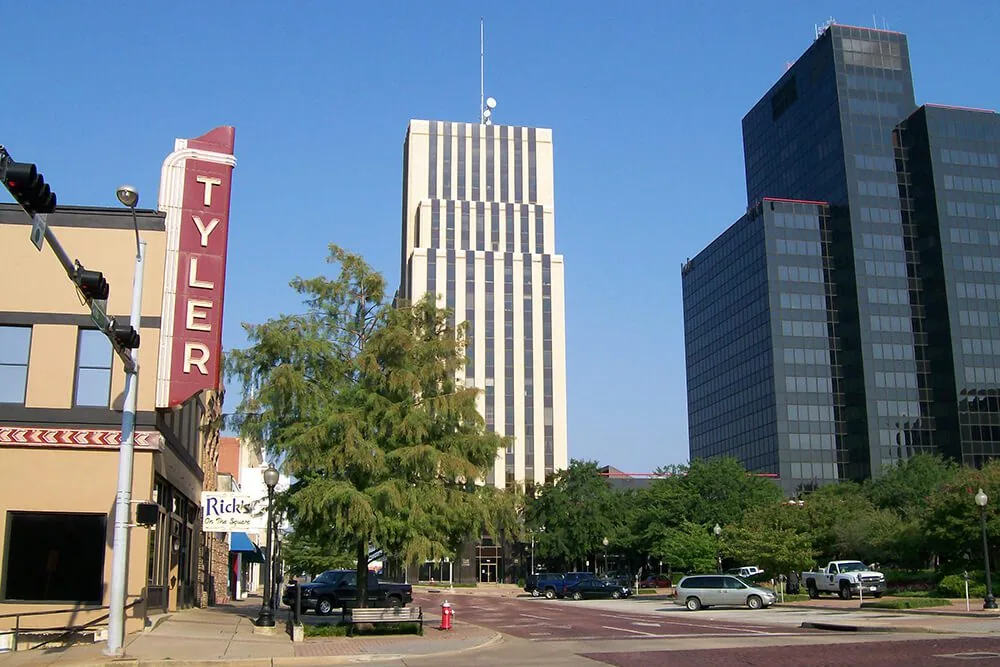
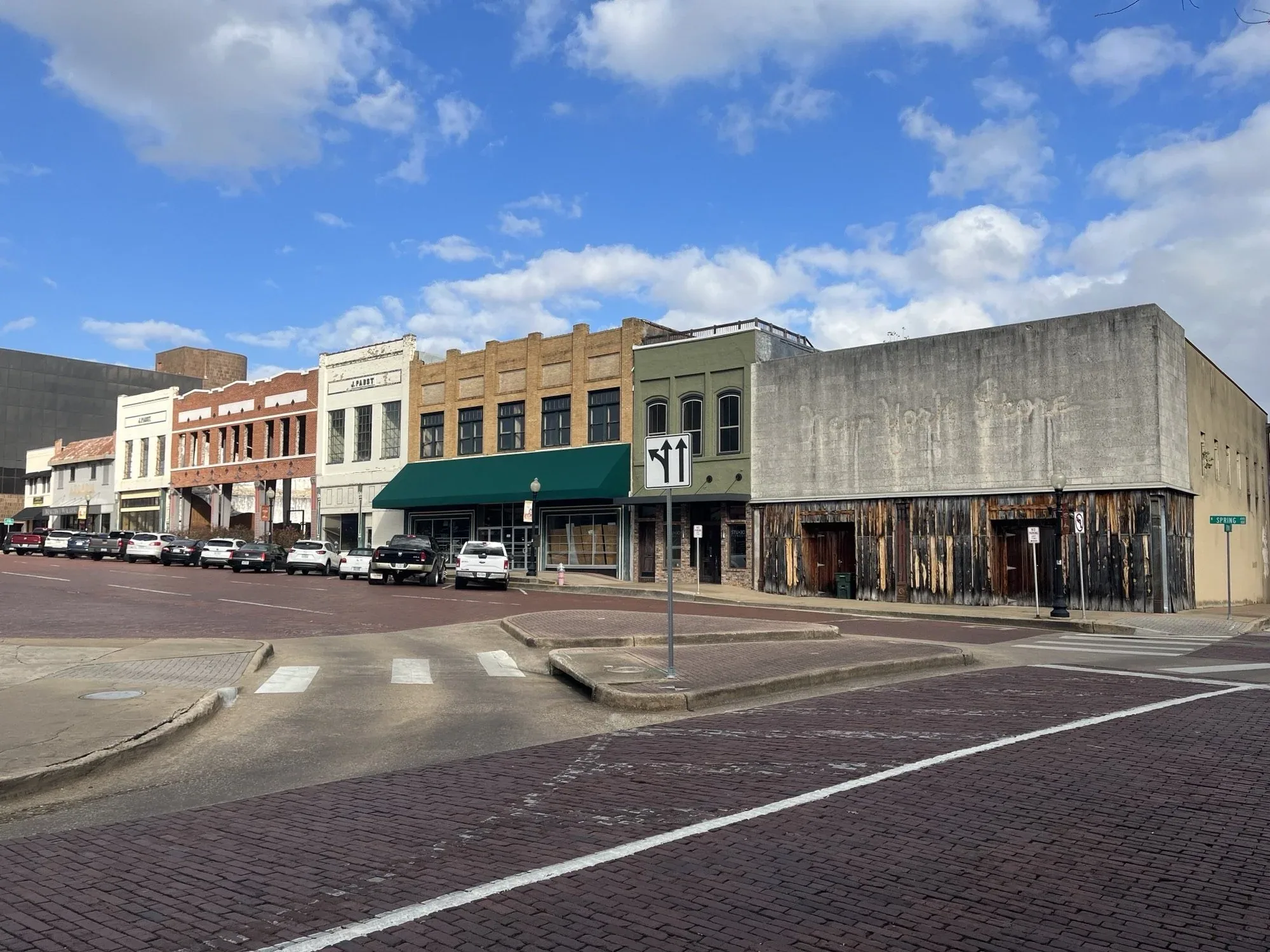
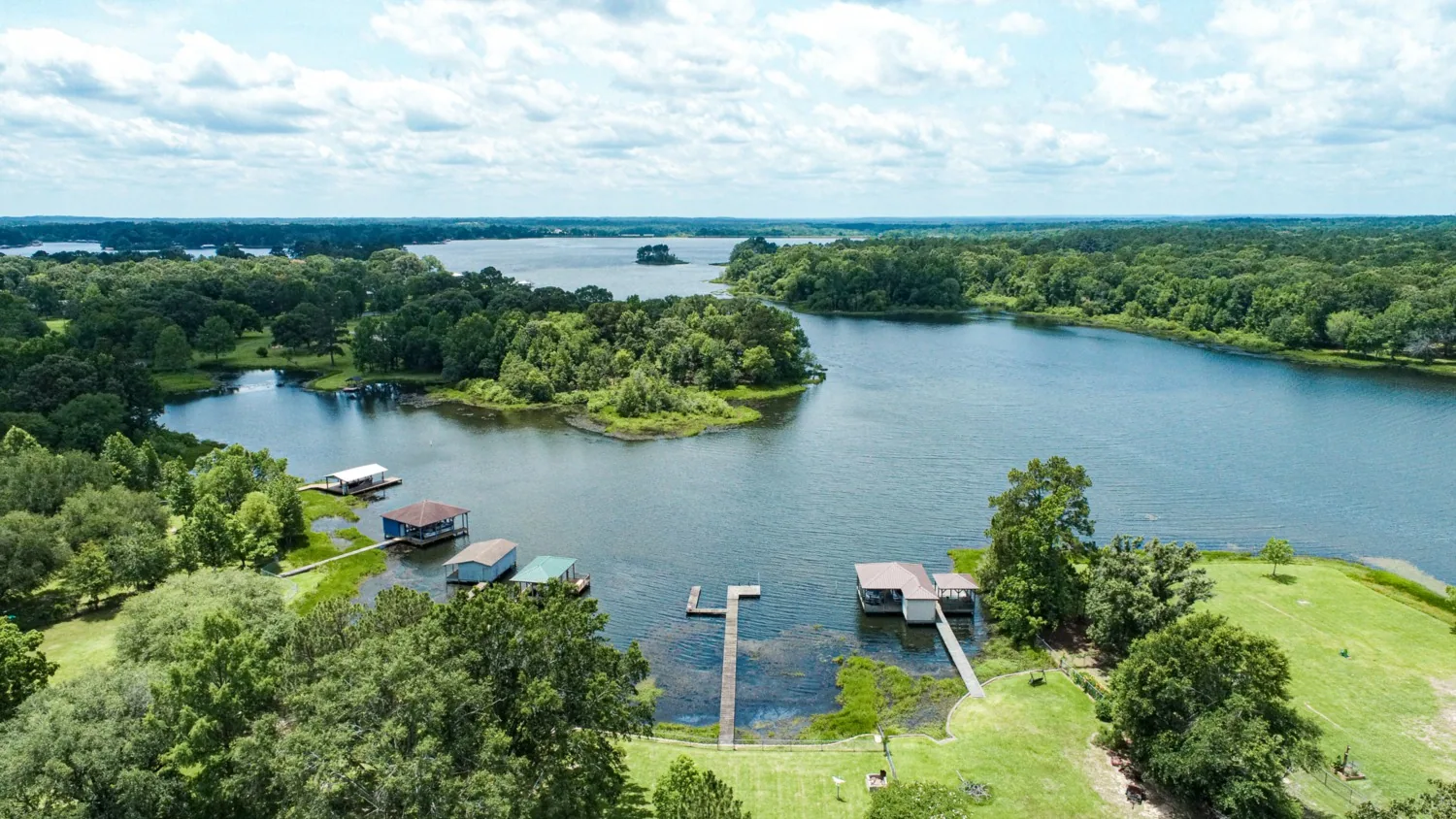
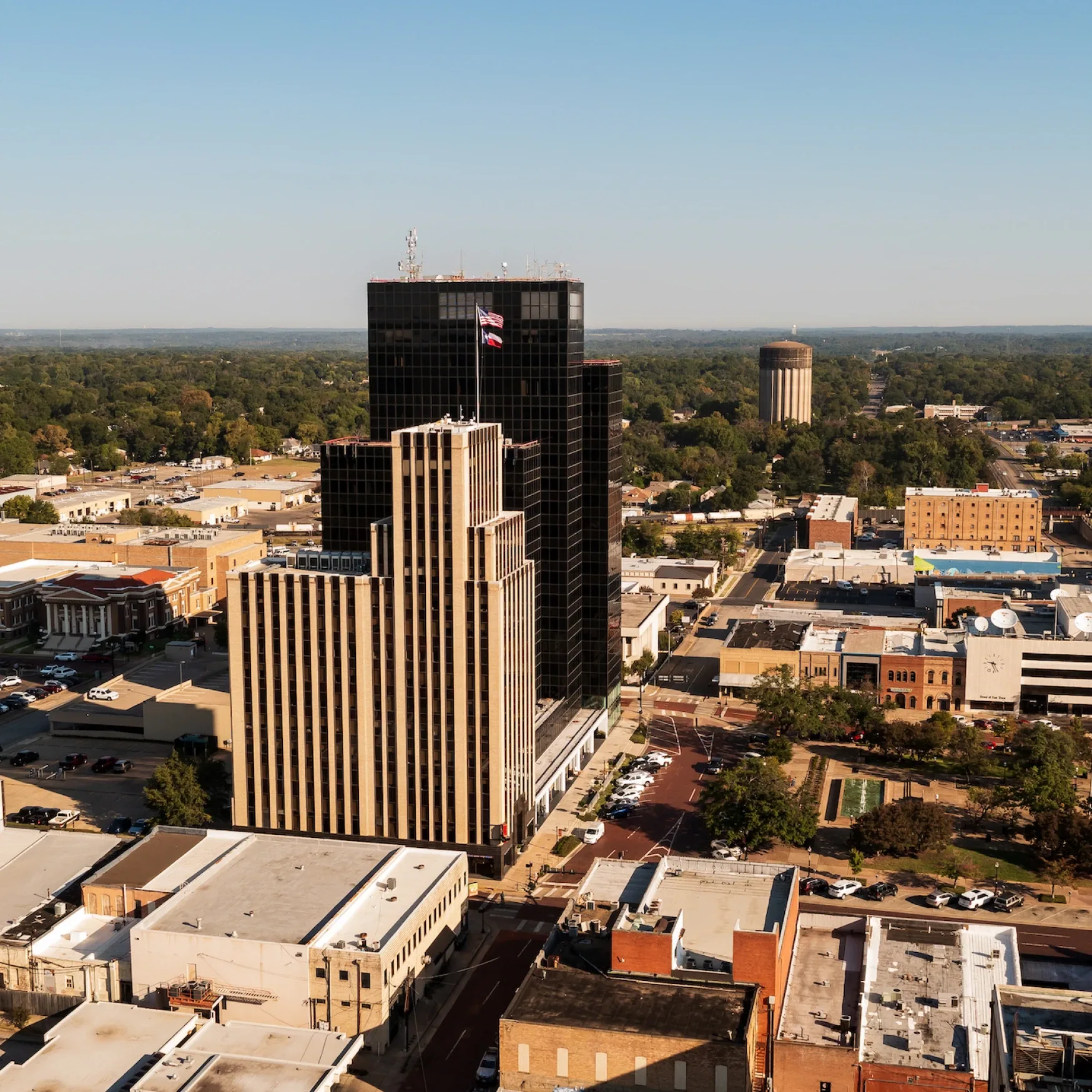
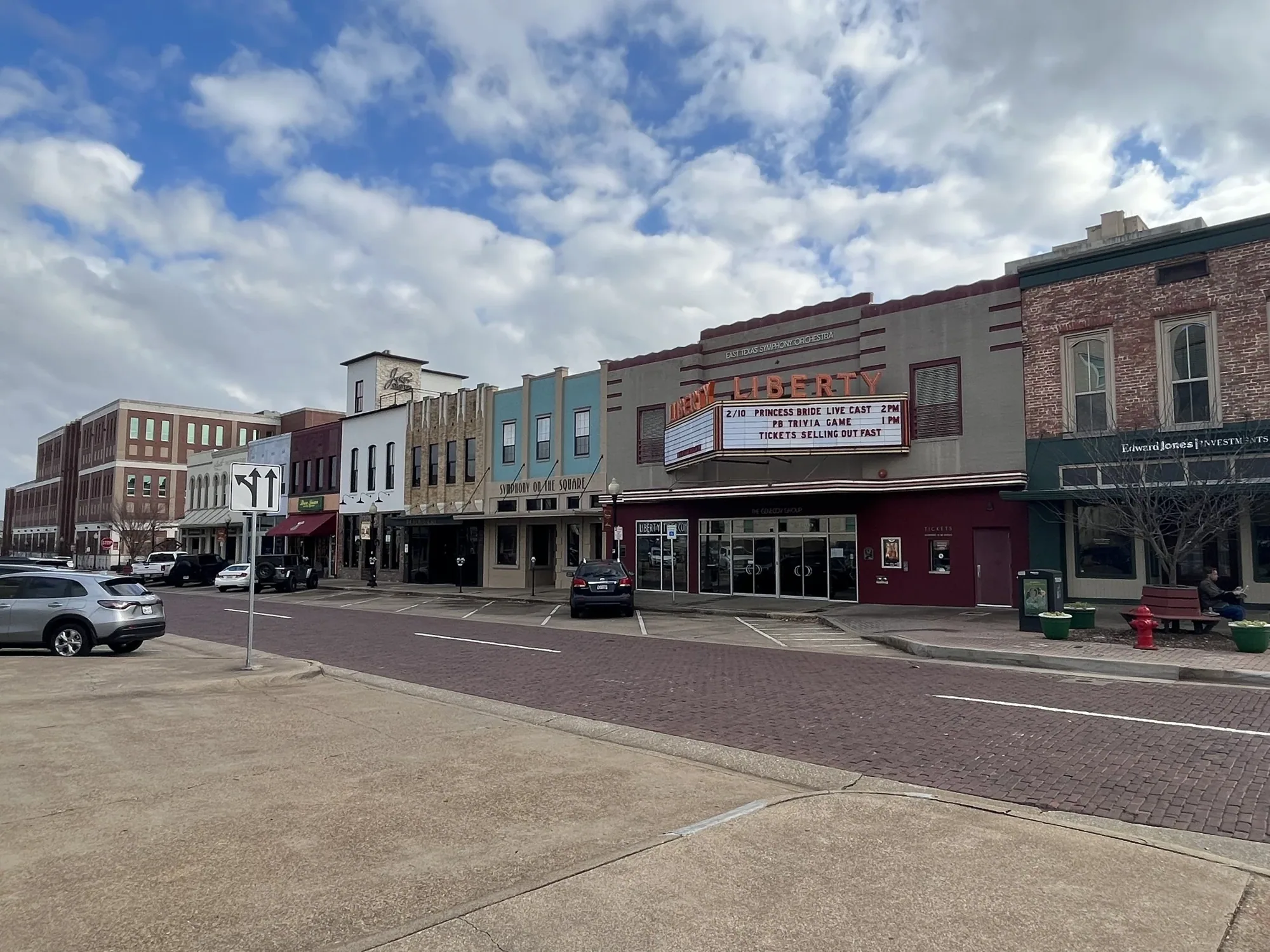
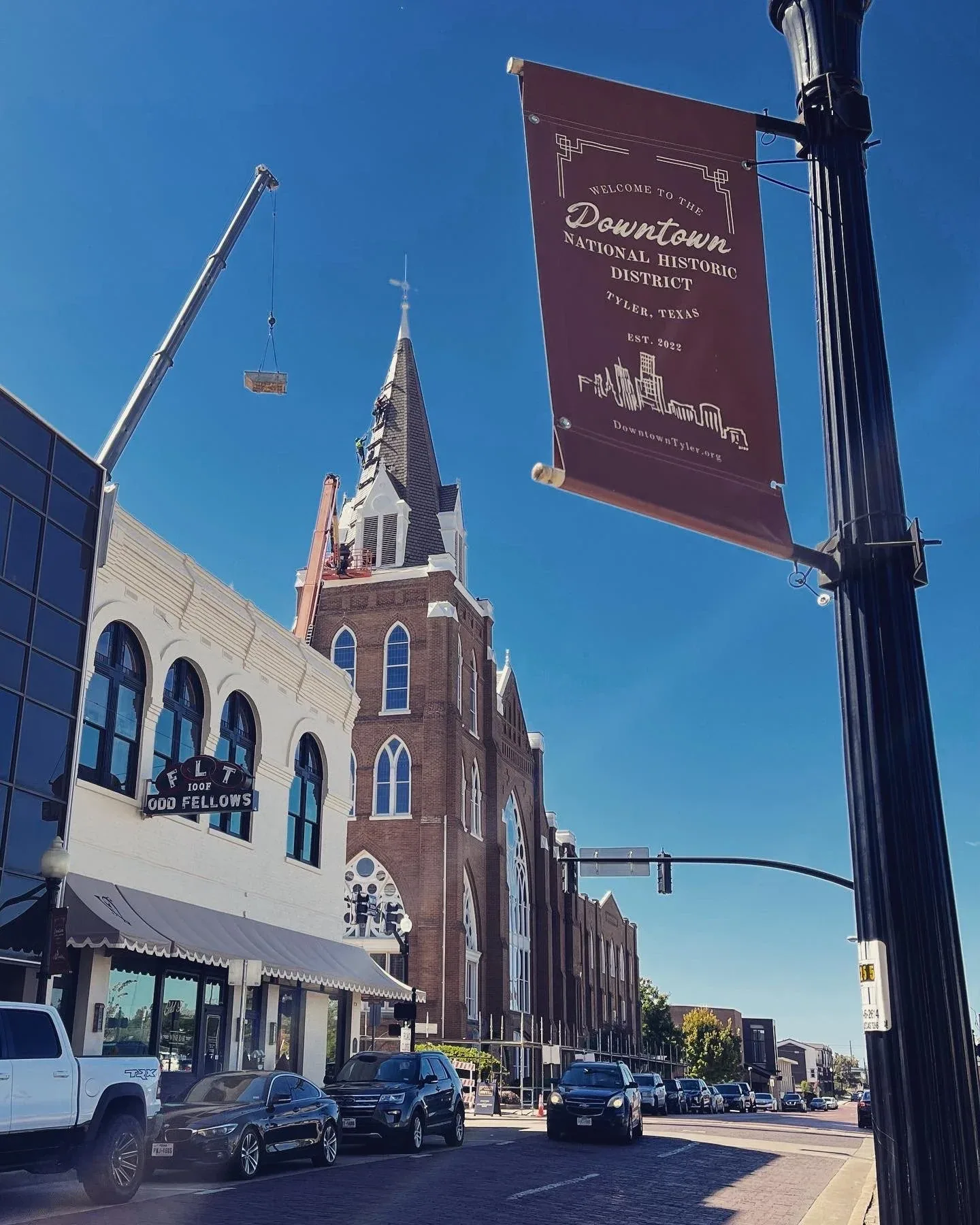
Regional headquarters and firms in advanced manufacturing, corporate services, and information technology are among Tyler’s target sectors. The Tyler Interstate Commerce Park beside I-20 and SH 155 is a broad business-park project; Downtown Tyler is a separate multi-property setting. Those places have different logistics and access context, not a shared roof profile. In either area, we verify the actual entrance, staging limits, equipment clearances, occupied hours, and roof-zone boundaries. In the Tyler service area and Downtown Tyler district, each scope carries its own access plan, assembly record, and release contact.
On occupied buildings, a crew handoff has to account for deliveries, rooftop equipment, interior protection, noise-sensitive tasks, and other trades. We coordinate the approved access period and note any area held for testing. If a weather delay changes the plan, exposed-section closeout and temporary water control are recorded before the crew leaves. The next zone is released only after its stated condition is met.
Records that carry the next decision
A written condition report with photos gives the owner a location-based account of the roof. We can document preventive maintenance, repair history, survey results, and insurance-claim conditions without blending the source observation with a conclusion that the field work does not support. A photo-based roof report can mark what was completed, what remains open, and whether another access release is needed. This helps a general contractor coordinate follow-on trades and gives the next inspection a usable baseline.
For an owner with several properties, a shared calendar can coordinate the visits while each building keeps its own plan, system details, photographs, and approvals. A multi-site roof schedule can show the next inspection or capital hold point without carrying one property’s condition to another. Maintenance can then address drainage, flashing, seams, and previous repairs at the intervals the roof and operating plan require.
Our closeout names the work performed, materials noted in the approved scope, tests completed, drain status, temporary protection removed or left in place, and any item to monitor. If a permanent detail is waiting on a test or approval, it stays visible in the handoff. That record supports the next decision without turning an unresolved condition into a completed repair.
Contact Us
Tell us about the property, roof type, known leaks or damage, access conditions, schedule, and any inspection, maintenance, repair, replacement, coating, insurance, or warranty needs. We will review the information and outline the next practical step.