
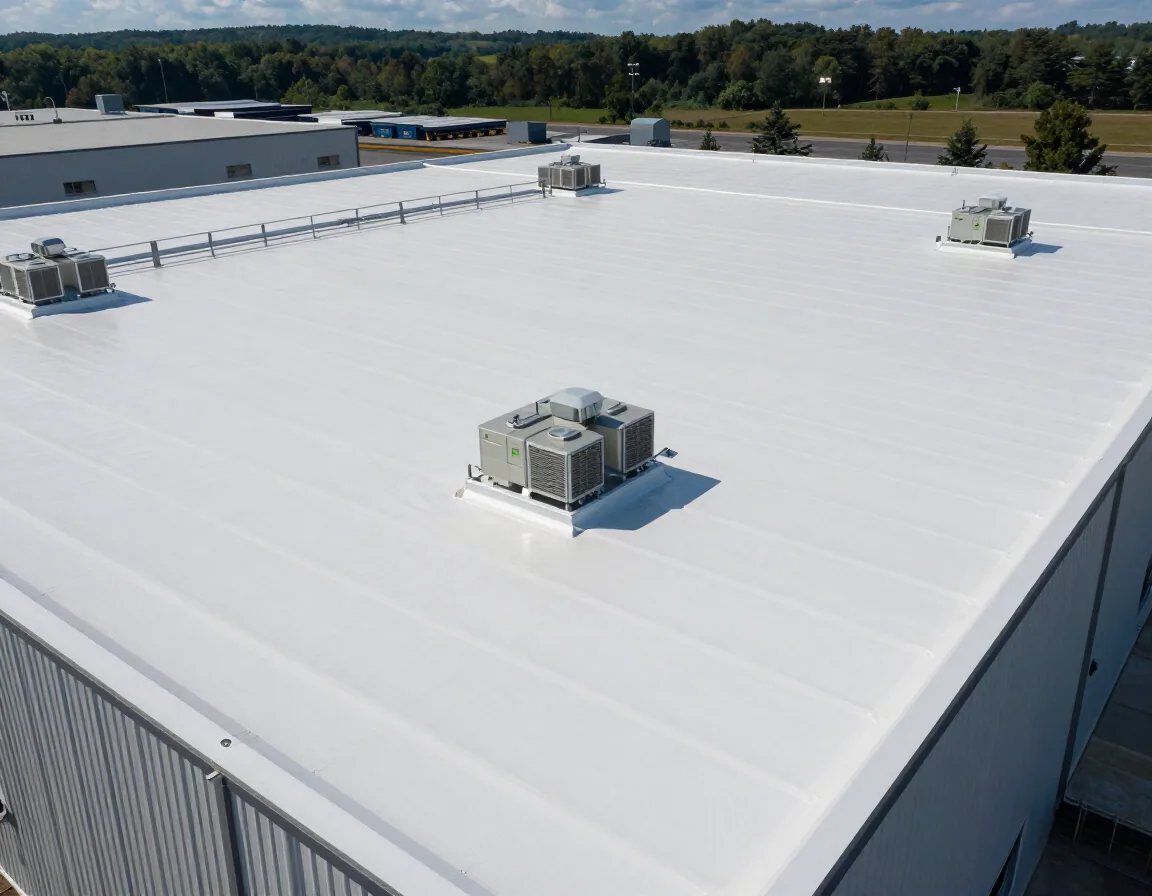
On an East Texas roof, a loose EPDM lap can become a larger opening when a spring storm drives rain beneath the edge. We start by mapping the seam, flashing, drain path, and adjacent membrane before deciding whether to patch or open a wider area. Across East Texas, spring and autumn severe thunderstorms can bring hail and damaging wind. South Broadway Commercial Corridor and Tyler Midtown require different access plans.
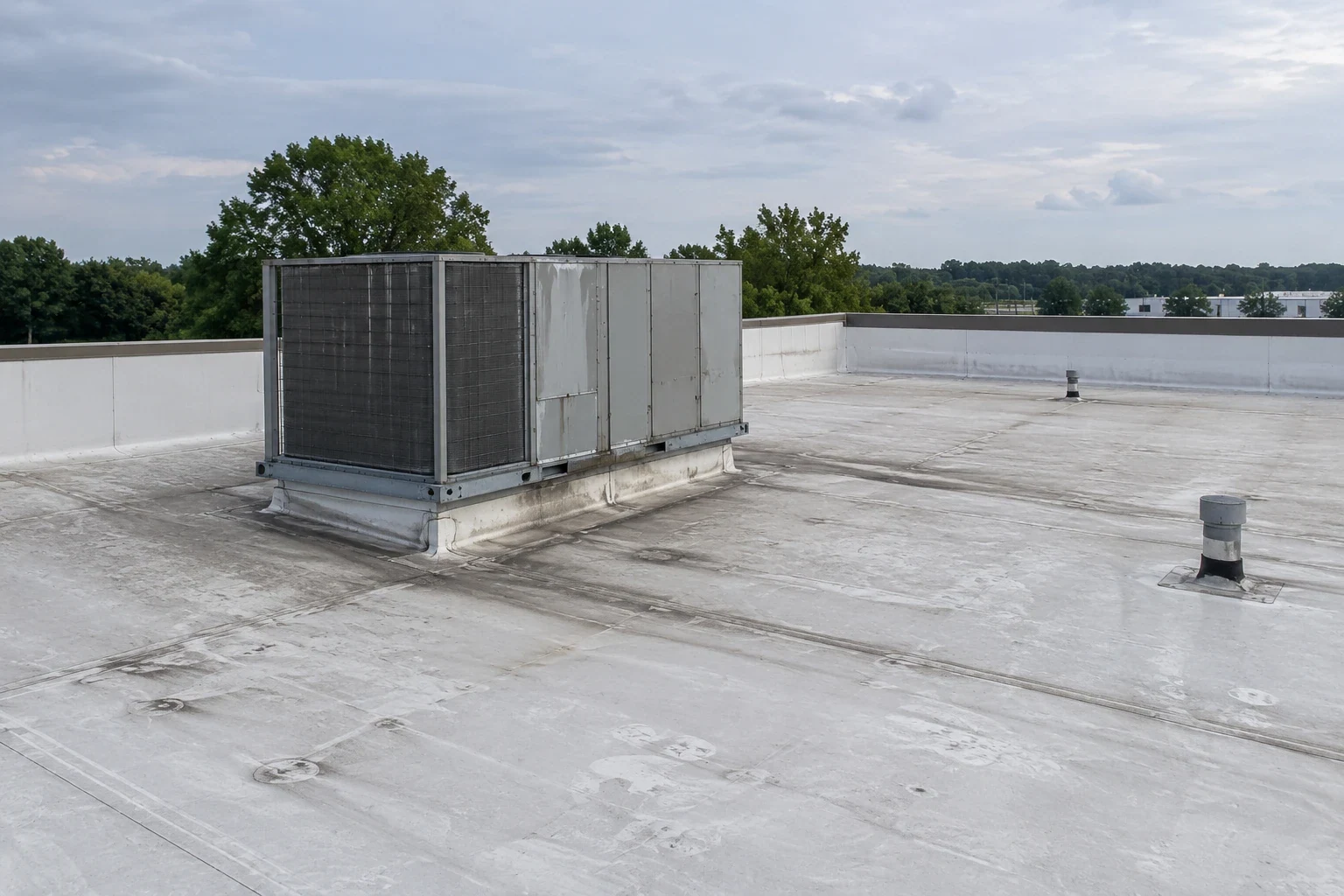
EPDM is a flexible synthetic rubber membrane commonly installed in black or white sheets. Its seams are joined with approved tape or adhesives, and those transitions require clean preparation and compatible materials. We review the existing assembly, field sheet, edge conditions, and evidence of moisture before prescribing repairs. A roof inspection can establish a baseline, while a leak investigation follows the water path to the likely entry point.
Sheet condition and movement
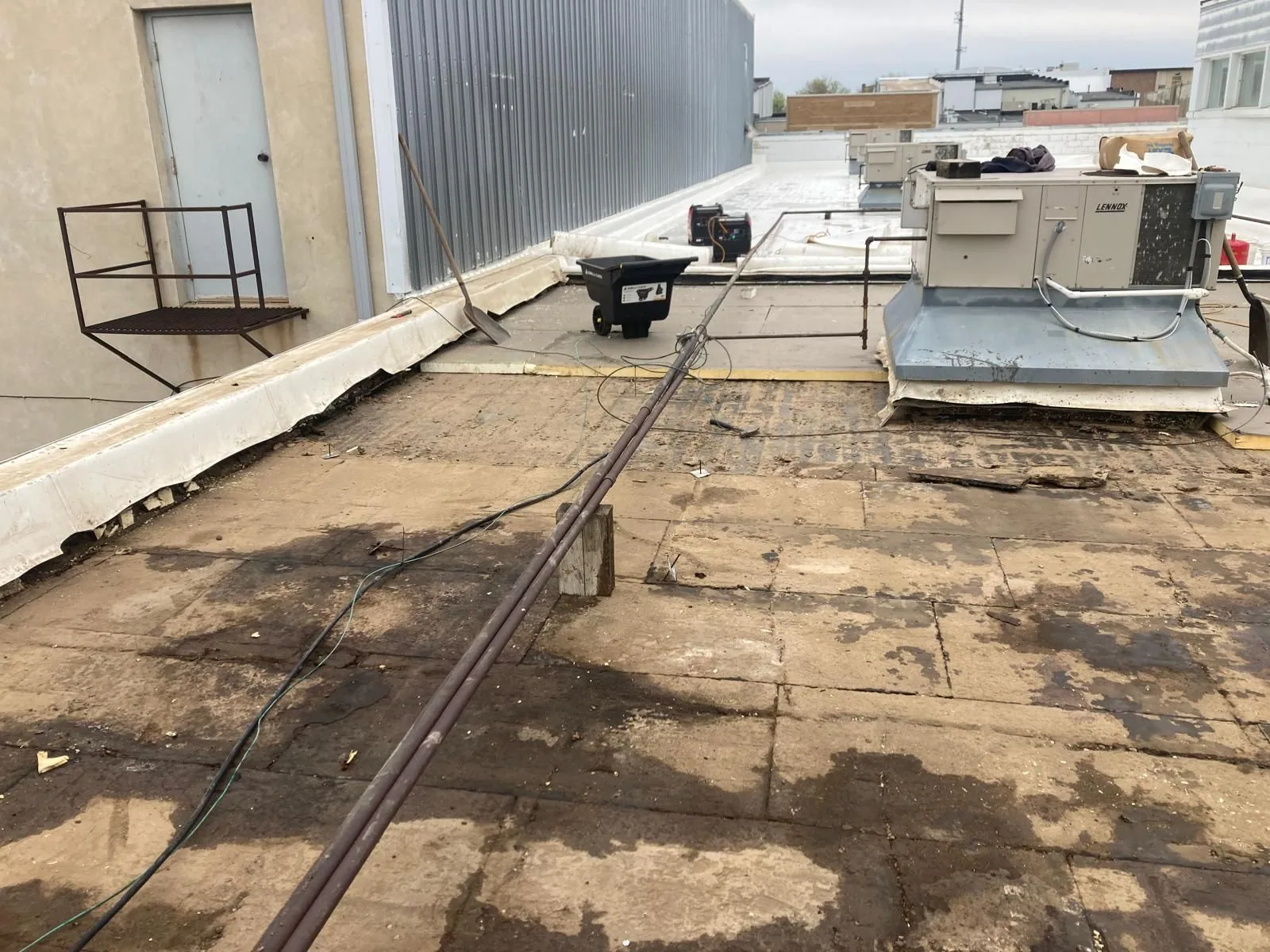
EPDM flexes as temperatures change, but movement concentrates at corners, laps, penetrations, and terminations where installation details are incomplete or aging. We look for shrinkage, fishmouths, open edges, punctures, surface contamination, and repairs that have lost adhesion. The roof record marks each observation on a plan and separates visible damage from areas that need a probe, moisture test, or selective cut. That distinction helps the owner choose a local repair, broader restoration, or replacement study.
Roof traffic can leave cuts or compressed areas near service equipment and access points. We identify safe routes and note where pads or walkways may be needed to prevent repeat damage. In South Broadway’s commercial corridor, deliveries and shared access can constrain where material is brought up or staged; those logistics belong in the daily plan. The roofing detail still depends on the membrane and substrate present. A general contractor receives a zone map, repair limits, and a named hold point for any condition that changes scope.
Lap and flashing repair
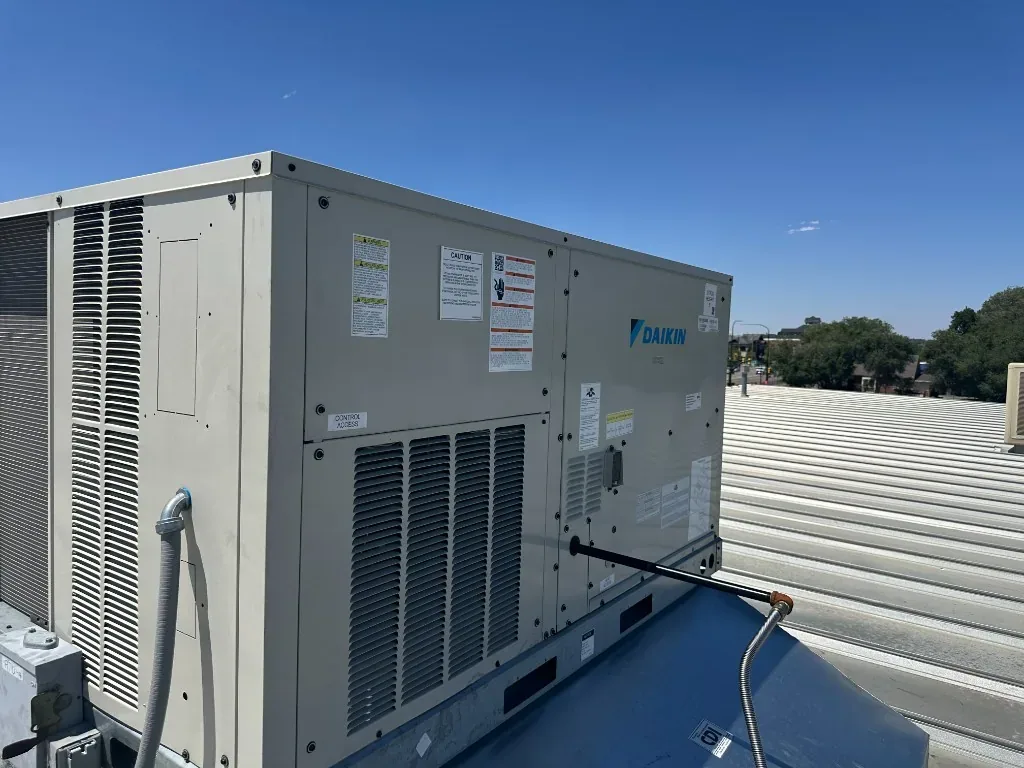
A durable EPDM repair needs the right cleaner, primer, tape, or adhesive for the sheet and detail. We prepare the surface to the product requirements, round patch corners where specified, and press the repair so the full contact area bonds. At a wall, curb, or pipe, the flashing system must terminate correctly and remain compatible with adjacent materials. A patch placed over dirt or wet material may conceal an opening without fixing the bond at its edge.
We check representative laps and repair boundaries before closing the next zone. Any probe test happens after the bond reaches the condition specified for inspection, and the result is recorded beside the roof location. Tyler’s July normal high of 94.5°F signals that dark roof surfaces may need particular attention during summer sequencing, but the surface reading controls. We check the substrate and product limits before using primer or adhesive.
Drainage and concealed moisture
Water can travel beneath a membrane before appearing inside, so a ceiling mark does not set the repair boundary. We compare the reported leak location with seams, drains, curbs, penetrations, and roof slope, then check insulation and deck conditions where access allows. Ponding can hold debris against a lap or keep a repair area wet. A drain path check distinguishes an obstructed outlet from low insulation or a slope condition that needs separate work.
When a test cut or infrared scan is warranted, the work package notes the location, purpose, and decision each result can answer. A dry spot at one test point does not clear an adjacent zone with different layers or symptoms. We mark where EPDM can stay and where wet material or deteriorated decking must be removed before a patch or overlay. A moisture survey or drain review can be sequenced before the membrane repair to reduce rework.

Heat, wind, and exposed-section control
July’s Tyler climate normal is a planning reference for heat, not a field setting. Adhesive work depends on the actual substrate, air conditions, and product instructions. We take the reading before preparation and again if conditions change, then assign a work area that can reach its required bond and inspection point within the shift. If that window moves, the crew closes the section and records what remains before switching to an approved task.
Spring and fall storms bring hail and damaging wind across the wider East Texas region. A sudden weather delay can reach a partially prepared membrane, so protection and drain clearance are part of mobilization. The closeout names who secures each temporary edge, confirms the outlet, and approves access after the weather passes. For a metal edge or perimeter that moves in wind, a wind-damage scope can be tracked separately from EPDM seam work.
Recover or replace
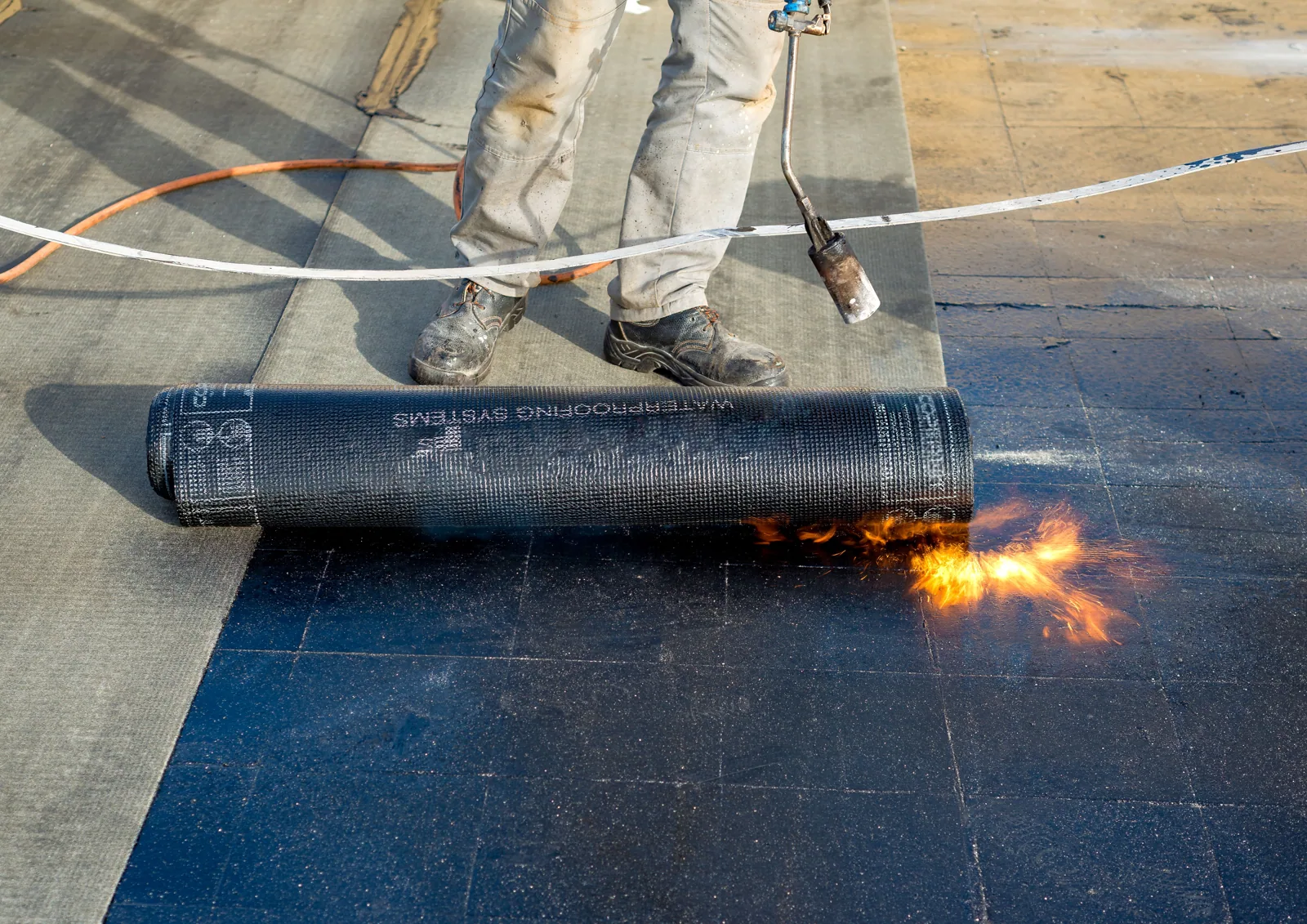
A recover only works when the existing assembly is sufficiently dry, stable, and compatible with the proposed layers. We inspect attachment, moisture, deck, insulation, and the number of existing roofs before comparing an overlay with removal. Added weight, trapped moisture, or a poor tie-in at the perimeter can defeat an otherwise convenient membrane choice. We list removal and repair assumptions separately, including where a test result could shift quantities or the schedule.
Tyler applies the 2021 IBC and IECC to building plans beginning January 1, 2024. For an EPDM recover, the design review still has to resolve existing layer count, attachment, and edge transitions alongside the permit path. We keep those questions on the proposed assembly scope rather than treating code adoption as approval of a system. An alternative TPO system or modified bitumen assembly can be compared when deck, use, and maintenance priorities point elsewhere.
Records for the next release
Before work begins, we need the roof plan, known leak history, assembly information, access limits, and the date by which the owner needs a decision. We return a sequence that identifies test cuts, work boundaries, temporary protection, and the general contractor’s approval points. During execution, the crew updates the plan with repair locations and seam checks. A hold point stays open until the approved person accepts the finding or directs the next package.
Turnover records the membrane and accessories installed, completed laps, flashed details, drains checked, and any area that was outside the authorization. Photographs show repair edges and transitions so later service can compare the same condition. Cost and duration depend on sheet thickness, insulation and deck repairs, access, curb count, removal, and the weather window. A condition report preserves findings for the next maintenance review, while the Tyler work plan keeps access and release responsibilities attached to each roof zone.
Commercial Roofing Questions
How do you trace a leak through an EPDM roof?
We compare the interior report with roof seams, transitions, penetrations, drains, and slope, then inspect or test the likely path. The opening can be away from the water stain. We record which areas were checked and what test remains before expanding the repair boundary.
Can an open EPDM seam be taped over?
A repair uses compatible cleaner, primer, tape, or adhesive and requires the surface and bond conditions specified for that system. We prepare the area and inspect the finished edge after the required interval. If wet insulation or failed substrate is present, a surface patch alone may not resolve the condition.
What changes the timing for EPDM adhesive work in Tyler?
Actual substrate temperature, moisture, product limits, roof access, and the time available to complete and protect a section control the sequence. The 94.5°F July normal flags a hot period but does not replace field readings. We log the roof-zone release and shift work when conditions fall outside instructions.
Can a new EPDM layer cover the existing roof?
Only after the existing assembly is checked for moisture, attachment, structural capacity, compatibility, and applicable code limits. We identify the number of layers and test areas that could change the decision. An overlay, repair, and tear-off comparison should show each open condition and cost driver.
What should I receive after an EPDM repair?
You should receive a repair map, photographs, seam and flashing details, materials used, and any test result or area left outside the scope. We identify the next inspection trigger and assign follow-up for unresolved moisture or deck findings, so a later leak call starts with a useful record.
Related Pages
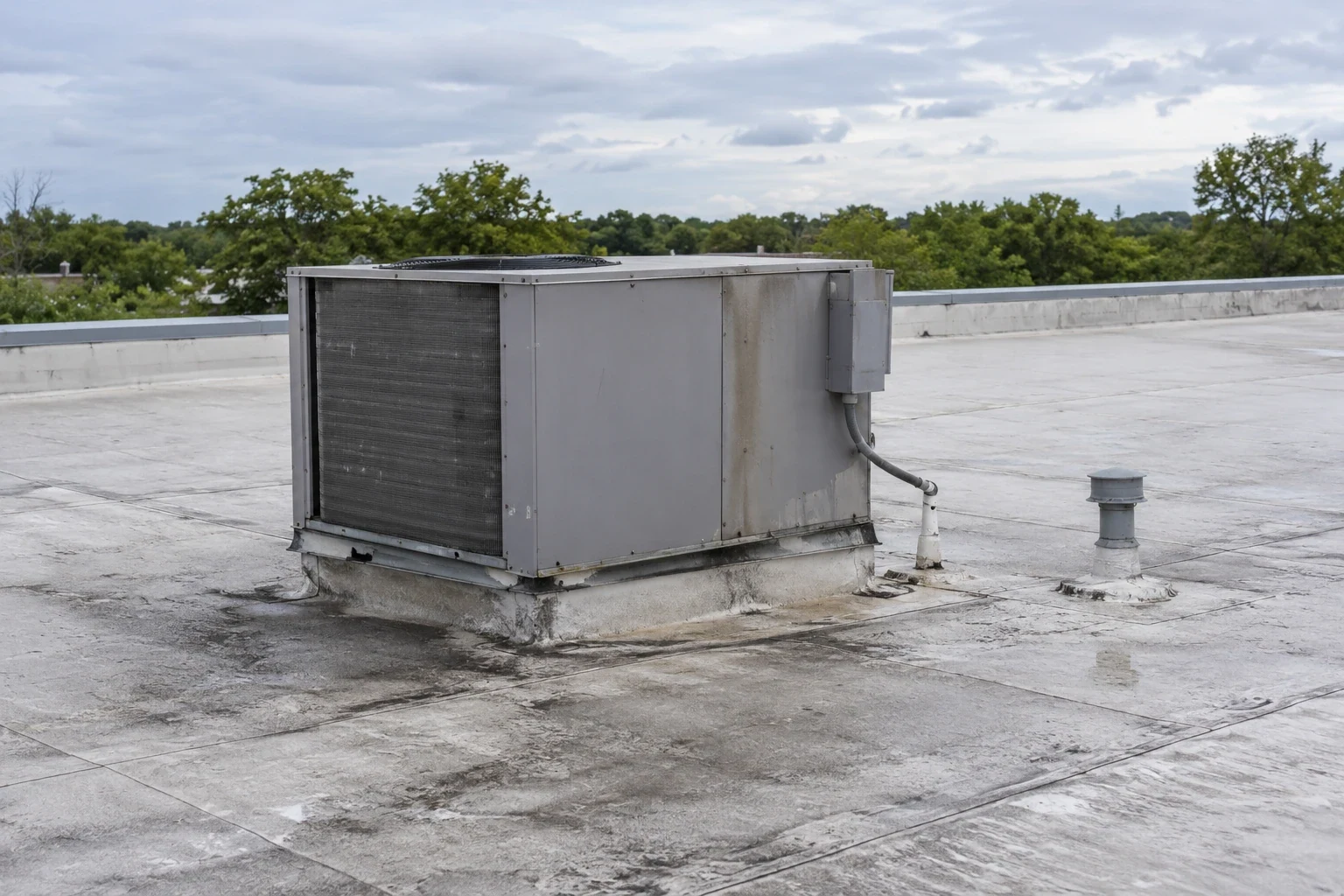
Commercial Roof Inspection
Tyler, TX
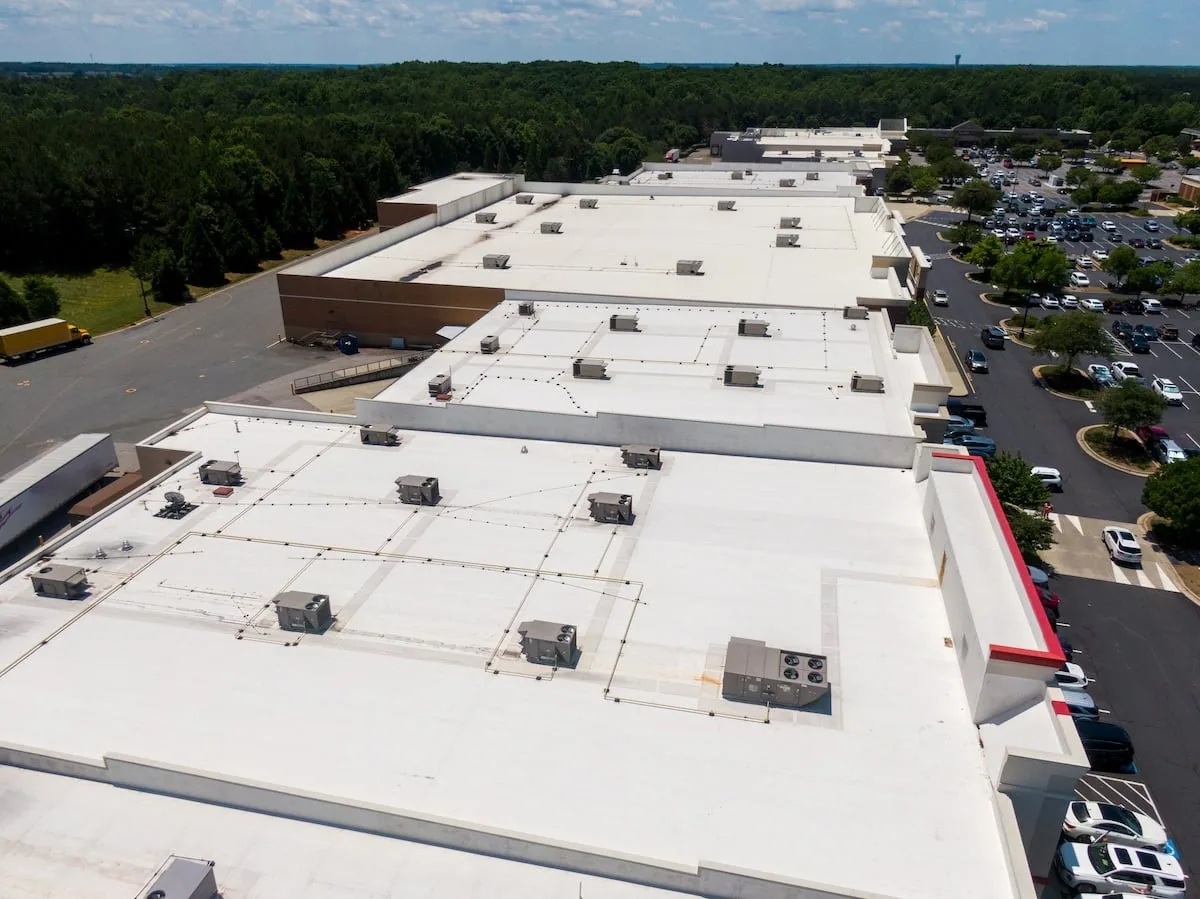
Commercial Roof Leak Repair
Tyler, TX
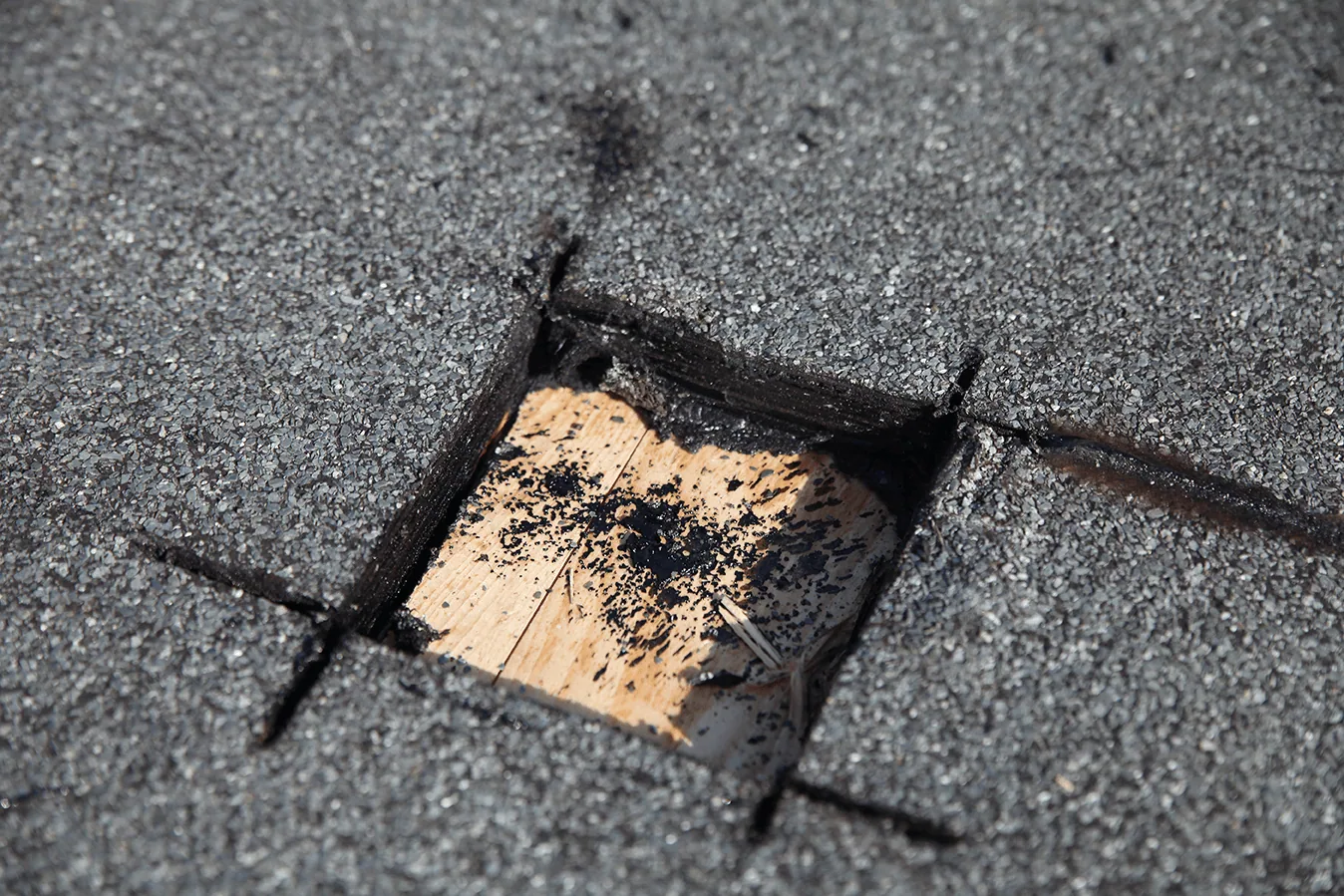
Infrared Roof Moisture Survey
Tyler, TX
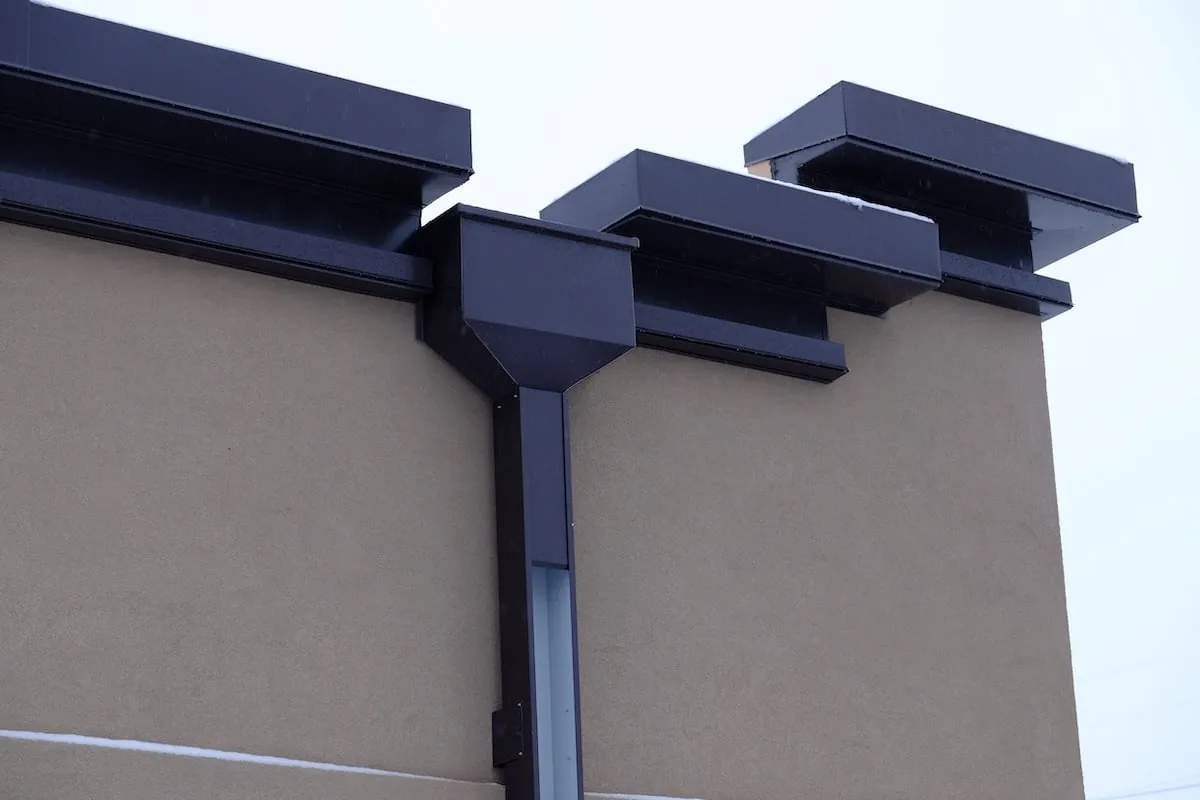
Commercial Roof Drains and Scuppers
Tyler, TX
Map the EPDM repair sequence
Share the roof plan, leak history, existing assembly, access window, and decision deadline. We will return an EPDM scope with seam tests, drainage findings, heat-sensitive work, and exposed-section closeout points for the general contractor.