
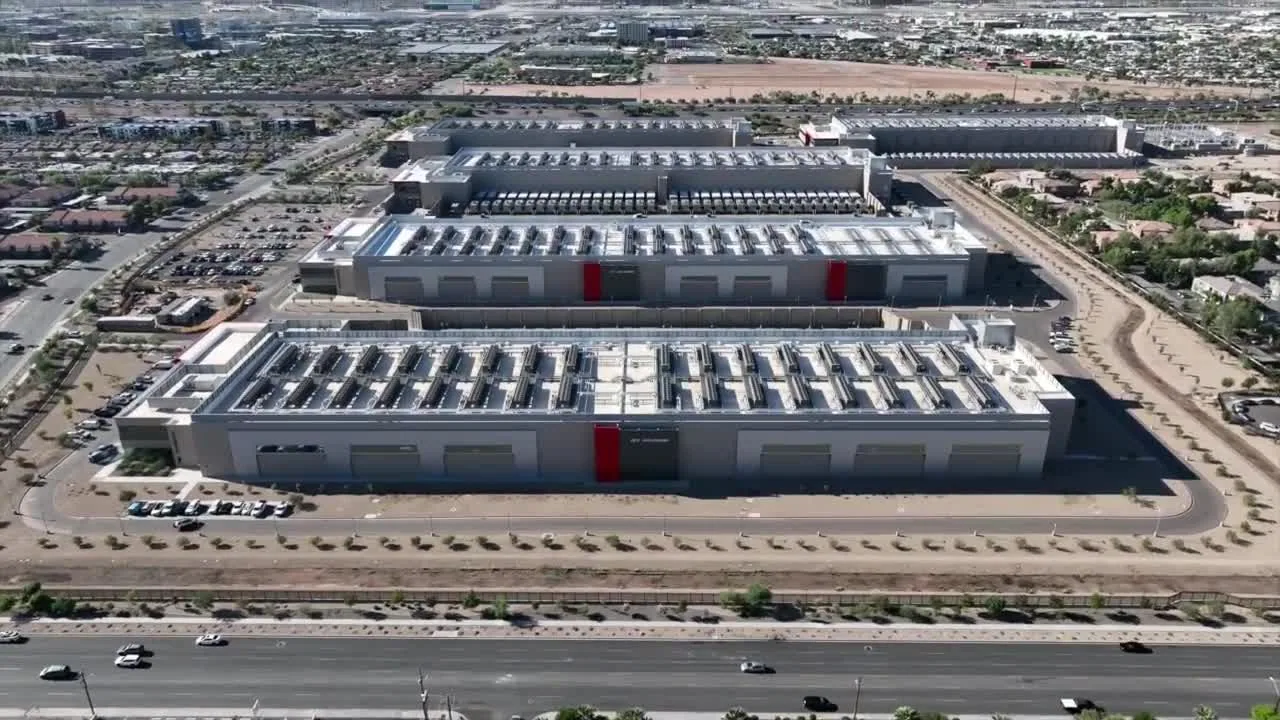
By early afternoon, a sunlit Tyler roof can move beyond the range for an adhesive-sensitive step. The normal July high is 94.5°F, so we take a substrate reading and check product instructions before setting that work package. Data center planning starts with the roof plan, cooling equipment, cable routes, intake and exhaust areas, and the operating team’s access limits. Information technology and corporate services are among Tyler’s target industries. The Tyler service area and Interstate Commerce Park near I-20 provide broad context, while a data center’s actual layout and operations must be confirmed with its facility team.
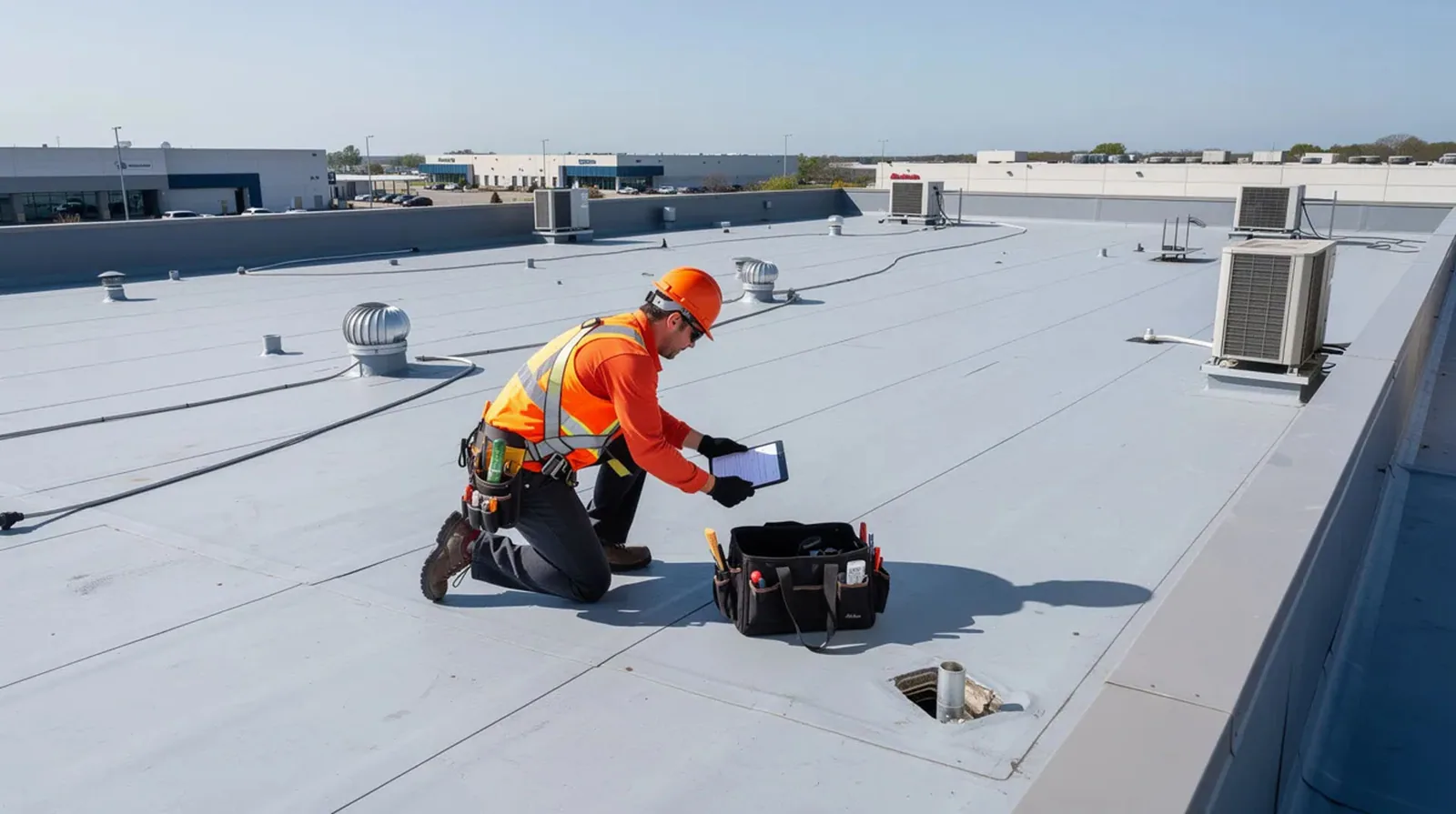
A data center roof includes membrane field, seams, edges, penetrations, supports, and service paths. Water risk has to be evaluated against current equipment locations and interior controls, not a generic roof diagram. We mark each finding, trace likely pathways, and identify whether the next step is repair, testing, or a wider assembly review. A roof inspection can map conditions by zone; an office roof may have different continuity demands, while a hospital roof may add occupied-care access controls.
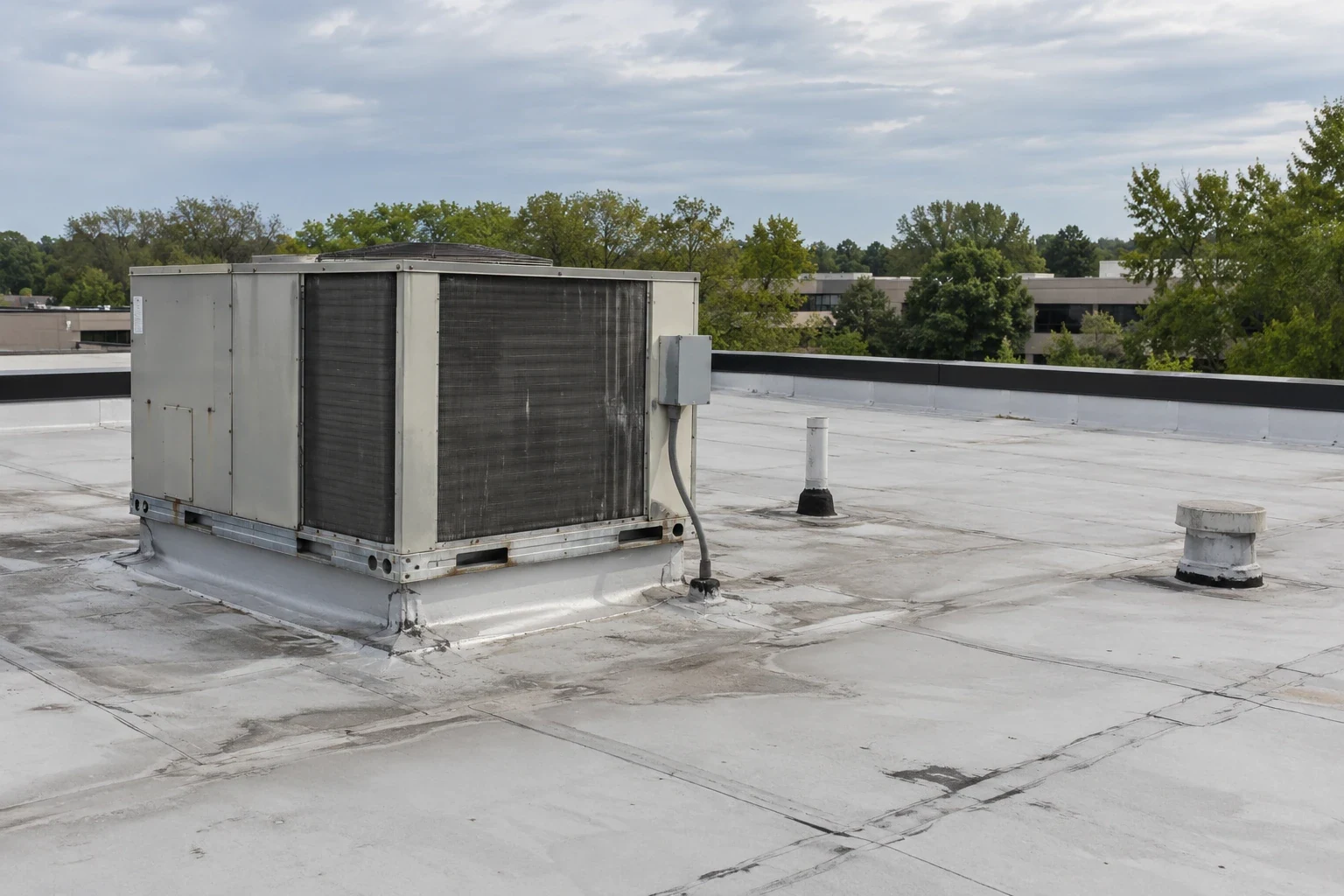
Cooling equipment and service paths
Cooling equipment creates curbs, supports, piping transitions, and service lanes that should appear on the roof map. We inspect flashing at those points and note whether maintenance access crosses a planned work area. The facility contact identifies equipment that must stay available, any redundant unit arrangement, and who approves a temporary restriction. We do not assume a shutdown is possible; the work package records the agreed operating boundary before material is removed.
A roof repair can also change how a technician reaches a unit. Staging beside an intake, blocking a service lane, or leaving loose material near a fan may interfere with maintenance. We set the material route, protection line, and crew handoff with the operating team. If equipment needs adjustment or temporary protection, that trade receives its own task and release. Roofing details are then checked after the equipment work so new fasteners, lines, or service changes do not leave the membrane open.
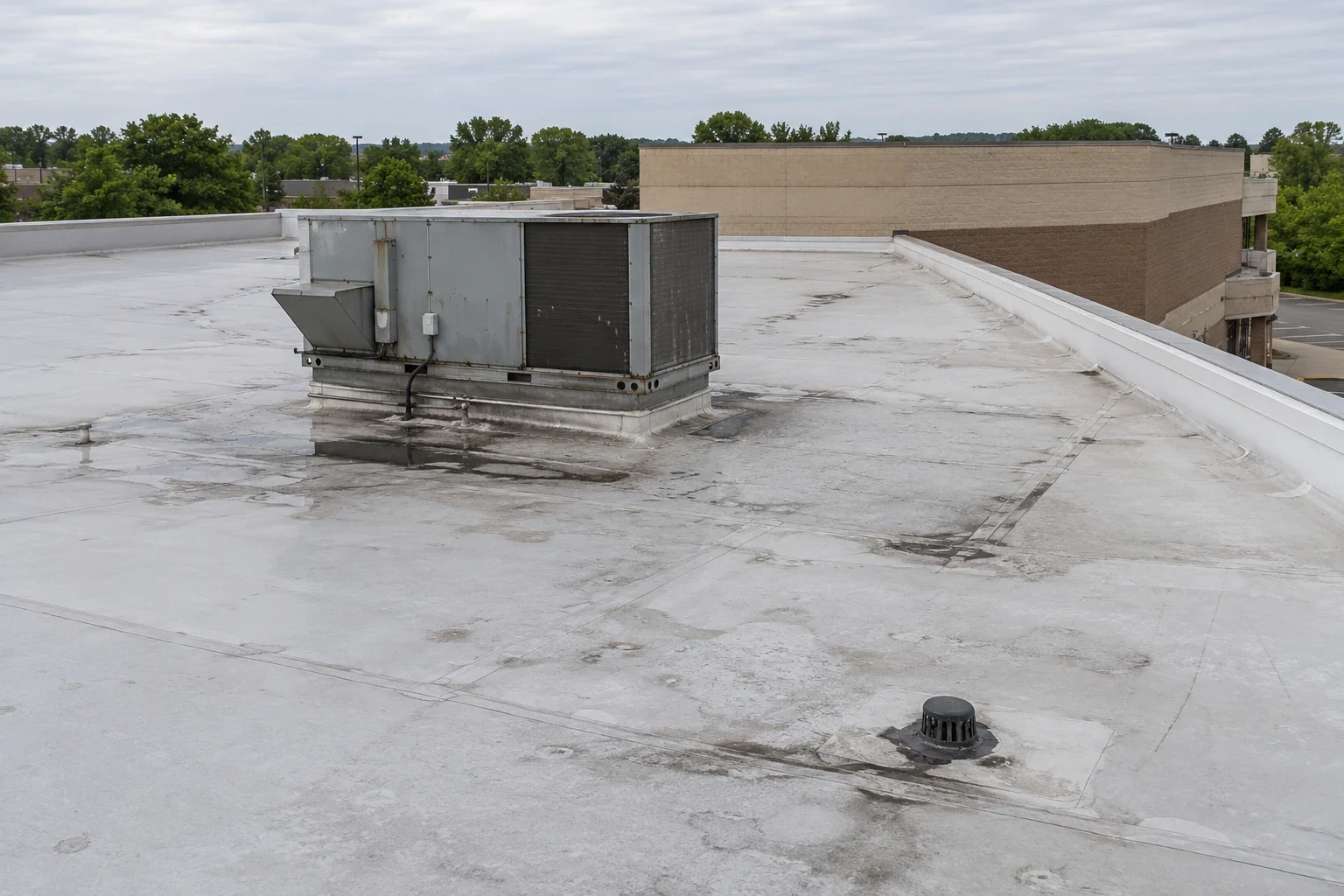
Leak evidence and test locations
A ceiling alarm, stain, or moisture reading identifies a place to investigate, not necessarily the roof opening above it. We compare the report with roof seams, curbs, drains, and transitions, then note interior equipment and pathways that may be affected. Infrared review may help select test points when surface conditions support the method. Selective cuts or other agreed checks can confirm whether insulation, cover board, or deck needs attention before repair limits are set.
Each test location gets a roof-zone reference, photograph, finding, and repair to the opening. If the evidence stops at one detail, a local repair may be sufficient. If moisture or seam failures repeat, we extend the map only where the next test can change the recommendation. The infrared moisture survey is one part of that sequence, and a written condition report connects results with the equipment-area release and remaining open decisions.
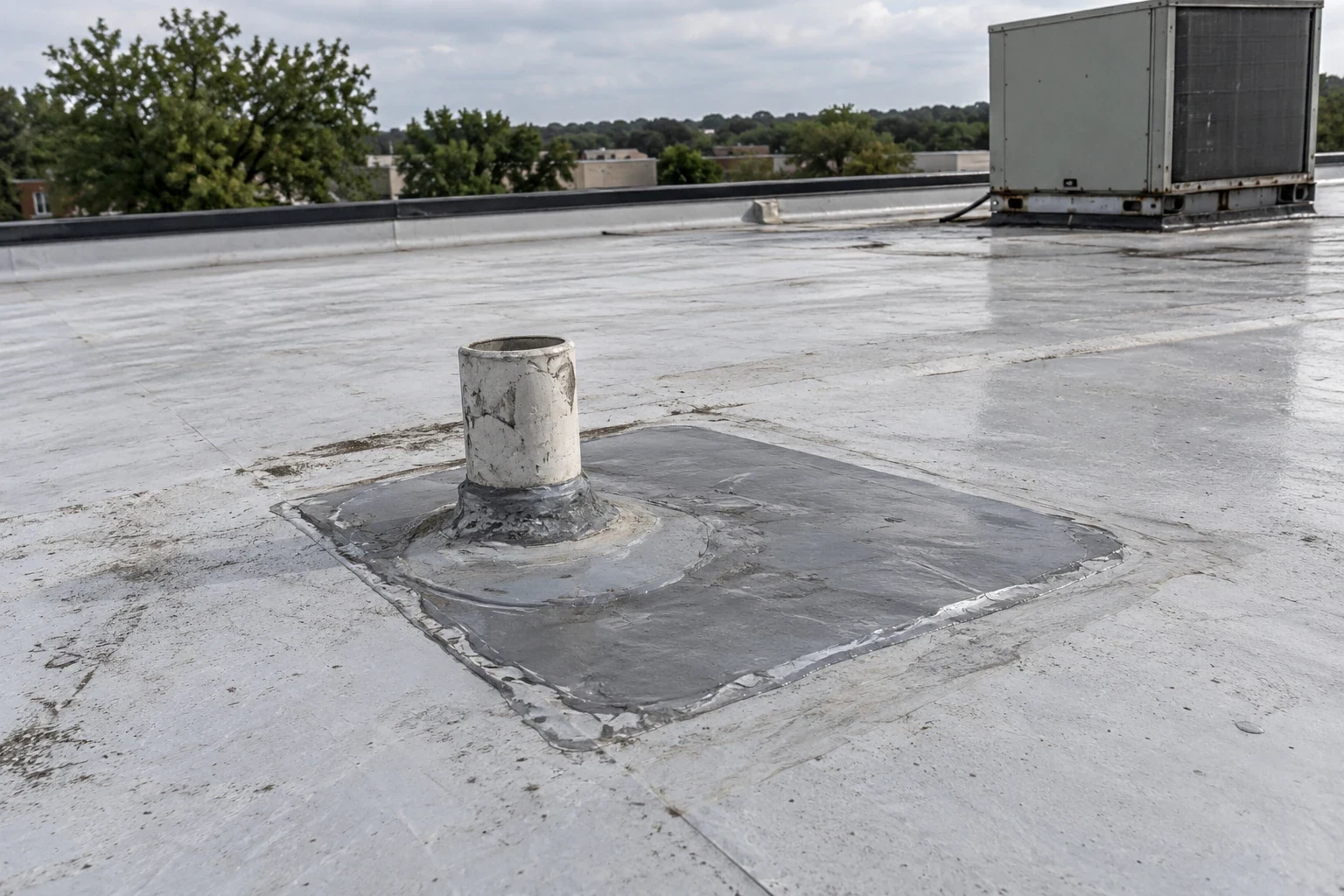
Storm review and protective closeout
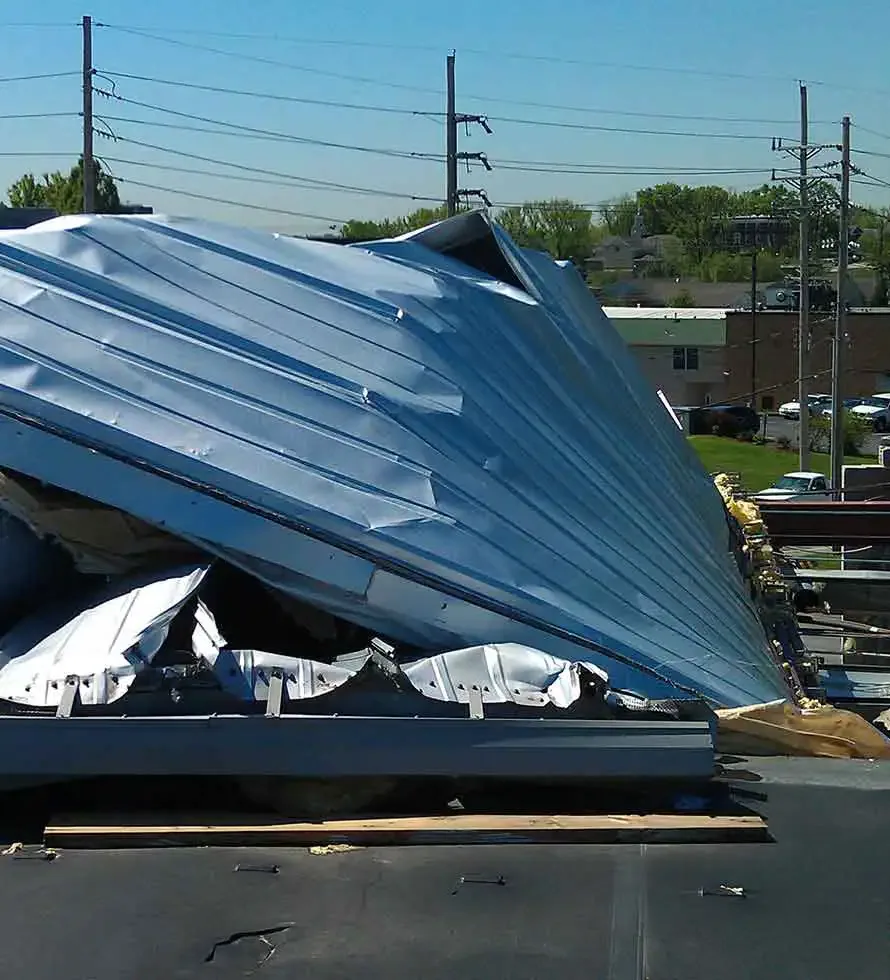
Hail and wind threats rise during Tyler’s spring and autumn storm periods, so a data center review checks the exposed perimeter, equipment flashings, and drain path before any zone release. After a severe-weather report, we inspect exposed edges, rooftop equipment flashings, seams, penetrations, and drain paths for current damage. A tornado was recorded in Tyler on June 8, 2021, confirming local exposure; the date does not establish damage at any particular data center. Current observations, photographs, and agreed tests determine the repair boundary and priority.
Before opening a roof zone, the contractor and facility contact agree on how the section will be protected if wind or rain interrupts work. The closeout records the exposed limit, temporary cover, drain status, and person accepting the next release. A wind-damage inspection can document displaced edges or flashing as its own scope. The crew can then finish a defined repair before a broader roof project proceeds, preserving a clear record for the operations team.
Repair, recover, or replacement
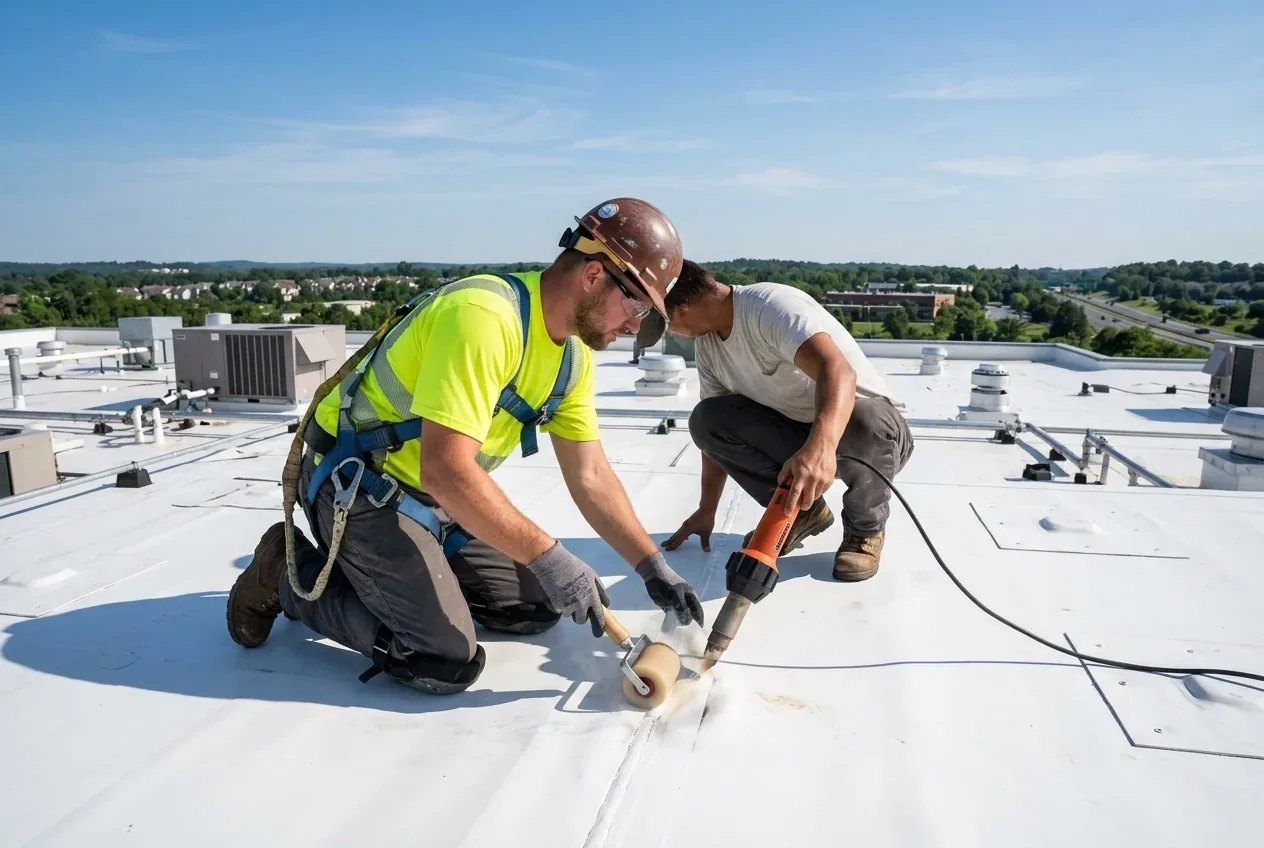
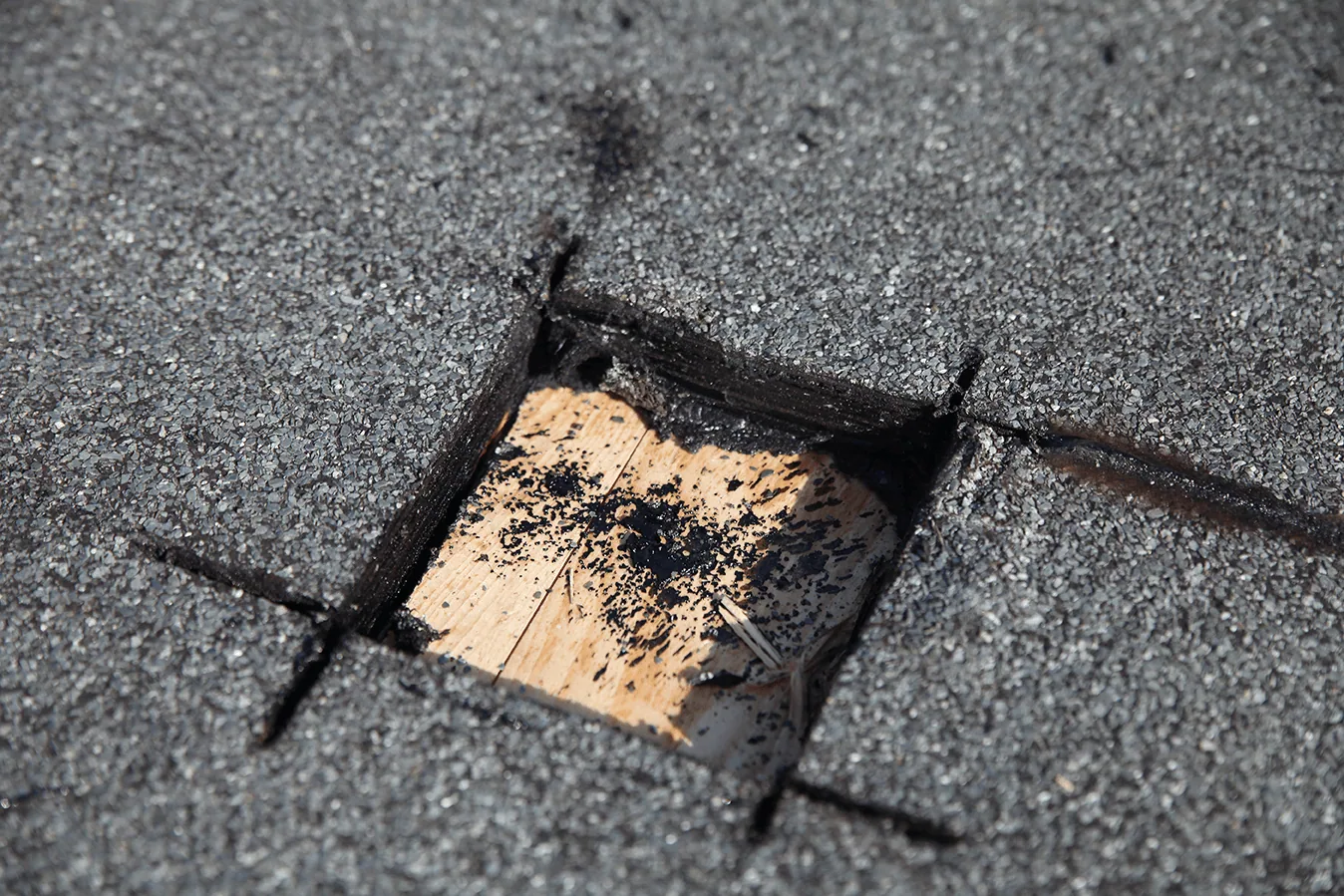
A punctured membrane or failed equipment flashing may be repaired when nearby material remains compatible and secure. We prepare the area, complete a matching detail, and inspect the repair before the zone returns to service. Repeated leaks around separate curbs may point to a shared installation or movement issue. We compare each finding with the equipment plan and prior repairs before deciding whether testing or a wider replacement scope is warranted.
A recover depends on moisture, attachment, layer count, deck condition, and system limits. Additional material can conceal a wet or unstable assembly, which may make removal necessary. Replacement planning also accounts for cooling equipment access, material lifts, perimeter details, temporary protection, and the sequence approved by facility operations. A replacement proposal shows those tasks separately, while roof-zone release points keep the schedule tied to the work that is complete rather than the entire campus or building being presumed ready.
Heat window and installation holds
The 94.5°F normal July high for Tyler is a scheduling cue, not a roof-surface reading. We check the substrate at the intended detail and follow system requirements for adhesive, primer, flashing, and coating. Sun, shade, moisture, wind, and the existing surface can change the allowed installation window. The log records the condition and product step so another crew can see why a seam or curb remains at a hold point.
When heat, moisture, or wind puts a task outside its allowed conditions, we shift to an approved inspection or preparation activity. Before any tear-off, the work plan defines the maximum open area, temporary closeout, and drain path. Tyler’s South Broadway Commercial Corridor and East Grande Boulevard and Old Omen Road study area are regional place references; site access, security checks, and equipment protection still come from the facility’s current plan. A roof-zone release follows the agreed inspection and operations handoff.
Operations handoff and maintenance record
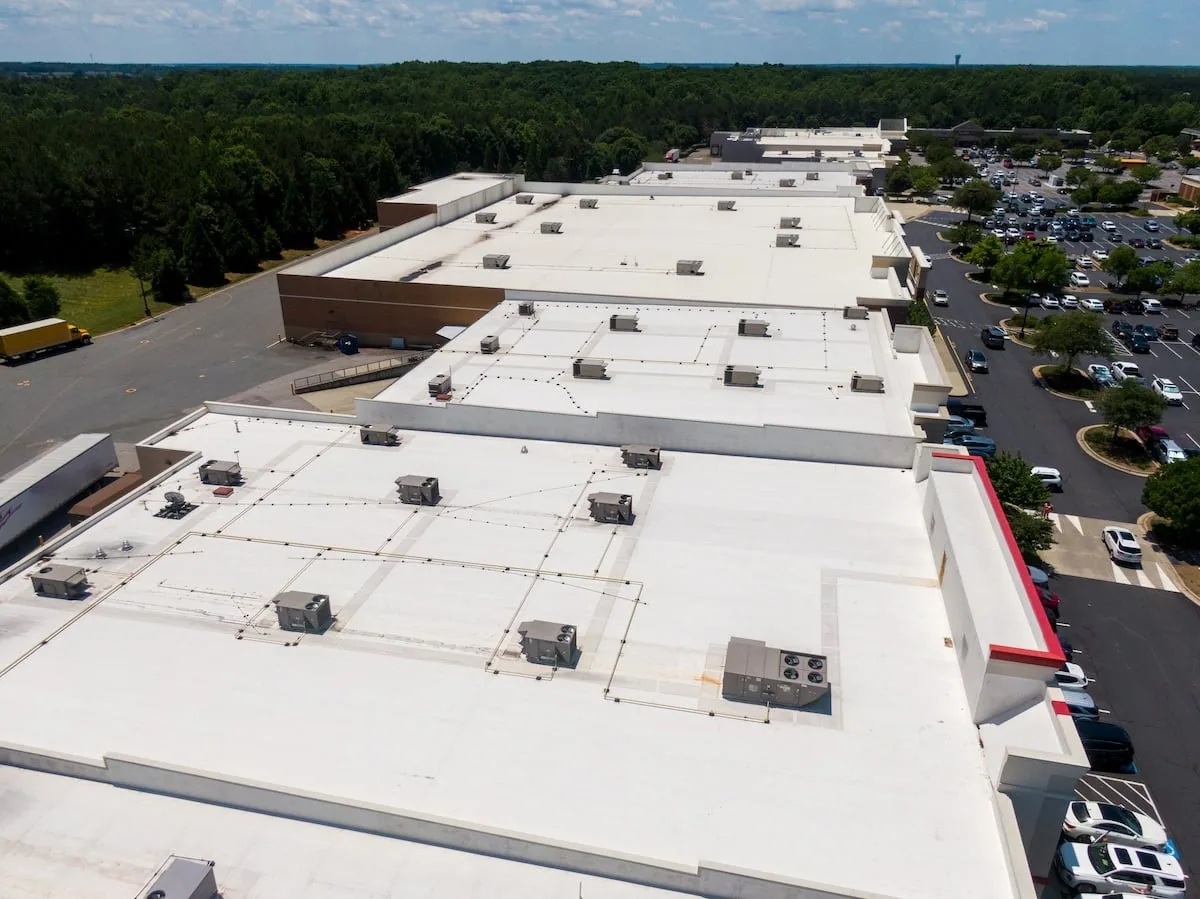
Turnover should list repaired penetrations, checked seams, drain findings, photographs, approved changes, and any observation that remains open. We connect each item to the roof-zone map and note whether a mechanical or facility action is still required. That division helps operations avoid treating a complete roof detail as a closed equipment issue. Product records and test results can support the next maintenance review and capital decision.
Provide the roof plan, assembly records, leak and alarm history, equipment schedule, access rules, and decision date. We return a sequenced scope with protected areas, test locations, open approvals, and a named release point for each zone. For an opening near cooling equipment, call us; dispatch follows safe access agreed with the facility team, and interim protection is recorded before the scope is set. The emergency work package identifies immediate protection and follow-up checks so facility staff can track what is safe to return to routine access.
Commercial Roofing Questions
How do you protect equipment while repairing a data center roof?
We map the current equipment zones, service routes, interior controls, and any restricted work boundary with the operations contact. The agreed plan identifies staging, temporary protection, and who releases access. Equipment shutdown or redundancy is never assumed; the facility team supplies the operating limits.
What roof information helps locate a leak near cooling equipment?
The roof plan, alarm or leak location, equipment layout, maintenance history, and photographs help connect interior evidence with curbs, seams, drains, and transitions. We mark test points and use agreed checks where concealed moisture would change the repair boundary.
Does Tyler’s summer heat change data center roofing work?
The normal July high of 94.5°F signals a heat-sensitive planning period. We measure the substrate and check system instructions before adhesive, primer, flashing, or coating steps. The sequence moves to another approved task if conditions exceed the specified range.
Can an existing roof receive a recover system?
Only when moisture, attachment, deck condition, layer count, and compatibility support another assembly. We inspect and test where concealed conditions could change the decision. A dry, stable area may support recover, while a wet or poorly attached zone can require removal.
What does a data center roof closeout document?
We record tested details, repaired zones, photographs, drain checks, temporary protection, approved changes, and remaining observations. Each open item names its next action and who must release the area before maintenance or operations resume there.
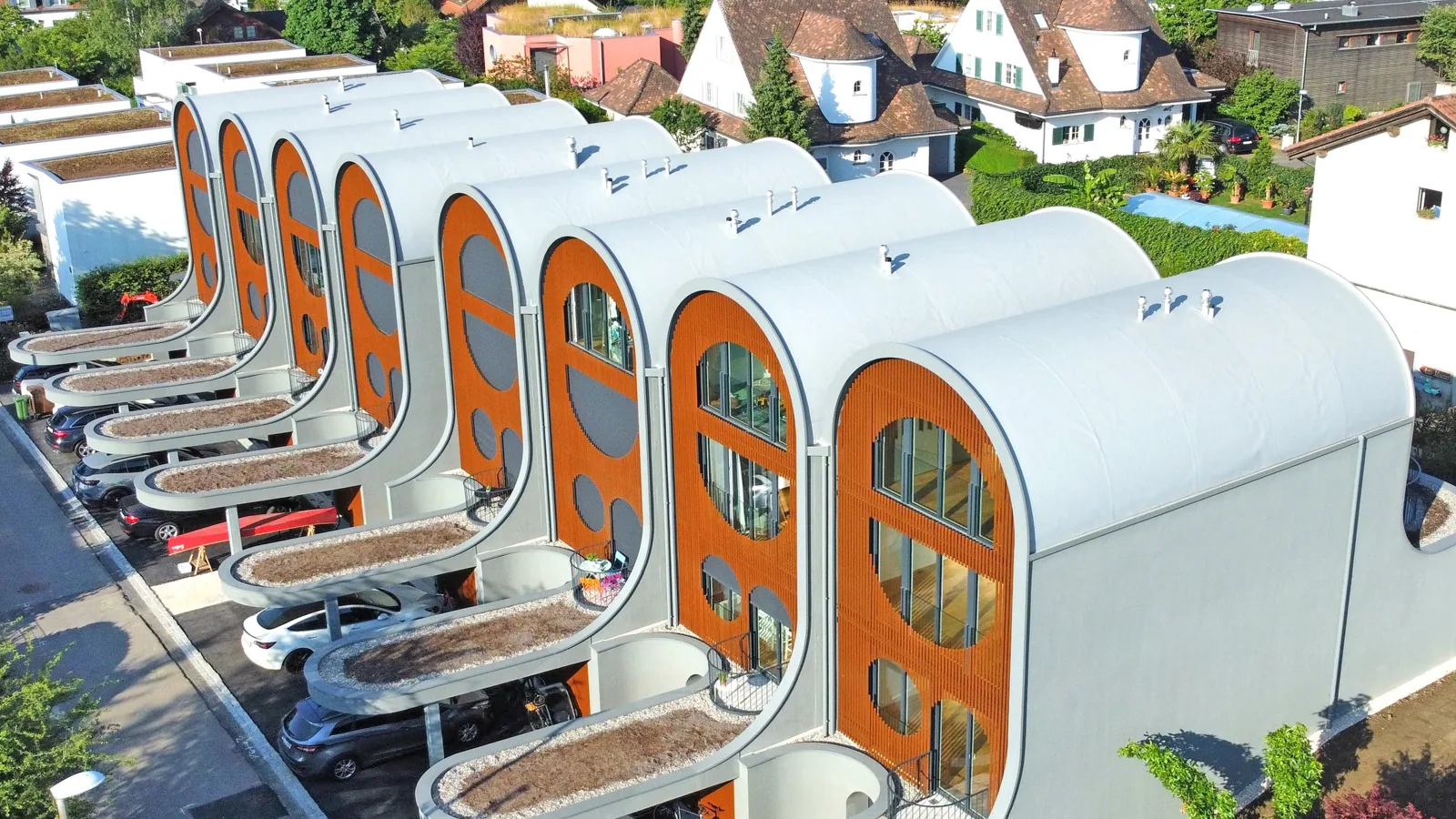
Related Pages
Commercial Roof Inspection
Tyler, TX
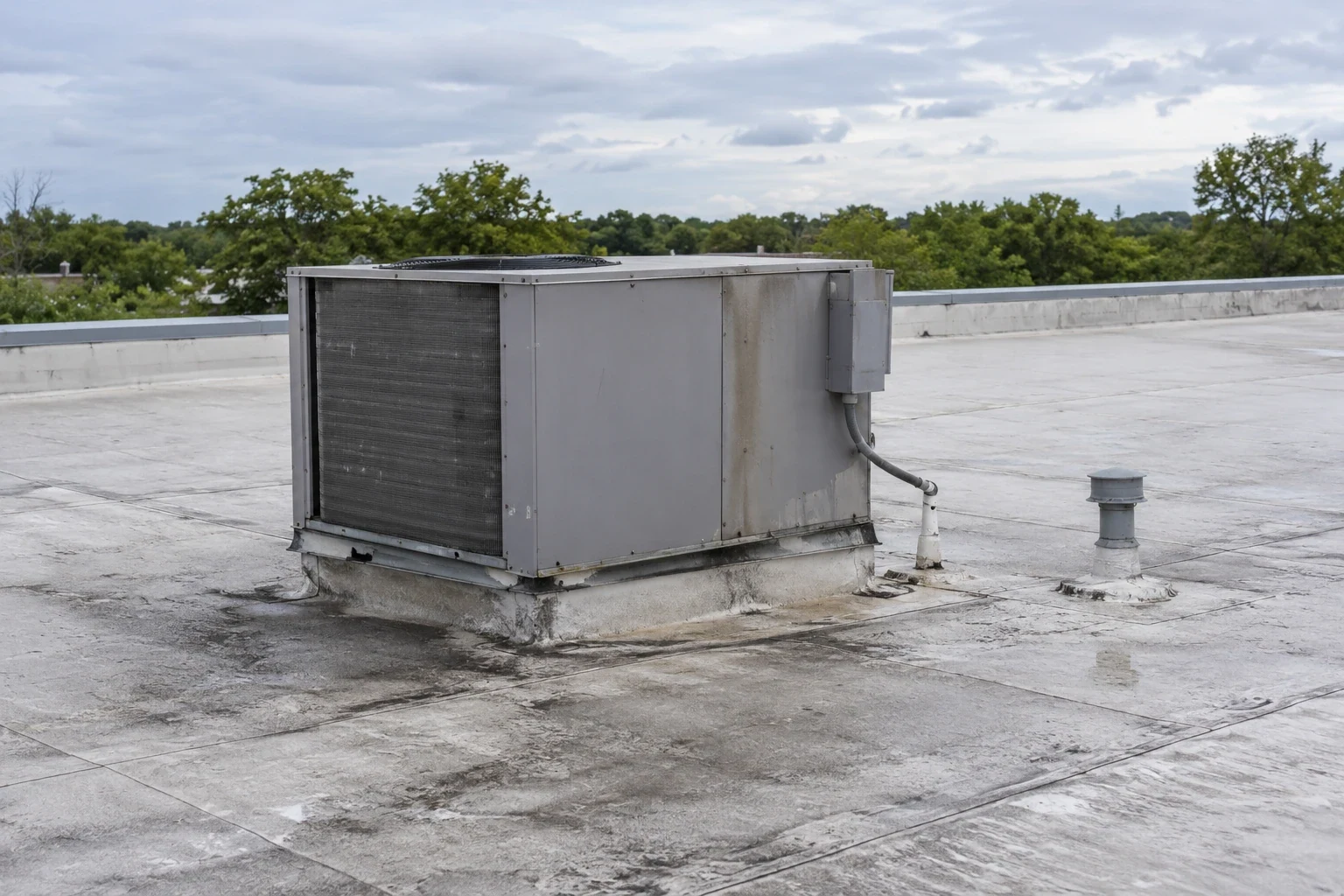
Office Building Roofing
Tyler, TX
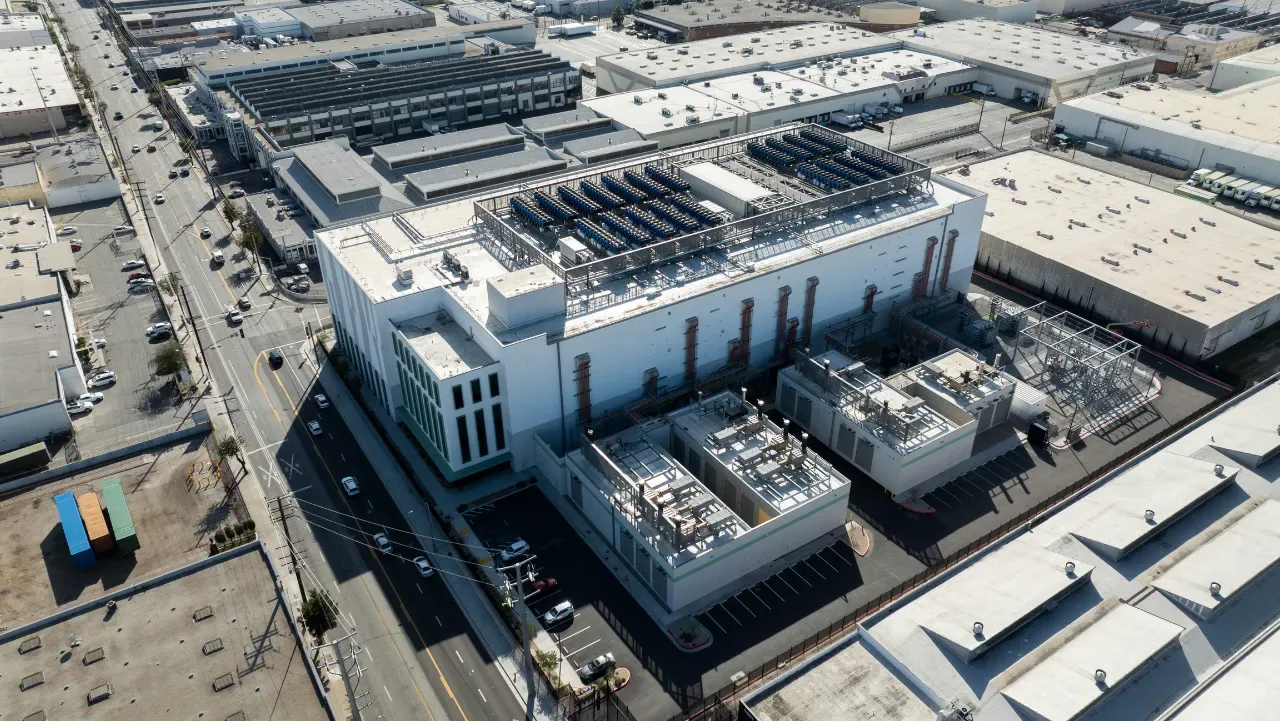
Hospital Roofing
Tyler, TX
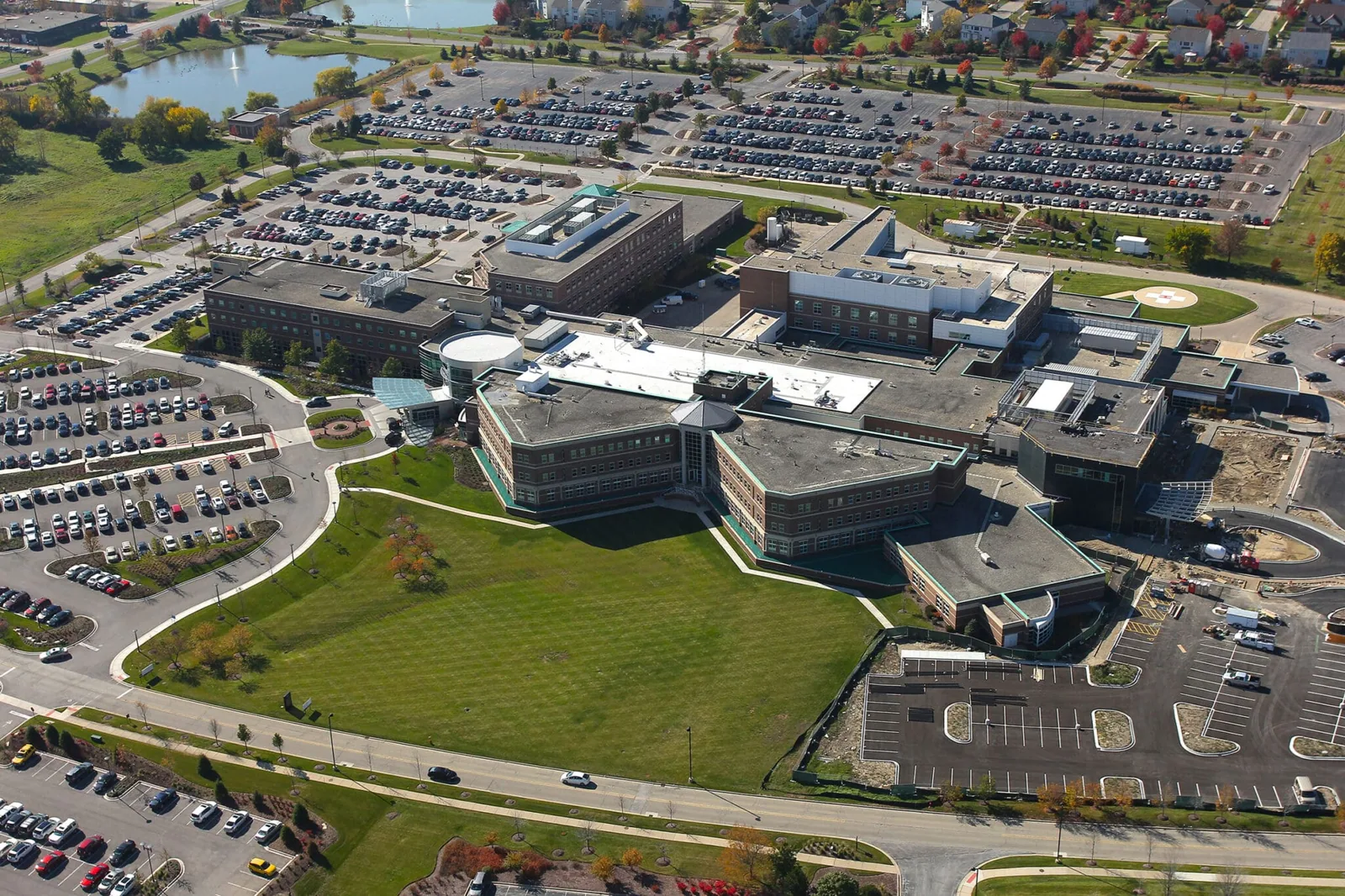
Infrared Roof Moisture Survey
Tyler, TX
Coordinate a data center roof release
Send the roof plan, assembly records, equipment schedule, leak history, access rules, and decision deadline. We will return a sequenced scope with test points, protected zones, system limits, and operational release holds.