
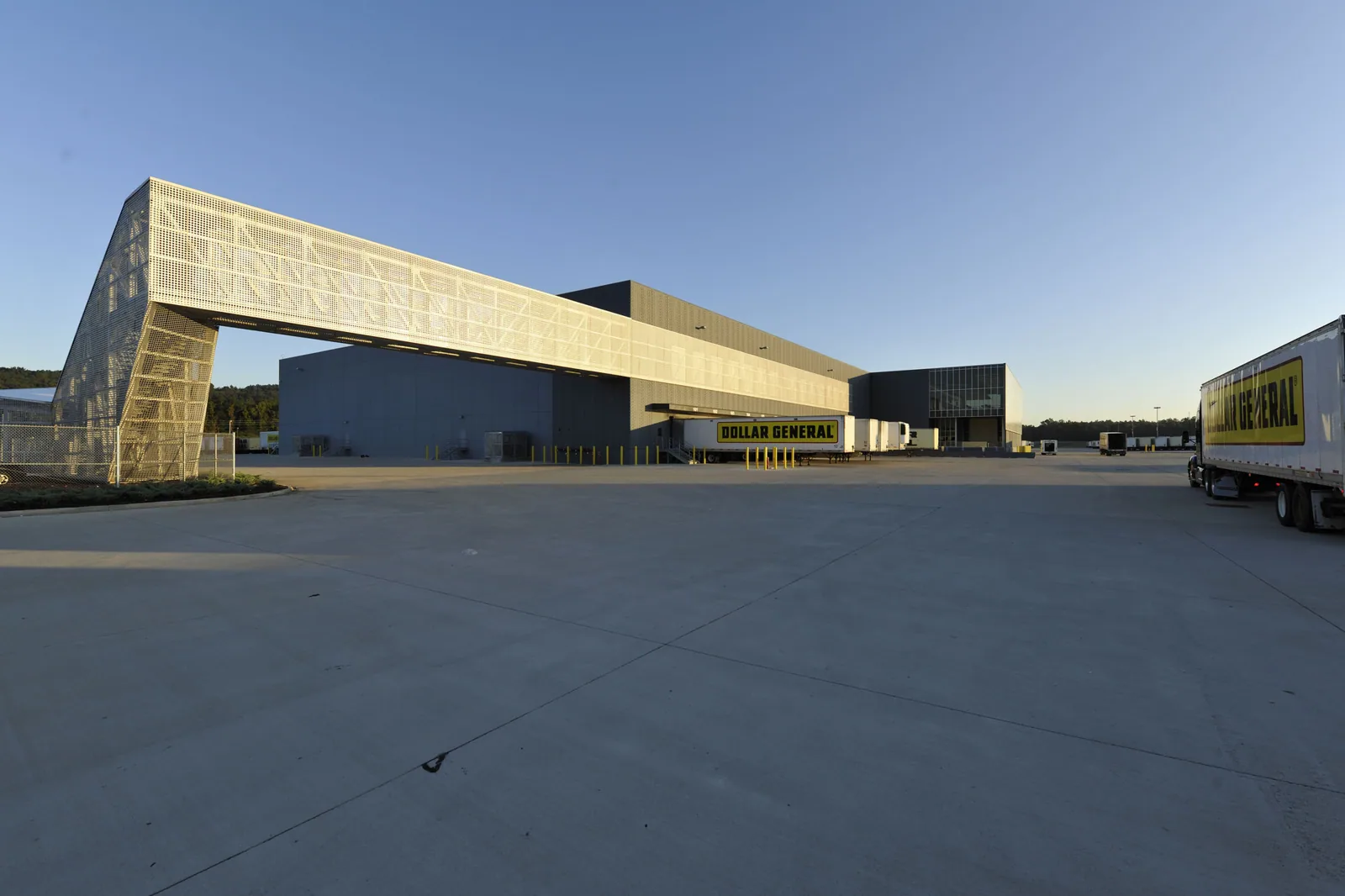
A summer shipping calendar can narrow the roof work window before a distribution center closes a dock. Tyler’s normal July high is 94.5°F, a reason to check the substrate and material instructions before adhesive or coating tasks. At Tyler Interstate Commerce Park and Lindale’s I-20 commercial corridor, the roof plan has to meet each property’s own delivery hours, crane access, and receiving pattern. We start by marking active dock zones, roof access points, existing assembly, and the decision deadline.
Distribution roofs commonly combine long membrane runs with drains, curbs, skylights, rooftop units, and perimeter details. We inspect those features by zone, then match interior reports with roof-side evidence before drawing a repair boundary. The inspection scope can identify a localized opening, recurring seam trouble, or moisture that needs testing. A warehouse roof may share similar field details, while a cold-storage assembly adds a different vapor and temperature-control review.
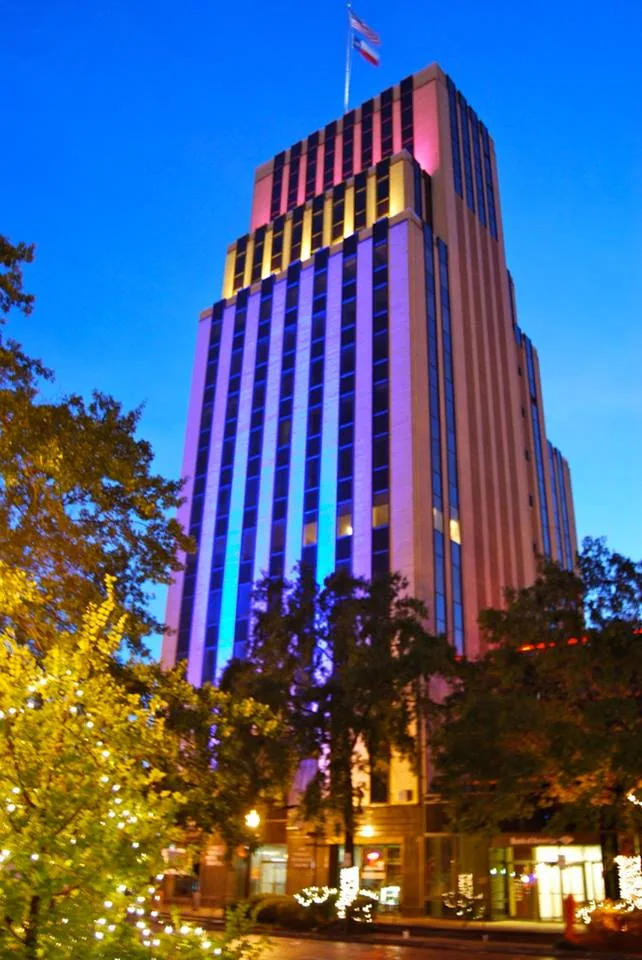
Dock access and delivery windows
Dock doors, trailer queues, lift lanes, and fire access form the ground-level work boundary. Before staging material, we ask the site contact to mark delivery peaks, pedestrian routes, restricted yards, and any door that cannot be blocked. A crane lift or tear-off path may need its own hold point and release time. The schedule states who can clear the area, what warning reaches operators, and how the crew closes the zone if receiving runs late.
Roof access also affects daily production. A ladder near a trailer maneuvering area may need temporary controls, while a rooftop unit above an occupied sort line may require coordination with maintenance. The work package records the chosen access point, material route, and the person who confirms clearance. If a shipment delay pushes the work into a hotter period, we may shift to approved inspection or detail work while the adhesion-sensitive task stays on hold. That sequence protects the operation and the installed roof detail.
Hail, wind, and impact documentation
Thunderstorms in spring and autumn can leave large hail and damaging wind across Tyler’s region. A distribution roof has many transitions where impact or uplift evidence can be checked: metal edges, rooftop equipment flashings, skylights, seams, and drain bowls. We document visible conditions by roof zone and note whether a finding is a new opening, a displaced component, or existing wear. Photos and marked locations give the owner a basis for sequencing urgent repairs and later capital work.
Tyler experienced a tornado on June 8, 2021. That event does not establish what a particular roof experienced; current inspection determines whether a panel, membrane edge, or flashing moved. A storm repair review can separate immediate weather protection from permanent detail work, with each item assigned a material, access need, and closeout check. A weather delay also needs a named person to accept the exposed-section closeout.
Drainage at long roof runs
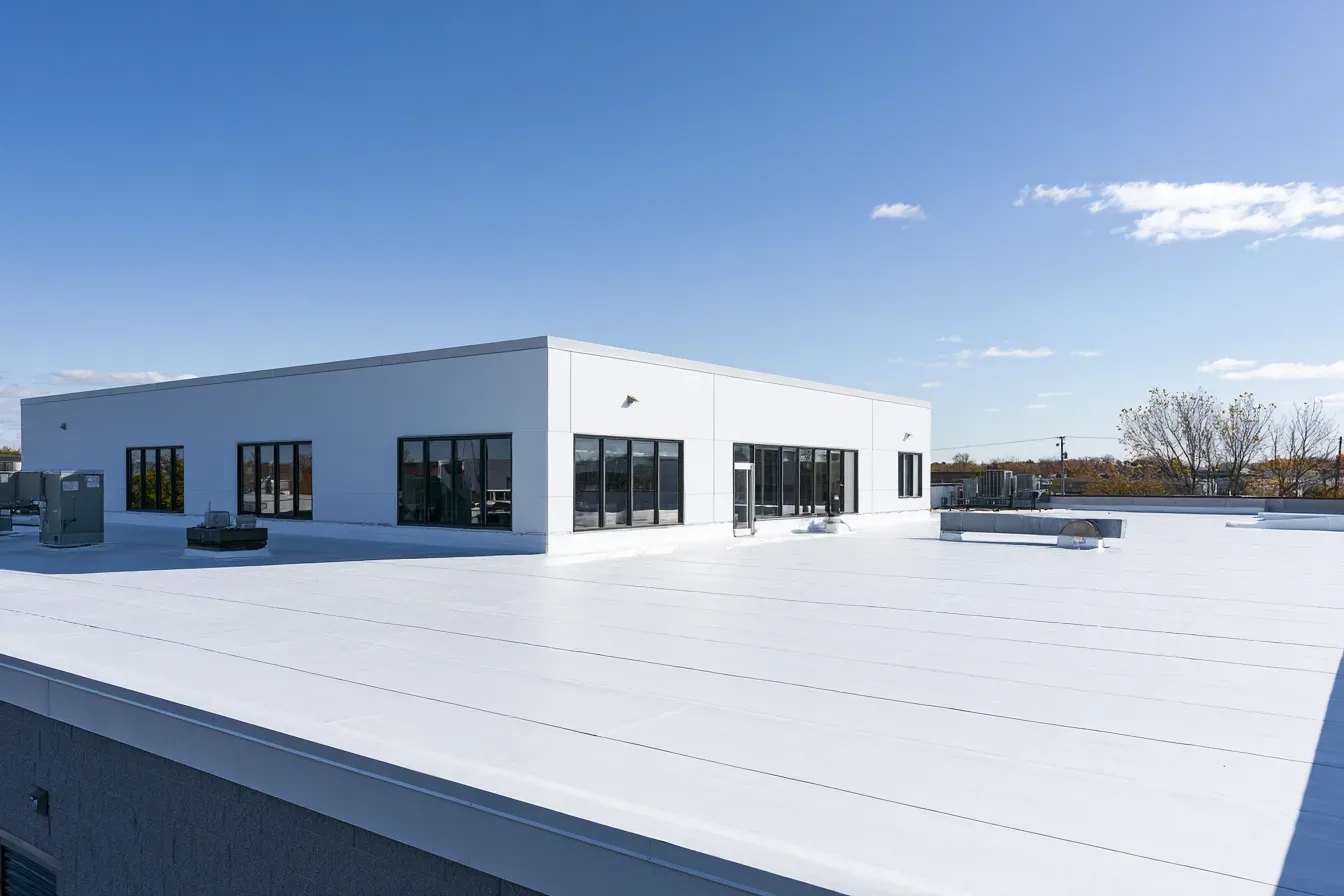
Long roof areas depend on a clear path from slope to outlet. We inspect drain bowls, strainers, overflow routes, scuppers, and low spots, then compare the finding with the roof plan and any interior leak report. A blocked outlet may need service; water that remains after the drain is clear may point to a deck or insulation condition. The distinction matters because adding a patch around a drain will not correct an underlying depression.
During removal or repair, drains and overflow paths remain part of daily closeout. The foreman records whether outlets are clear, what temporary protection covers an opening, and which zone can receive the next crew. A drainage work package may be scheduled before membrane installation if an outlet or bowl needs correction. Tyler’s storm seasons make that handoff practical: if weather interrupts the shift, the crew can identify protected areas and the next inspection point without reopening a finished section.
Repair boundaries and assembly choices
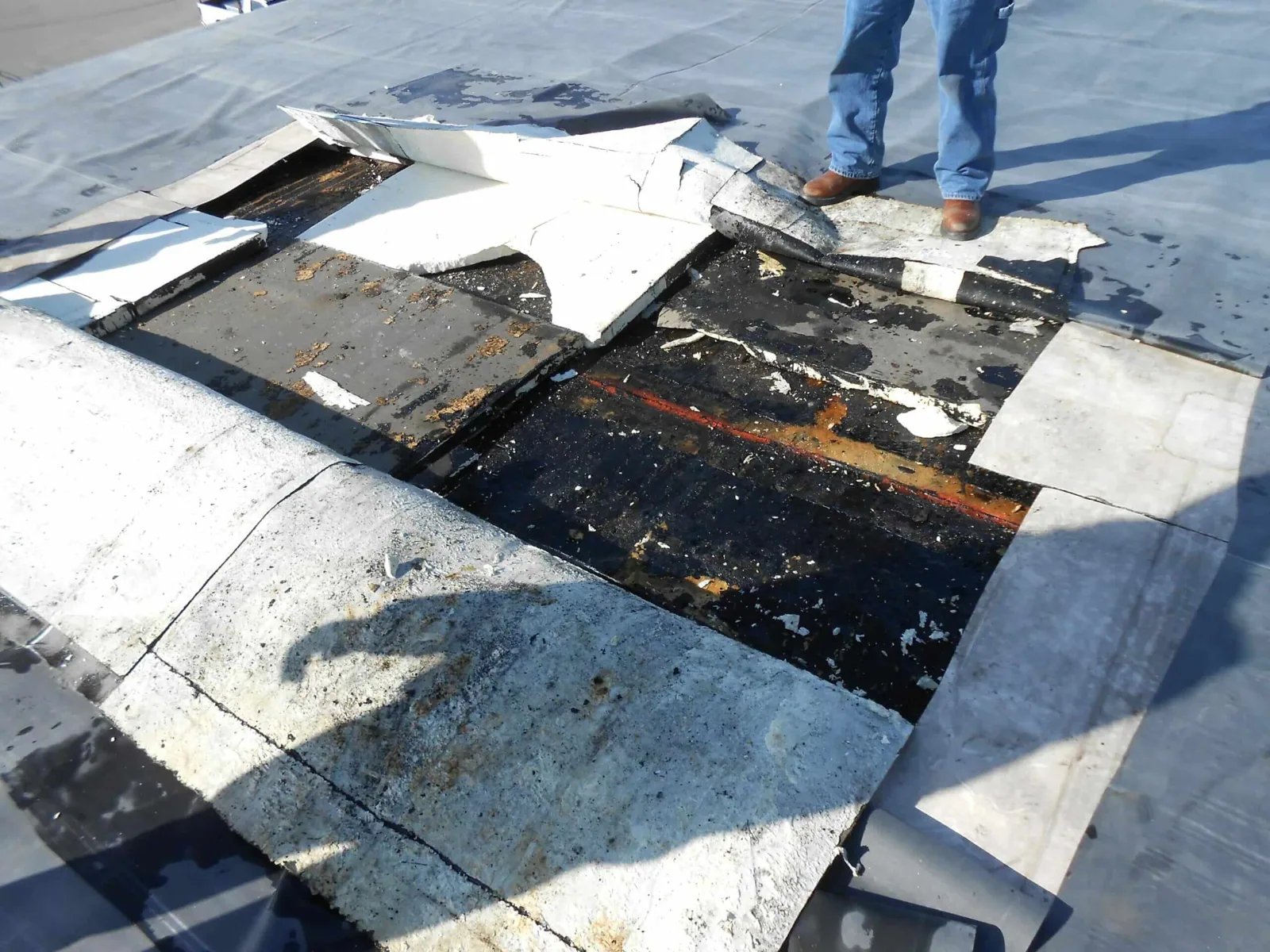
A puncture, open weld, or failed curb flashing can be repaired when sound, compatible material surrounds the defect. We prepare the boundary, complete the manufacturer-compatible detail, and record the test or visual check. If similar failures appear in separate roof zones, we compare them against moisture readings, prior repairs, membrane condition, and attachment. That map may show a limited repair is reasonable or that the assembly needs further testing before the owner authorizes a larger project.
Recover and replacement choices depend on the existing layer count, deck condition, moisture, attachment, and project requirements. Wet insulation or unstable cover board can make an overlay unsuitable. Tear-off depth, deck repairs, insulation design, equipment density, edge details, staging distance, and access controls all change cost and duration. We separate confirmed work from allowances and test points, then set an approval hold before concealed conditions expand the scope. A replacement package can show those decisions by zone.
Heat window and crew sequence
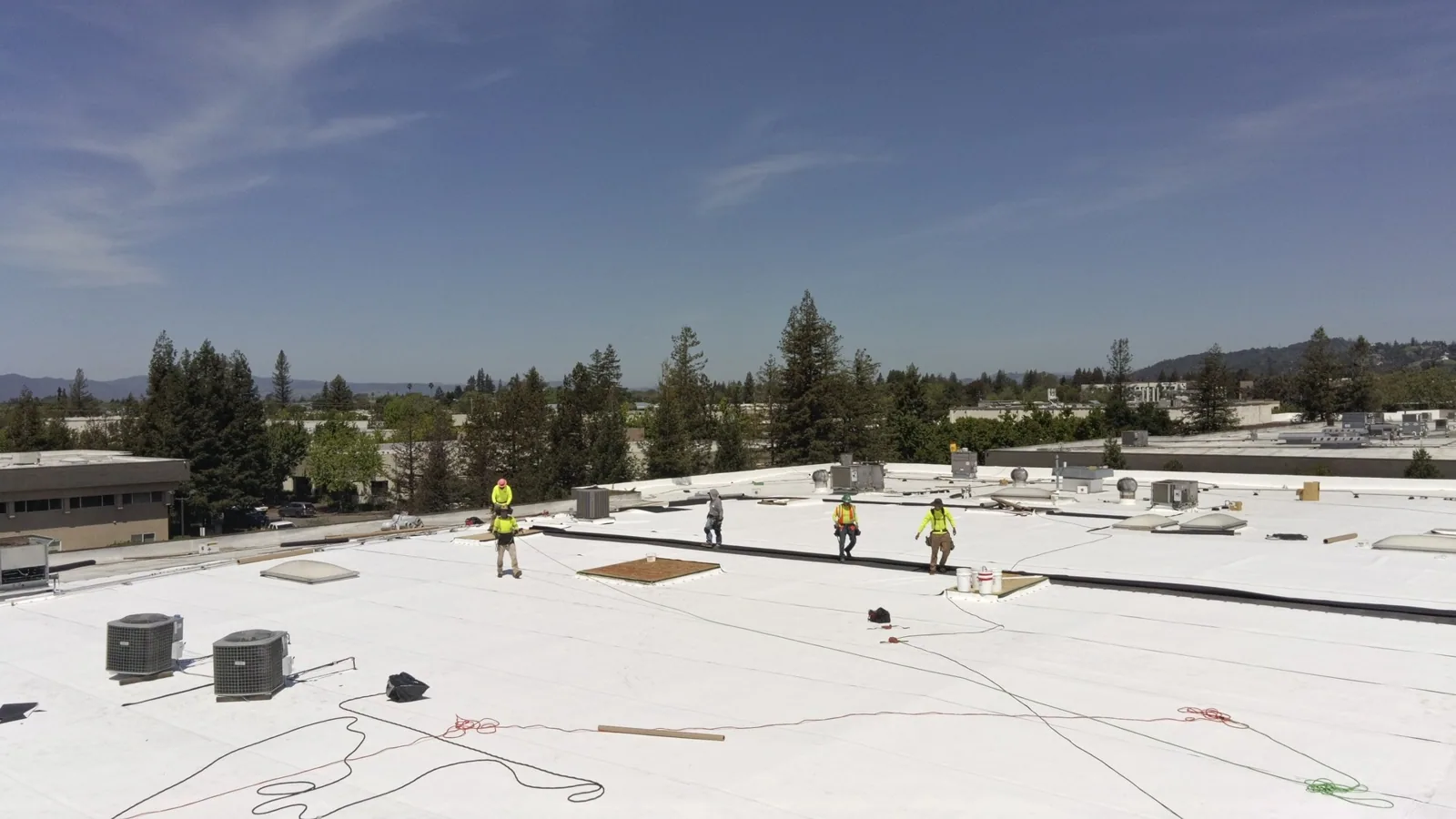
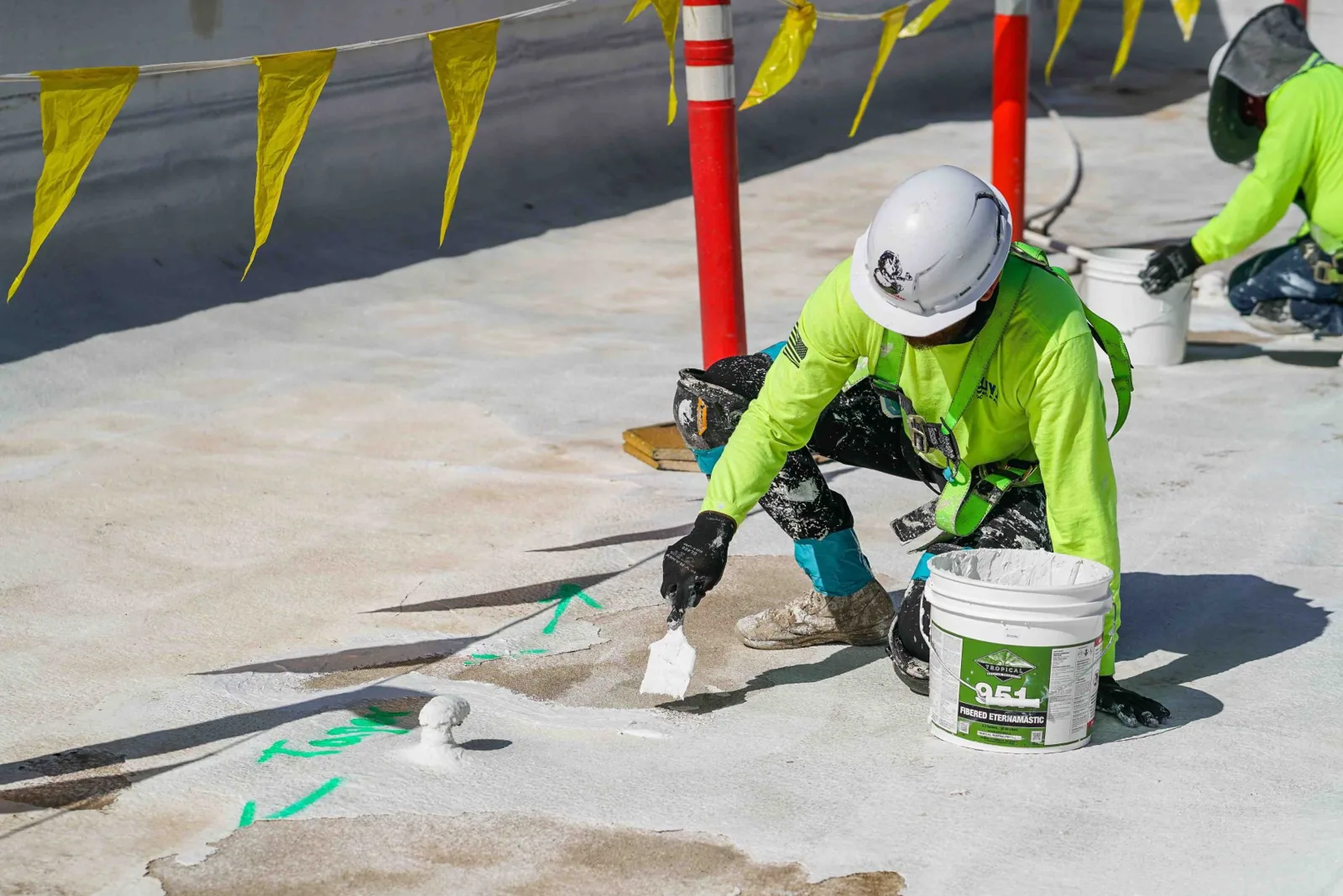
Before adhesive or coating work, we record shade, surface temperature, and product range; the zone advances only when each condition fits the specification. We take a substrate reading at the work area and check the product’s installation range before applying adhesive, primer, or liquid flashing. Direct sun, humidity, wind, and the existing membrane can change the usable window. If a hold point is not met, the crew can complete approved preparation, inspection, or closeout tasks while the affected operation waits.
The daily plan sets how much roof can be opened and what protection will close it before the shift ends. We note material staging, drain access, exposed limits, and the person who accepts the roof-zone release. A phased occupied-building sequence helps divide work around receiving schedules and maintenance access. It also gives the general contractor a clear crew handoff after a weather delay, rather than leaving the next shift to infer which seams, drains, or equipment curbs are ready.
Turnover for the next operating shift
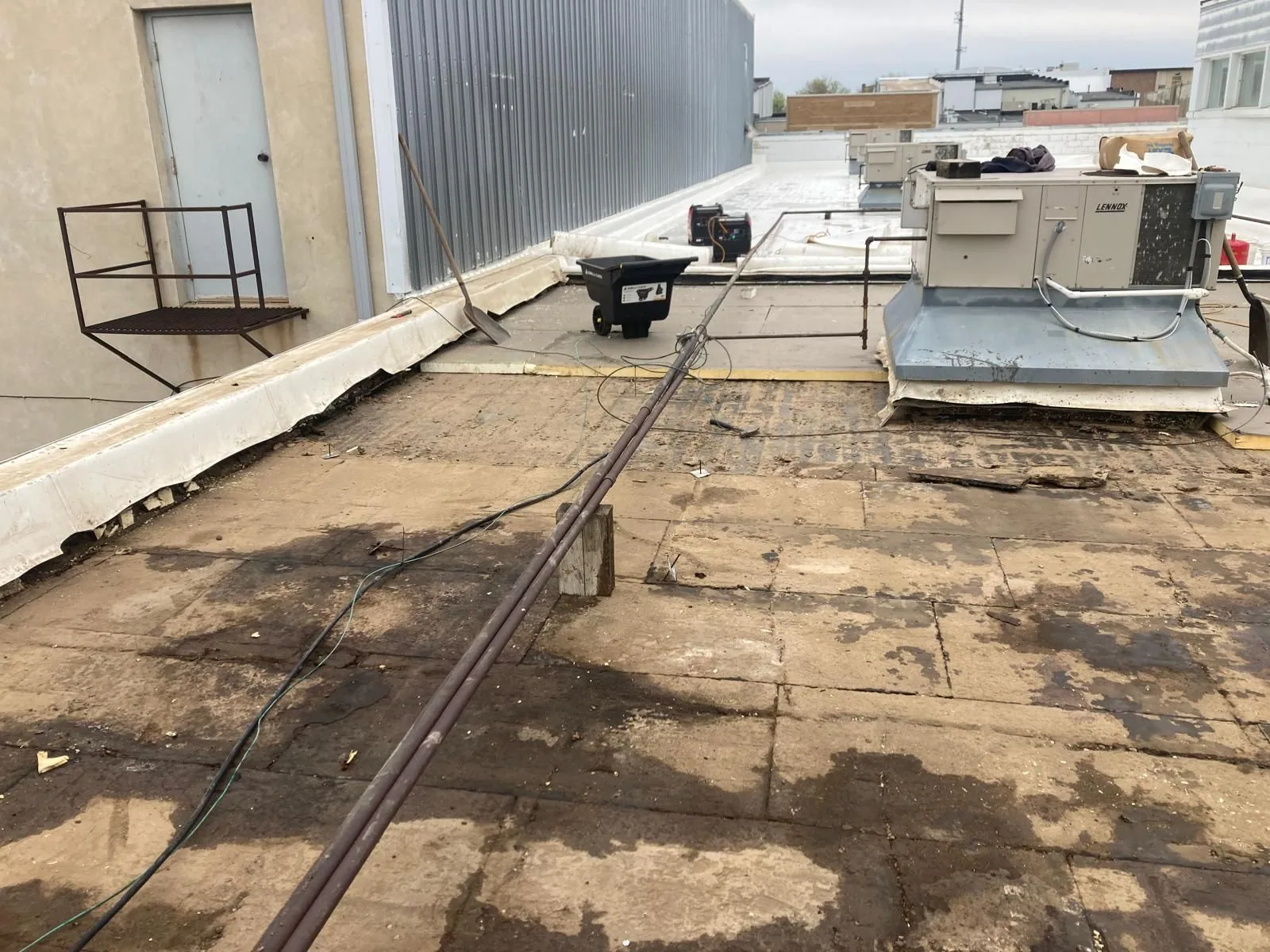
At closeout, the owner should be able to match Diligence Notes with the roof plan. We record completed zones, repairs, photographs, drain checks, approved changes, test results, and remaining observations. Product records and detail notes support future maintenance, especially where new work meets an older assembly. If interior protection remains in place or an area is restricted, the record names the release condition and who must confirm it.
Send the roof plan, assembly records, current leak log, dock restrictions, access window, and deadline. We return a sequenced distribution-center work package with open tests, material staging, operating limits, and approval points. For an urgent roof condition, first confirm safe access and current storm conditions; temporary protection and permanent repair are scoped as separate tasks. The Tyler coverage plan identifies the property contact, roof access window, and temporary-protection boundary. Closeout states what remains before operations use the area.
Commercial Roofing Questions
Can dock operations continue below roof repairs?
We set the work boundary with the site contact, including truck paths, dock doors, lift areas, and any route that must stay clear. A phased sequence can leave approved operations active while a separate roof zone is repaired. Each overhead boundary needs an access release, and a late shipment or weather delay can change the shift plan.
What does hail or wind inspection cover on a distribution roof?
We record roof-zone findings at edges, seams, equipment flashings, skylights, drains, and other exposed details. The report distinguishes visible damage from wear or conditions needing a test. Tyler’s regional storm exposure informs the inspection sequence, while repair recommendations depend on what the current roof shows.
Will heat affect adhesive or coating work?
Yes, the work surface and product range control that operation. Tyler’s normal July high is 94.5°F, but it is not a substrate measurement. We check the actual reading and manufacturer instructions, then hold adhesive-sensitive tasks if conditions fall outside the selected system limits.
How do you choose a repair, recover, or tear-off?
We compare the defect map with moisture, attachment, deck, and layer information. Sound surrounding material may support a local repair. A recover requires a stable and compatible assembly; wet insulation, poor attachment, or deck problems can make removal the better route.
What should be ready before the first crew handoff?
The roof plan, assembly history, leak locations, dock hours, lift constraints, and decision deadline let us sequence the work. We return roof zones, staging, test points, exposure limits, and approval holds for the general contractor to release.
Related Pages
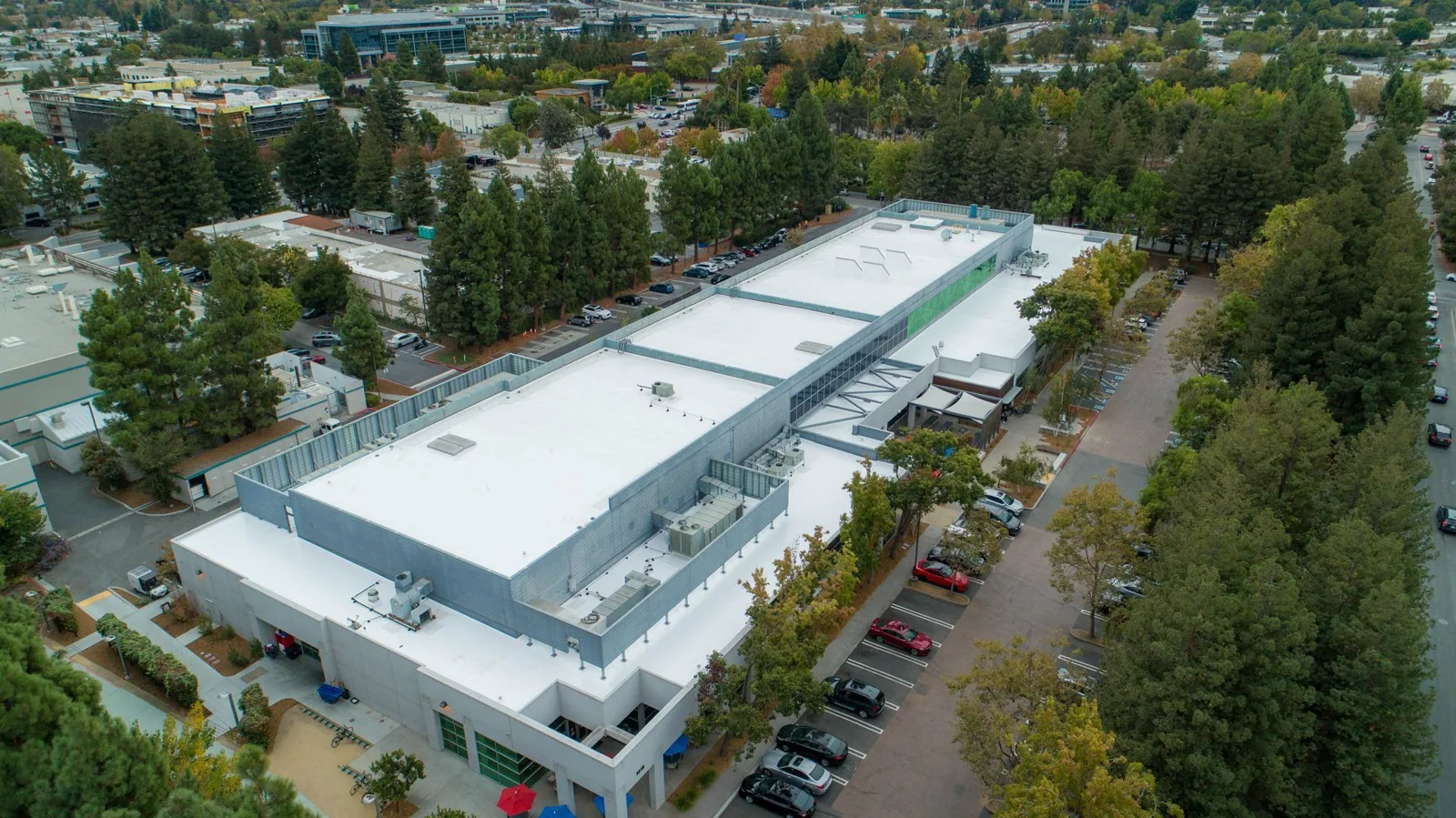
Commercial Roof Inspection
Tyler, TX
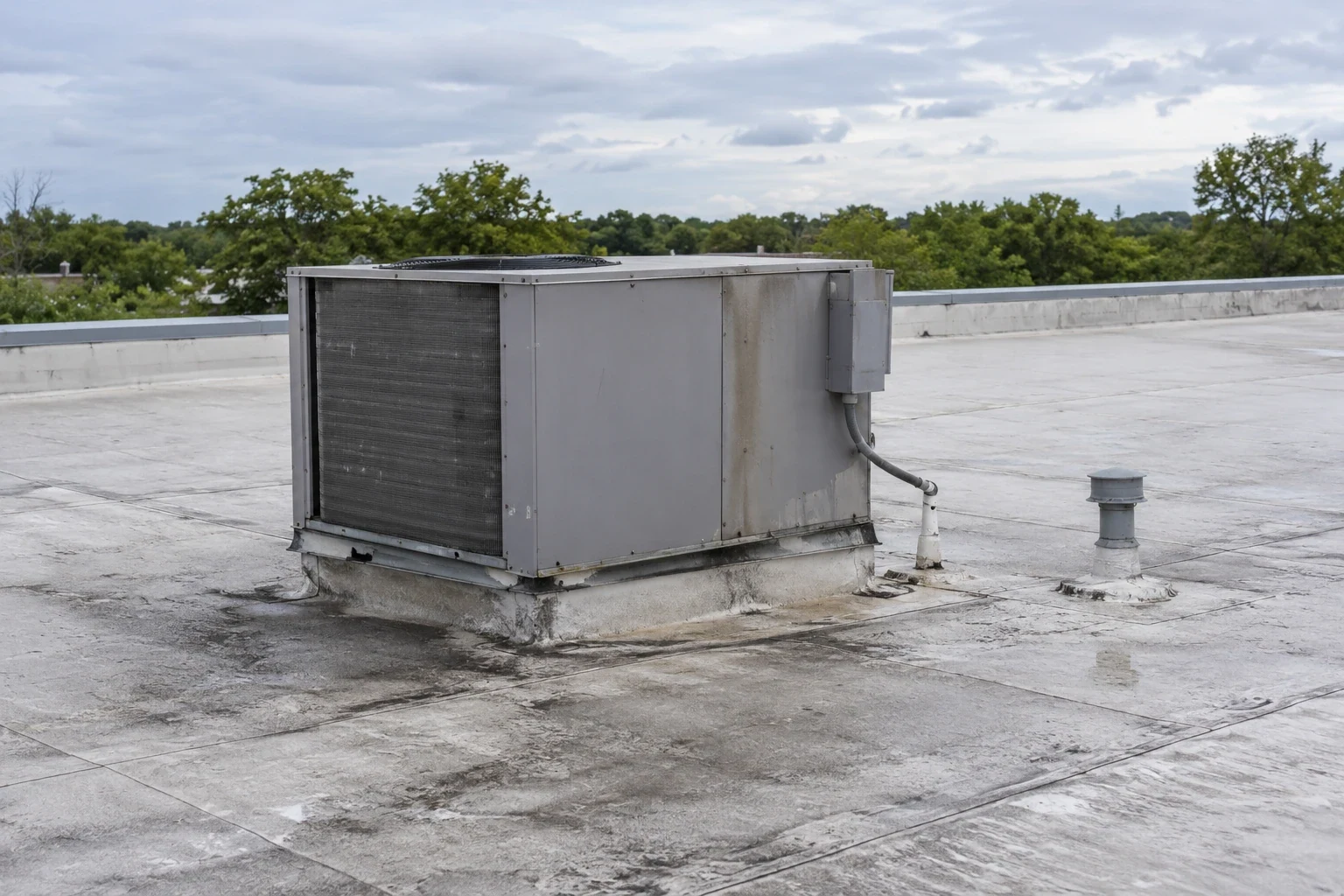
Warehouse Roofing
Tyler, TX
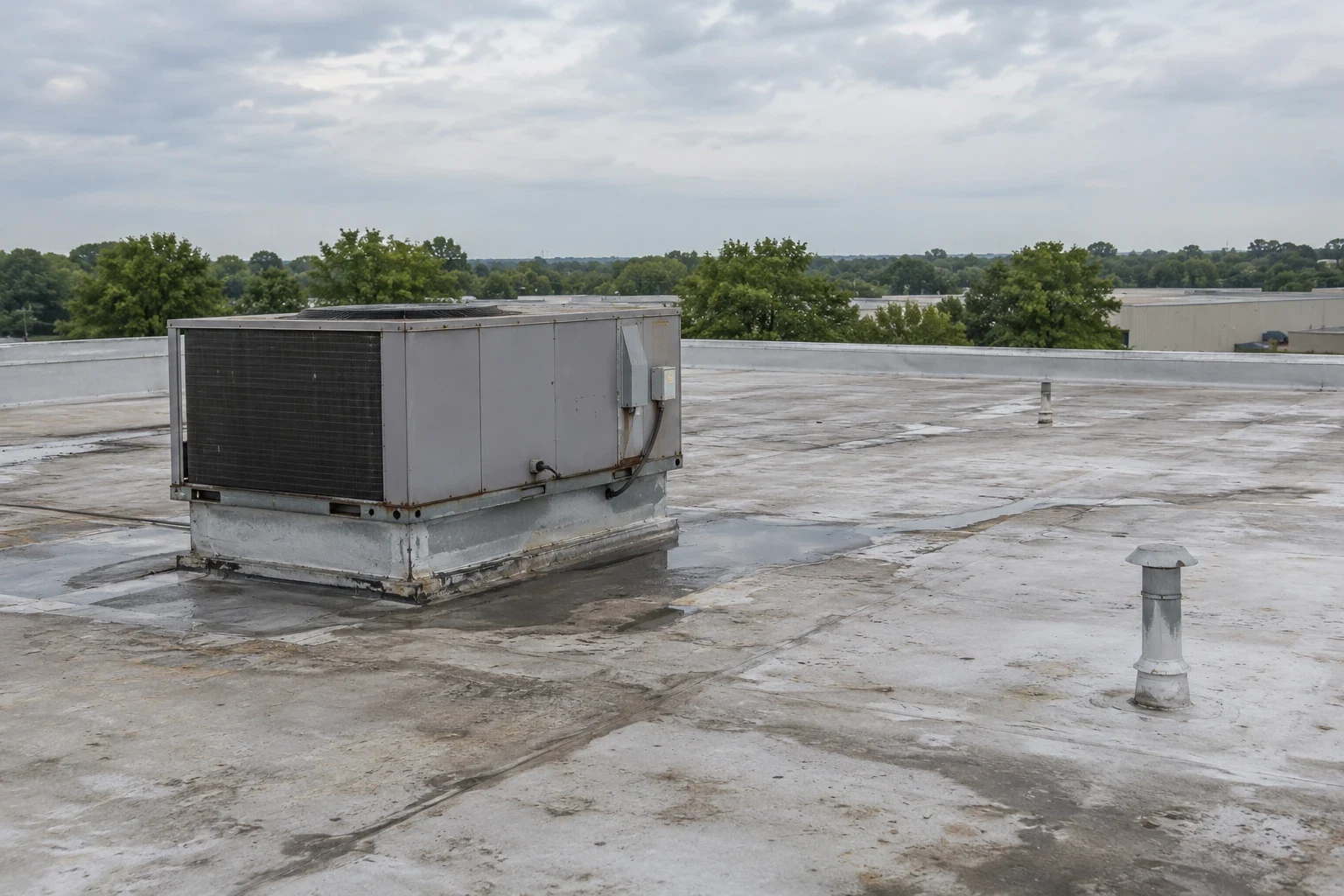
Cold Storage Roofing
Tyler, TX
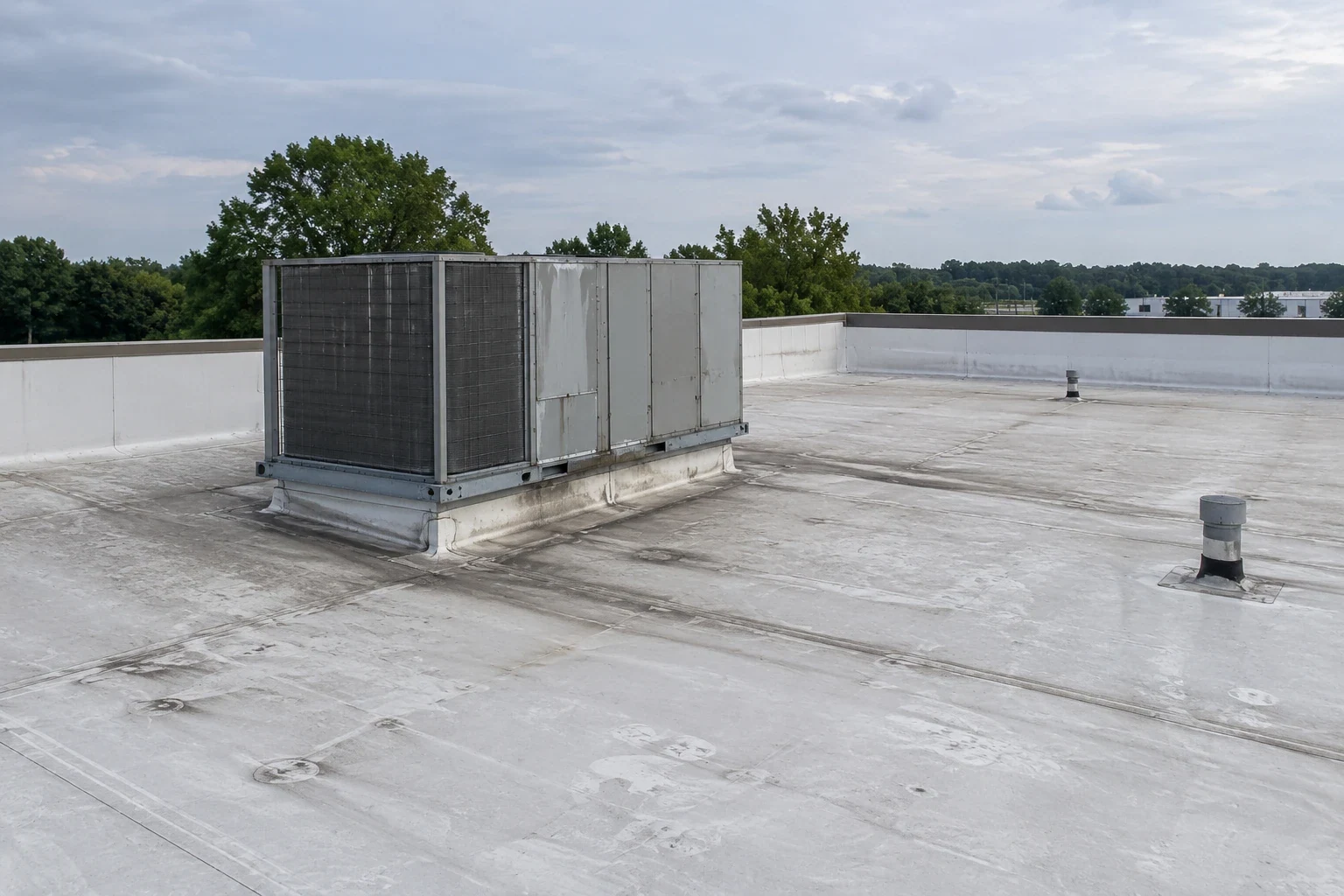
Storm Damage Roof Repair
Tyler, TX
Sequence the distribution roof work
Send the roof plan, assembly records, dock restrictions, leak log, access window, and deadline. We will mark test points, protected operating areas, daily closeout limits, and roof-zone releases for the general contractor.