
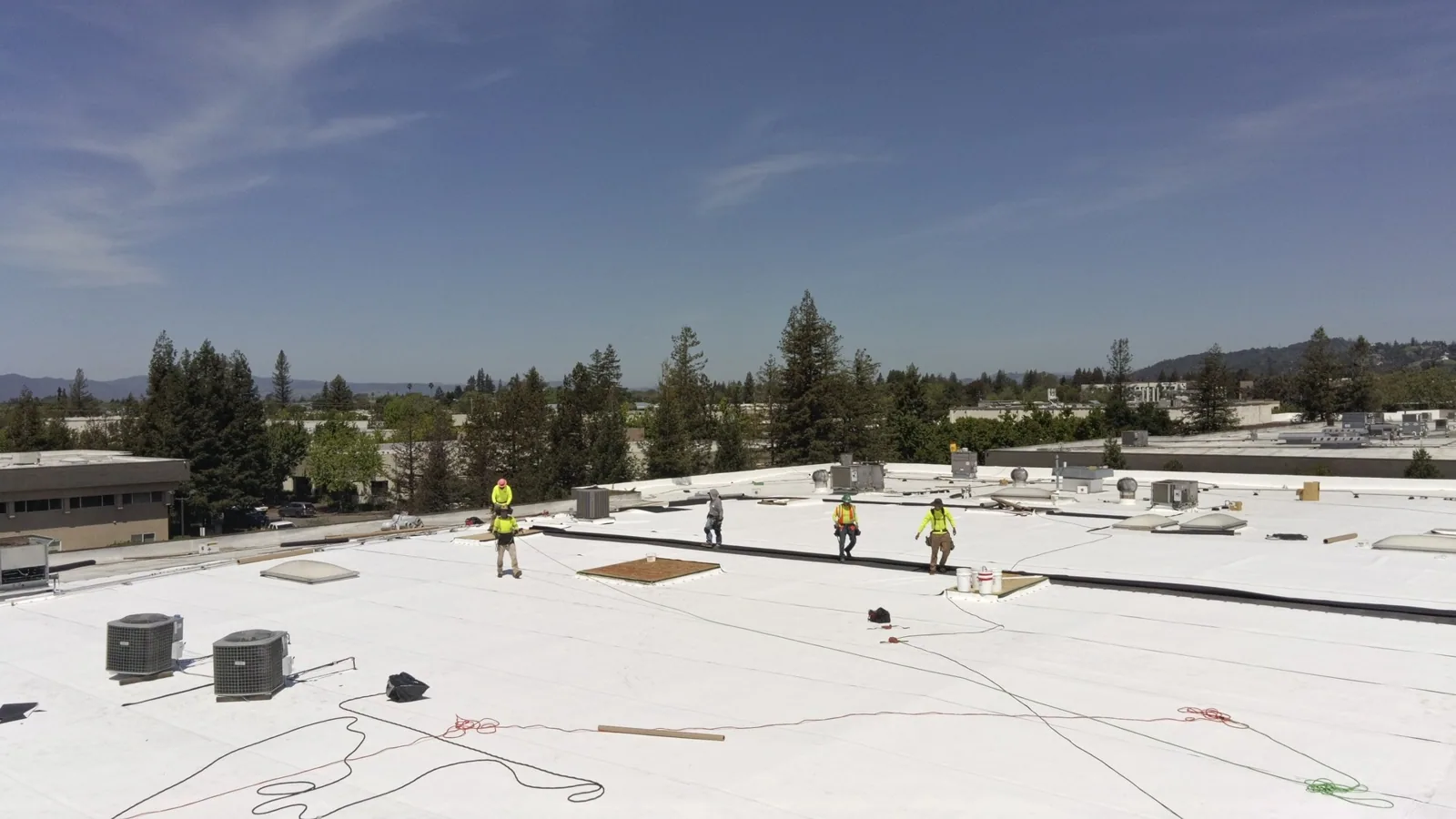
Large hail and damaging wind come with spring and autumn severe storms across Texas, so a Tyler, TX roof repair can lose its work window before the first patch is cut. We start by separating active openings from older marks, then set a roof-zone limit and temporary protection plan. The finding, repair detail, and next access release go into the work package, so the general contractor can sequence a safe repair without treating every stain as the same defect.
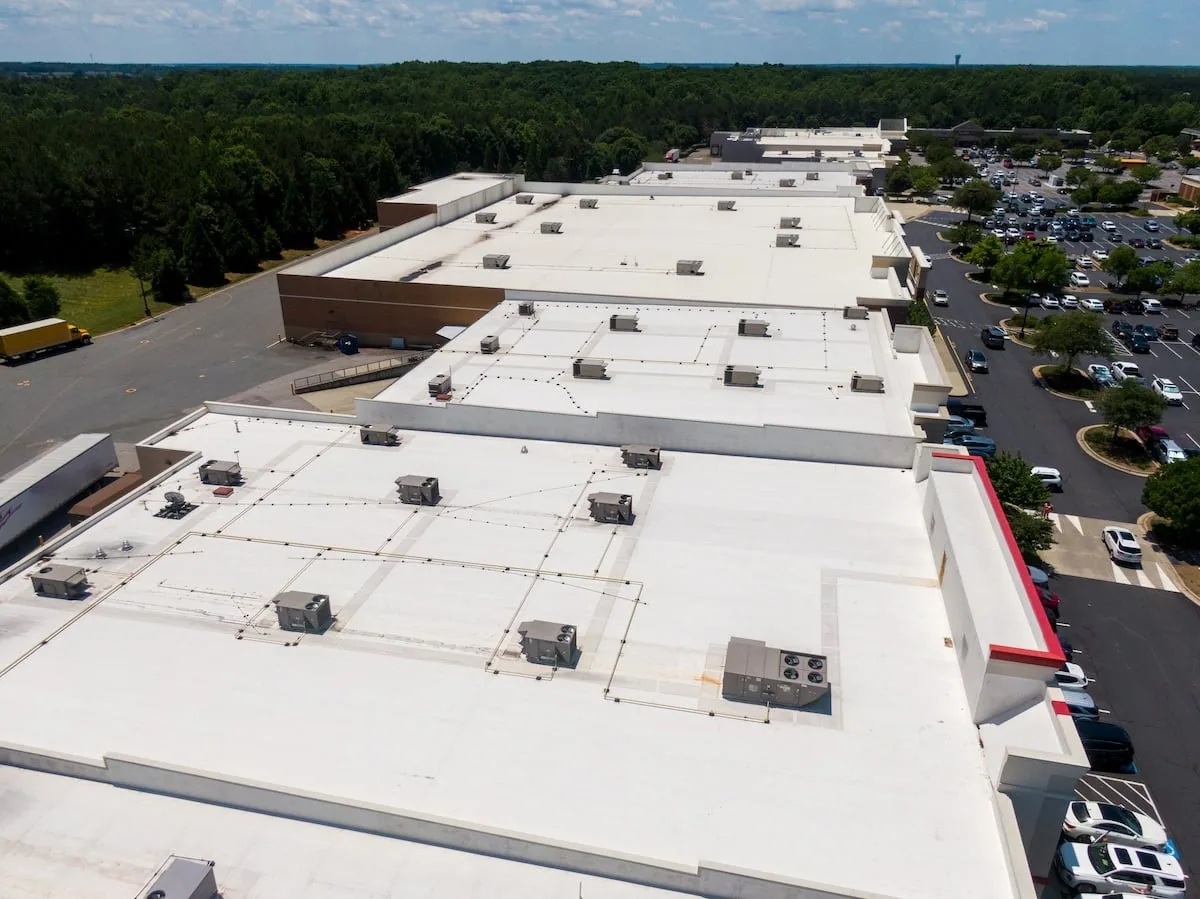
Commercial repair can address a split seam, puncture, failed flashing, loose edge, blocked drain, or damaged metal panel. The repair needs to match the existing assembly and connect to sound material. We photograph the surrounding area, test the suspected path, and identify whether the condition is isolated or continues under the membrane. A leak-tracing visit follows water movement to the likely entry point, while a Tyler roof inspection can map broader conditions before repair scope is approved.
Finding the repair boundary
Water can travel along insulation, decking, conduits, or a roof slope before it reaches a ceiling. We begin above the symptom by checking seams, penetrations, curbs, wall transitions, drains, and nearby repairs. The technician records the suspected entry route and uses focused testing where the assembly permits. A repair boundary should include the failed detail and enough sound material for a dependable tie-in; it should not expand without evidence or stop at the visible interior stain.
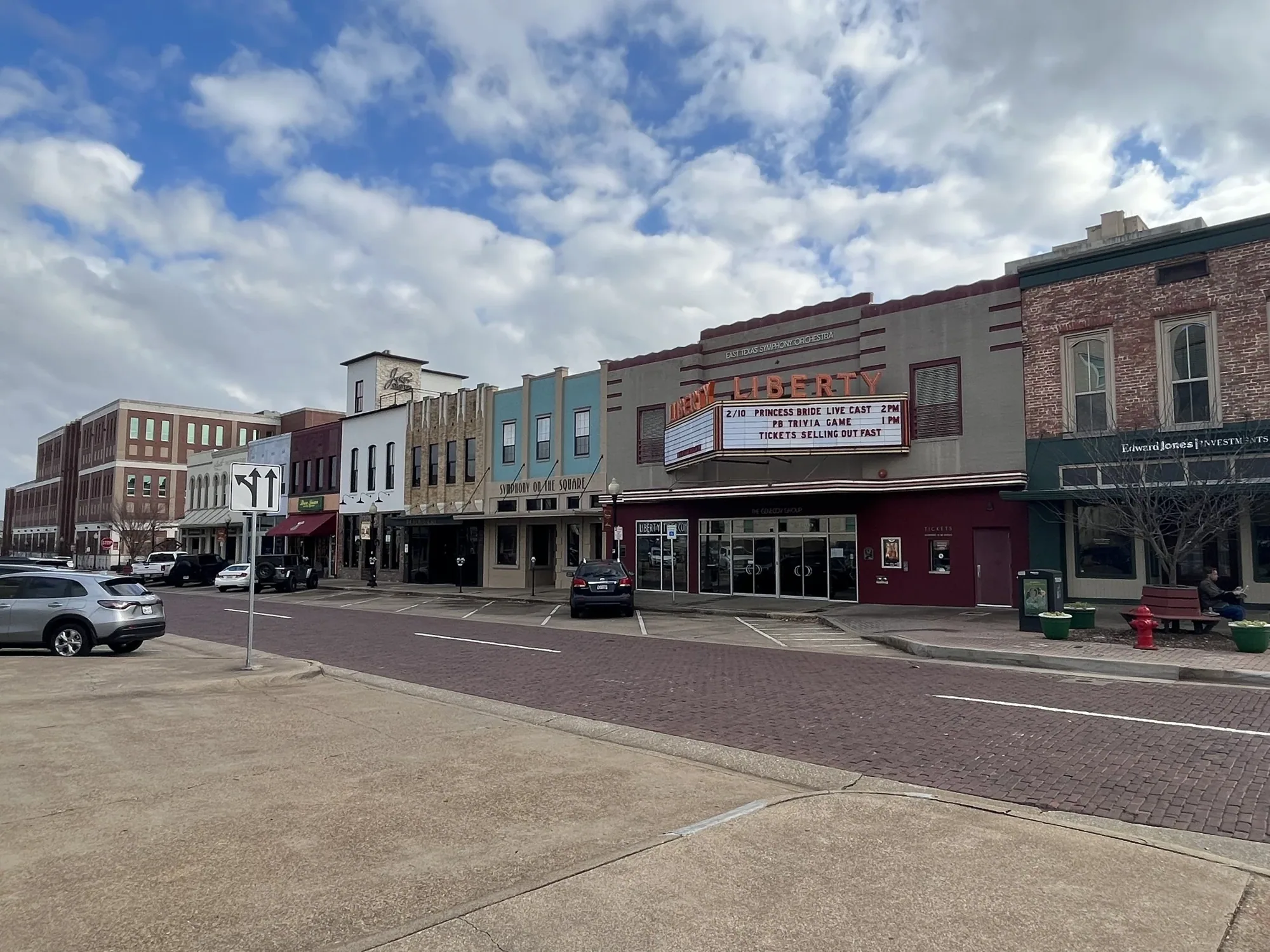
In the North End strategy, commercial development and infrastructure sit beside housing and public safety. At a building undergoing other work, a lift, utility crew, or material delivery can compete for the same approach. We confirm the available roof route and mark the opening that can be protected within that access period. The site representative receives the proposed removal limit, interior safeguard, and stopping condition before the repair crew starts. If another trade needs the route, the roof zone is closed before that handoff.
Seams, flashings, and penetrations
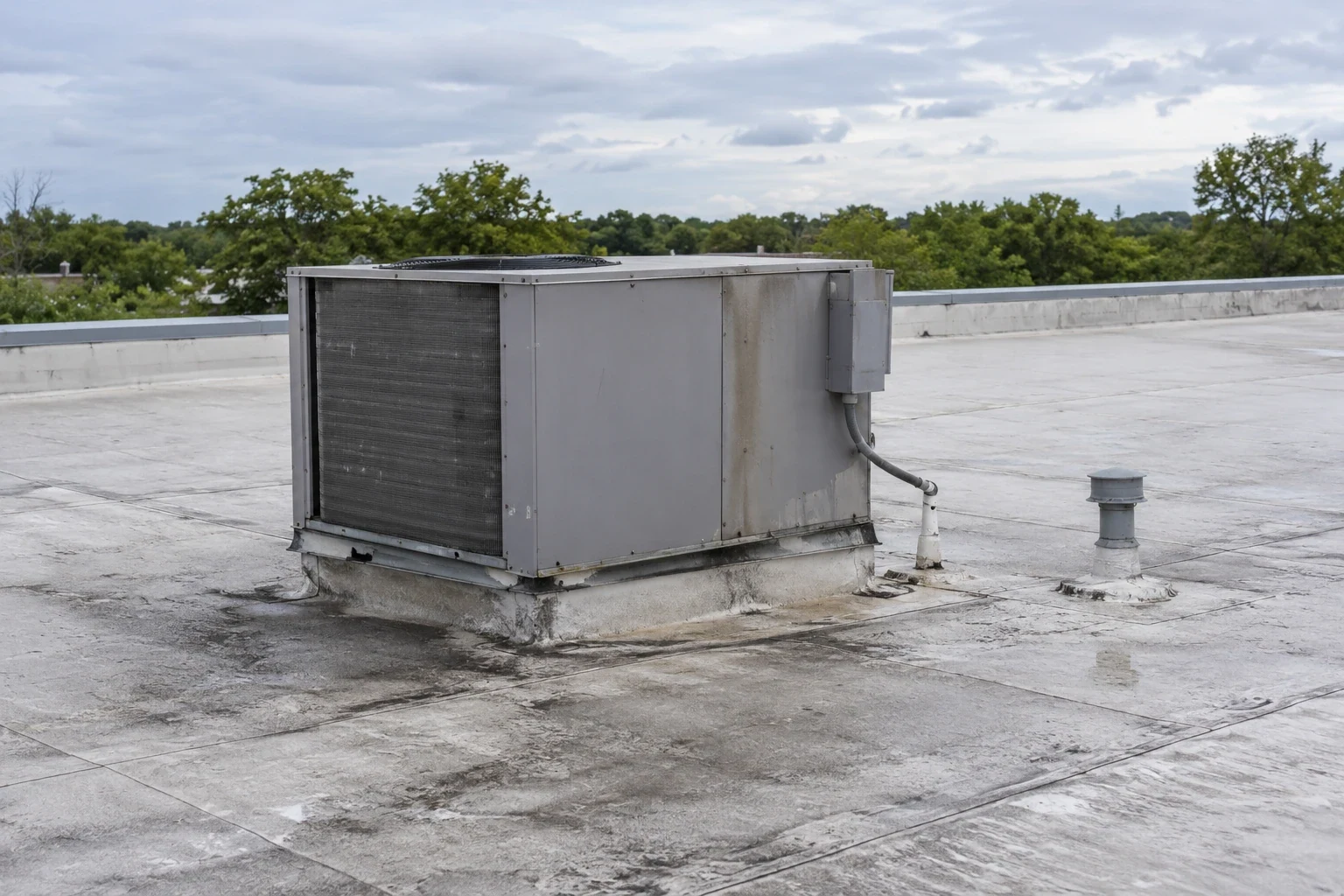
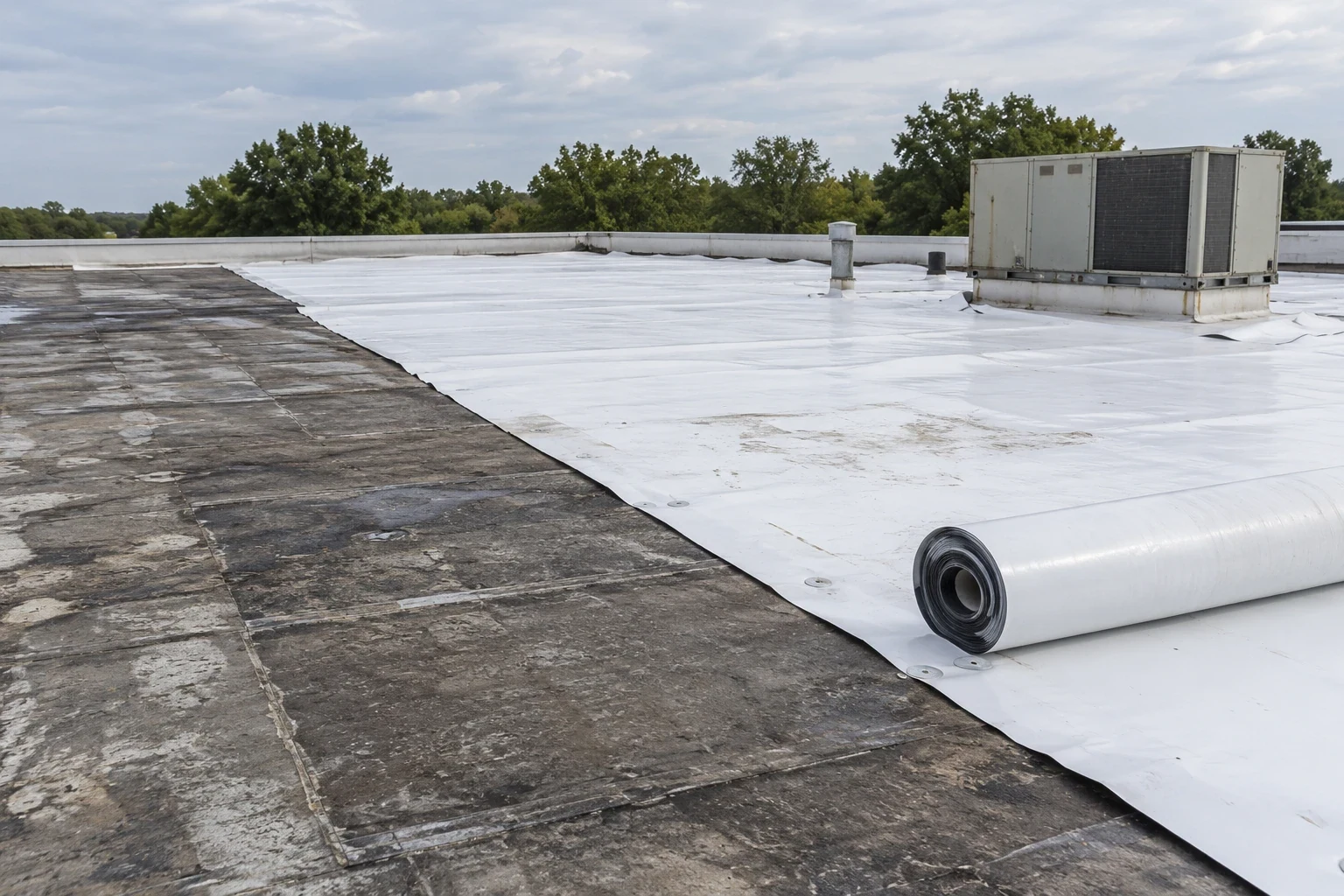
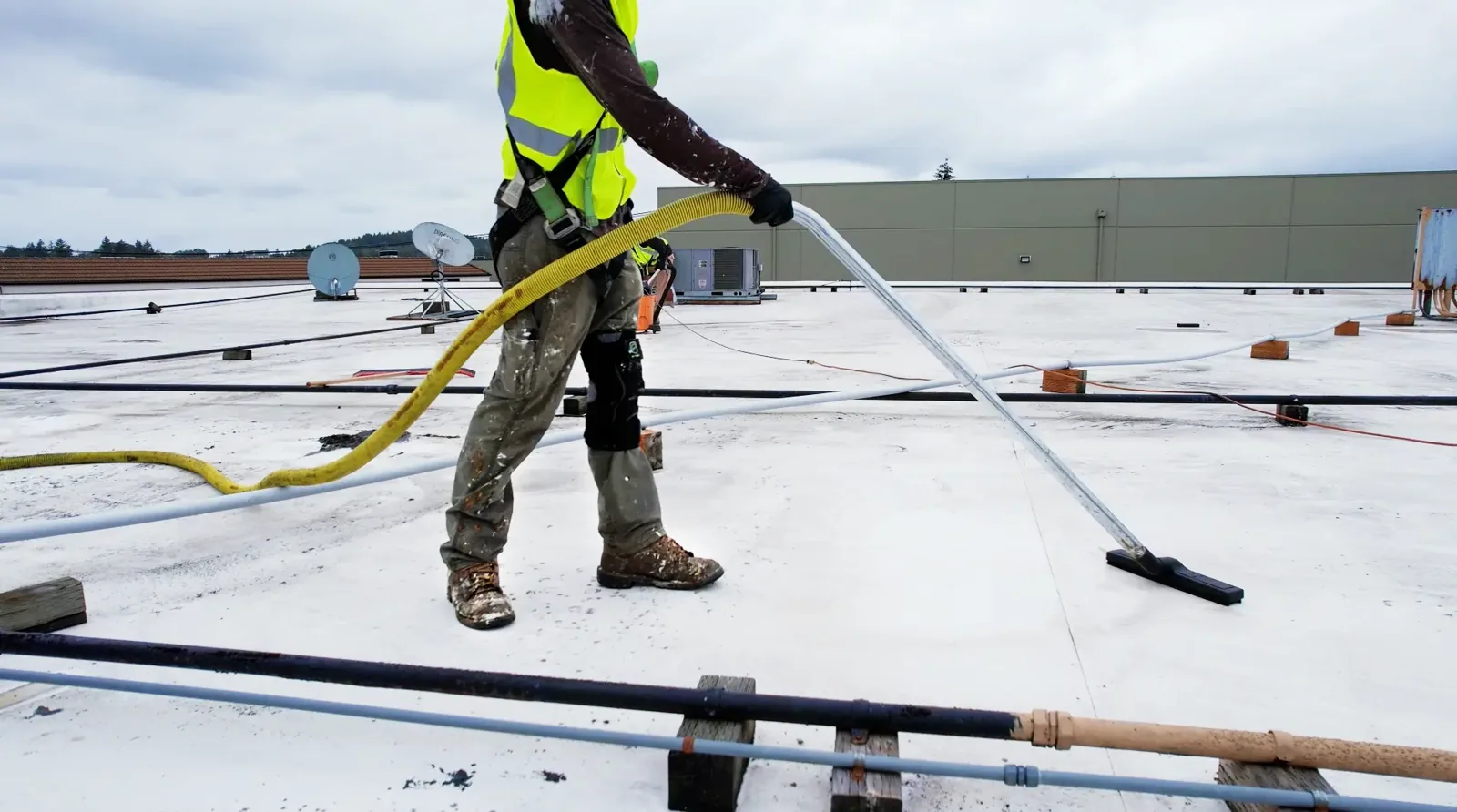
A seam repair starts with the condition of both membrane edges. We remove incompatible debris, prepare the surface, and use a compatible repair method that restores the seam without trapping moisture. At a curb or pipe, the flashing detail has to follow the shape of the penetration and return to sound membrane. We record the repair footprint and any adjacent deterioration that remains open for review. If the substrate is wet or the material has lost adhesion beyond the detail, a surface patch will not resolve the full assembly condition.
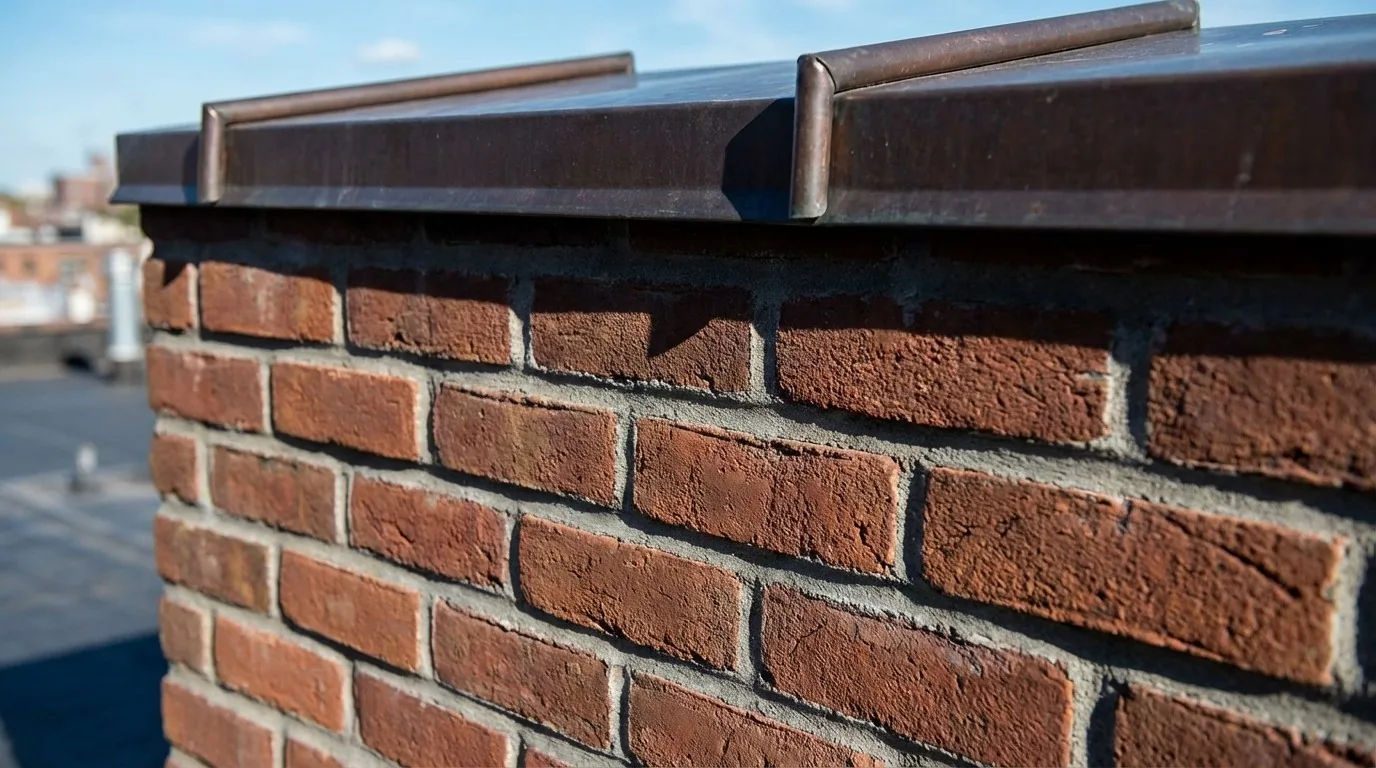
Metal roofs need a different check at panel laps, fasteners, penetrations, and trim. A loose fastener or failed sealant can invite water, while movement can reopen a detail after a quick bead has cured. We document the panel, fastening pattern, and adjoining flashing before selecting the repair. For membrane systems, the seam repair method and flashing scope should name the compatible material and preparation step. Any product-specific adhesion window stays in the crew handoff as a test point.
Heat and weather sequence
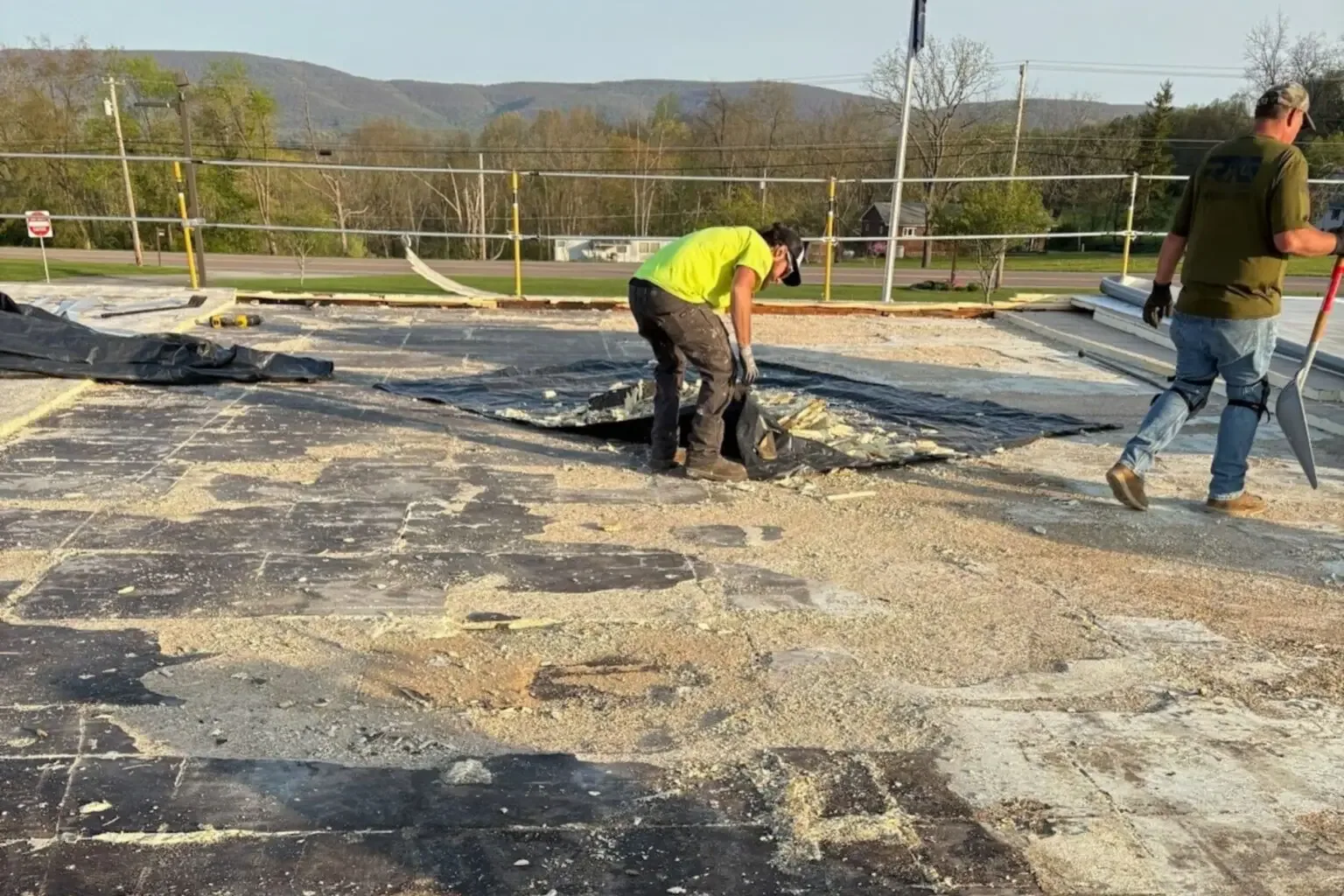
Tyler's normal July high is 94.5°F, so heat-sensitive preparation cannot be scheduled from the calendar alone. We take a substrate reading and follow the selected product's conditions for cleaning, primer, welding, or cure. The roof zone remains open only as long as temporary protection can control exposure. If a weather delay interrupts the sequence, the crew closes the exposed section and records which detail is ready for inspection before returning to the next step.
South Tyler's seven evaluated road corridors and nine proposed transportation projects address congestion and connectivity. A project near the Tyler Interstate Commerce Park has a regional reference at the I-20 and SH 155 junction, not a roof-access instruction. We confirm the specific building’s approach, loading point, and arrival window with its site contact before setting the repair sequence. The general contractor releases the actual work area. We mark the staging point on the repair sketch and identify who clears access before the lift or materials arrive.
Repair record and next work
The repair record should show the reported condition, field location, photographs before and after, material used, and any area that could not be verified. We include readings or test results when they informed the repair, plus the temporary protection removed at closeout. If a test point reveals wet insulation or a deteriorated deck, the crew flags it for review before expanding the scope. This separates approved work from a possible change and lets the owner decide whether another inspection or a larger replacement plan is warranted.
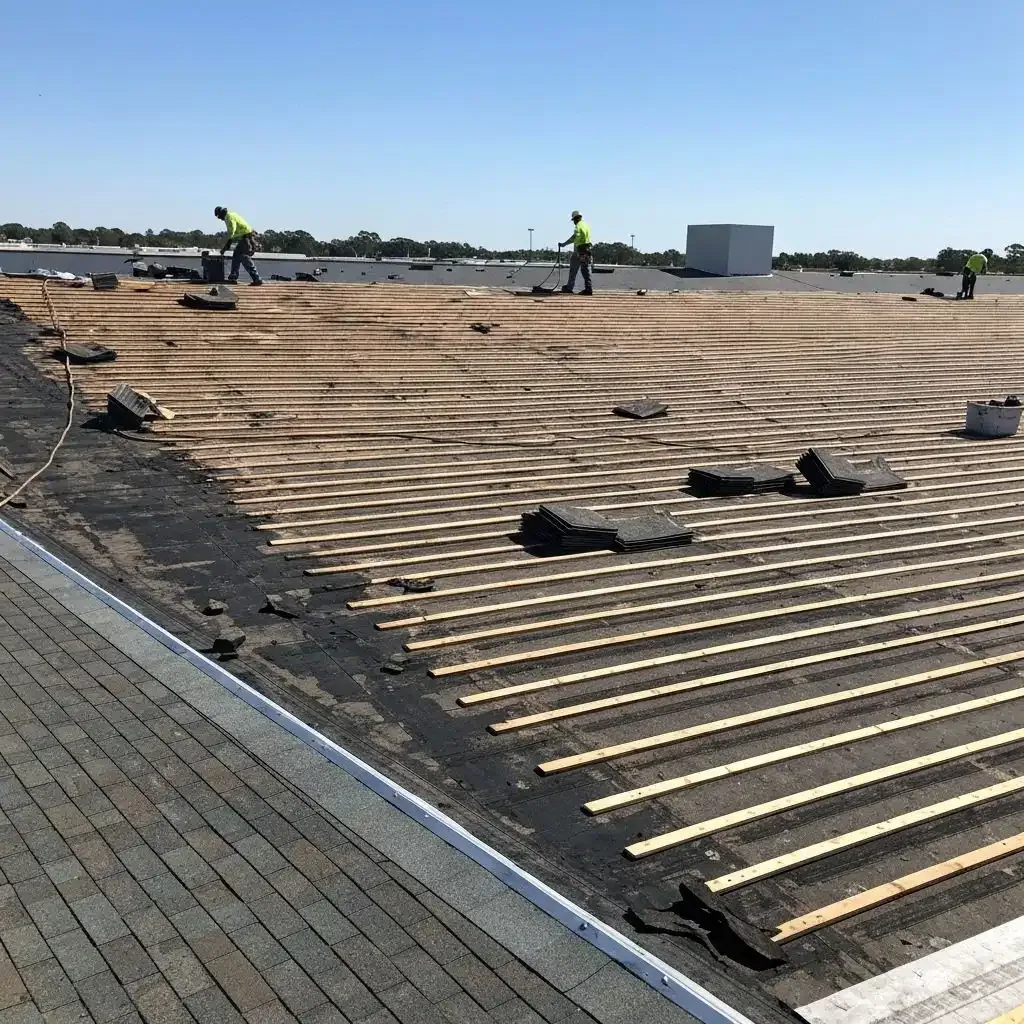
For a facility group, repeated repairs can be compared across buildings without assuming they share one failure cause. Photo-supported condition records can show which details recur and where maintenance access should be scheduled. If the repair follows hail or wind, we capture the affected zone before debris removal changes the evidence. The hail review should distinguish impact marks from punctures or older repairs, then identify whether the immediate task is temporary dry-in, permanent repair, or additional testing.
Scope, access, and approval
Repair cost and timing depend on roof access, the height and shape of the detail, how much membrane must be opened, material compatibility, and the need for interior protection. We list confirmed work separately from uncertain conditions. A single seam repair may fit one access window; a wet zone that extends under insulation can require testing, removal, and a new approval point. We provide the general contractor with the repair boundary, work sequence, and any shutdown or traffic restriction before the crew begins.
A localized repair should not be presented as a whole-roof solution. If the inspection finds repeated seam failure, widespread wet material, or several incompatible layers, we compare targeted repairs with a broader replacement scope or maintenance plan. The owner receives the field evidence, open questions, and practical next release. That lets the project team address the current opening while keeping longer-term capital decisions tied to the actual roof condition.
Commercial Roofing Questions
Why does water show inside a different room than the roof opening?
Water can move along the deck or insulation before reaching an interior surface. We trace the likely path from roof details near the symptom and verify the repair boundary above it. The report distinguishes the suspected entry point from the visible interior effect.
Can a seam be patched without replacing the roof?
A localized seam defect may be repaired when the surrounding membrane and substrate are sound. We check the adjoining material and test the bond before closing the detail. Broader moisture or repeated separation changes the scope and may call for more testing.
What happens if a storm interrupts the repair?
The crew protects the open section, restores drainage where needed, and records the unfinished hold point. On return, we confirm the substrate and temporary closure before resuming preparation. The next work package begins only after the site releases access.
How do you separate a repair from an insurance-related inspection?
We document the observed roof condition, photographs, and test results, then identify the repair required to control an active opening. Claim documentation can record storm-related evidence, but coverage decisions belong to the insurer. We keep emergency protection and permanent repair as separate scope items when both are needed.
What should be included in the closeout?
The owner should receive the repair location, before-and-after photographs, material and detail notes, and any condition left open for review. We note access limits and the next recommended check. Those records help compare the repair with future roof observations.
Related Pages


Mark the repair zone
Send the roof plan, assembly records, access window, current condition, and decision deadline. We will return a repair work package with the test points, temporary protection, roof-zone limit, and crew handoff clearly marked.