
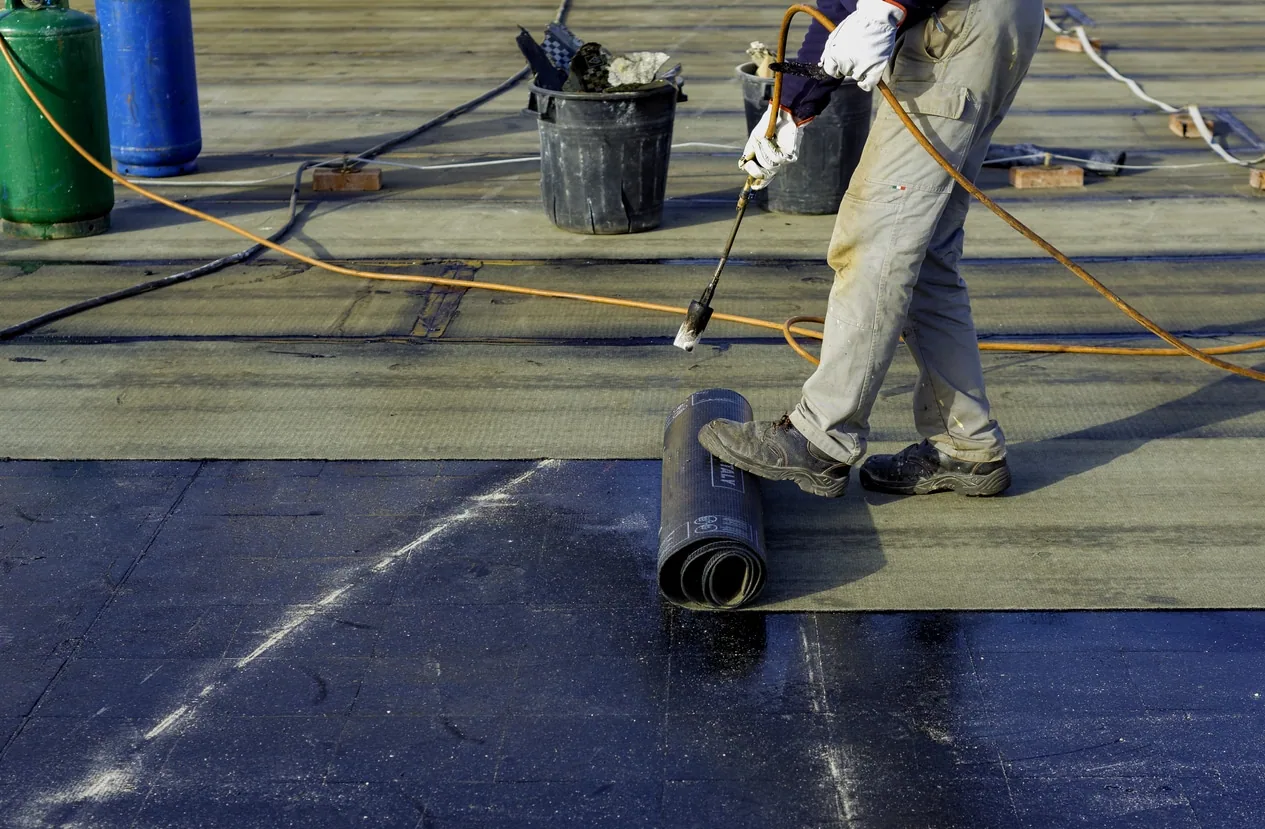
A summer condition report in Tyler, TX, has to separate regional heat context from the surface reading on the roof. The normal July high is 94.5°F, a useful scheduling signal for adhesion-sensitive work, but it does not describe today’s substrate. We document the roof zone, visible condition, access limit, and next release point so the general contractor can decide whether to repair, test, or carry an item into a capital review. Each observation is written for a field handoff, not as a condition label without a next step.
Storm timing gives the record another useful comparison. Severe thunderstorms with large hail and damaging wind are common regional hazards, especially in spring and autumn. We distinguish an earlier finding from a later observation after weather crosses the area, and note the details that need closer examination. A Tyler roof report can serve maintenance, repair, or project turnover when photos, locations, and open questions stay attached to the same roof plan.
The field record by zone
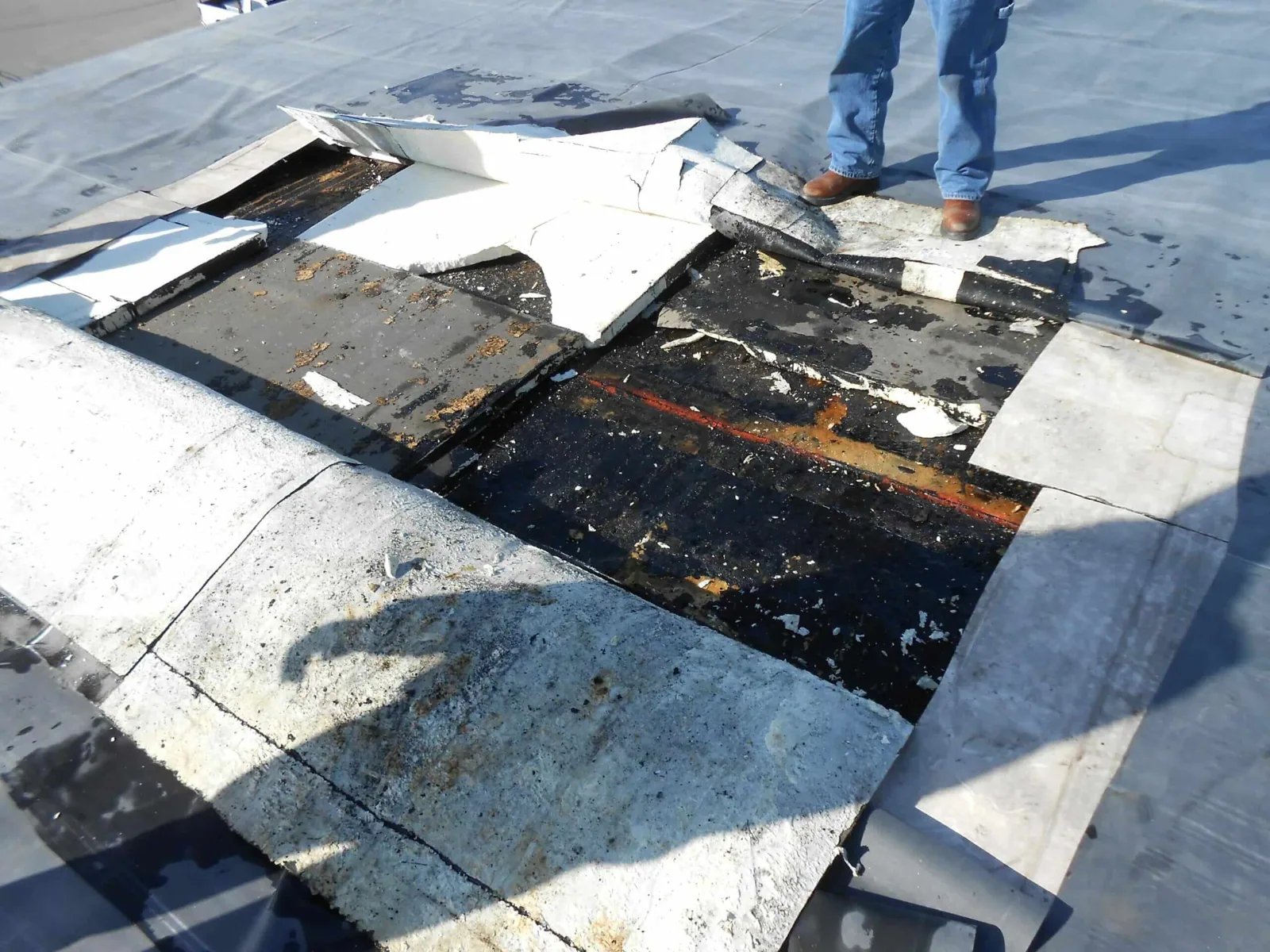
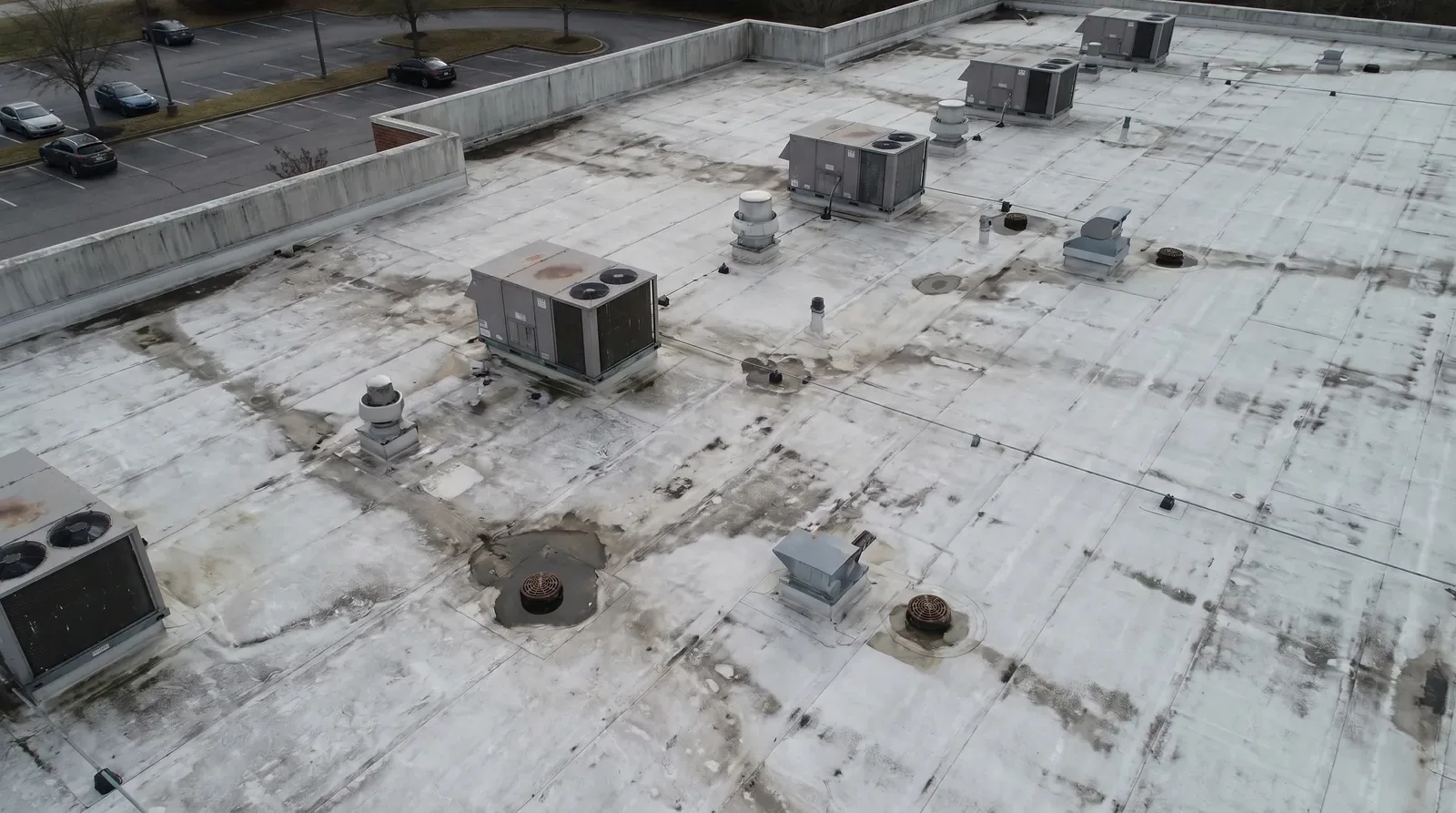
We begin with the roof plan, available assembly information, leak notes, and access requirements. On the roof, the inspector identifies areas, transitions, seams, flashings, drains, penetrations, edges, rooftop equipment, and any visible patch work that affects the review. Each photo points to a location and each note describes what can be seen. When an area is blocked or unsafe to reach, the report names that limit and the access needed to complete the observation rather than calling the area clear.
Midtown Tyler remains a healthcare and education hub, with 5th Street and Beckham Avenue included in planned corridor improvements. A property in that area may require coordination with building operations and access control before a roof walk can proceed. We record the approved route, equipment restrictions, and any roof-zone release needed from the project team. For a broader property record, a roof asset record can preserve earlier findings and link the current report to the next maintenance work package.
Heat, moisture, and test limits
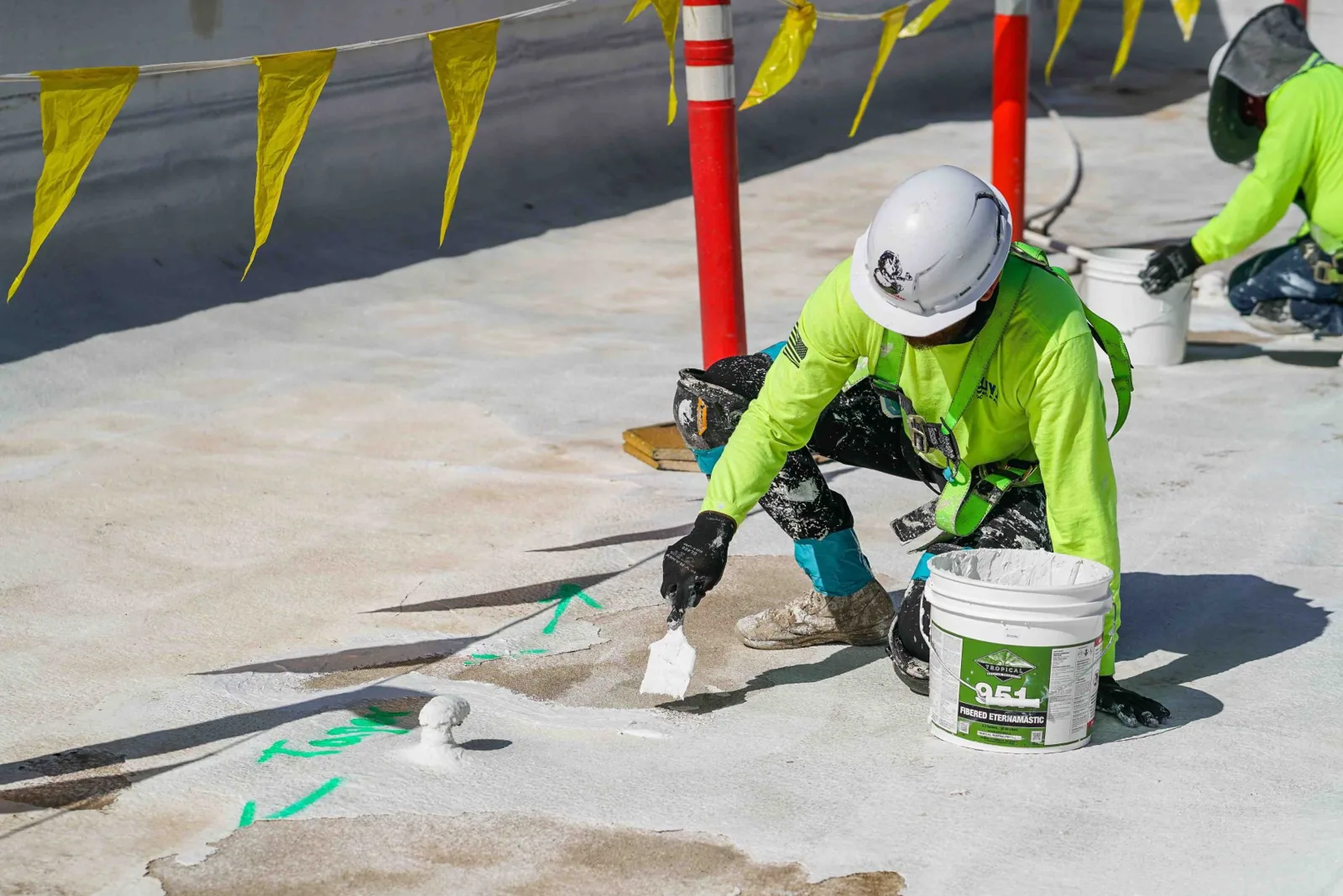
Heat can affect access and the timing of adhesives, sealants, coatings, and test work. We note the observed conditions at the time of inspection and identify where a task needs a substrate reading before it is released. A weather delay may change the work period without changing what the report observed. If the question is moisture below the membrane, a visual walk does not answer it by itself; we mark a test point and state what the result should help the project team decide.
Infrared scanning and targeted moisture checks may be appropriate where the assembly, recent leak history, and conditions support them. We describe the survey area, method, weather context, and any limitations that affect interpretation. An infrared moisture survey can identify areas for confirmation, while a cut or other selected test can help verify the assembly below. The report keeps those results distinct from visible surface wear so the contractor can set the right hold point before repair, recover, or replacement work is scoped.
A dated storm comparison
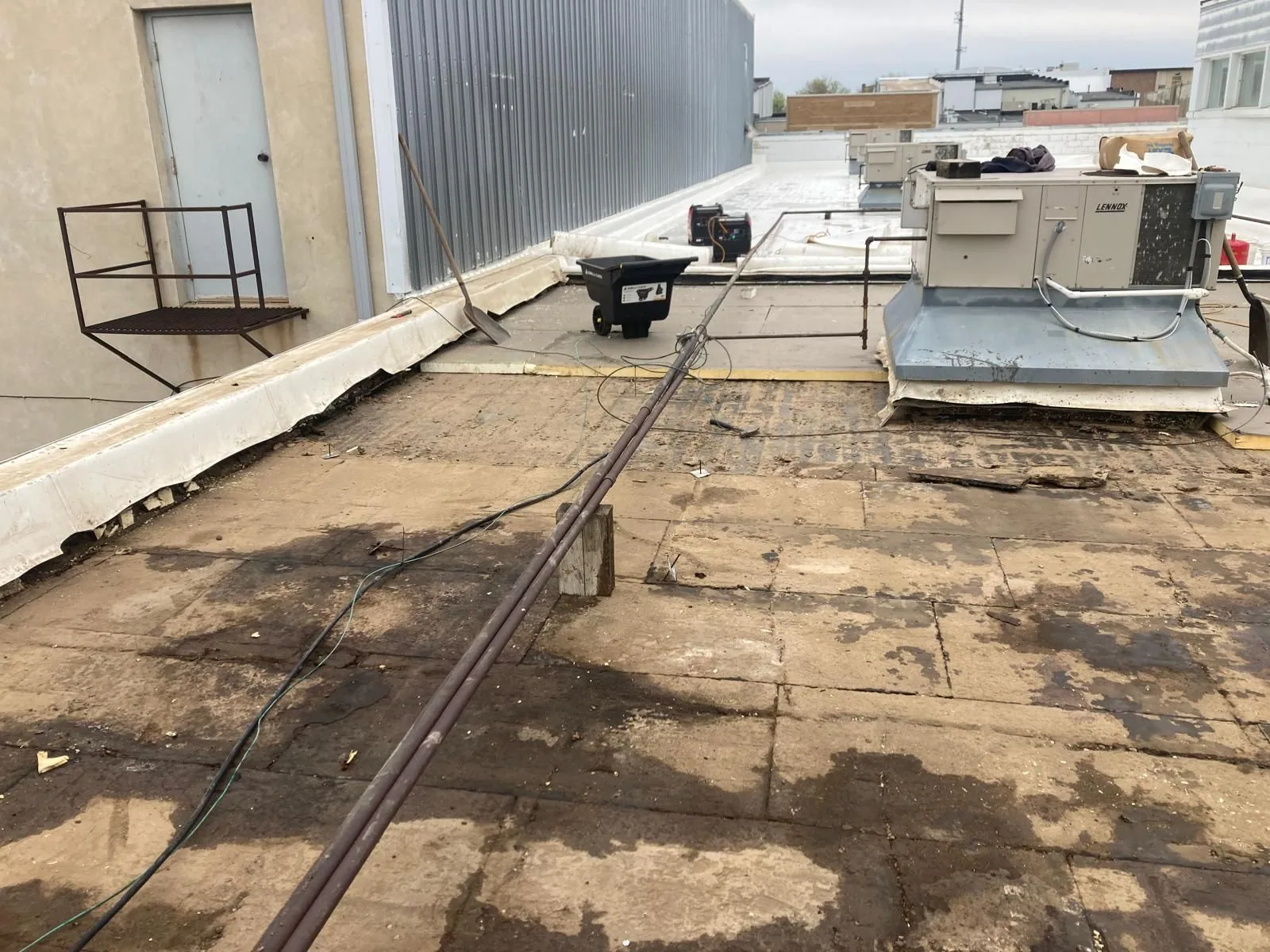
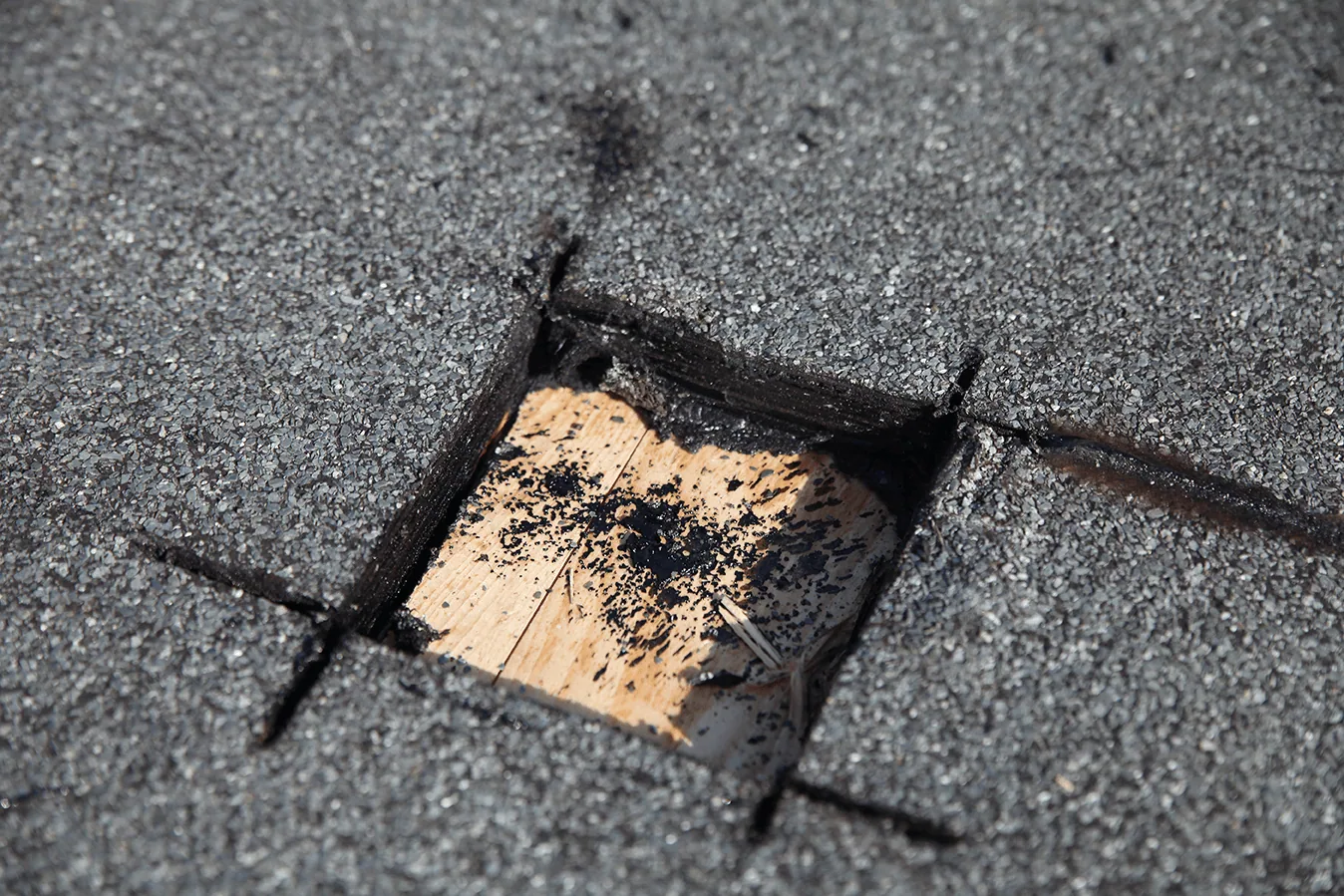
After hail or damaging wind, a useful report records the observed roof condition by area and date. We look at exposed seams, membrane surfaces, flashings, edge metal, rooftop equipment supports, drainage, and temporary protection. New marks, displaced details, open laps, and debris blockage are documented separately from conditions already present in the maintenance history. If the surface is wet or debris limits a view, the note says what remains to be checked when access is suitable.
The study of East Grande Boulevard and Old Omen Road reflects growing travel demand and planned connectivity work in east and southeast Tyler. The Tyler Interstate Commerce Park also sits beside I-20 at the SH 155 interchange. When deliveries or access routes sit near these changing corridors, the roof plan should state the allowed entry point and work window for any follow-up visit. A corridor-specific access note can be kept with the report, while a hail-damage review follows the photographed findings. The event context guides scheduling; field evidence still determines the repair scope.
Repair priorities and open questions
Findings should tell the project team what can move forward and what needs a decision. We group them as water-control work, repair, maintenance, testing, or larger assembly review, then identify any approval that affects the next release. A drain obstruction, a split around a curb, and a seam that needs a probe do not belong in the same undifferentiated list. The report can note which issue is active, which has a temporary closeout, and which remains a monitor item for the next planned visit.
Where a condition may call for a repair, we describe the work area and the detail to be addressed, then note access, preparation, and material questions. If the owner is comparing options, a capital plan can carry confirmed quantities and unresolved tests forward. A focused inspection may also update the condition record before bids are released. We keep repair recommendations tied to the visible evidence and label concealed questions for a selected test rather than estimating what cannot yet be seen.

A report the next crew can use
At turnover, the report should help the next person locate the finding without a second explanation. We include a marked roof plan, numbered photos, concise observations, current limitations, and the status of each recommended action. A test point has a purpose; a hold point has an owner; a roof-zone release has an access period. This lets the general contractor assign the next package while keeping unresolved work in view for the person responsible for the roof.
Closeout records can be added after a repair or maintenance visit, with before and after photos where available and any remaining item identified. Tyler’s summer heat and regional storm cycle can make the date and conditions of that closeout useful at the next review. A repair record ties work performed to the condition documented earlier. The report can also inform a warranty file when the project needs to preserve inspection and repair history.
Commercial Roofing Questions
What makes a roof condition report different from a photo list?
Each photo should connect to a roof-zone location, an observation, and a next action or open question. We also record access limits, test needs, and who must release the next work period. That turns the report into a field handoff the contractor can use to plan repair, testing, or a budget review.
Can a report confirm moisture below a commercial membrane?
A visual inspection can show surface conditions and possible indicators, but concealed moisture requires a selected test or survey. We note the area, method, and limitations, then connect the result to a scope decision. Infrared findings can direct confirmation; they should be interpreted with the roof assembly and weather context in view.
How do you separate storm findings from earlier roof wear?
We compare dated photos and prior notes with the area observed after the event. The report identifies new displacement or visible impact separately from older repairs and wear, then marks anything that needs a closer test. If rain, debris, or access restrictions block a clear view, that limitation remains open for follow-up.
Will a condition report set a replacement date for the roof?
A report records the evidence that can support a repair or capital discussion; it does not assign a useful date without assembly, moisture, attachment, and repair-history context. We identify those decision inputs and any testing that remains. The owner can then compare options using confirmed conditions instead of a single general rating.
What should the project team provide before the inspection?
Send the roof plan, available assembly records, recent leak reports, prior repairs, access rules, and the decision deadline. We use them to prepare roof zones and identify questions that need attention. If a recent storm or active leak prompted the visit, include the date and affected interior area so the Diligence Notes can be compared with the right history.
Related Pages

Turn field findings into a release plan
Share the roof plan, assembly records, access period, current conditions, and decision deadline. We will return a marked report with open tests and hold points tied to each roof zone.