
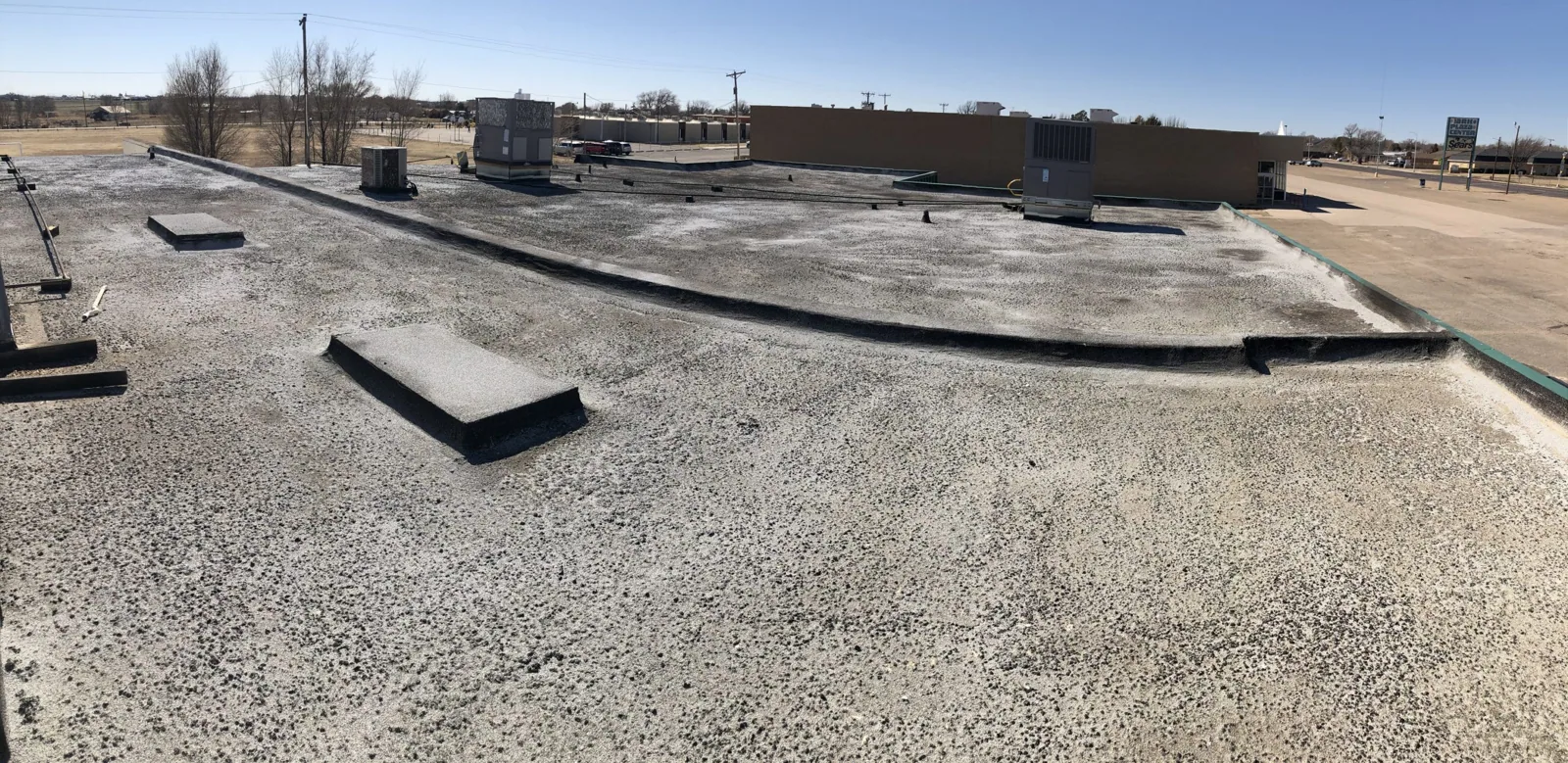
A built-up roof is a layered assembly, so a surface defect can involve one ply, several plies, or the insulation below. Tyler’s recorded June 8, 2021 tornado confirms local severe-weather exposure; the current repair boundary still follows what inspection finds. We start at the visible condition, compare it with nearby laps and flashings, then establish a test point before disturbing multiple layers. In the Tyler North End Area and the South Broadway Commercial Corridor, access planning can differ, while the work package needs the same clear zone limits and exposed-section closeout.
Built-up roofing uses alternating reinforcing sheets and bitumen, often finished with aggregate or a cap sheet. Repair and replacement decisions depend on the existing plies, attachment, drainage, moisture, and surface condition. We document what can remain, what must be removed, and where a selective cut can resolve uncertainty. A roof condition inspection can support that decision, with a replacement scope considered when failures extend through the assembly.
Ply map and test cuts
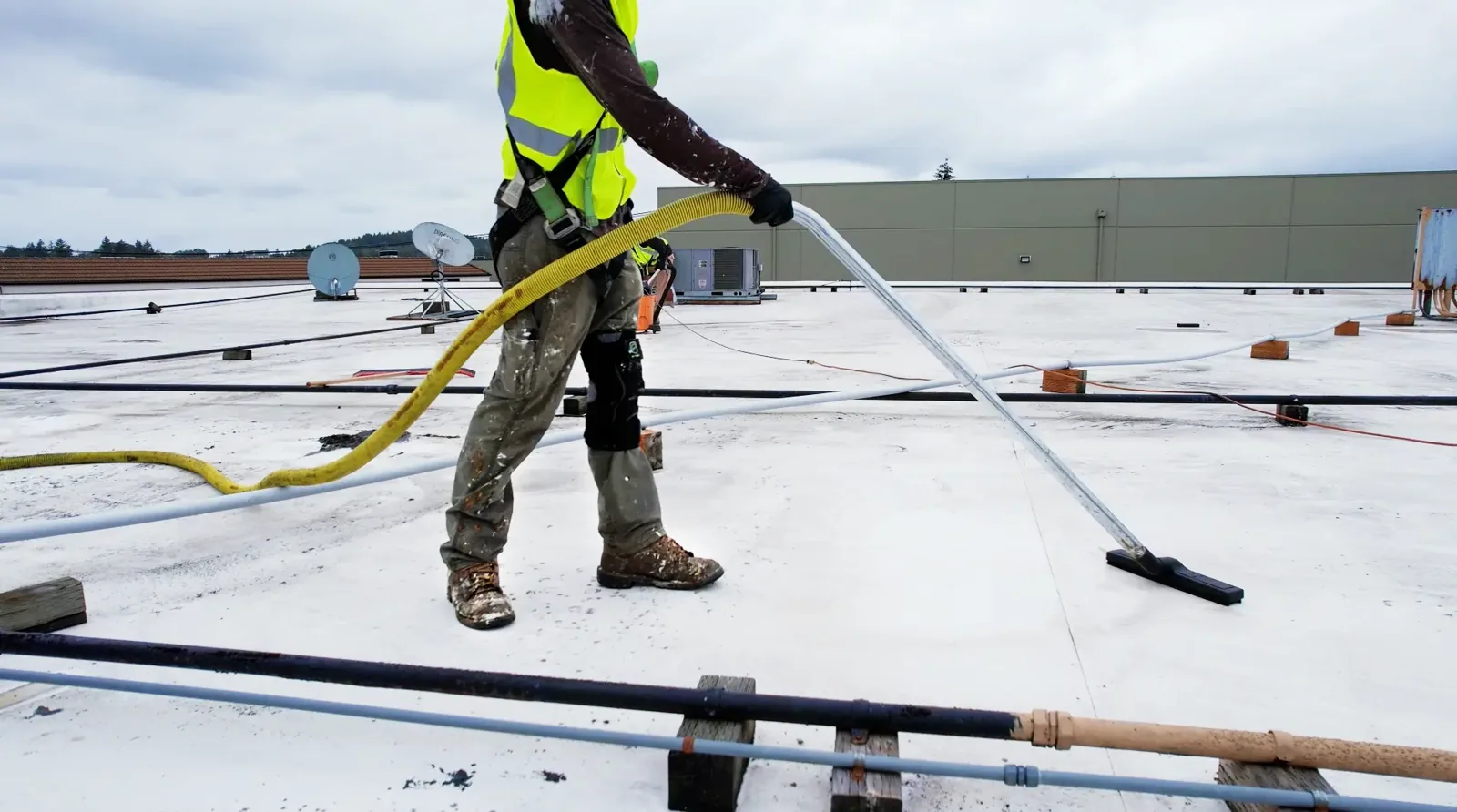
We identify the surfacing and visible sheet layers, then record blisters, splits, exposed reinforcement, delamination, and prior patches by roof zone. A blister should not be opened without a temporary protection plan and an agreed test purpose. A selective cut can show how far moisture extends and whether the deck or insulation is affected. The work record includes the cut location, condition found, photographs, and repair detail required to close the test area.
Repeat defects matter because a series of small repairs can conceal a broad assembly problem. We compare the frequency and location of open laps, cracks, water entry, and soft areas, then mark the area where more testing will affect scope. Tyler Midtown is a healthcare and education hub, so a project nearby may need close coordination with occupied operations. That local setting affects access and sequencing; it does not establish what roof layers a particular building has.
Bitumen and application controls
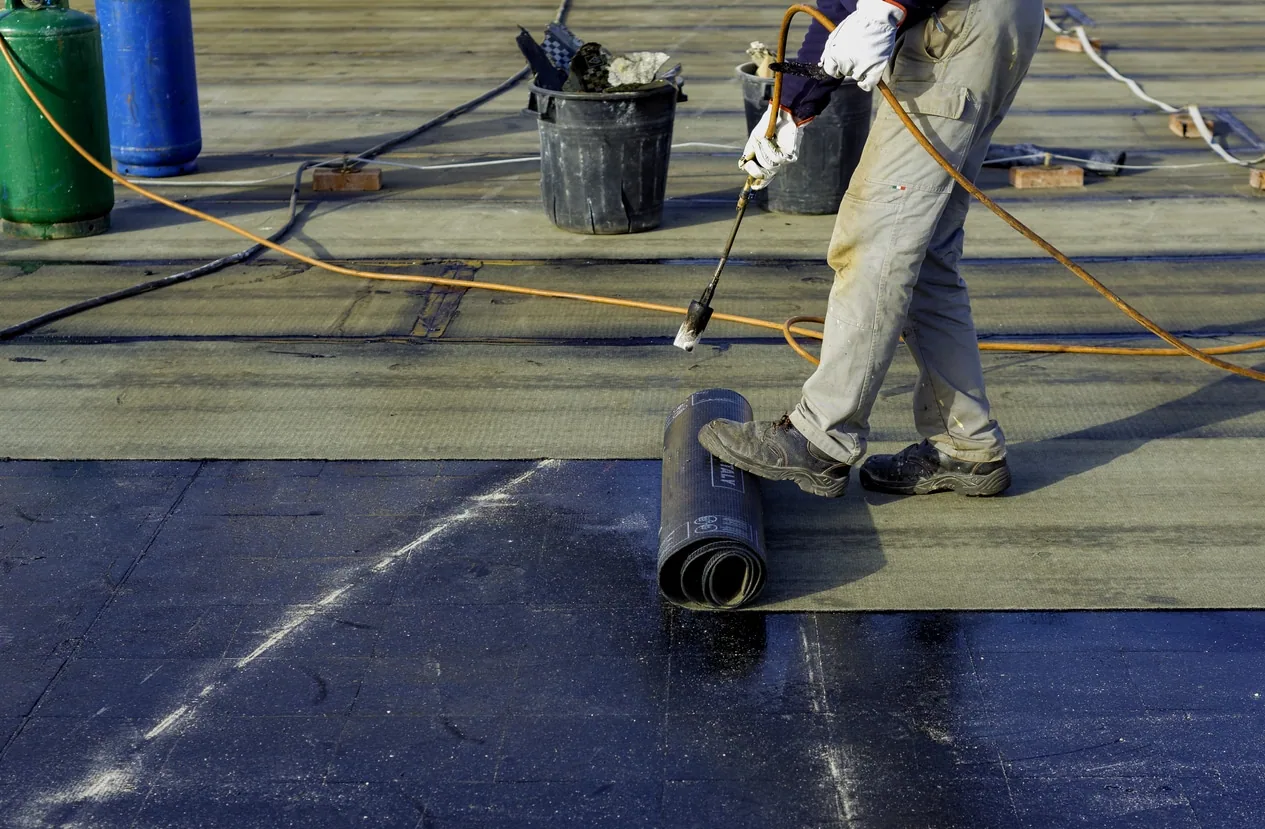
Built-up work can use hot asphalt or other specified application methods. The choice affects staging, odor, fire protection, ventilation, and the order in which felts or reinforcing sheets are placed. Before mobilization, we identify the approved product, kettle or adhesive controls, occupied areas, and fire-safety responsibilities. The crew follows the specified application rate and lap direction, then checks that each ply is bonded and continuous before another layer hides it.
July’s Tyler normal high is 94.5°F, a seasonal indicator for planning heat-sensitive material handling. It is not a roof temperature or a product limit. We take the substrate reading, check the manufacturer’s instructions, and set the work window based on actual conditions. If heat, wind, or moisture changes the permitted task, the field lead records a hold point and assigns a weather-safe handoff. That sequence protects exposed felts and avoids asking a crew to continue past the approved conditions.
Surfacing and drainage path
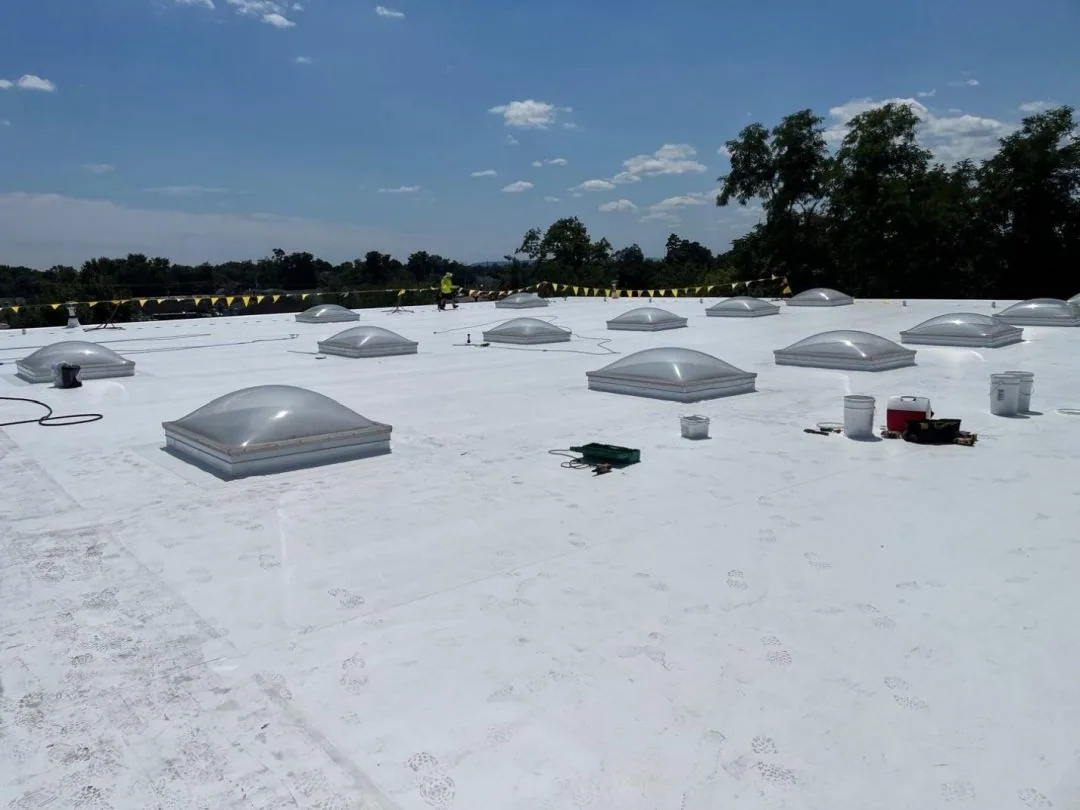
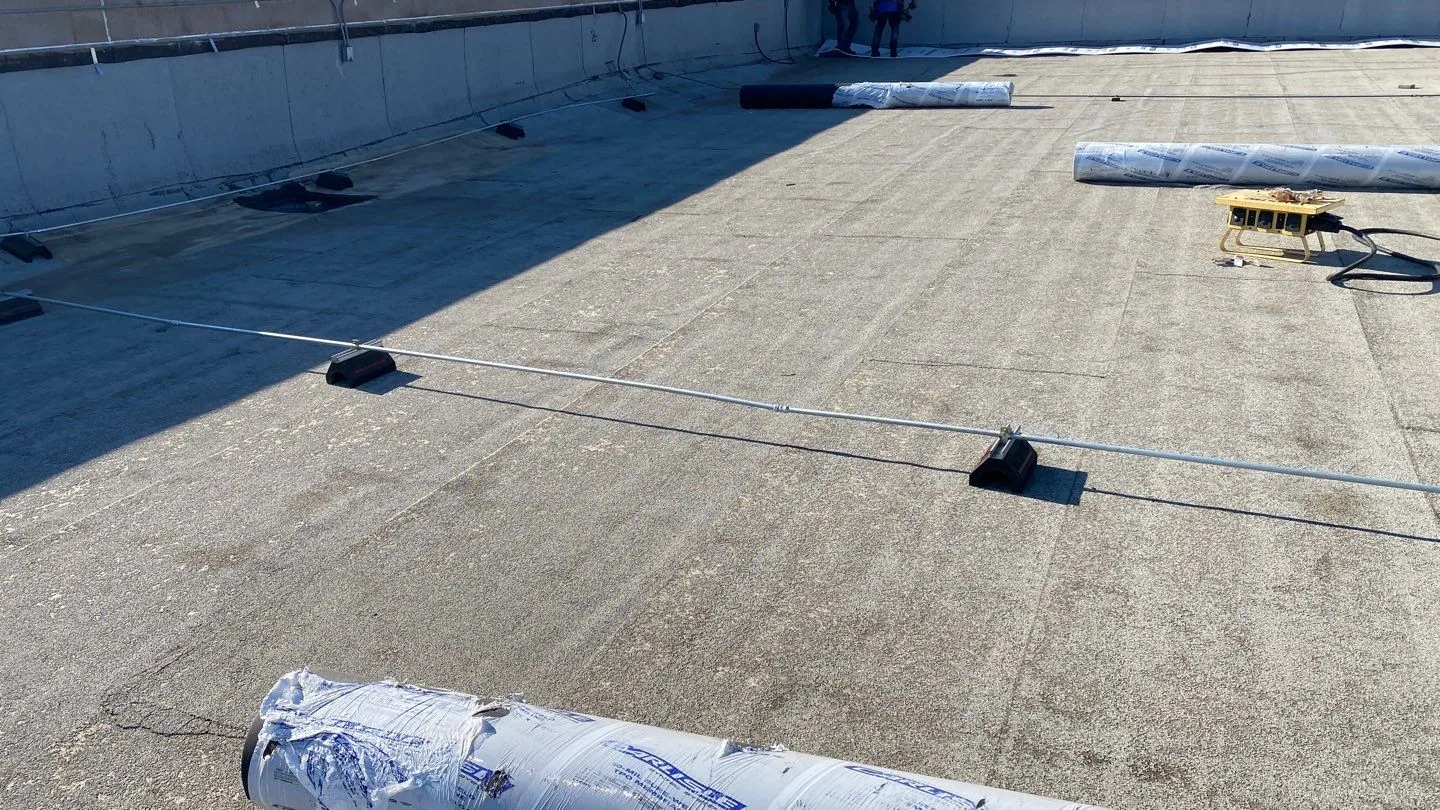
Aggregate protects a built-up surface but can hide a small split or make a repair boundary hard to see. We move only what is needed to inspect and prepare the affected area, then restore surfacing as specified. At drains and scuppers, we check that gravel stops short of the opening and that water can pass through the bowl. Low insulation or a deflected deck may hold water even after a drain is cleared, so we record ponding separately from a blocked outlet.
East Texas spring and autumn thunderstorms can bring hail and damaging wind, making temporary drainage and loose-material control part of the daily roof closeout. Debris on an aggregate roof can block outlets or expose a damaged edge after a storm. Before leaving an opened area, we confirm its temporary protection, water route, and next inspection hold point. A drainage correction can be priced separately from a hail-damage review when the outlet and membrane conditions call for different work packages.
Repair, recover, or remove
A local repair may fit where the affected ply can be removed or dried to sound material and the surrounding assembly remains bonded. Widespread moisture, multiple roof layers, deteriorated deck, or recurring failure can point toward removal. We compare each option against the roof count, drainage, deck, insulation, perimeter height, and access needed for material handling. If a recover is proposed, the scope identifies compatibility and moisture checks instead of treating another layer as a default.
Tyler’s 2021 International Building Code applies to plans beginning January 1, 2024, and the City adopted the 2021 International Energy Conservation Code effective the same date. The designer and reviewer determine the project requirements for insulation, attachment, and permit documentation. We keep those decisions in the approved submittal before material is released to the roof. A modified bitumen system or single-ply membrane can be compared if the owner is considering a different assembly.
Weather delay and occupied work
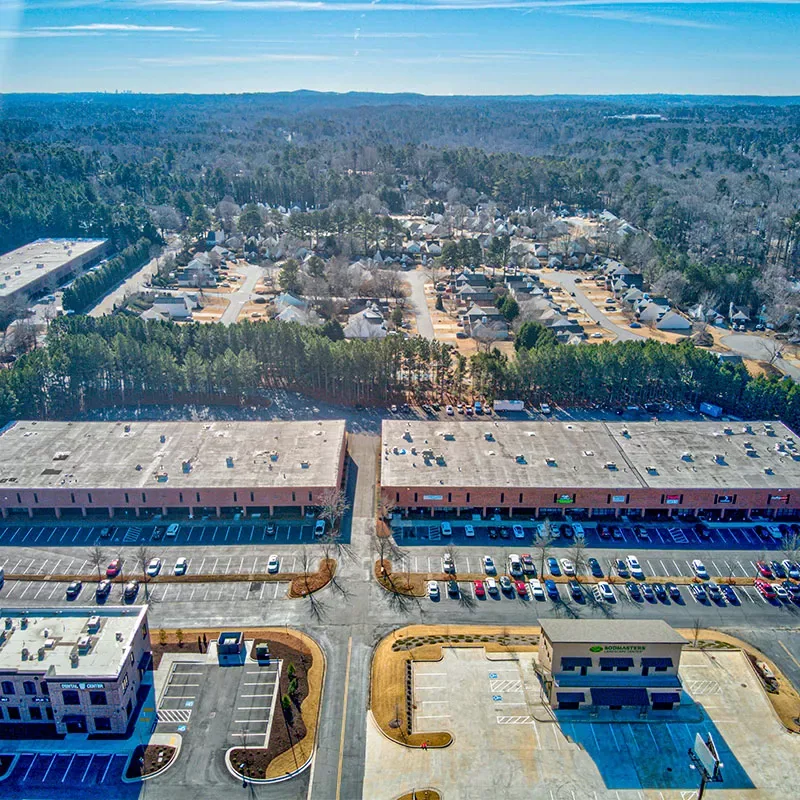
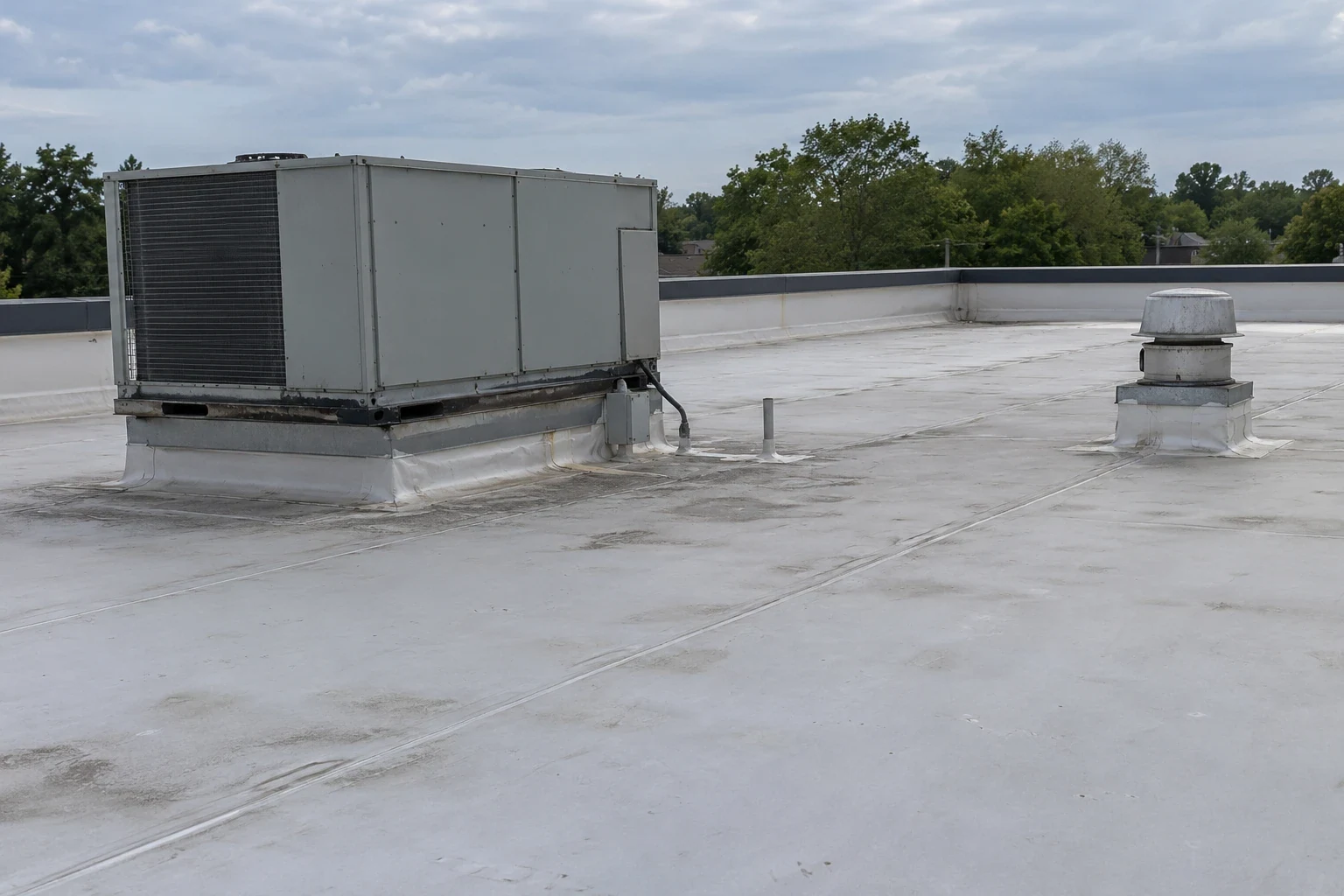
When a building remains occupied, hot application, material lifts, odors, and roof access need a schedule tied to the operations below. We coordinate equipment shutdowns, intake protection, delivery paths, and temporary barriers with the general contractor. Each roof-zone release names the access window, the work limit, and the person who accepts exposed-section closeout. If the daily plan shifts, the handoff lists which plies are complete and which require protection before another trade enters the area.
The Tyler Interstate Commerce Park lies beside I-20 where it meets SH 155, a logistics setting for the broader market. A specific property still needs its own gate, staging, and delivery plan. Regional wind and hail conditions also require attention to secured materials and debris removal at shift end. We document a weather delay with the affected section and next test point, so the contractor knows whether the following task is inspection, drying, or installation after conditions allow.
Turnover and maintenance record
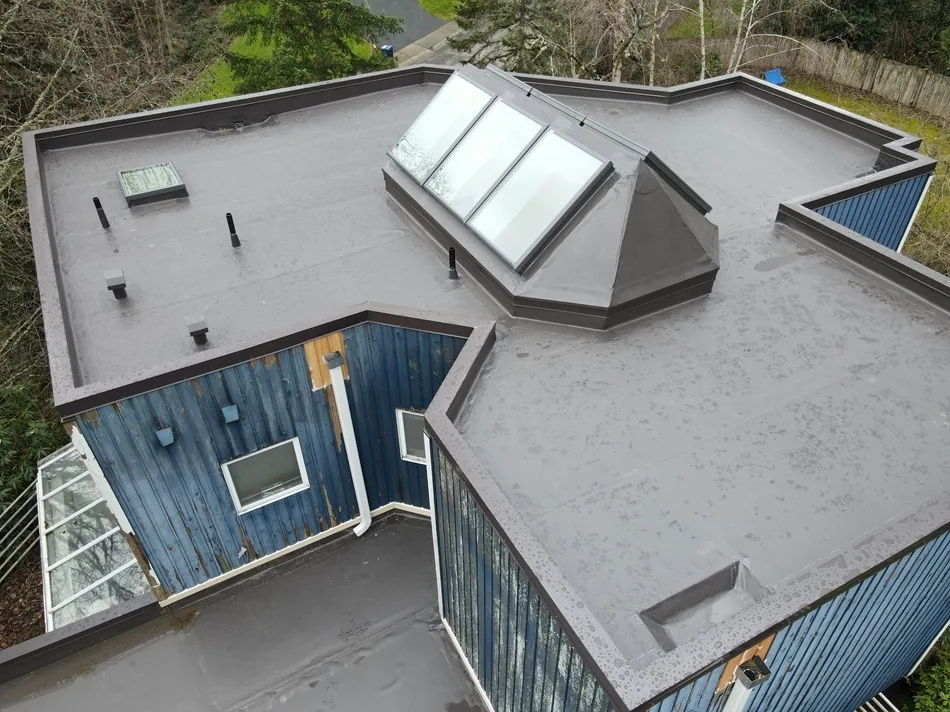
Closeout shows the ply sequence installed, patch boundaries, flashing details, drain checks, and any test cut repaired. Photographs should match plan locations and identify the condition covered by each repair. We include the approved material and application record, open tests, and maintenance instructions provided for the selected system. The owner can then distinguish a repaired area from an original roof section and schedule the next review accordingly.
Cost and duration follow tear-off depth, ply count, insulation or deck repair, surfacing, material lifts, access restrictions, and weather windows. We separate those variables so the general contractor can compare a staged renewal with a contained repair. A written condition report captures current findings; a Tyler roof assessment can organize subsequent work by zone when budgets or operations require phasing.
Commercial Roofing Questions
How do you determine how many built-up roof layers are wet?
We map visible conditions and use agreed test cuts or other diagnostic methods to inspect layers below the surfacing. Each test has a location and decision purpose. A sample supports the zone it represents, and differing roof areas may require separate checks before removal quantities are fixed.
Can you patch a built-up roof without replacing it?
A patch can work where the affected layers can be prepared to sound, sufficiently dry material and a compatible detail can be installed. We examine nearby seams, surfacing, and drainage to see whether the defect is isolated. Repeated openings or broad moisture findings call for a larger scope comparison.
Does aggregate have to be removed for repairs?
Only the material needed to reach and prepare the repair area should be disturbed, subject to the system detail. We contain aggregate, expose the affected layers, and restore the surface as specified. The work plan also protects drains and tracks any loose surfacing before the crew leaves.
What affects a built-up roof work window in Tyler?
Application method, actual substrate conditions, heat, wind, moisture, fire controls, occupied operations, and access all affect sequencing. Tyler’s July normal gives seasonal context; the crew still takes field readings and follows product requirements. A weather delay is logged against the roof zone and next approved task.
What does a built-up roof closeout include?
We provide a roof-zone map, ply and surfacing details, repair photographs, drain and flashing checks, material records, and any outstanding test. The closeout names who accepts a hold point and what maintenance check follows. This keeps the repaired area identifiable during later inspections.
Related Pages
Commercial Roof Inspection
Tyler, TX
Commercial Roof Replacement
Tyler, TX
Commercial Roof Drains and Scuppers
Tyler, TX
Commercial Hail Damage Roof Repair
Tyler, TX
Set the built-up roof release points
Share the roof plan, existing assembly information, leak history, access limits, and decision date. We will return a built-up work plan with test cuts, application controls, drainage details, and daily closeout points for the general contractor.