
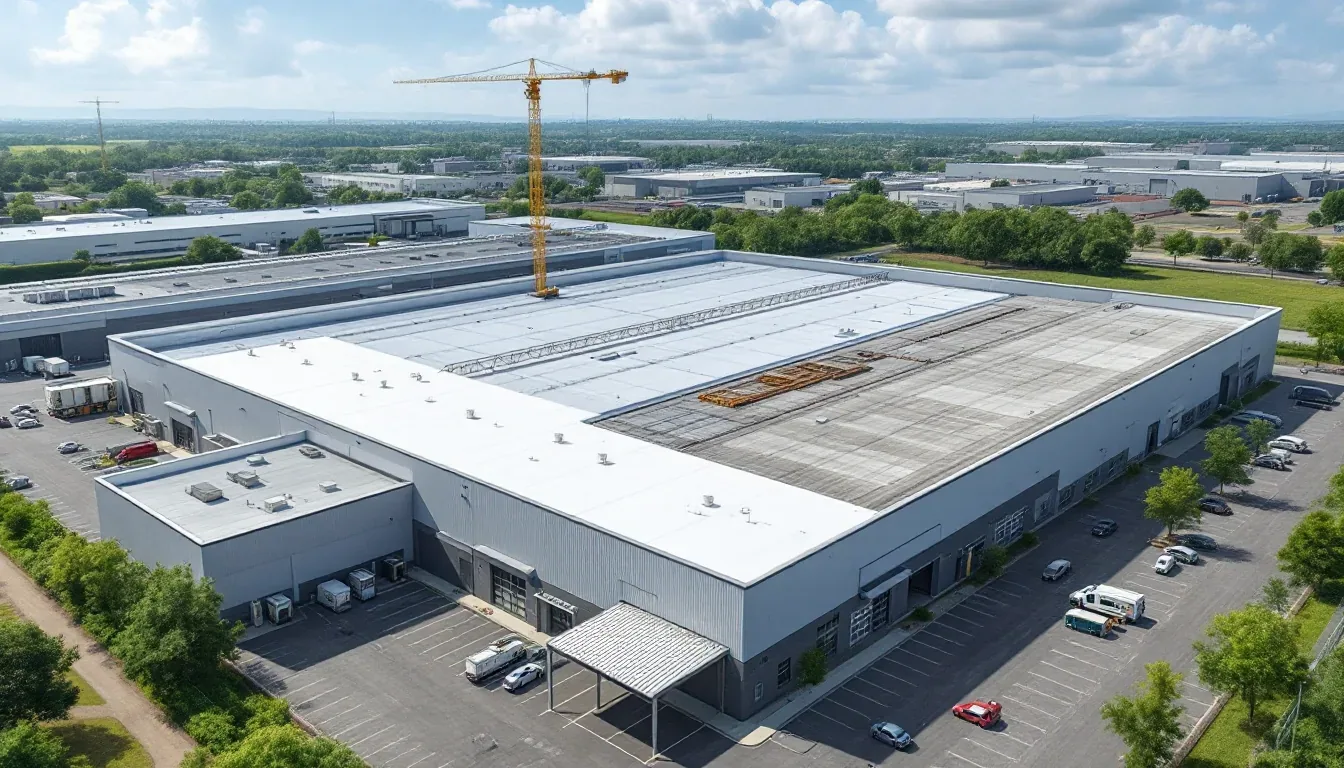
The first July surface reading can change which roof task is ready over a manufacturing line. Tyler’s normal July high is 94.5°F, but the membrane temperature at a specific work area has to be measured before adhesive or coating work. We mark production zones, rooftop equipment, exhaust points, and access restrictions before setting the sequence. Tyler Interstate Commerce Park beside I-20 and the planned Prosperity Park development provide separate project settings; the plant’s own roof plan determines the work package.
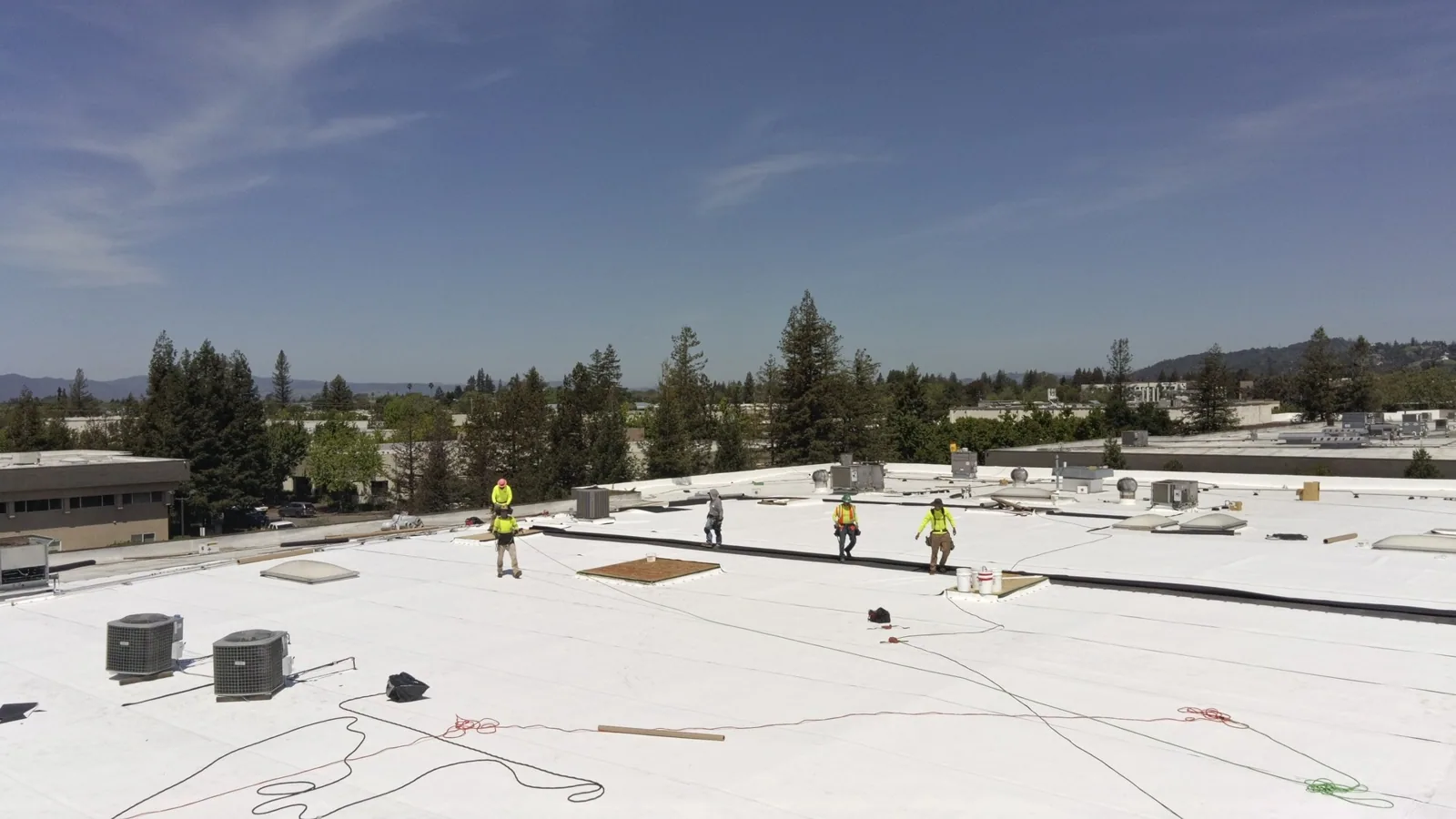
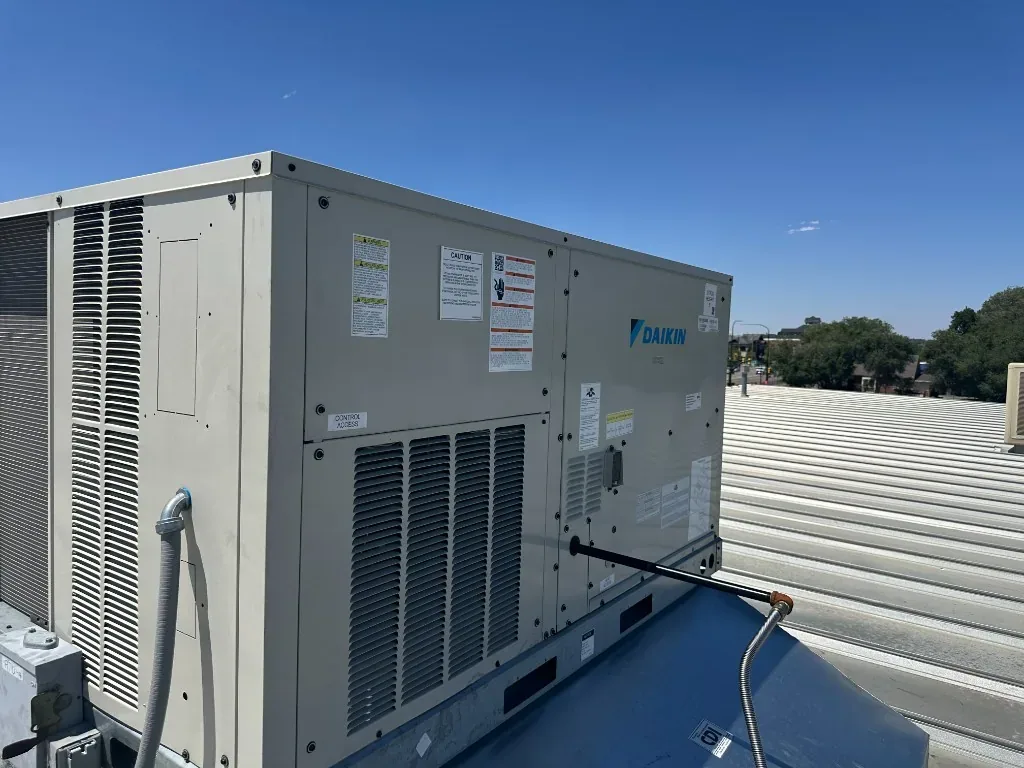
Plant roofs combine field membrane with curbs, duct supports, pipes, vents, exhaust stacks, and service routes. A leak near equipment needs both a roof-side inspection and coordination with maintenance so the crew does not interrupt a process system. We record conditions by roof zone, then assign repairs, testing, or replacement decisions separately. A roof inspection can locate open details and moisture concerns; a data-center roof has a different continuity priority, while a warehouse roof may share some perimeter and drain details.
Production access and equipment release
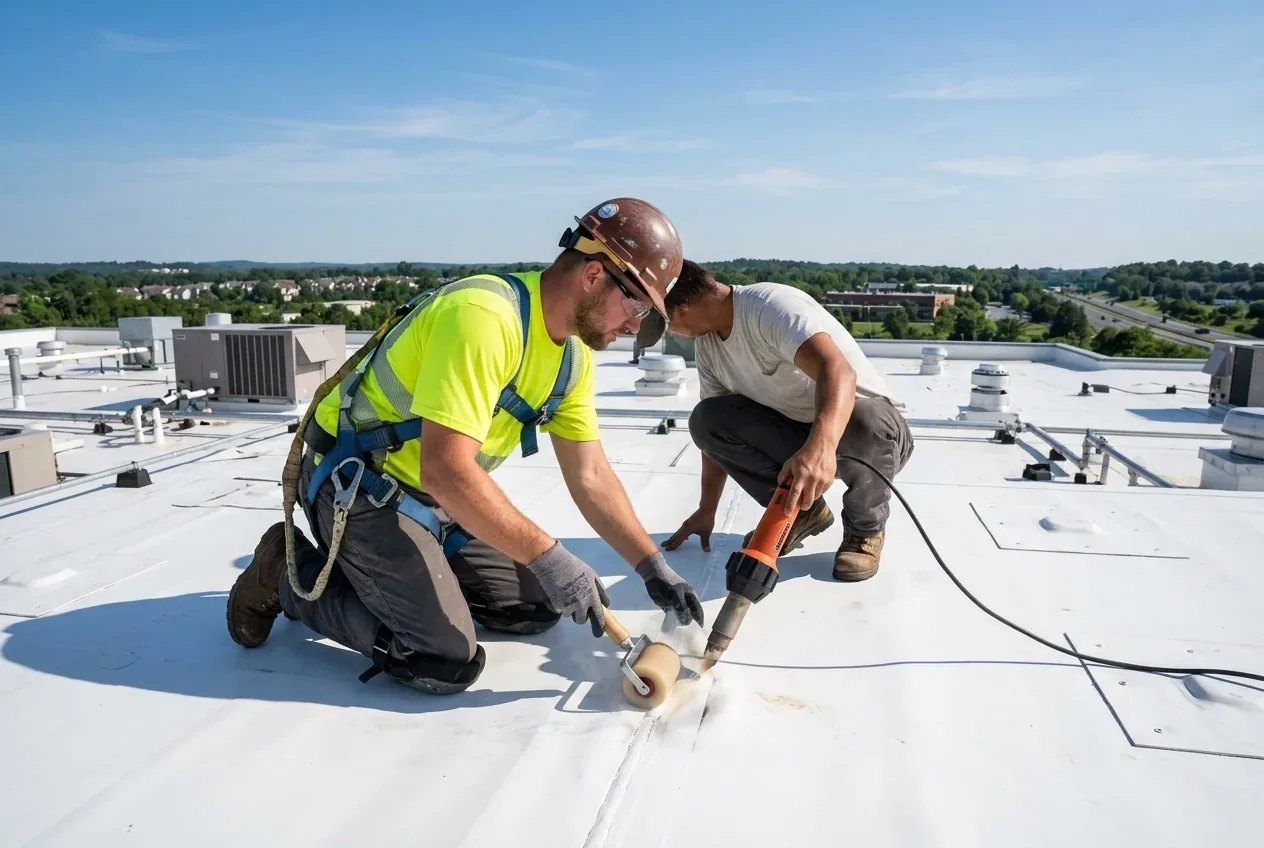
A production line can continue below a roof area only when the overhead boundary, interior protection, and maintenance access are defined. We review line schedules, restricted zones, exhaust operation, crane routes, and any process equipment that cannot be shut down. The general contractor and facility contact name who can stop work or release access if conditions change. Those responsibilities go into the daily plan, not a verbal handoff between shifts.
Roof access around ducts, piping, and service platforms also needs an owner. Equipment technicians may need to cross the work zone, so we set walk paths and coordinate the order of flashing and equipment service. A curb that must remain accessible cannot be buried beneath staging material. The sequence shows which detail is ready, which trade has access, and when membrane work can proceed. If production timing shifts, the crew can move to another approved area and preserve the hold point at the affected penetration.
Penetrations, curbs, and hot discharge
Each penetration breaks the field membrane and creates a transition that needs compatible flashing, secure attachment, and enough height above the roof surface. We inspect the curb, pipe boot, stack base, nearby seams, and deck for movement or moisture. Hot exhaust can affect adjacent materials, so the detail must account for the equipment use and specified clearances. The roof sketch marks service access and the inspection side of each curb before a work crew removes surrounding material.
When a process line requires uninterrupted operation, temporary protection and coordination with the maintenance lead can determine whether a detail is repaired in place or staged for a shutdown. We record what is isolated, who authorizes the release, and what test closes the penetration work. For larger equipment clusters, a curb and support scope can separate roof flashing from equipment adjustment. That distinction helps the contractor price roofing work without assuming a mechanical change that has not been approved.
Storm review and exposed sections
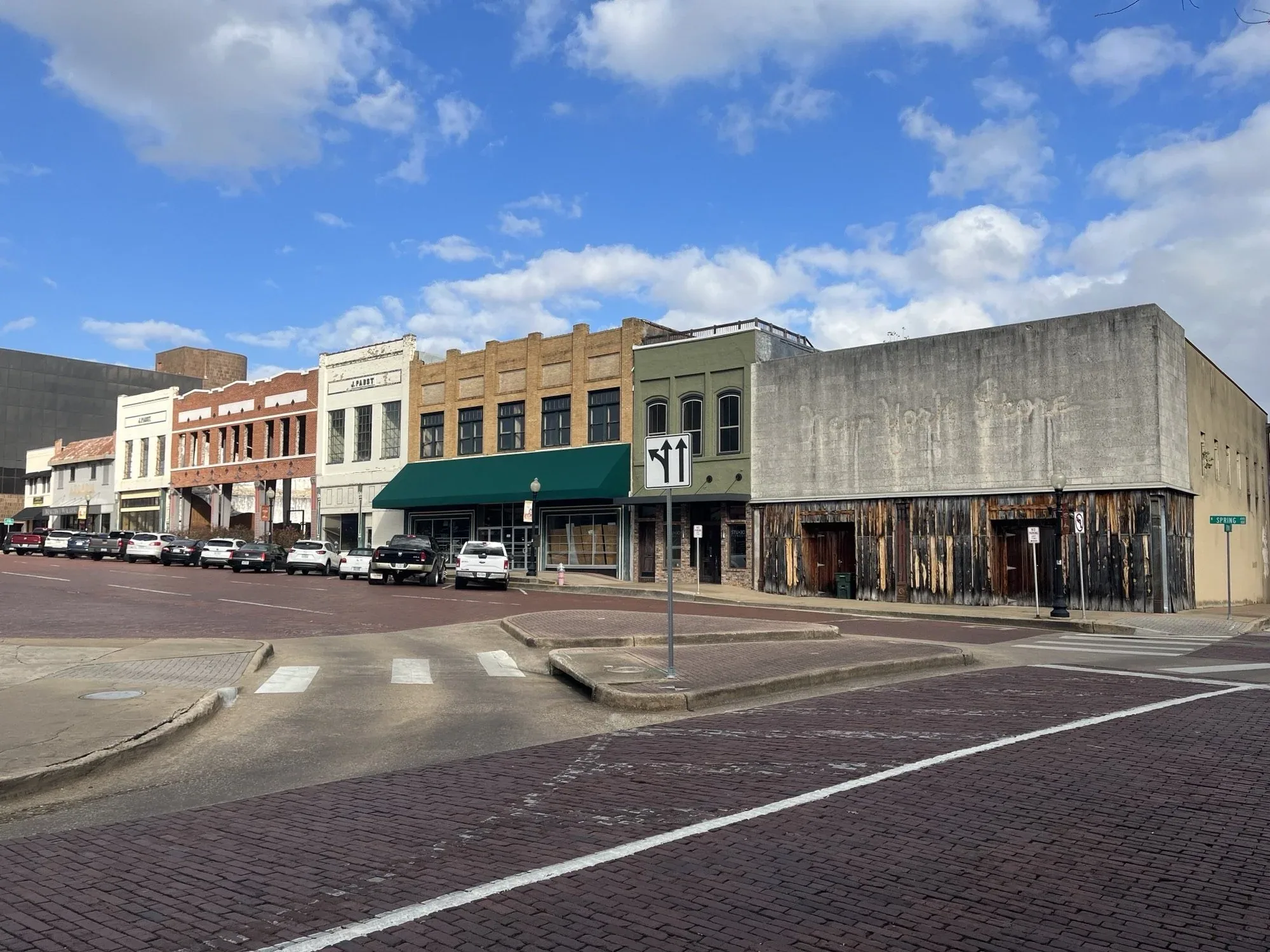
Storms in the Tyler region, most often in spring and autumn, can carry large hail and damaging wind. On a plant roof, impact review includes roof edges, sheet seams, skylights, vents, equipment curbs, and any area where a service trade has disturbed the membrane. We map visible marks and displaced details by zone, then distinguish what can be repaired promptly from conditions that need testing. This gives operations a clear sequence and keeps a storm response from turning into a broad, unsupported replacement scope.
Tyler has a documented tornado dated June 8, 2021. Any resulting repair still follows a current inspection of the assembly. After severe weather, we document loose edge metal, lifted flashing, punctures, blocked drains, and temporary protection. The crew marks the exposed limit and who accepts the closeout if rain interrupts a shift. A tornado-related roof assessment can organize the field record and identify repairs before the owner decides whether wider testing is needed.
Repair limits and concealed conditions
A failed seam or damaged flashing may be a local repair if the adjacent membrane is sound and the insulation beneath it is dry. We clean and prepare the material, make the repair to the assembly requirements, and check the finished detail. Where a leak recurs or moisture appears across a production bay, infrared review or selective testing may help define the boundary. We use readings to choose test locations, not to assume every area under a temperature pattern is wet.
Plant owners can compare targeted repair, recover, and tear-off after reviewing deck condition, attachment, moisture, layer count, drainage, and equipment layout. Wet insulation, corroded deck, repeated failures, or a system that cannot accept another layer may support removal. Cost and duration depend on removal depth, deck repairs, insulation, temporary partitions, lift access, equipment coordination, and how much of a line must be protected. A replacement scope lists these items separately and marks tests that need approval before expansion.
Heat window and approved work
Tyler’s July normal high of 94.5°F flags a planning period, not a measurement of the roof. We take a substrate reading at the exact work zone and review the selected material instructions before bonding, priming, or coating. A sunlit roof can run differently from the air temperature, and a shaded curb can have another condition. The work package records the reading, time, product, and any hold point that applies to that installation step.
When an adhesion window closes, the crew can complete inspection, layout, or other approved details rather than force a task outside its limits. We define how much membrane can be removed, the temporary closeout method, and the drain path before tear-off starts. A phased work sequence can keep selected production areas available, provided access, noise, and protection boundaries are agreed. Each finished section receives an exposed-section closeout and a named roof-zone release before another crew or maintenance activity enters.
Records for maintenance and capital review
Closeout should tie photographs, test results, material changes, and completed details to the roof plan. We identify open conditions, temporary protection, drain checks, and any equipment area that needs a later observation. Those records help maintenance teams distinguish roof work from mechanical work and retain the approval path for each change. A condition report can provide a current baseline for future repairs or capital planning.
For a scoped review, provide the roof plan, assembly records, leak history, production constraints, equipment list, access window, and decision deadline. We return a sequenced field plan with separate roof zones, test points, trade handoffs, and approval holds. Contact us to confirm current dispatch availability for urgent roof conditions; field action depends on safe access, current weather, and the plant’s operating rules. The work record shows what was protected, what received repair, and which operating release remains with the plant contact.
Commercial Roofing Questions
Can roofing proceed above an active production line?
We map the line, roof zone, interior protection, and any process equipment that needs continuous service. A phased sequence can keep approved operations running while another section is worked. The facility contact releases access and confirms any shutdown boundary before the crew opens that area.
How do hot exhaust stacks affect roof repairs?
We inspect the flashing, nearby seams, curb or stack base, and surrounding material. The detail must suit the equipment use and required clearances. If a process shutdown or equipment adjustment is needed, we mark it as a separate approval and handoff.
Does a Tyler summer day prevent roof coating work?
The normal July high of 94.5°F is a schedule signal. We measure the substrate and follow the coating system’s temperature, moisture, and application instructions. Work holds when a required condition is outside the product range, and the crew moves to another approved task.
What should the storm inspection record?
We document roof-zone conditions at seams, perimeters, curbs, vents, skylights, and drains, with photographs and repair boundaries. A tornado or hail event alone does not define a particular plant’s damage. The current inspection and any agreed tests guide the scope.
Which records belong in plant roof turnover?
Keep the roof plan, completed details, test results, photographs, approved changes, drain checks, temporary closeout, and open observations together. We identify the trade or facility contact responsible for each remaining release.
Related Pages
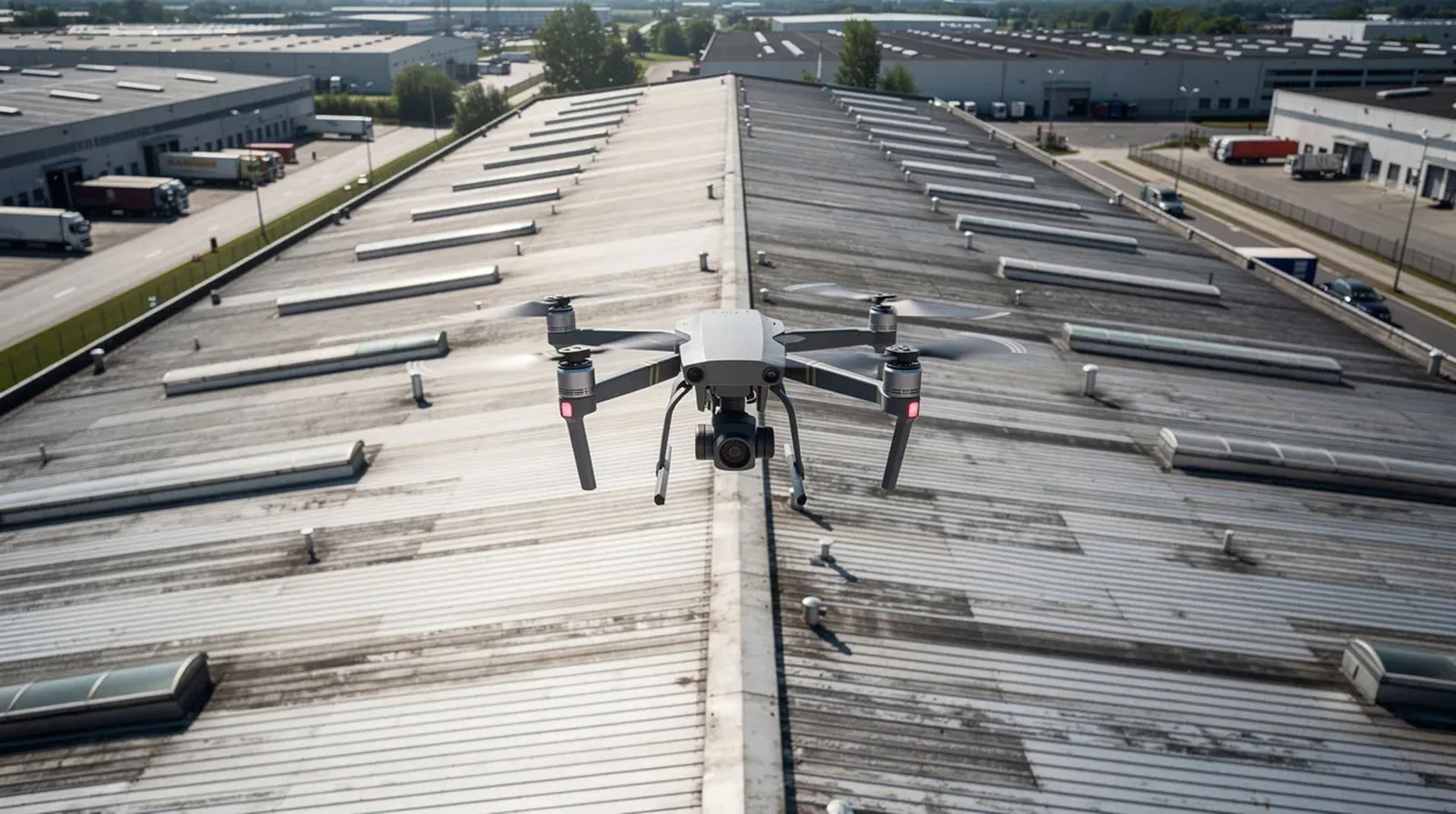
Commercial Roof Inspection
Tyler, TX
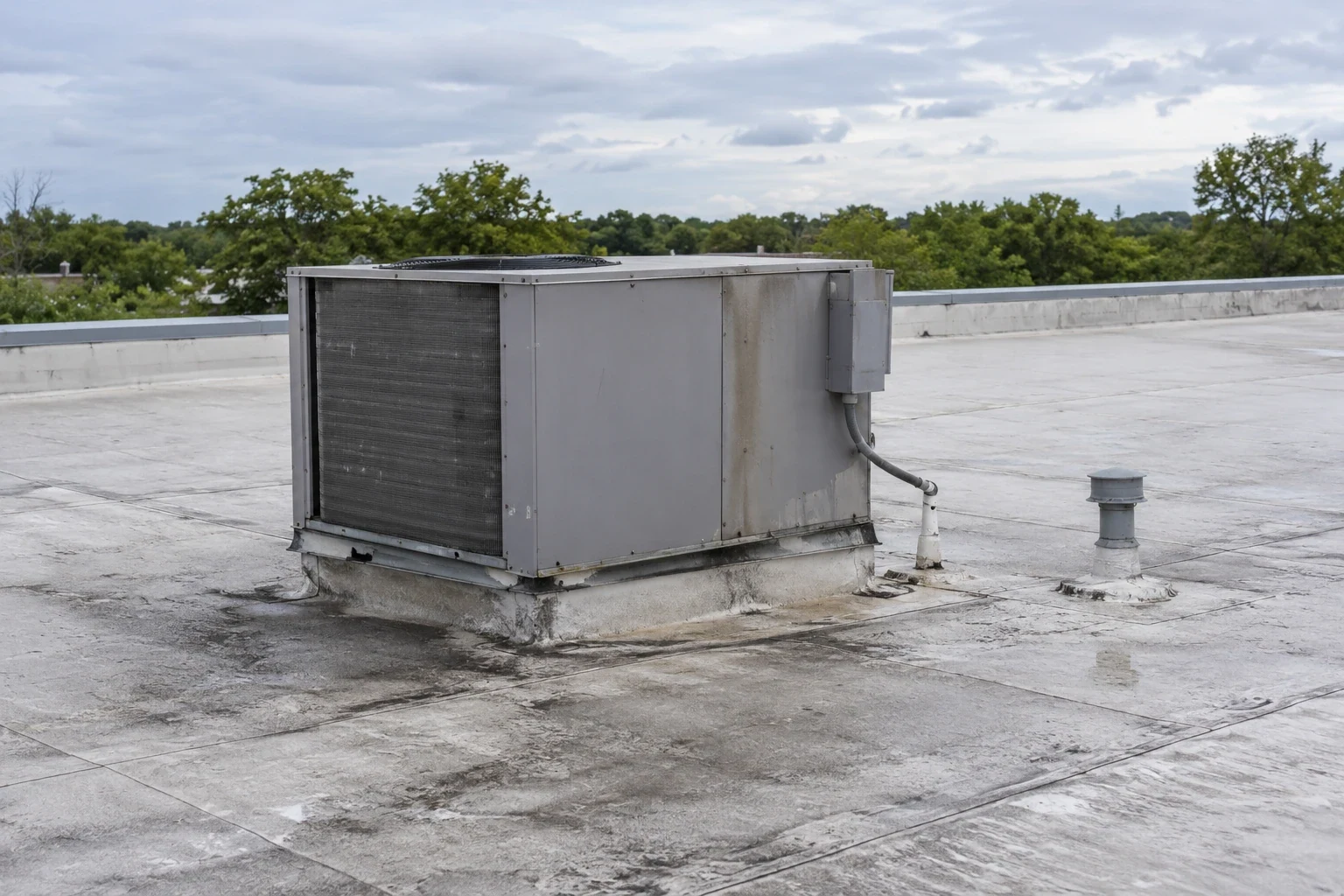
Data Center Roofing
Tyler, TX
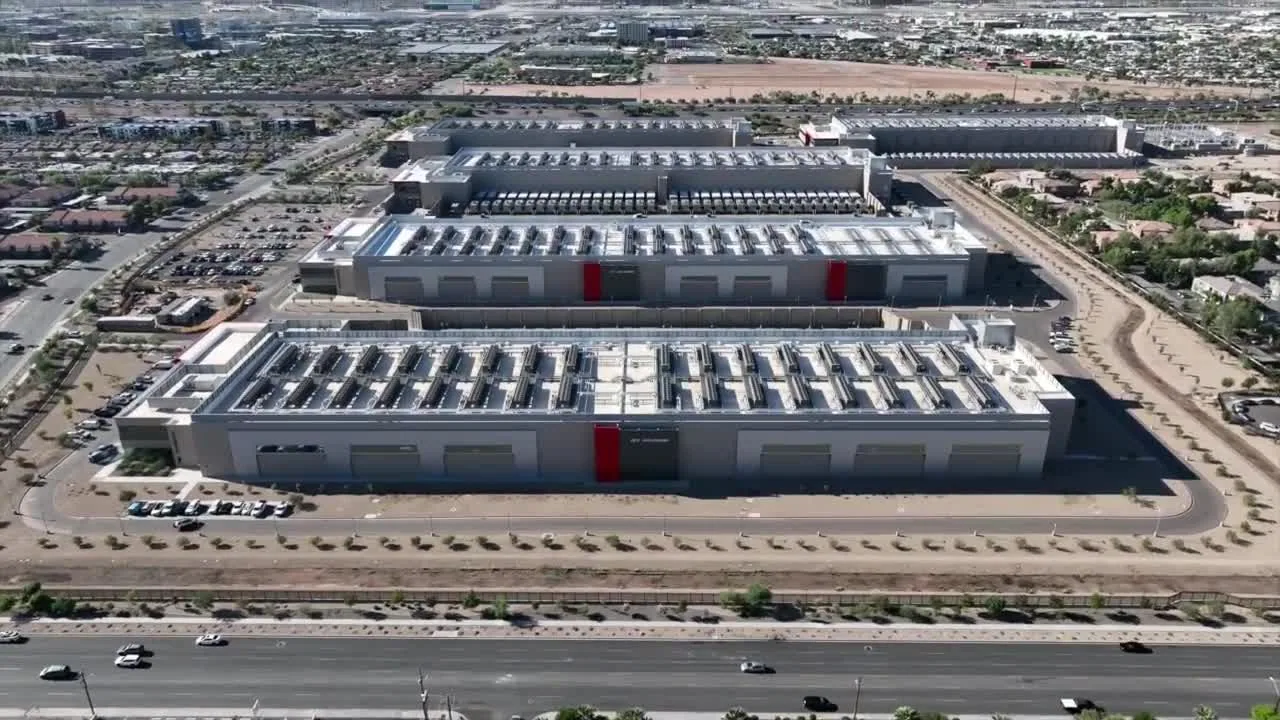
Warehouse Roofing
Tyler, TX
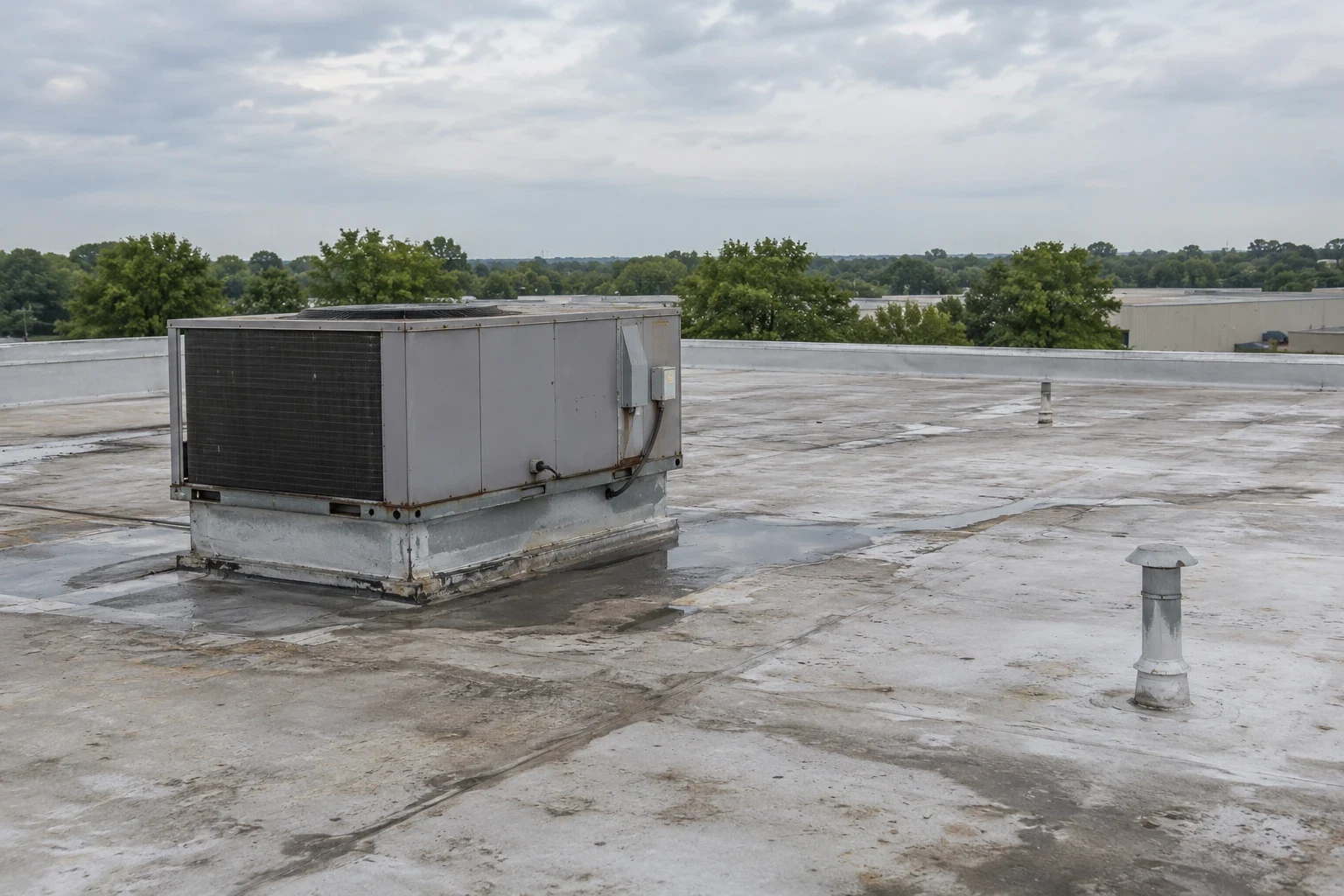
Rooftop Equipment Curbs and Supports
Tyler, TX
Set the plant roof work package
Send the roof plan, assembly history, production constraints, equipment list, access window, and decision deadline. We will return roof zones, trade handoffs, open tests, hold points, and daily exposure limits for review.