
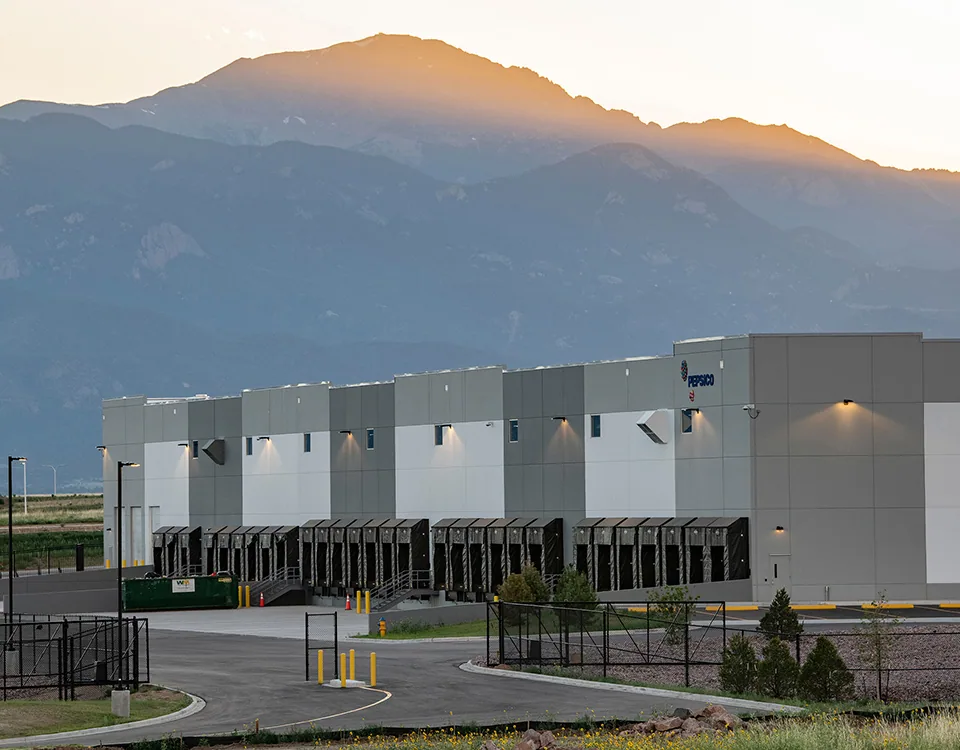
Tyler’s July normal high reaches 94.5°F, which can narrow the work window for bonding, flashing, and coating operations above a production floor. We check actual substrate temperature and product limits before releasing those steps. A manufacturing roof plan also has to connect the work zone with production routes, roof access, overhead hazards, and the person who can approve a scope change. For a facility in the Tyler Interstate Commerce Park or near the planned Prosperity Park development, we start with roof plans, equipment locations, active leak reports, and operating restrictions.
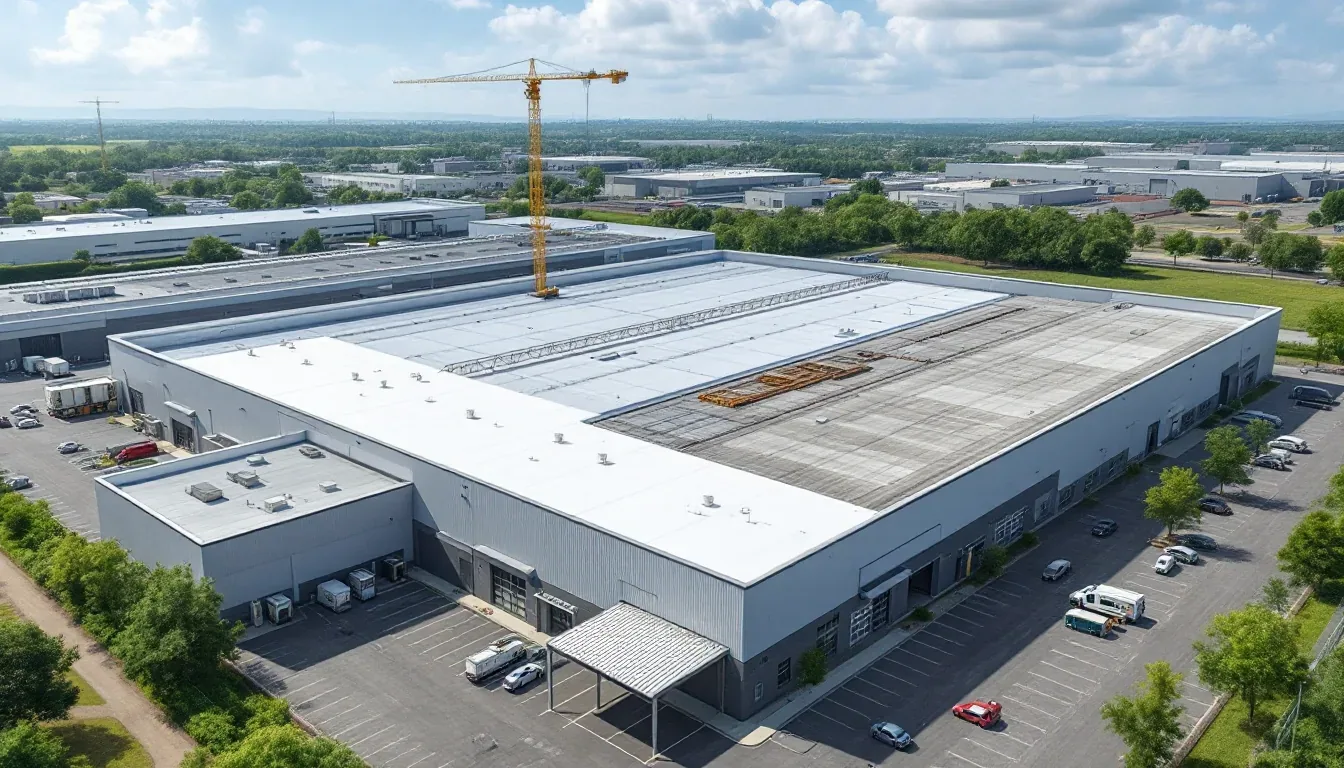
Tyler’s growth targets run from advanced manufacturing to corporate services, information technology, and regional headquarters. Each plant can have a different roof assembly, equipment layout, and production sensitivity. We inspect seams, penetrations, curbs, drains, edges, and transitions, then map findings by roof zone. A manufacturing-plant roof assessment identifies the boundary of confirmed work and any test that could alter removal or replacement quantities.
Production access and release sequence
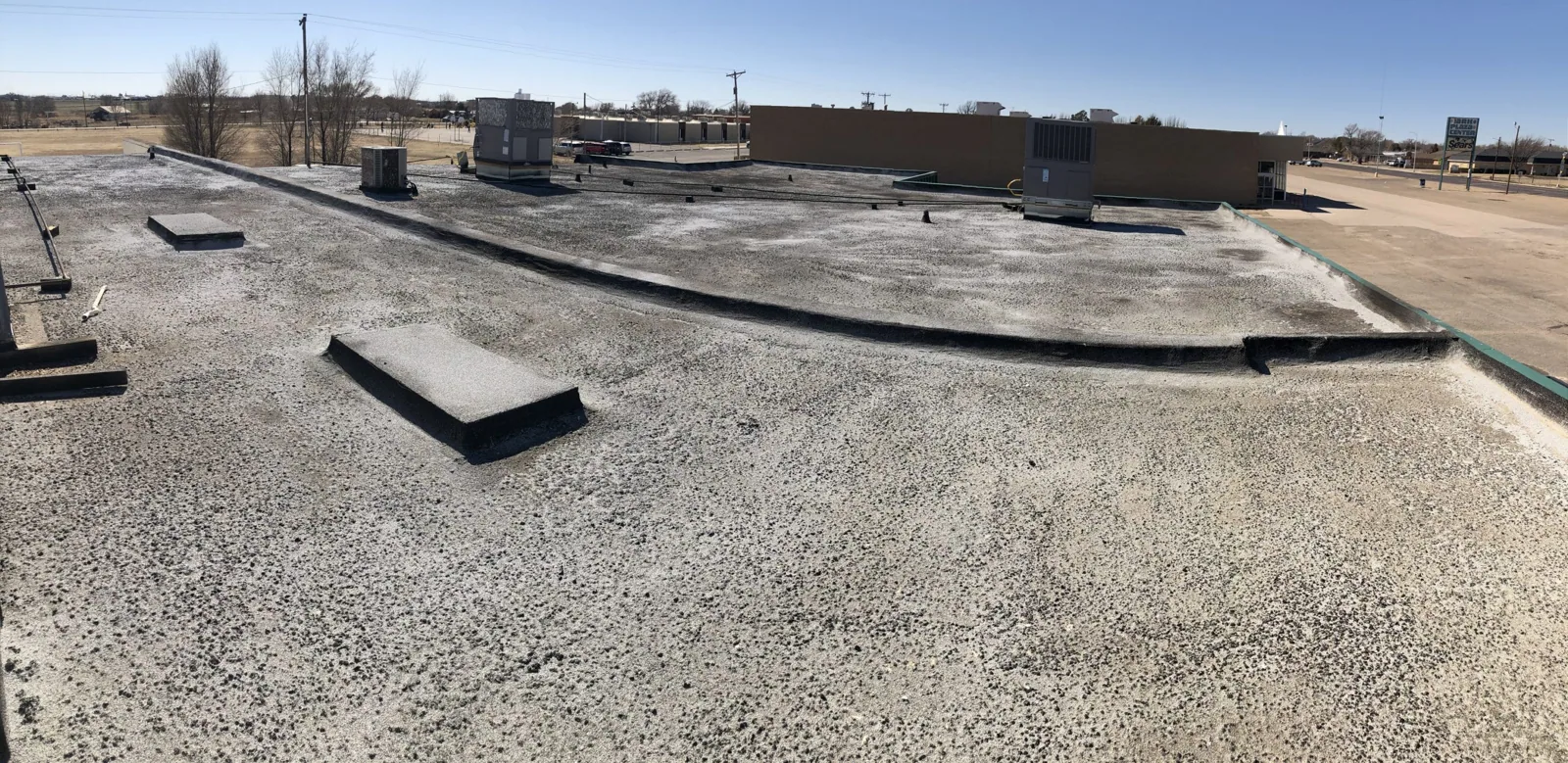
Production schedules determine when a roof crew can cross a loading lane, stage materials, or work above an active line. The plant contact identifies restricted process areas, equipment that cannot be exposed, delivery peaks, and routes that must stay open. We place those limits beside the roof zone so the work package has both an exterior boundary and an operating boundary. If another trade must isolate equipment or provide a lockout, that prerequisite is listed as an access hold point.
I-20 and the SH 155 junction place Tyler Interstate Commerce Park in a wider freight setting. CR 3344 construction and utility installation serving the park were complete in 2025. Each plant roof needs its own assembly review before a work sequence is set. We set staging from the facility contact’s actual gate, crane window, and production release. A general contractor coordination plan can align roofing with equipment work and other trades, with each crew handoff tied to the building’s active schedule rather than an assumed full shutdown.
Roof findings above process areas
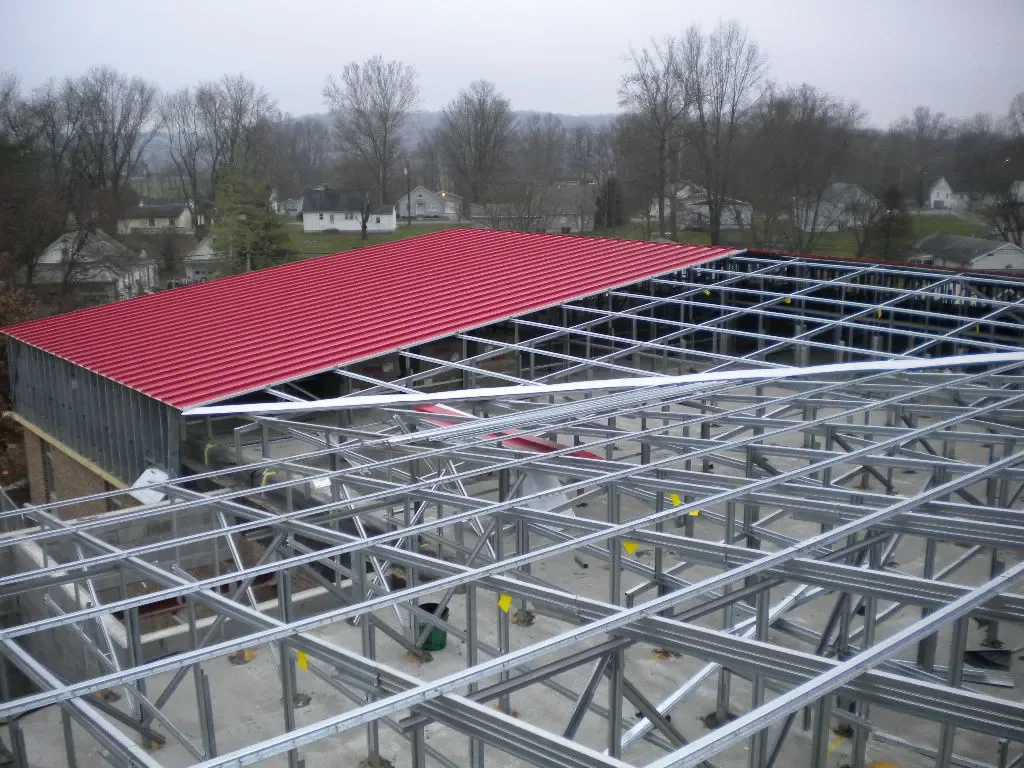
Water over a process line can affect equipment, materials, or electrical systems before a leak appears at the ceiling. We trace the reported location against the roof plan, drain paths, seams, penetrations, and nearby mechanical curbs. The visible drip is one observation, not a complete repair limit. Diligence Notes connect photographs to the roof zone and interior area so the plant can decide whether temporary protection, a targeted test, or permanent repair comes first.
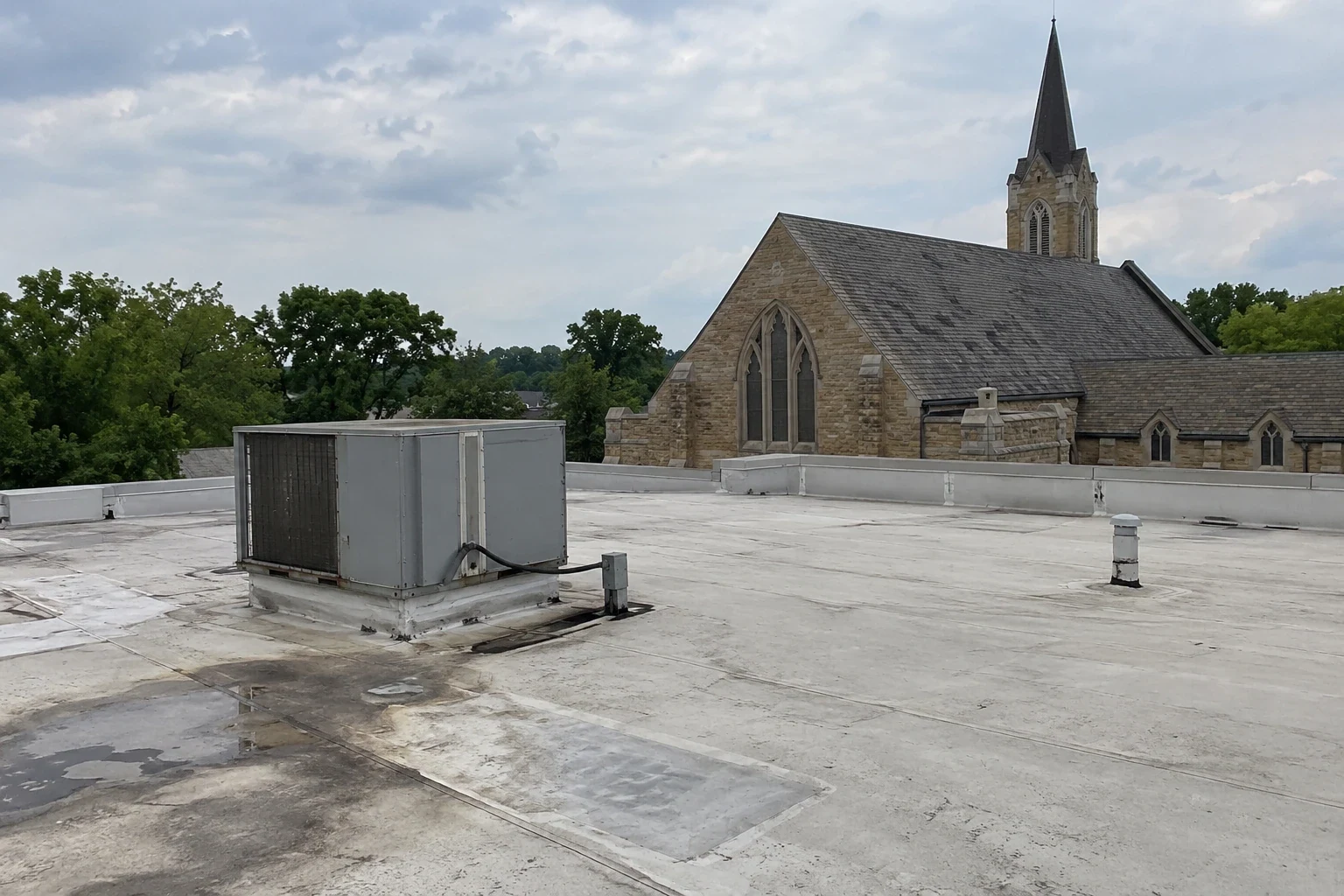
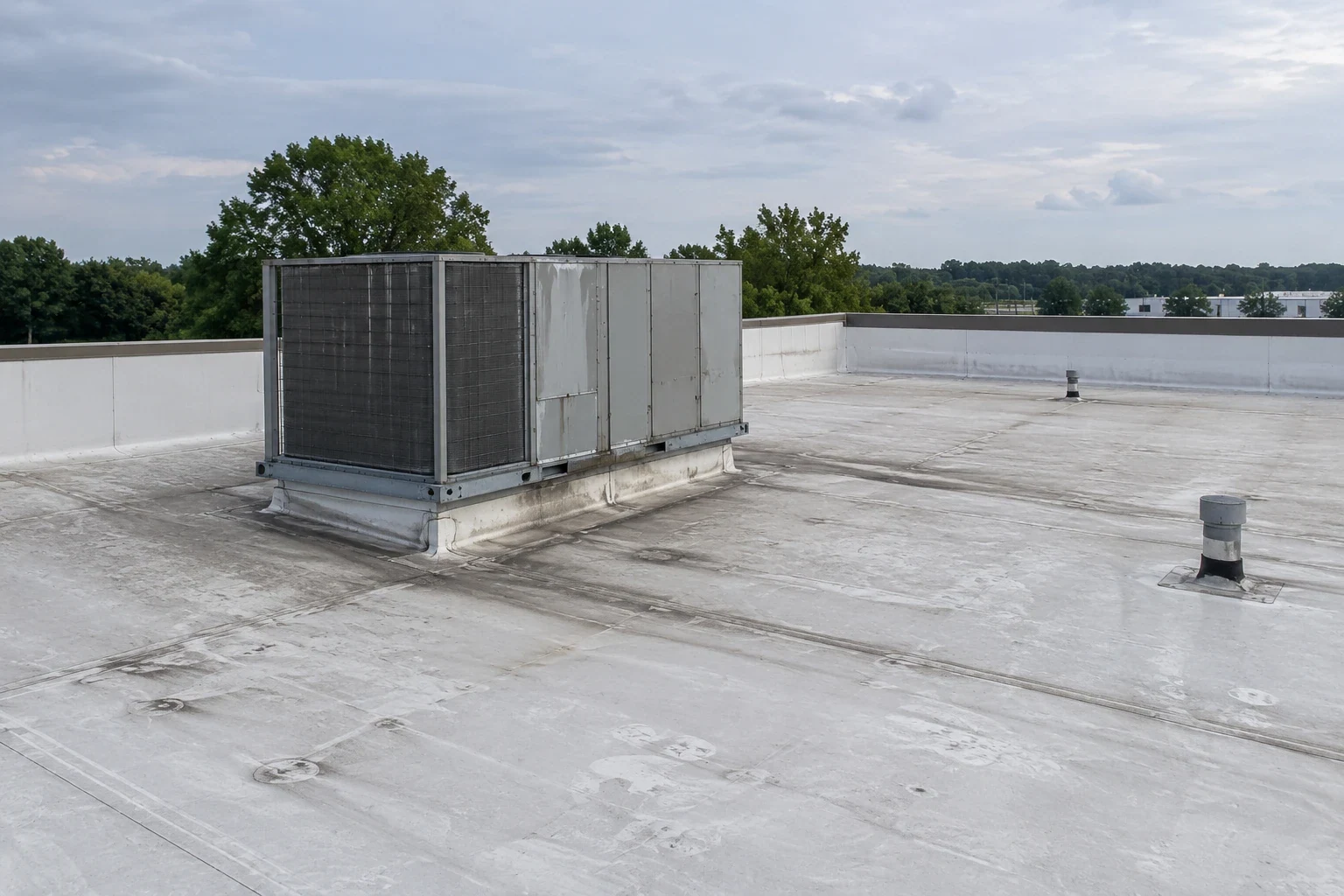
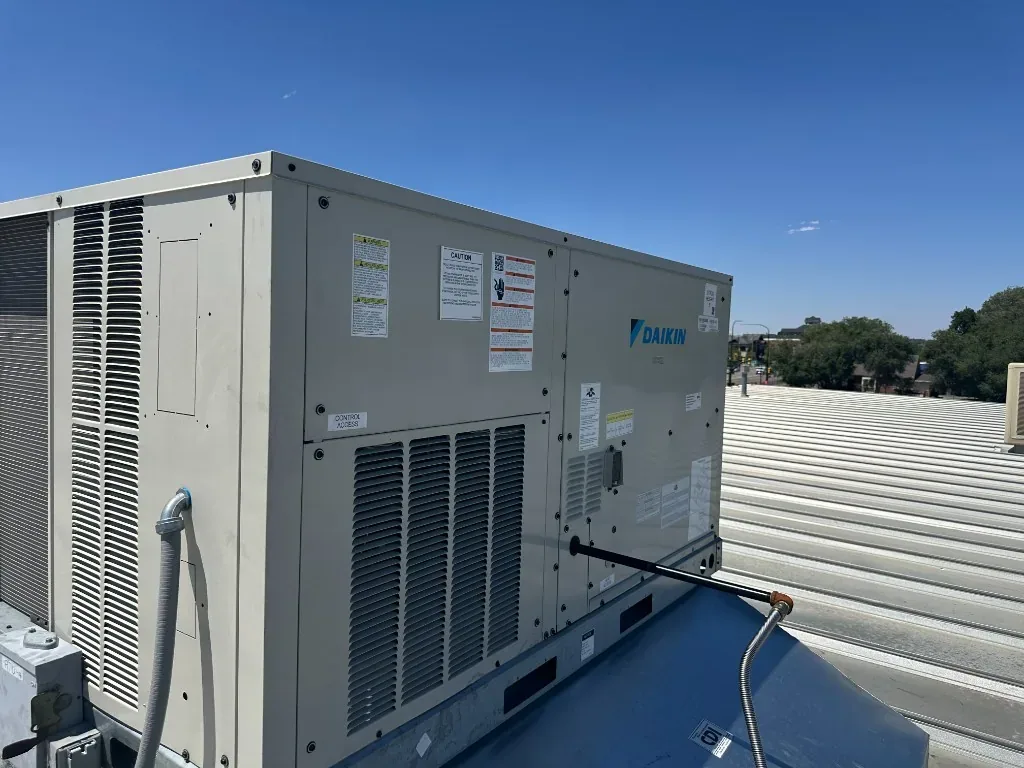
Manufacturing roofs often carry conduit, piping supports, exhausts, and service platforms that complicate membrane transitions. We inspect the flashing at each interface and determine whether the detail is loose, cracked, ponded, or carrying movement from its support. An equipment-curb repair scope describes the preparation, transition, and attachment work needed. If moisture may extend below the surface, a moisture investigation can guide selected test points, with confirmation required before the plant accepts a removal quantity.
Heat windows and storm checks
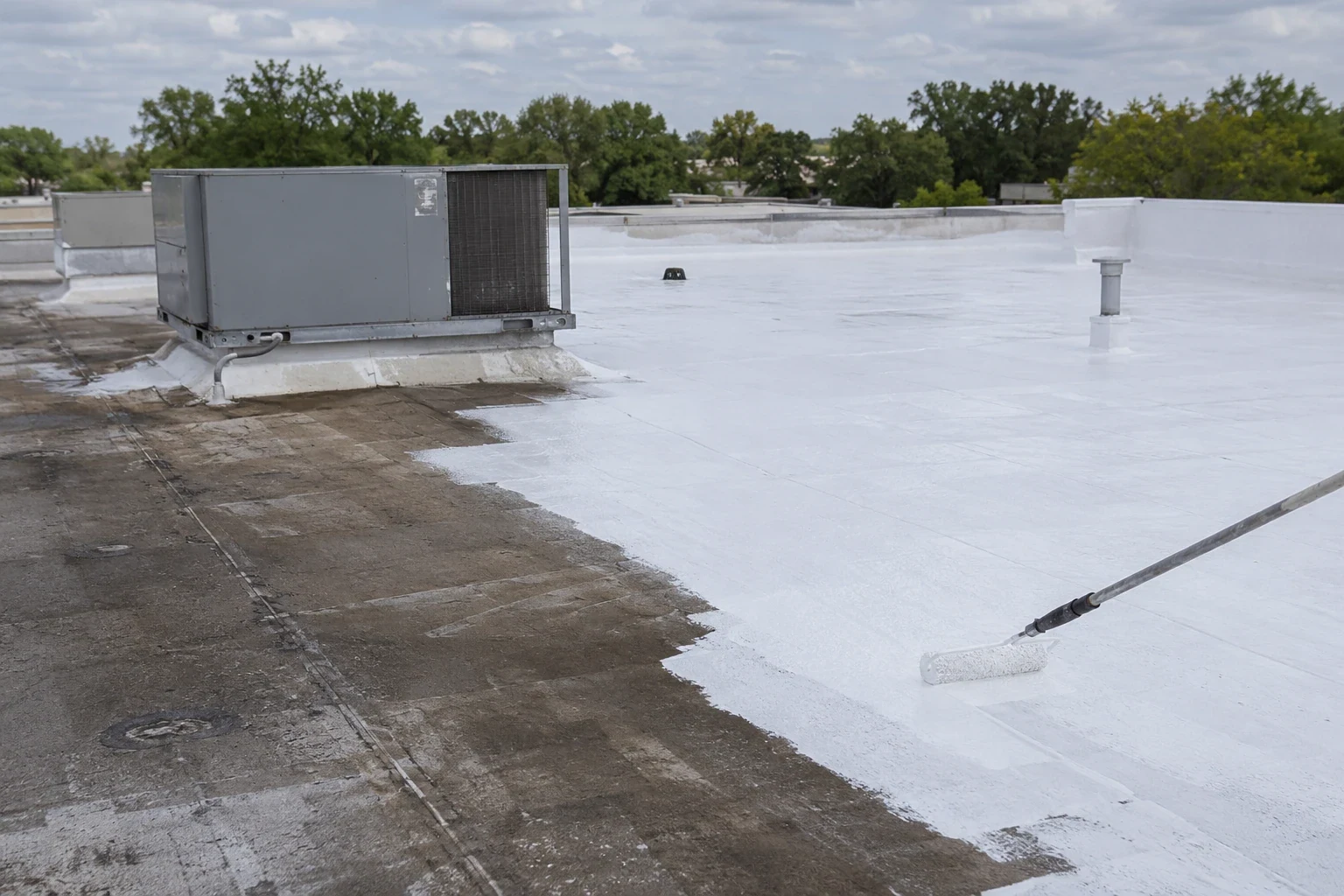
Tyler’s July climate normal combines a 94.5°F average high with an 84.4°F mean. A production roof can read differently from the climate station, so we log the work-face condition before choosing a bonding, coating, or flashing task. Material limits, shade, and moisture are checked at the active zone. If the crew defers a heat-sensitive step, the plant handoff states what remains covered, the drain status, and the inspection needed for the next release.
For a plant roof, the relevant storm record is the condition at its own edges, penetrations, equipment supports, and drains. Spring and autumn bring the most severe thunderstorms across the four-state region that includes Texas, with large hail and damaging wind among the hazards; Tyler also recorded a tornado on June 8, 2021. We compare photographs with available earlier records, then separate observed movement from older wear before setting a repair limit. A wind damage assessment can identify details needing a closer check without substituting the regional report for a roof inspection.
Repair, recover, and replacement choices
A puncture or failed flashing can be repaired locally when surrounding material and supporting layers offer a suitable connection. We define preparation, compatible material, repair boundary, and any required check. If opening the roof reveals wet insulation or damaged cover board, we photograph the finding and pause at the agreed hold point. The plant approves additional removal before the work expands, and the field record shows how the changed quantity relates to the condition uncovered.
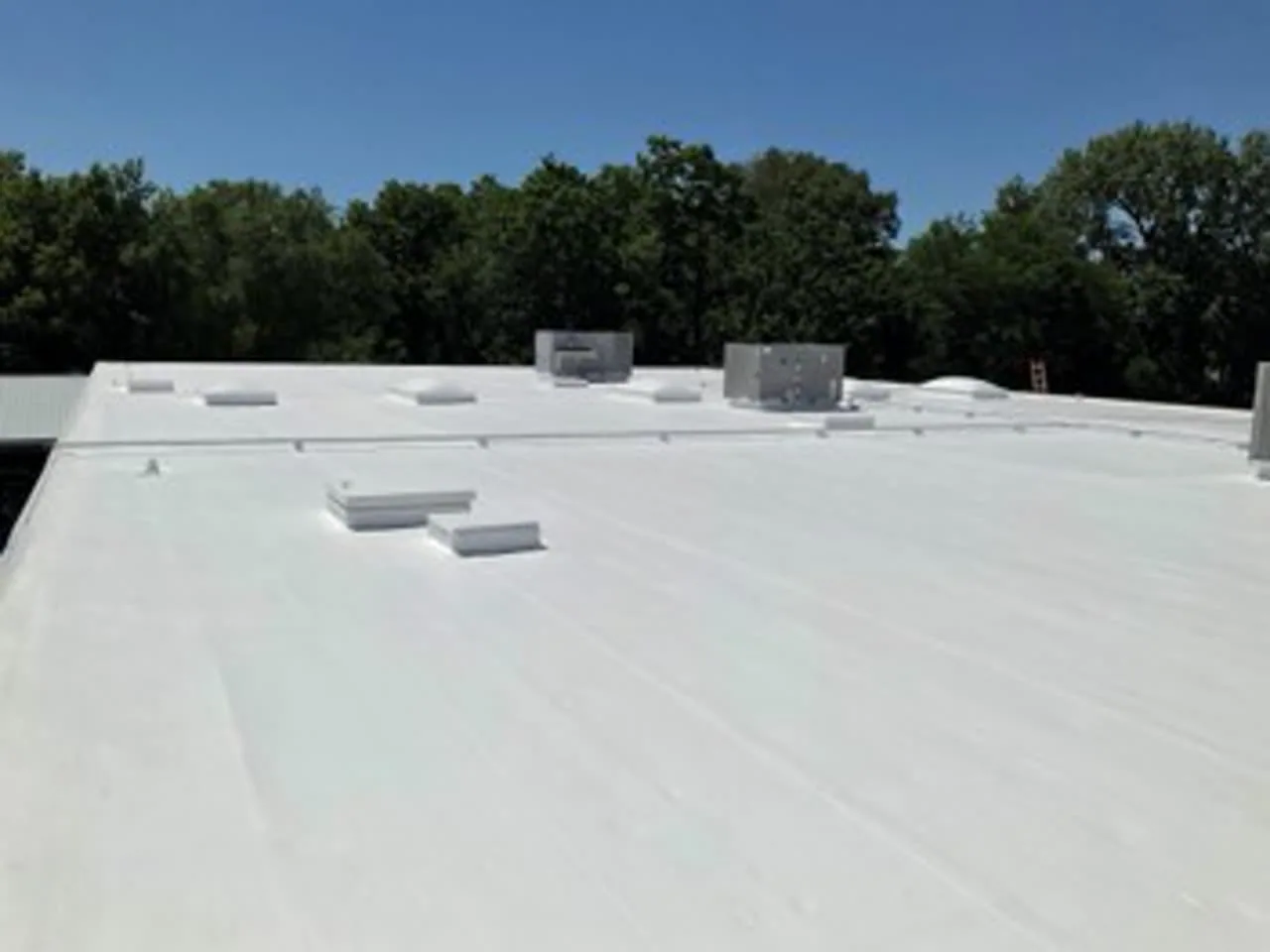
Repeated seam failures, widespread moisture, or deterioration around multiple equipment supports may call for a broader solution. A recover depends on existing moisture, attachment, compatibility, and assembly limitations. Replacement planning includes removal depth, disposal, insulation, deck repair, perimeter metal, and equipment coordination. A replacement package can be compared with a coating restoration only when the existing assembly and substrate are suitable for the proposed system. We state open tests and scope assumptions before scheduling production-sensitive work.
Daily closeout and maintenance record
At shift end, the crew records what area was completed, what remains open, whether drains are clear, and how the exposed section is protected. The plant contact receives the next access release and any change to the operating boundary. This daily closeout matters when a weather interruption moves work between roof zones or when a production schedule changes. The roof should not depend on a verbal handoff between crews for its temporary condition.
We provide photographs, repair locations, material notes, test results, and remaining observations for the facility record. A maintenance plan can include drain and flashing checks around process equipment, with inspection locations recorded separately from production constraints. South Tyler transportation planning considers corridor connectivity and traffic movement as growth continues; the site’s actual approach and gate remain under plant control. Production protection also includes interior response, a named contact for unexpected water, and a clear method for updating access when a line changes its schedule or product requirements. A written portfolio record helps multi-building owners retain the completed zone history with each asset.
Commercial Roofing Questions
Can roof work be scheduled around a production line?
Yes, the sequence can use access and operating windows defined by the plant. We identify routes, restricted areas, overhead protection, and the contact who can release each zone. The work package includes a daily closeout so a schedule change does not leave the roof condition unclear.
What happens if water appears above equipment?
We document the interior location, compare it with the roof plan, and inspect nearby penetrations, seams, drains, and transitions. Temporary protection may need to precede investigation. Any test or removal that changes scope is identified for approval before permanent work proceeds.
How is summer heat handled during installation?
The July normal high in Tyler is 94.5°F, but we use a current reading at the actual work area. Product instructions and substrate conditions guide whether the detail can be prepared and bonded. A delayed task receives a secure closeout and a later release point.
When does a manufacturing roof need more than a local patch?
Repeated seam or flashing failures, widespread wet insulation, or deterioration across multiple zones may change the repair decision. We map confirmed conditions and test points, then compare repair with recover or replacement. The facility receives removal assumptions, production constraints, and hold points with each option.
What should the plant send before an inspection?
Provide roof plans, known leak locations, equipment layouts, access rules, production restrictions, and any prior repair notes. We use that information to organize roof zones and identify safe entry and staging. Findings are returned with photographs, open tests, and the next approval request.
Related Pages
Tyler Interstate Commerce Park
Tyler, TX
Manufacturing Plant Roofing
Tyler, TX
Rooftop Equipment Curbs and Supports
Tyler, TX
Release a production roof zone
Share the plant roof plan, equipment layout, assembly history, production restrictions, and access contact. We will map inspection or repair zones, mark heat and weather hold points, and sequence the crew handoff around approved operations.