
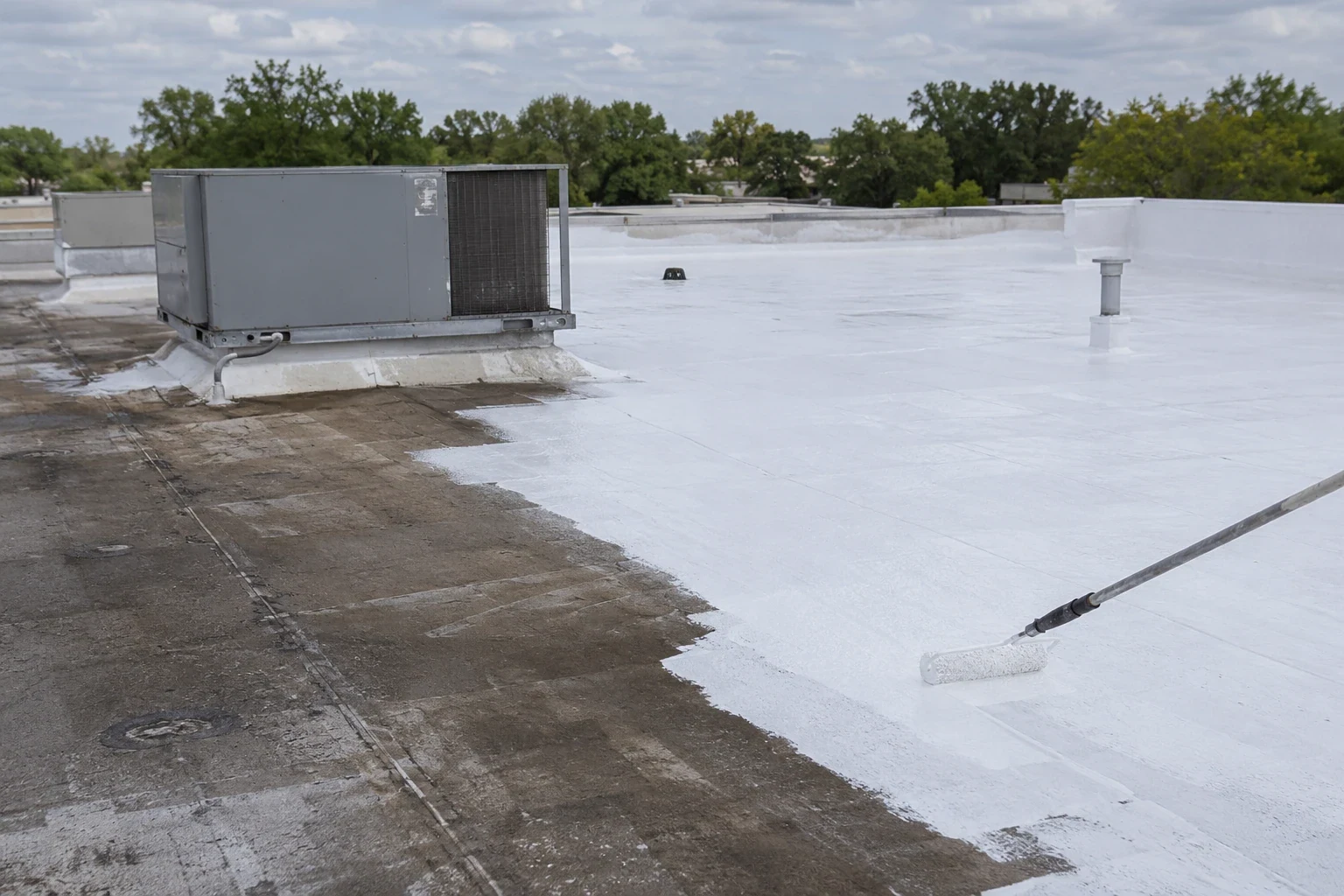
Summer scheduling in Tyler, TX, starts with a climate baseline: the normal July high averages 94.5°F. That figure frames seasonal planning, not the temperature of a roof surface. We take a substrate reading, inspect membrane and coating condition, then set an adhesion window for each work zone. The measurement and selected product instructions establish whether preparation can begin or that area needs a later release this season.
Heat and ultraviolet exposure can contribute to surface drying, chalking, shrinkage, loss of flexibility, and stressed seams over time. The pattern varies with membrane type, color, orientation, rooftop equipment, and maintenance history. Tyler Midtown includes healthcare and education uses, while the Interstate Commerce Park is adjacent to I-20 at SH 155; either setting can require different occupied-building protections and access schedules. We verify those conditions with the site contact. A roof inspection maps the observed condition before we recommend a localized repair, coating, or replacement evaluation.
Surface wear and assembly response
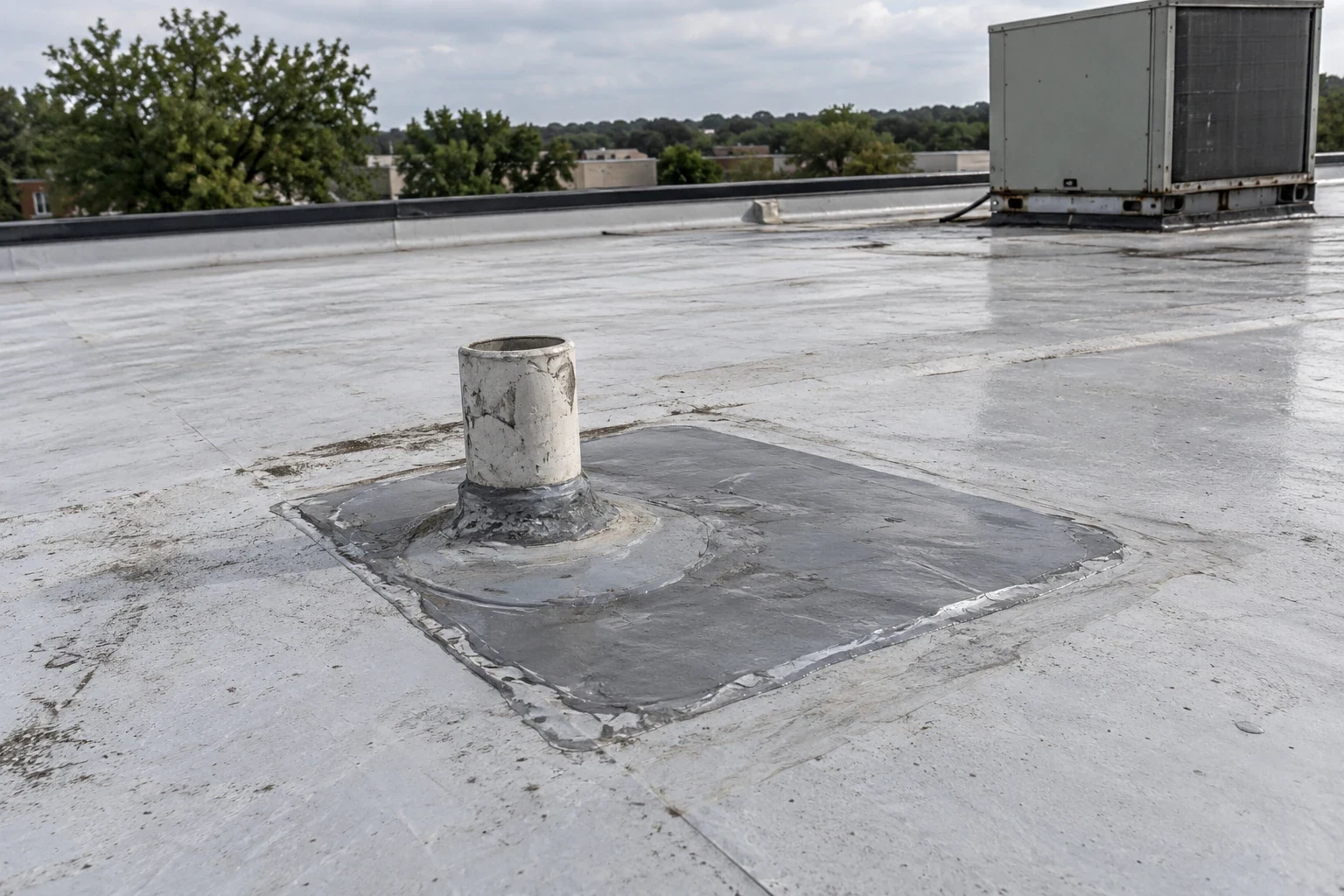
We inspect membrane texture, seams, flashing, exposed fasteners, sealant, and coating transitions. Chalking or color change alone does not establish that the roof has failed. We look for brittle edges, cracks, shrinkage, open laps, adhesion loss, and other conditions that can permit water entry. Findings are photographed by roof zone and compared with earlier records when available. That gives the project team a baseline before cleaning or applying a new layer.
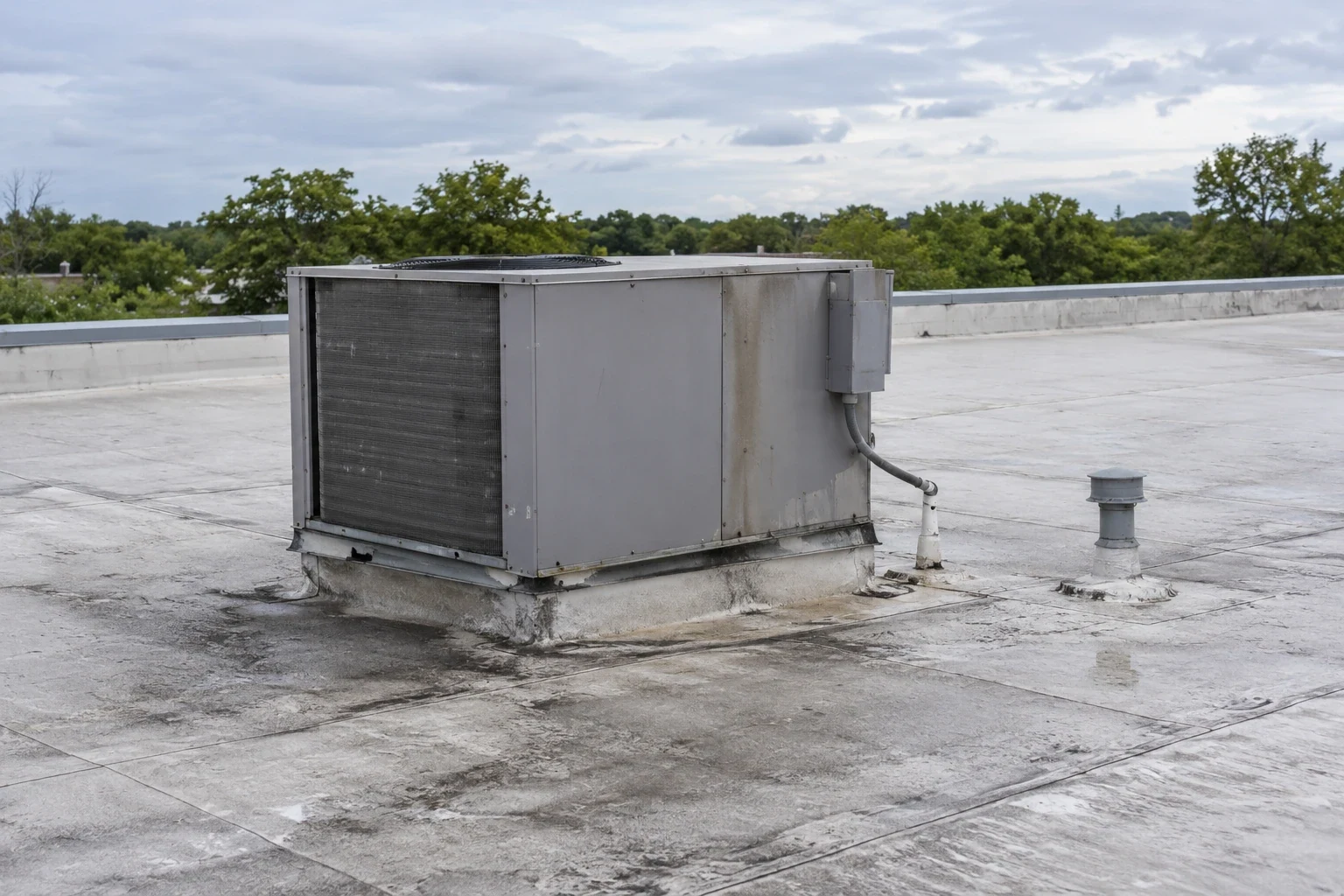
Heat may affect roof sections differently. Areas near mechanical equipment, south-facing transitions, or reflective surfaces can have different readings and wear patterns. We note the assembly and field condition rather than applying one description across the full roof. If the membrane has lost flexibility or a seam has pulled back, a seam repair may be separate from transition work. A puncture repair also remains distinct when a breach is found. Each item gets a repair boundary and evidence record.
Readings, adhesion, and moisture
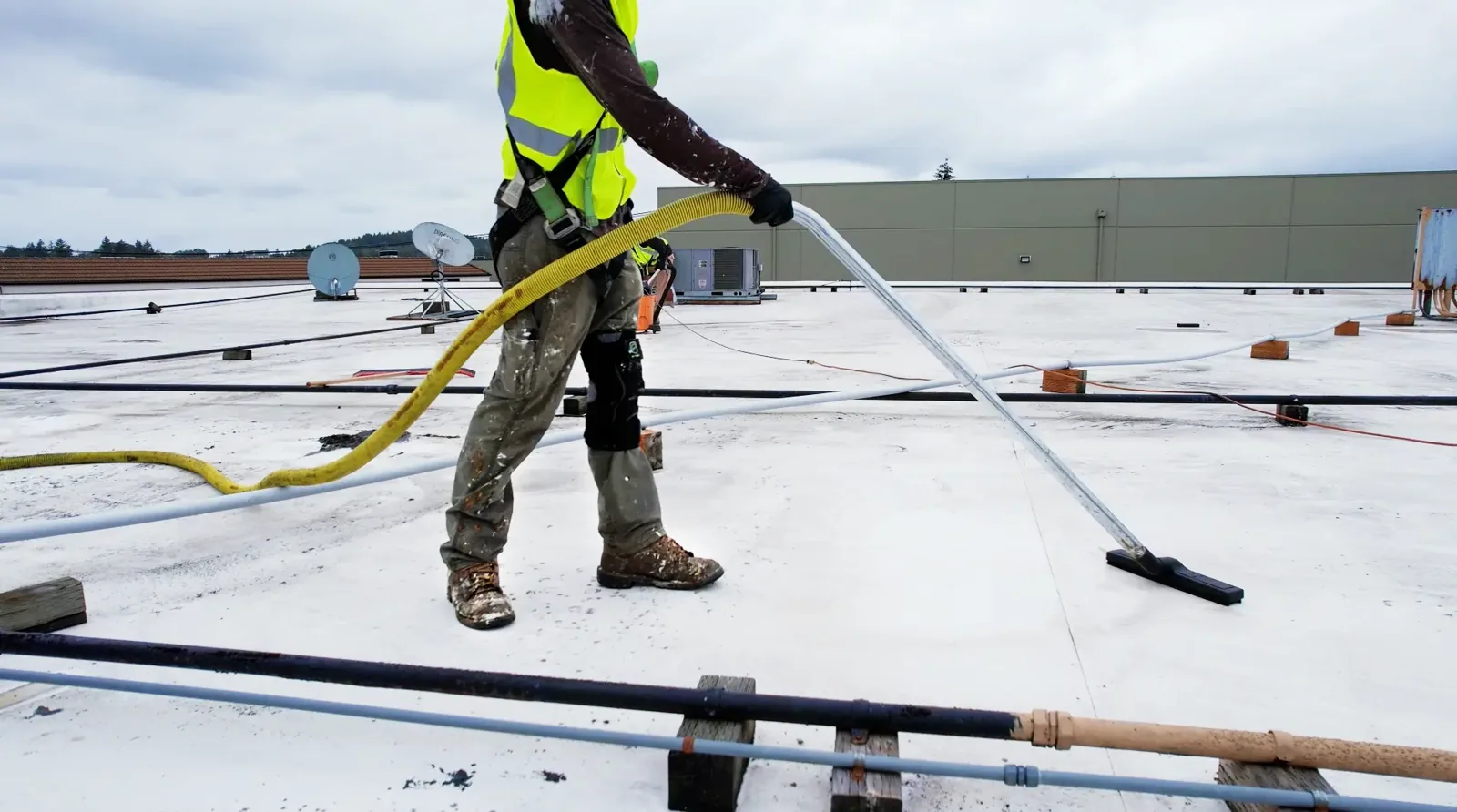
Before adhesive, primer, sealant, or coating work, we read the substrate and compare actual conditions with the product instructions. Surface moisture, dust, residue, and older coating layers can affect adhesion. We clean a test area, use the proposed preparation, and review the bond or weld before releasing larger application. If the substrate does not meet the product requirements, the work package identifies what needs to change and who approves the revised window.
Heat damage can coincide with a leak or wet insulation, so we keep moisture testing separate from surface observations. Infrared readings can guide sampling when conditions make that method suitable, but the result should be confirmed at selected locations if the decision depends on concealed layers. We mark each test point and record its reading, method, and closeout. The moisture survey can support a repair boundary, and a condition report preserves the readings for later comparison. If a test finds wet insulation, replacement of that layer requires separate approval.
Coating or membrane repair
A roof coating can be considered when the existing assembly is suitable, dry, well attached, and within the coating system’s preparation limits. It does not restore loose membrane or correct a low area by itself. We inspect adhesion, clean the surface, verify compatibility, and set a test point before treating a larger zone. If the underlying sheet is brittle or the insulation is wet, repair or replacement may be more appropriate than adding a coating over an unsound layer.
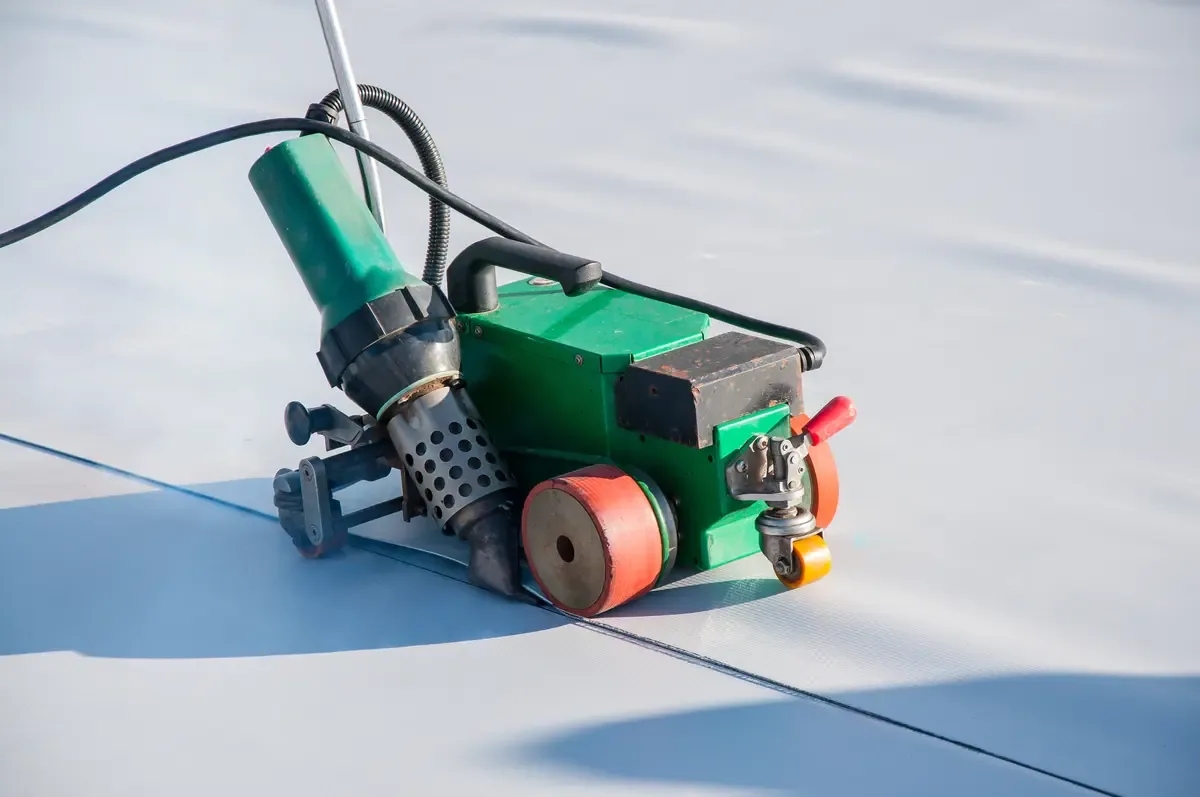
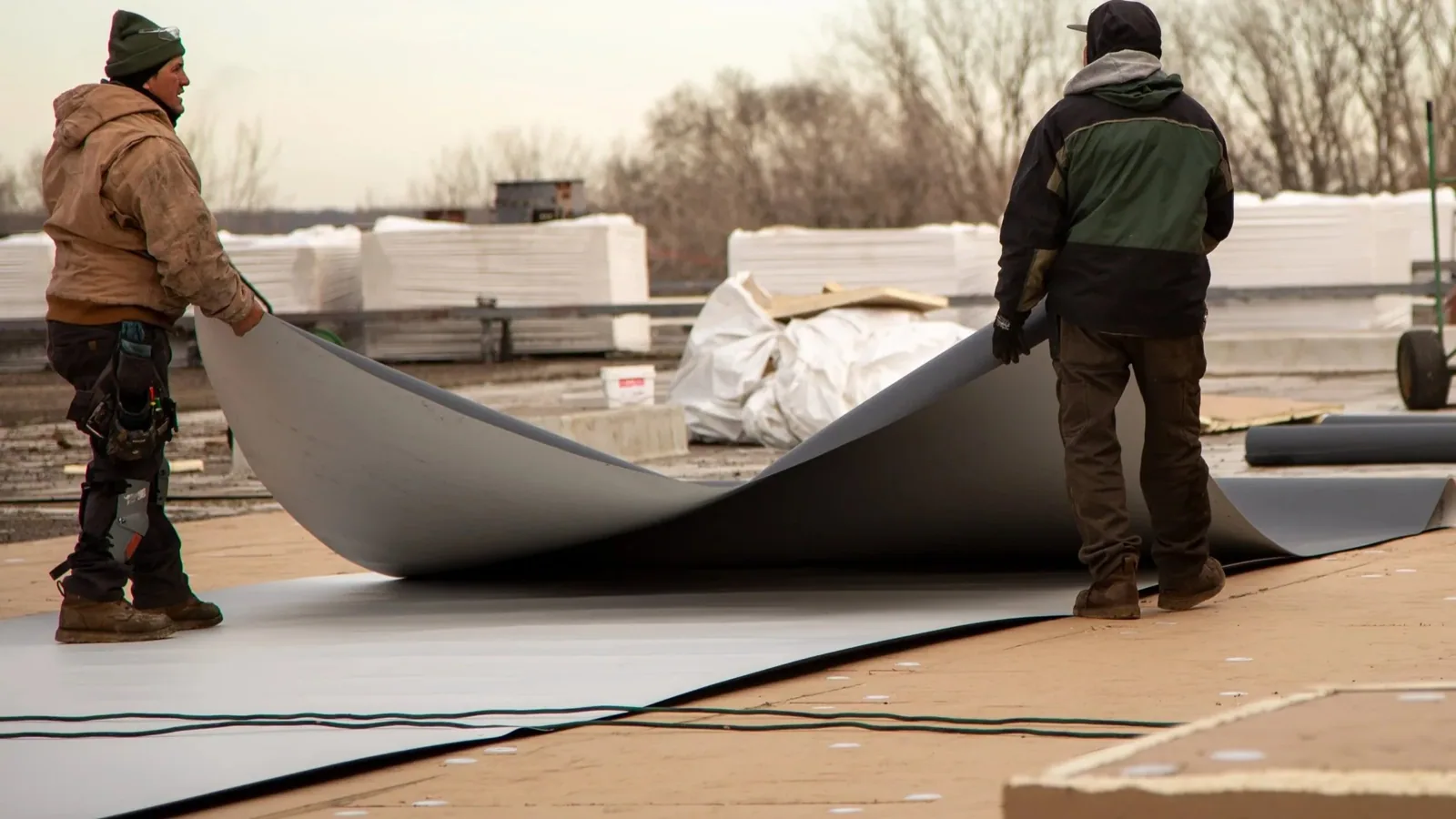
For a membrane patch, we identify the system and make a compatible tie-in to sound material. For a coating, we specify the surface preparation, primer where required, application window, and cure protection as distinct steps. The coating restoration scope can address an eligible roof surface, while targeted membrane repair can resolve isolated defects. A larger assembly may call for replacement planning. These paths are compared against the same roof-zone map rather than assuming every heat-related condition requires one treatment.
Summer sequence and storm interruption
Tyler’s heat window matters most when a repair depends on adhesion, welding, or coating cure. The work package names the substrate reading, approved product conditions, and the hold point before the zone is covered. A high ambient temperature alone does not release that step. Shade, roof color, surface moisture, wind, and the assembly all affect the conditions observed at the work area.
Across East Texas, crews distinguish heat-related aging from hail or wind effects left by spring and fall storms; only the roof walk can show whether a seam, edge, or finish changed. A storm interruption may change an exposed seam, deposit debris, or delay a coating cure. The crew closes the exposed section, protects drainage, and records whether cleaning or a test must be repeated. In Midtown, healthcare and education buildings can have controlled entrances and interior schedules; the site manager provides the access window and protection requirements. The Tyler Midtown area sets a local context, but work proceeds from the property’s current roof condition and operating plan.
Budget, access, and records
Cost and duration depend on roof height, access equipment, cleaning and preparation, test areas, coating quantity or membrane removal, moisture findings, and weather windows. A localized seam repair may be straightforward, while widespread loss of adhesion can require additional samples and a larger replacement comparison. We separate the visible work from concealed conditions that have not been tested. Each potential extension carries an approval point before the crew opens another section.
Work on an occupied commercial property also requires coordination for rooftop equipment, interior protection, deliveries, and any shutdown. Near the South Broadway Commercial Corridor, a lift or material truck may need a property-specific arrival plan; traffic patterns alone do not determine access. The closeout record identifies readings, preparation, materials, repaired zones, photographs, and remaining concerns. A capital planning review can use that record to compare near-term repairs with larger work. The general contractor receives a crew handoff with the next access release and decision deadline. We note whether work shifts to a cooler period, whether equipment needs a shutdown, and who accepts the released zone.
Commercial Roofing Questions
Does surface chalking mean the roof needs replacement?
Chalking is one observation and does not decide the scope by itself. We check flexibility, adhesion, seams, flashing, moisture, and the condition of the underlying layers. The recommended repair follows those findings and any test results.
Can a coating protect a membrane that has become brittle?
A coating needs a suitable surface and a compatible system. We test adhesion and inspect whether the membrane can accept preparation without further damage. If the assembly is brittle or wet, a repair or replacement comparison may be more suitable.
How do you schedule adhesive work during Tyler summers?
We take a substrate reading and follow product temperature, moisture, and open-time limits. Tyler’s normal July high helps plan the visit, but current roof conditions set the actual work window. The package includes a hold point if the reading falls outside requirements.
Can UV wear cause a seam to open?
Heat and exposure can contribute to material aging, but the field inspection must confirm the seam condition and its surrounding bond. We record movement, edge condition, repairs, and any test result. The scope addresses the confirmed separation and checks adjacent zones for related deterioration.
What records come with a heat-related repair?
The handoff includes roof-zone photos, substrate readings, preparation and material notes, test results, completed work, and open items. It also identifies the next access release and approval deadline. Those details help compare the repair with a later inspection.
Related Pages
Commercial Roof Inspection
Tyler, TX
Commercial Roof Seam Failure Repair
Tyler, TX
Set the heat-sensitive work window
Send the roof plan, assembly records, access window, current condition, and decision deadline. We will return a field plan with substrate readings, adhesion tests, work zones, and weather hold points marked.