
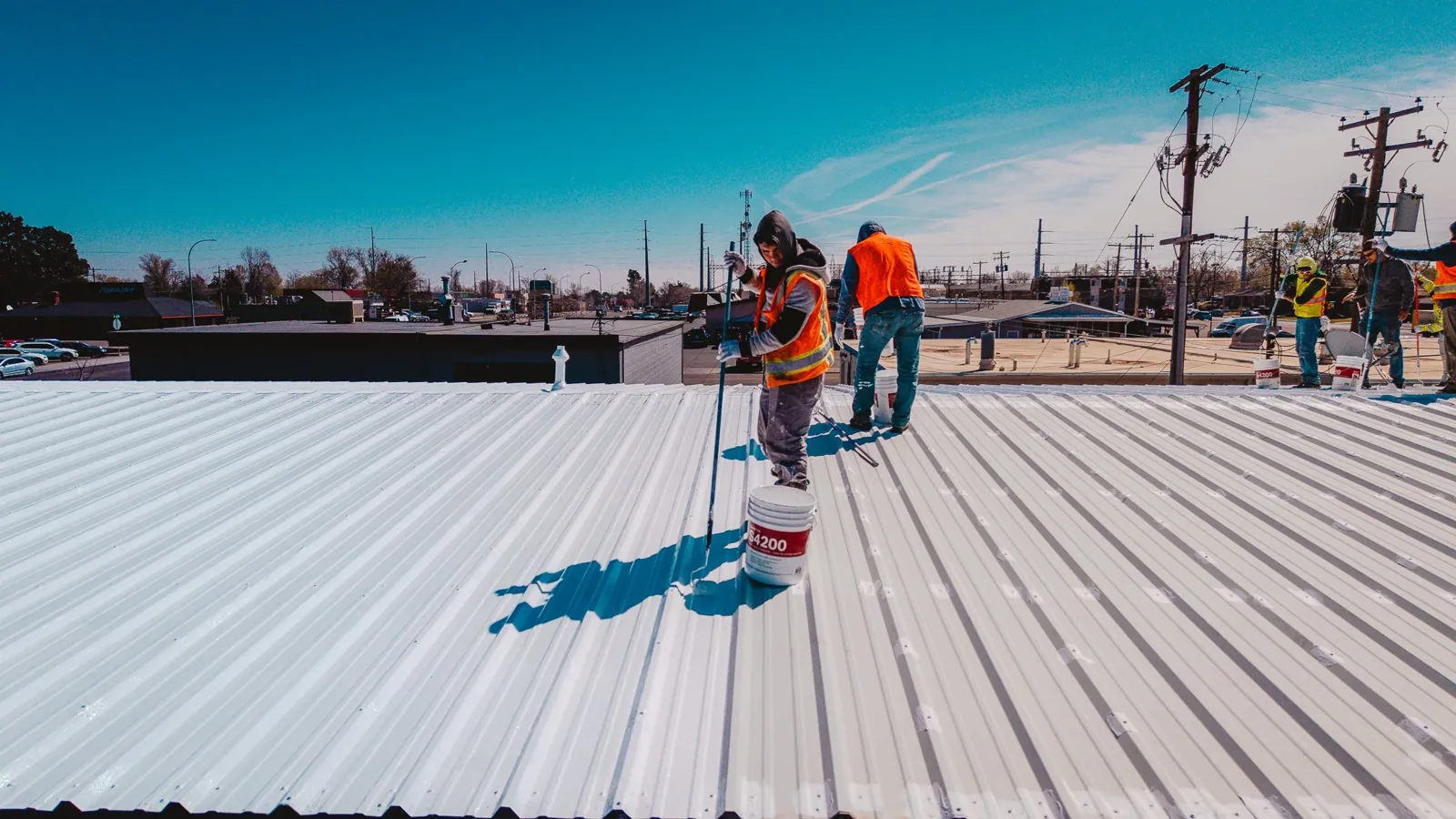
Midday heat on a Tyler roof can change whether a coating crew can prepare and apply material in the planned order. The July normal high of 94.5°F is climate context, not the temperature of the deck or membrane. We take a substrate reading, compare it with the coating instructions, and release only the surface area ready for the next step. A restoration scope begins with adhesion, moisture, seams, and flashing, then defines which zones can be coated and which need repair or removal.
At properties serving the South Broadway commercial corridor or the Tyler Midtown Area, access and operating windows also shape the work package. A coating is a system with preparation, reinforcement, wet-film control, cure conditions, and termination details. It is not a cosmetic layer that can bury an unresolved leak. We document conditions first, then compare silicone and acrylic coating approaches where the existing assembly and exposure support them.
Existing assembly and eligibility
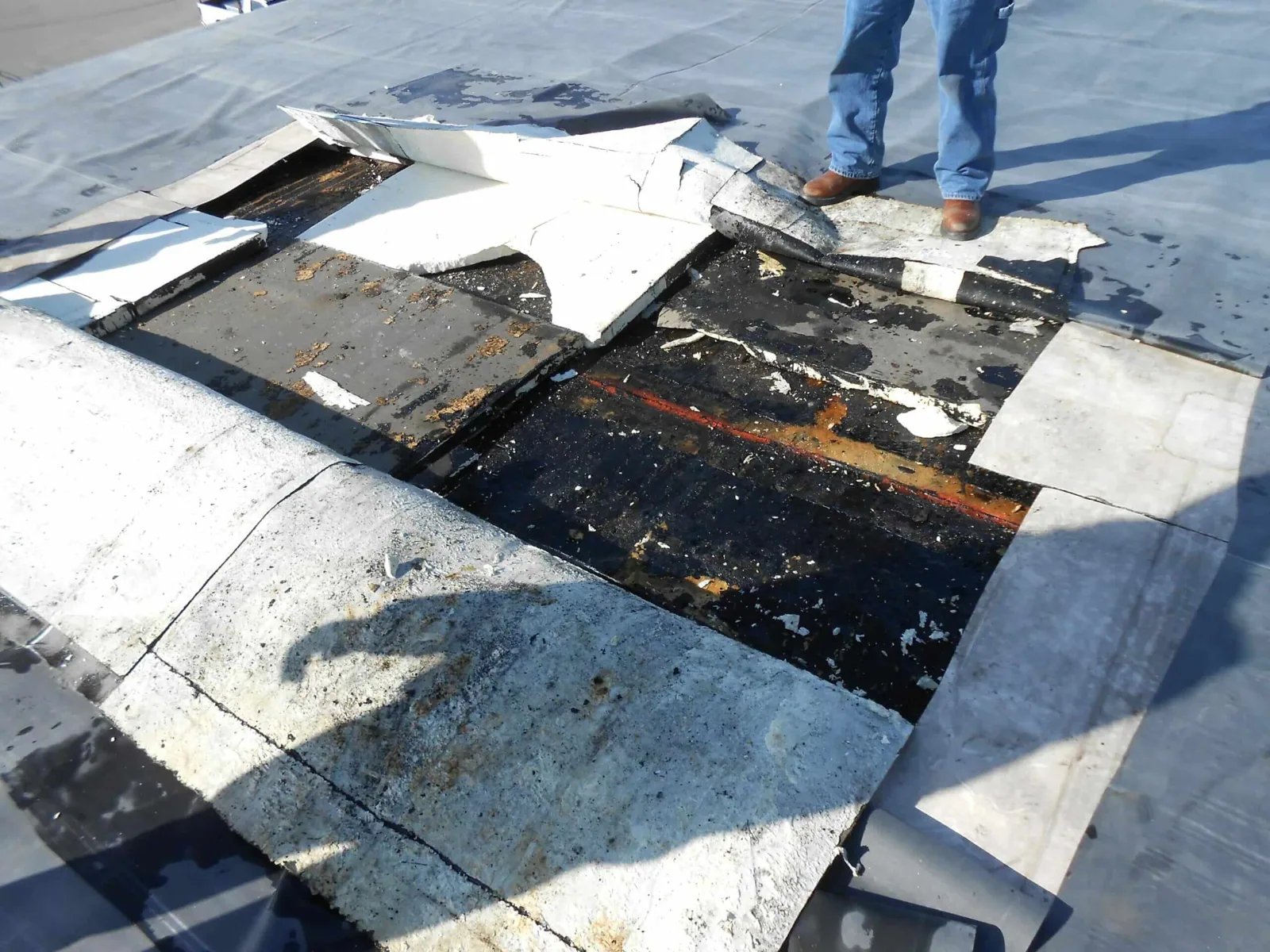
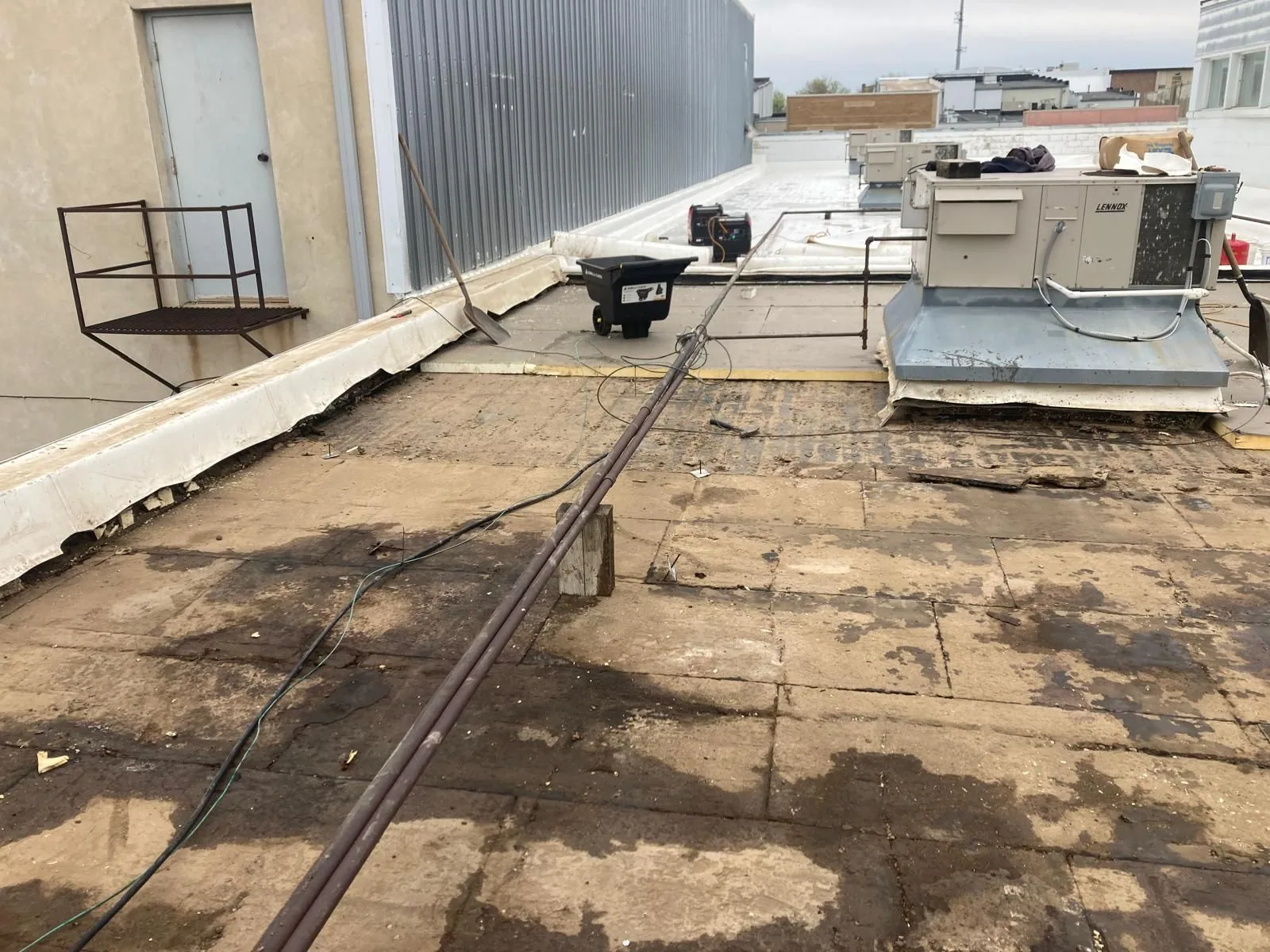
The first decision is whether the current roof can support another layer. We review the assembly, visible membrane condition, previous coatings, blisters, open seams, wet areas, and how water reaches the drains. A coating may be unsuitable over widespread moisture, unstable surfacing, contaminated residue, or details that cannot accept a reliable tie-in. We map the findings and identify test locations before proposing a restoration boundary.
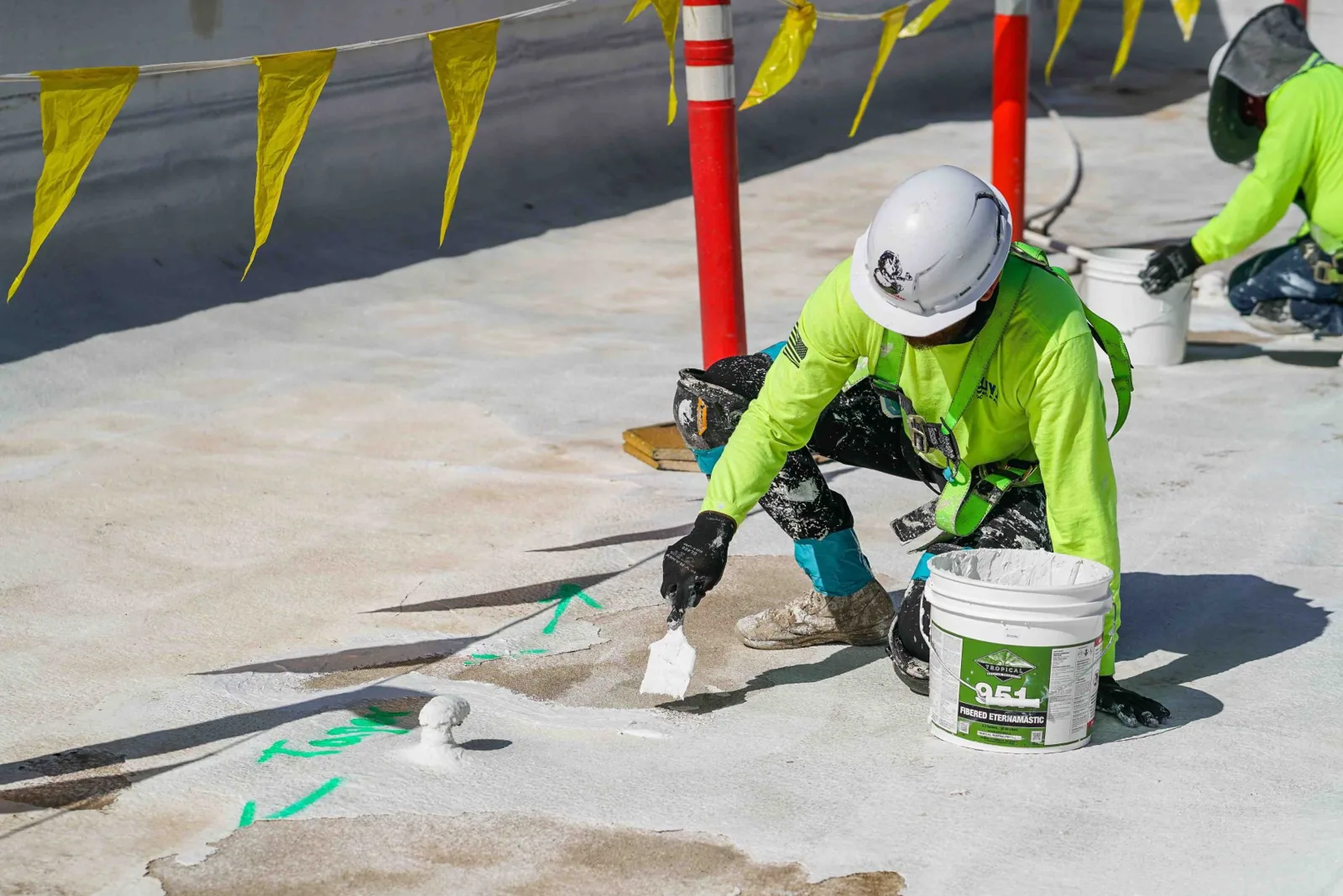
Adhesion depends on the substrate and the preparation specified for the selected product. We remove contaminants, address loose material, and test representative areas when the system requires it. A small test patch gives a result for that spot and surface condition; it does not clear every roof zone automatically. If two roof areas differ in age, coating history, or material, we document them as separate work packages instead of using one sample to represent both.
Surface preparation and test points
Preparation often controls more of the schedule than the application pass. We identify what must be washed, scraped, repaired, primed, or dried, and how wash water will be collected or kept away from occupied spaces. The work plan also names drains, scuppers, and equipment supports that need masking or detail work. Each test point is tied to a substrate type, preparation step, and decision on adhesion so the contractor can see where the result applies.
Tyler’s July climate normal supports a heat-aware schedule, but a roof can be hotter or cooler than the station figure. We measure the actual work surface and follow the manufacturer’s limits for ambient and substrate temperature, humidity, dew point, and cure interval. When those conditions close the adhesion window, the crew can move to an approved repair or inspection task. At shift close, the release note says where coating stopped and what remains exposed.
Coating choice and detail compatibility
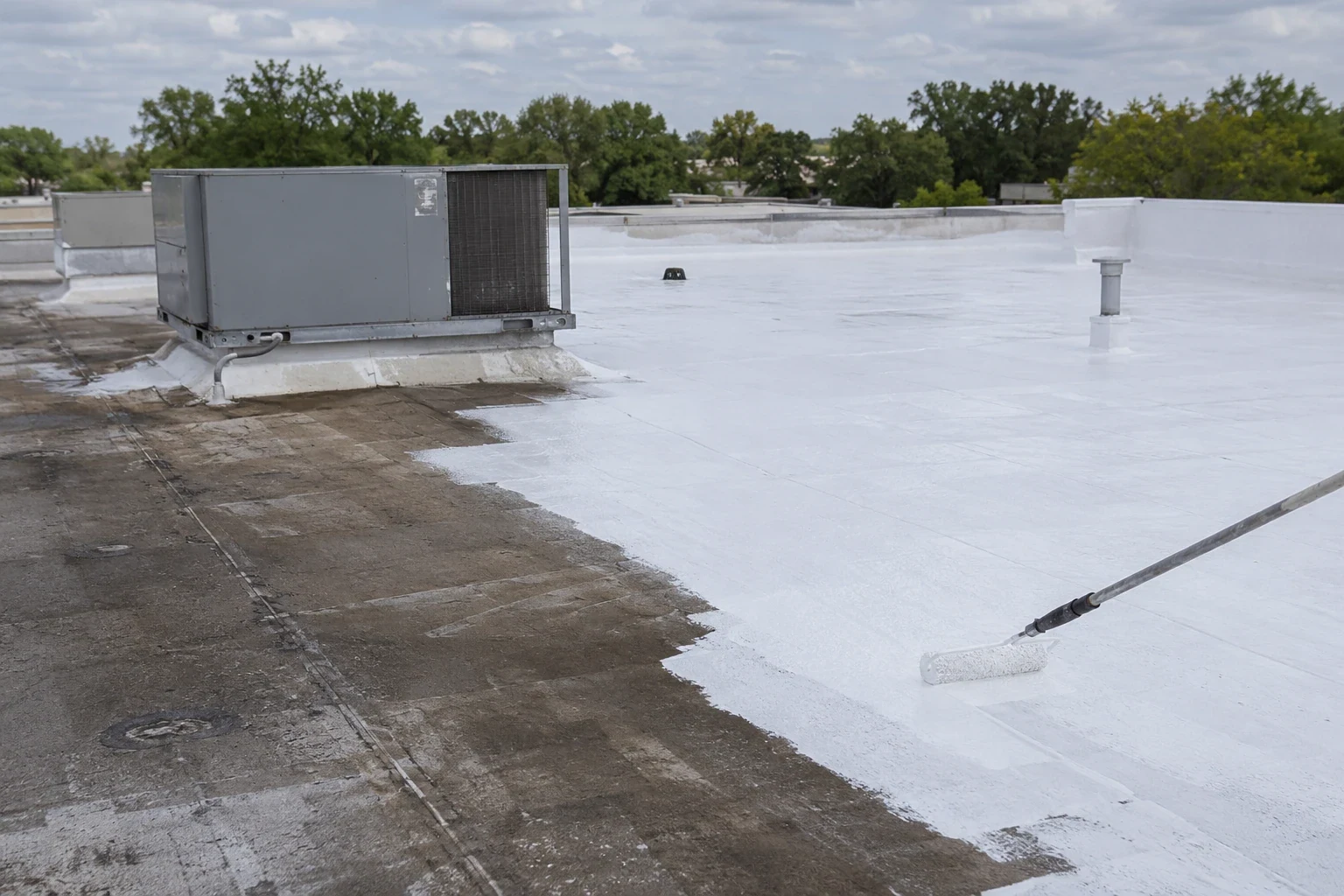
Silicone and acrylic systems differ in water exposure, reflectivity, surface compatibility, and recoat requirements. Silicone may suit some roofs exposed to recurring ponding, while acrylic systems typically need suitable drainage and dry conditions during application and cure. The specific product data and existing roof determine the selection. We do not infer compatibility from a generic membrane label; the work package records the product, primer, reinforcement, and treatment planned for each detail.
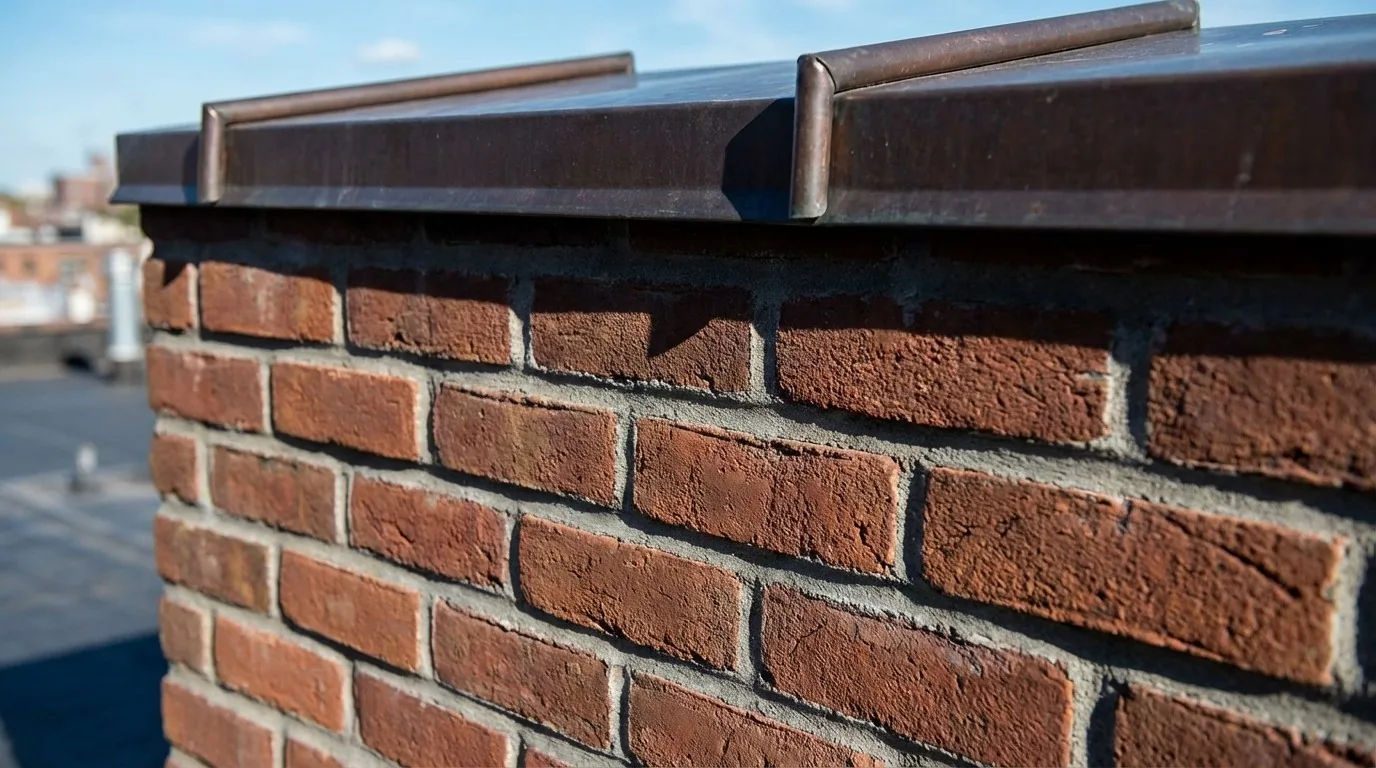
Edges, penetrations, drains, and transitions need more than a field coating pass. We reinforce or replace the detail where the selected system calls for it, then preserve drainage openings and overflow routes. Along corridors such as South Broadway, traffic access and delivery routes can influence staging but do not change the roof’s technical requirements. A perimeter review or penetration-flashing scope can be sequenced before coating starts.
Storm exposure and exposed sections
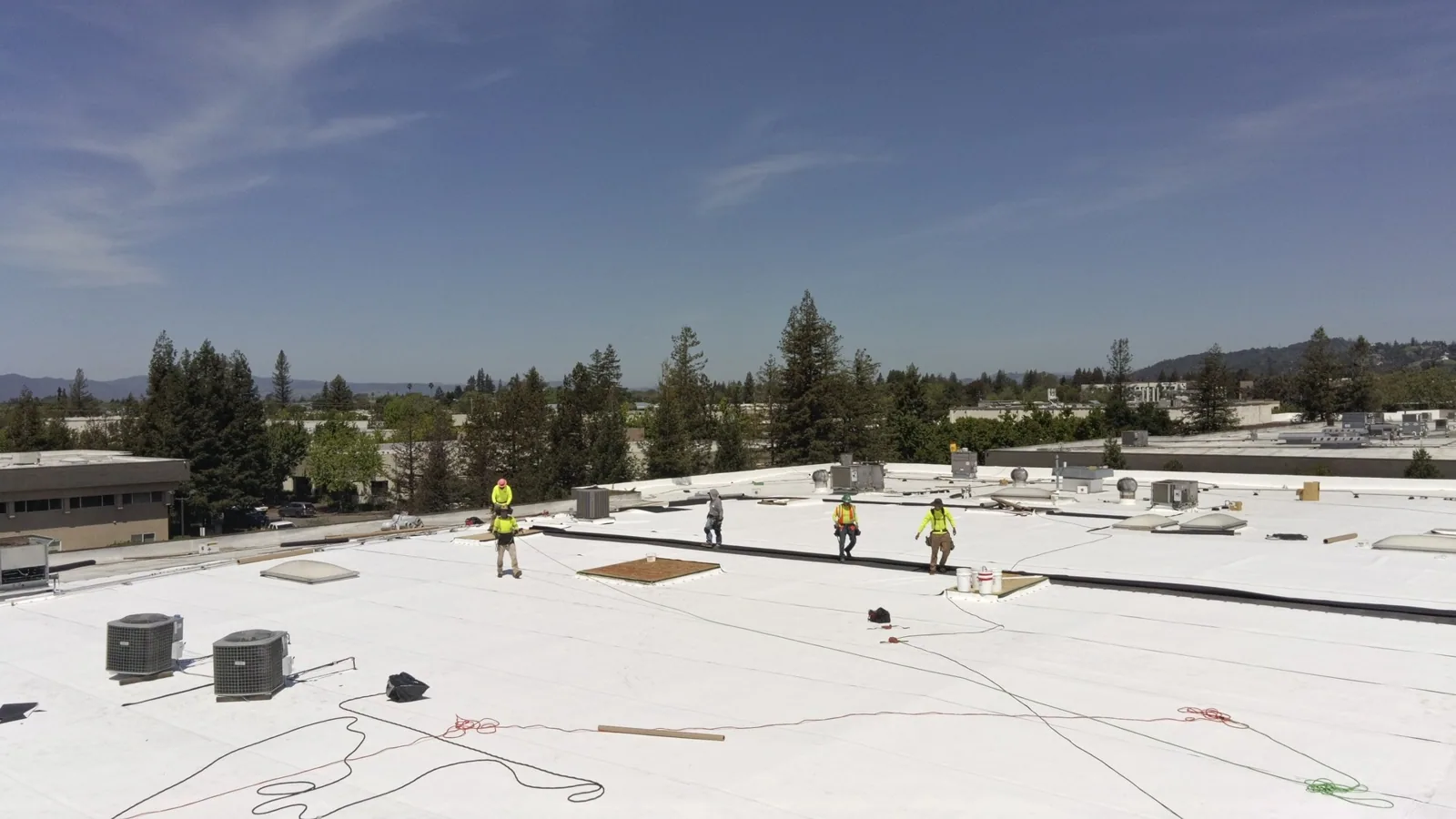
Large hail and damaging winds are common severe-thunderstorm hazards in Texas, with spring and autumn bringing more of those storms. Before work opens a roof zone near the Tyler Interstate Commerce Park or South Broadway, the contractor needs a plan for temporary protection, loose debris, drains, and the person who can release a stop or restart. A coating project leaves areas in different states as preparation and cure proceed, so we identify the exposed section and its closeout before the crew begins a shift.
Tyler’s recorded June 8, 2021 tornado makes local wind exposure concrete, while the repair scope still depends on what the current inspection finds. After a storm, we distinguish impact damage, displaced metal, punctures, and coating distress instead of sweeping them into a single restoration allowance. A hail assessment or storm repair package can precede the coating decision when the membrane or substrate needs correction.
Application controls and closeout
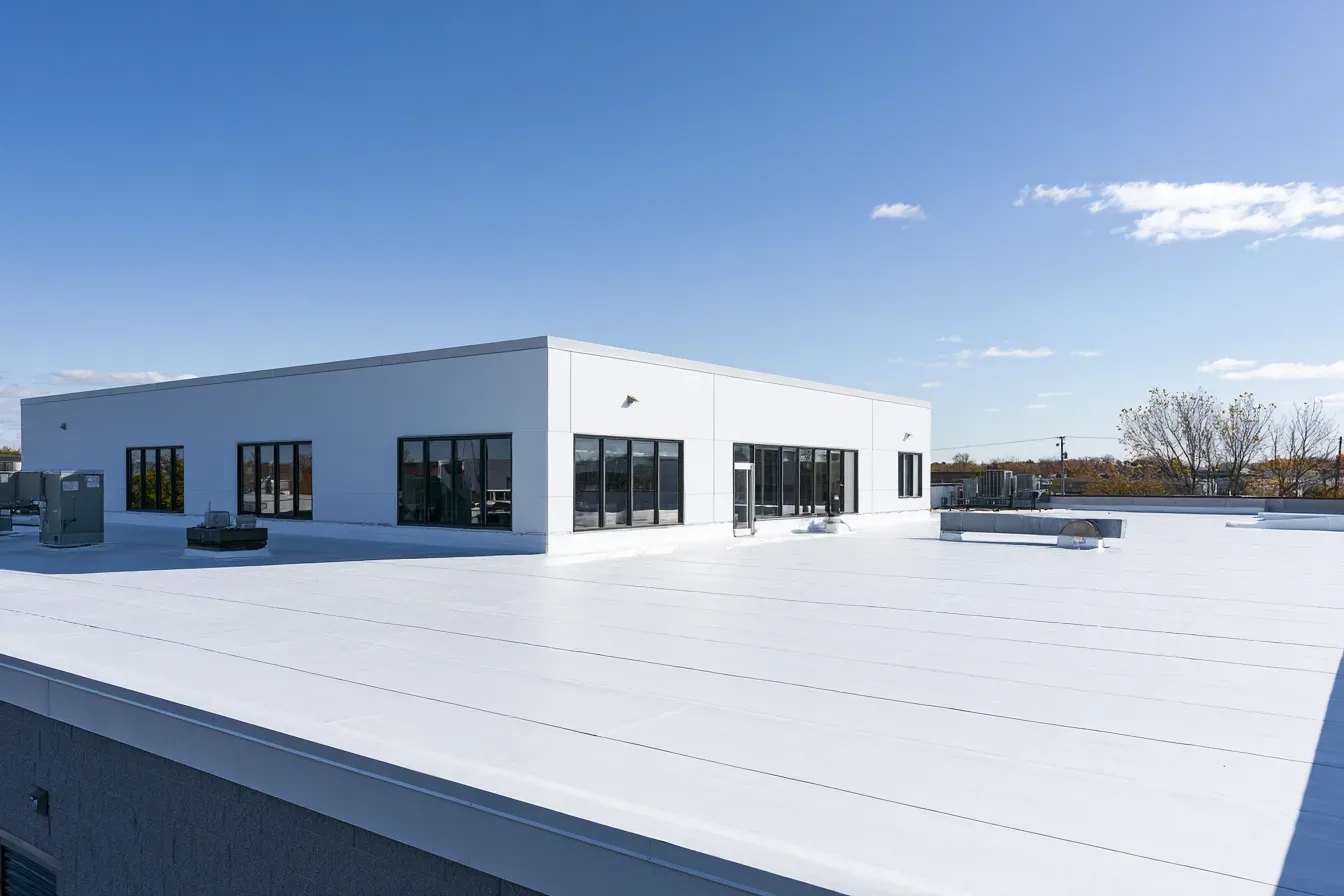
During application, we record product batch information, preparation status, substrate readings, and the conditions tied to the permitted work window. Depending on the system, wet-film thickness, reinforcement placement, coverage, and cure protection become inspection points. The foreman marks completed zones and leaves open areas visible on the plan. If a test patch or field result fails the agreed criteria, the next step is a revised preparation or system review, not a thicker pass that hides the result.
Closeout identifies repairs beneath the coating, transitions completed, drain openings checked, and any locations excluded from the restoration. The record includes photographs and the approved maintenance interval or inspection trigger supplied for the selected system. A coating warranty, if part of the bid, must match the actual manufacturer requirements and executed scope; we do not substitute an assumed term. The owner receives a clear list of completed work and remaining roof-zone questions.
Approval and crew handoff
Before mobilization, the general contractor should have the roof plan, known leak history, available assembly records, access restrictions, and decision date ready for review. We return a restoration boundary, selected preparation steps, test points, drainage details, and hold points for owner approval. The plan marks where coating can proceed, where repair must happen first, and what condition would trigger a changed scope. That gives procurement and field teams the same work package before material is staged.
Occupied operations may require separate roof-zone releases for deliveries, noisy preparation, and inspection of interior areas below the work. We agree on the handoff contact and keep weather delays attached to the affected zone and task. A Tyler roof plan should state which decisions remain open so that an access delay does not become an undocumented scope change. The coating can move forward when the surface, materials, weather window, and authorized boundary align.
Commercial Roofing Questions
When is coating a reasonable restoration option?
The roof needs a stable assembly, compatible surface, manageable moisture findings, and details that can be prepared and tied in under the chosen system. We inspect those conditions and identify tests before pricing. Widespread wet insulation, failed attachment, or unresolved leaks can point to a different scope.
How do you decide between silicone and acrylic?
Drainage, expected exposure to standing water, substrate, prior coatings, and application conditions all matter. We compare the selected product data with the field conditions, then specify primer and reinforcement by zone. The product name alone does not establish compatibility.
Does the July normal determine the coating schedule?
No single climate normal gives the roof-surface reading. We measure the substrate and check the product’s limits for temperature and moisture conditions on the work date. That reading sets whether a zone can be prepared or coated and when the next inspection can happen.
What happens if hail damage is found during preparation?
We stop at the affected boundary, document the membrane and substrate, and separate storm damage from restoration preparation. The contractor reviews the additional repair package and its timing. Coating resumes after the approved repair and compatible tie-in are ready.
What should the coating closeout include?
The owner should receive the coated-zone map, product and preparation record, test results, repair locations, detail photos, and any areas excluded from the scope. We also mark the next inspection or maintenance requirement from the selected system documents.
Related Pages
Silicone Roof Coatings
Tyler, TX
Acrylic Roof Coatings
Tyler, TX
Release the coating work package
Provide the roof plan, assembly information, leak history, access window, and decision deadline. We will return a coating recommendation with substrate tests, preparation, drain details, and roof-zone hold points.