
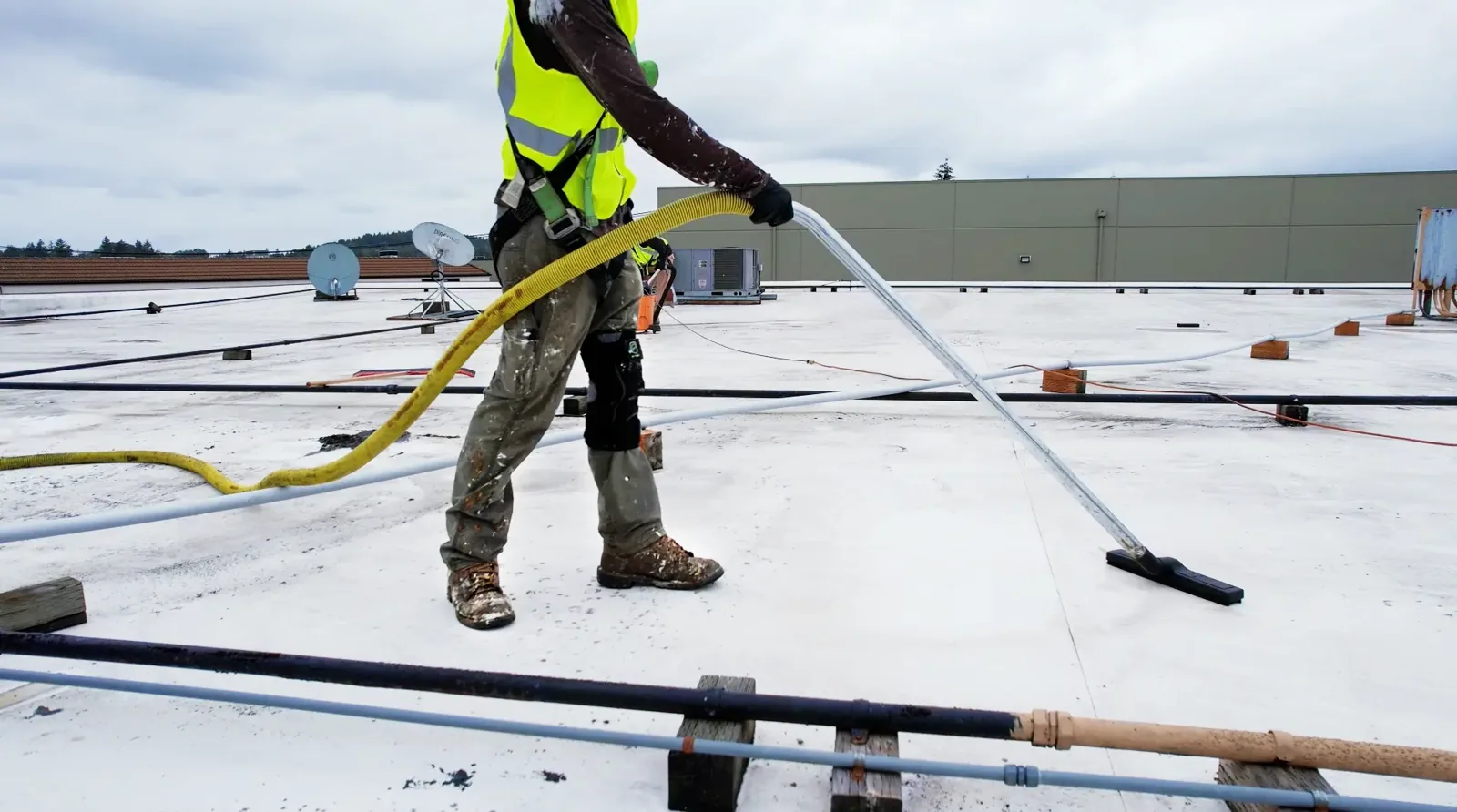
Seam work in Tyler has a narrow heat window when the repair depends on adhesive or a thermoplastic weld. Normal July highs average 94.5°F, but the roof reading and product instructions determine the actual preparation sequence. We mark the separated run, check the condition on both sides, and set a test point before closing the membrane. That creates a clear roof-zone release for the general contractor and keeps the work package tied to the existing assembly.
A seam can open through poor adhesion, contamination, movement, aging, incompatible repairs, or stress at a transition. Water may then move below the sheet before appearing indoors. We measure the affected run, photograph its termination and nearby details, and distinguish an isolated separation from repeated failure across a zone. The Tyler Interstate Commerce Park near I-20 and SH 155 represents a regional setting with business and logistics development; it does not establish any individual roof condition or access. We confirm the building’s roof plan and staging rules. A commercial roof repair visit can document the seam and any connected damage before scope approval.
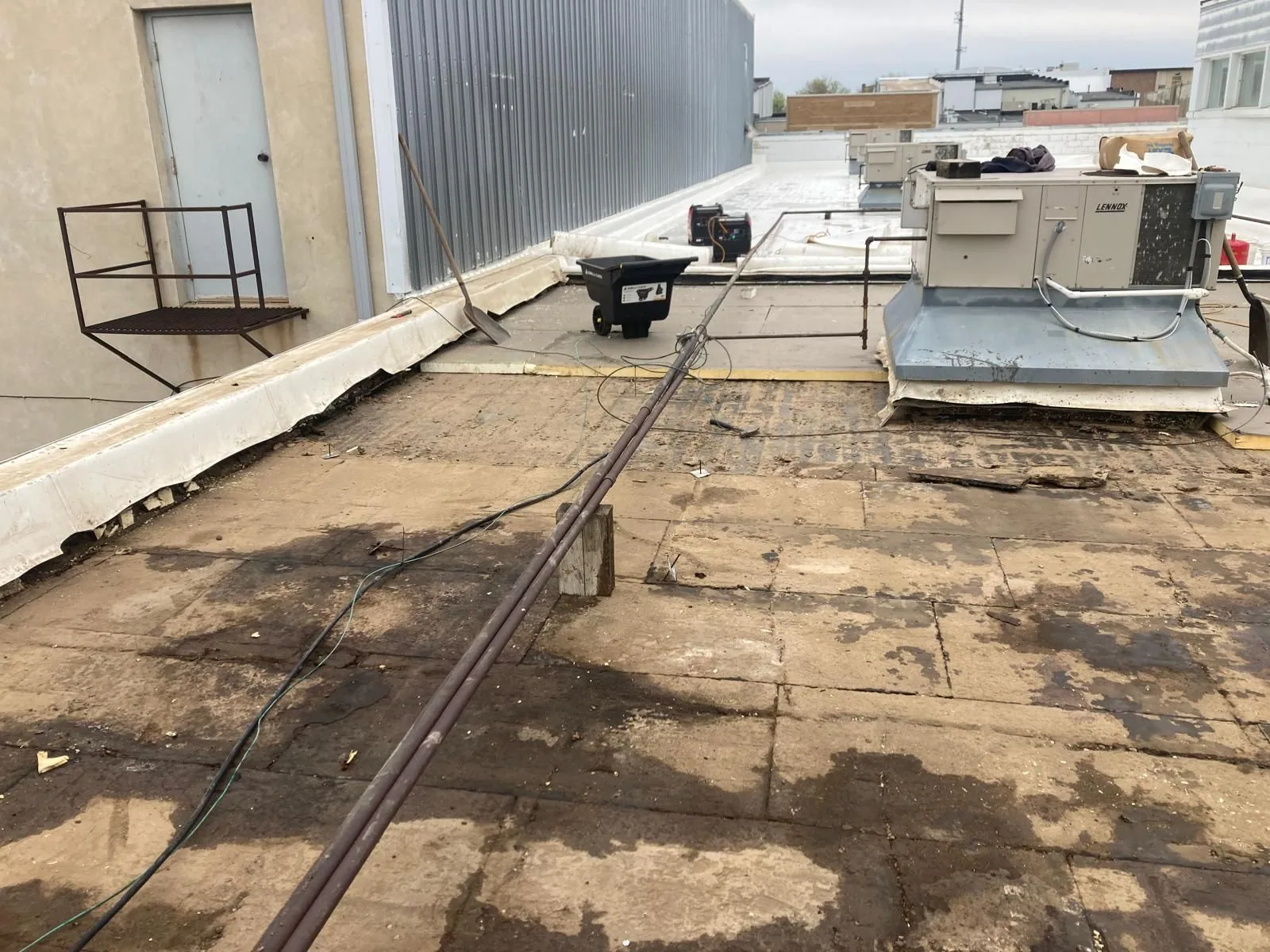
Separation pattern and edge condition
The seam surface often shows whether the bond released cleanly or tore through the membrane. We check for a narrow open lap, fishmouth, contamination, wrinkles, edge curl, and signs of repeated patching. A short separation beside a penetration may need a different boundary from a long run that crosses several panels. The work record locates each finding on the roof plan and notes the direction water can travel beneath the sheet.
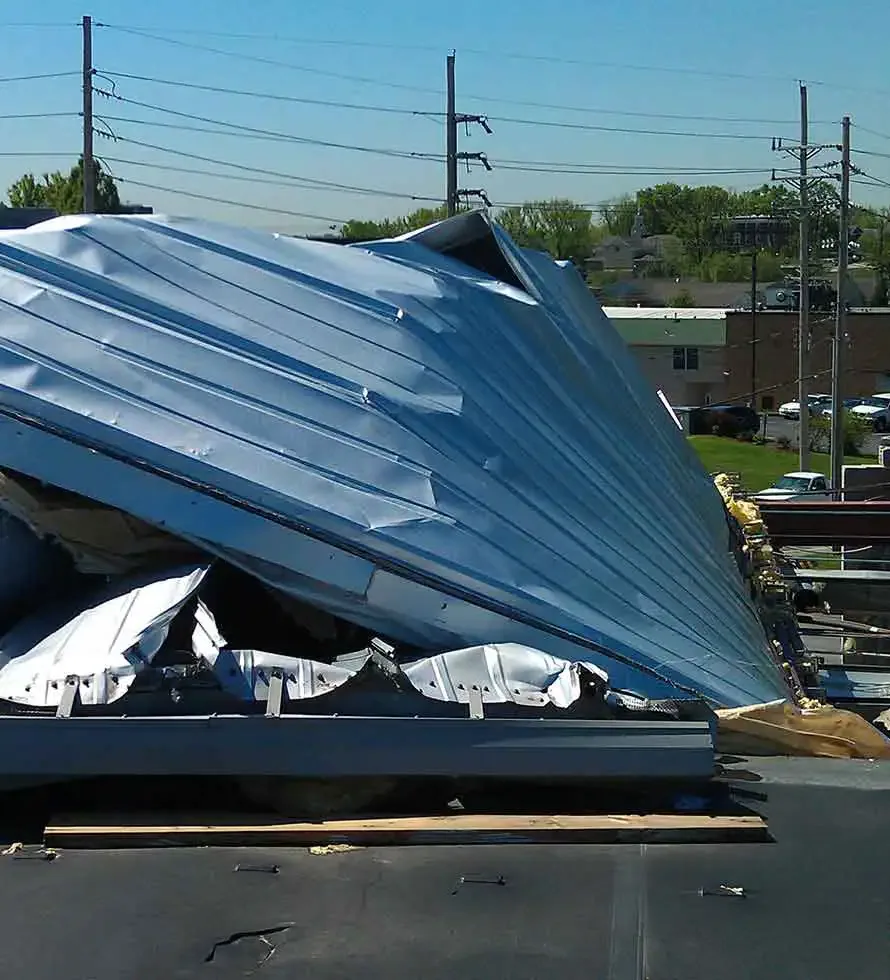
Wind can lift an edge and place additional stress on adjacent seams, while hail may leave a separate impact mark in the field. Spring and autumn bring this region its recurring severe storms, with large hail and damaging wind among the hazards. We record those signs without assuming they share one cause. Prosperity Park, Tyler’s current name for the former Wisenbaker property, is a multi-property development area north of Loop 323 along U.S. 271 and FM 14, with manufacturing and logistics identified as target uses. Any roof work at a property in that area still starts with its operating schedule and actual assembly. Wind-related movement and impact damage receive separate findings.
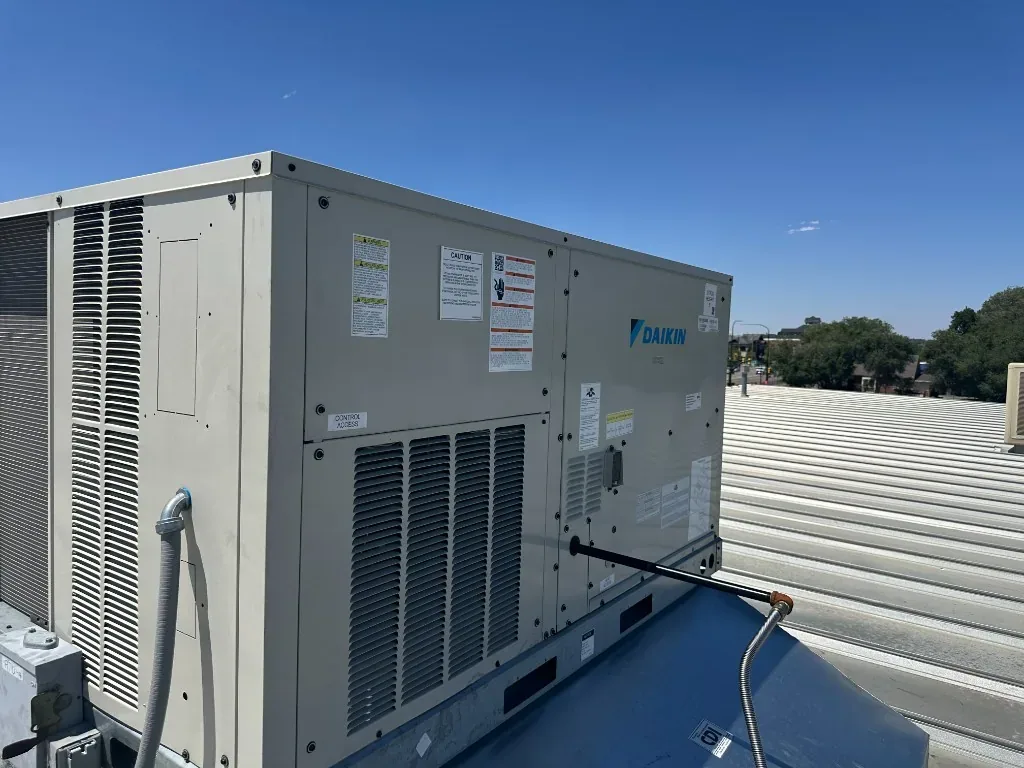
Membrane identification and test
We identify whether the roof is TPO, PVC, KEE, EPDM, modified bitumen, or another assembly before specifying the seam method. A thermoplastic weld relies on prepared surfaces and a controlled heat setting; an EPDM lap uses compatible adhesives or seam products. Older repairs may cover the original sheet edge or mix materials that do not bond together. We document what the field shows and check project records where available before ordering accessories.
A probe can locate an open section, but a test weld or adhesion check can reveal how the material responds to preparation. We mark the test point, verify the substrate is dry and sound, then record the method and result. If the membrane is brittle, wet, or contaminated beyond the seam, a narrow patch may not be sufficient. The TPO system and EPDM system require different repair materials; the project package names the assembly so a crew handoff does not leave compatibility to guesswork.
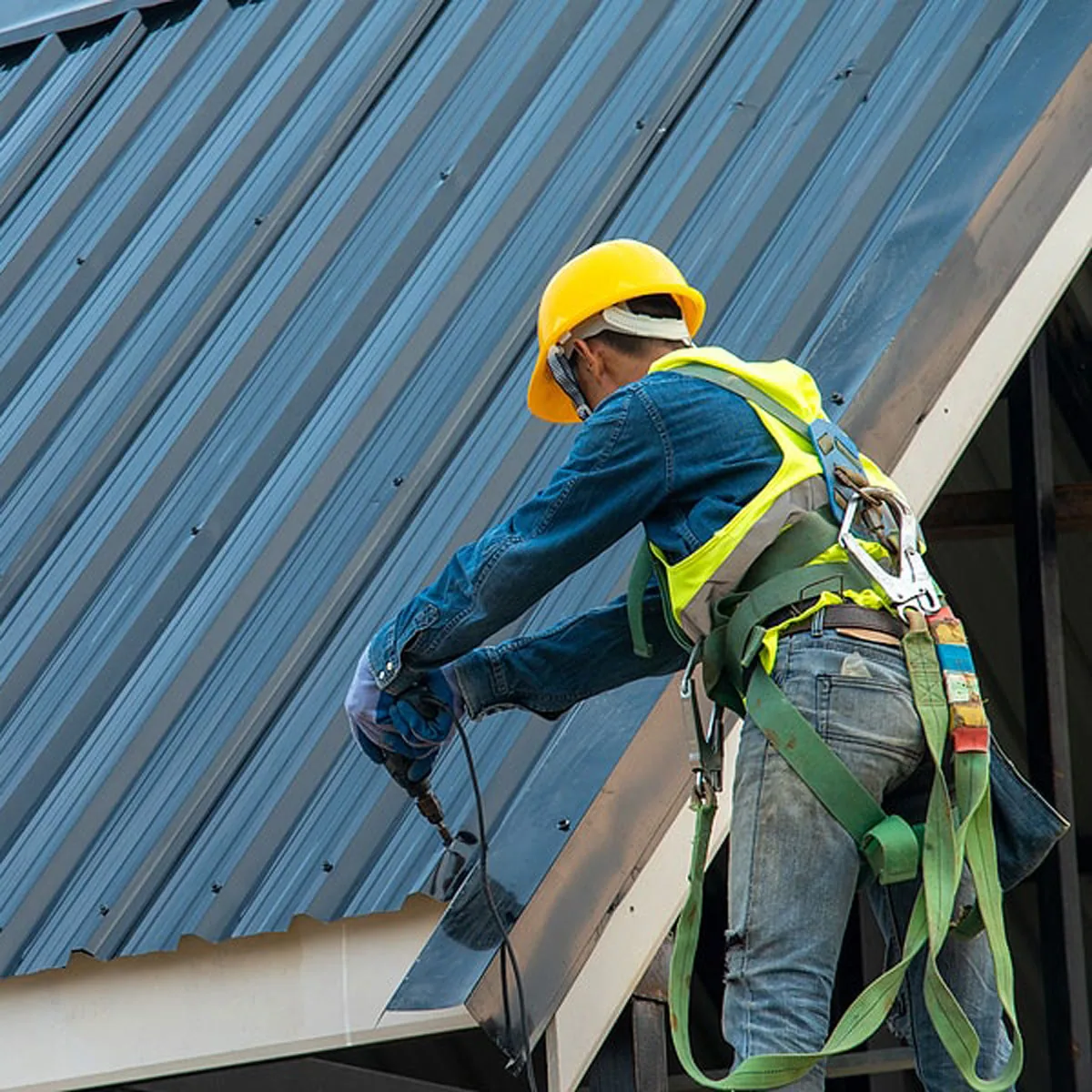
Preparation and weld release
Before repair, we remove loose material and contaminants without damaging the remaining sheet. For thermoplastic seams, the crew sets equipment and technique on a test area, then checks the weld before continuing. For adhered laps, the substrate and sheet must meet the selected product’s preparation and open-time requirements. Each step has a hold point: surface acceptance, test result, completed seam, and final probe or inspection. If an interruption breaks the sequence, the next shift receives the actual status.
Tyler’s climate record gives a reason to plan around summer heat, not to assume a safe surface temperature. We take a substrate reading and compare it with the product instructions before primer, adhesive, or coating work. Spring and autumn storms can interrupt the repair; a weather delay may require protection and a new surface check. We close the exposed section, preserve drainage, and note what must be repeated before work resumes. A roof inspection can map related seams if the failure appears across multiple roof zones.
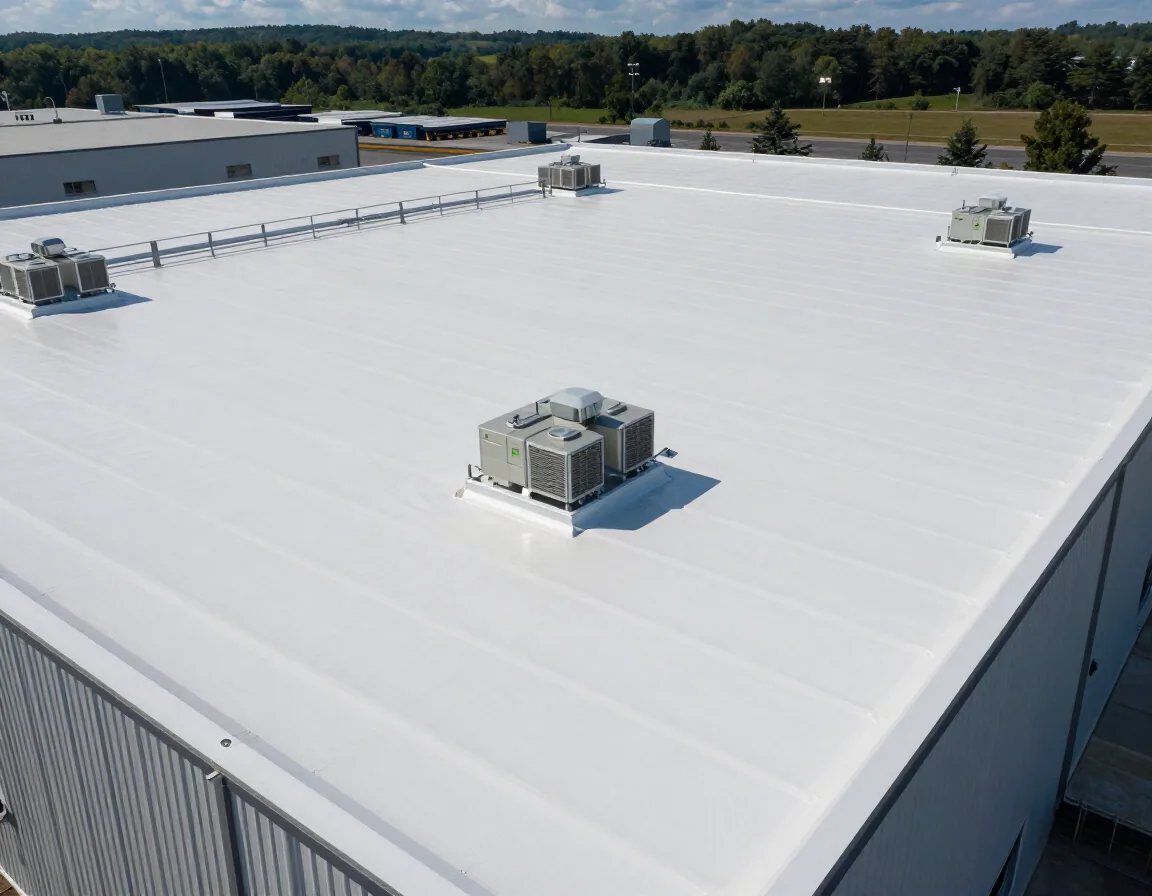
Moisture boundary and adjacent details
Water entering a seam may spread into insulation before it reaches the ceiling. We inspect the membrane beyond the visible opening and compare any interior leak log with the roof plan. Infrared readings or test cuts can help locate wet material when site conditions support those methods. Each result is identified by its location and method, because one reading cannot define the condition across a large area. Openings are photographed and closed after review.
Nearby flashings, drains, rooftop supports, and prior patches may direct water toward or away from a seam. They are recorded as adjacent findings rather than folded into the seam repair without evidence. If wet insulation extends beyond the approved boundary, we stop at the hold point and present the findings for a scope decision. A flashing repair or a moisture survey can be scheduled as a separate work package. The owner can then distinguish restoring a bond from replacing moisture-affected layers.
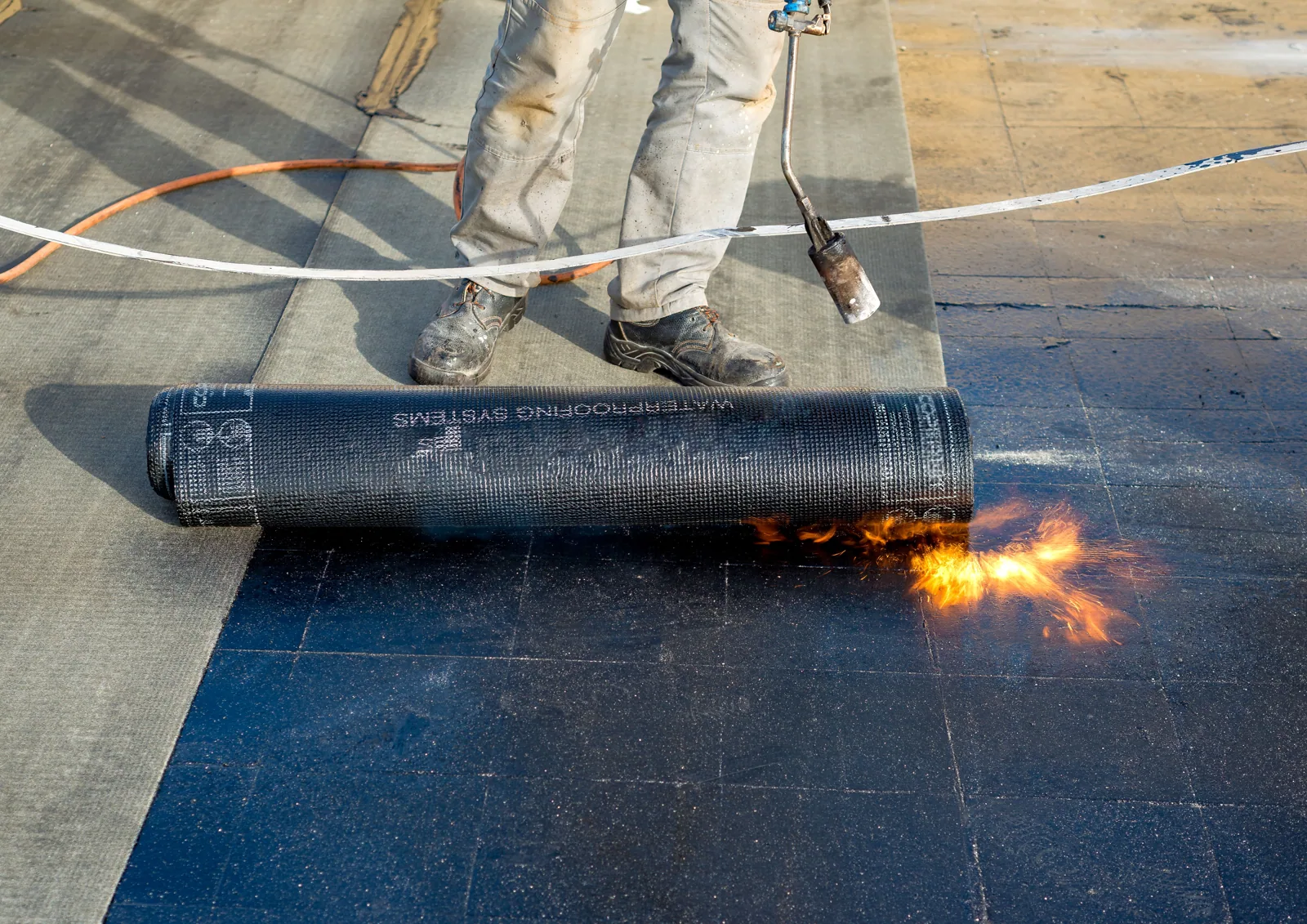
Repair record and next decision
Closeout includes the seam location, original condition, surface preparation, repair material, test result, photographs, and completed inspection. We note any area not reached or any adjacent layer left for further evaluation. If the seam passes its inspection but the substrate remains uncertain, the report preserves that distinction. The general contractor receives the next access release and any approval needed before another roof zone is opened.
Cost and duration reflect seam length, access, system type, preparation, removal of prior repairs, moisture testing, and weather conditions. A few isolated separations may suit localized repair; repeated openings or widespread loss of bond can require a broader restoration or replacement assessment. A condition report with photographs can track the seam on later service visits. For a job near the Tyler Interstate Commerce Park, staging remains subject to the property’s confirmed delivery and access plan. We return the mapped finding and decision deadline so the next work package can proceed from evidence.
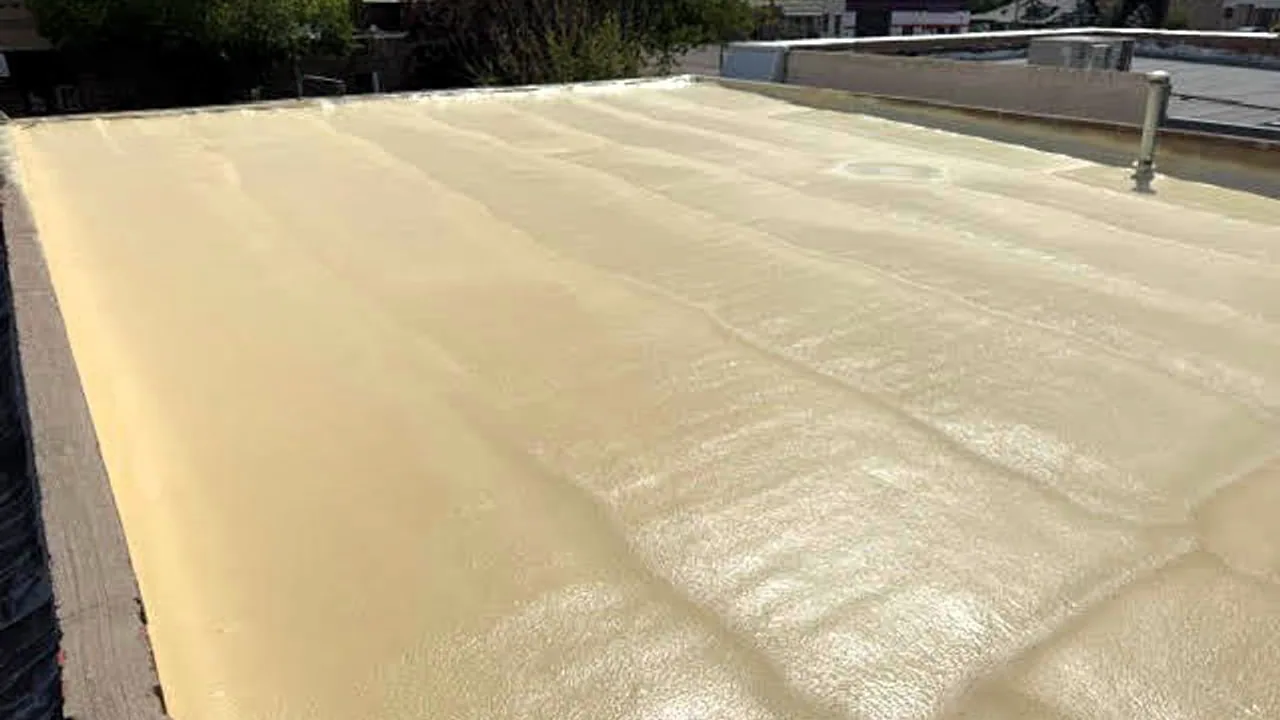
Commercial Roofing Questions
Can you repair a seam without removing the whole roof section?
A localized repair is possible when the adjacent membrane and substrate support a compatible tie-in. We probe the separation, check material condition, and test preparation before setting the boundary. Wet insulation or repeated bond loss can expand the scope beyond that seam.
What does a seam probe tell you?
It helps locate an open edge or weak section along a lap. The probe does not establish what lies below the sheet or whether a repair material will bond. We use a test weld or adhesion check when the system and project conditions call for it.
Why do you run a test weld first?
A test confirms the selected temperature and technique against the membrane and current surface conditions. We inspect the sample before proceeding and document the result as a release point. If it fails, the crew adjusts preparation or method before closing the production seam.
Does hot weather stop seam repairs in Tyler?
Work proceeds when the actual surface and substrate meet the selected product requirements. The July climate normal is useful for planning, but a roof reading, shade, wind, and product instructions govern the step. A pause can be needed if conditions move outside those limits.
How do you report water found below a seam?
We record the test location, method, and observed layers, then identify whether the affected area fits the approved repair boundary. The report separates confirmed moisture from a suspected path. Additional sampling or removal requires its own approval point.
Related Pages
Commercial Roof Repair
Tyler, TX
Wind Damage Roof Repair
Tyler, TX
Commercial Hail Damage Roof Repair
Tyler, TX
TPO Roofing
Tyler, TX
Set the seam test point
Send the roof plan, assembly records, access window, current condition, and decision deadline. We will return a seam work package with material identification, test points, hold points, and crew handoff marked.