
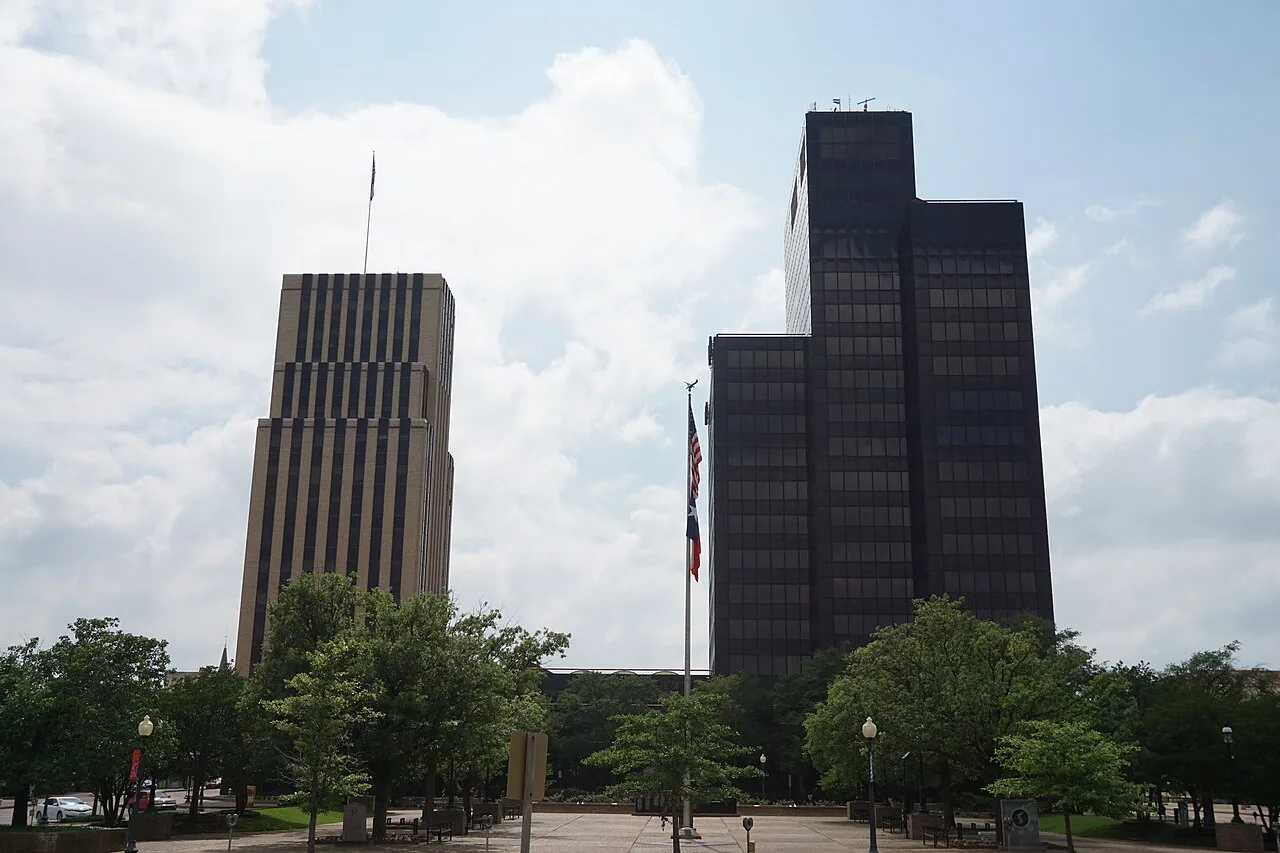
Midtown roof work in Tyler, TX, needs a release sequence that accounts for both heat-sensitive installation and the access period assigned to each property. Healthcare and education remain central uses in the district, with continued attention to connectivity and placemaking. That is useful context for coordinating occupied areas and movement between work zones, but it does not describe any individual building's roof. We start with the roof plan, assembly records, operating hours, and decision deadline, then map the seams, curbs, edges, drains, and penetrations that control the work package.
Tyler's normal July high averages 94.5°F. That regional normal is not a surface reading, so adhesive or coating work waits on actual substrate conditions and product instructions. Spring and autumn storms here can bring hail and damaging wind, making exposed-section closeout a defined task before a weather delay. A commercial roof inspection sets the initial condition record. For a portfolio in the wider Tyler service area, each building receives a separate inspection map, access contact, and release plan.
Access by building and roof zone
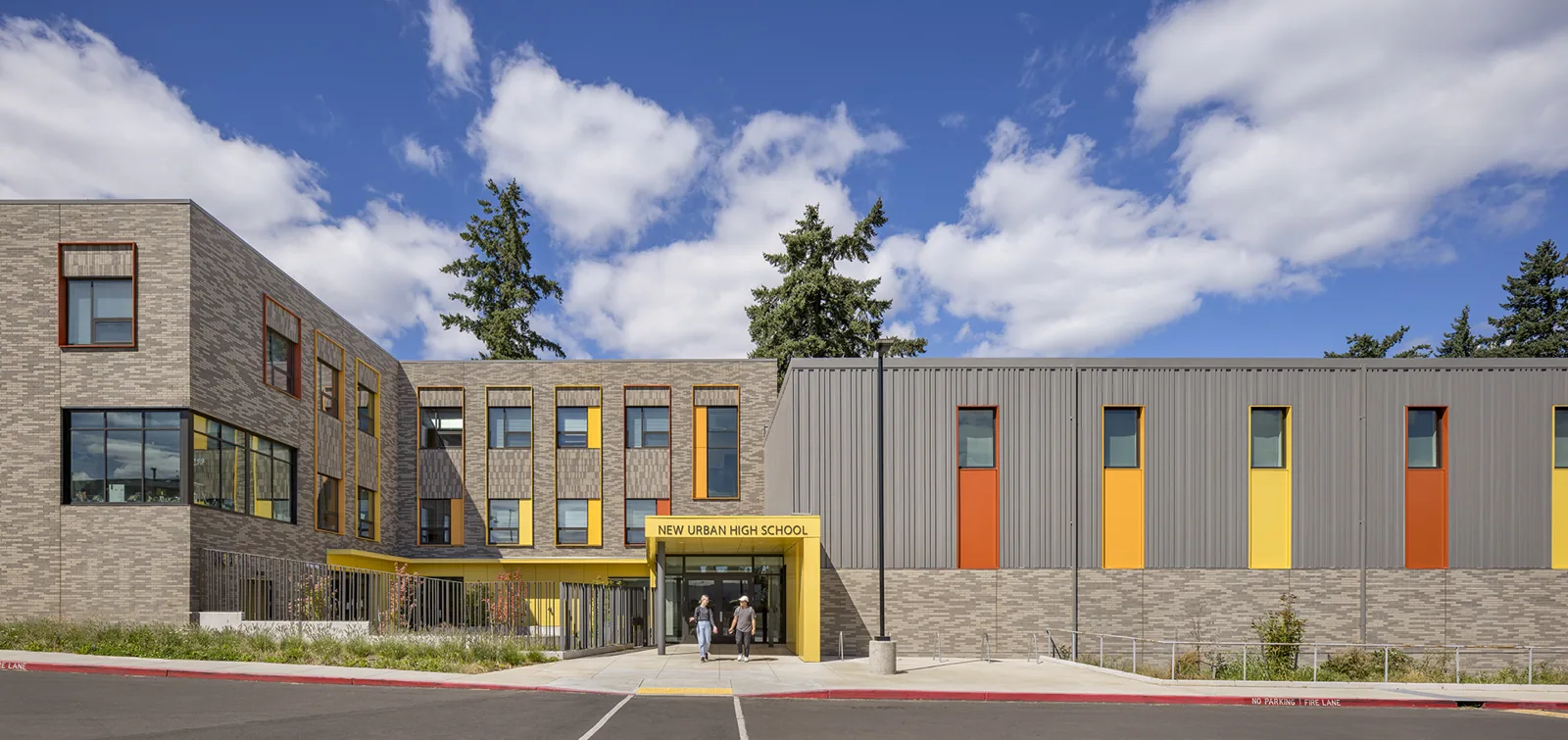
Planned Midtown improvements include 5th Street and Beckham Avenue. That focus makes route coordination worth checking, but it does not establish current traffic conditions or a delivery path to a specific roof. We verify entrances, loading restrictions, tenant and patient routes, equipment access, and any hours when roof work must pause. Where work occurs above occupied areas, the general contractor receives the protection boundary and the person authorized to release each zone.
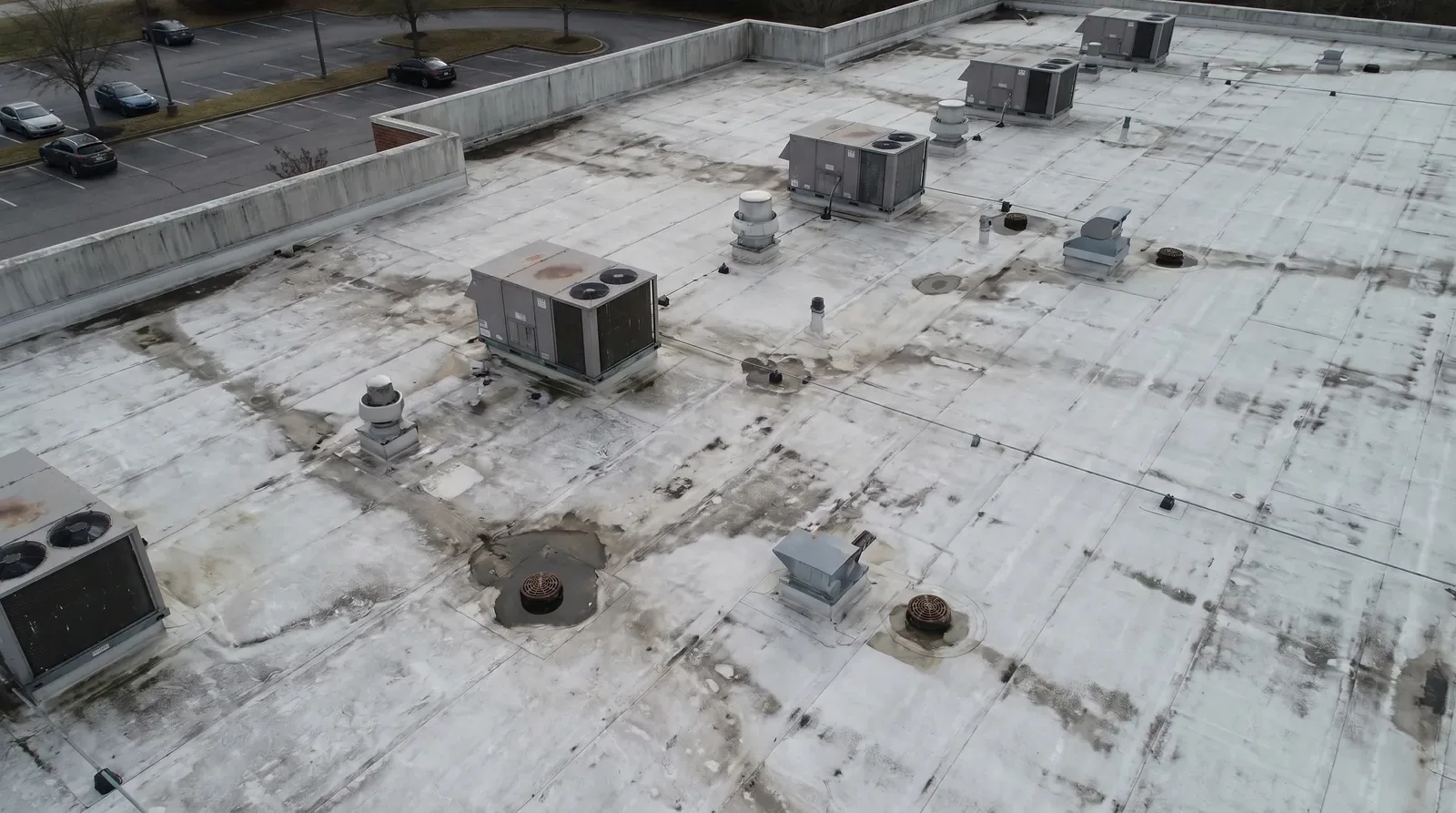
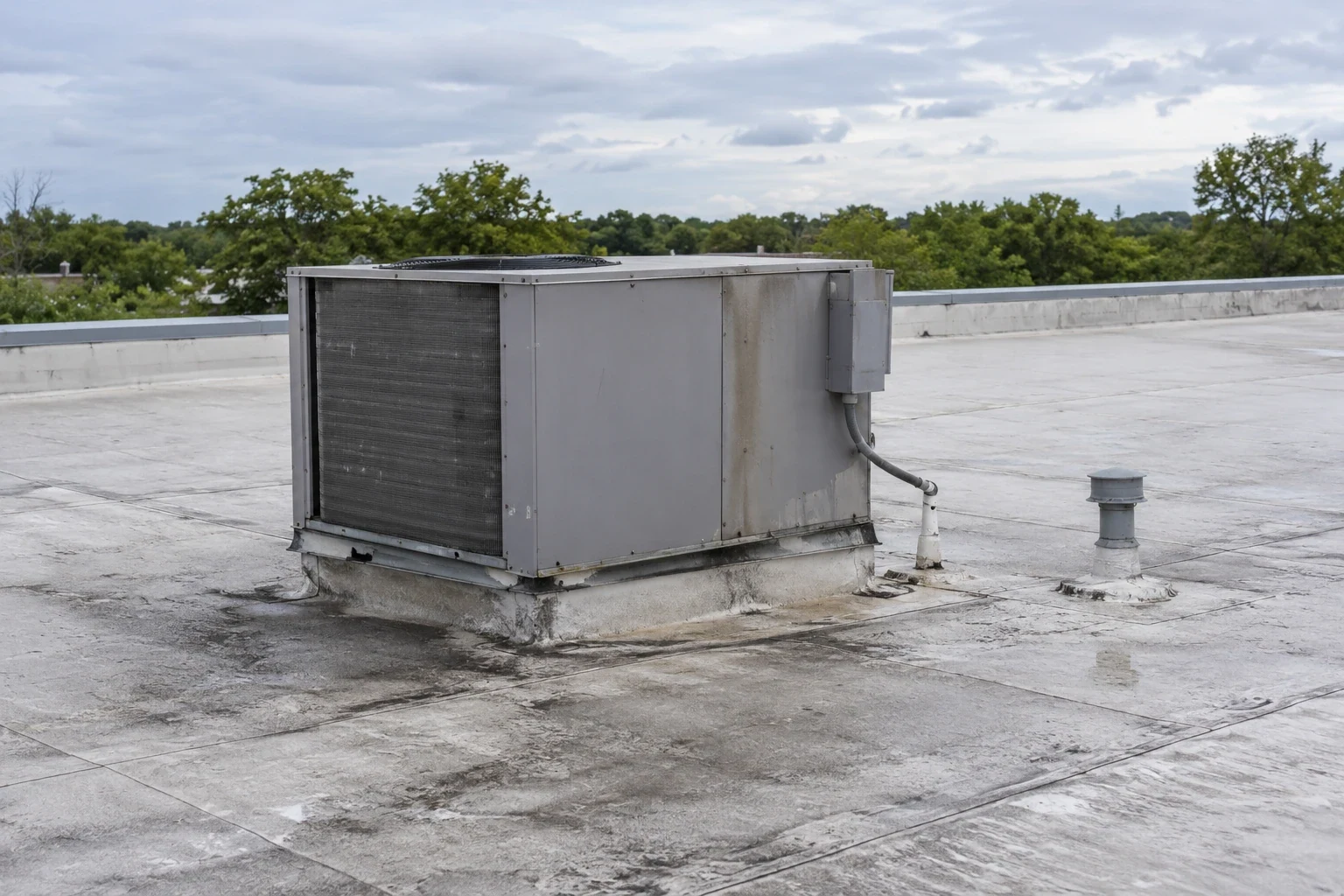
On the roof, we follow the documented assembly instead of treating all buildings in the district as alike. The first walk notes membrane seams, flashing transitions, curbs, metal edges, penetrations, and drain paths by location. Photos show what was observed and where access stopped. If insulation or deck condition remains concealed, we identify a test point and the decision it can answer. A photo-based condition report gives the project team a record that can be reviewed alongside drawings, maintenance notes, and later approvals.
Assembly review before repair
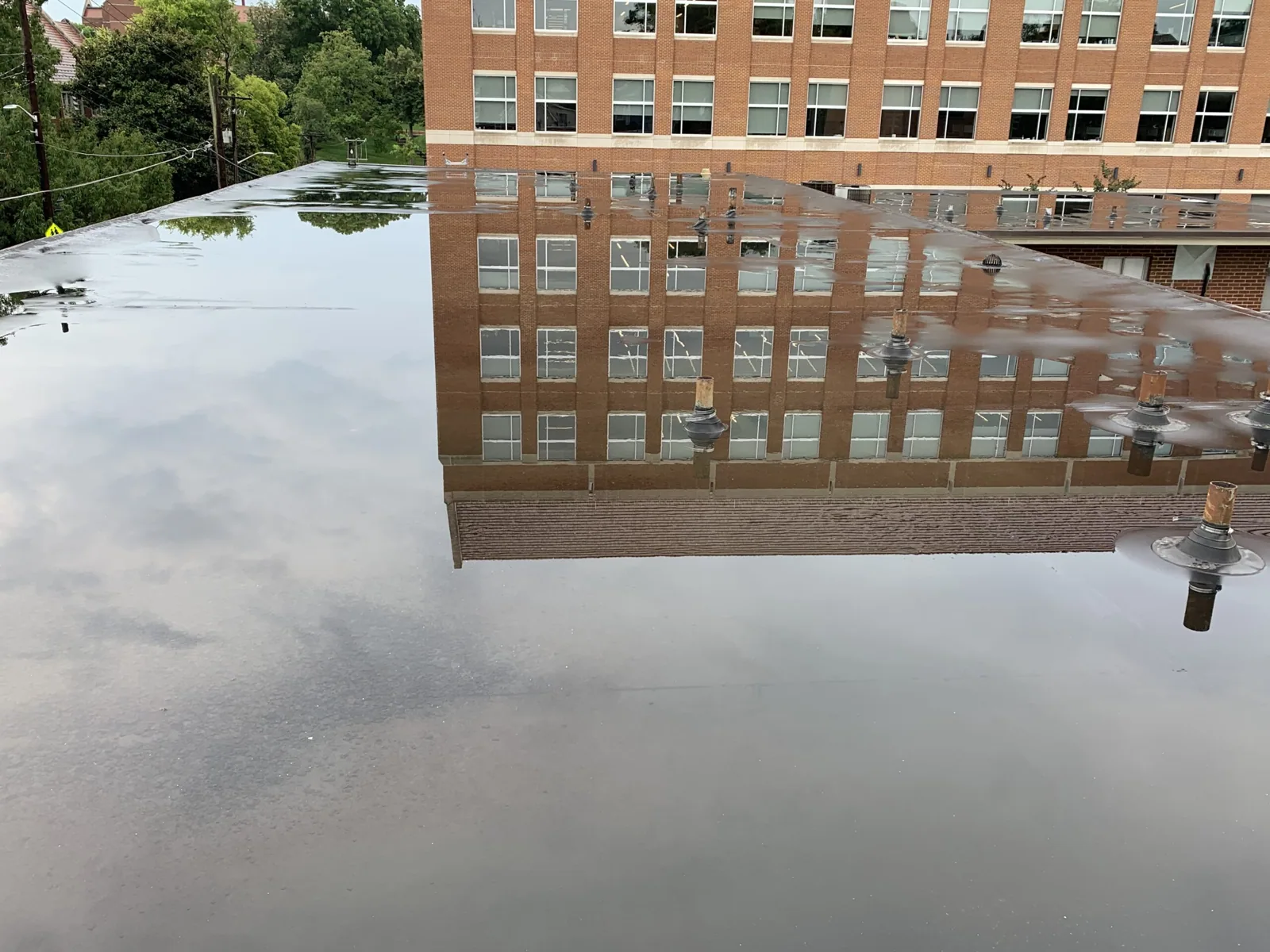
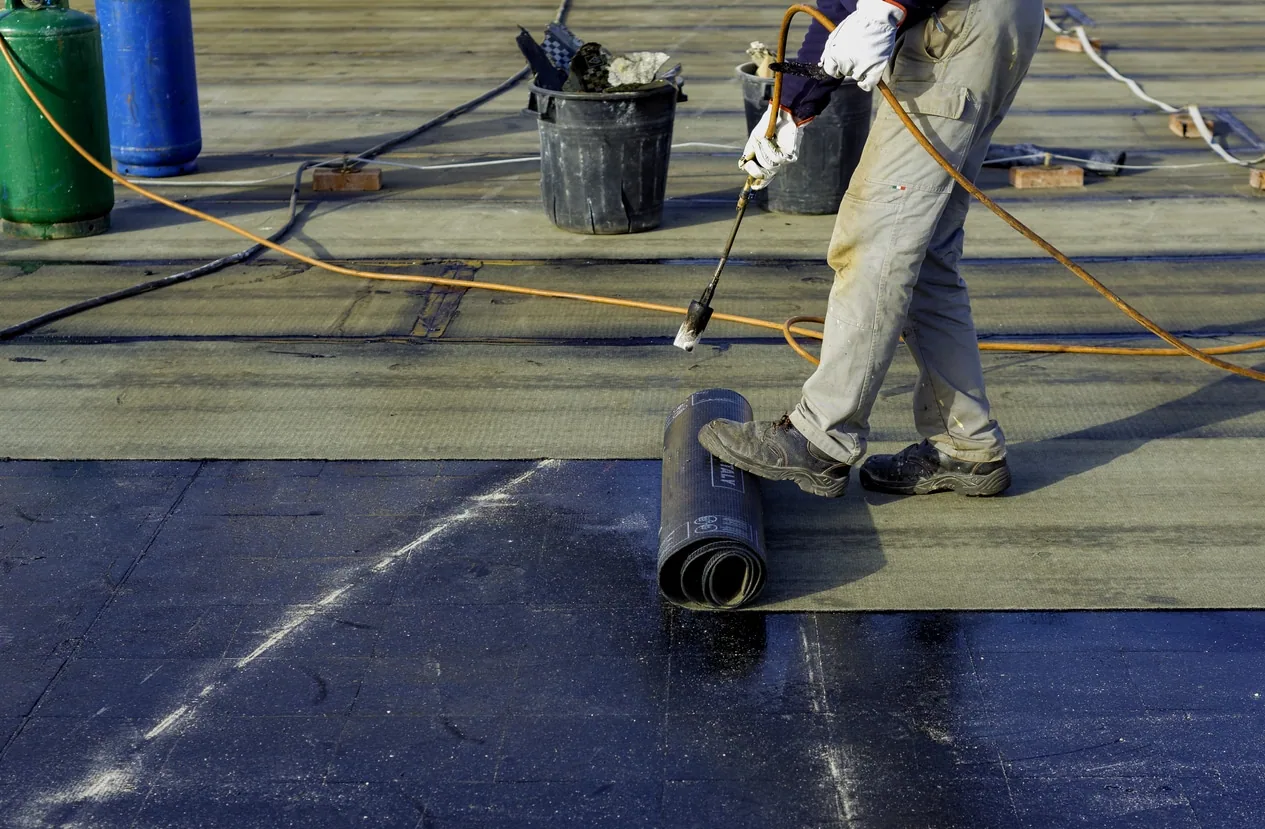
A repair detail depends on the system already on the roof. We identify the membrane or metal assembly from available records and field observations, then check the condition at seams, penetrations, edge transitions, and drains. For a PVC roof, the PVC system details and compatible weld procedure guide the tie-in. Other assemblies need different preparation. No Midtown planning designation tells us whether a property has TPO, EPDM, built-up roofing, or metal panels, so we verify before selecting material.
A local opening with stable material around it may support a contained repair. Repeated separation, wet insulation, weak attachment, or a deteriorated deck can move the scope to a broader repair or replacement. We set a hold point before cutting beyond the approved boundary. A repair scope records the preparation, tie-in, material, and closeout; if the test changes the assumed layer count, the owner receives the finding before quantities expand. The report also distinguishes what was confirmed from what remains untested.
Heat window and occupied operations
Tyler's normal July high of 94.5°F informs seasonal planning for primers, adhesives, and coatings, but it does not set the condition of an individual Midtown roof. We take a substrate reading at the work zone and compare it with the product requirements before preparation or application. If the adhesion window is not available, the crew holds that step, secures any exposed section, and identifies the next test or inspection needed before release. The schedule shows this as a work constraint rather than an open-ended delay.
The Midtown plan's healthcare and education role can make access coordination material to the sequence, especially where an owner needs routes or rooms kept available. We confirm those restrictions with the project team instead of assuming a standard shutdown. Roof access, material hoisting, noisy removal, and temporary protection can be assigned to separate time windows. The crew handoff names the zone, the activity allowed, and the contact who returns access to the next trade. If the owner also manages property in Jacksonville, that property's hours and roof conditions remain a separate record.
Storm findings and drain path
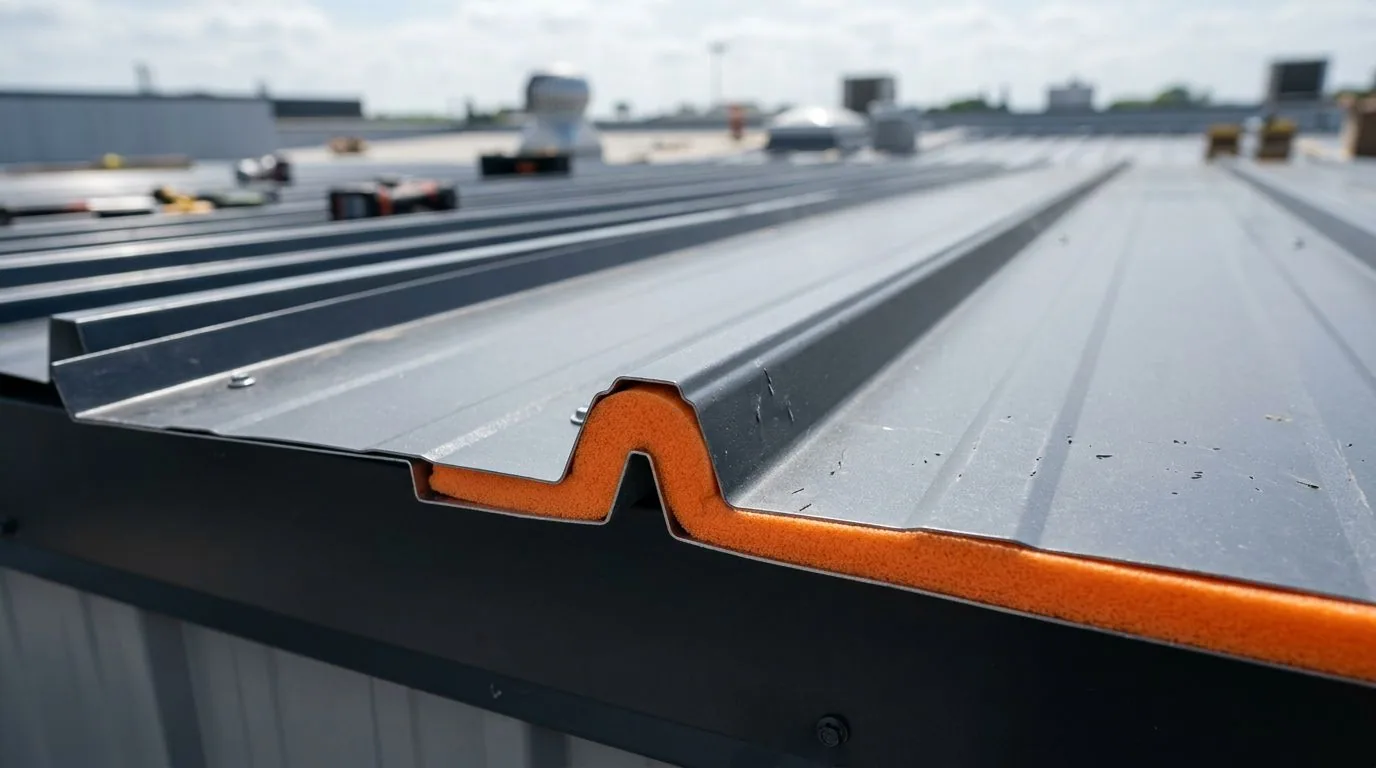
Severe thunderstorms in the region can carry large hail and damaging wind, hazards that peak in spring and autumn. The pattern informs readiness; it does not establish damage at a particular Midtown property. After a report, we check actual impacts, lifted edges, punctures, seam movement, flashing conditions, and debris at drains. Temporary water control is recorded separately from permanent repair, and photographs are tied to the plan so the owner can see each inspected zone.
Drainage observations matter even when the reported issue appears at a wall or curb. We look for a restricted outlet, displaced membrane, or condition that interrupts the path to a drain, then document what is observed without assuming a hidden cause. A hail damage review can organize the impact findings, while a drainage repair assessment addresses water that remains after rain. If a test or access restriction leaves a question open, the report marks it as such rather than treating an uninspected area as clear.
Scope, cost, and project handoff
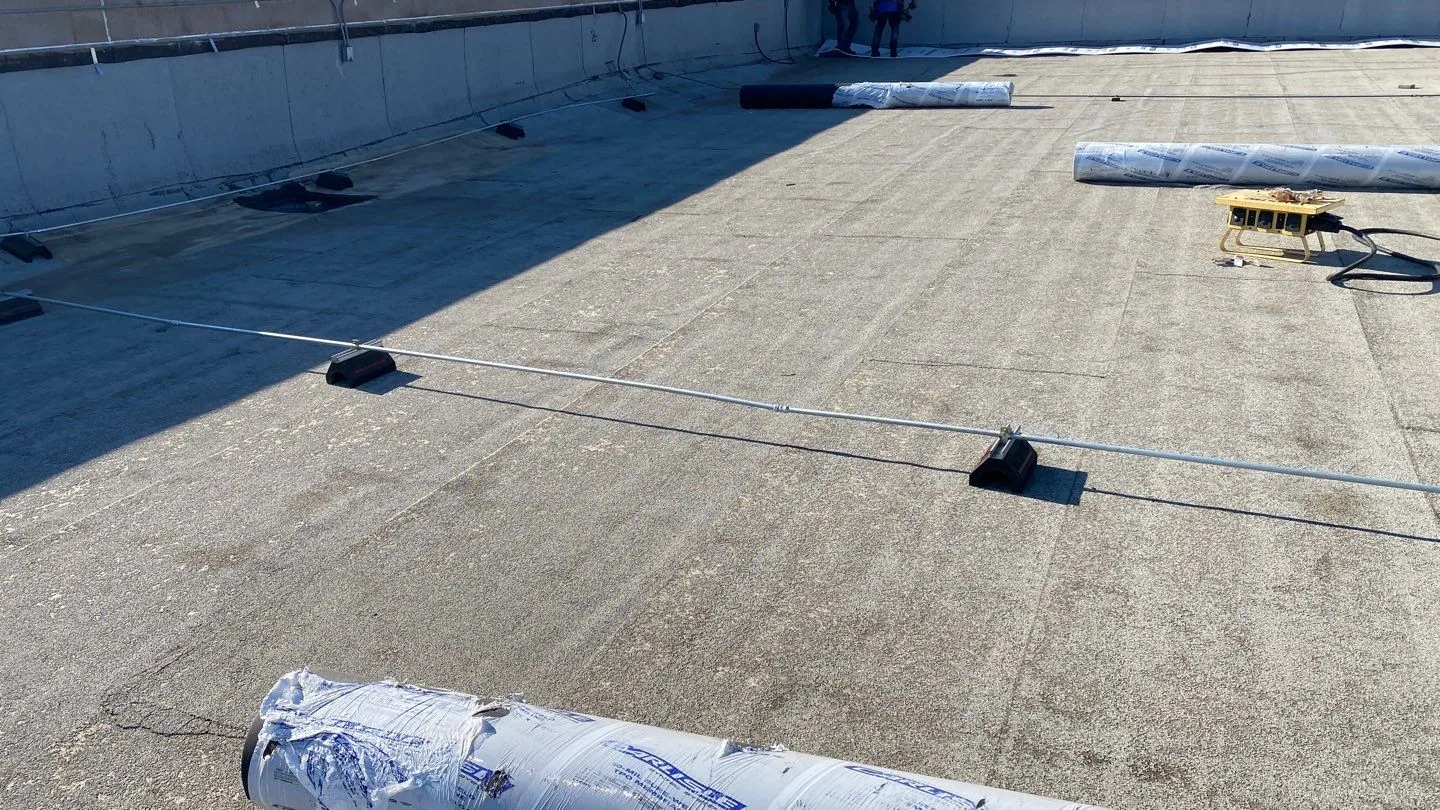
Price and duration depend on system type, roof height, access, penetrations, staging, removal quantity, insulation or deck work, and weather-sensitive steps. Occupied-property restrictions can add smaller work packages and more frequent handoffs. We identify the authorized zone, measured work, assumptions, and pending tests separately; if access or concealed conditions change, the general contractor has a clear basis for a documented scope revision. A recover is considered only after layer count, attachment, moisture, drainage, and structural questions are checked.
At shift closeout, the record lists completed details, temporary protection, drain path, material status, photos, and open tests. The next crew can see which roof-zone release is ready and which remains held. For broader decisions, capital planning support can separate urgent water control from renewal that belongs in a later budget window. Send the roof plan, system records, current condition, occupied-area limits, and decision date. Expect a sequenced field plan with release contacts, tests, and approvals identified for the general contractor.
Commercial Roofing Questions
Does the Midtown plan identify the roof type on a building?
No. Midtown planning recognizes the district's healthcare and education role and includes improvements for 5th Street and Beckham Avenue. We use the building's records and field inspection to establish the roof system, attachment, drainage, and repair history before selecting a detail.
How do you coordinate roofing above occupied uses?
We confirm the areas, routes, hours, and equipment that must remain available, then place those limits in the work package. Each roof-zone release identifies permitted work and its contact. If the sequence needs a pause, temporary protection and the next access condition are recorded for the crew handoff.
Can a July climate normal set the coating schedule?
It can help with seasonal planning, but the actual substrate reading and the product's installation range govern. We check the surface and ambient conditions at the work area. A step that falls outside its permitted window waits until the field reading supports application.
What happens if a test point changes the repair quantity?
We document the exposed layers, moisture, and deck condition, then stop at the authorized limit. The project team receives the result and options before removal expands. The revised scope names the additional quantity and approval required for the next release.
How do you separate storm damage from an existing roof issue?
Photographs and zone notes record the condition found, while the report keeps a weather report or owner description separate from the inspection. We identify new impact, prior repairs, open seams, drainage restrictions, and areas still needing access. That record supports a focused next test or repair decision.
Related Pages
Commercial Roof Inspection
Tyler, TX
Tyler
Tyler, TX

Commercial Roof Condition Reports
Tyler, TX
PVC Roofing
Tyler, TX

Set the Midtown work sequence
Share the roof plan, assembly records, access periods, occupied-area limits, and decision deadline. We will return a sequenced work package with tests, protection, and roof-zone releases marked.