
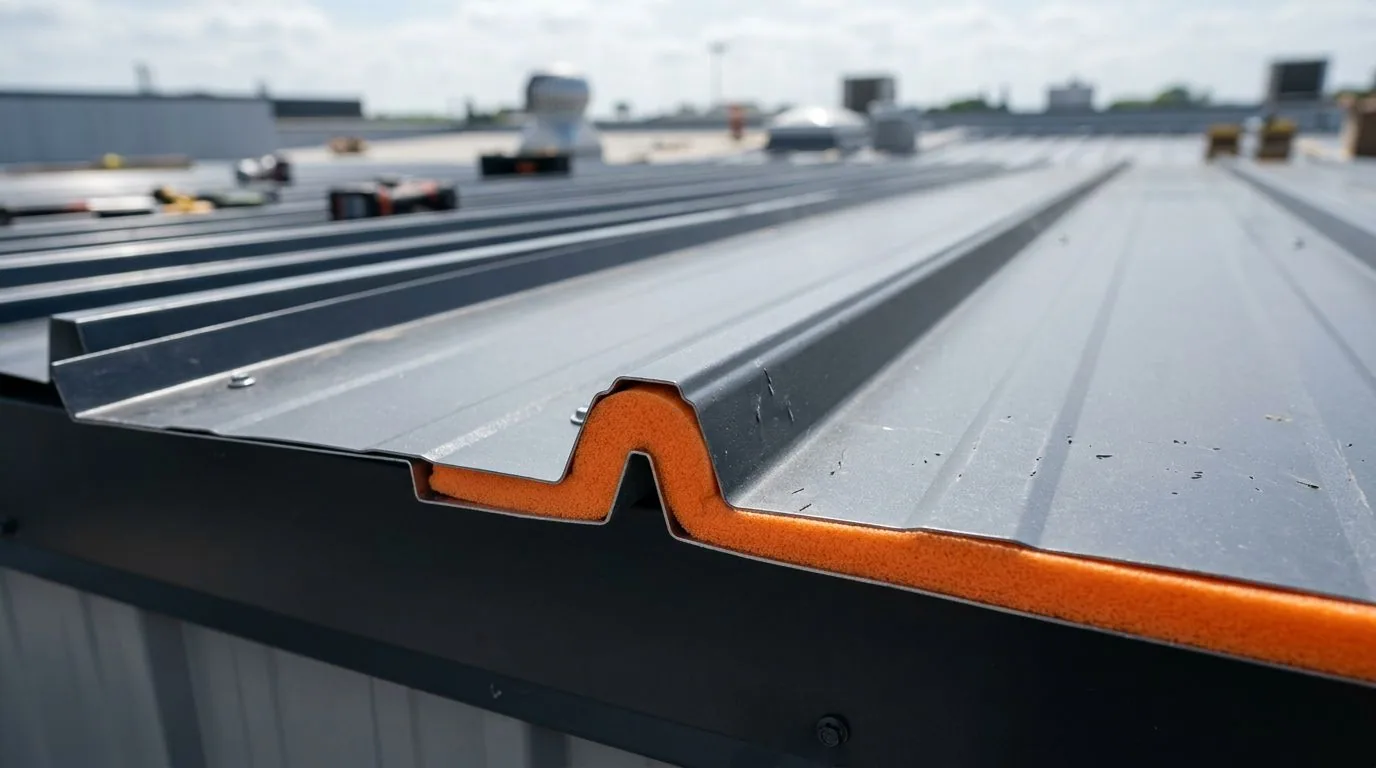
After spring storms, a Tyler, TX capital plan needs a roof-zone check before it assigns a repair or replacement year. Hail and damaging wind are regional hazards, and a recent event can change what was in the last budget file. We compare field observations with repair history, moisture questions, and the confirmed assembly, then mark what still needs testing. The result is a work sequence with decisions attached to evidence instead of a calendar entry that assumes every roof has the same condition.
Tyler’s July normal high of 94.5°F also affects when heat-sensitive preparation and bonding can proceed. We separate planning assumptions from the day’s substrate reading, then identify access releases and weather hold points that can move the schedule. A Tyler capital review can cover one property or a set of roofs, with repair, recover, coating, and replacement options tied to the assembly each building actually has. The budget file records the next approval and the information still needed to issue a field scope.
A field baseline for each roof
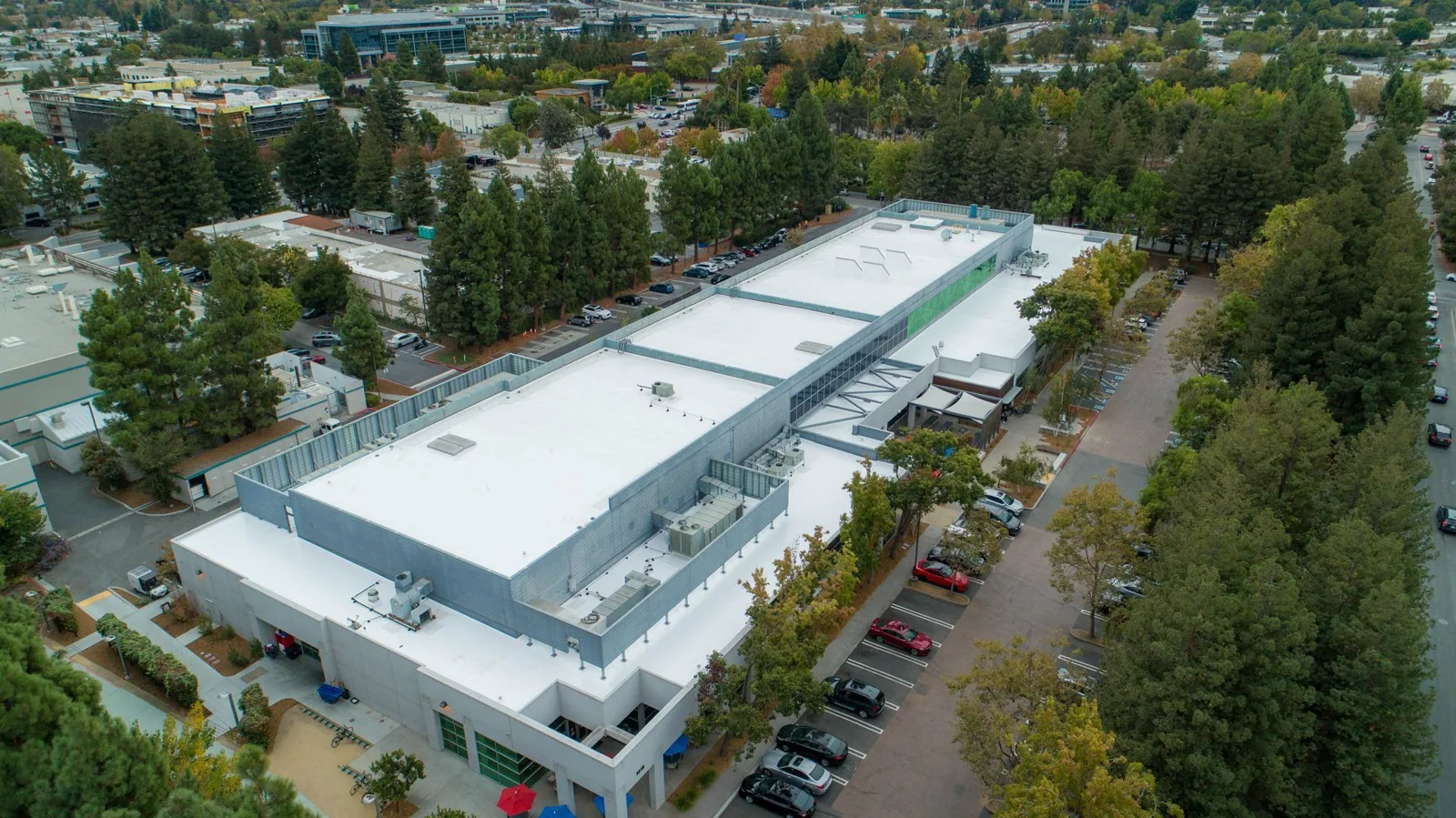
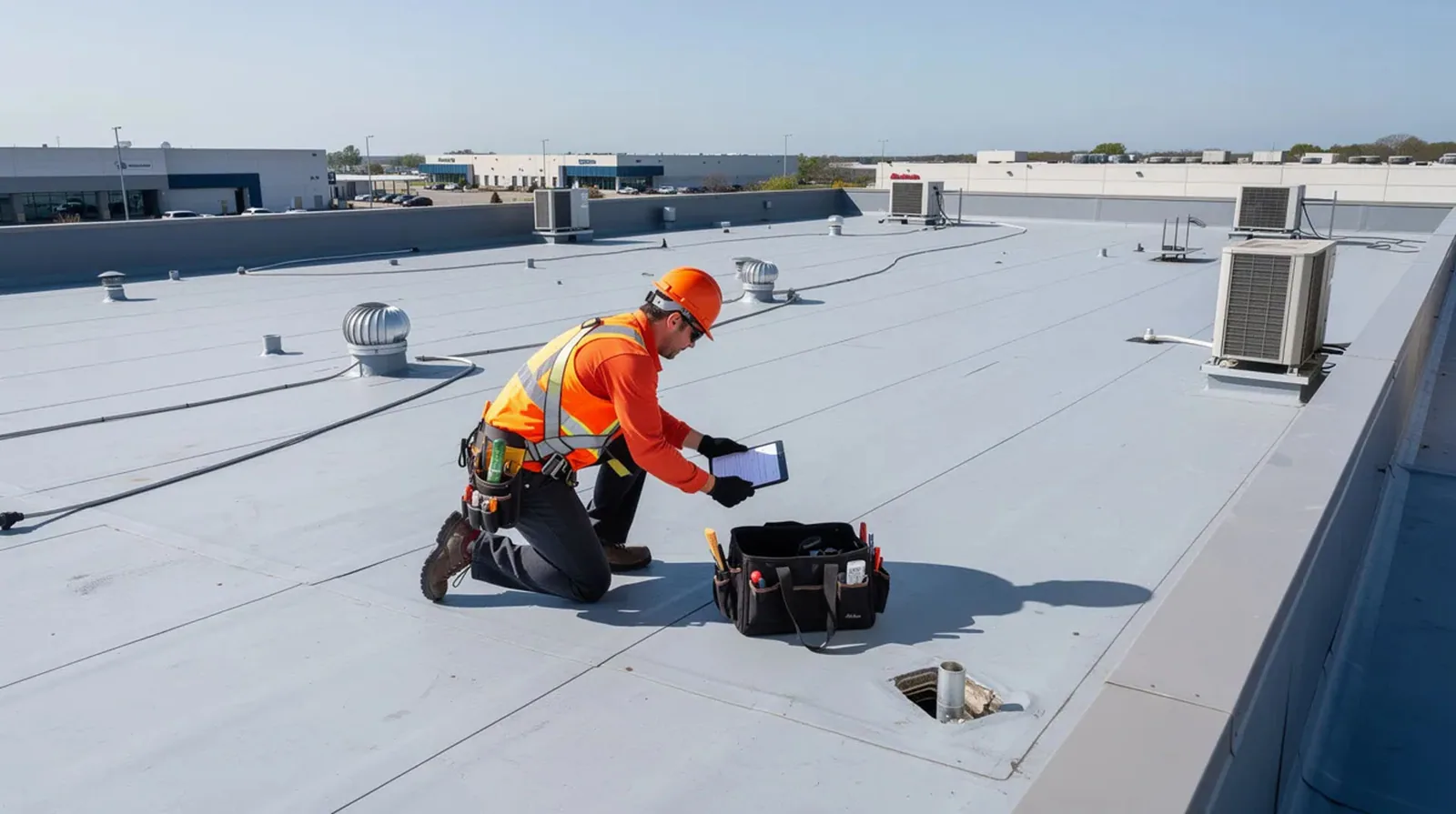
A budget starts with a condition that the project team can locate again. We map the roof zones, visible seams and transitions, drainage points, edge details, rooftop equipment, and areas where interior reports suggest a concern. Photos and notes identify whether an item is active, monitored, repaired, or waiting for a test. If drawings do not match the exposed layers, the discrepancy stays open until a test or record review confirms the assembly. This prevents a preliminary number from carrying an unsupported assumption into procurement.
For each zone, we list the likely work package and the factors that could change it: wet insulation, deck condition, attachment, compatibility, access, interior protection, or trade coordination. A condition report can preserve the findings, while an updated asset record keeps the history connected to later budgets. We distinguish a repair item that can move forward from a question that needs owner or designer approval. That makes the budget useful for sequencing before all project decisions are final.

Repair, recover, coat, or replace
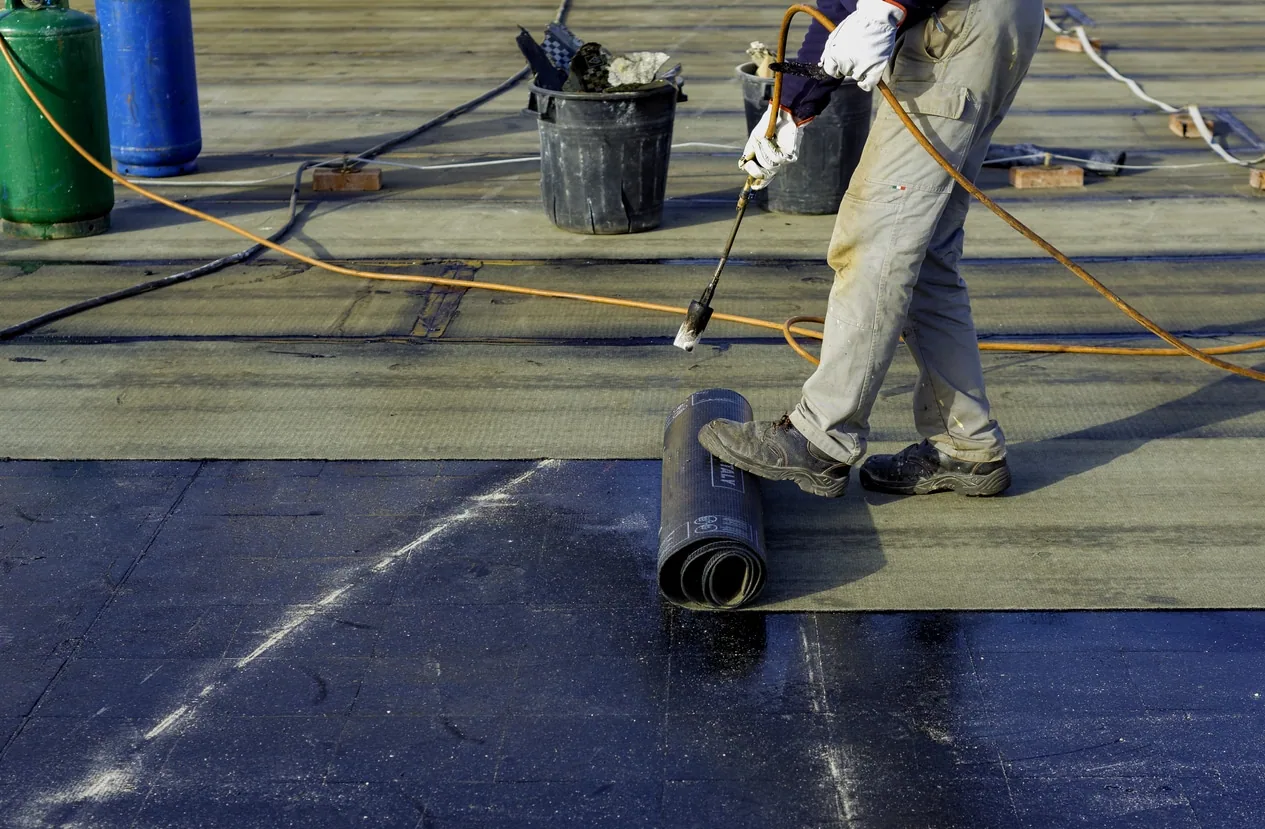
Options need to be compared against the same confirmed roof facts. A repair may fit when sound material surrounds a limited failure; a recover turns on the layers already in place, moisture, attachment, drainage, and the applicable code path. A coating proposal requires a suitable substrate and adhesion result, plus enough preparation to support the specified system. Replacement can bring tear-off, insulation, edge metal, interior protection, and disposal into the scope. We mark these cost drivers separately so the team can see what is included and which test could change the recommendation.
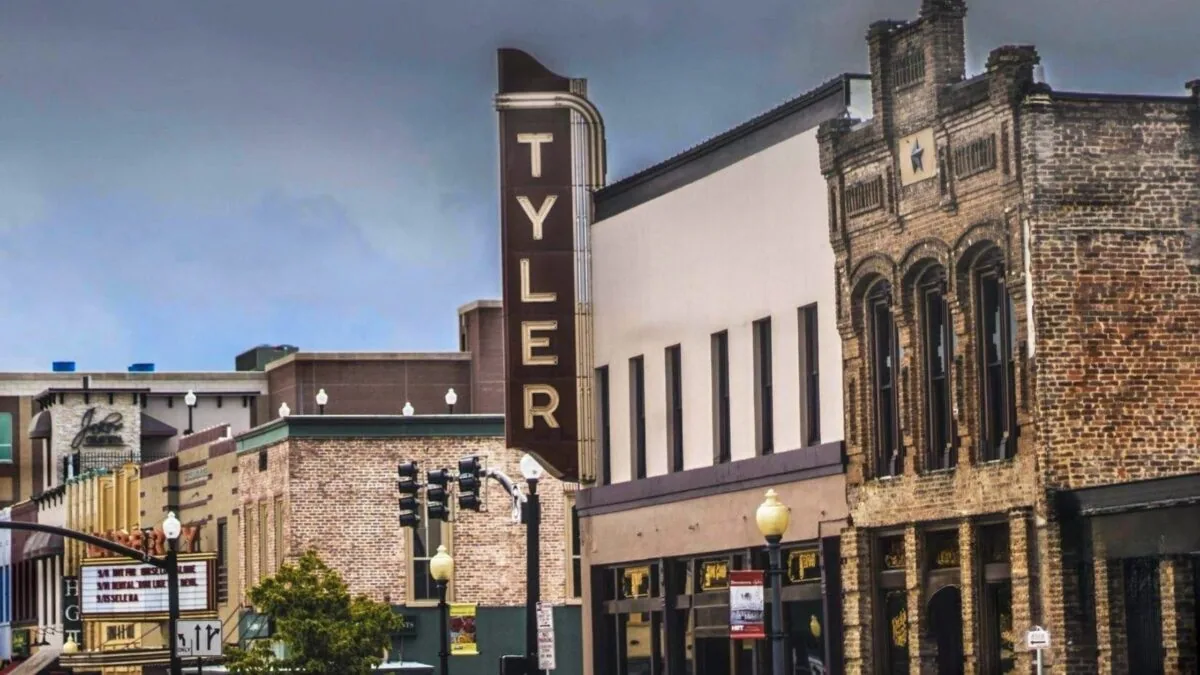
Tyler’s industrial and service properties do not share a default assembly or a common replacement sequence. The Downtown Tyler Historic District spans many parcels, so a portfolio plan can keep each building’s condition and access separate while presenting common approval points. Where a system-specific review is needed, we can connect the comparison to TPO assembly considerations or roof coating restoration. The budget remains preliminary until roof-zone findings, tests, and project requirements are confirmed.
Weather windows and access
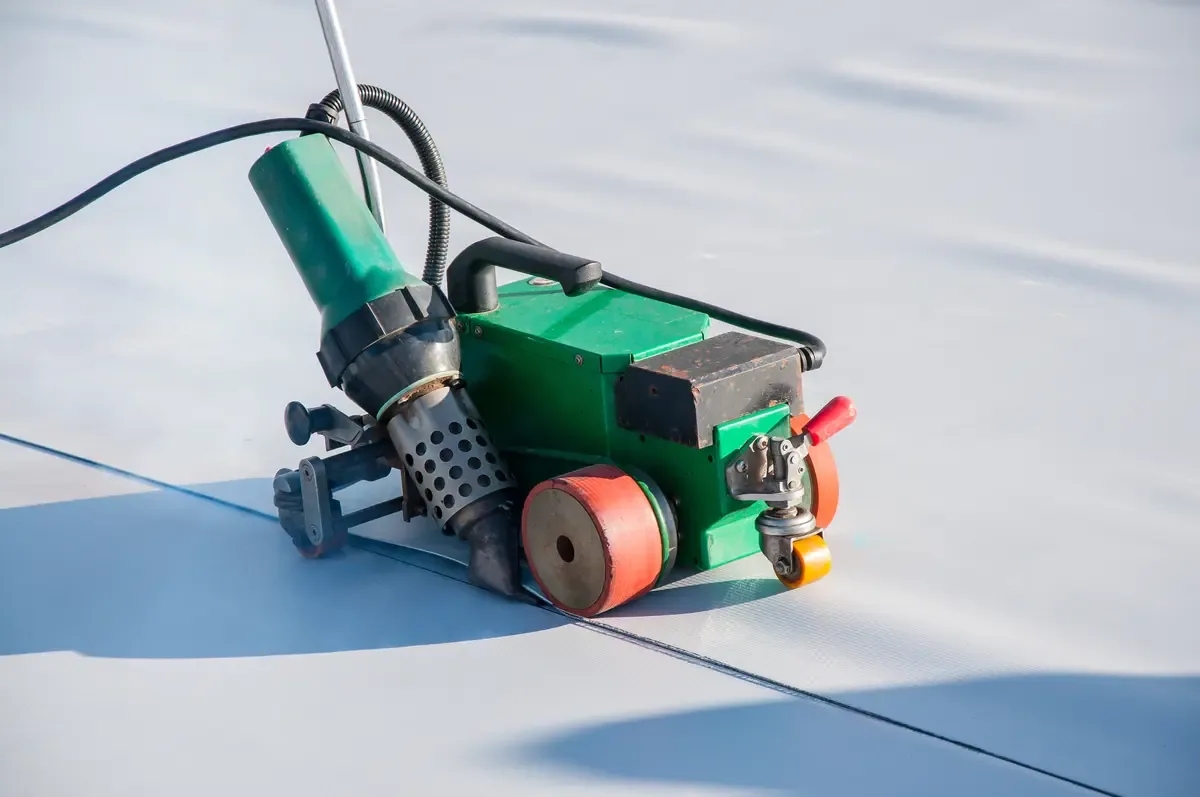
Scheduling belongs beside the scope because the same repair can require different preparation when the roof is hot, wet, or exposed to an approaching storm. We identify tasks that depend on surface temperature, dry substrate, primer or adhesive cure conditions, and protected staging. A weather delay may require a temporary closeout and a new access release. The work package should state which roof zone is complete, which remains exposed, and who can authorize the next period on the roof.
The Lindale Business Park is a multi-property area north of Interstate 20 planned mainly for office, hotel, and service uses. Tyler Interstate Commerce Park is another large business-park project beside I-20. For a plan that spans these areas, building uses can require distinct delivery, tenant, and operating windows even when funding is reviewed together. We place storm observations, access limits, and crew handoffs into the sequence rather than hiding them in a general contingency. For a building in Lindale Business Park, the capital package identifies its assembly, access period, and tests needed before material selection.
Tests and approval gates
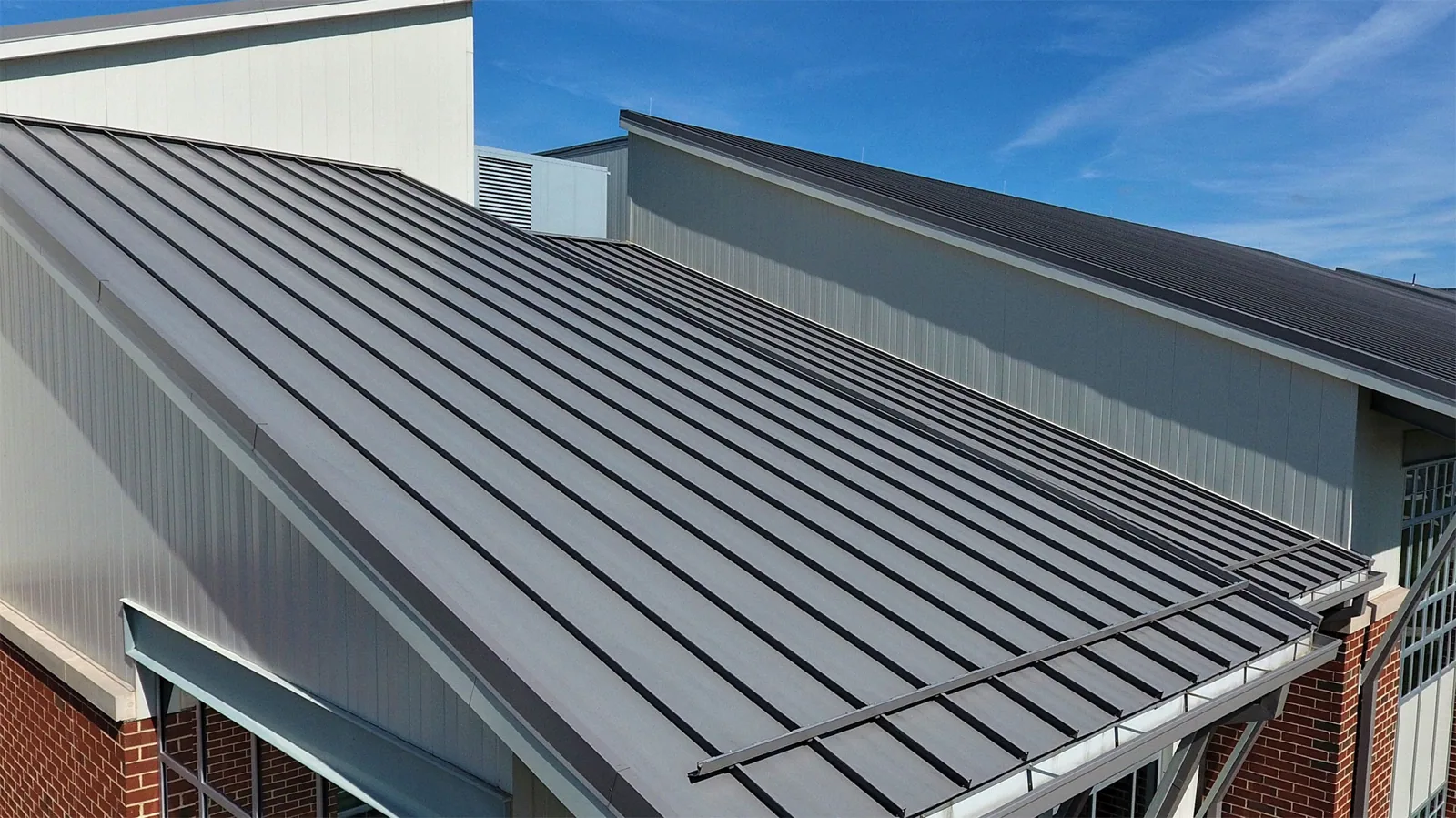
Capital approval may depend on information that a visual walk cannot supply. We identify test cuts, moisture readings, adhesion trials, fastener pull tests, or designer review when the assembly question calls for them. Each open item gets a purpose and a decision owner, so a test does not become a field activity without a planned use for its result. If the test reveals concealed damage, the team can review the scope at that hold point before releasing additional work.
Tyler’s spring and autumn severe-storm exposure makes dated observations valuable when a roof has a planned repair in the same season. We log the affected area and compare it with prior conditions before revising the work package. For a hail concern, a hail-damage assessment can inform whether a repair belongs in the current budget or needs separate documentation. A roof inspection can update the physical baseline, while smaller maintenance items can remain visible as capital work waits for approval.
A scope the contractor can release
The budget becomes actionable when it names the scope, exclusions, tests, access assumptions, and decision deadline. We group work by roof zone and trade sequence, then show which items can proceed under the current authorization and which need design or owner direction. The work package can include material removal, substrate preparation, flashing and drainage details, temporary protection, and closeout records. Pricing follows confirmed quantities and conditions; the plan identifies the drivers without inventing a total before those inputs are known.
For a general contractor, the handoff should include the roof plan, assembly records, current report, leak history, access rules, and available funding window. We return the proposed sequence with open tests and hold points clearly marked, including the release needed to move from investigation to installation. A follow-up review can compare completed work with the approved scope and update the next budget cycle. The replacement scope then begins from the same documented condition used to make the capital decision.
Commercial Roofing Questions
What information makes a roof capital plan useful before final design?
Provide roof plans, assembly records, repair history, leak reports, current condition photos, access limits, and the decision deadline. We mark the assumptions that remain provisional and identify whether a test, designer review, or owner decision is needed. That gives the project team a budget path it can update without treating unknown layers as confirmed quantities.
How do you compare a coating with a recover or replacement?
The existing assembly sets the first gate. We review moisture, attachment, deck condition, drainage, material compatibility, and required preparation, then identify tests that support each option. A coating needs a suitable substrate and adhesion evidence; a recover has to meet assembly and code requirements. Replacement is evaluated with removal, insulation, edge details, and interior protection in view.
Can a roof budget account for Tyler heat and storm timing?
Yes. Tyler’s July normal high is 94.5°F, so we flag tasks that need a substrate reading and a suitable adhesion window. Regional spring and autumn hail and damaging wind exposure also make post-storm condition checks useful. Field readings and current observations set the actual sequence for each property.
What changes the approved roof budget after a test cut?
A test may confirm the assumed assembly or expose wet insulation, deck deterioration, or an incompatible layer. We report the finding by roof zone, show which work item it affects, and pause at the defined hold point for scope review. The owner can then authorize the added work, revise the option, or request another test before crews continue.
What should the general contractor receive with the capital recommendation?
The handoff should include the roof-zone plan, condition evidence, option assumptions, cost drivers, access window, open tests, approval gates, and decision deadline. We state what can be released now and what still needs a response. That lets the contractor align the roof package with other trades and protect exposed areas if weather shifts the sequence.
Related Pages
Tyler
Tyler, TX
Commercial Roof Condition Reports
Tyler, TX
Commercial Roof Asset Management
Tyler, TX
TPO Roofing
Tyler, TX
Set the next roof budget gate
Send the roof plan, assembly records, access window, current condition, and decision deadline. We will return a sequenced work plan with option assumptions, open tests, and hold points marked.