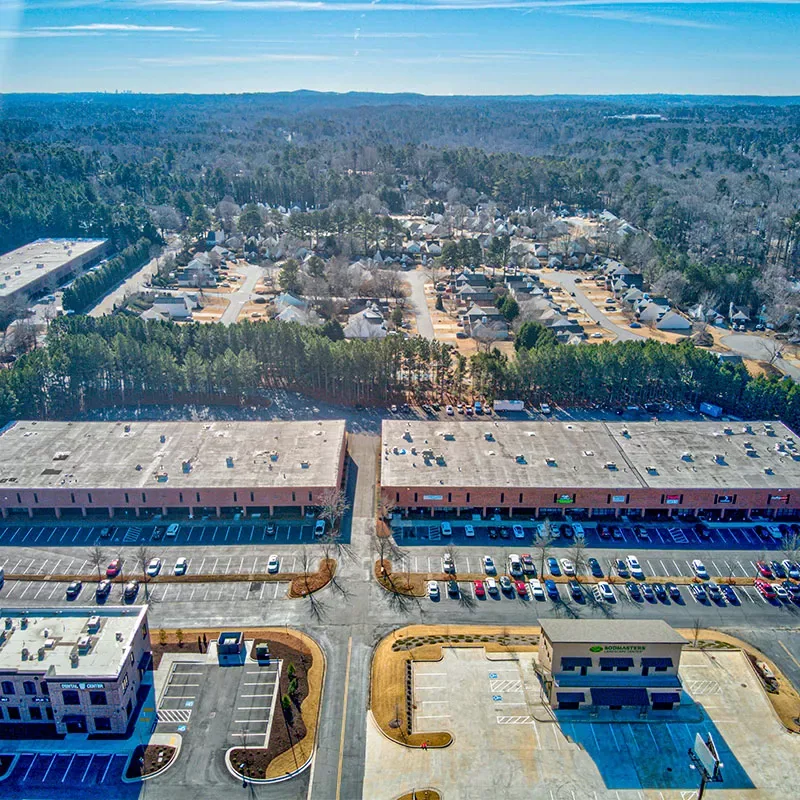
A roof project on Bullard’s U.S. 69 commercial corridor needs a staging and access plan before material reaches the roof. Bullard’s U.S. 69 corridor has a regional commercial role, including potential automobile-oriented retail. That land-use direction does not establish the tenant, building design, roof system, or access rules at any property. We confirm the actual assembly, loading route, occupied hours, and decision date before defining a work package.
The plan distinguishes this broader retail function from downtown’s smaller community-serving role and identifies U.S. 69, FM 2493, and FM 344 as key transportation corridors. Each property still needs a separate roof-zone map and field reading. With Tyler’s normal July high averaging 94.5°F, a Bullard corridor work package reserves suitable periods for heat-sensitive preparation and detail inspection. We check the substrate against product instructions before adhesion-sensitive work begins. A commercial roof inspection connects each observation to the correct building and repair boundary.
A regional route, separate property plans
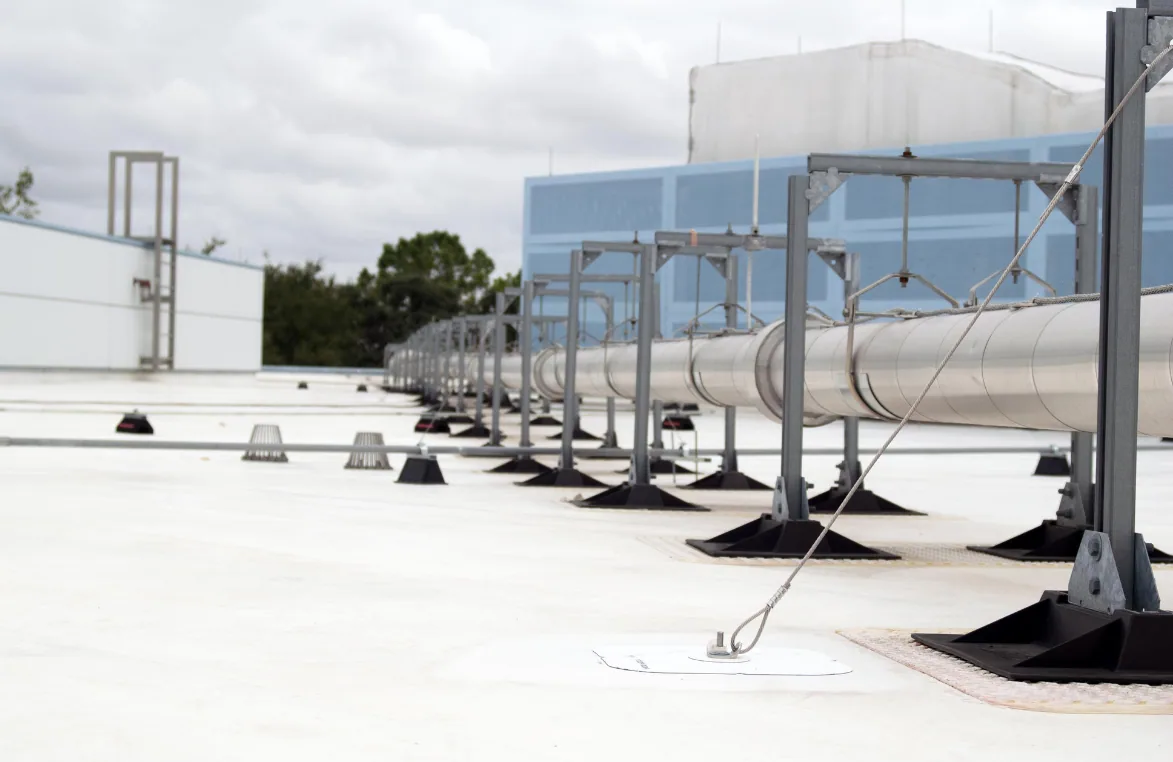
Regional retail along U.S. 69 and smaller-scale activity downtown can mean different operating calendars, but a planning designation does not tell us how a roof is built. We verify the address, roof hatch, delivery route, lift limits, equipment clearances, and the contact who can release access. For a property with vehicles or customer-facing operations, the staging map should identify where work can proceed without crossing the agreed operating path. Those requirements go in the field plan before mobilization.
A building in the Bullard Downtown Area and one along the FM 2493 corridor receive separate assembly notes, access contacts, and repair boundaries. A portfolio may include all three contexts, but inspection findings do not transfer between them. We label each roof, attach photos to its own plan, and record the assembly or test result that controls the next release. A multi-site coordination plan can retain that separation while giving the general contractor one schedule for open approvals.
Access, equipment, and roof-zone release
On a commercial roof, staging distance and equipment clearances affect how much material a crew can safely place in a released zone. We check the route from delivery point to roof access, then mark areas that must stay clear for HVAC service or other trades. If a curb, penetration, or edge detail remains open for another scope, the membrane closeout waits until that work is complete. The general contractor receives a hold point and the person responsible for releasing it.
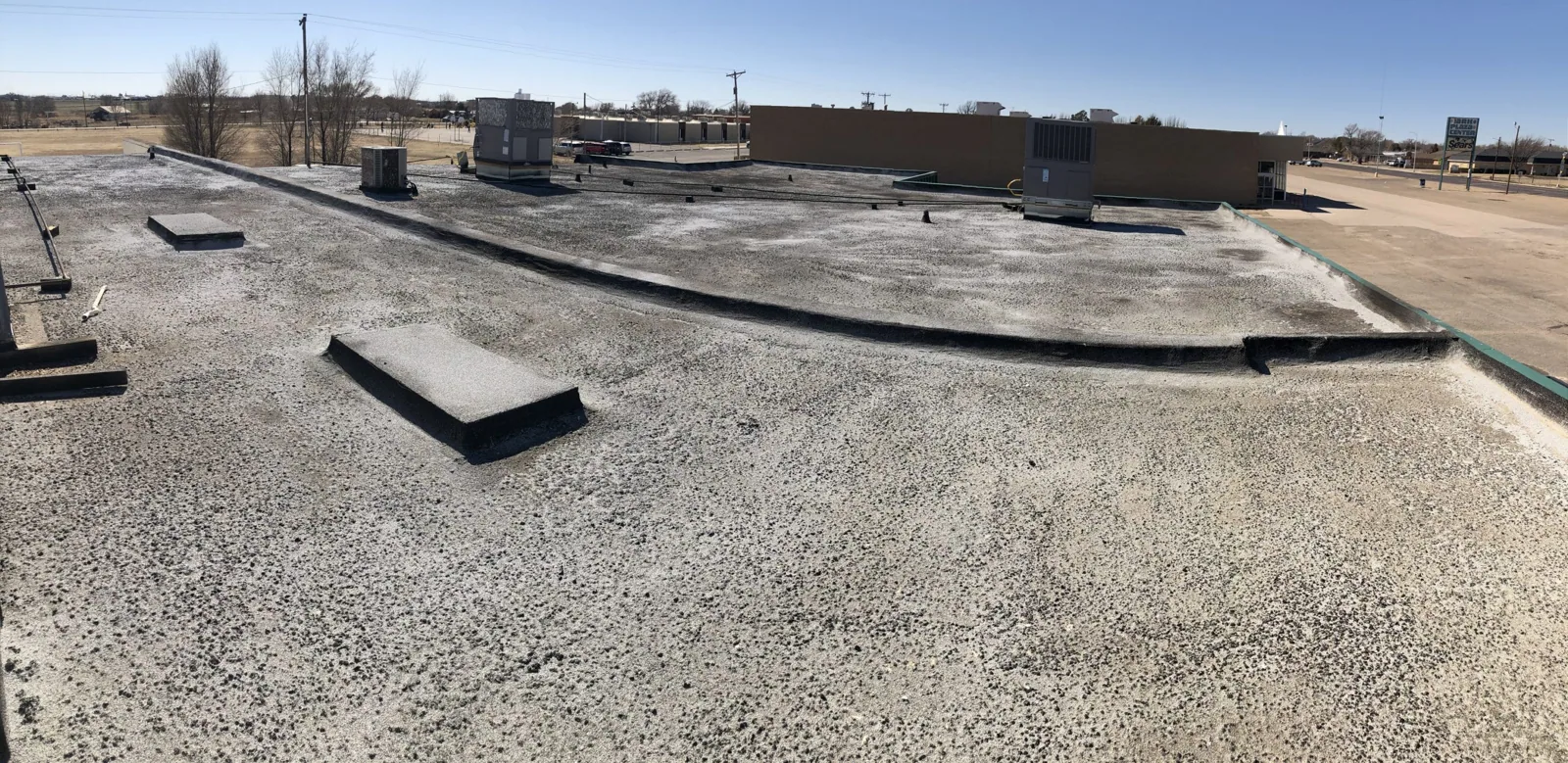
We trace seams, penetrations, perimeter metal, flashing transitions, and drains against the roof plan. A photo records the observed condition and its position, while the report notes whether access or stored material limited inspection. If a concealed layer could change the recommended repair, we propose an infrared survey or test cut with a stated purpose and restoration detail. The owner approves that opening before removal expands. A roof condition report keeps the finding and next decision together.
Heat window and preparation sequence
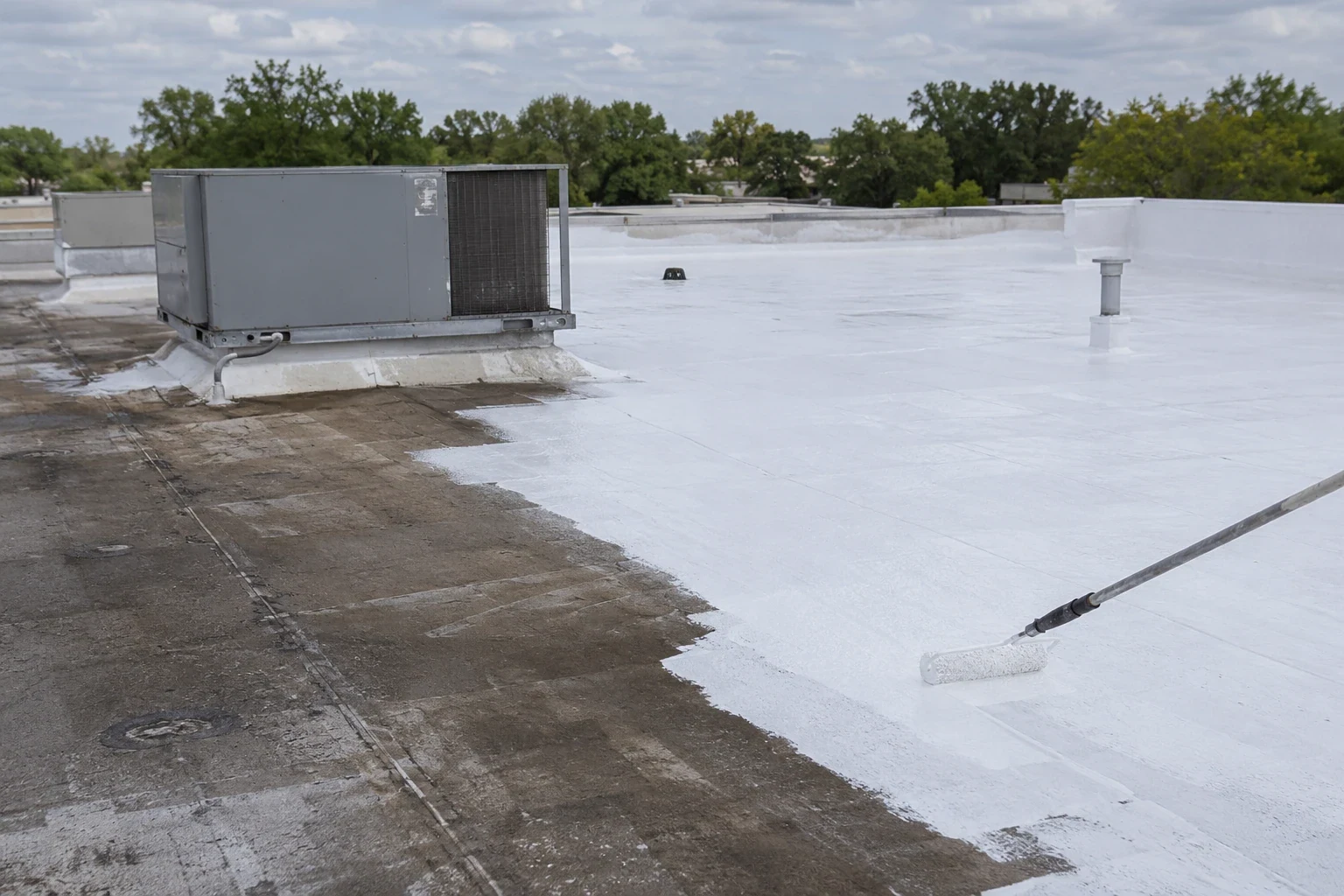
Tyler's 94.5°F normal July high is a useful calendar marker for Bullard corridor work, not a clearance to bond material. The crew takes a surface and substrate reading at the released zone and checks the selected adhesive, primer, sealant, or coating instructions. If those conditions do not support the planned step, the work package identifies another approved task or holds that detail until it can be checked again. The test point and next release remain attached to the zone record.
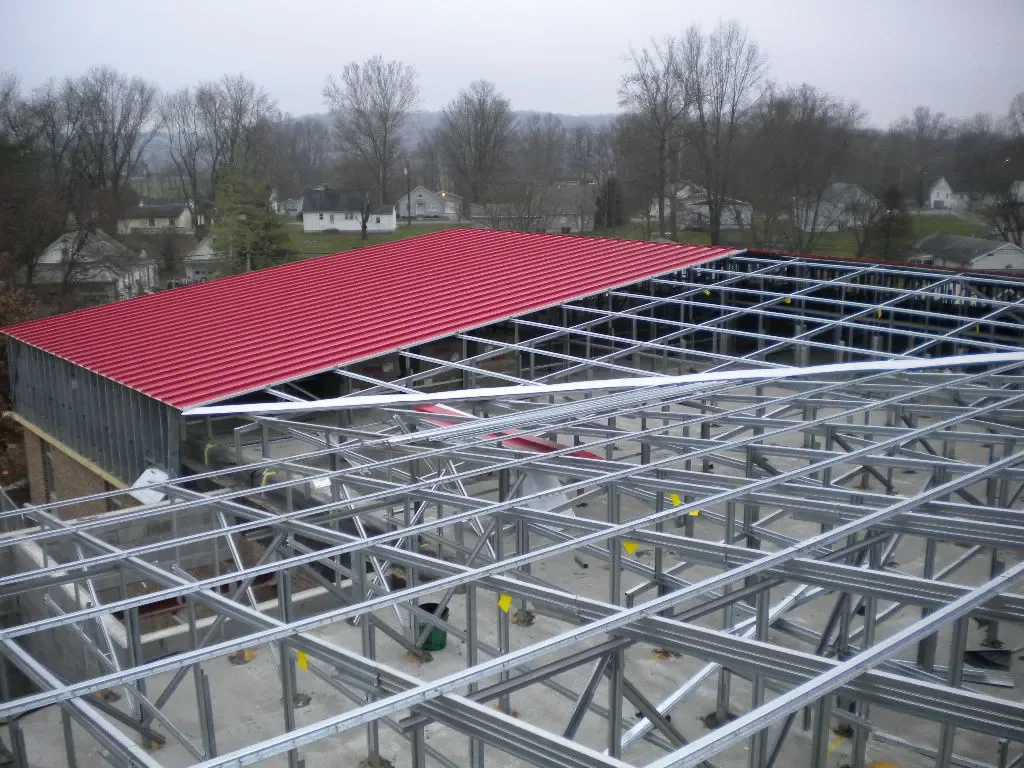
Preparation begins with the assembly, not a chosen product. We confirm membrane or metal type, surface condition, moisture, attachment, and drainage before comparing repair, recover, coating, or replacement. A coating requires compatibility and adhesion testing on a suitable substrate. A recover also depends on existing layers, edge height, and the code path. A restoration scope and a recover evaluation can be compared with replacement after those checks. No option should conceal unresolved moisture or a drain-path defect.
Hail, wind, and water control
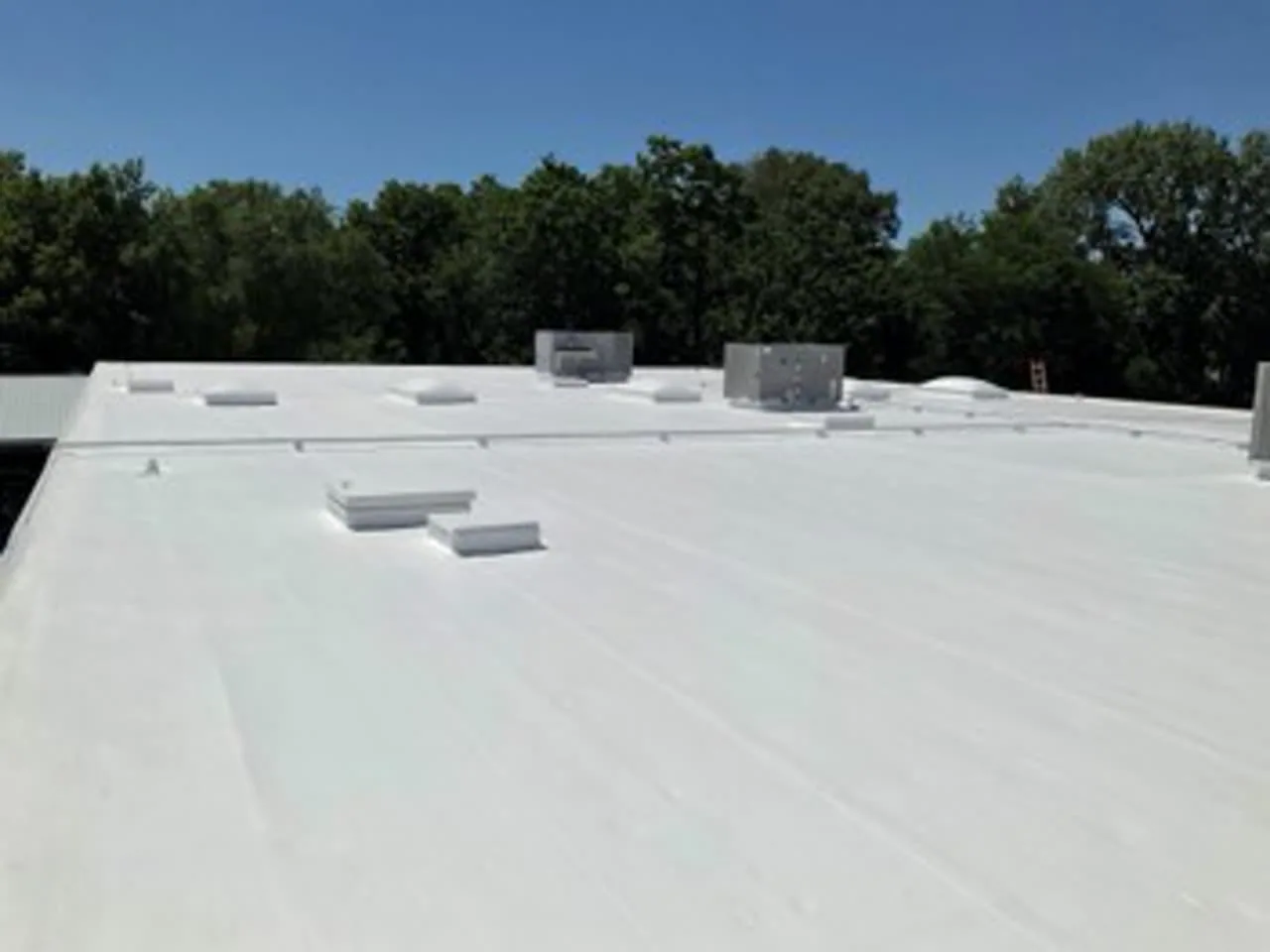
Hail and damaging wind can affect exposed commercial roofs during East Texas's spring and autumn storm periods. For a Bullard US 69 property, we do not apply a corridor-wide damage assumption; the inspection records the actual panel or membrane marks, edge movement, punctures, seam openings, flashing condition, and drain path found at that building. We compare those observations with dated repair records where available and keep each item tied to its roof zone.
If water is actively entering, contact us to confirm current dispatch availability, safe access, and interim protection suited to the roof and weather. We stabilize the opening where safe, record temporary protection and exposed edges, and note the interior area affected. Permanent work follows after confirming the assembly and approval boundary. A water-control response can protect the immediate work area, while a wind-detail inspection records edge and seam findings separately. Weather delay changes the release sequence, so exposed-section closeout receives a documented check.
Repair scope, replacement, and closeout
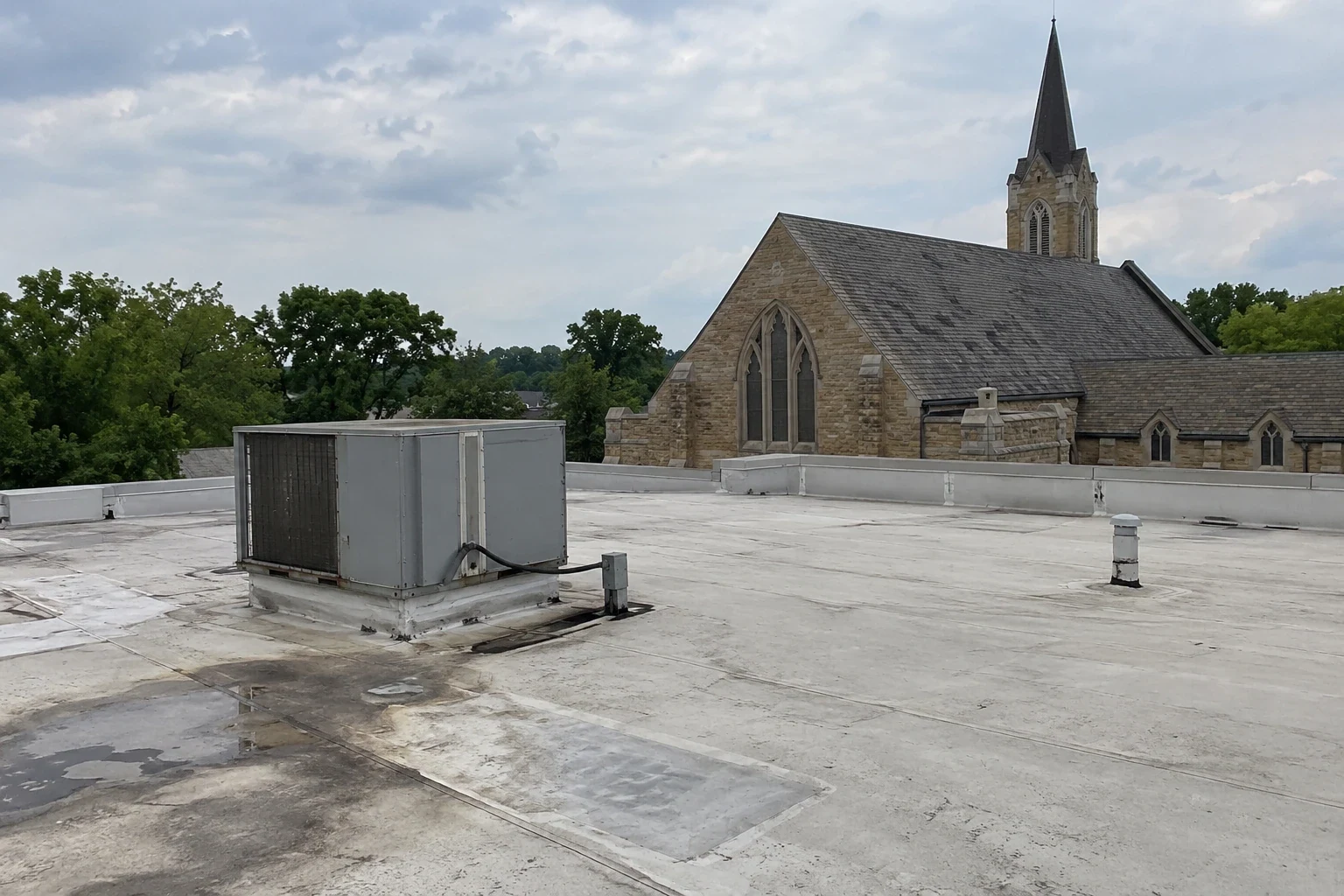
A targeted repair may fit when the surrounding material is stable and the defect has a clear limit. Repeated seam failure, wet insulation, deck deterioration, or unreliable attachment can move the decision toward testing or replacement. We record the observed condition, identify what remains concealed, and present any expanded removal as an approval point. Budget and schedule move with the roof assembly and opened area, plus penetrations, insulation, perimeter metal, staging, interior safeguards, and weather holds.
At shift end, the crew marks what is finished, what stays protected, drain status, and the condition needed for the next zone release. Photos remain with the plan so another trade can find the exact detail without reopening settled work. A maintenance visit can follow unresolved seams and drains over time. Send the roof plan, assembly and repair records, access rules, current condition, and decision deadline. A sequenced field plan comes back with tests, hold points, and approvals identified.
A property with frequent vehicle movement may also need a lift plan that keeps the work path distinct from active circulation. We check where a lift can set up, how materials reach the released zone, and whether an overhead detail remains accessible to another trade. Those conditions affect productive hours and staging cost. The field plan records the route and the release contact before the first delivery, then changes only after the site team approves a revised sequence.
Commercial Roofing Questions
Does U.S. 69’s commercial designation tell you what is on a roof?
No. The corridor has a broad regional commercial role and may include automobile-oriented retail. We confirm each property’s assembly, loading rules, drainage, penetrations, and roof access from records and field observations before setting scope.
Can a retail property stay open during roof work?
The access plan depends on deliveries, customer routes, equipment, and the work zone. We coordinate the approved window with the property contact and mark any area that must remain clear. A weather delay or changed operation can require a new roof-zone release.
What controls a coating decision on this corridor?
Substrate condition, moisture, compatibility, drainage, and adhesion results control it. We compare a coating with repair or replacement only after those checks. A coating does not correct wet insulation or an unresolved drain problem.
How are hail and wind observations documented?
We photograph the actual roof, map impacts and displaced details by zone, and compare dated records when available. Regional storm patterns can prompt an inspection, while the property findings define the repair boundary.
What does the general contractor need before staging?
Provide the roof plan, assembly records, access and delivery rules, operating hours, equipment restrictions, current condition, and decision deadline. We use that package to set staging, open tests, and the person responsible for each hold point.
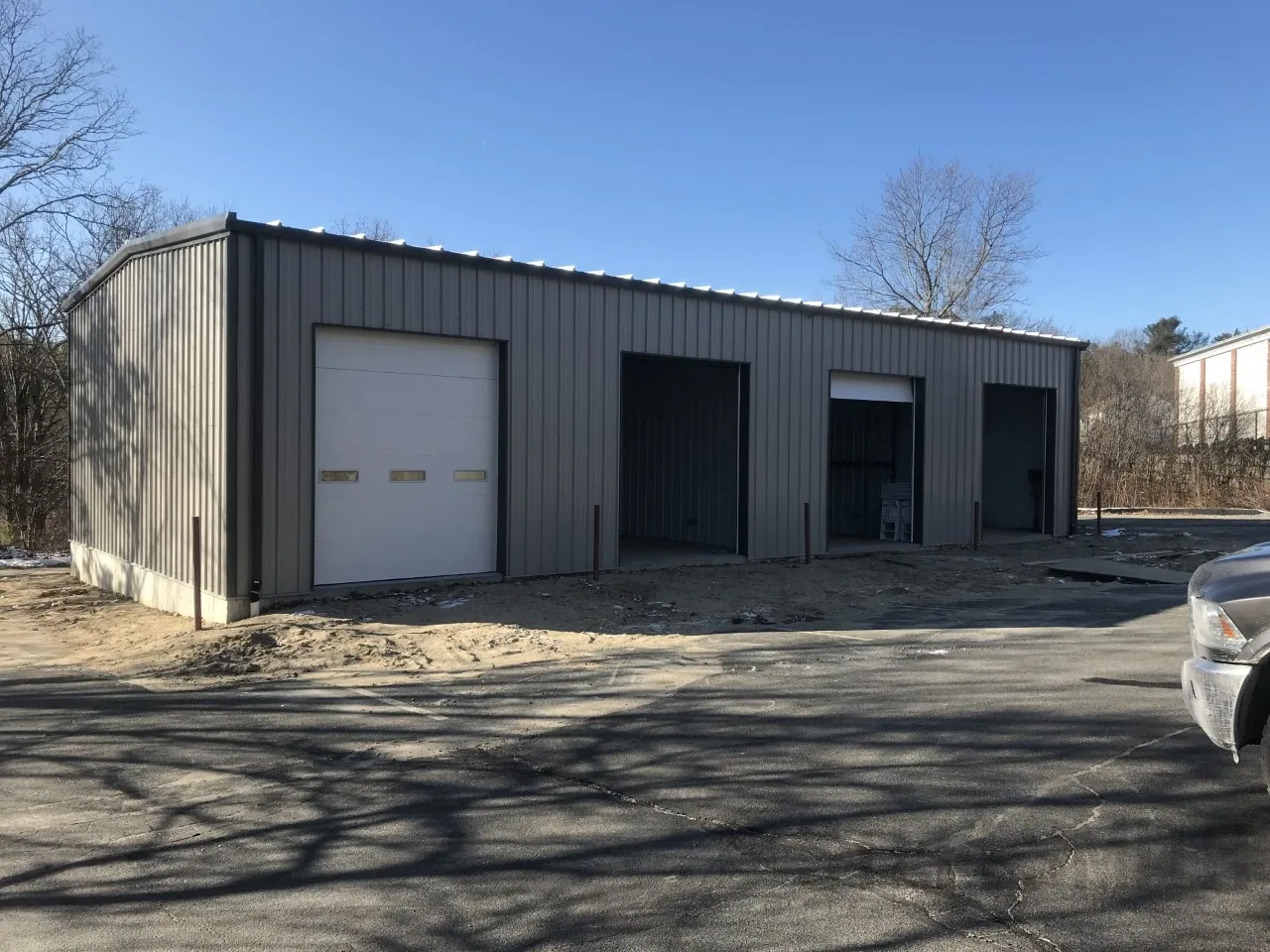
Related Pages
Commercial Roof Inspection
Tyler, TX
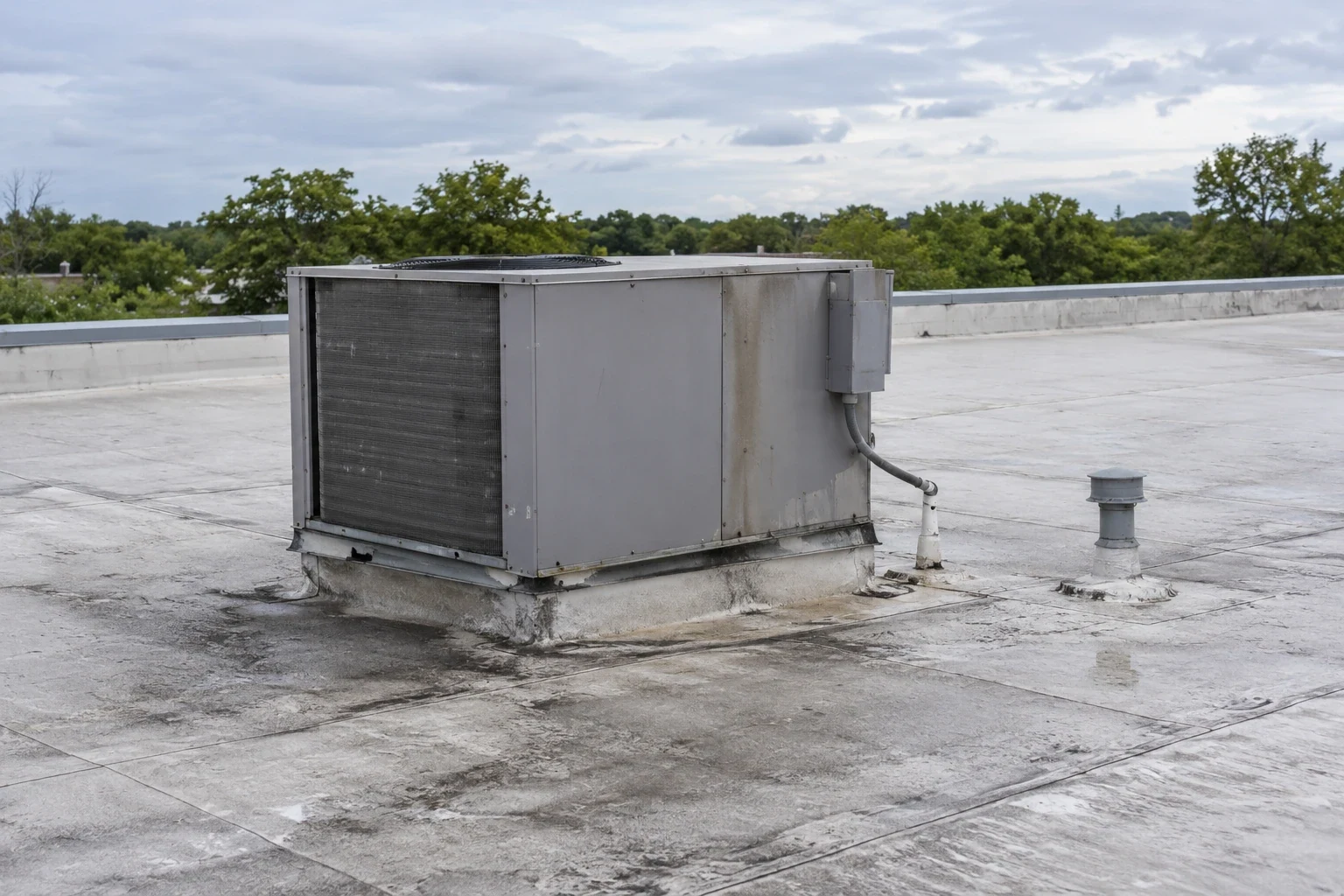
Bullard Downtown Area, Bullard
Tyler, TX
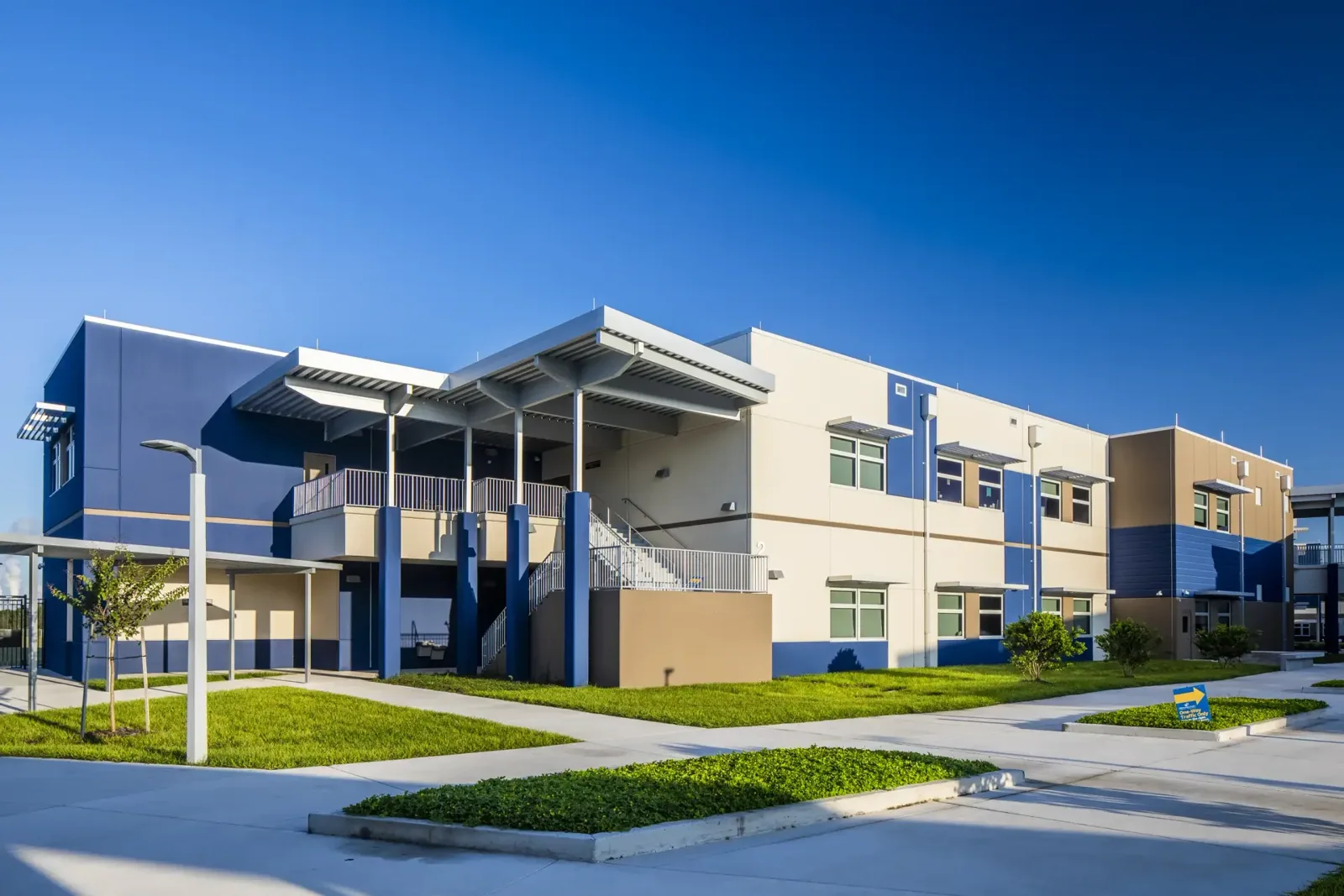
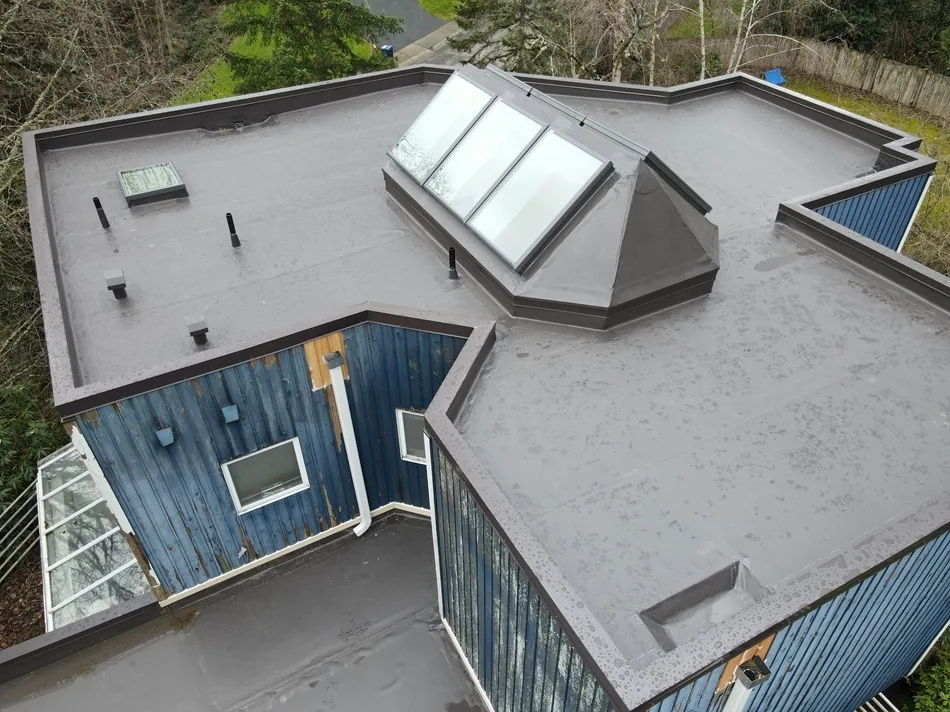
Multi-Site Commercial Roof Programs
Tyler, TX
Set the U.S. 69 roof work package
Send the roof plan, assembly records, access window, current condition, and decision deadline. We will return a sequenced field plan with open tests and hold points marked.