
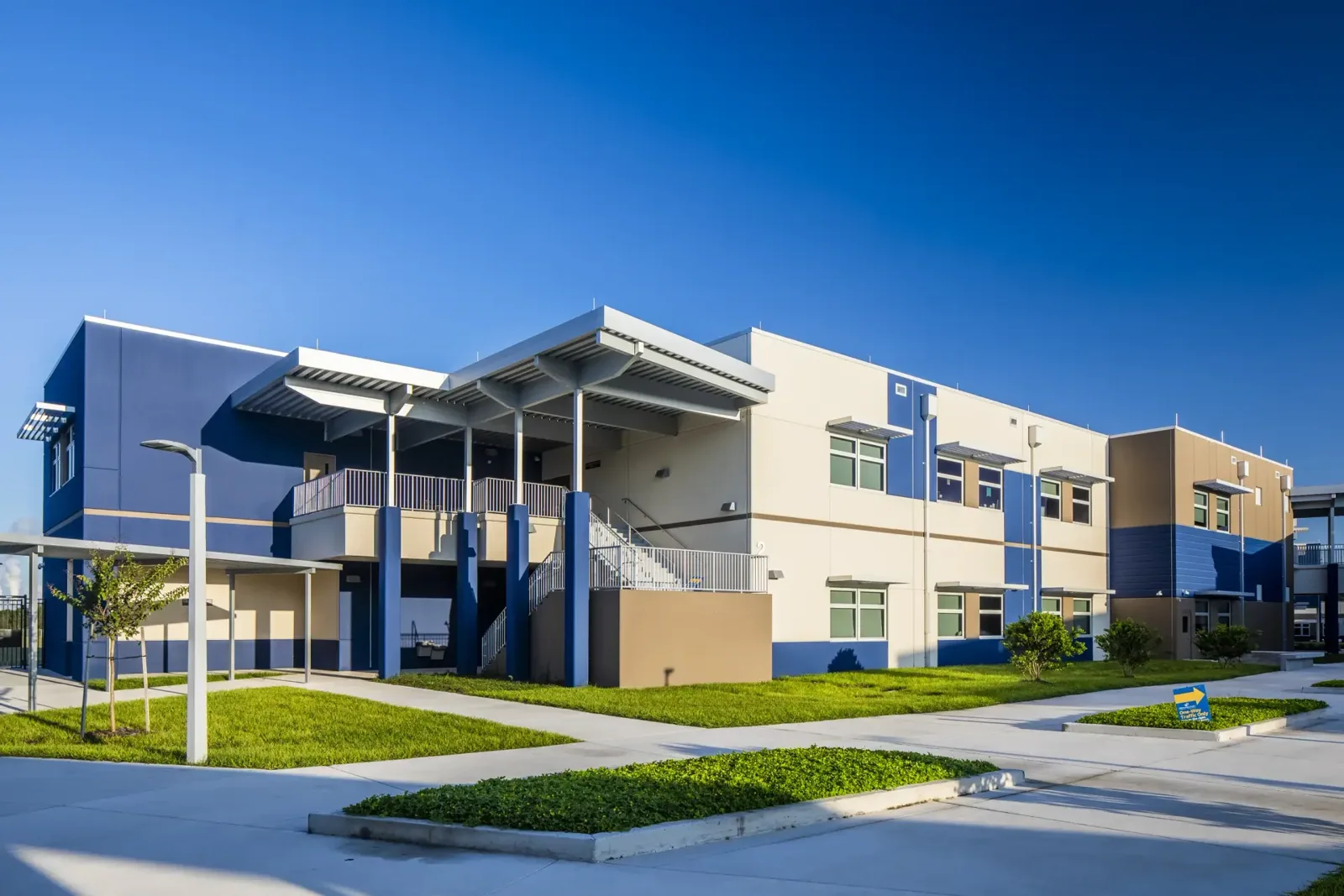
A downtown repair scope needs a roof-zone boundary that protects nearby operations and leaves a clear handoff for the next work period. Bullard’s comprehensive plan divides its downtown area into a Town Center Core, Mixed-Use Neighborhood, Park/Open Space, and Gateways. It calls for more local retail, preservation of historic structures, and infill development. Those are planning directions, not a description of any single building or roof. We confirm the actual assembly, access window, and occupied schedule before a crew stages material.
The plan describes downtown-compatible shops, offices, and service businesses. A roof over each property still needs its own field reading, drainage check, and repair history. We map seams, penetrations, edge metal, drains, and any exposed substrate to the roof plan, then mark a hold point if a test could change the scope. Tyler’s normal July high averages 94.5°F, so a downtown Bullard repair sequence reserves workable periods for preparation, bonding, and detail inspection. A commercial roof inspection sets the starting record before work is released.
Work windows in a mixed-use core
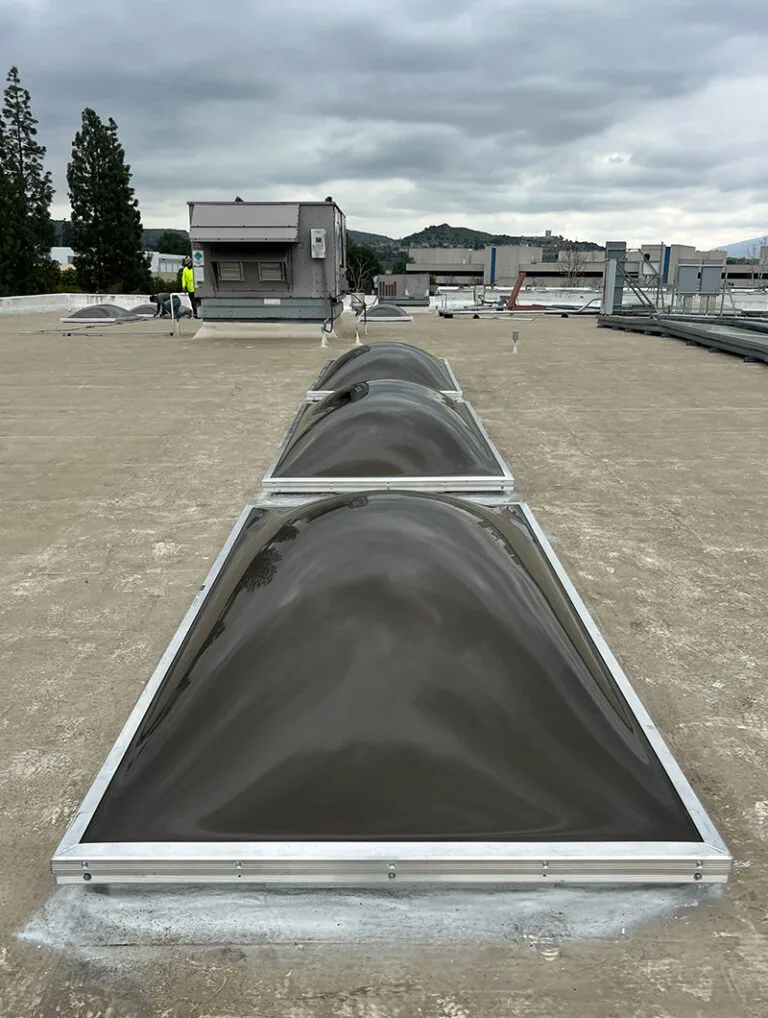
Shops, offices, and service uses can place different demands on loading, customer access, equipment, and interior protection. We confirm those conditions with the property contact instead of assigning the same staging plan to every downtown roof. The work package identifies the entrance, roof hatch, lift path, delivery window, and zone that can be closed. If another trade needs a curb or penetration held open, the hold point is marked before membrane closure.
The plan’s distinction between the Town Center Core, Mixed-Use Neighborhood, Park/Open Space, and Gateways helps keep a multi-property schedule legible. It does not establish a roof material or current tenant. We record each building separately and link the inspection finding to its location. For a portfolio that also touches the U.S. 69 commercial corridor or the FM 2493 corridor, each site keeps its own access release and assembly record. A multi-site work schedule can track those individual releases.
For a property with public-facing hours, we can separate noisy removal, material lifts, and interior checks into distinct access periods. The site contact releases each zone after the area below is protected and the roof is ready for the planned task. If a delivery or tenant schedule changes, the log records the revised window and the detail left under temporary protection.
Find the repair boundary
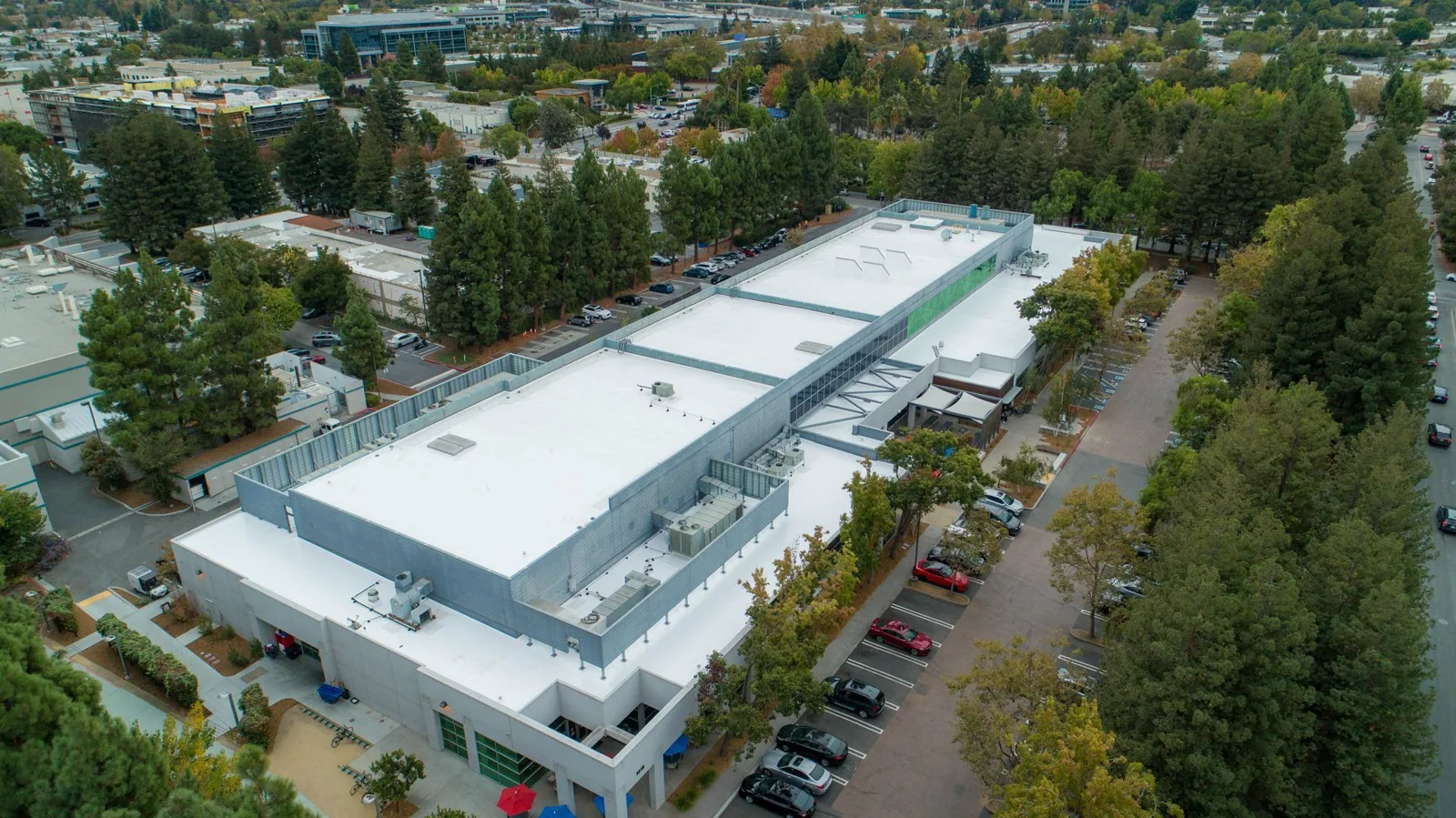
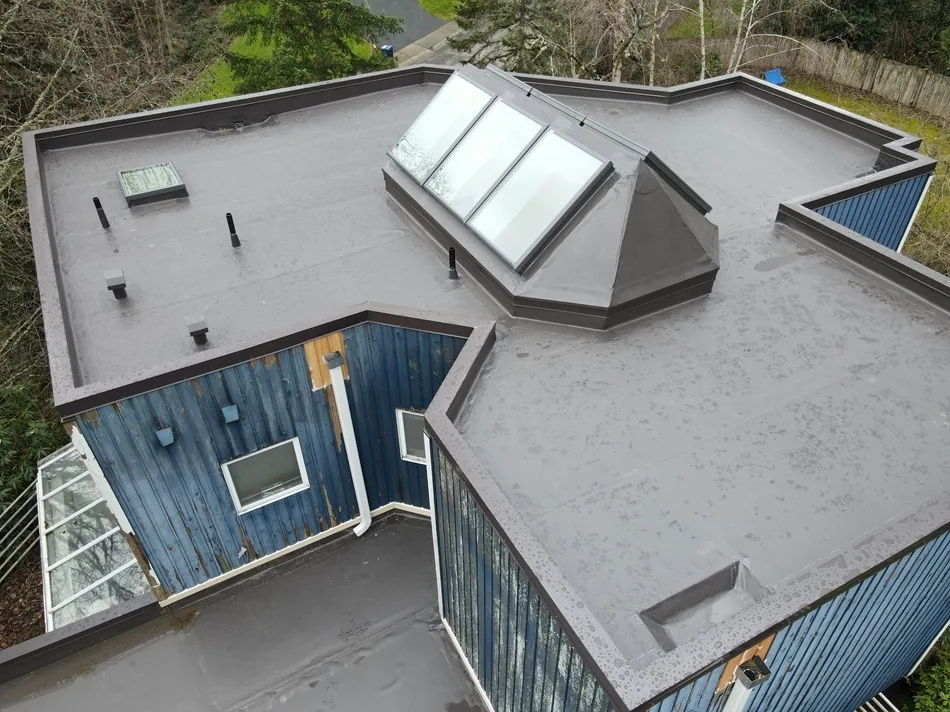
We start at the roof plan and trace visible water paths toward seams, penetrations, curbs, wall transitions, and drains. Photos identify the zone, defect, and access limit. If a leak appears near an interior ceiling, the observation does not by itself locate the roof opening, so we inspect above the affected area and record each candidate detail. Where stored materials or equipment prevent a view, the report states what needs another access period.
A soft area, recurring seam movement, or broad moisture pattern can change a repair decision. We use hands-on inspection, drone views, or infrared survey to identify the next test, then request approval before an opening is made. The package states what the test can answer, how the roof will be restored, and what condition keeps the work on hold. A photo-based condition report ties that information to the plan so the owner and general contractor can review one boundary at a time.

Heat-sensitive preparation
Tyler’s July normal high is useful schedule context for Bullard, but a roof surface needs its own reading. Before bonding, sealing, or coating, we check the substrate against the selected material instructions and mark the adhesion window. A high reading may move the work to a later period or another authorized task. The crew records the zone held and the reading required for release instead of pressing ahead with a bond outside its application range.
Preparation includes cleaning, drying, and removing loose material only to the agreed limit. We confirm membrane type, existing layers, and compatibility before selecting a patch or flashing detail. Coating requires sound material and a successful adhesion check; it does not correct concealed moisture or a blocked drain. A restoration evaluation can compare coating with repair or replacement after those conditions are reviewed. If the assembly calls for a new membrane, a TPO system review accounts for seams, penetrations, perimeter details, and drainage.

Storm review and temporary protection
In the Tyler region, large hail and damaging wind come with severe thunderstorms, and spring and autumn are the common periods. The regional pattern supports readiness, but a weather report does not establish damage at a Bullard property. We photograph actual impact, displaced metal, open seams, flashing movement, punctures, and drainage conditions by roof zone. Prior maintenance records help separate a newly observed condition from an existing repair item.
For active water entry, call us with the affected rooms and roof access, and we confirm dispatch before a stabilization visit is arranged. An agreed stabilization visit records the opening, temporary safeguards, and affected interior area; permanent repairs await an approved boundary. The repair proposal identifies the installed system, compatible tie-in, and person who can release the protected zone. A stabilization visit therefore gives the project team a defined starting condition, while the final repair package identifies materials, preparation, and closeout needed before the zone returns to normal use.
Repair, replacement, and release
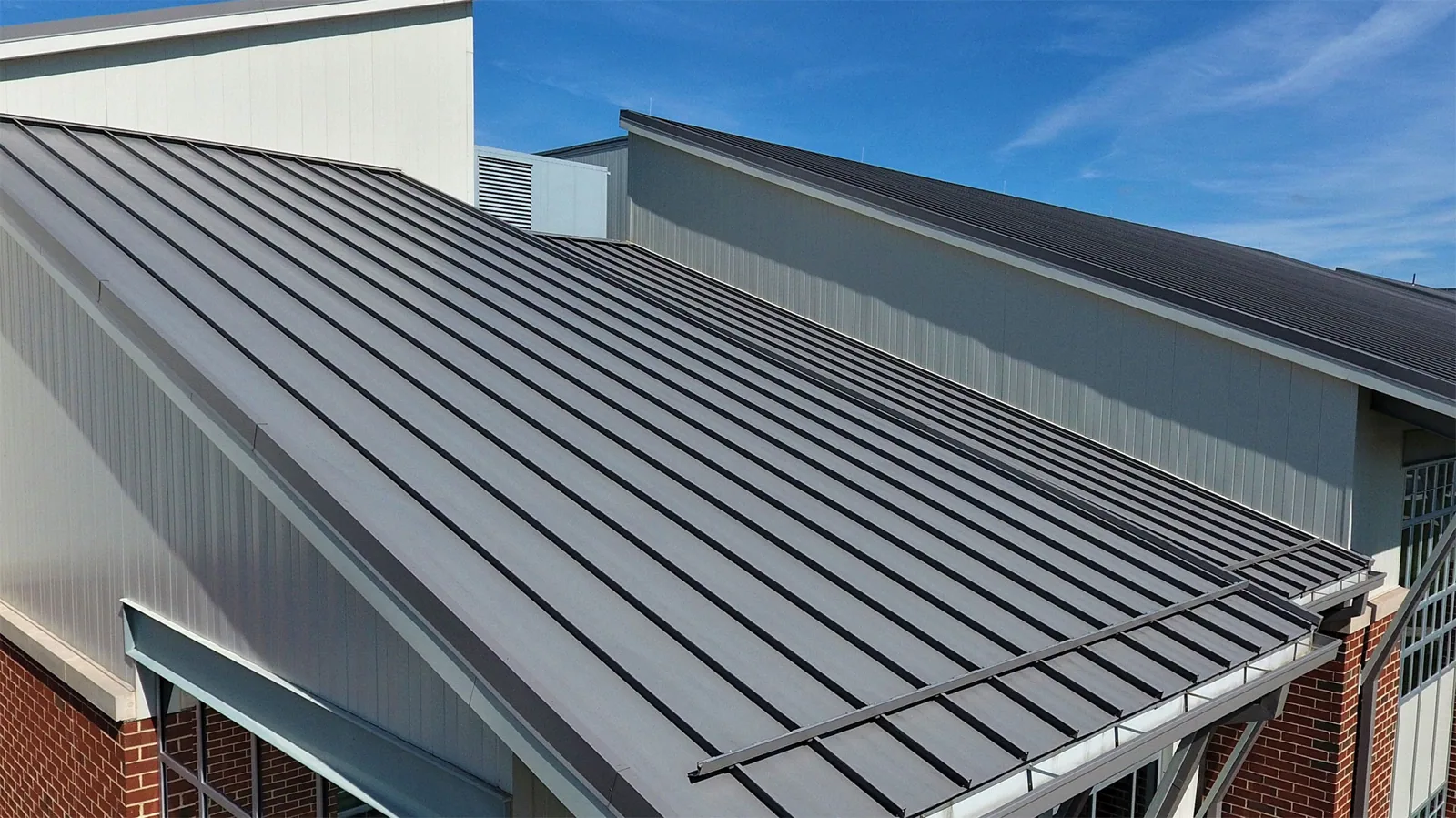
A targeted patch fits when nearby material remains sound and the defect has a clear boundary. Repeated seam failure, wet insulation, deck deterioration, or poor attachment can require more testing or replacement planning. We document the observed condition, isolate what remains unknown, and show the owner what would change the quantity or schedule before removal expands. Cost and duration reflect system type, area opened, penetrations, insulation, edge metal, staging, interior protection, and weather-sensitive steps.
At the end of a shift, the crew records completed details, drain status, temporary coverage, and the check required before the next release. The photos stay attached to the zone on the roof plan. A maintenance visit can carry those open observations forward, while a repair work package keeps immediate water control separate from capital renewal. Send the roof plan, assembly records, access rules, current condition, and decision date, and we will return a sequenced scope with tests and approvals marked.
Commercial Roofing Questions
Does the downtown plan tell you whether a roof is historic?
No. It identifies planning components and calls for preserving historic structures, but the property record and field inspection establish a building’s details. We document the roof assembly, visible condition, access rules, and any review requirement before specifying work.
How do shops and offices affect roof staging?
Their operating hours, deliveries, customer access, equipment, and interior use can change the route and work window. We confirm those limits with the property contact and mark the roof zone that can proceed before material is staged.
Can a roof be coated instead of replaced?
Only after the substrate, moisture, drainage, compatibility, and adhesion support that option. We identify tests that can change the choice and compare a defined restoration scope with repair or replacement before permanent work is released.
What records help separate storm damage from older wear?
Dated maintenance photos, prior repair notes, and the current roof plan give us comparison points. We inspect the property itself and map observed impacts, seams, flashings, and drains by zone rather than treating a regional storm report as a building finding.
What should be ready before a downtown roof walk?
Provide the roof plan, available assembly records, access and delivery rules, occupied hours, recent leak notes, and the decision deadline. We use them to identify the first route, mark test points, and name who releases each hold point.
Related Pages
Set the downtown roof release
Send the roof plan, assembly records, access window, current condition, and decision deadline. We will return a sequenced field plan with open tests and hold points marked.