
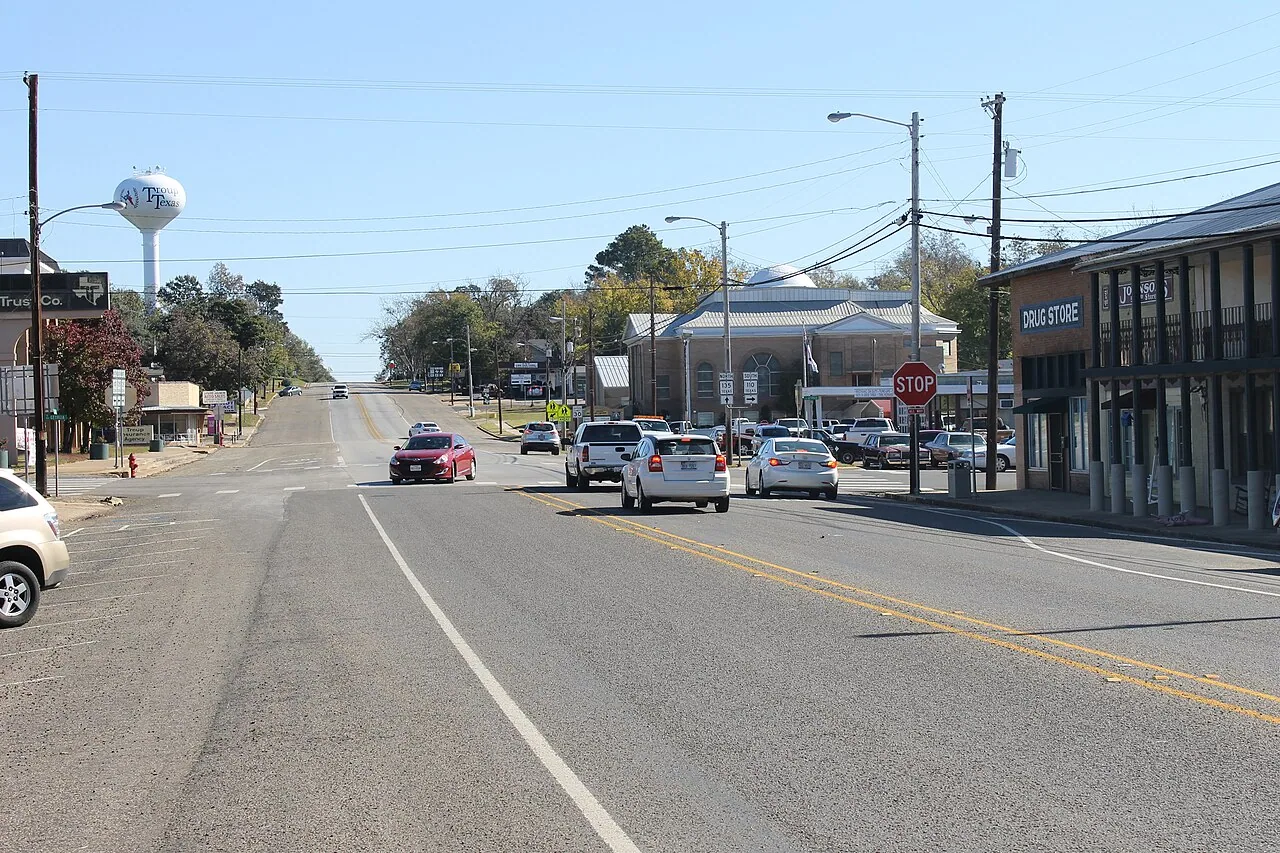
Troup’s commercial work can involve buildings serving manufacturing, food retail, nurseries, tool-and-die, plastics, machine works, auto parts, and building-materials businesses. Those uses create different access, equipment, and operating constraints; they do not identify a roof assembly. We begin with the building’s records and current condition, then map drains, seams, penetrations, edges, and flashing transitions before fixing a repair boundary. Troup lies in southern Smith and northern Cherokee counties, near three major U.S. highways in the immediate vicinity, so delivery and roof access are confirmed with the site team rather than assumed.
Troup’s commercial history includes a railroad-centered downtown business district and agriculture-related trade. For today’s project, those are location context, while the roof plan and field walk determine the work. Tyler’s July normal high averages 94.5°F, and spring and autumn storms can bring regional hail and damaging wind. We use those conditions to plan a heat window and weather hold, then check actual substrate readings and exposed details. A Tyler-area inspection can connect a regional portfolio record without carrying Troup’s findings to another property.
Operating needs by roof zone
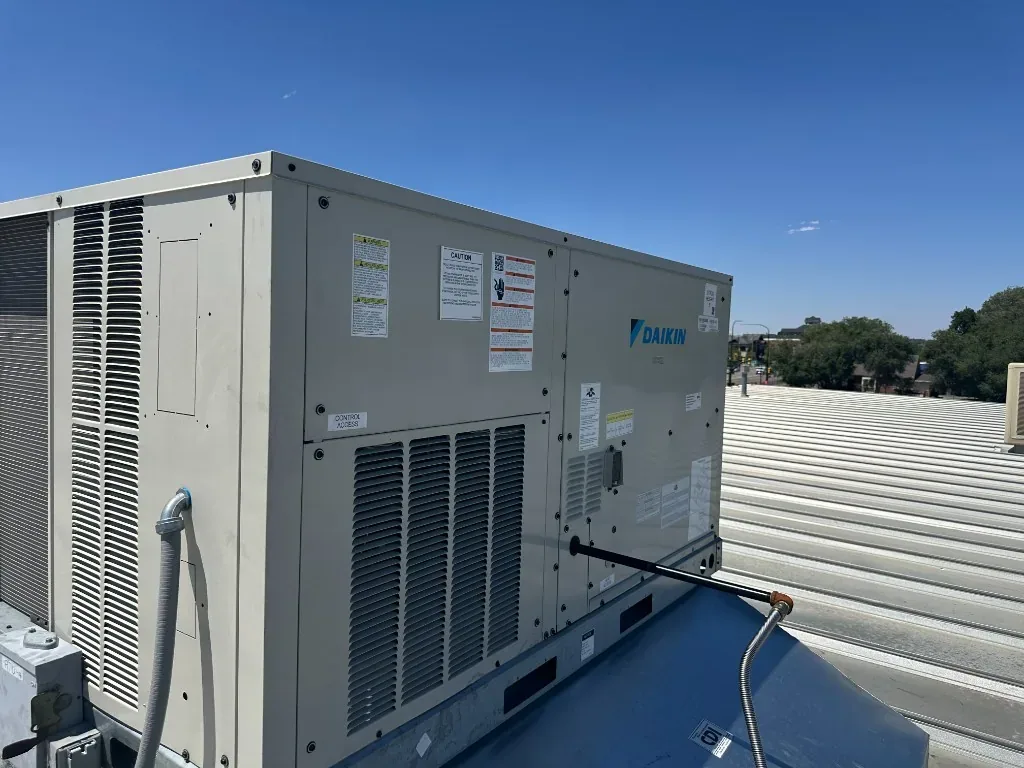
A production space, retail use, nursery operation, or service business may have different hours and equipment limits below the roof. We ask the general contractor for shutdown restrictions, delivery periods, lift access, and any interior protection needs before setting the work sequence. The roof walk then checks the assembly that is actually present: membrane or metal condition, laps, penetrations, curbs, drains, perimeter details, and prior repair patches. Every observation gets a roof-zone location so an operator can relate the work to the affected area.
A commercial inspection gives the team a mapped baseline, and a condition report with photographs records what is visible, what could not be reached, and which test may change the scope. If a leak report begins inside, we trace the likely water path rather than assigning the ceiling mark as the roof opening. Moisture can travel across or within an assembly, so any cut or infrared survey is selected for a decision it can resolve and requires the appropriate approval.
Heat-sensitive work and storm holds
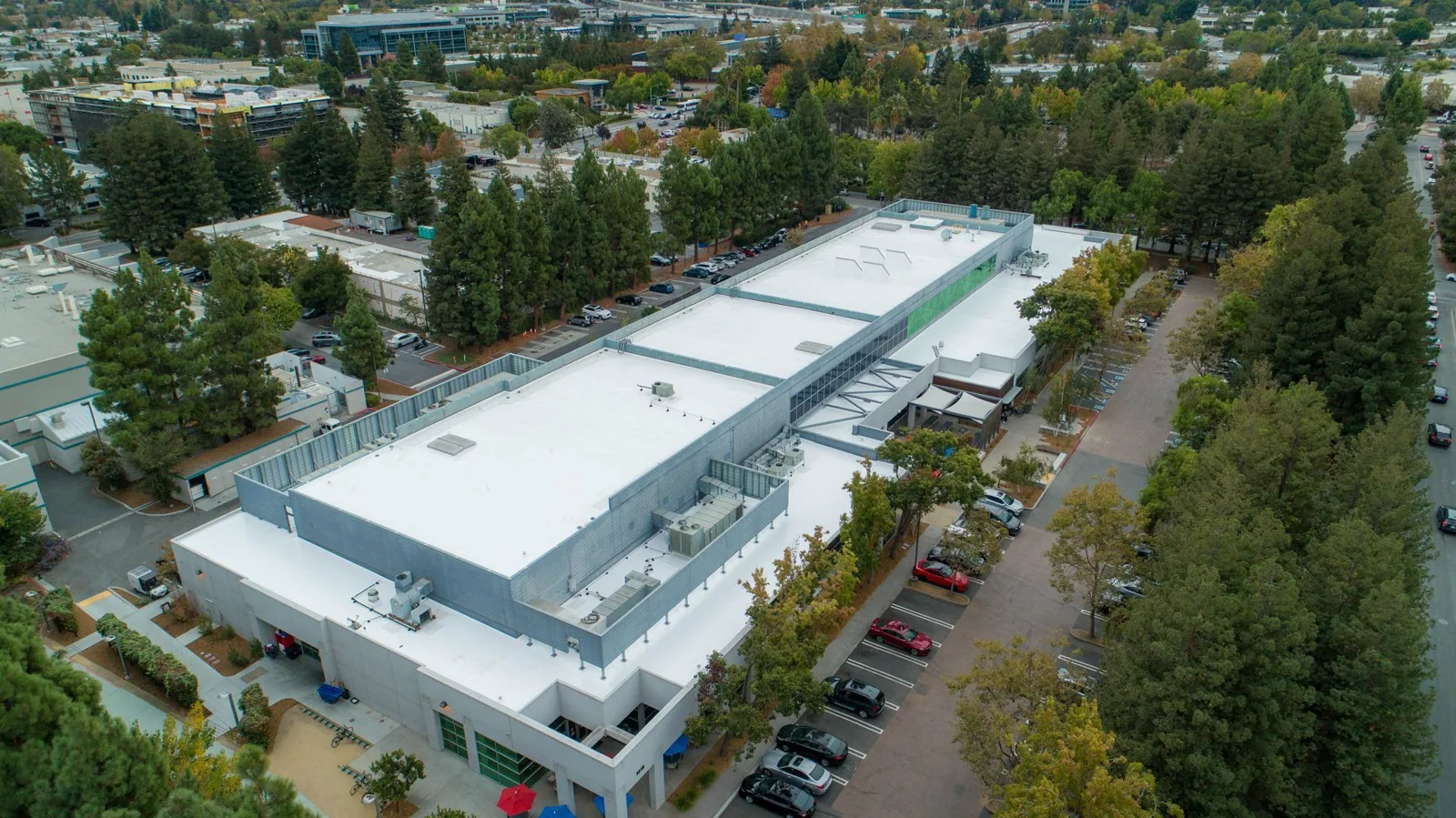
Tyler's normal July average high is 94.5°F, a climate reference for planning work around Troup. The actual roof controls release: we read the surface and substrate, then compare those values with the chosen system's application instructions. Primer, membrane adhesive, sealant, and coatings do not necessarily share the same working limits. The foreman identifies the hold point in the work package and records which area can proceed if another zone has to wait.
In this region, spring and autumn are the main severe-storm periods for hail and damaging wind. Tyler recorded a tornado on June 8, 2021. At a Troup property, storm review begins with the reported event and dated roof observations. Following a local report, we map loose edge metal, punctures, open seams, displaced accessories, and debris by zone. Active rain changes the first step: verify with the project lead whether a safe visit can be scheduled. Confirmed attendance should document temporary water control and the exposed section before repair is authorized. A storm response scope keeps that immediate task separate from permanent repair.
Repair, test, or replace
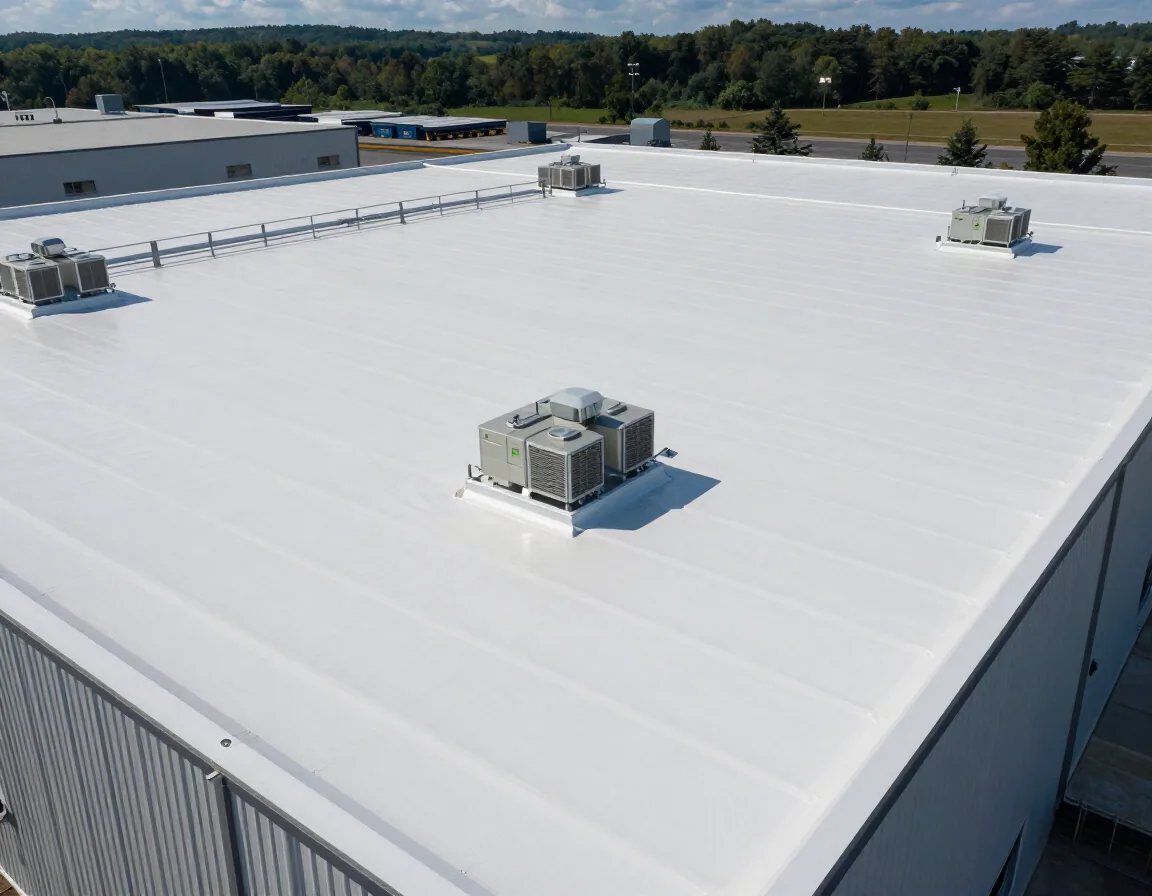
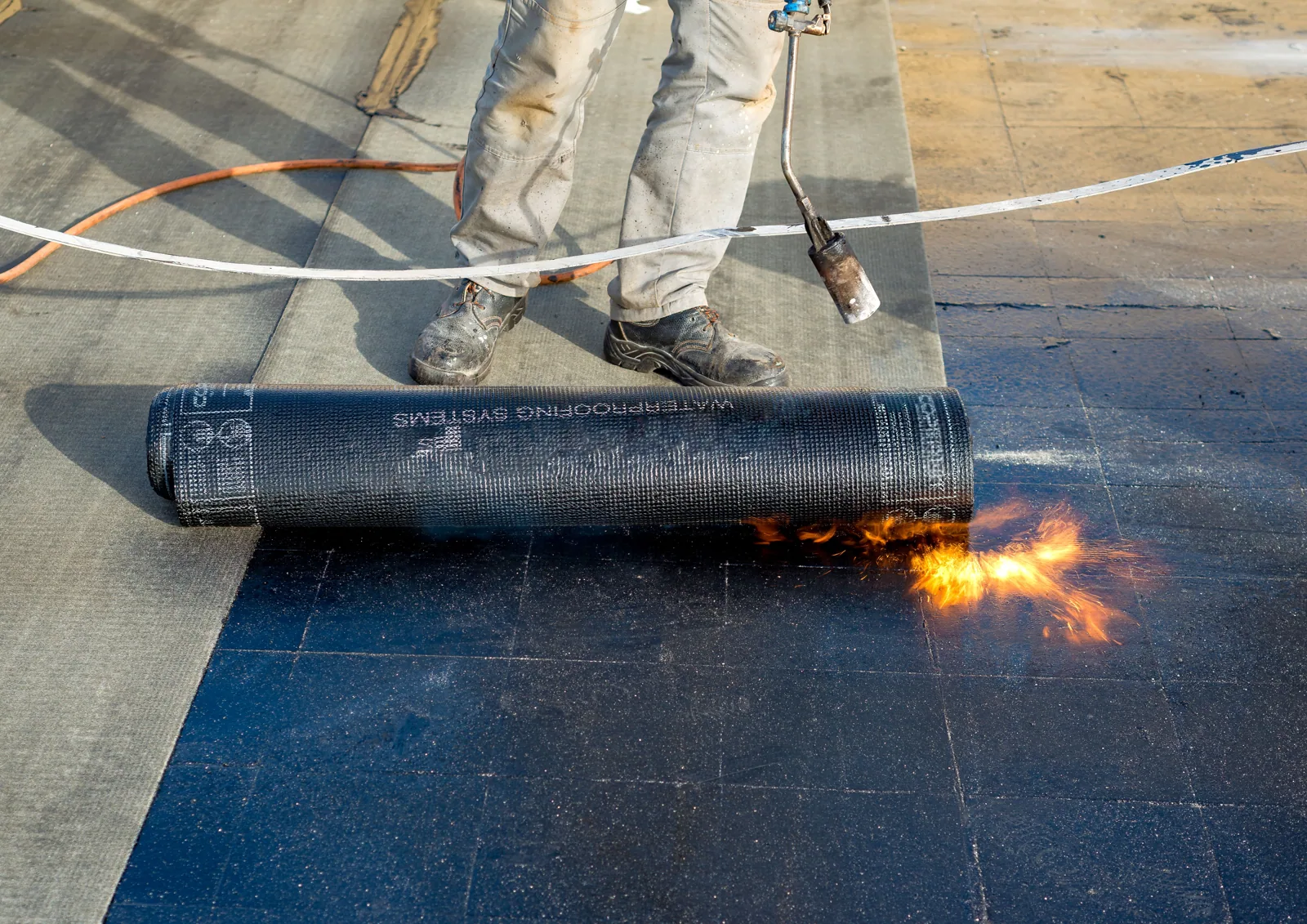
A localized opening can support a repair when the surrounding material is sound and dry enough to receive a compatible detail. Removal reaches the approved line and no further; we inspect the exposed substrate, make the tie-in, and photograph the closeout. Recurring seams, wide moisture, damaged insulation, or a deck concern call for a broader review. We identify the area that is confirmed and stop at the point where more testing or authorization is needed. That keeps a hidden condition from becoming an unapproved quantity.
A recover is another option only when the existing assembly, roof count, drainage, attachment, and project requirements support it. Replacement may be more suitable when wet layers or repeated failure extend beyond isolated repairs. The repair work package can be priced separately from a replacement scope. We itemize tear-off, insulation or deck decisions, penetration and perimeter details, staging, selected material, and weather-related shifts so the owner can see what changes the price and duration. Remaining tests and assumptions stay visible rather than being folded into a confirmed quantity.
Water path and daily closeout
Drainage is part of the repair boundary. We inspect the drain bowl, scupper, overflow path, and nearby membrane to separate a blocked outlet from a low area or failed connection. A production or storage schedule may make it important to complete and test the water-control work before another roof zone opens. The drain and scupper package identifies the outlet work, while a flashing detail repair addresses a transition that has released. Each receives its own material, preparation, and inspection note.
At the end of a shift, the crew records what is complete, where the temporary closeout begins, and what must be checked before access resumes. We attach photos to a marked plan and list unresolved tests, approvals, and the person responsible for the next roof-zone release. If a delivery or operating window changes, the schedule notes the revised access period rather than leaving the open section to an informal handoff. A clear record lets the project team move the next work package without losing the state of the previous zone.
Scope and sequence for the owner
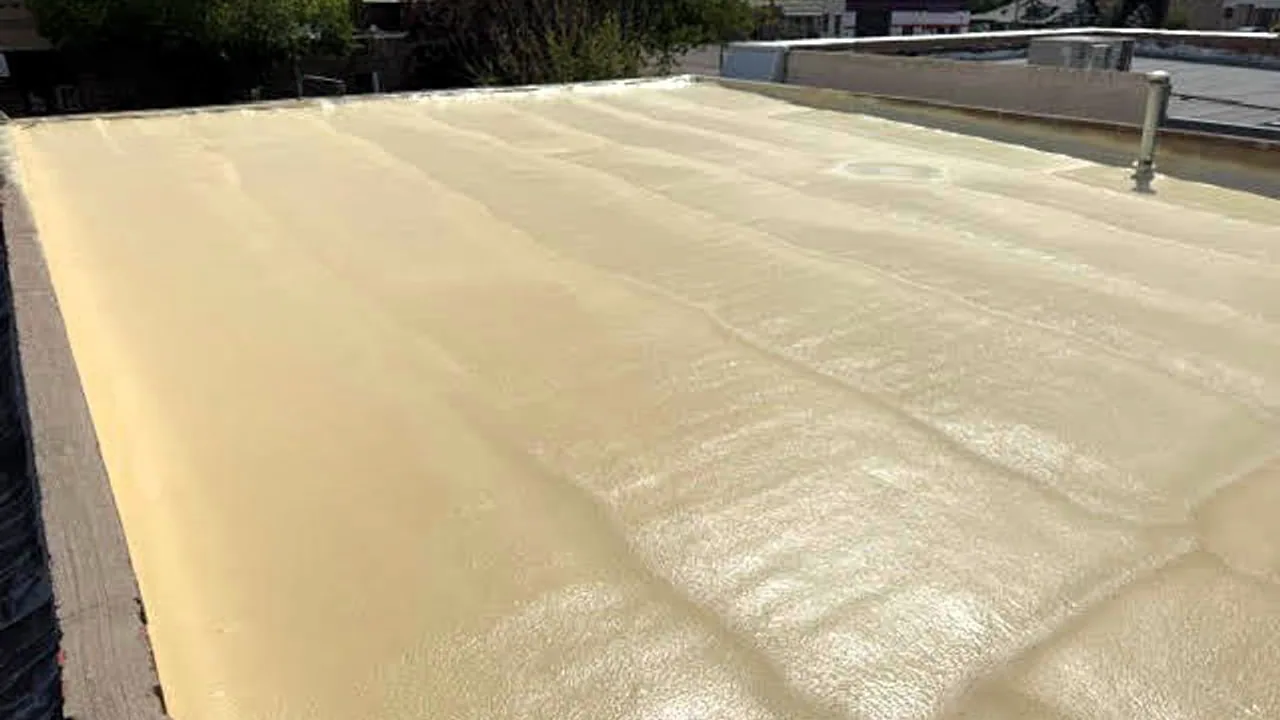
The first proposal should answer what is known, what is still being tested, and which approval releases the next task. We group confirmed repair, moisture investigation, drainage, temporary protection, and larger assembly work separately. The modified-bitumen option and a standing-seam metal assembly require different attachment and flashing details, so the existing system must be identified before an alternative is compared. We explain preparation, work limits, and closeout for the method selected.
Troup sits within a regional market whose spring and autumn storms and sustained summer heat can affect scheduling. Actual readings, forecast conditions, product instructions, access, and the owner’s decision deadline control a particular work period. Waiting on an active opening can allow water to reach layers beyond the visible area; rushing a bond-dependent step can create a different problem. We sequence the package, protect the exposed section, and return a field plan that makes the next release clear. Send the roof plan, available assembly records, access window, condition notes, and deadline to start that review.
Commercial Roofing Questions
Do Troup’s local industries tell you what roof system a building has?
No. Troup’s local businesses span fertilizer, food retail, nurseries, tool-and-die, plastics, machine works, auto parts, and building materials, but none establishes an individual property’s roof material or condition. We review the records and inspect the assembly, then identify any test needed before a repair or replacement decision.
Can roof work be scheduled around production or deliveries?
We coordinate the access route, delivery window, equipment limits, and operating hours with the general contractor. The work package marks each roof-zone release and daily closeout. The schedule remains subject to actual weather and material requirements, especially for adhesion-sensitive tasks.
What do you inspect after a spring or autumn storm?
We map the roof and photograph seams, membrane, flashings, edge metal, penetrations, and drains. A visible mark is not automatically a breach. We check the detail and water path, then identify a temporary protection task or approved test where it can change the permanent scope.
How do you choose between a repair and a recover?
We check moisture, attachment, roof count, drainage, edge height, and system compatibility. A contained defect with sound neighboring material may suit a repair. A recover needs the broader assembly to support another layer. We document any test or code review that remains before recommending a path.
What belongs in the closeout record?
The roof-zone plan, photographs, repaired detail, drain status, material used, temporary protection, and unresolved tests should travel together. We also mark who releases the next access period. That record supports maintenance and makes a later leak review easier to compare with completed work.
Related Pages
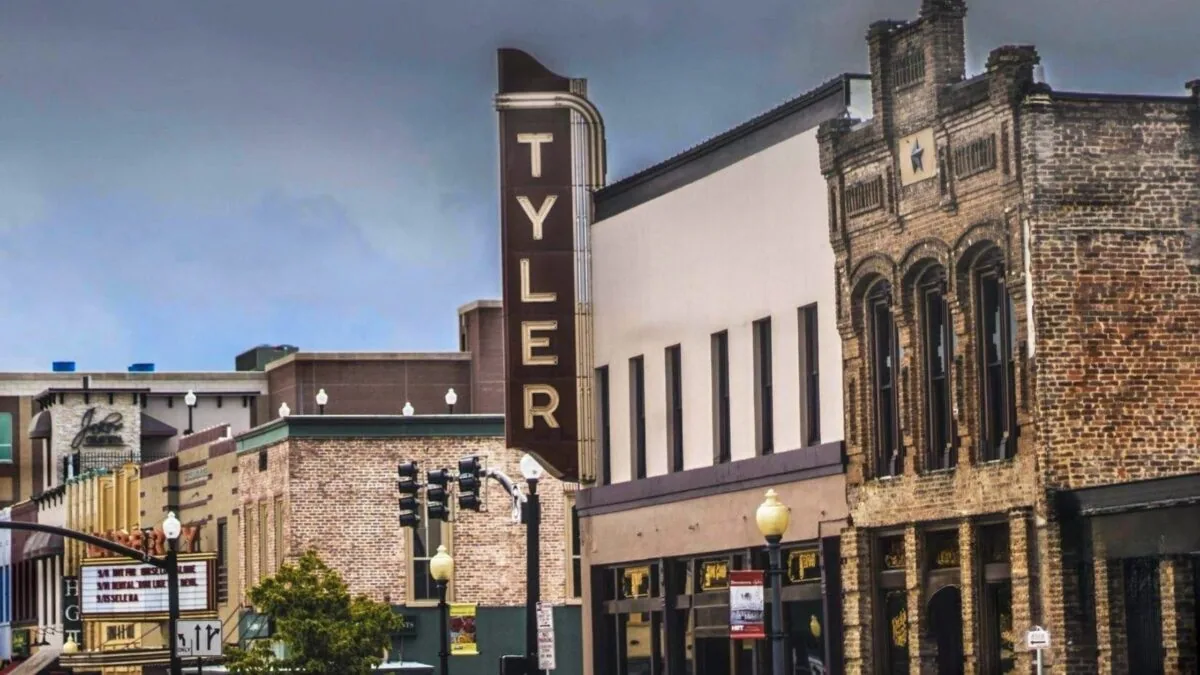
Tyler
Tyler, TX
Commercial Roof Inspection
Tyler, TX
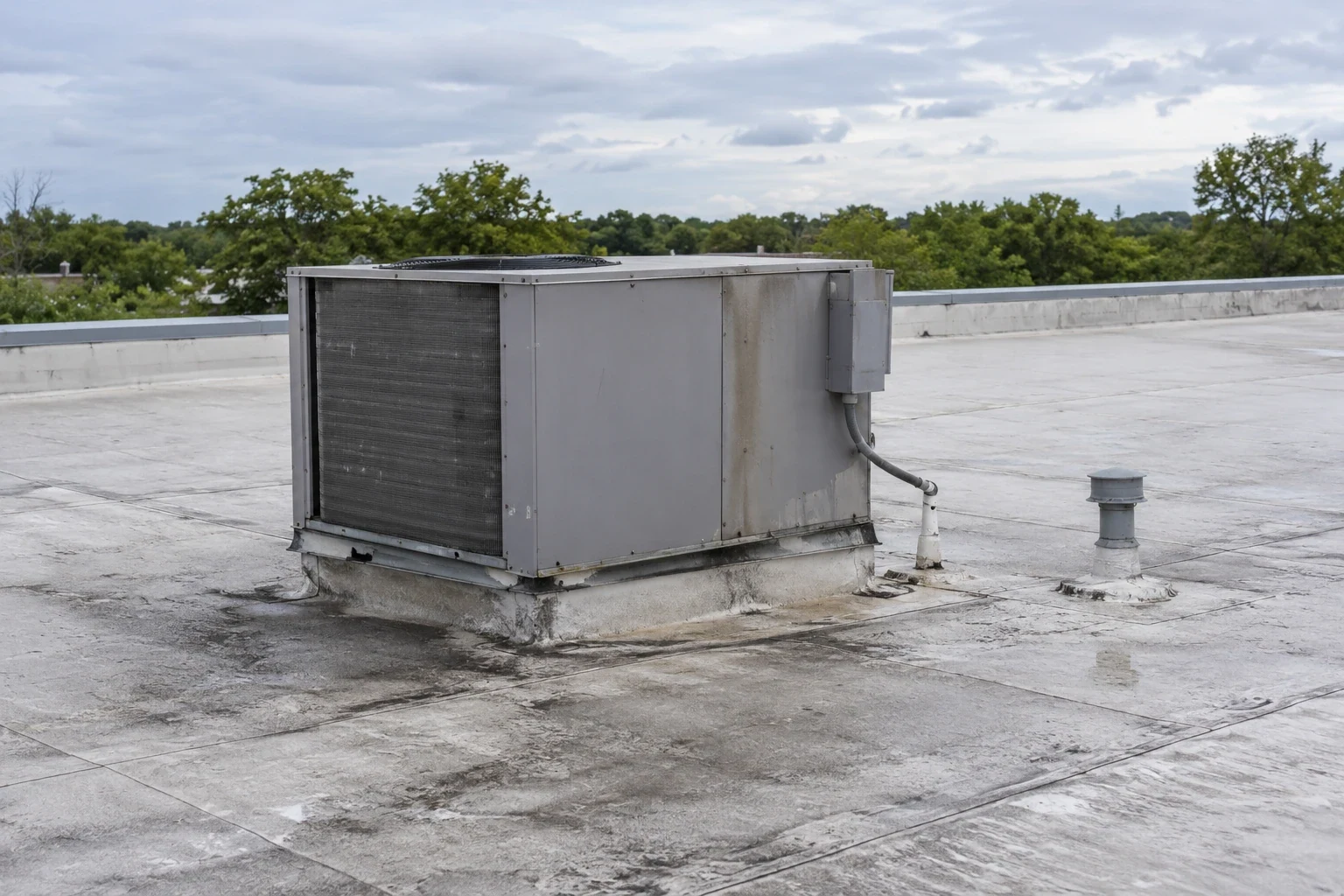
Commercial Roof Condition Reports
Tyler, TX
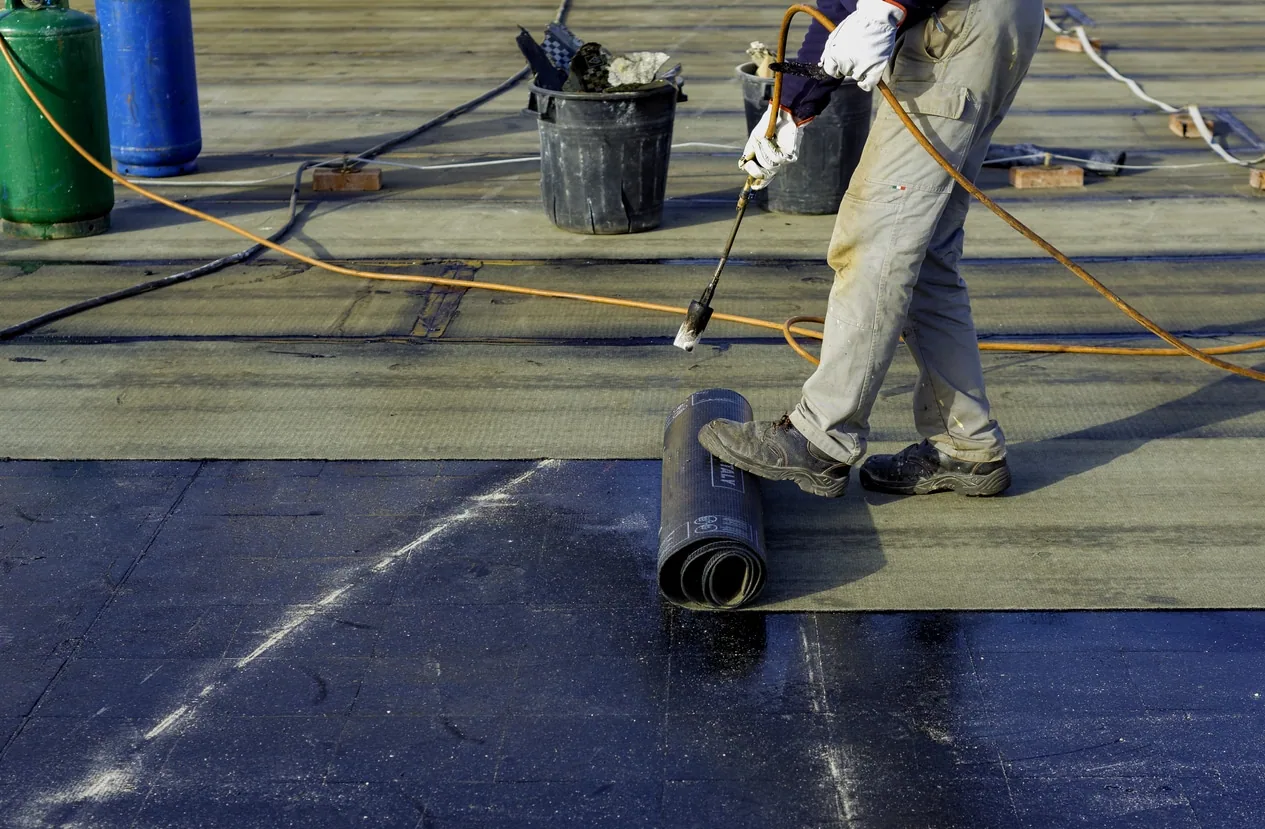
Storm Damage Roof Repair
Tyler, TX

Plan the next release
Provide the roof plan, available assembly records, access window, condition notes, and decision deadline. We will return a sequenced field plan with confirmed work, open tests, and hold points marked.