
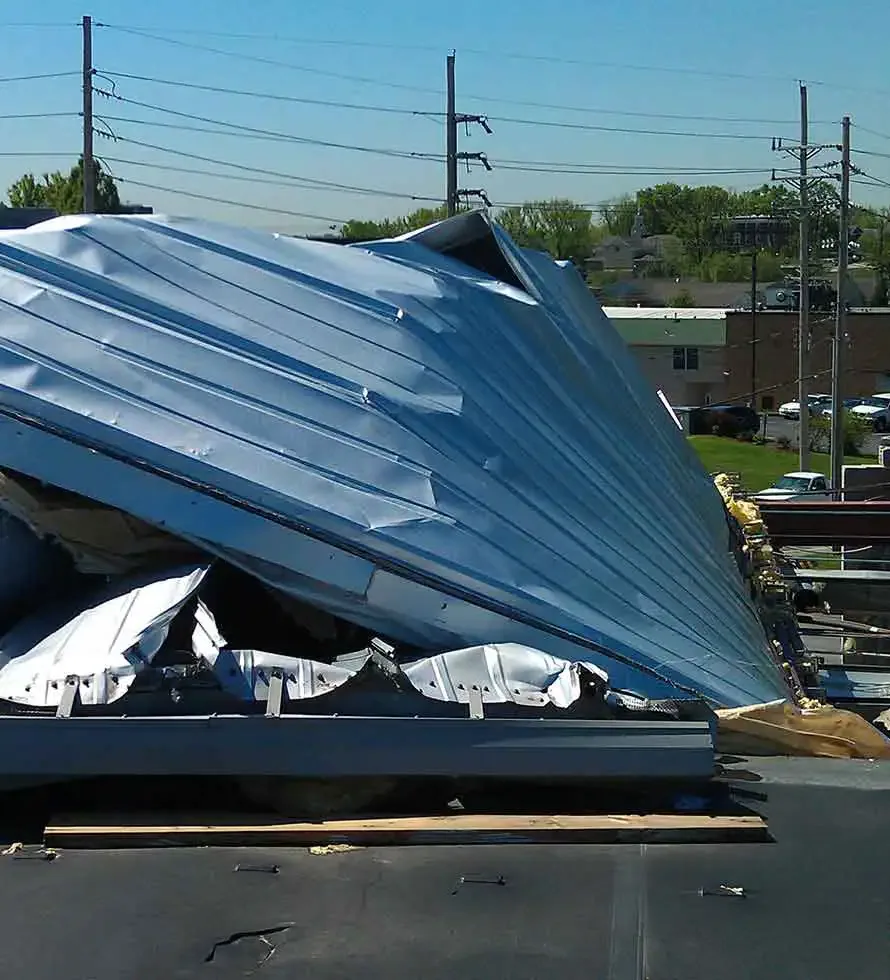
A spring storm can leave several Tyler roof zones in different states: one edge lifted, one seam open, and another area still waiting for safe access. Across East Texas, severe thunderstorms with hail and damaging wind are common in spring and fall; the field log should still separate each observed impact. We record exposed areas and likely water paths, then set a roof-zone release around current conditions. The work package separates a confirmed opening from other wind marks.
Wind damage can affect perimeter metal, membrane seams, fasteners, curb flashings, rooftop equipment supports, and temporary closures. The repair must fit the roof assembly and tie into material that remains sound. We photograph the detail, check its movement and attachment, and mark any test point needed before permanent work. For a visit near Tyler’s planned Interstate Commerce Park, we prepare for the I-20/SH 155 approach, then use the property’s approved gate and roof plan for the actual route. A storm repair inspection separates immediate dry-in from permanent scope.

Wind exposure and roof zones
Wind pressure changes across a roof. Corners, perimeter strips, parapets, transitions, and rooftop obstructions can experience different demands from the open field. We map the observed damage by zone and note which edge, seam, or penetration has moved. A lifted membrane edge may indicate a failed termination, while a loose coping cover may send water behind the wall flashing. The detail and adjacent assembly both matter because a patch that stops at visibly displaced material can leave the tie-in under stress.
Before mobilization, we confirm the delivery approach, property’s safe drop point, roof access, and zone release with its representative.
Attachment checks before repair
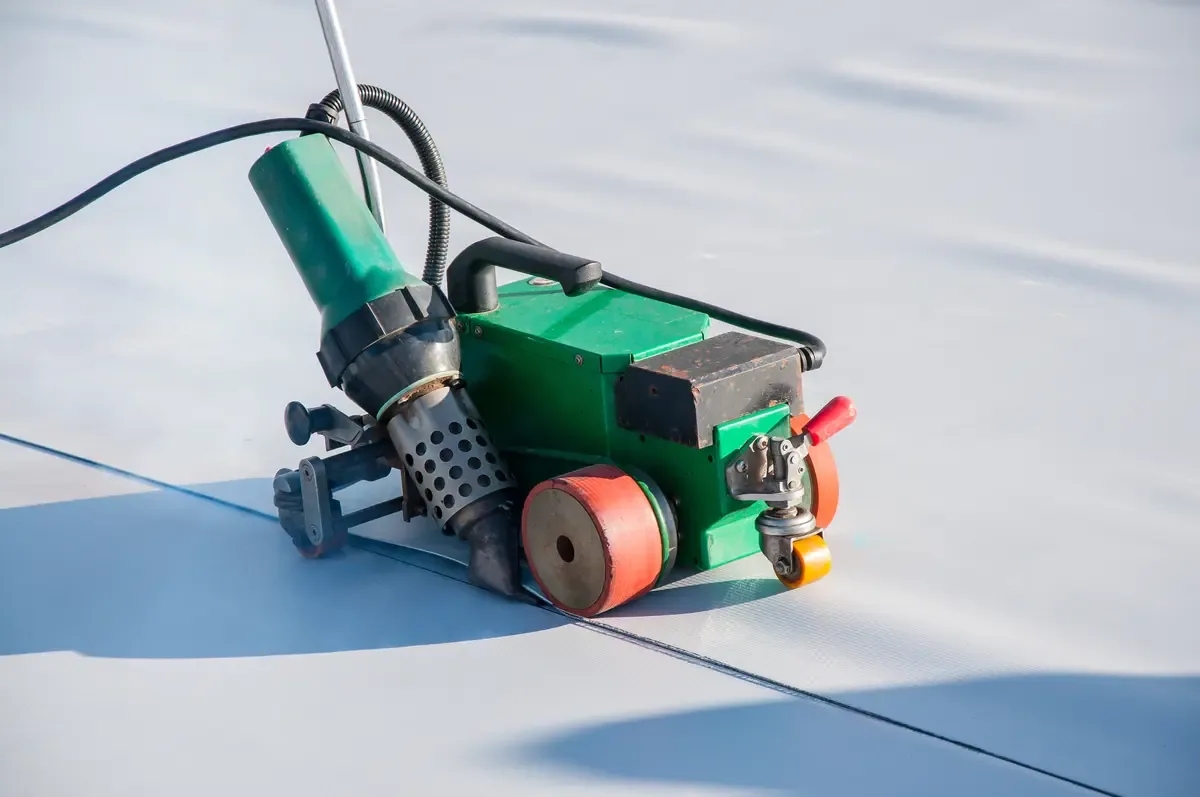
A wind repair begins with a close look at how the affected component is fastened or bonded. We check membrane terminations, metal cleats, fasteners, weld edges, sealant transitions, and the condition of the substrate below the detail when accessible. We note surface damage or old patches that could interfere with repair. Unclear attachment becomes a test point, not an assumed extension.
Regional storms can bring hail as well as damaging wind, so hail marks and displacement stay distinct in the record. A dented metal panel, punctured membrane, and lifted seam call for different repair materials and preparation. We compare the roof plan with photographs and note any interior report that helps locate active water without assigning the ceiling mark as the entry point. The commercial roof inspection can add a broader condition map, while a focused seam failure repair addresses separation where the membrane edges no longer hold together.
Temporary protection and drainage
An exposed opening needs controlled temporary protection before the permanent repair sequence is ready. We identify the opening, secure the protection to the actual assembly, and check that runoff still reaches a functioning drain path. Loose cover material can become debris in another wind event, so the temporary detail must be inspected and documented at handoff. The work package records what has been stabilized, what remains exposed, and which conditions must be checked before permanent repair begins.
Rain can travel beyond the damaged point, especially where insulation, deck flutes, or sloped surfaces carry water laterally. We check nearby drains, scuppers, and wall transitions while keeping the repair boundary tied to visible findings or approved testing. A clogged drain is a separate work item from a wind-lifted edge, even when both contribute to interior water. If the site cannot release a full roof zone, we identify the restricted area and the temporary measure that can be maintained until another access window. Drainage correction may need its own work package.
Permanent tie-in and crew handoff
Permanent repair follows the assembly. On a thermoplastic membrane, we prepare the surface and verify that a weld can form at the selected conditions. On EPDM or modified bitumen, the patch method and materials must be compatible with the existing system. Metal work may require fastening or replacing a detail rather than adding sealant over movement. We record product and preparation steps, then leave a hold point for inspection before the repaired zone is closed or equipment is returned to service.
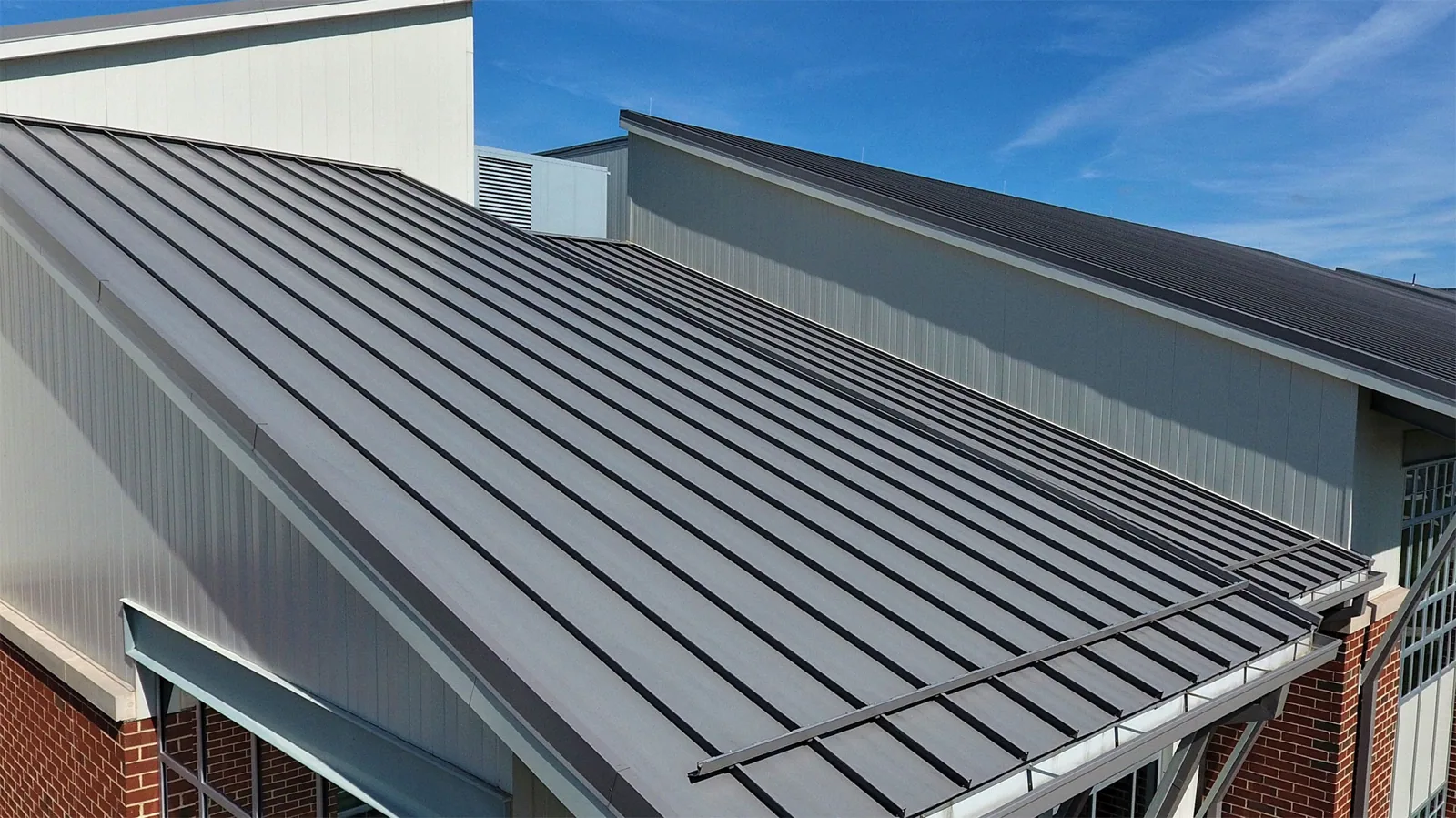
For adhesion-sensitive steps, the foreman checks the substrate against product limits before releasing primer, adhesive, coating, or sealant work. If weather interrupts, we mark the protected boundary and the next crew’s resume point. The TPO assembly or standing seam system affects repair details, so the record names the material and test point.
Scope, cost, and schedule drivers
Repair cost and duration depend on roof height, access equipment, the number of damaged zones, material compatibility, interior protection, and whether testing finds wet insulation or a compromised deck. A small edge repair can expand if the termination has lost attachment across several adjoining sections. We separate confirmed repair quantities from open conditions and identify the approval point before opening a larger area. The owner can then compare targeted repair with replacement planning using the same mapped evidence.
Operations can shape the sequence as much as weather. A manufacturing or distribution building may need a delivery route kept open, while office or medical use can require protection beneath active work. We coordinate the access release, lift location, debris handling, and any noise or shutdown limits with the general contractor. Each building’s operating conditions and gate access still need confirmation. Roof work on a warehouse or distribution building is scoped separately from the wind repair itself.
Evidence and next release
Closeout records the original finding, before-and-after photographs, materials used, completed roof zone, and any condition left open for testing or owner review. We note whether temporary protection was removed and verify that the drain path is clear. If a test reveals wet layers beyond the approved area, we stop at the agreed hold point and present the additional evidence for a decision. This keeps repair completion separate from an unresolved condition in the adjoining assembly.
When several roofs are involved, consistent zone names and photo locations help the project team compare conditions without assuming all buildings share one failure. A photo-based condition report can carry the repair record into maintenance or capital planning. For a Tyler roof project, we mark access release, work package, and decision deadline against the roof plan. The next crew receives the field status and open test points before mobilizing, which reduces duplicate inspection and keeps the repair sequence tied to the documented condition.
Commercial Roofing Questions
How do you tell whether wind lifted the membrane or only moved the edge metal?
We inspect the termination, adjoining membrane, and attachment below the visible movement. Photographs show the affected zone, while a test point can confirm concealed attachment when the assembly allows it. The repair scope follows the failed component and any material needed for a sound tie-in.
Can temporary protection remain until permanent materials arrive?
The protection is selected for the opening and the conditions at the site, then recorded with a check interval and responsible contact. We review it after a weather delay or changed roof condition. A temporary closure remains a separate item until the permanent repair is completed and documented.
What changes the repair scope after a wind event?
New evidence can change the boundary: loose attachment beyond the first zone, wet insulation, deck damage, or a second opening near a penetration. We mark that finding and pause at the agreed hold point before adding work. The owner can approve a defined extension with the evidence attached.
Does a July repair in Tyler need a different schedule?
Heat can affect access and preparation for some repair materials. Tyler’s normal July high is 94.5°F, so we check the actual substrate and product conditions before setting adhesion-sensitive steps. The day’s roof reading and forecast determine the work window.
What should the general contractor receive at handoff?
The handoff includes the zone map, photographs, protection status, repair detail, test results, open approvals, and next access release. The record coordinates roofing with interior protection and operations.
Related Pages
Tyler
Tyler, TX

Commercial Hail Damage Roof Repair
Tyler, TX
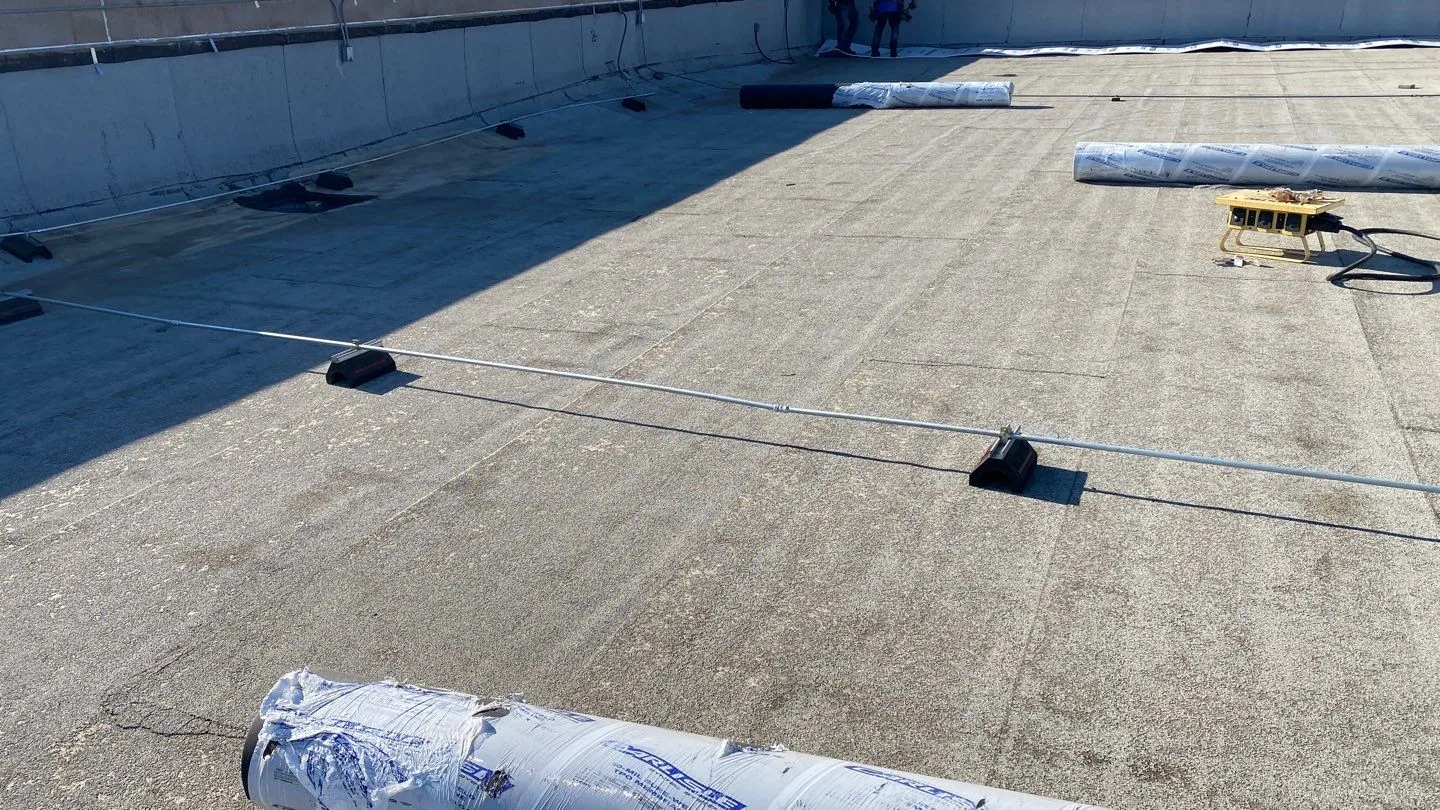
Storm Damage Roof Repair
Tyler, TX

Commercial Roof Inspection
Tyler, TX
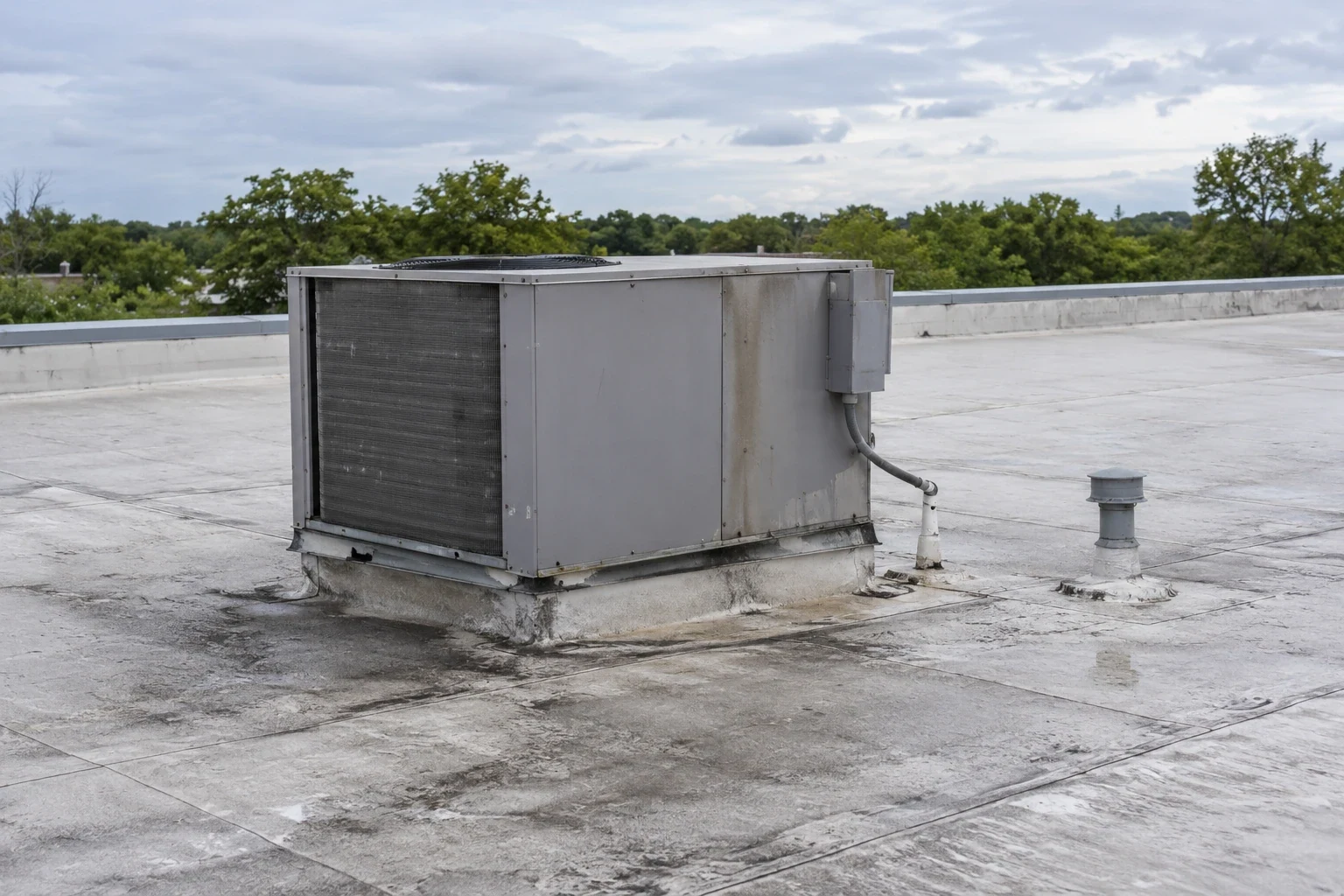
Set the wind repair release
Send the roof plan, assembly records, access window, current condition, and decision deadline. We will return a sequenced field plan with roof zones, temporary protection, test points, and hold points marked.