
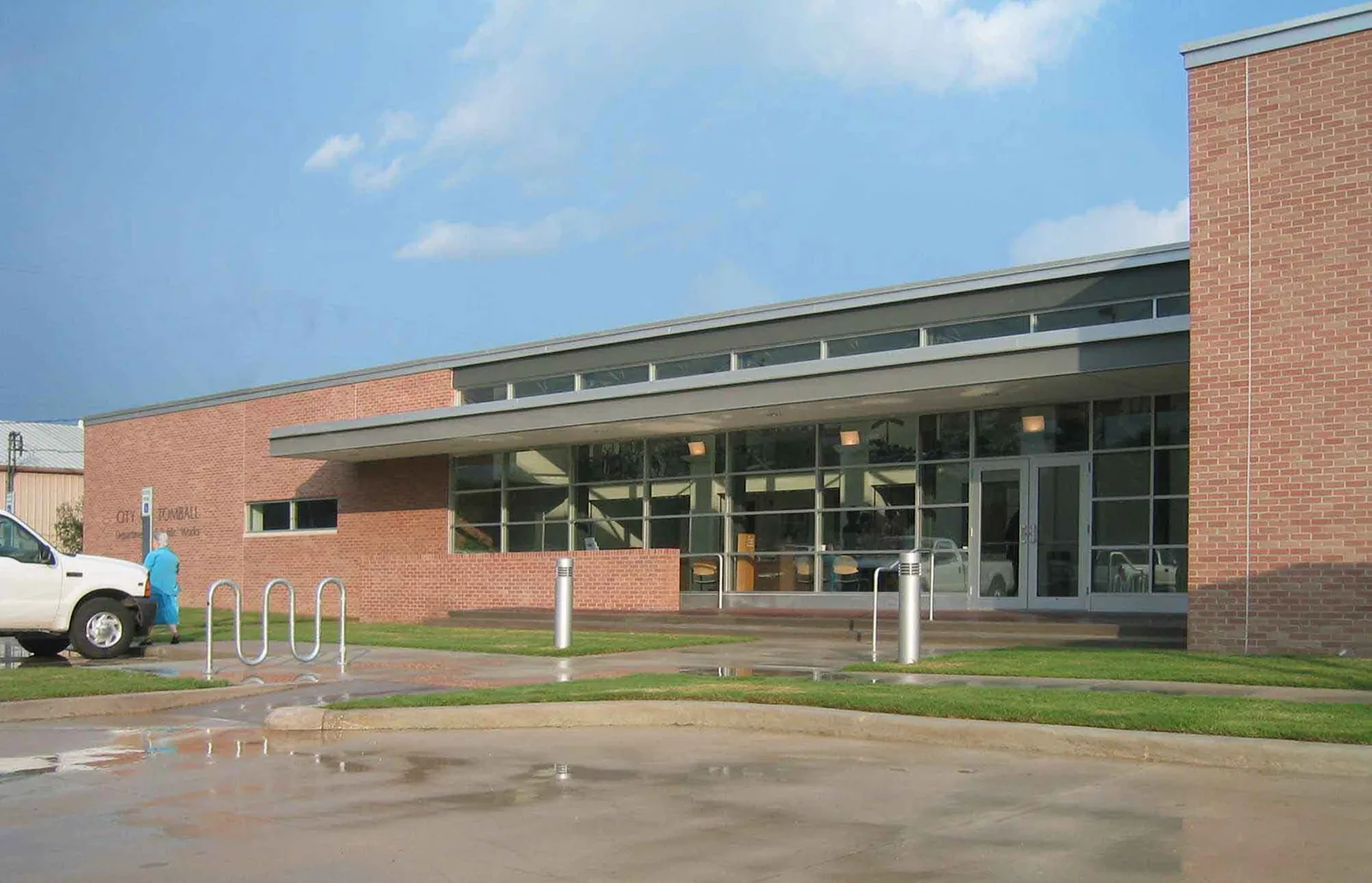
Public-building roof work has to fit the approved access window and the weather conditions at the work area. Tyler’s normal July high averages 94.5°F, so we check substrate temperature and product limits before scheduling adhesive-sensitive repairs or coatings. A roof package begins with the building plan, current assembly records, known leak locations, access requirements, and the decision date. We mark the roof zones and identify which staff member can release each step.
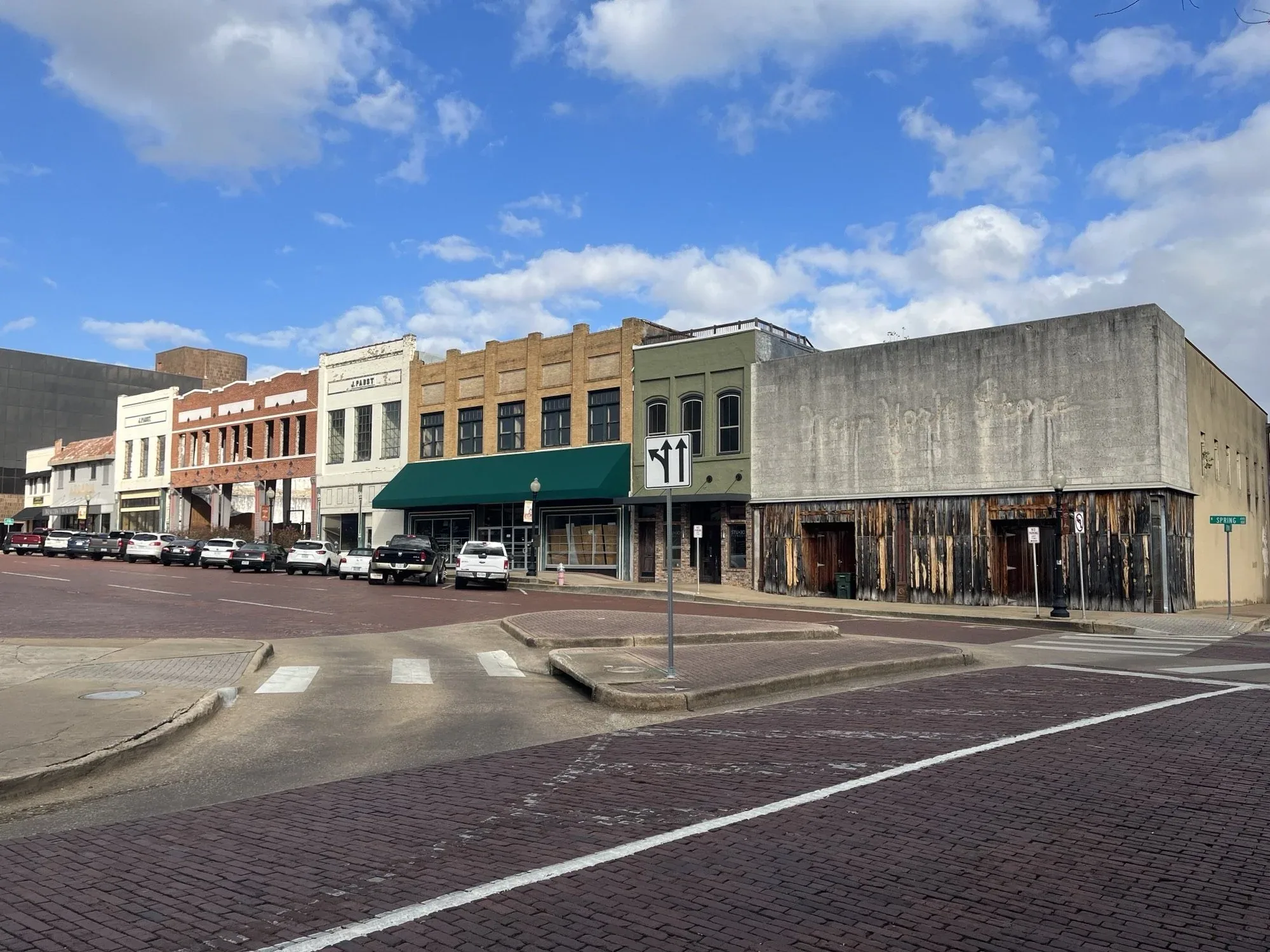
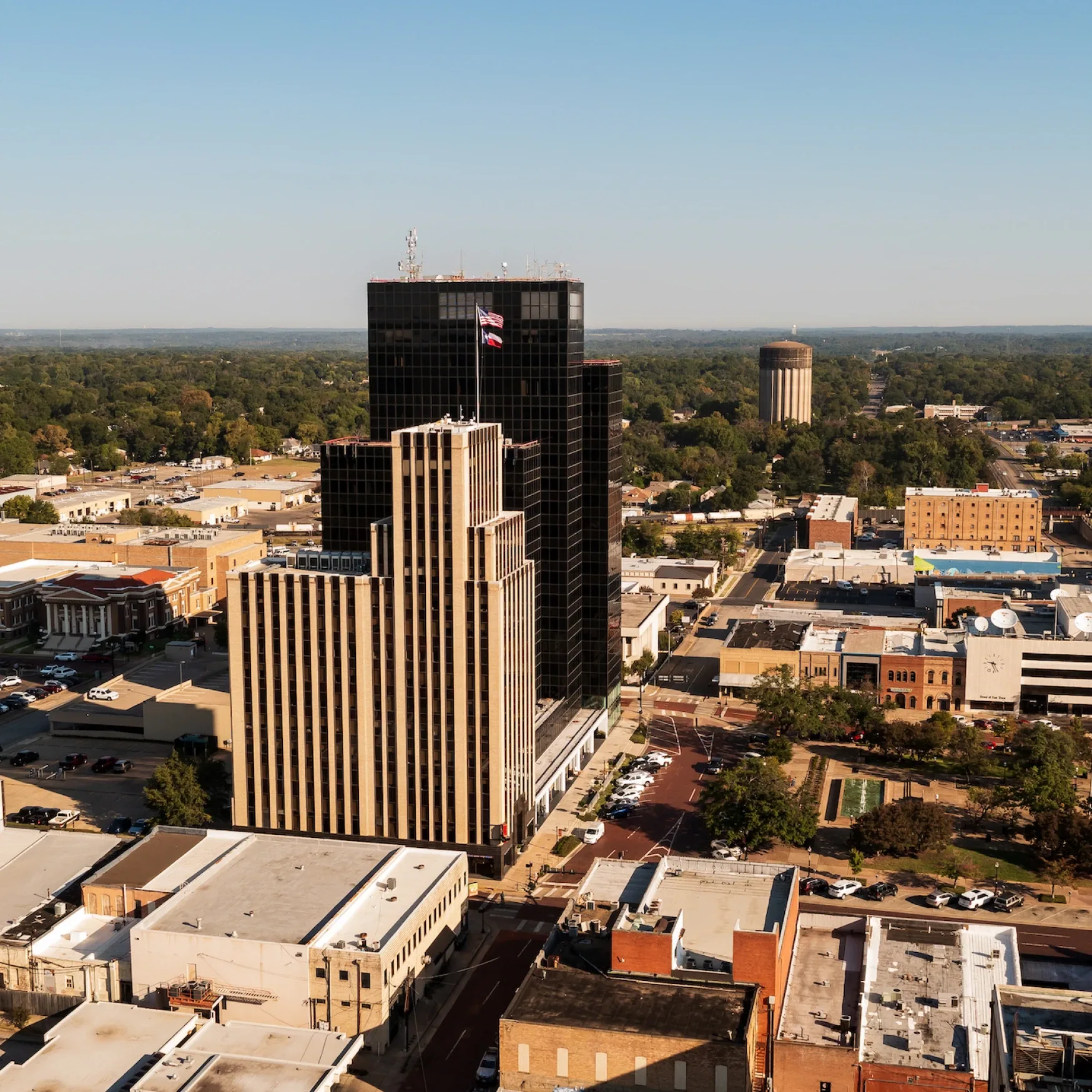
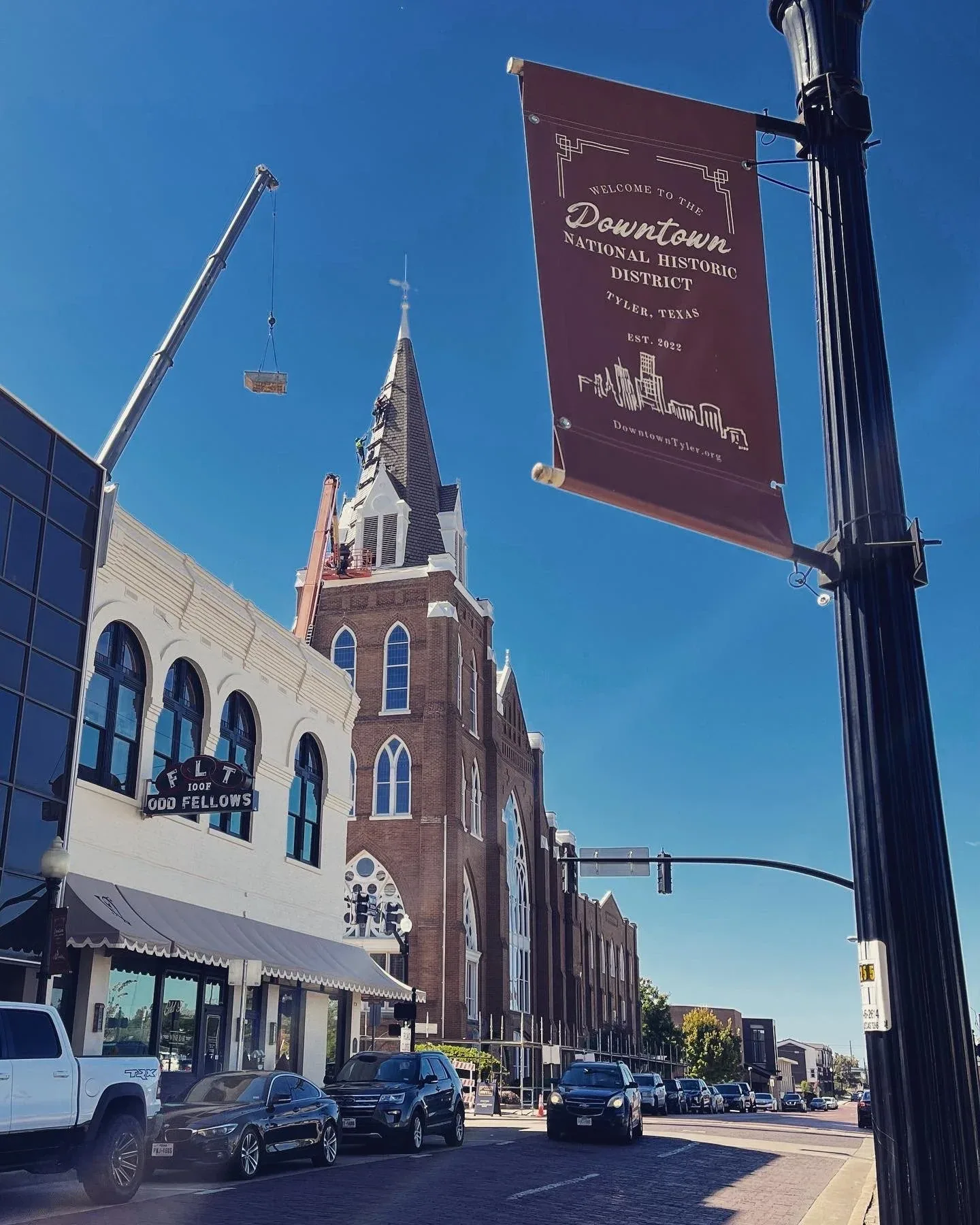
Government properties may include offices, public counters, meeting rooms, storage, and mechanical areas, but each building has its own roof and operating limits. We inspect seams, penetrations, drains, edges, and transitions, then connect findings to the interior report and any prior repair. The Downtown Tyler Business District includes a multi-block planning area, while the South Tyler Mobility Study Area reflects roadway planning in a growing part of the city; site arrival and work access still need to be confirmed for the project. A roof inspection establishes the field record.
Bid scope and approval boundaries
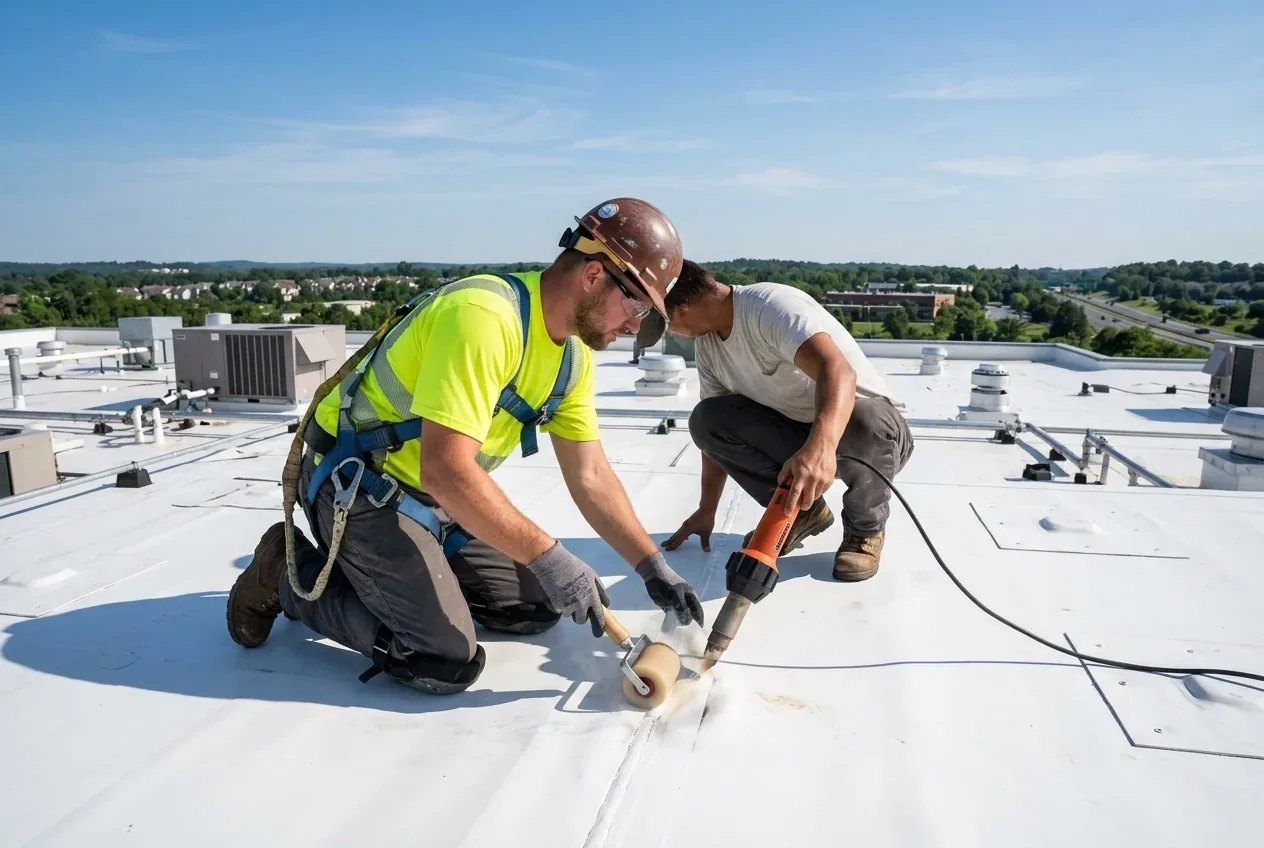
A clear scope identifies roof areas, system type, repair limits, test points, protection below, and exclusions tied to concealed conditions. We separate the documented repair from any item that needs a cut test, deck review, or added trade coordination. When project documents define submittal, access, badging, escort, or work-hour requirements, those instructions become hold points in the sequence. The person responsible for each approval should be named before materials or crews are committed to a restricted area.
Photographs should show a location and a condition, not merely a roof overview. We mark the area, note whether it is wet, loose, corroded, punctured, or otherwise damaged, and describe what work corrects it. If a change affects price or schedule, we submit the condition and requested authorization before continuing beyond the approved boundary. A condition report can give facilities and procurement teams a consistent record for repair history and future capital decisions.
Public access and staff coordination
Roof access can affect public entrances, employee routes, deliveries, parking, and emergency egress. The building contact identifies any restricted doors, service hours, security process, and areas that must stay open. We connect those constraints to the lift location and material route so an otherwise simple repair does not block a public path. A daily release lists the active roof zone, crew activity, temporary restrictions, and the staff member who accepts the closeout.
Interior protection follows the rooms below the work, especially where a leak or opening could affect equipment, files, or a public counter. The scope names the protection method and the rooms that require access before or after roof work. If new damage appears beneath the surface, we secure the opening, photograph the condition, and pause at the approval point. Phased occupied-building work can divide a larger project into sections with separate access and closeout records.
Roof system and drainage review
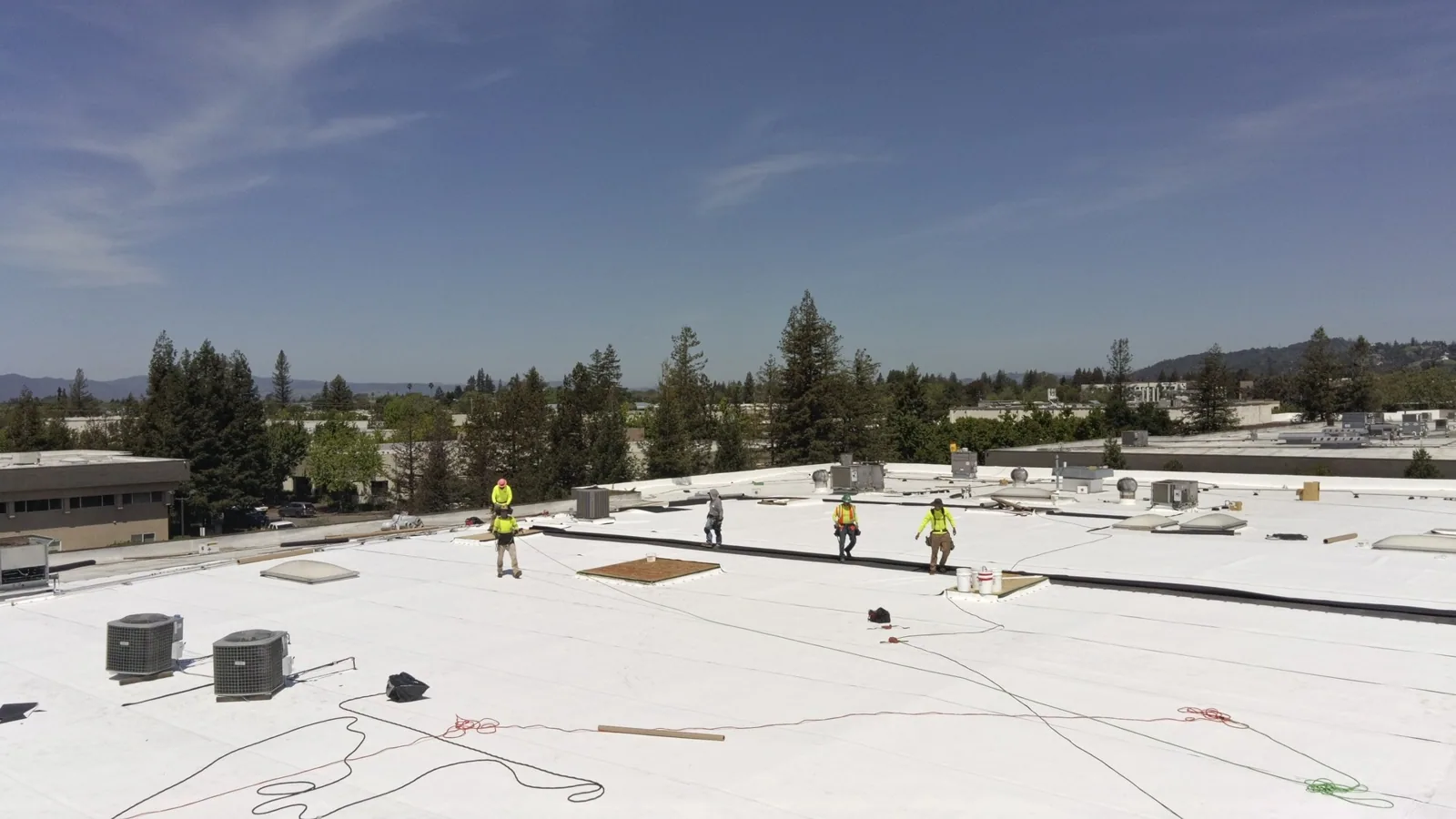
System selection depends on the deck, existing layers, drainage geometry, attachment, edge conditions, and rooftop traffic. TPO, PVC, EPDM, modified bitumen, built-up roofing, standing-seam metal, and liquid coatings have distinct seams and flashing details. We identify the assembly in place and compare repair, recover, restoration, and replacement against the observed condition. A recover needs adequate attachment, dry materials, sound substrate, compatible details, and remaining height at drains and walls.
Drain bowls, scuppers, overflow routes, and low points need to work as a system. We document whether debris restricts an outlet, whether the flashing is intact, and whether ponding remains after the path is clear. A drain and scupper repair should preserve the intended discharge and overflow route. If repeated moisture, failed seams, or deck concerns span several zones, selective testing can help determine whether a local repair remains practical or a larger scope is warranted.
Heat and storm work windows
The July normal high for Tyler is 94.5°F, but it is not a roof-surface reading. Sun exposure, substrate, wind, moisture, and product instructions control preparation and application. We take a reading where the crew will work and place adhesion-sensitive tasks inside their specified range. A weather delay shifts the sequence; it does not remove the need to protect and close out every exposed section before access is released.
The June 8, 2021 Tyler tornado record gives the public-building review a local marker; seasonal thunderstorms can also carry hail and damaging gusts. We inspect the reported zone, log observed conditions, and separate confirmed repairs from any testing or insurer review. A storm damage inspection can document the affected zones and temporary protection apart from permanent work.
Turnover and maintenance record
At completion, the record identifies the repaired area, materials installed, photographs, drain checks, tests performed, and any open recommendation. For a multi-section building, each roof-zone release should be traceable to the corresponding work package. We note what remains outside the scope and which follow-up decision is pending. That makes the record useful to facilities staff without implying that an untested section was included. We keep the closeout aligned with the approved drawing, note work deferred for access or weather, and identify who must authorize the next mobilization before a held area is reopened.
Cost and duration depend on access controls, roof area, tear-off, wet insulation, deck repairs, staging, public protection, and the number of approval holds. We state the assumed hours, work boundaries, and conditions that could change the sequence. For an active opening at a public facility, call us; we confirm dispatch against the building’s access controls, then record interim protection and the information needed to define permanent work. Send the roof plans, assembly records, access instructions, current reports, and decision deadline; we will return a sequenced scope with tests, approvals, and closeout ownership. Office roof work and school roof projects also require room-specific planning, though their operating authorities differ.
Commercial Roofing Questions
What should a government roof scope show before approval?
It should map the roof zones, assembly, repair limits, protection below, access restrictions, test points, assumptions, and change-approval steps. We separate confirmed items from concealed conditions that could change quantities or timing. A defined decision date helps coordinate procurement and the approved work window.
Can roof work proceed while public offices stay open?
We plan around the released entrance, public routes, service hours, and any room needing interior protection. Work can be phased where the building plan supports a separate roof zone and closeout boundary. If access or weather changes, the affected area remains held until the responsible staff member accepts a revised release.
How do Tyler summer temperatures affect roofing materials?
We use Tyler’s normal July high of 94.5°F as schedule context, then measure the actual substrate and check product instructions. Direct sun, shade, wind, and moisture may change the suitable work period. Adhesive or coating tasks stay on hold when specified conditions are outside range.
What evidence should follow a storm inspection?
The record should identify accessible roof zones, visible movement or impact, interior reports, photographs, temporary measures, and any test needed to define scope. Regional storm exposure does not establish damage at a particular building. We tie proposed work to observed conditions and list any insurer or owner decision that remains open.
When is a recover considered for a public building?
A recover is evaluated after checking moisture, deck, attachment, existing layers, drainage, height, and applicable project requirements. Those findings determine whether another layer can be installed with sound terminations. If they do not support a recover, we compare repair or replacement using the same defined zones.
Related Pages
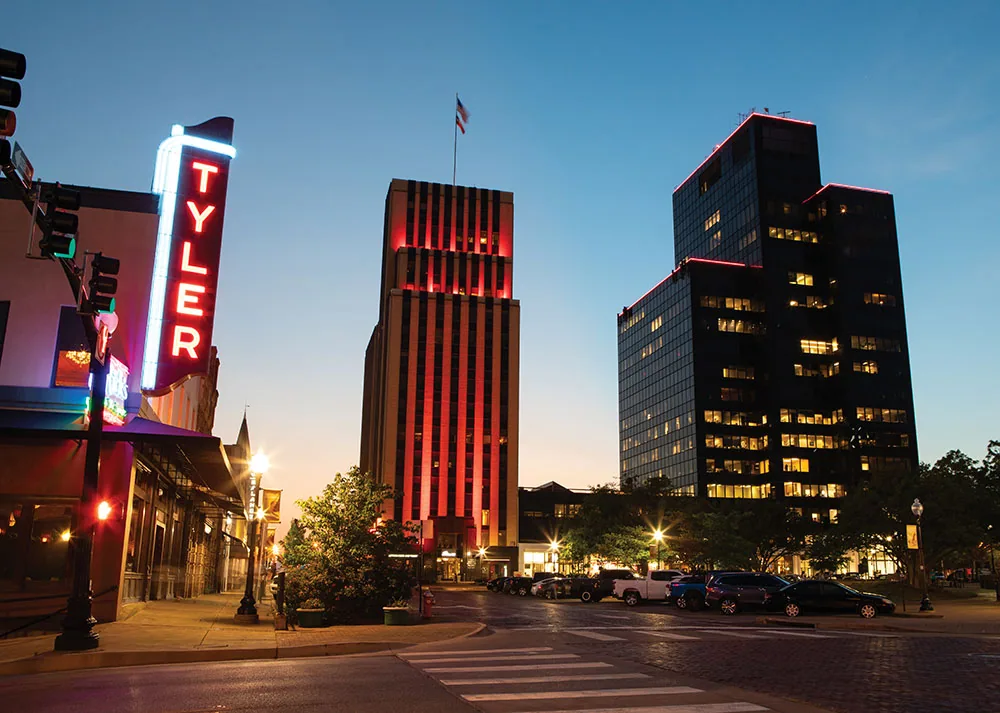
Downtown Tyler Business District
Tyler, TX
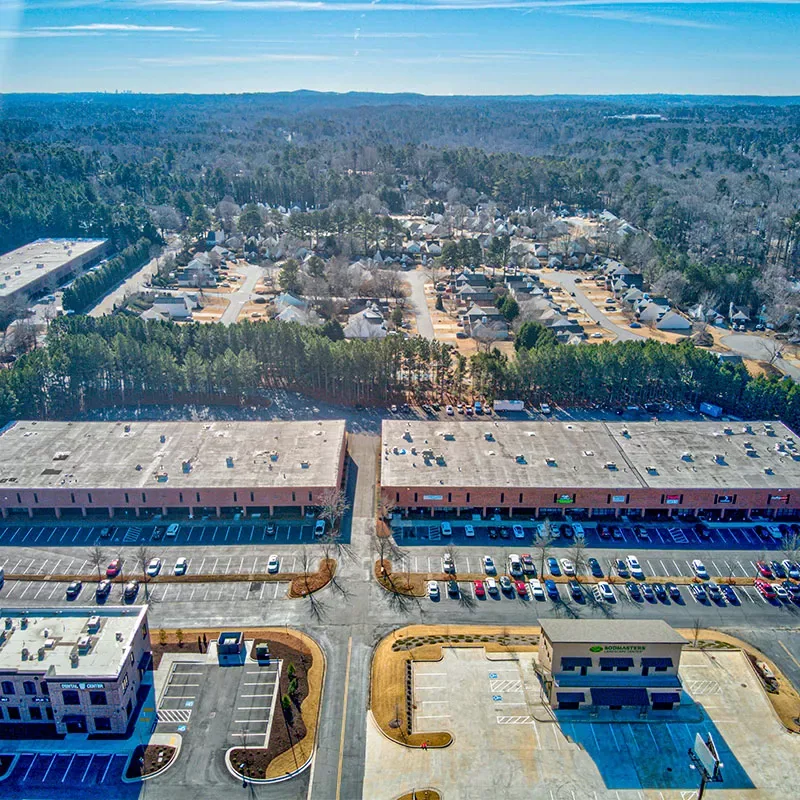
the South Tyler Study Area
Tyler, TX
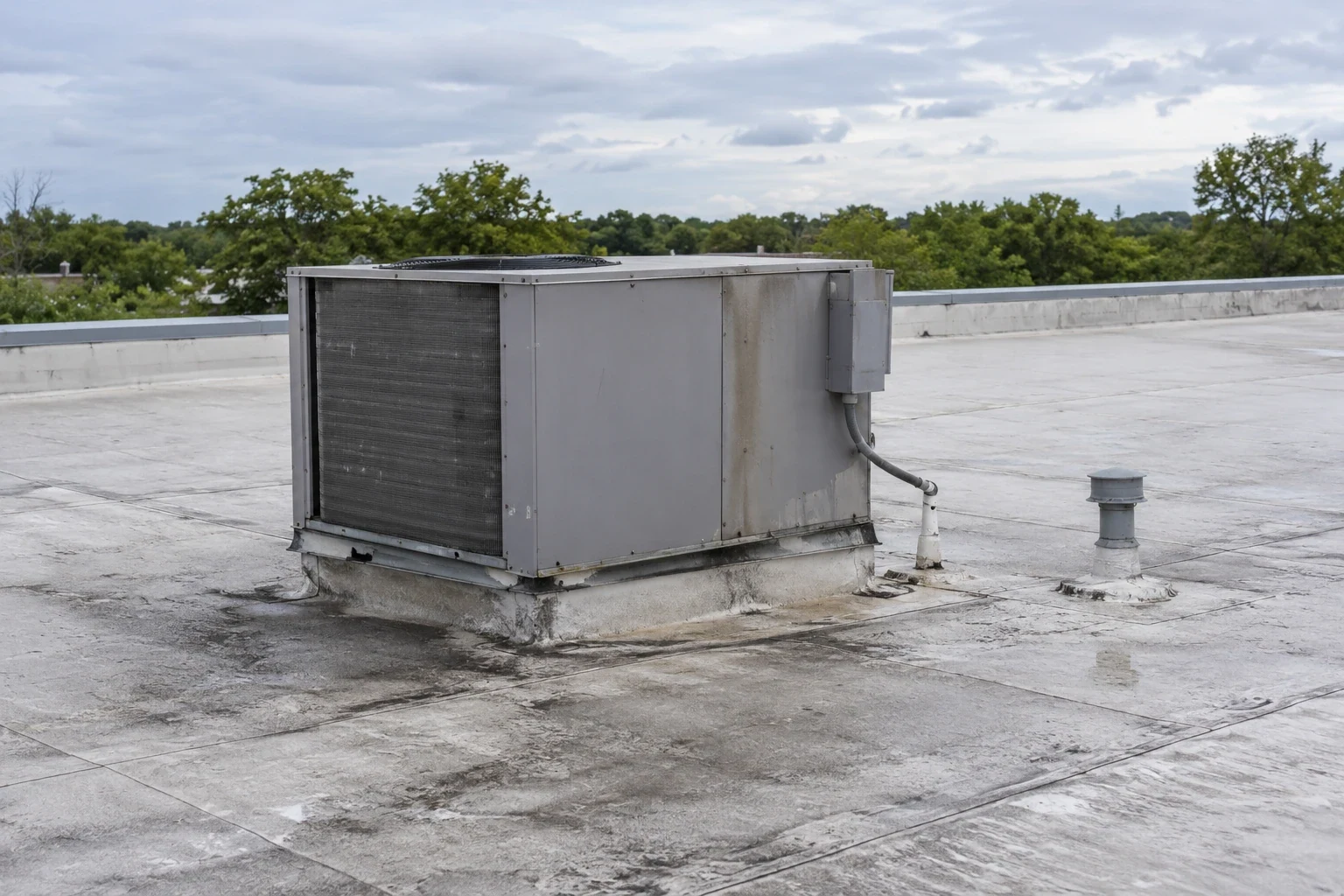
Commercial Roof Inspection
Tyler, TX
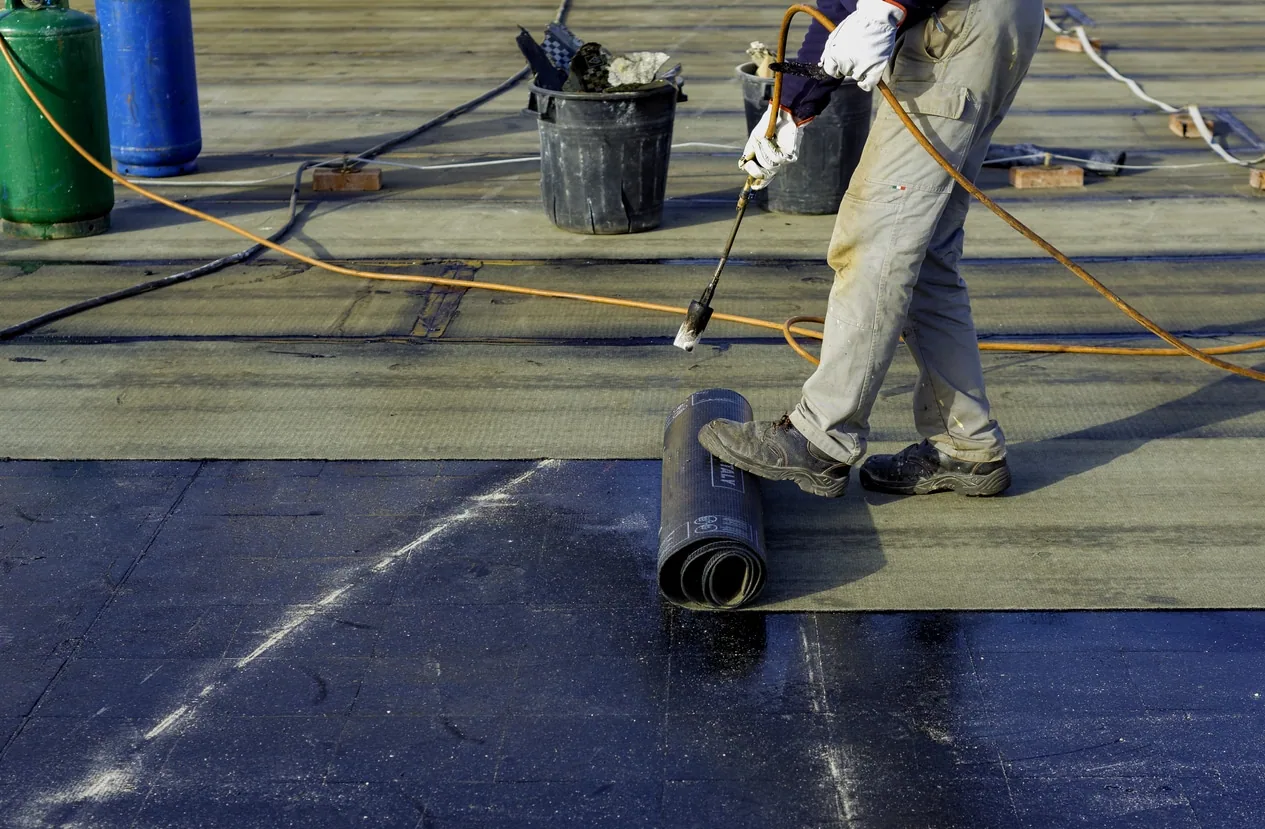
Commercial Roof Condition Reports
Tyler, TX
Define the public-building roof package
Send the roof plan, assembly records, access and security instructions, leak history, approval path, and decision deadline. We will return a sequenced field scope with zones, testing, protection, and closeout responsibilities.