
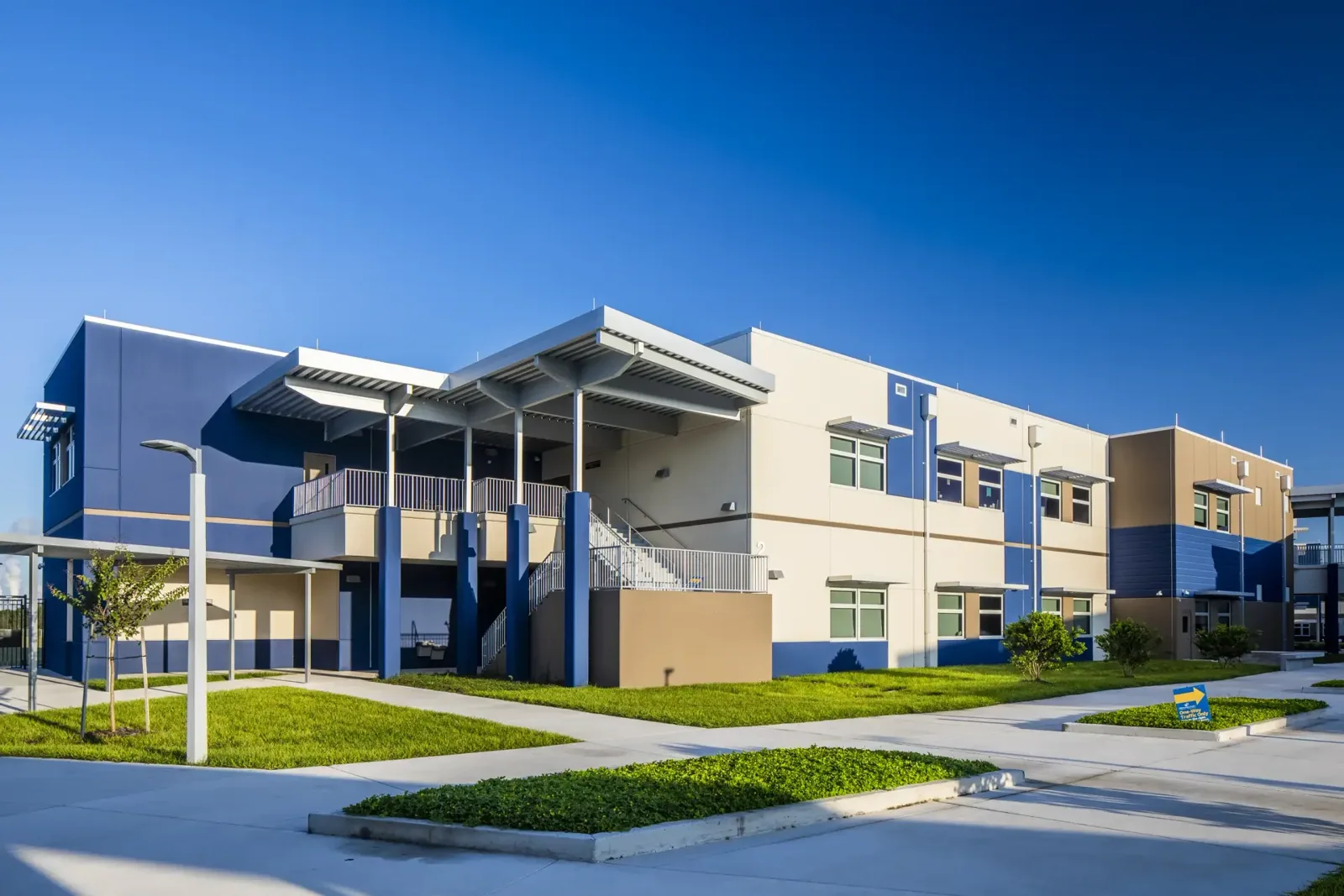
Tyler, TX school reroofing has to fit an occupied-day calendar while summer heat governs each adhesive or coating task. We set the allowed roof-zone opening, check the assembly, and measure the substrate before materials are released. July normal highs in Tyler average 94.5°F, a climate reference rather than a deck reading. The South Tyler Mobility Study Area and Tyler Midtown Area give access and sequencing local context.
A school roof serves classrooms, offices, kitchens, gyms, and equipment spaces with different schedules and interior risks. One stained ceiling tile does not define the repair boundary. We trace water paths from the interior report to drains, seams, curbs, penetrations, and transitions above, then record what is visible and what needs a test. A roof inspection gives the facilities team a zone map for repair, restoration, or replacement decisions, with a Tyler service plan that accounts for the building's access period. School scheduling also has overlap with college and university roof work, where occupied spaces and release windows can vary by building.
Classroom protection and access windows
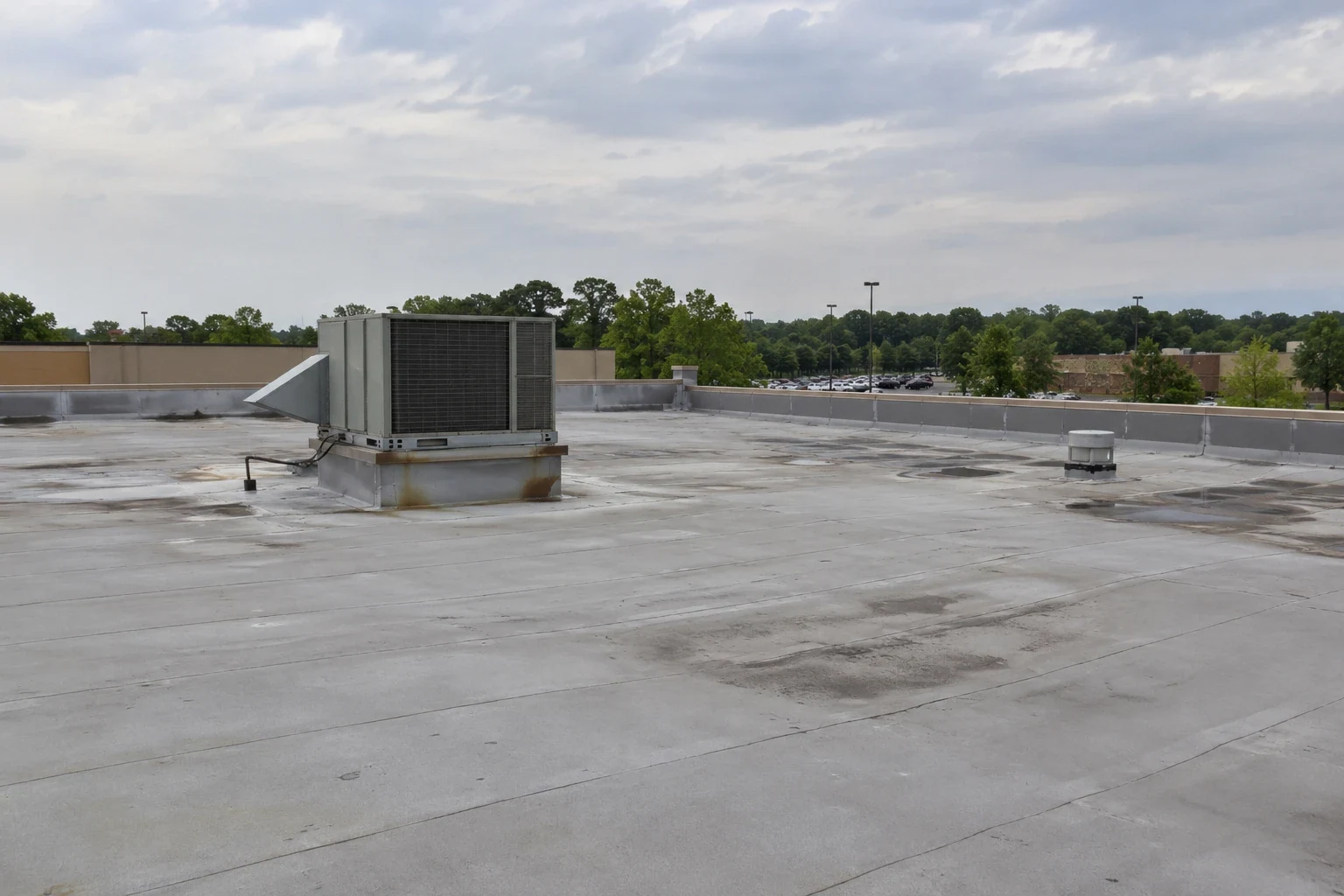
A school calendar creates useful work windows, but summer break alone does not release a roof. Summer sessions, food service, maintenance staff, sports activities, deliveries, and custodial work may continue in selected spaces. Before staging begins, we confirm loading access, lift paths, restricted areas, noisy work periods, and the rooms that need interior protection. A daily access release names the active roof zone, the work package, and the person who accepts the handoff.
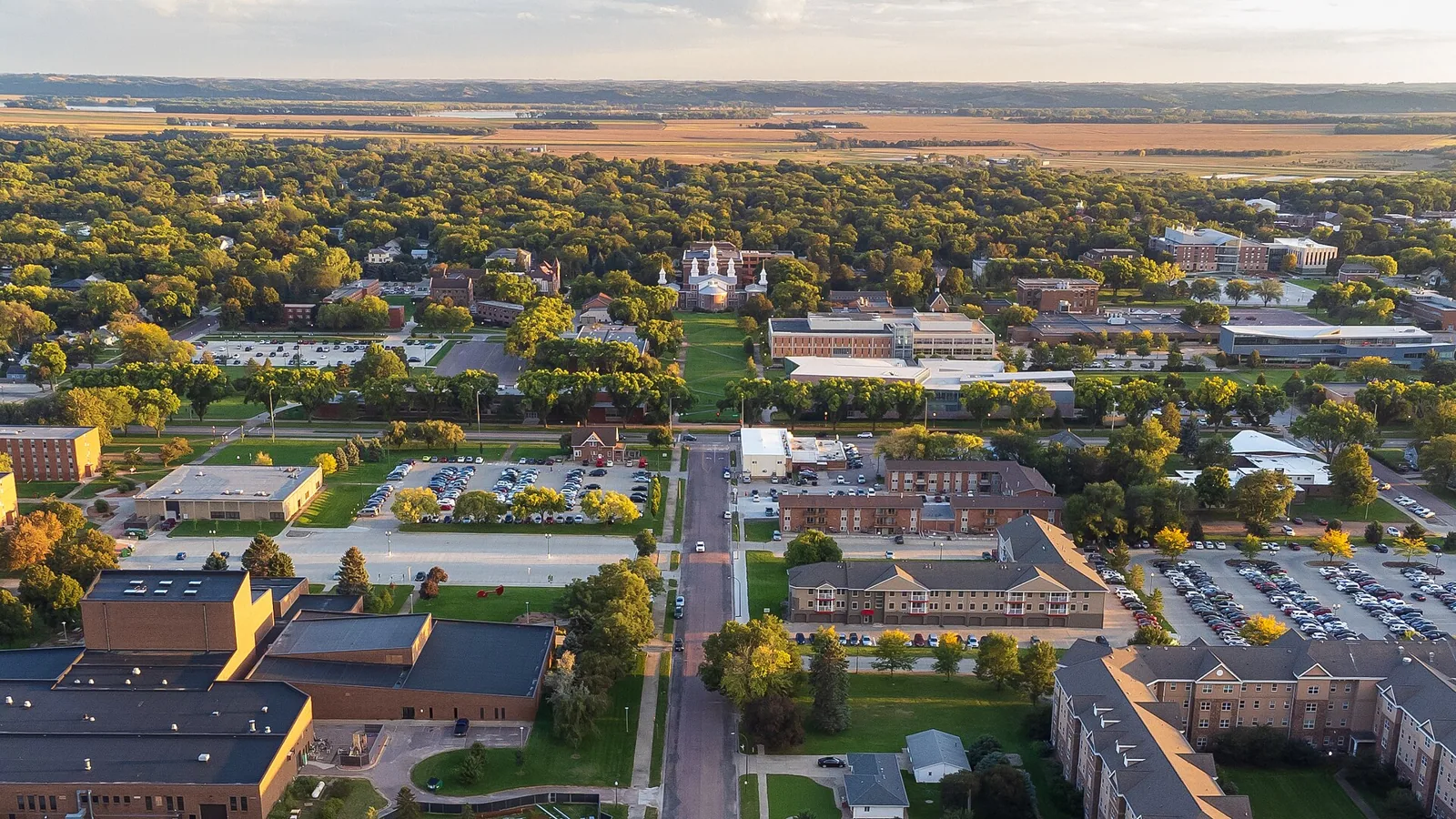
Tyler Midtown continues to serve as a healthcare and education hub, while South Tyler has planned development and rising roadway demand. Those conditions make arrival routes and material drops worth coordinating early. The roof plan should identify gates, occupied wings, pickup areas, and emergency lanes that cannot be blocked. We divide work so that material movement, tear-off, and exposed-section closeout do not cross active school circulation without an agreed hold point.
Roof-zone survey and moisture checks
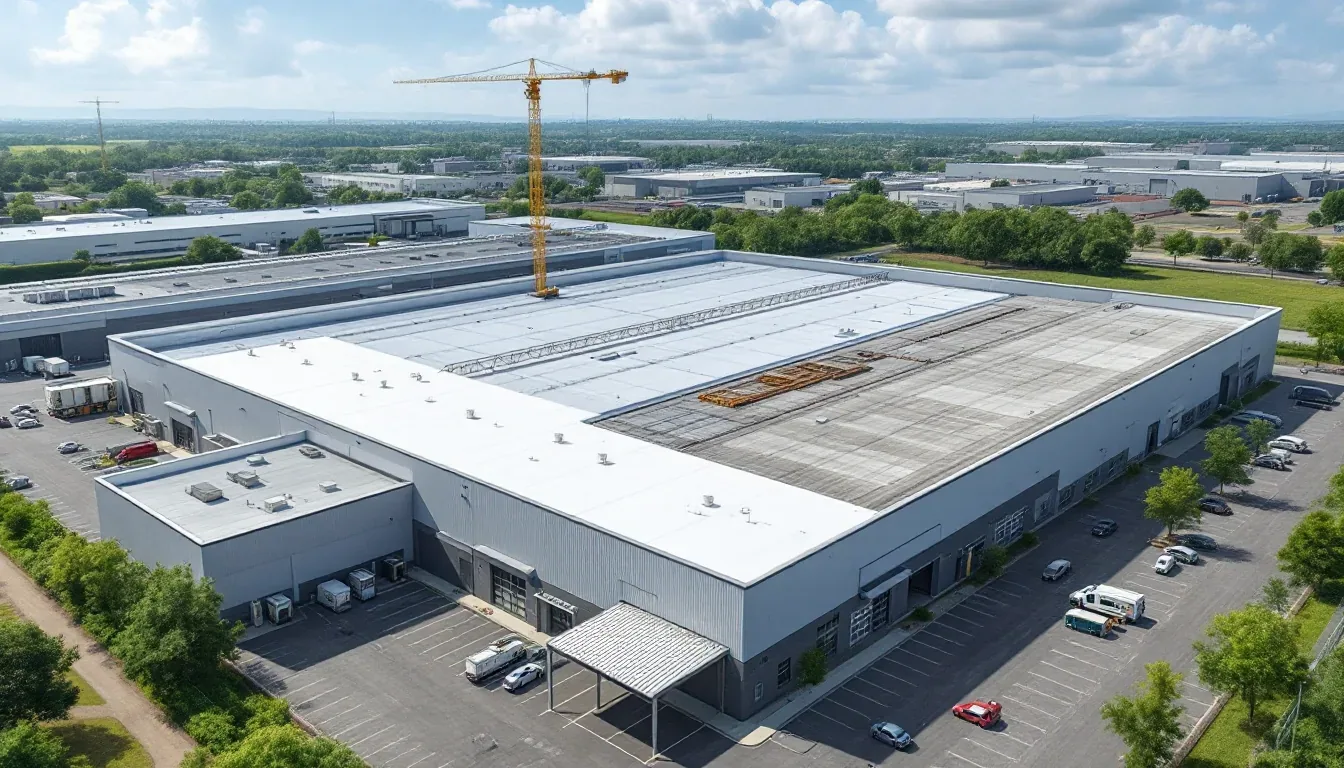
School roofs often combine membrane fields with parapets, rooftop equipment, skylights, drains, scuppers, and additions installed at different times. The survey starts by comparing the available assembly records with visible conditions. We map open seams, punctures, loose flashing, ponding, damaged edges, and interior reports by zone. Where moisture may be inside the assembly, infrared review or test cuts can help locate wet insulation, but the result must be interpreted with roof construction and weather conditions in view.
A written condition report separates confirmed defects from questions that need access or testing. The facilities team can then align the work with maintenance records, upcoming capital decisions, and room use. We photograph details and mark the drain path, test points, and any deck or insulation concern that could affect scope. If one area is sound and another is wet, the estimate should show that boundary instead of treating the entire school as one uniform surface.
Assembly choices and performance tradeoffs
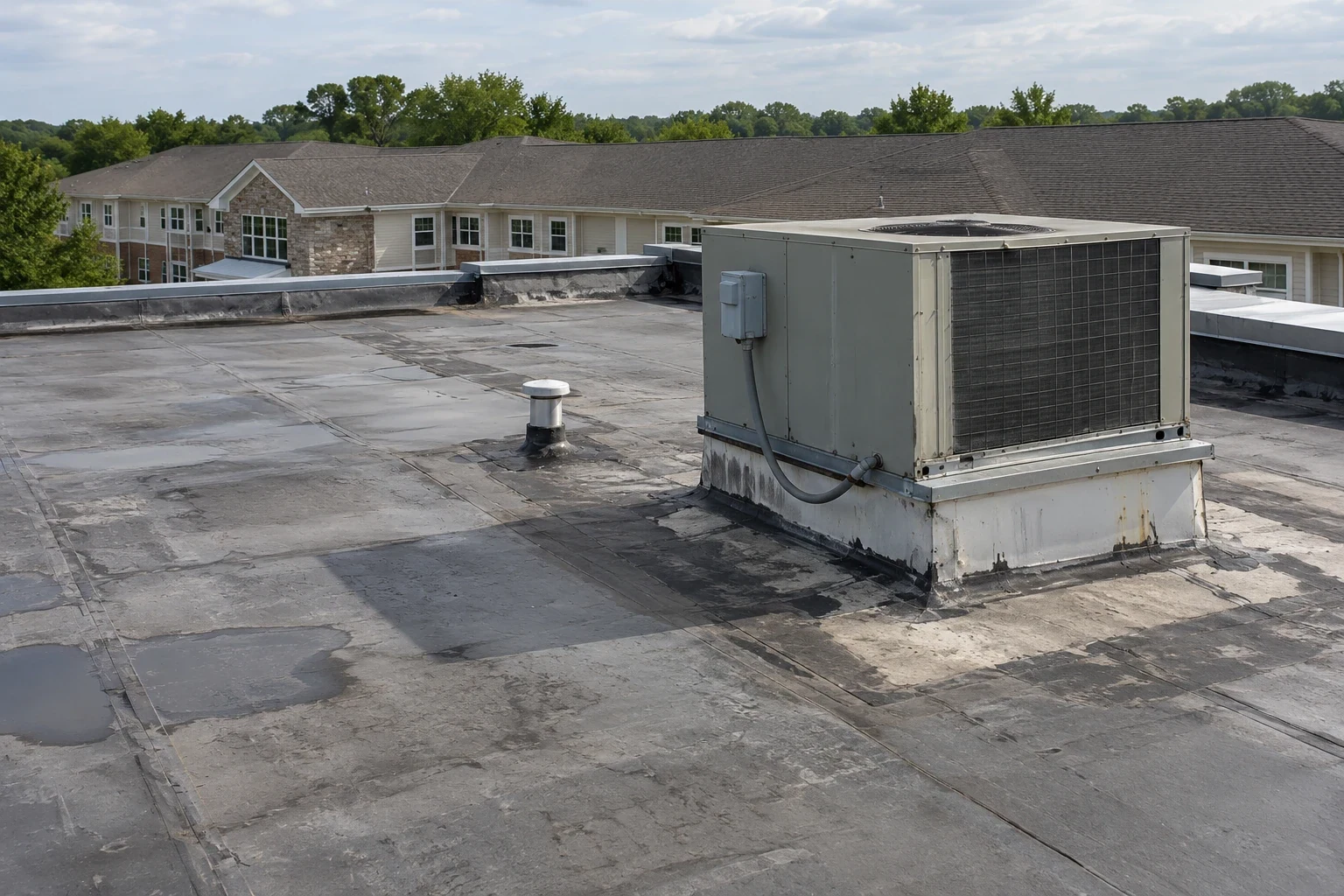
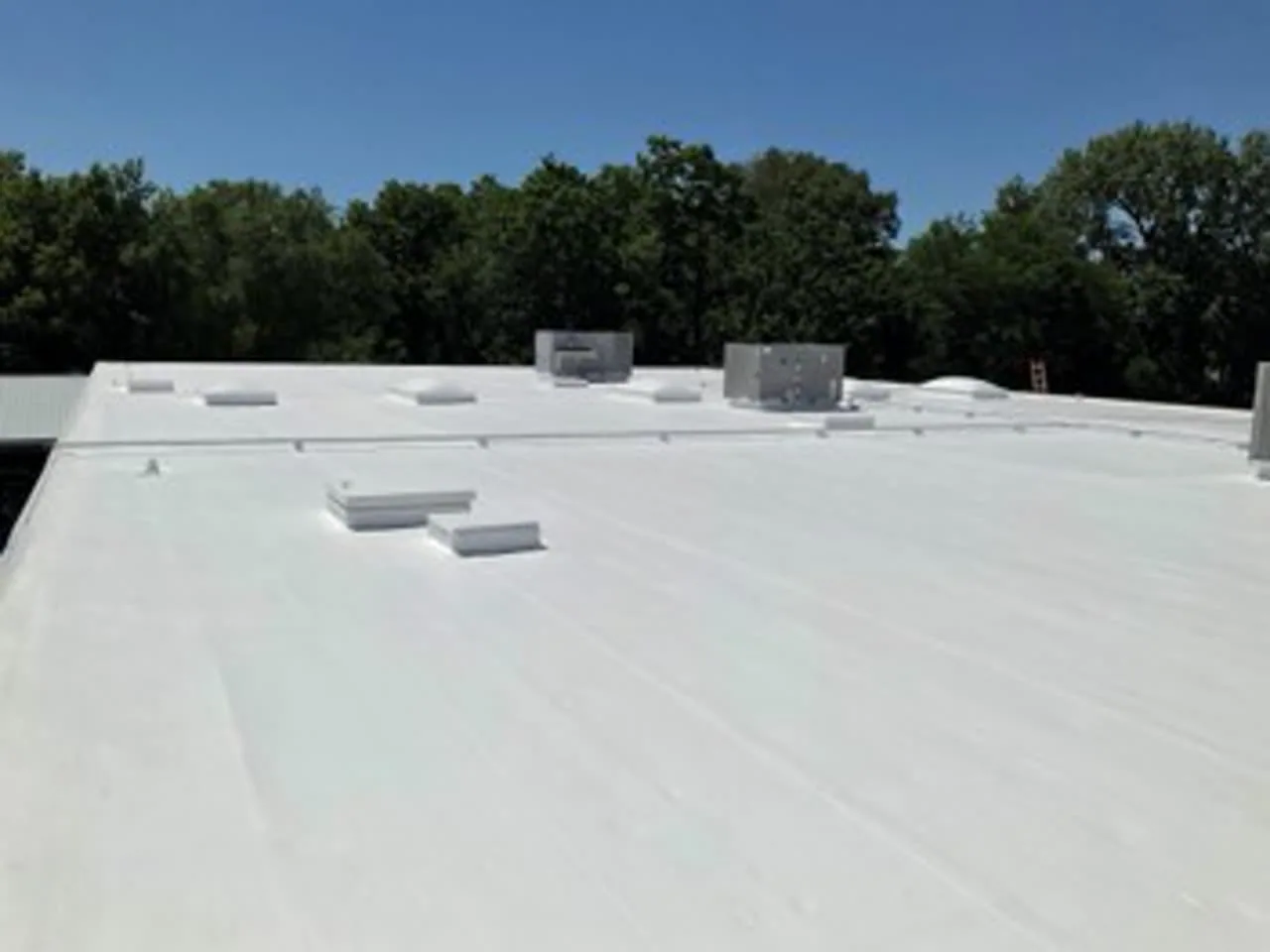
The appropriate system follows deck condition, existing layers, drainage, attachment requirements, edge details, and roof traffic. TPO, PVC, EPDM, modified bitumen, built-up roofing, and standing-seam metal each have different seams, flashing methods, and repair limits. We compare the existing assembly with the proposed one and identify transitions that need rebuilding. A TPO assembly or modified bitumen system is selected for the actual roof conditions, not by the school name alone.
Recovering over an existing system may reduce tear-off, but only when moisture, attachment, height, drainage, and code limits support another layer. A recover scope needs a clear hold point for test cuts and substrate findings before materials are ordered. Widespread wet insulation, weak attachment, or repeated detail failure can shift the recommendation toward replacement. We identify which findings would change the assembly decision so the owner can resolve them before the work package is released.
Heat-sensitive work and storm review
Tyler's sustained summer heat affects when crews can prepare surfaces, bond accessories, and apply coatings. The actual substrate reading, product limits, and shade conditions govern an adhesion-sensitive task. We schedule each step to its installation requirements, leaving time to correct preparation before a surface is covered. When conditions move outside those limits, the affected roof zone stays on hold and the crew updates the sequence with the general contractor or facilities lead.
Spring and autumn thunderstorms across the region can bring hail and damaging wind, and Tyler has recorded local tornado exposure. After a storm, we inspect membrane cuts, displaced edge metal, punctures, loose rooftop items, drains, and interior signs. Damage should be photographed by location while the roof remains safe to access. Our storm damage work distinguishes temporary protection from permanent repair and records open items that could change after additional testing or insurer review.
Phased repairs and school turnover
For a targeted repair, the crew confirms the membrane or metal type, prepares the surface, completes the compatible patch or detail, and checks the finished work before moving to another zone. If a roof replacement is phased, each exposed section receives a defined daily limit and closeout condition. Drains and temporary pathways stay clear, and the next shift gets a handoff that notes incomplete test points, weather delays, and any access restriction. A phased occupied-building sequence reduces conflicts with school operations when the schedule and protection plan are agreed in advance. Similar circulation planning can apply to church roof projects with active rooms below.
At turnover, the owner receives photos, marked roof zones, repair notes, test results where taken, and recommendations ranked by urgency and consequence. That record helps maintenance staff distinguish a completed repair from an item held for further testing. A condition report can support budgeting and future inspections without converting observations into a warranty or a promise about untested areas. Call with the roof plan, assembly records, current leak locations, access window, and decision deadline; we will return a sequenced field plan with hold points identified.
Commercial Roofing Questions
Can roof work fit between school terms?
Often, when the roof is divided into released zones and the scope matches the available calendar. We compare crew access, material staging, noise-sensitive areas, weather exposure, and daily closeout needs with the school schedule. A short break may suit a limited repair, while tear-off or wet-insulation removal can require more time and interior protection. The field plan should identify decision dates before procurement begins.
What findings make a school roof replacement more likely?
Widespread moisture, deteriorated insulation, repeated seam failure, weak attachment, or compromised deck can make isolated patches poor value. We map these findings by roof zone and compare them with the sound portions of the assembly. Testing helps settle hidden conditions before scope is finalized. When failure remains localized and adjacent material is sound, repair may remain a practical option.
How should we handle a leak above an occupied room?
Cover and protect the room first, then report where and when the leak appeared and what the conditions were, so the roof area can be traced safely. Water can travel along insulation or deck before appearing inside, so the ceiling mark is a starting point rather than the repair boundary. We check nearby seams, curbs, drains, and penetrations, document temporary protection, and identify what testing is needed before permanent work.
What does storm follow-up include for a campus roof?
The inspection records visible punctures, displaced edge details, damaged flashing, blocked drainage, and loose rooftop items by zone. We photograph conditions and note which areas need safe access or further testing. Tyler's spring and autumn storm exposure makes prompt documentation useful, but the scope still follows the actual roof findings. Temporary measures and permanent repairs remain separate work steps.
Which records should be ready before bidding?
Provide roof plans, prior repair history, assembly and warranty records, known leak locations, access limits, and the target decision date. Include room-use periods or areas that need protection. We review those materials against field observations, flag missing test points, and return a work package that separates confirmed work from open conditions.

Related Pages
Commercial Roof Inspection
Tyler, TX
College and University Roofing
Tyler, TX
Tyler
Tyler, TX

TPO Roofing
Tyler, TX
Set the school roof work sequence
Send the roof plan, assembly records, leak locations, school access window, and decision deadline. We will map roof zones, tests, weather-sensitive steps, and the hold points needed for a controlled handoff.