
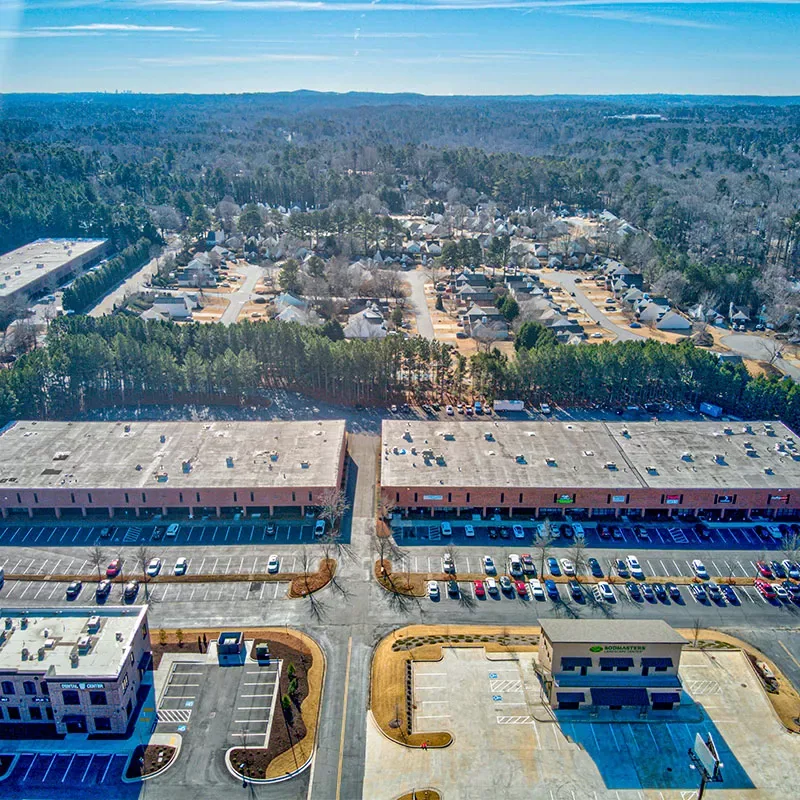
South Tyler roof work needs a field sequence that can adjust to heat, access, and the release of each roof zone. South Tyler is a fast-growing area, with planned development increasing demand on its roadway system. The study evaluated seven corridors and identified nine proposed transportation projects. Those are planning facts, not a schedule for a specific street or a condition at any property. We confirm the building's delivery route, occupied hours, roof entry, and staging limits before assigning crews or setting a repair boundary.
Tyler's normal July high is 94.5°F, a useful seasonal marker for planning South Tyler work packages. It cannot clear an area for adhesion-sensitive work; the crew records the actual surface and substrate reading at the roof. Because hail and damaging wind can accompany the region’s spring and autumn storms, we also assign a safe stopping boundary and a named closeout check before a zone is opened. A commercial roof inspection creates the condition record, and work across the Tyler service area retains a separate assembly record and access release for each property inspected.
Planned corridors and site access
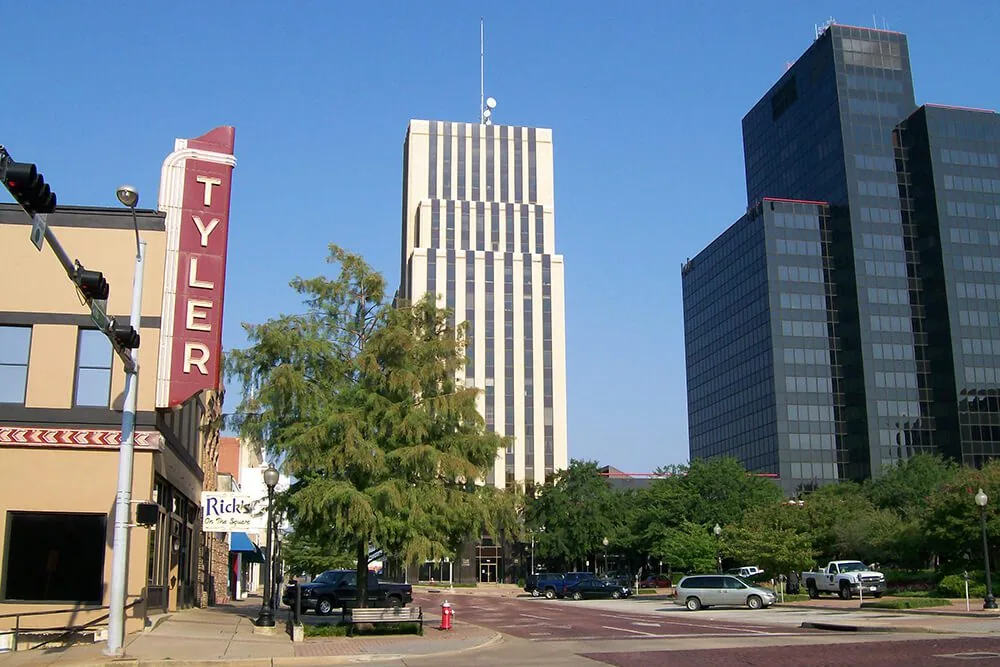
The South Tyler study examines current and future traffic, short-term improvements, and longer-term roadway connectivity. That planning scope is useful context for a project team coordinating deliveries, but we do not treat a proposed improvement as an active restriction. Before mobilization, we confirm the actual route, loading window, any posted site requirements, lift placement, and roof access. If a city or property change affects the work period, the general contractor can update the release plan using current information.
On the roof, inspection follows the plan zone by zone. We record the membrane or metal assembly where evidence supports identification, then check seams, edges, curbs, penetrations, flashings, and drain paths. Photographs show the location and condition rather than relying on a broad description such as “South Tyler roof.” A condition report with mapped photographs helps the owner compare the field record with drawings and repair history. If access does not allow a full walk, the report identifies the unchecked area so it is not mistaken for a clear finding.
System identification and repair scope
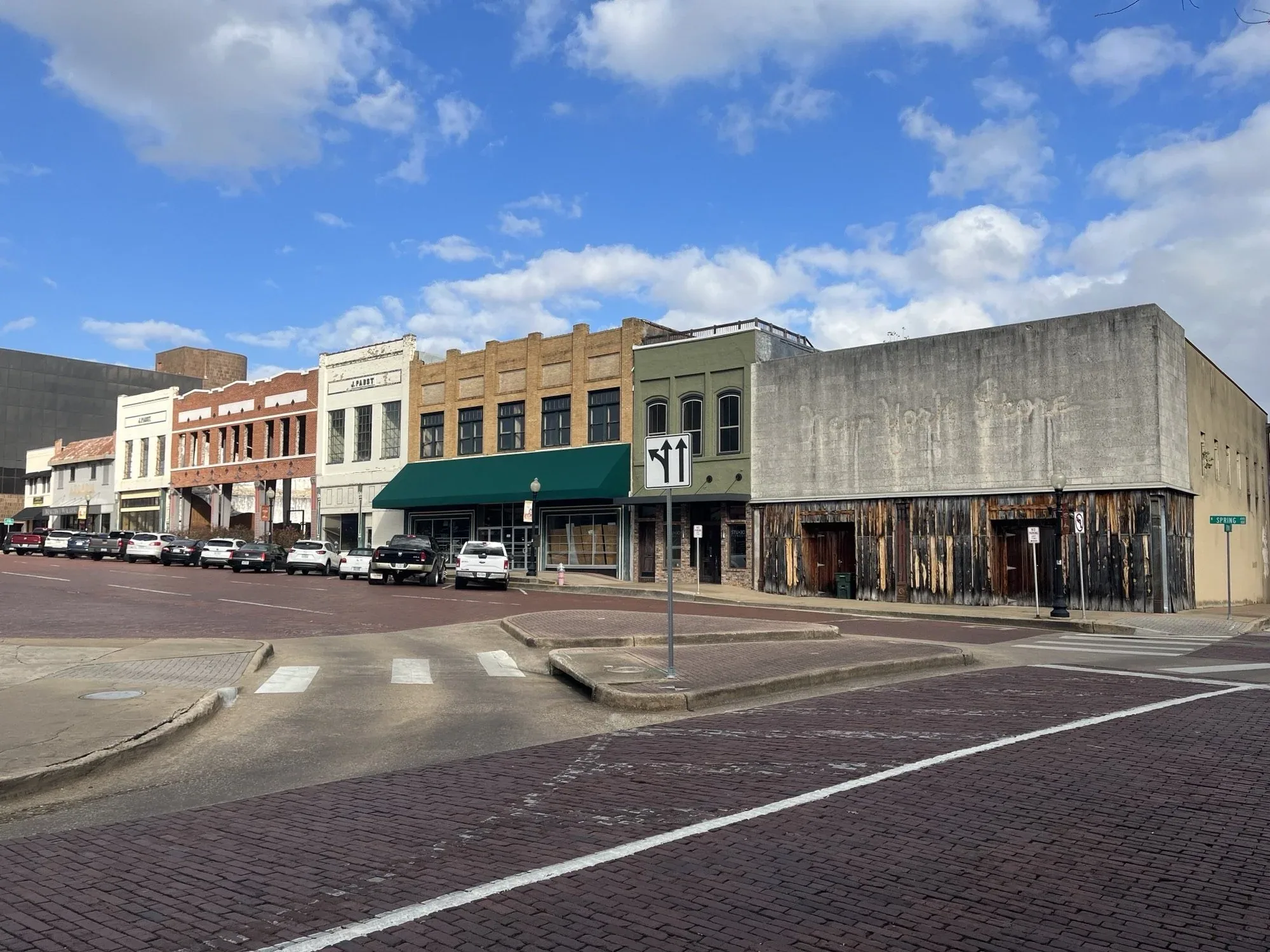
Repair material follows the installed system and the condition of the substrate. A membrane seam, metal panel, penetration, and wall transition have different preparation and tie-in details. We compare the field walk with available plans, prior work records, and manufacturer installation requirements, then identify what is known and what remains concealed. A test point is proposed only when its result could change the repair limit, material choice, or replacement recommendation.
A local opening in sound material may support a narrow repair. Repeated separation, widespread wet insulation, drainage defects, or deck concerns can call for additional testing or a broader scope. We put a hold point before removal extends beyond the approved zone. The repair work package lists preparation, material, tie-in limits, and closeout; replacement planning addresses tear-off depth, insulation, edge metal, drainage, and inspection before concealment. For a TPO assembly, welds and transitions are checked with system-specific tools and methods.
Heat windows and storm hold points
A prepared seam or flashing needs its own readiness check when sun, shade, moisture, or a delivery delay changes conditions during the shift. Before primer, bonding, or coating, we log work-area substrate readings and compare them with the selected product's specified range. If preparation conditions no longer qualify, the foreman stops that operation, protects materials already opened, and records the inspection needed for restart. Other released tasks can continue only where their own exposure and closeout limits remain satisfied.
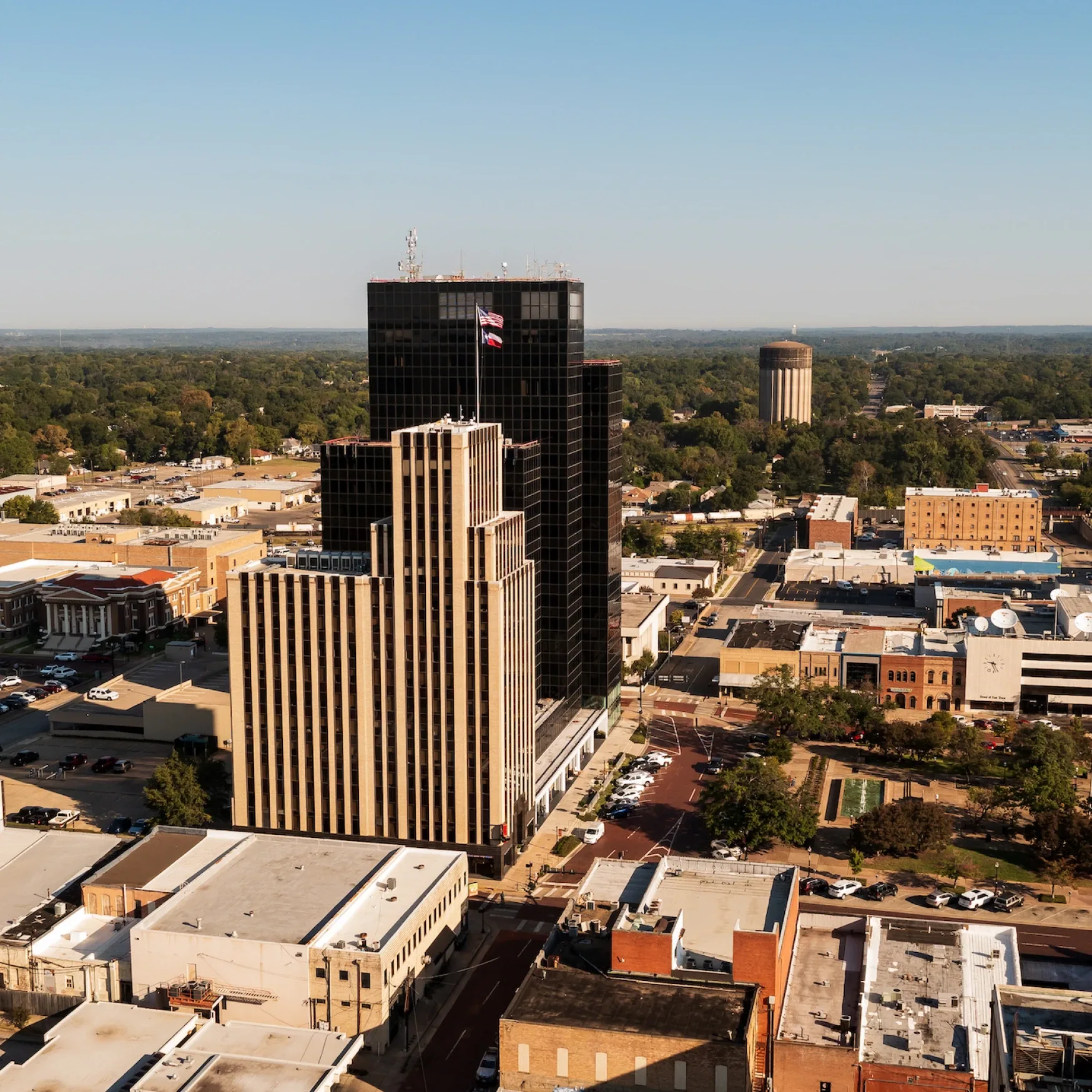
The regional severe-weather outlook is useful for deciding when the contractor should review exposed material and drainage plans, but it says nothing about a specific South Tyler roof. We record what a site inspection finds at panels, perimeter metal, seams, and drains, then tie each observation to its map location. A hail impact review can organize findings without treating the forecast as a property condition. If a test cut or material lead time changes the sequence, the handoff separates temporary water control from permanent repair approval and names the next release.
Occupied operations and crew handoffs
Access conditions differ by property even inside one study area. We confirm occupied spaces, loading schedules, rooftop equipment restrictions, shutdown approvals, and paths used by other trades before staging. The work package says which zone can be entered, what activity is permitted, and who releases the next area. If an occupied building needs smaller work windows, the crew closes each section before moving to another task. That handoff keeps temporary protection visible and gives the project manager a defined inspection point.
For property teams working elsewhere in the market, Tyler Midtown and Edom have separate place context and access plans. Similar routes or roof systems do not transfer one property's facts to another. Cost and duration follow the assembly, roof height, staging, penetrations, access, how much is removed, insulation or deck work, and weather-sensitive steps. The occupied-building work plan puts route protection and zone releases beside the technical scope.
Closeout and next decision
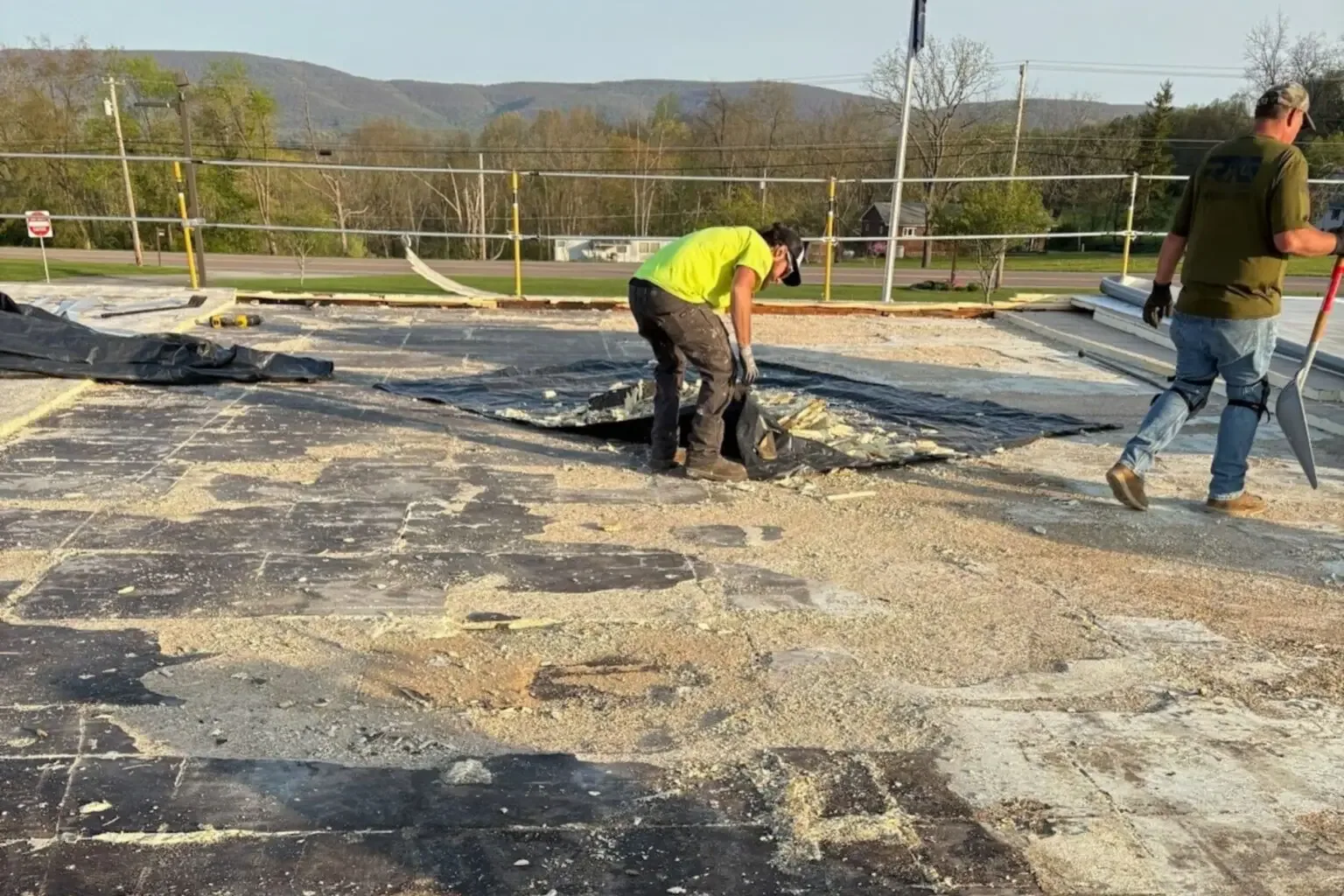
Closeout lists the completed detail, remaining exposure, drain condition, photographs, installed materials, and test results still open. The roof plan identifies a released zone and any location held for approval. This record supports the next trade handoff and helps the owner decide whether to authorize another repair, testing, restoration, or replacement. If a test changes the assumed quantity, we provide the exposed-layer finding before scope grows.
South Tyler has short- and long-term corridor improvements under consideration, but a roof decision still depends on the actual assembly and field record. We keep the project schedule current using confirmed property access rather than assuming a transportation proposal changes the delivery route. Send the roof plan, assembly documents, leak history, access periods, and decision deadline. We return the next work package with tests, approvals, temporary protection, and the release contact identified for the general contractor.
Commercial Roofing Questions
Do the nine proposed projects indicate road closures at my building?
No. Proposed transportation projects address current and future conditions across several South Tyler corridors. Those proposals do not establish a closure at a particular property. We confirm the current delivery route and access window with the project team before mobilization.
How do you scope a roof when a property is still occupied?
We confirm operating hours, routes, equipment restrictions, and any shutdown approval, then divide the work into releasable zones. The package identifies protection and the handoff contact for each period. If an access limit changes, we update the sequence before opening another area.
Does the July normal tell you when a coating can be applied?
It gives regional context for planning. Actual substrate and ambient readings, along with the product instructions, determine whether an application step can proceed. We hold the work if the conditions fall outside the specified range and document the next check.
What would cause a repair boundary to expand?
A test result showing wet insulation, deck deterioration, repeated failure, or a larger affected area can change the boundary. We document that evidence and pause for approval before adding removal. The revised scope identifies quantity and the next roof-zone release.
What should a storm review record for a South Tyler roof?
We map inspected zones and photograph actual impacts, displaced materials, open details, and drainage conditions. Reported weather remains separate from what we observe. Any blocked access, untested area, temporary protection, or follow-up test is listed for the next decision.
Related Pages
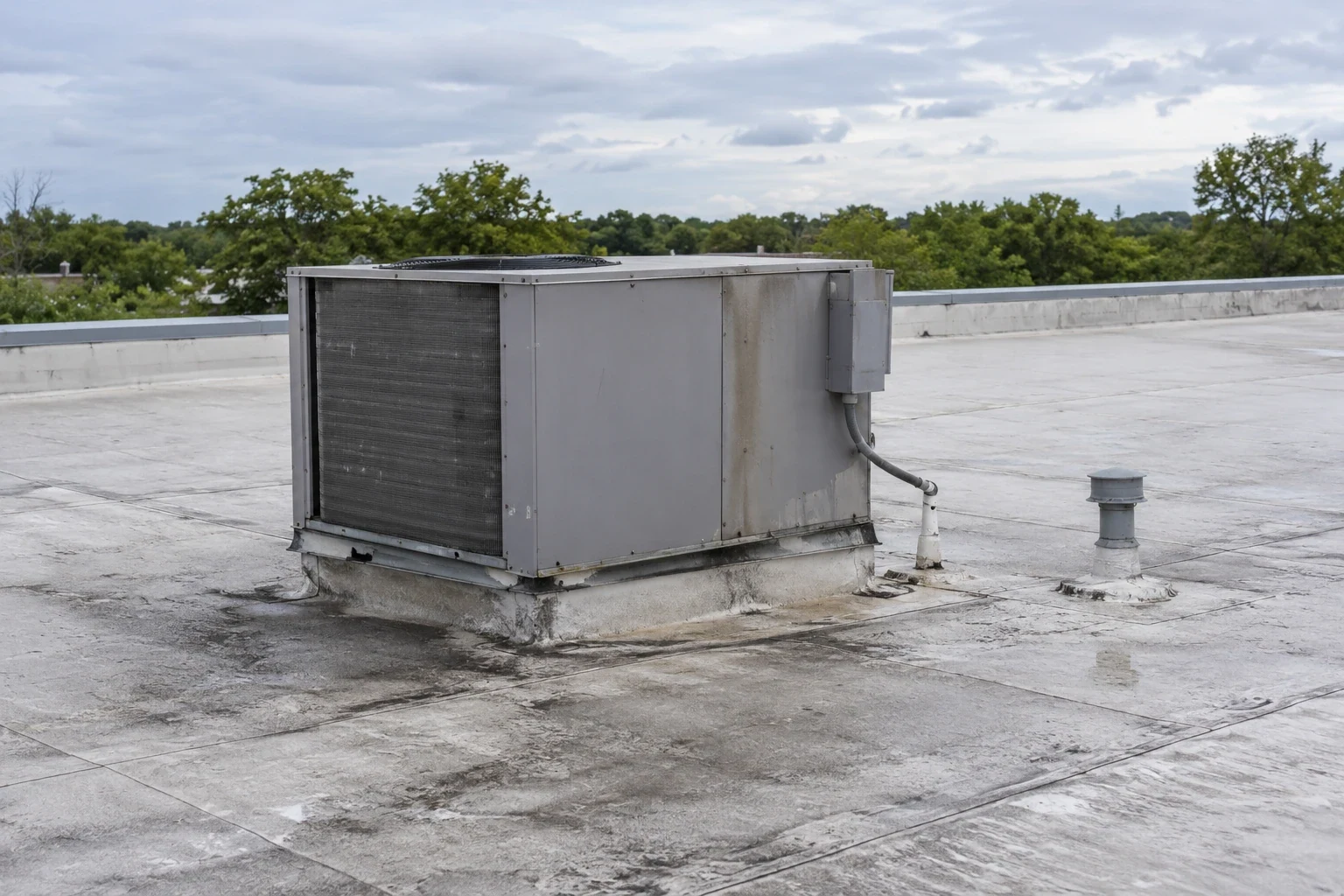
Commercial Roof Inspection
Tyler, TX
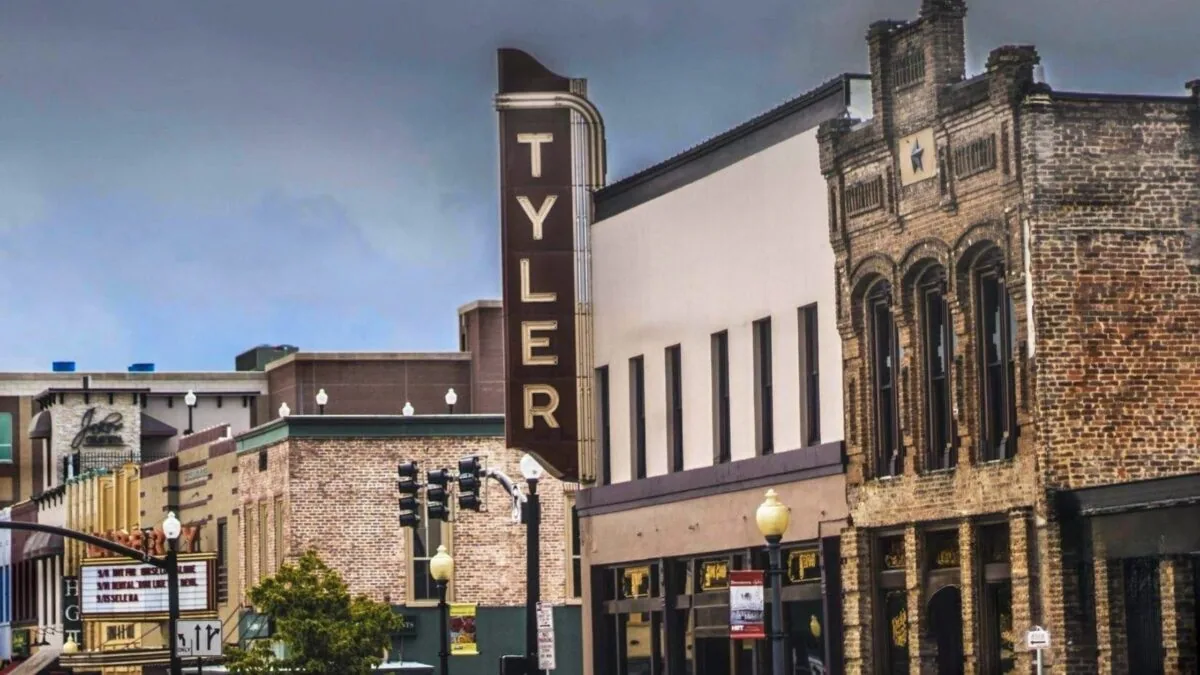
Tyler
Tyler, TX
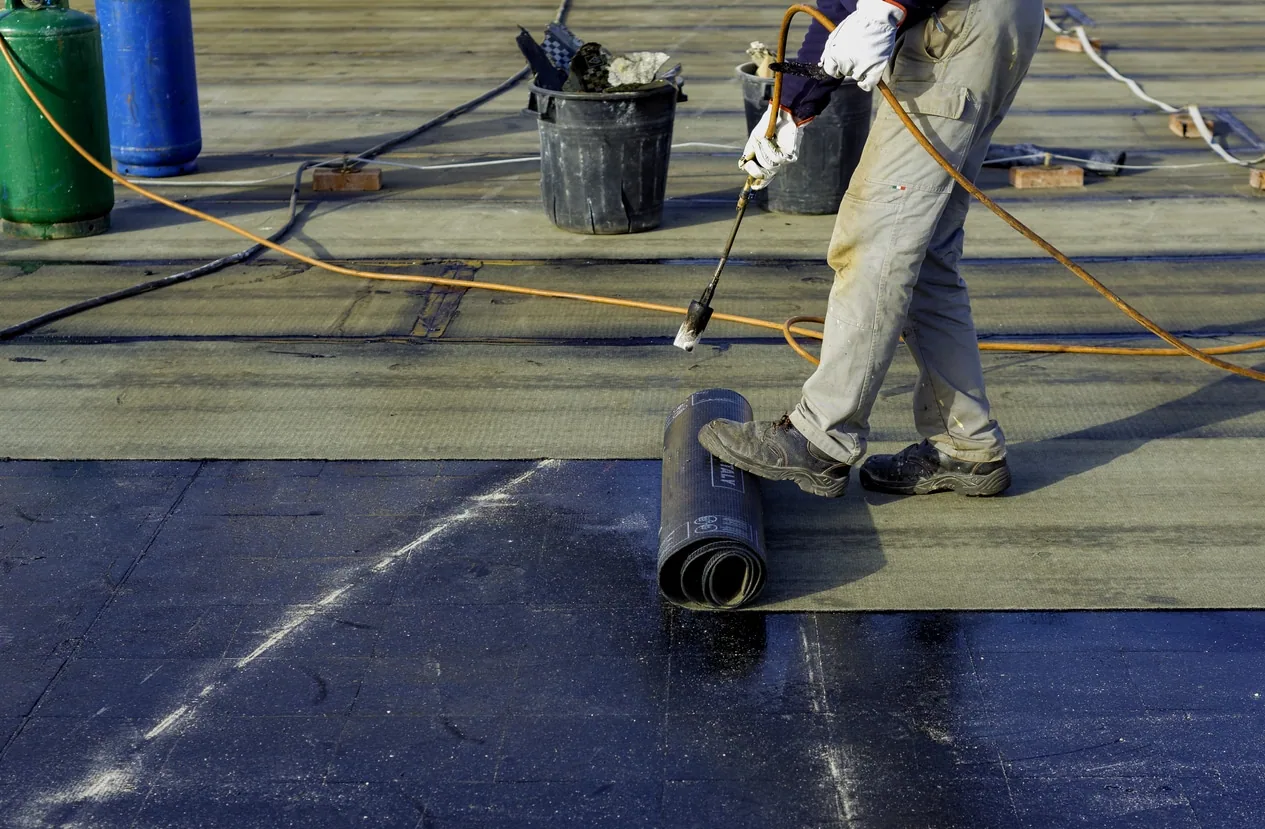
Commercial Roof Condition Reports
Tyler, TX
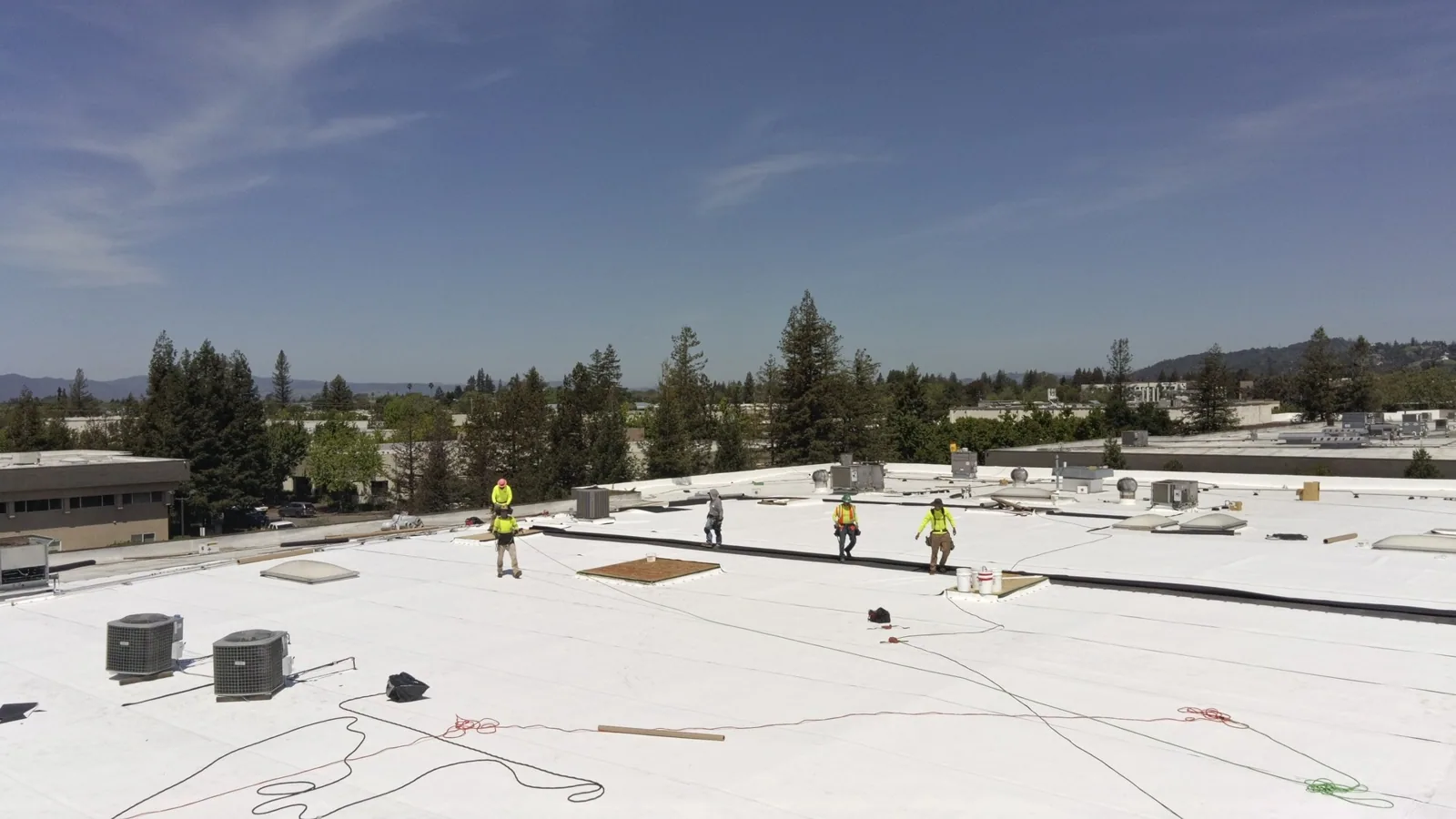
Commercial Roof Repair
Tyler, TX
Build a South Tyler roof sequence
Provide the roof plan, assembly records, current access periods, occupied-area requirements, and decision deadline. We will return a sequenced package with tests, protection, and roof-zone releases marked.