
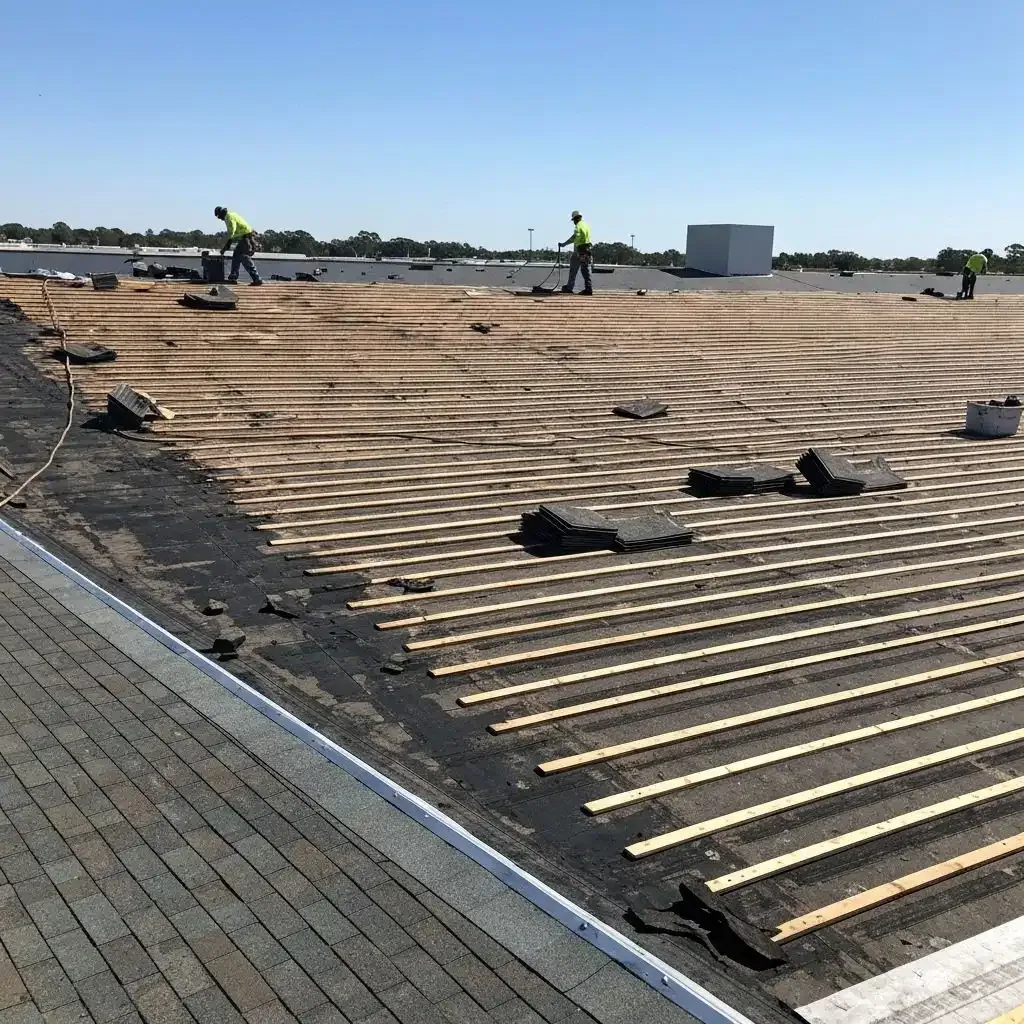
Tyler's July heat can tighten the window for adhesive and membrane work above an occupied building. Normal July highs average 94.5°F, while the roof surface can read differently from the air. We check actual conditions, product instructions, and the day's exposure limit before opening a roof zone. The general contractor receives the first release boundary, the planned closeout time, and the contact who can approve an adjustment when weather or building operations change the sequence.
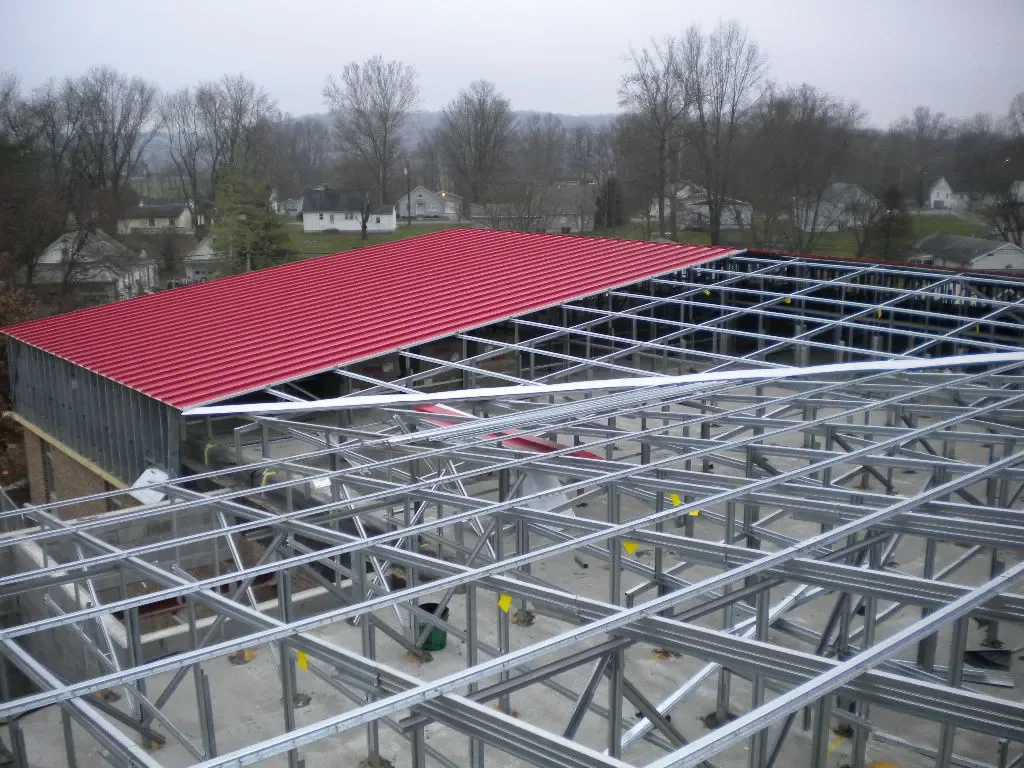
Reroofing with staff, customers, or production inside requires a work map that protects both the roof and the space below it. We identify entrances, loading routes, mechanical intakes, sensitive rooms, and areas where noise or dust needs coordination. A replacement work package can divide removal, deck review, insulation, and membrane installation into controlled stages. A Tyler roof survey ties the proposed phases to the property access plan.
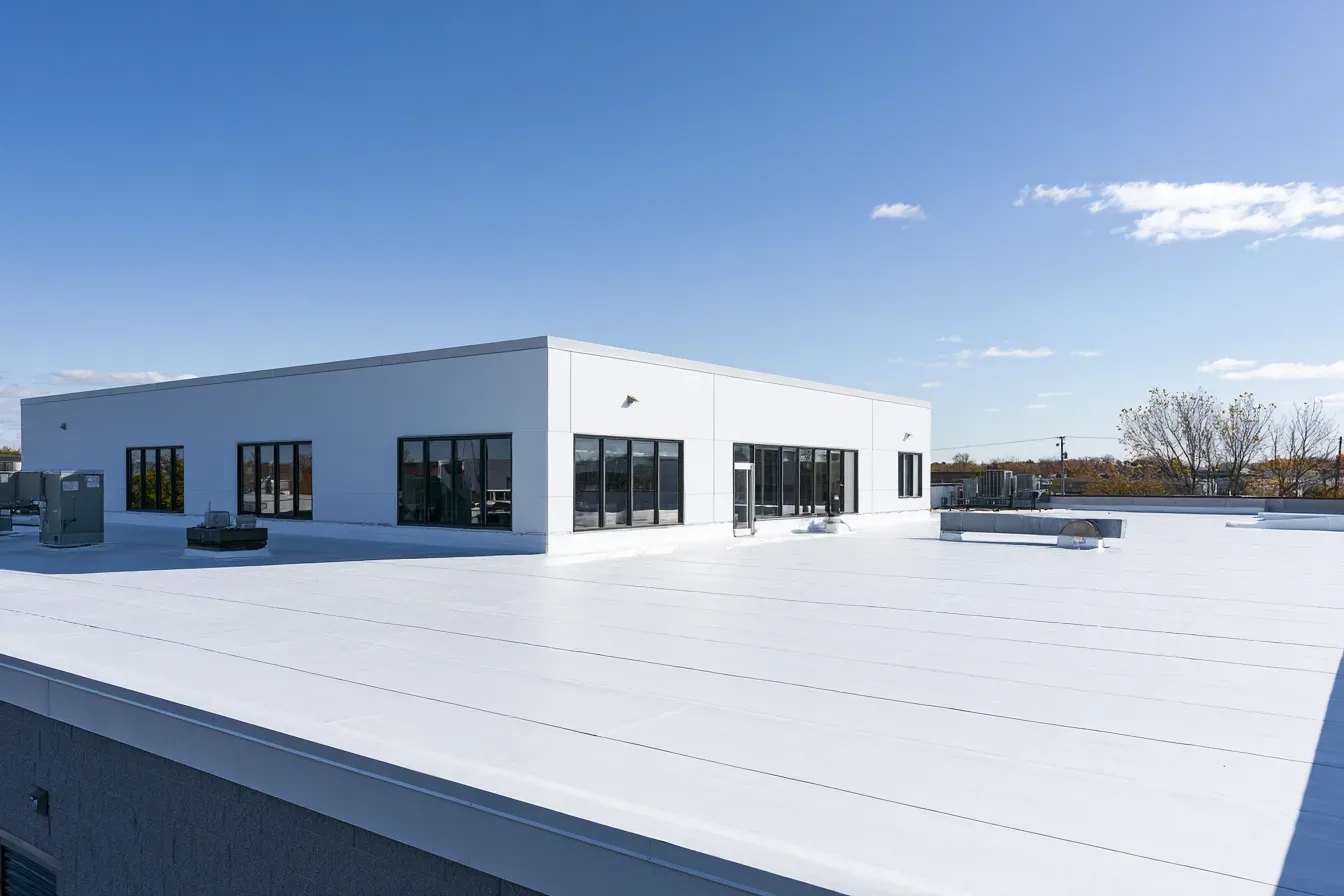
Roof zones and occupied areas
We start by mapping roof areas against the building's daily use. The plan marks entrances, emergency access, air intakes, loading points, utility routes, and the rooms or production lines beneath each work area. Interior protection can include dust controls, temporary coverings, or relocation of sensitive equipment, depending on the scope. The building representative identifies operating periods and restricted areas before material is staged. Each crew receives the zone boundary, allowed access, and the person responsible for releasing the next phase.
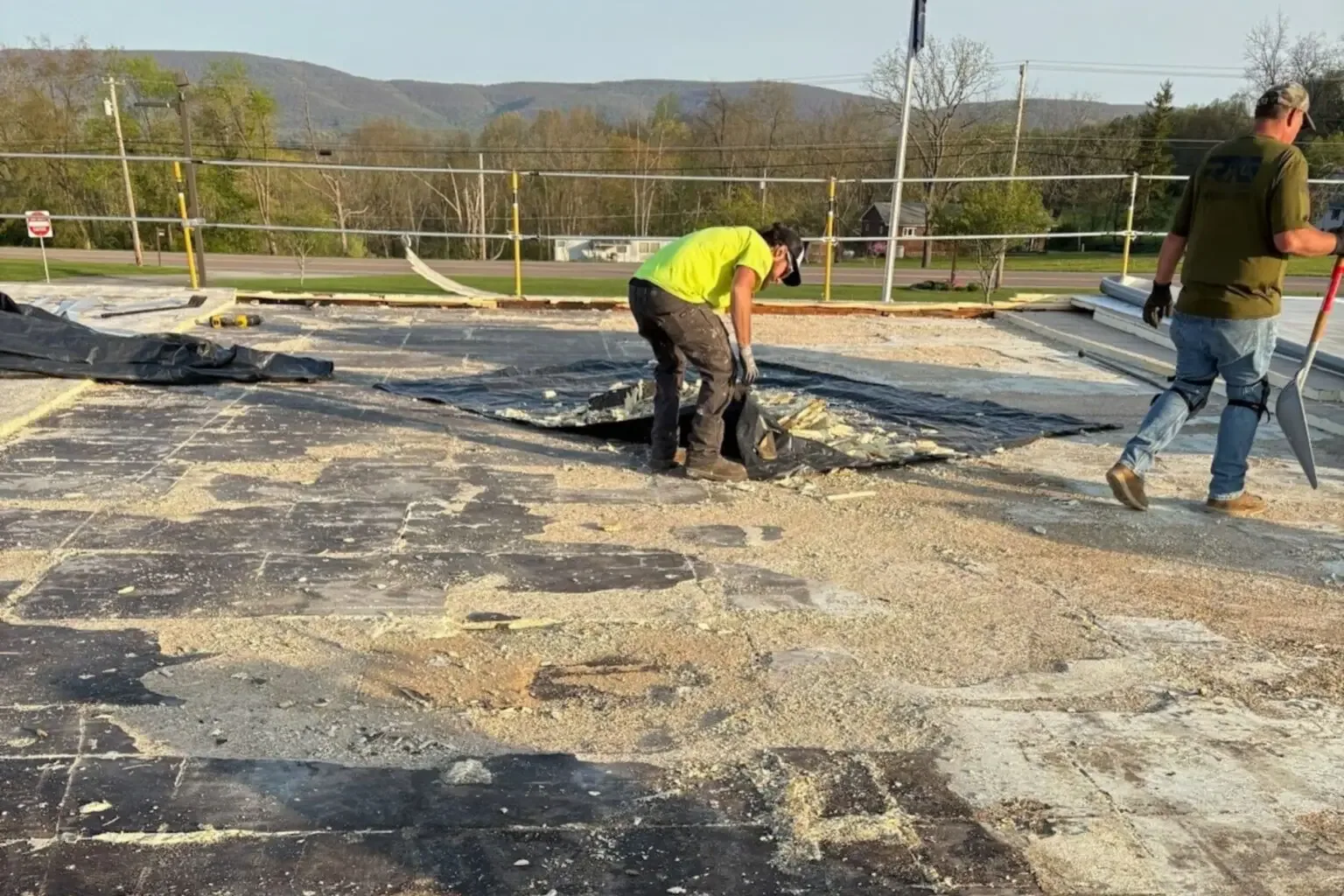
Tear-off depth, deck condition, insulation changes, wind exposure, and the size of a safe temporary opening affect the amount of work that can be completed in a shift. We set an exposure limit and a closeout point for each area. If the crew finds hidden deterioration, work pauses at a marked hold point while photographs and a change request go to the project lead.
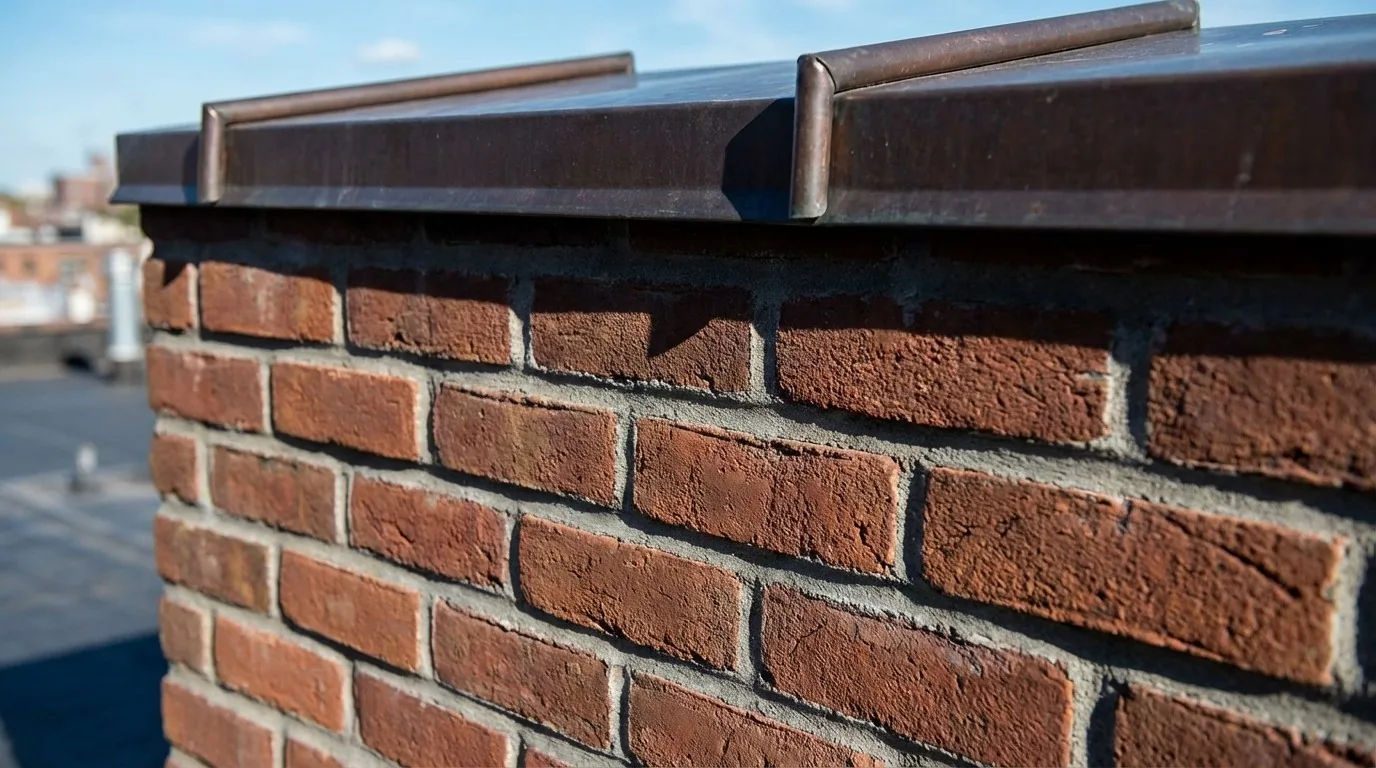
Weather and heat window
Adhesion-sensitive tasks may need a different window than removal or mechanical fastening. We take substrate readings at the work area and compare them with the selected product's installation limits. High heat can change primer handling and working time, while rain risk or wind can affect lifting, membrane placement, and temporary cover. We separate tasks that can continue from those that must wait, with a named release decision and secure end-of-shift condition.
Regional severe thunderstorms with hail and damaging wind occur most often in spring and autumn. That seasonal exposure matters when sequencing temporary openings and storing insulation or membrane. For an urgent leak, contact us to confirm current availability and dispatch. The first review covers safe access, interior protection, and roof drainage. We also note who can authorize access if a storm interrupts the agreed work period.
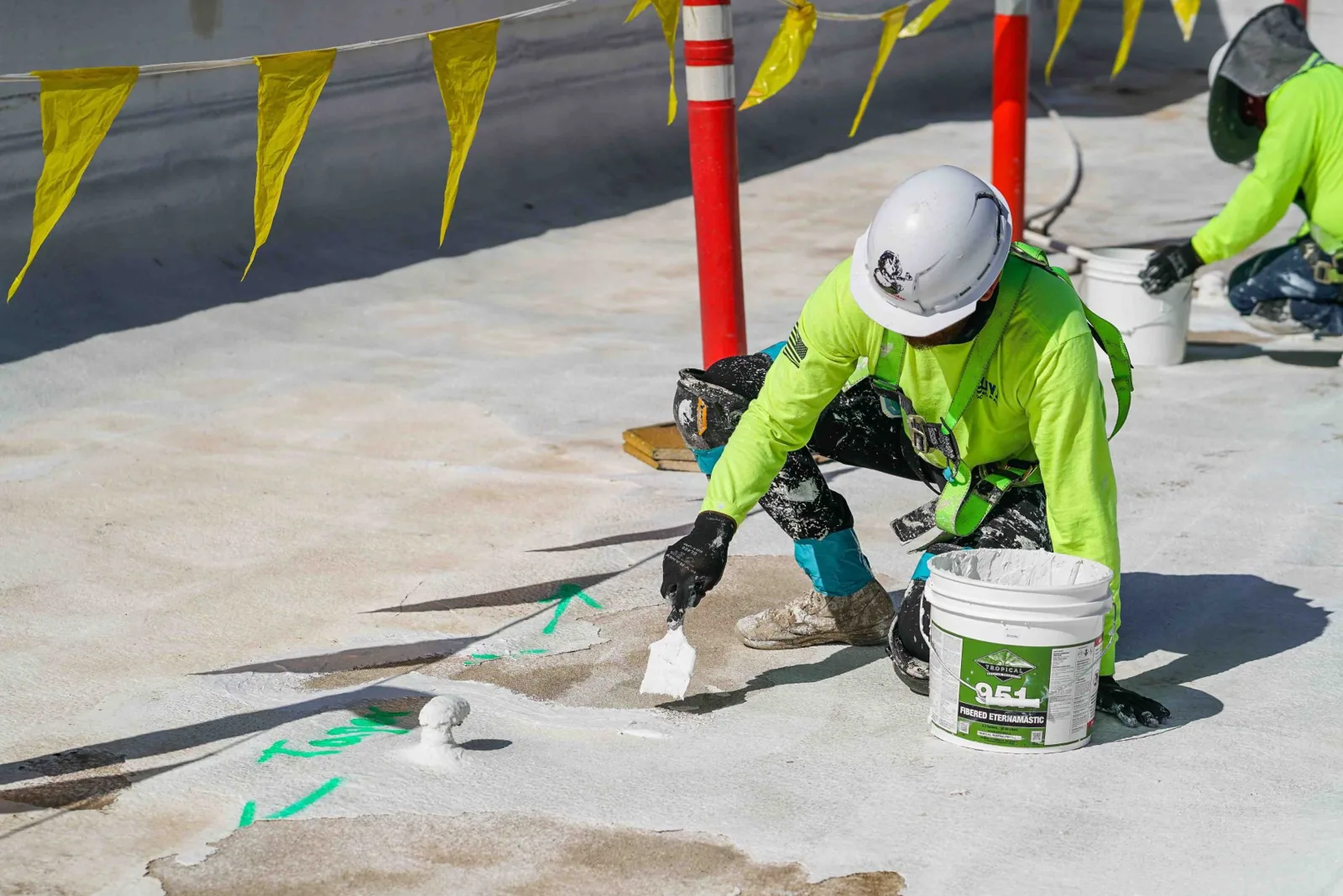
Air intakes and equipment coordination
Roof work can put dust, odor, or temporary exhaust near HVAC intakes and occupied rooms. We identify intake locations and coordinate shutdowns, filters, or isolation with the mechanical trade and building team before grinding, priming, or applying materials. The plan records who confirms equipment status and how long a shutdown can continue. If the building cannot isolate an intake, the work area or material sequence may need to change before the crew proceeds.
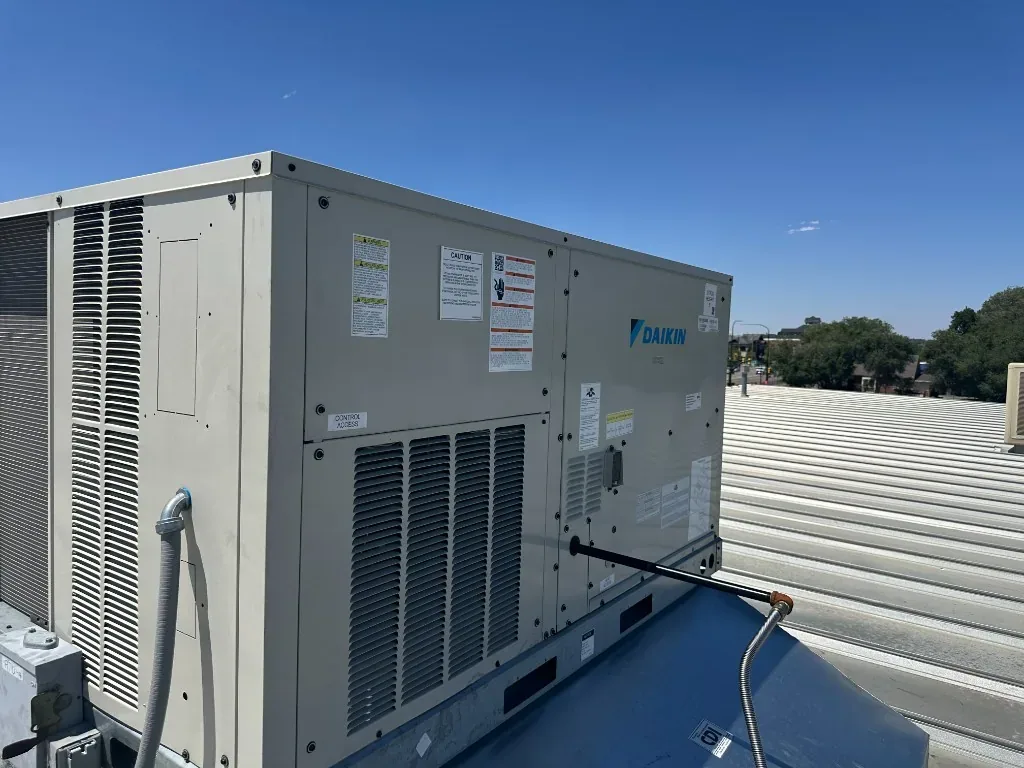
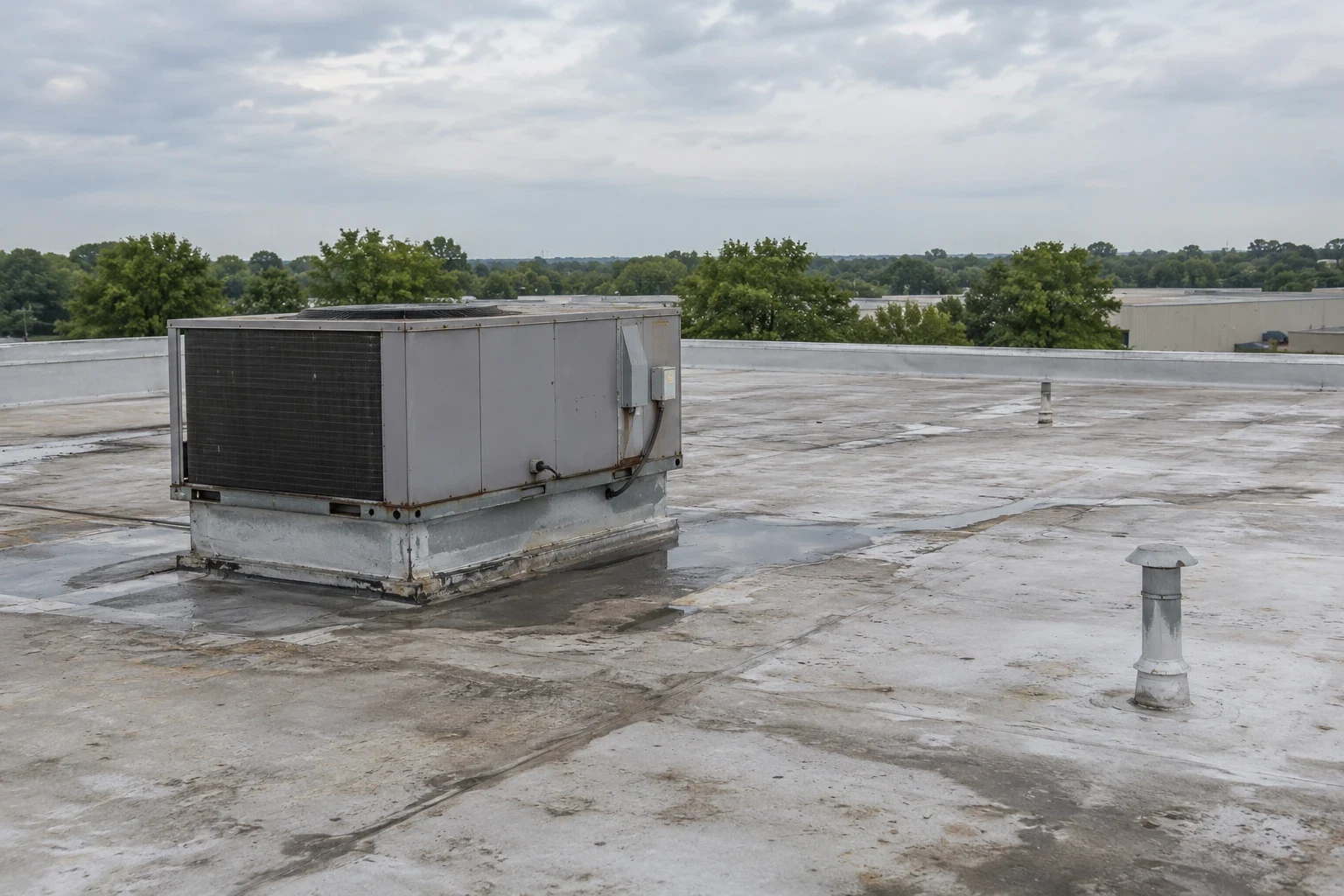
Rooftop units, curbs, and support frames also control the pace of a phased reroof. The crew and mechanical contractor agree on lift points, service access, disconnects, and restart checks. We mark any unit that must remain active and keep its access path clear. A dedicated curb and support scope can define flashing, substrate repair, and equipment handoffs before the membrane is closed around a unit. Those details prevent an access conflict from becoming an open-roof condition.
Deliveries and building access
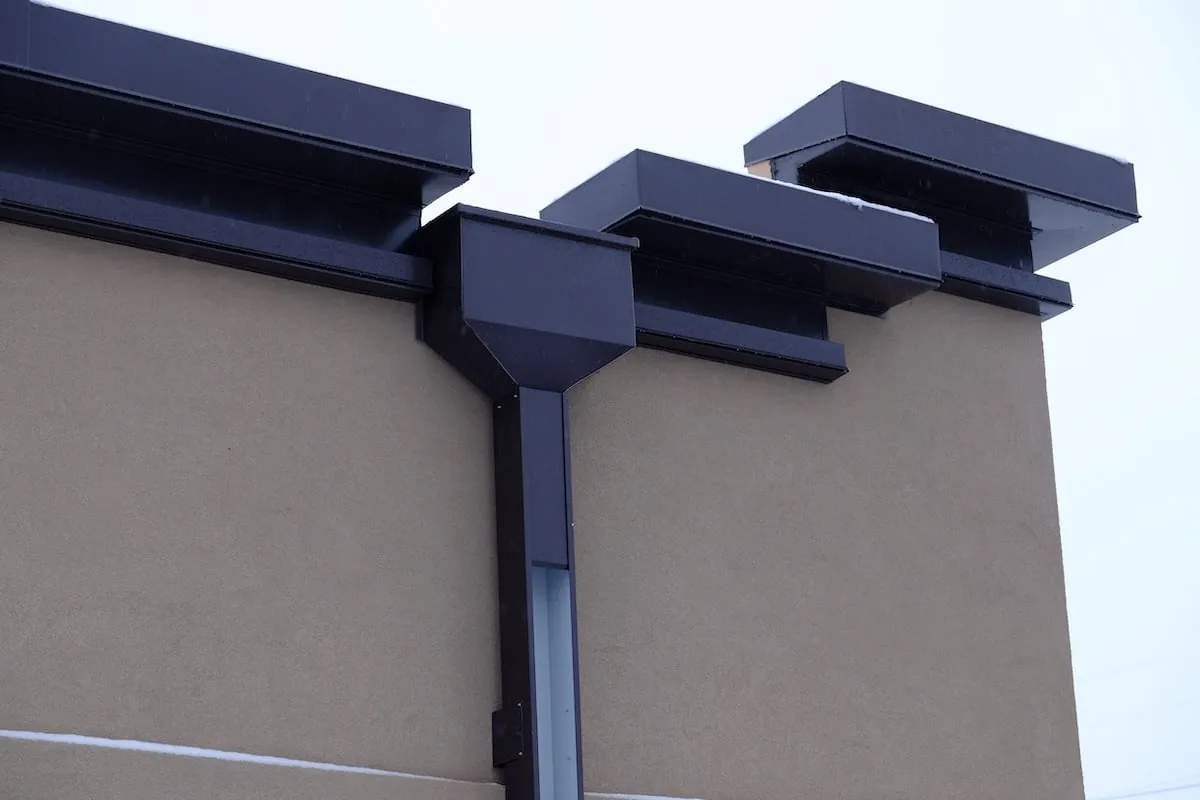
Material movement affects entrances and operations as much as the work on the roof. We mark delivery times, crane or hoist locations, pedestrian routes, fire lanes, and areas that need a temporary closure. For a project near a busy commercial route, we confirm the property gate, staging area, and any traffic control before trucks arrive.
Tyler Interstate Commerce Park is a 412-acre business-park project beside I-20 and the SH 155 interchange. In 2025 the CR 3344 connection and the utilities serving the park were reported complete. For a property in an industrial or logistics setting, route and loading coordination should be on the same schedule as the roof phases. We confirm which docks stay open, whether material can be lifted from the yard, and which shift receives the change notice. A warehouse roof plan may include separate delivery and forklift routes, but the actual site decides how access is assigned.
Daily sequence and closeout
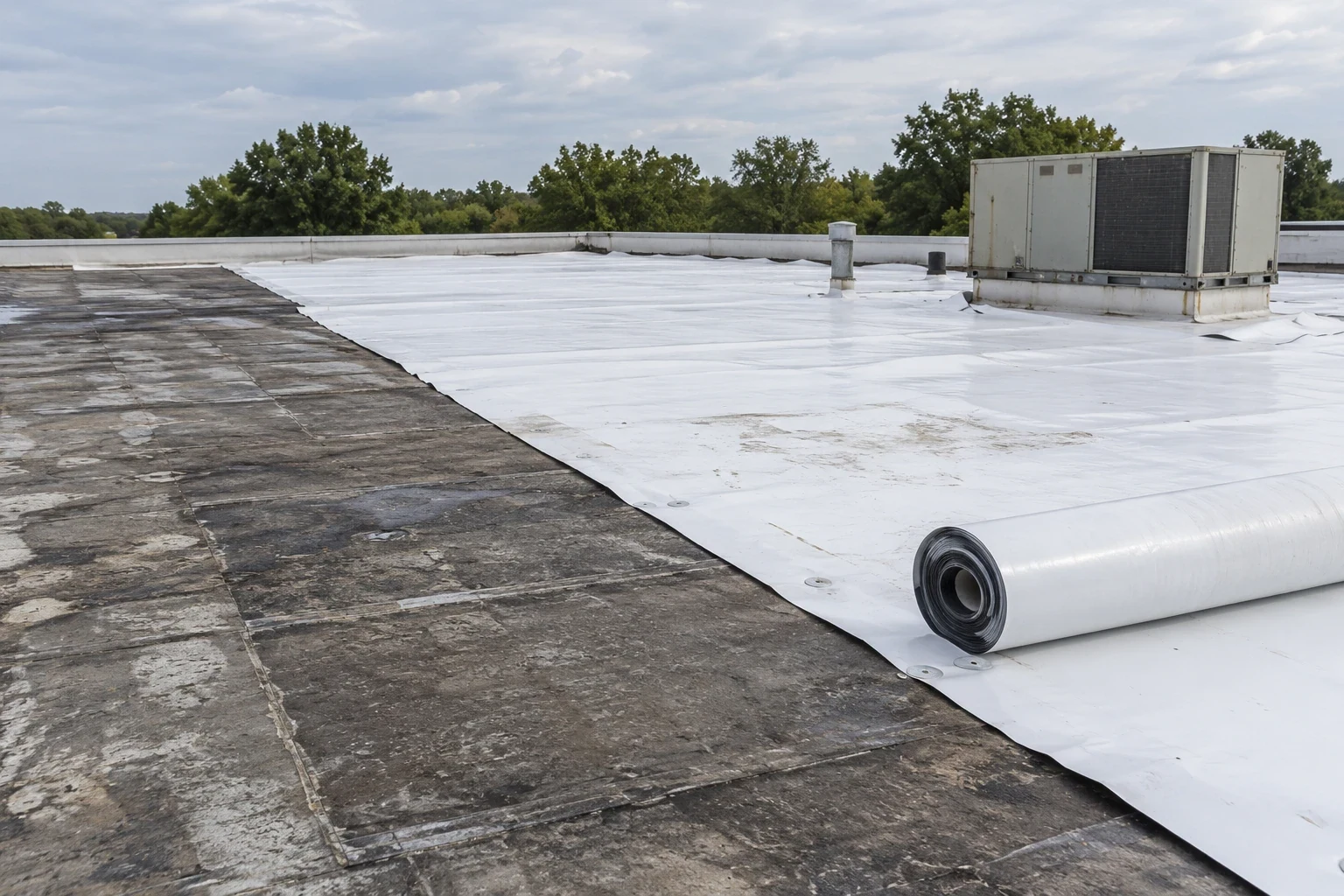
A typical phase moves from protection and material staging to controlled removal, deck inspection, insulation, membrane placement, detail work, and a documented roof-zone closeout. The work package lists the person who accepts each handoff and the evidence needed before the next trade enters. Interior staff receive a notice for noisy tasks or planned shutdowns. At shift end, we verify drains are open, loose material is secured, temporary covers are attached, and the work area is safe for the next operating period.
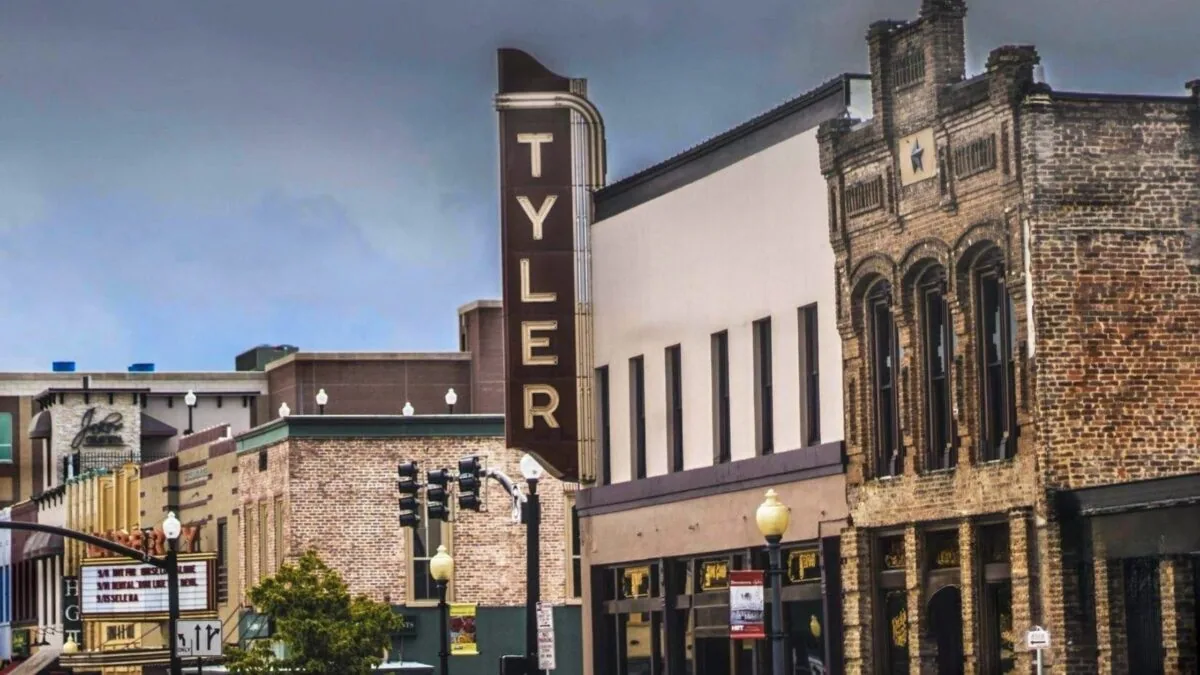
Tyler’s downtown historic district contains multiple blocks and parcels. Before staging there, we confirm the selected building’s entrance, unloading point, and any pedestrian boundary needed for overhead work. For a building in a constrained district or active corridor, we check its loading area, pedestrian path, and neighboring operations. We document the staging decision and adjust it if a route closes. A maintenance plan after reroofing can keep drains, seams, and transitions on a recurring inspection record without reopening the phasing decisions.
Scope choices and cost drivers
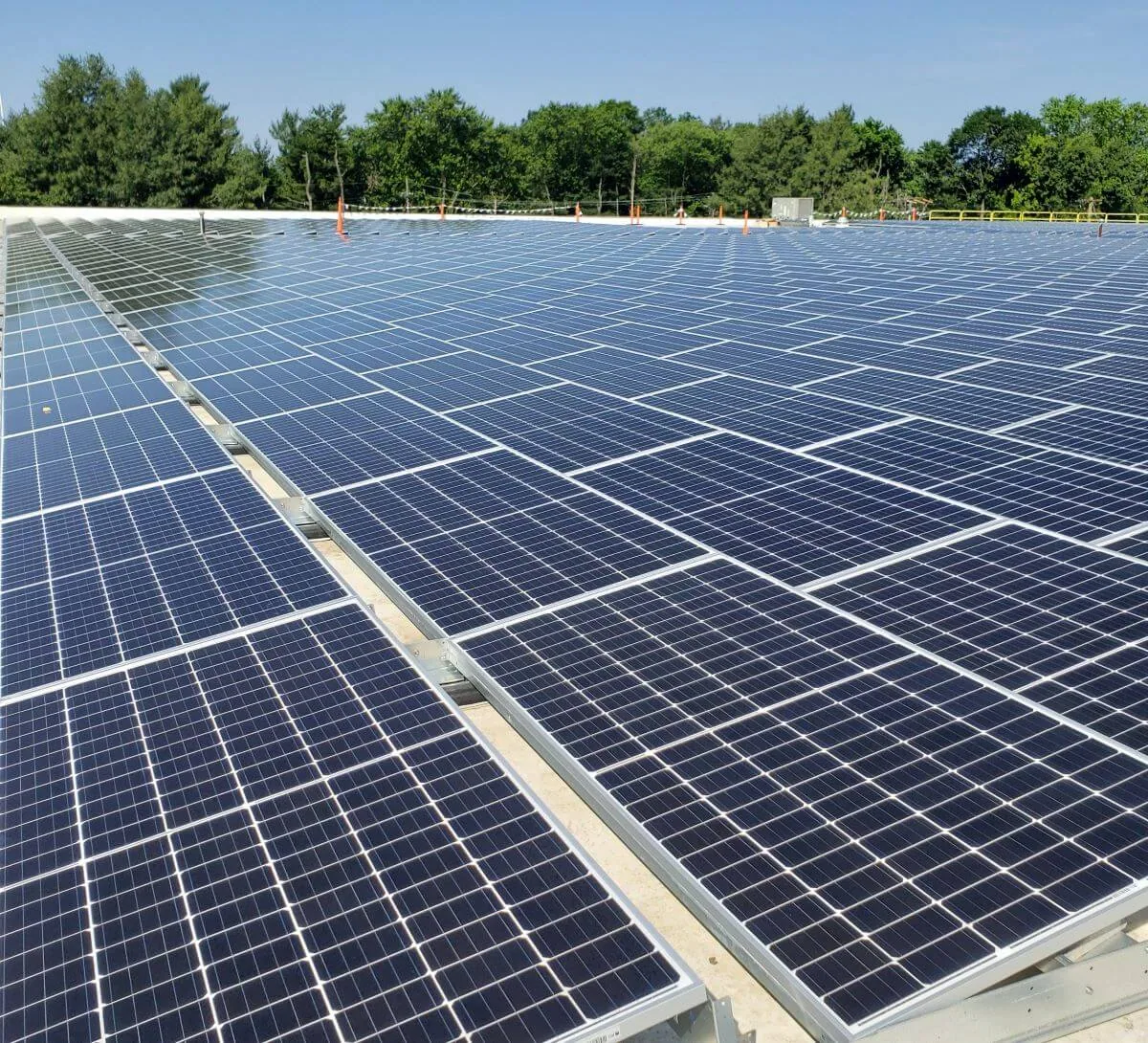
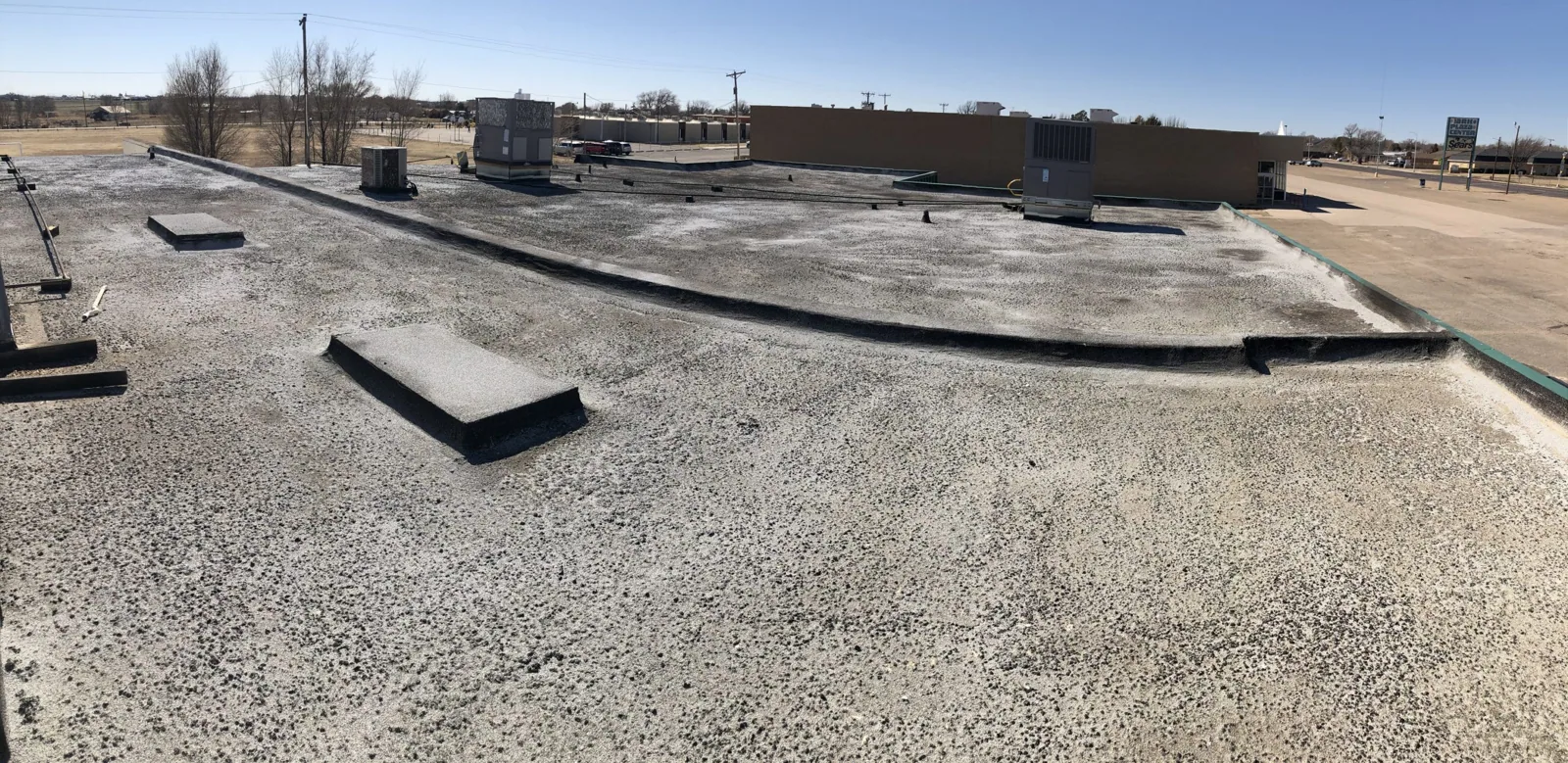
The roof condition helps determine whether the project needs repair, recover, coating, or replacement. We use inspection findings and moisture testing to separate isolated defects from widespread wet material or deck deterioration. A recover option may reduce removal only when the existing assembly is suitable and code and system limits allow it. If findings show broader failure, the scope should state the removal area and how hidden deck work will be approved. The owner sees the decision points before one option is carried as the only path.
Occupied work can cost more or take longer when daily exposure must be smaller, interior protection is extensive, deliveries have narrow windows, or mechanical shutdowns require separate trades. Deck repair, insulation changes, curb modifications, roof geometry, and disposal depth also affect the work package. We list these drivers separately and identify assumptions. An infrared survey or selective opening can resolve a question when the answer would change the bid or phase sequence. That evidence supports a project decision while keeping unknown conditions visible.
Commercial Roofing Questions
How is a reroof phased around an active work area?
We map the roof to the building's operations, set a daily opening limit, and assign each zone a protection and closeout point. The general contractor releases the next area after the agreed inspection and handoff. If the work exposes a different condition, that zone pauses for review while other approved work continues.
What needs to be coordinated before a roof section is opened?
Confirm the access route, interior protection, intake status, equipment shutdowns, material staging, and who can approve a scope change. The building representative also identifies rooms or operations beneath the zone. We record those constraints before removal begins and list the temporary closeout required for that shift.
How do Tyler's summer conditions affect occupied work?
July normal highs average 94.5°F, which makes heat-sensitive tasks a scheduling consideration. The crew checks the substrate and product limits at the work area. If conditions do not suit primer, adhesive, or coating, the sequence shifts to work that can be completed and closed safely.
What happens if rain or wind arrives during a phase?
The crew secures the work area, protects any opening, clears drainage paths, and records the completed boundary. The project lead then releases the next work period after conditions and access are checked. The field plan identifies temporary materials and the person who can make that decision.
Can building operations continue during equipment work?
Many projects can keep some functions operating when access, noise, intake isolation, and shutdowns are coordinated. The mechanical contractor confirms each unit's status and restart process. We keep the approved access route and the work-zone boundary in the daily handoff so the building team knows what remains available.
Related Pages
Commercial Roof Replacement
Tyler, TX
Tyler
Tyler, TX
Rooftop Equipment Curbs and Supports
Tyler, TX
Warehouse Roofing
Tyler, TX
Set the occupied work sequence
Please provide the roof layout, assembly history, building schedule, access constraints, current-condition notes, and date the decision is due. We will mark each phase's exposure cap, interior protection, and daily sign-off for the project lead.