

Hail and damaging wind move through East Texas with the spring and autumn storms, and the repair sequence starts with the roof zone that is open or taking water. We separate immediate protection from permanent repair, then record what the crew can safely inspect after conditions permit. A tornado struck Tyler on June 8, 2021. That local event belongs in the exposure picture, while the current scope still follows the damage present at the building.
At a commercial property near the Tyler Interstate Commerce Park or along the South Broadway Commercial Corridor, access, deliveries, and operating hours may differ, but the field record needs the same essentials: location, assembly, opening, temporary measure, and next release. We photograph hail marks, lifted edges, punctures, displaced equipment, and drainage impacts as separate findings. The owner can then compare hail-related repairs with wind-related repairs without treating every roof symptom as one event.
Initial stabilization and access
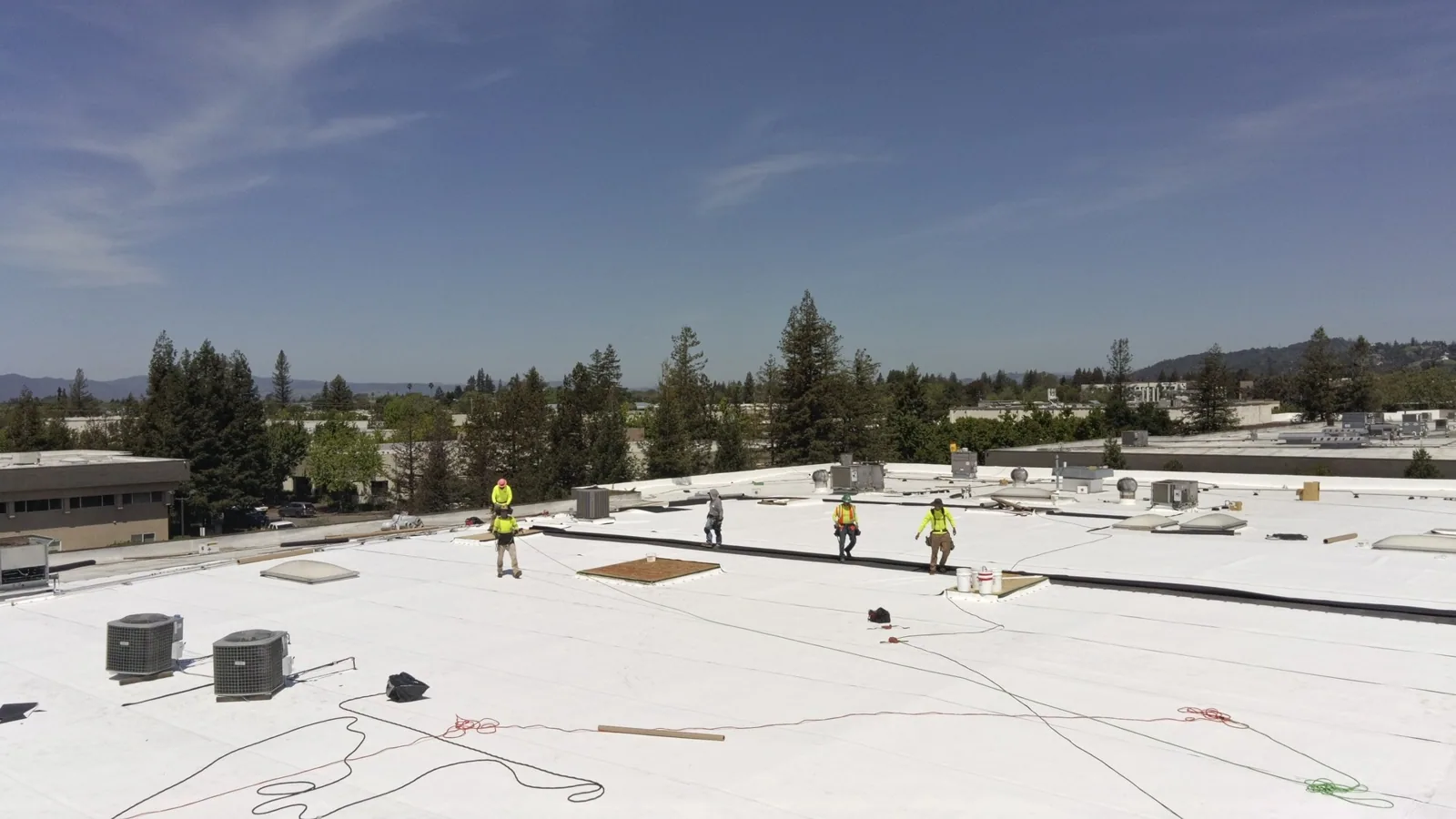
Once roof access is safe, we identify any active opening, loose material, interior water path, or blocked drain that needs attention before a full survey. A temporary cover should be secured to the actual roof condition and checked against wind exposure; a loose tarp can create a second problem. We record the protected area, fastening method, conditions observed, and the person who authorizes access to the next section. Contact us to confirm current availability and dispatch for a storm-damaged roof. Travel, weather, safe access, and interim protection depend on the property and conditions.
Interior teams can help narrow the search by recording where water appeared and when, especially after rainfall or wind-driven rain. We compare that information with seams, parapets, curbs, roof edges, drains, and penetrations. A leak location review can run alongside exterior stabilization when the source is not apparent. For buildings in Tyler Midtown, where healthcare and education are part of the district’s role, we coordinate routes and interior protection with the property contact before opening or moving a work zone.
Damage map by roof zone
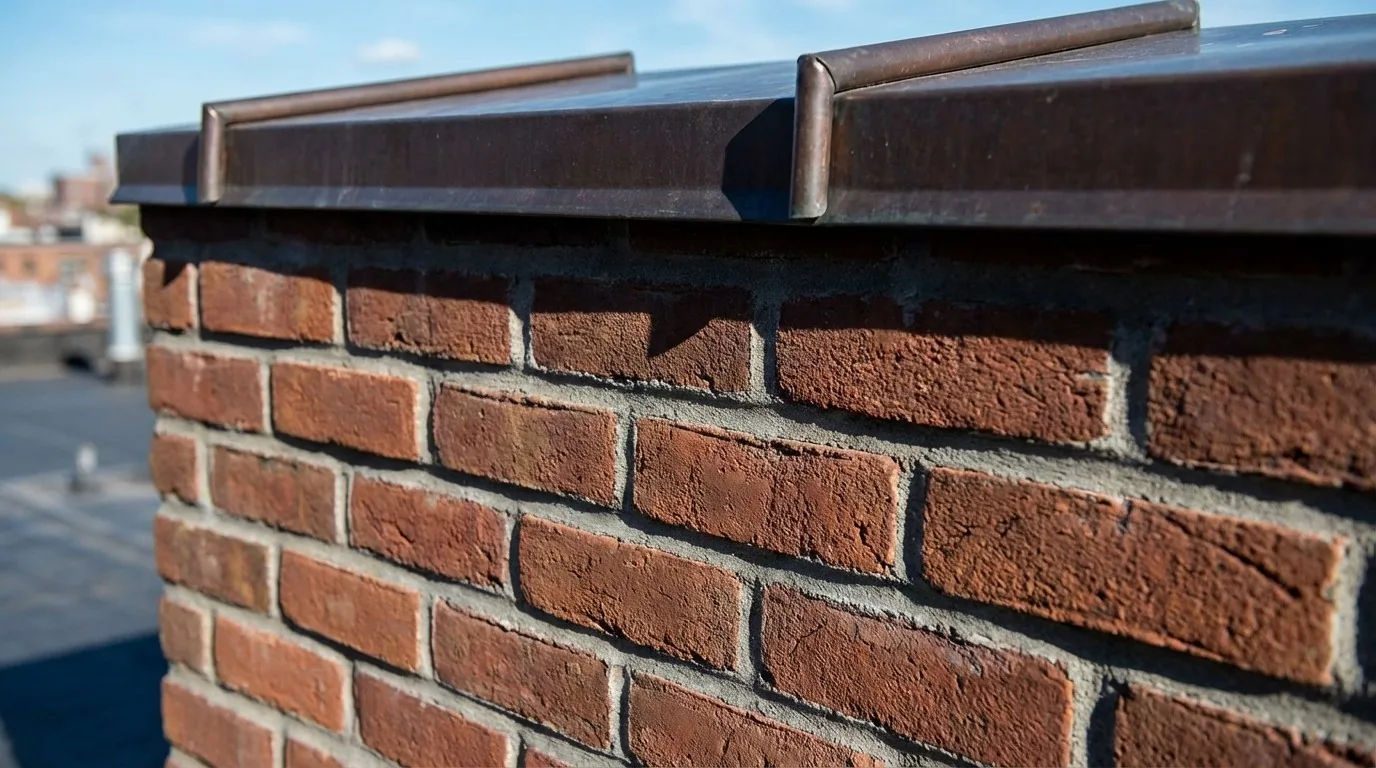
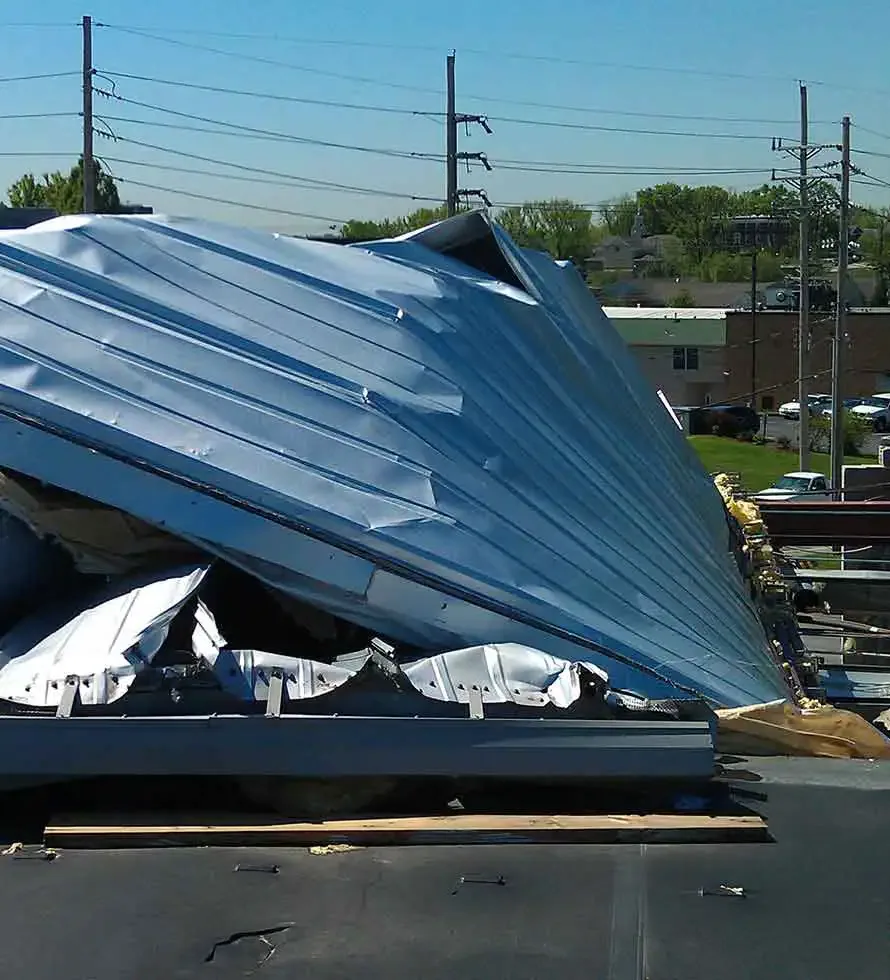
Hail can bruise a membrane, fracture coating, dent metal, loosen a seam, or damage a roof-mounted component. Wind can peel an edge, lift flashing, displace rooftop material, or drive water beneath a transition. We map each condition to a location and system, then note whether it is a direct impact, a loose detail, a water-entry path, or an observation that needs testing. A broad storm date does not define a repair boundary; visible and verified conditions do.
On the Tyler Interstate Commerce Park side of the market, a property’s loading and service activity may shape how the inspection route is released. South Broadway can create different delivery and traffic access considerations. Neither setting tells us what roof assembly is installed. We verify the actual membrane, metal, insulation, and substrate, then identify test points where concealed damage would affect the repair choice. A documented roof inspection can preserve that map for the owner and adjuster.

Repair scope and material match
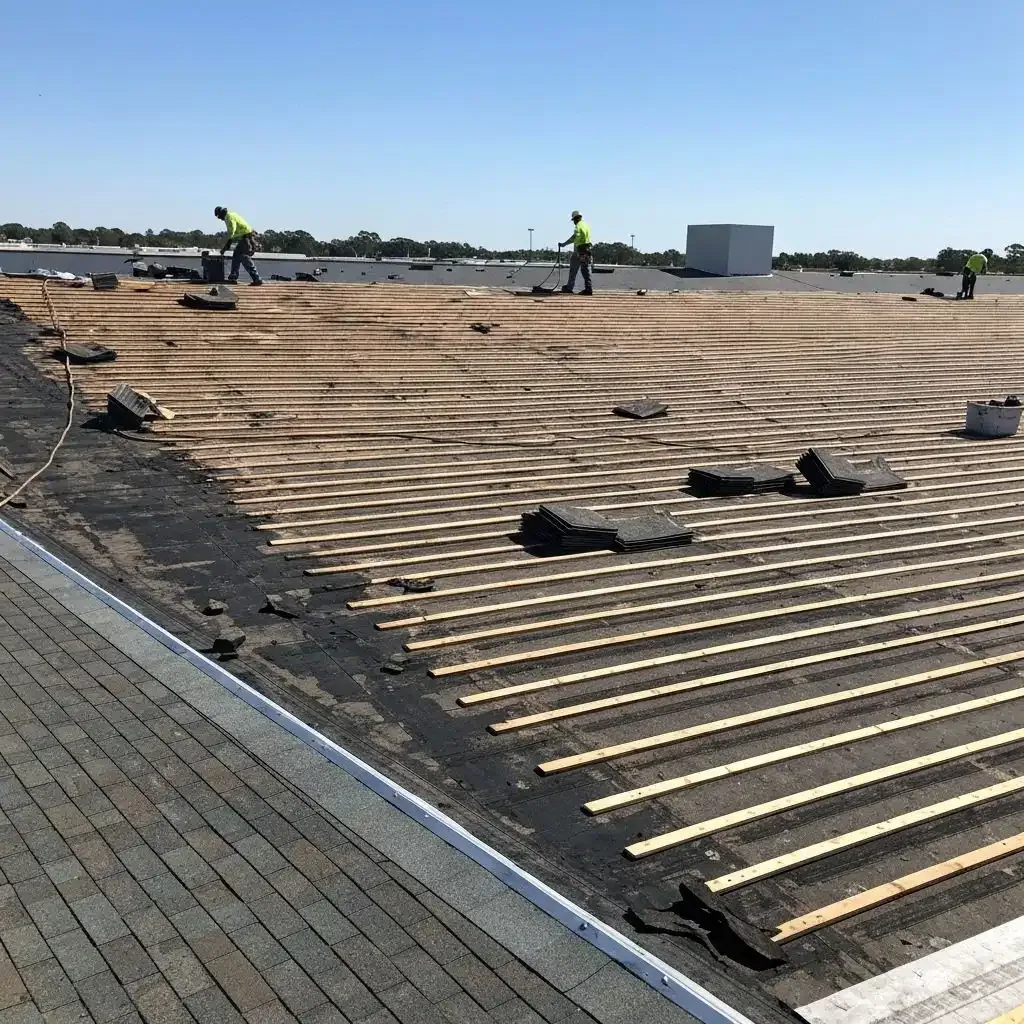
A permanent repair needs a compatible material and a clean tie-in to sound roof components. We remove or prepare damaged layers to the boundary authorized, check the substrate, and make the repair using the selected assembly detail. A patch over unstable coating or wet insulation may leave the actual problem in place. When a condition extends beyond the approved limit, the crew stops at the hold point, documents what changed, and waits for scope approval before expanding the repair.
Heat can affect handling, adhesion, and cure. Tyler’s July normal high averages 94.5°F, but we take a substrate reading on the day of work and follow the product’s instructions. If a repair needs a narrower heat window, the schedule should allow a different shift or a return visit. A TPO detail, modified bitumen patch, and metal roof repair require different preparation and closure steps.
Drainage and temporary closeout
After hail or wind, leaves, insulation, and broken material can collect in drain bowls or scuppers. We clear only the approved work area, check the visible drain path, and document any obstruction or damaged outlet. A roof zone should not be left open beside a blocked drain if rain is possible. The daily closeout identifies protection installed, open test points, removed debris, and the route that must stay clear for water to reach the outlet.
Where ponding remains after an outlet is open, the roof may need a separate drainage review. We note the observation time and remaining water so the owner can distinguish a clogged inlet from a low area or slope issue. A drain and scupper repair can be priced as its own work package. The Tyler area’s severe-weather exposure makes an orderly temporary closeout valuable between storm response and the permanent work, but it does not replace inspection of each affected zone.
Photographs and claim documentation
We keep the inspection record focused on observations that support a repair decision: overview images, close views, roof-zone identifiers, weather context, test results, and temporary protection. The written scope separates the immediate stabilization, verified damage, proposed repair, and untested areas. This makes it easier to compare the contractor’s scope with the estimate or adjuster’s questions. We do not assign a cause to a mark when the field evidence does not establish it.
When a building owner requests claim support, we provide repair documentation and explain the roof conditions found. The owner or representative manages policy notices, deadlines, and coverage decisions. We can assemble a claim-ready roof report with dated photographs, measured repair boundaries, and itemized work packages. A condition report can also preserve unrelated wear so storm findings remain distinct from pre-existing maintenance issues.
Weather delay and crew handoff
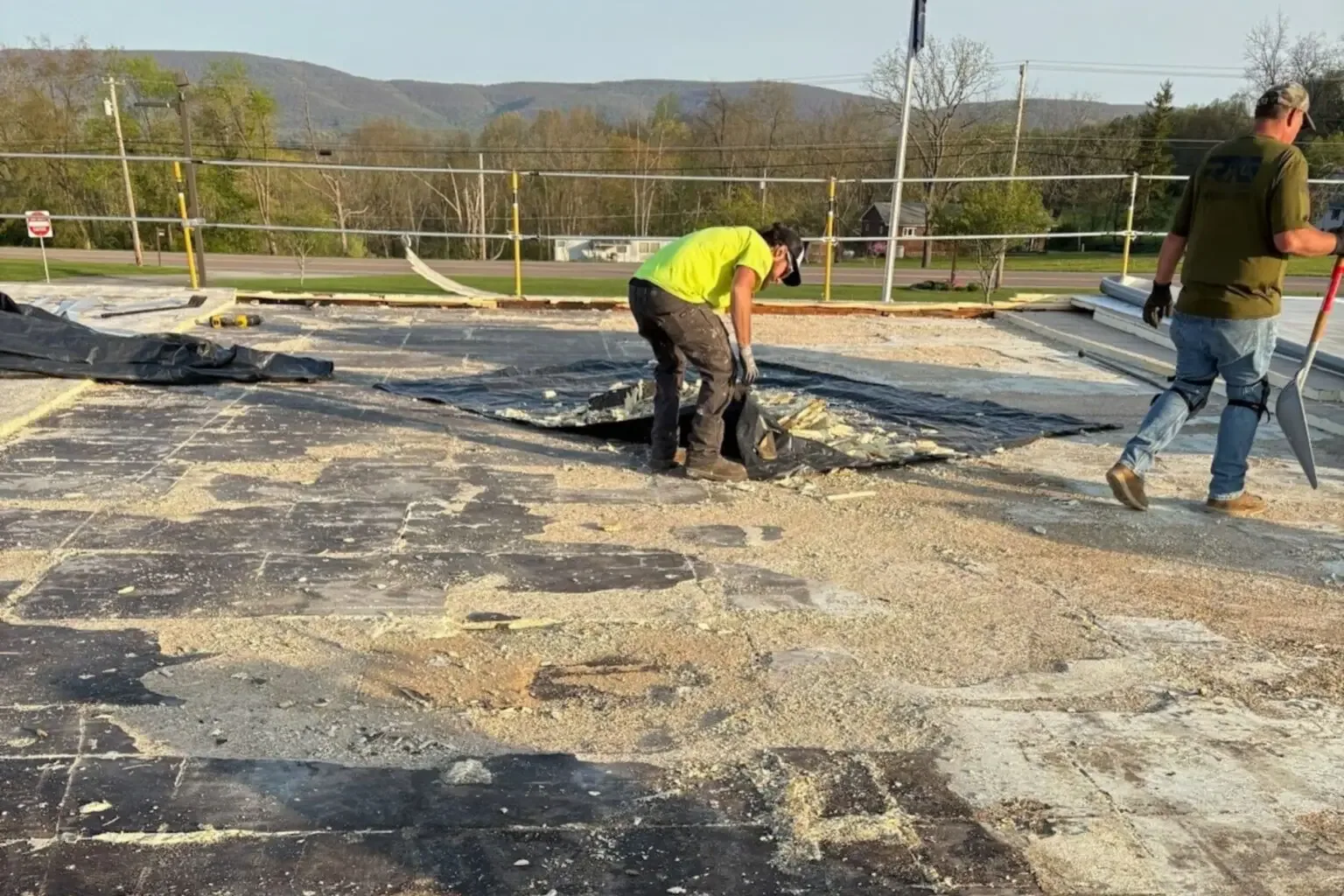
Before the crew leaves, the field lead records what was closed, which materials need more time, and what the next crew must verify. The work package names the roof zone, access boundary, repair detail, and hold point. If wind or rain prevents the next operation, we state which protection remains in place and what condition needs a recheck. A handoff should make the exposed section understandable to the property team even when the planned sequence changes overnight.
The final record for commercial roofing in Tyler separates completed repair from future recommendation. It can show where new damage was found, what was repaired, and what still needs owner approval or diagnostic testing. In a market with documented hail, damaging wind, and tornado exposure, that timeline helps the next inspection compare the roof’s condition accurately. We leave the general contractor with the open decisions and the materials or access needed for the next release.
Commercial Roofing Questions
What should happen before permanent storm repairs begin?
First identify any unsafe access, active opening, interior impact, or blocked outlet. We stabilize the exposed area, record the temporary protection, and map visible damage after conditions allow a safe inspection. Permanent repair follows an approved boundary and a compatible detail.
Does a hail mark mean the membrane must be replaced?
A mark alone does not set the scope. We inspect the membrane, seams, coating, metal, and substrate, then test where concealed damage could change the recommendation. A localized repair, broader restoration, or replacement comparison should follow those findings.
How do you handle a roof that is still wet after a storm?
We protect openings and document standing water or wet materials, then wait for conditions that support inspection and repair. The sequence depends on the assembly and product instructions. We keep the affected zone out of the closeout until the approved repair has been checked.
Can you document damage for an insurance claim?
We can provide dated photos, roof-zone locations, measured repair limits, test results, and a written scope of the roof work. The building owner or designated representative handles policy communication and coverage decisions. Our report distinguishes observed storm damage from other roof conditions.
How quickly can a crew reach the property?
Contact us to confirm availability and safe access; the team can discuss practical interim steps and what needs inspection. A specific arrival depends on current conditions, safe roof access, crew location, and the work already underway. We confirm the next available access window and identify any interim protection needed while permanent work is planned.
Related Pages
Commercial Hail Damage Roof Repair
Tyler, TX
Wind Damage Roof Repair
Tyler, TX
Commercial Roof Leak Repair
Tyler, TX
Commercial Roof Inspection
Tyler, TX
Set the storm-repair release
Send the roof plan, assembly records, storm date, leak locations, access limits, and any claim or decision deadline. We will return a stabilization and repair sequence with test points, photos, and scope hold points.