
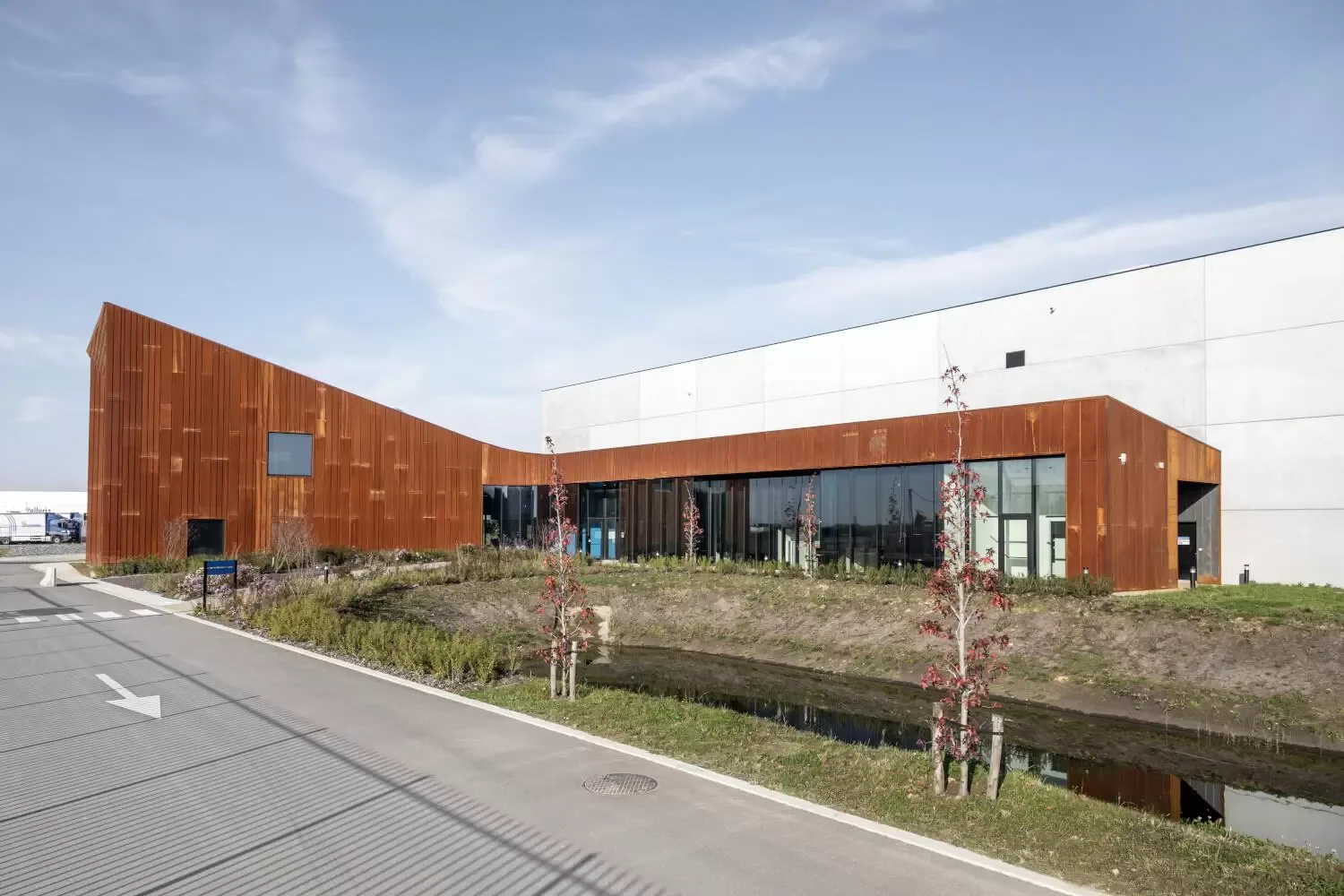
A liquid-applied flashing step can lose its work window on a hot Tyler roof, so the crew measures the substrate before preparing a Soprema detail. Tyler’s July climate averages a 94.5°F high. On a roof, measured substrate conditions still control whether primer, adhesive, or resin can proceed. We inspect the existing assembly, mark seams and penetrations, and identify which test or approval controls the first roof-zone release. The South Broadway Commercial Corridor and Tyler Midtown Area have different building uses and access conditions, so the work sequence is set property by property.
Soprema products cover commercial roofing and waterproofing system needs, including membrane and liquid-applied details. A named product must match the approved assembly and the surface beneath it. For example, an Alsan resin detail still depends on substrate preparation, compatible transitions, and the product instructions. Our crews install, repair, inspect, and maintain the specified system, and a product label never replaces field review. A Tyler Midtown roof assessment starts with current records, access limits, and the condition observed at each area.
Membrane and substrate fit
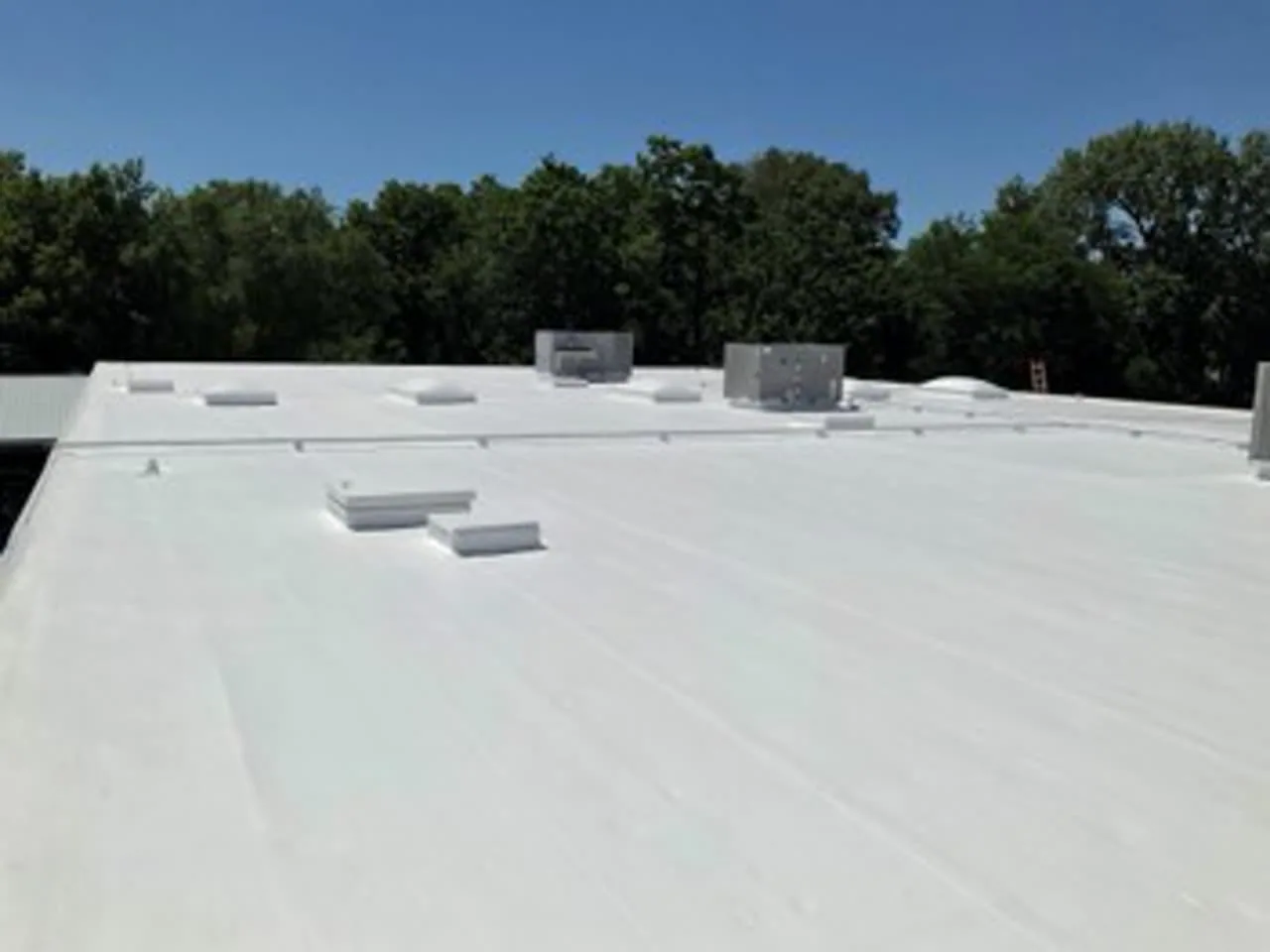
We identify the deck, existing layers, insulation, slope, attachment, drainage, and any previous coating or repair before recommending a Soprema assembly. That review determines whether an existing roof can be repaired, considered for a recover, or needs removal and replacement. A coating or resin cannot compensate for wet insulation or an unstable substrate. If the visible surface and drawings do not agree, we mark that roof zone for a test cut or another agreed check before the work package advances.
South Broadway is a major Tyler route within a growth area with multiple corridors and proposed improvements. That public context can inform delivery coordination, but it does not define the access rules or roof construction of an individual property. We confirm the actual route, loading area, operating window, and equipment clearance with the general contractor. A commercial inspection records assembly findings, while a substrate and cover-board review addresses what supports the finished membrane.
Flashing and liquid-applied work
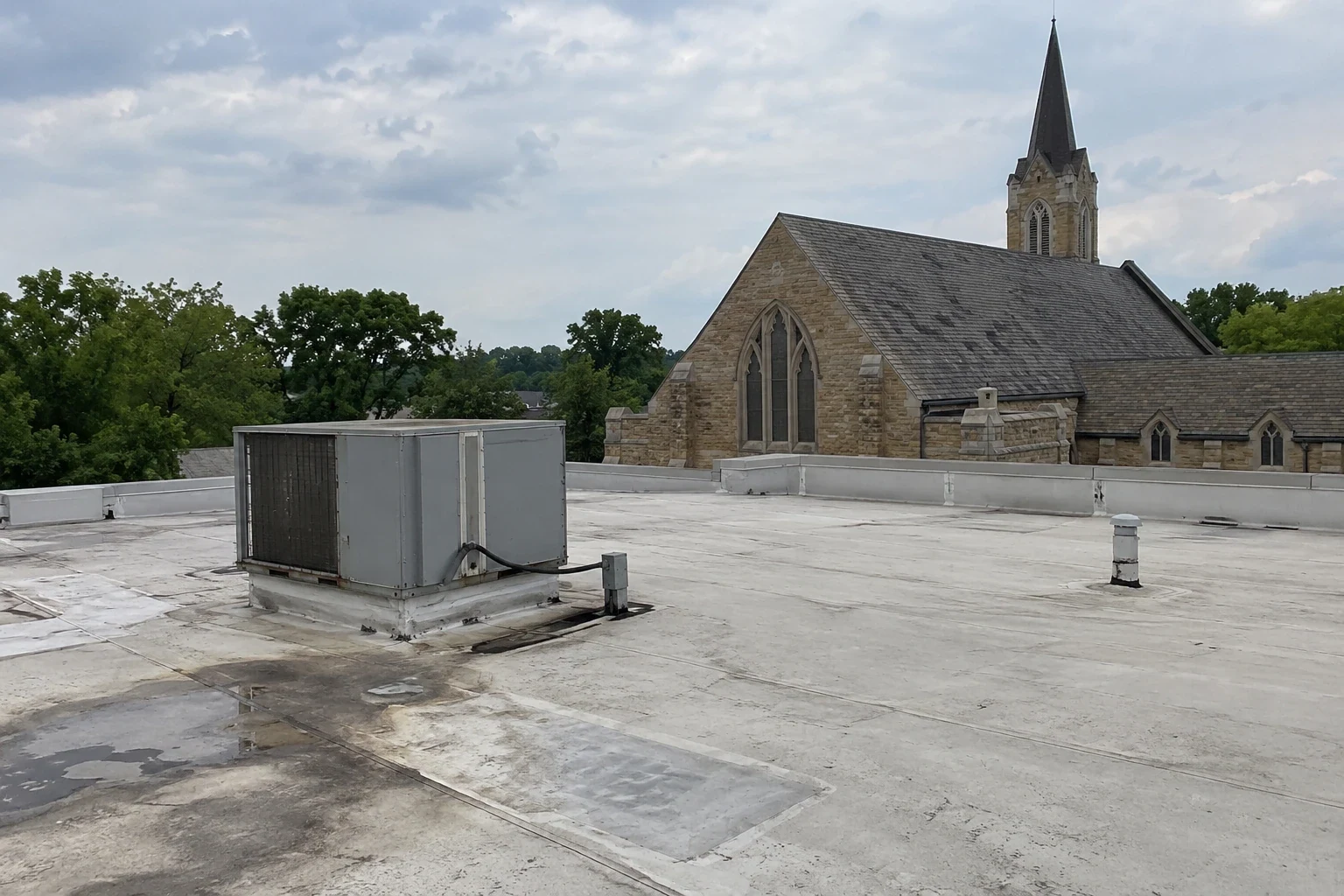
Liquid flashing depends on preparation as much as the resin. We check that the surface is sound, clean, dry, and compatible, then follow the selected system instructions for primer, reinforcement, coverage, and curing conditions. A test area can identify adhesion or detail questions before the crew treats a larger transition. The record names the location, preparation performed, and inspection needed before the next trade handoff.
At curbs, penetrations, walls, and irregular transitions, the detail must tie into the membrane and remain inspectable. We map each location and protect adjacent surfaces and equipment before product is mixed or applied. A roof with several manufacturers or previous repairs may need selective removal before a compatible tie-in can be designed. The penetration-detail scope can define those conditions separately from open-field work, and equipment-curb coordination helps avoid trade conflicts at supports and service paths.
Weather window and protection
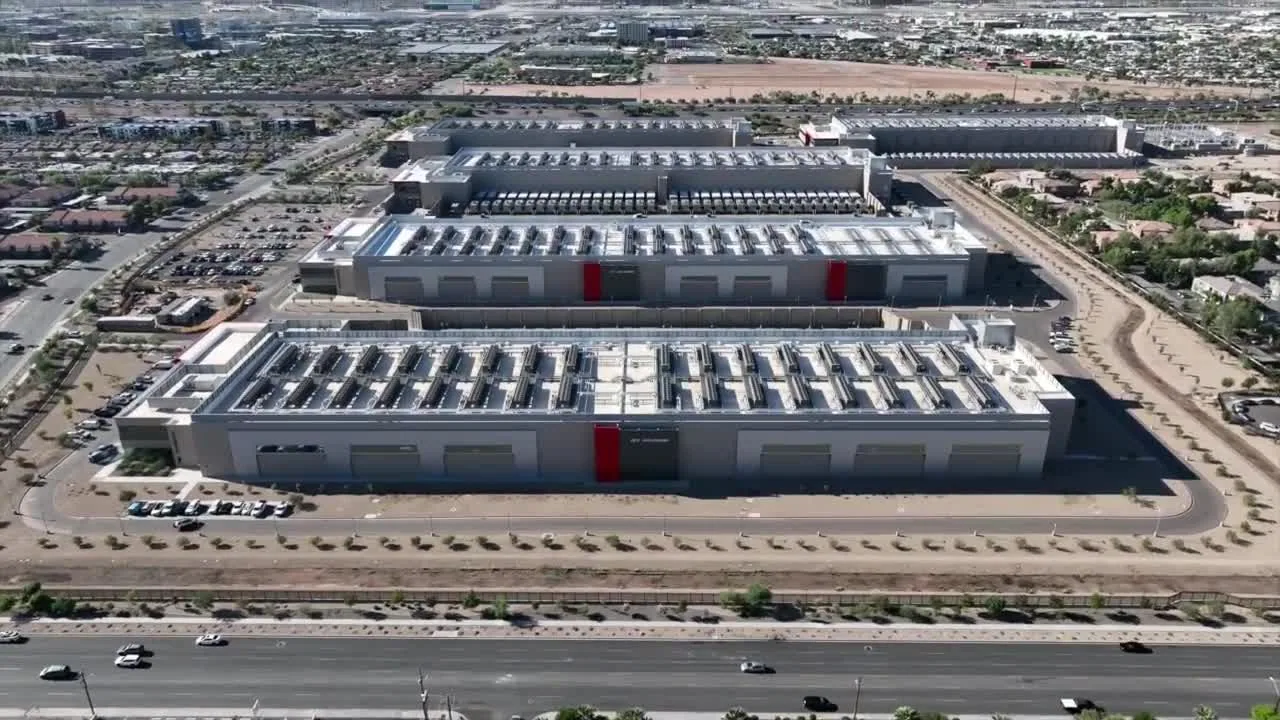
A 94.5°F normal July high gives Tyler seasonal context, yet primer, adhesive, or resin still depends on the actual roof surface. We take a substrate reading, check moisture and wind, and follow the product limits for the operation. The work package puts the heat-sensitive step in a suitable window and names an alternate approved task if a hold is needed. No layer is covered before the agreed inspection or test confirms it is ready. We also record the air and substrate conditions, product batch information available to the crew, and any protection needed before another trade crosses the finished area. A clear zone boundary avoids turning a small detail test into an unplanned work-front change.
Spring and autumn severe thunderstorms around Tyler can bring large hail and damaging winds. An open roof section therefore needs a closeout boundary, temporary protection, and a clear drain path before the crew leaves. We note who checks the exposed area after a weather delay and who authorizes the next roof-zone release. A hail-condition inspection can document visible impact and follow-up needs without presuming the entire property was affected.
Repair and renewal choices
A localized split, puncture, seam issue, or flashing failure may be repaired if the surrounding assembly is sound and the chosen detail is compatible. We trace the boundary, review adjacent drainage and transitions, and note whether moisture extends beyond the visible opening. The scope names the preparation, materials, tie-in, and test. If similar failures recur, a roof-zone survey may provide a stronger basis for an owner decision than a growing list of isolated patches. A repair plan separates completed work from questions that remain open.
A recover depends on attachment, moisture, compatibility, and system limits, while a replacement may involve tear-off and concealed deck repairs. Coating restoration has its own adhesion and surface-preparation requirements. We compare labor access, material staging, interior protection, drainage adjustments, and closeout sequence as separate costs and timing drivers. Testing can be useful where its result changes the option. An existing-roof restoration review addresses coating fit; a replacement comparison lays out removal and new assembly details.
Approval points and turnover
Before a liquid-applied Soprema detail is staged, we match its preparation, coverage, and test requirements to the approved roof drawing and the condition found in the field. The general contractor provides assembly records, access limits, current observations, and the decision deadline; we return the locations that need testing or a separate hold. If a curb, seam, or substrate differs from the accepted detail, work stops at that boundary until the owner directs a compatible next step. Additional removal stays outside the original quantity until approved.
Turnover connects roof-zone locations to installation notes, photographs, test results, and unresolved observations. If a later inspection returns after a spring storm, the record shows which detail was installed and what should be checked again. We can preserve that history in a dated roof condition report tied to each zone. When alternatives are allowed, compare Holcim Elevate system requirements with GAF commercial options against the same deck and approved project design.
Commercial Roofing Questions
When does an Alsan liquid-applied detail need a test area?
A test area is useful when adhesion, compatibility, or surface preparation is uncertain and the result could change the detail. We record the substrate, preparation, and observed outcome, then follow the product instructions before releasing broader application. Wet or unstable material remains a separate assembly issue.
How do you decide whether Soprema material can go over an existing roof?
We check the deck, layers, attachment, moisture, drainage, and compatibility with the proposed assembly. A recover must satisfy product and project limits. If records conflict with field conditions, agreed testing resolves the question before the scope includes another layer.
Does the Tyler July normal set the application temperature?
No. The 94.5°F figure is a climate normal, not a measurement of a roof surface. We take a field reading and apply the selected product instructions to the actual operation. If the zone is not ready, another approved task can take that work period.
What happens if rain interrupts liquid-applied flashing work?
We protect the exposed detail, maintain drainage, and identify what must be checked before application resumes. The next step follows the product instructions and an inspection of the surface and tie-in. The closeout note identifies the affected location and the person releasing it.
What does the GC need for a Soprema field plan?
Send the roof plan, assembly records, access limits, known conditions, and deadline for the decision. We will identify preparation, test areas, material staging, temporary protection, and hold points by zone so the crew handoff stays clear.
Related Pages
Set the Soprema roof-zone sequence
Share roof plans, assembly records, access windows, current findings, and the decision deadline. We will return the proposed work sequence with preparation steps, test areas, and open approvals marked for the general contractor.