
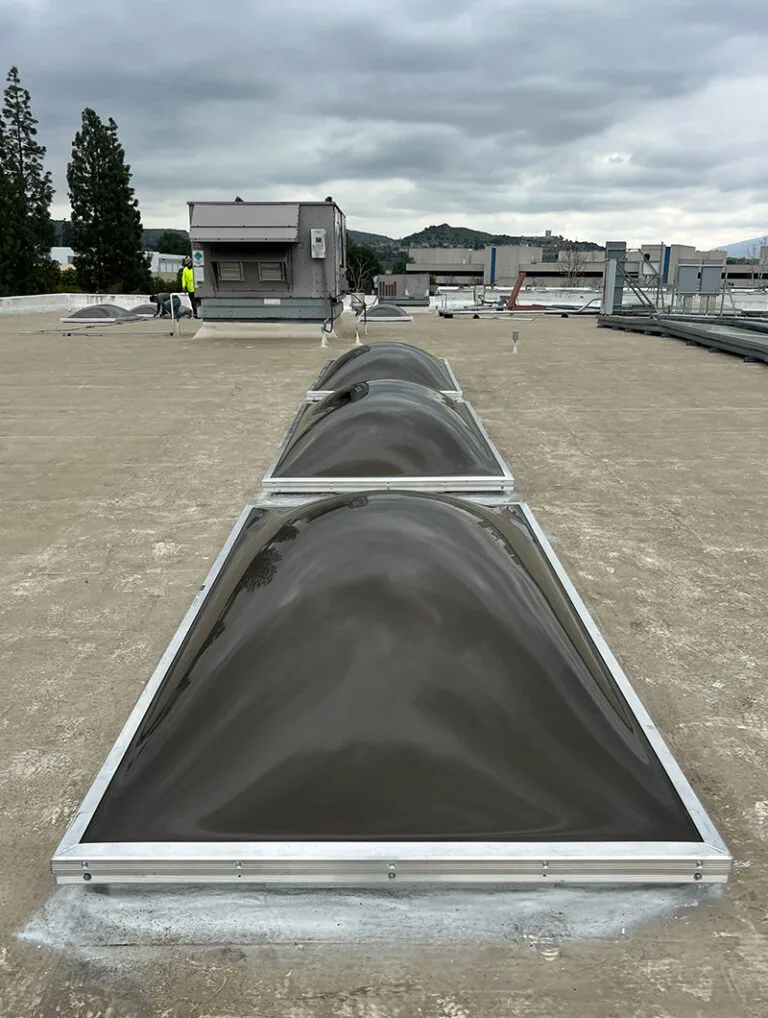
A skylight curb, pipe boot, conduit, or equipment penetration interrupts the roof surface and creates a detail that must stay watertight as materials move. After a spring or autumn storm in East Texas, the first useful step is to map which penetration or curb shows distress, not to coat every roof opening. We photograph the transition, identify the surrounding membrane or metal system, and note any water path toward the interior. The repair package then names the exact detail and the crew handoff needed to close it.
Properties along South Broadway Commercial Corridor or within the Tyler Interstate Commerce Park may have different access routes and operating hours, but neither corridor predicts the roof assembly. We check each curb, fastener, counterflashing, boot, sealant joint, and membrane termination at the specific building. If the leak path remains unclear, a roof inspection can compare adjacent seams, drains, and wall transitions before we assign a repair boundary.

Curb and skylight transition
A skylight repair starts at the full curb perimeter. We inspect the membrane turn-up, corner patches, cap flashing, sealant, and visible curb condition, looking for separation, cracking, trapped water, or a detail that has been covered by a later layer. If condensation or interior moisture is present, we record that separately from a roof leak until the path is confirmed. The work order describes whether the opening needs resealing, new flashing, curb repair, or further testing.
Skylight lenses and frames may be part of a separate assembly from the roof membrane. We note cracked glazing, loose retainers, and visible damage but keep the roof tie-in distinct from glazing replacement unless that work is authorized. A temporary cover has to account for wind and drainage, particularly where the curb sits above a low roof section. The repair scope identifies the opening, material, and closure detail, with the owner’s approval required before the crew changes the curb or unit.
Pipes, conduits, and equipment curbs
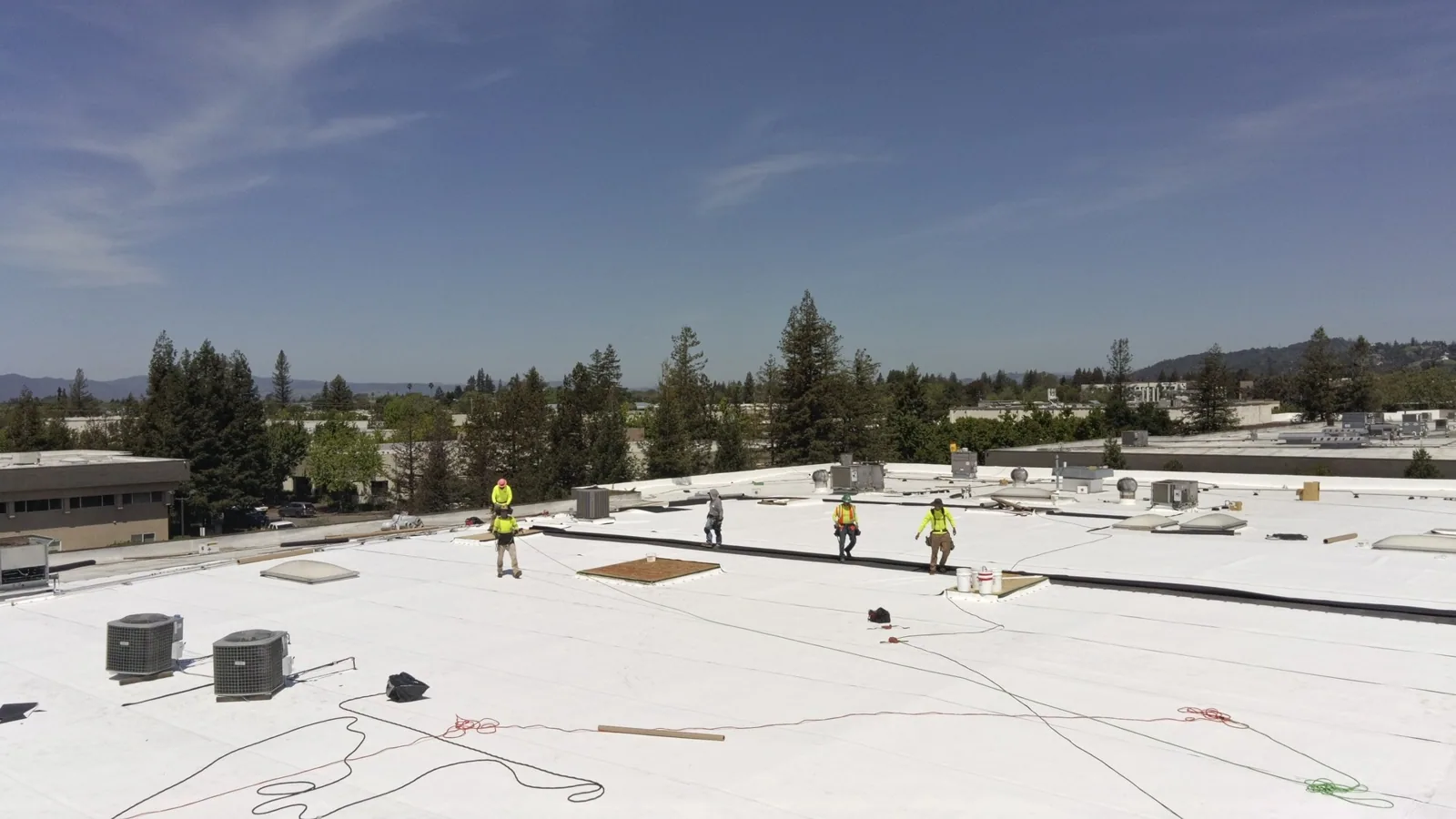
Small penetrations often rely on boots, collars, pitch pans, or formed metal flashing. We identify the penetration material, its movement, the membrane around it, and the condition of the seal. A split boot may need replacement, while a crowded group of conduits can require a revised detail that leaves room for service work. The Diligence Notes should identify the number and location of penetrations so the scope does not use one repair quantity for an entire rooftop.
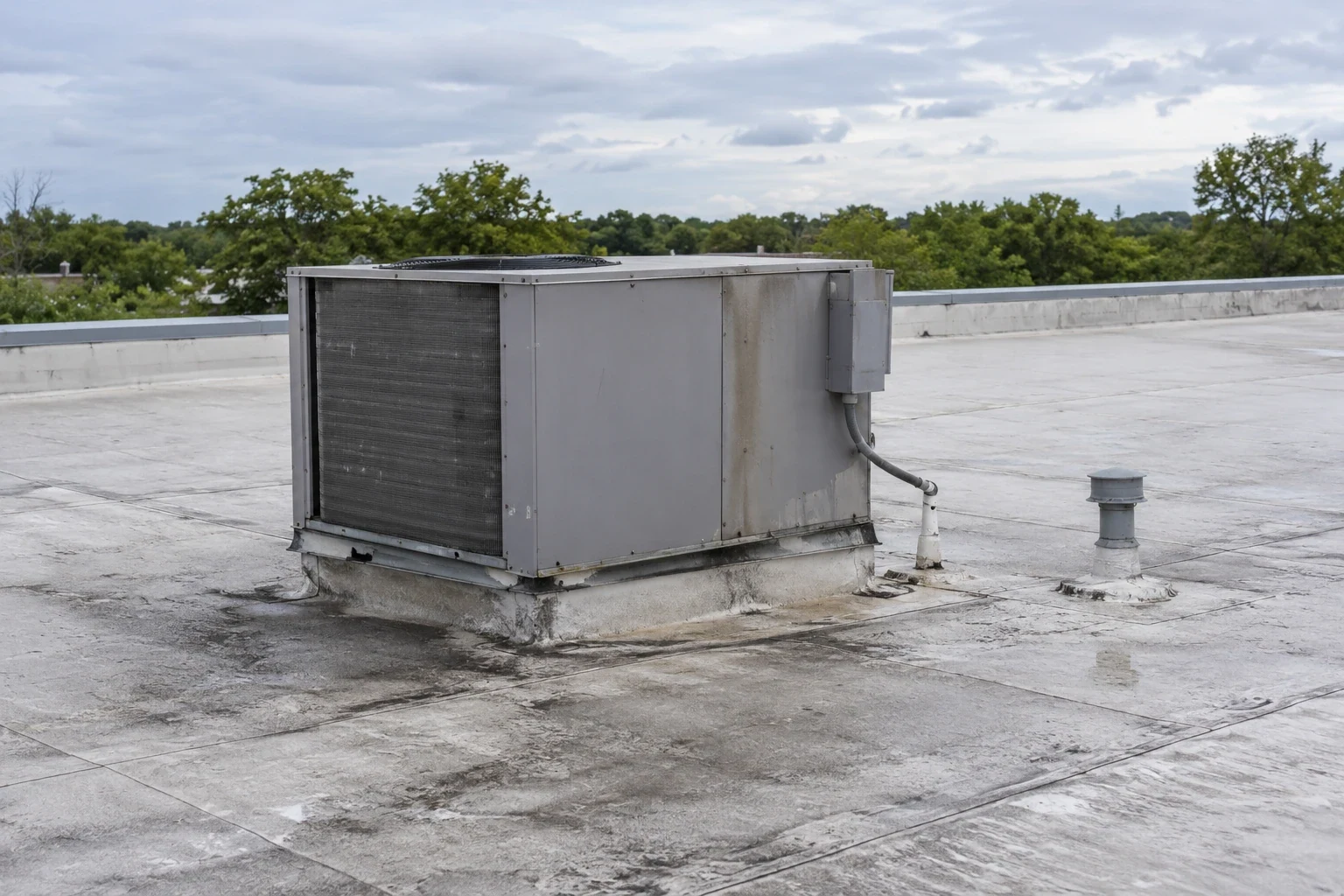
Equipment curbs bring additional vibration, service access, and support requirements. We inspect curb corners and fasteners, check for gaps between equipment and flashing, and coordinate shutdown or service clearance with the building contact. Any mechanical disconnection remains with the authorized trade. The roofing package lists the curb treatment and required access hold point, then schedules a perimeter and metal review if the repair meets a wall or edge transition.
Material match and heat window
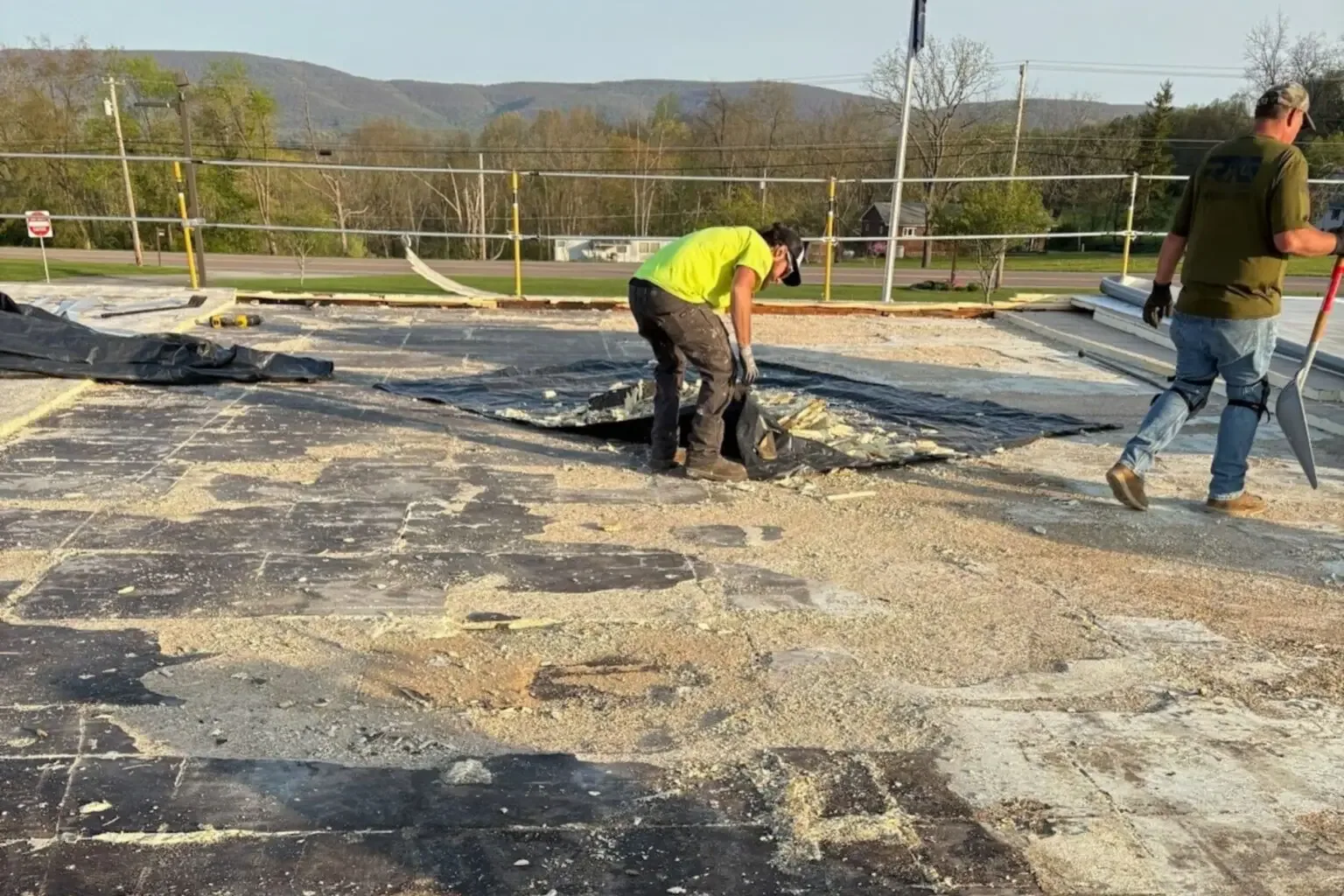
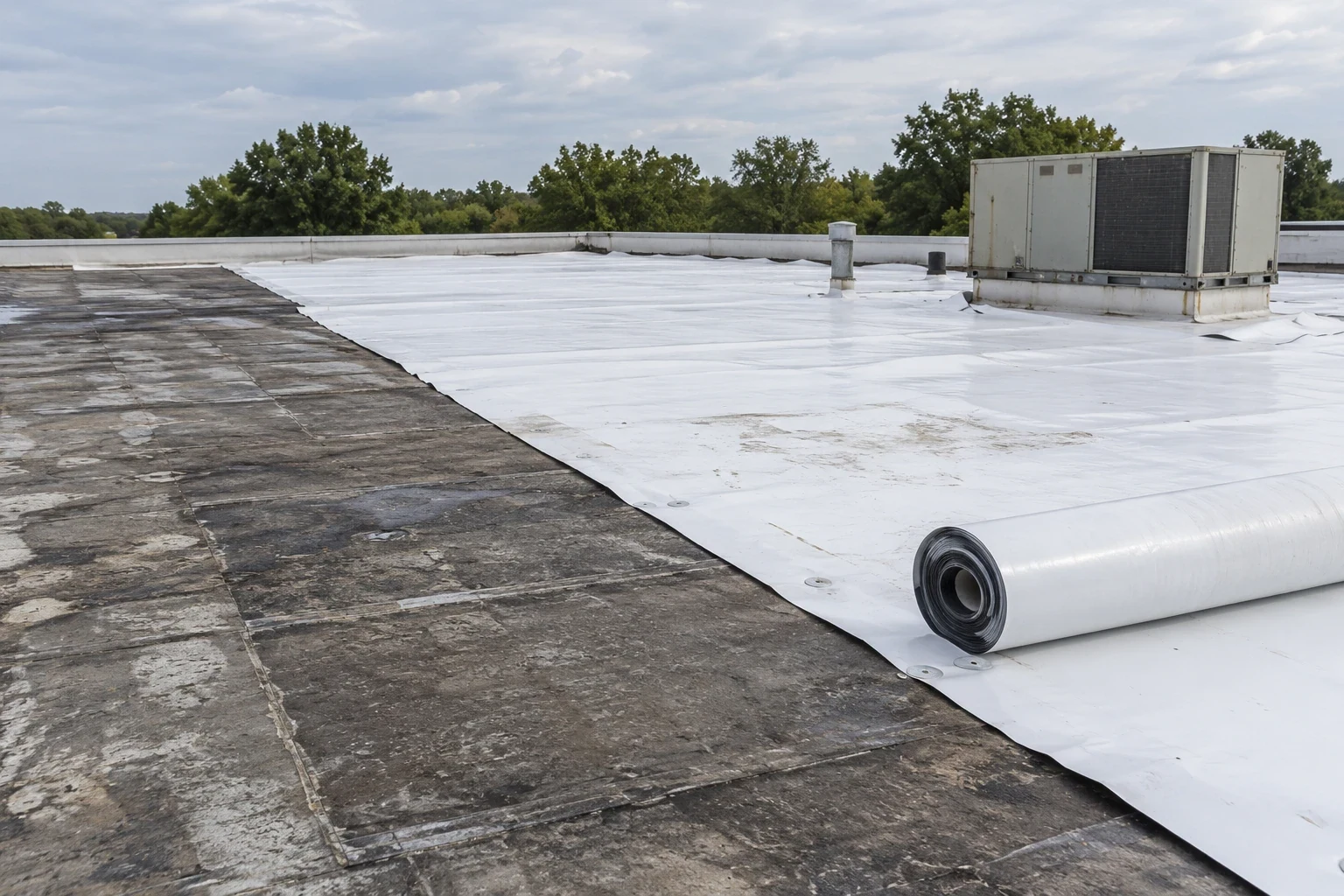
Flashing materials need to be compatible with the existing membrane, curb, and movement at the opening. TPO, EPDM, PVC, modified bitumen, and metal assemblies call for different preparation and detailing. We confirm the system using records, labels, or field inspection, then select the repair material and reinforcement. A sealant bead alone may not restore a failed membrane tie-in; the approved detail should show how water moves over or around the new flashing.
Tyler’s July normal high averages 94.5°F, which makes heat a scheduling variable for adhesive, sealant, and liquid flashing work. The roof surface gets its own reading on the work date, and we follow product limits for surface condition, temperature, and cure. If the adhesion window closes, we can shift to another approved opening or finish the exposed section with a temporary closeout. No penetration is treated as complete until the detail has reached its specified inspection or cure point.
Leak tracing and storm follow-up
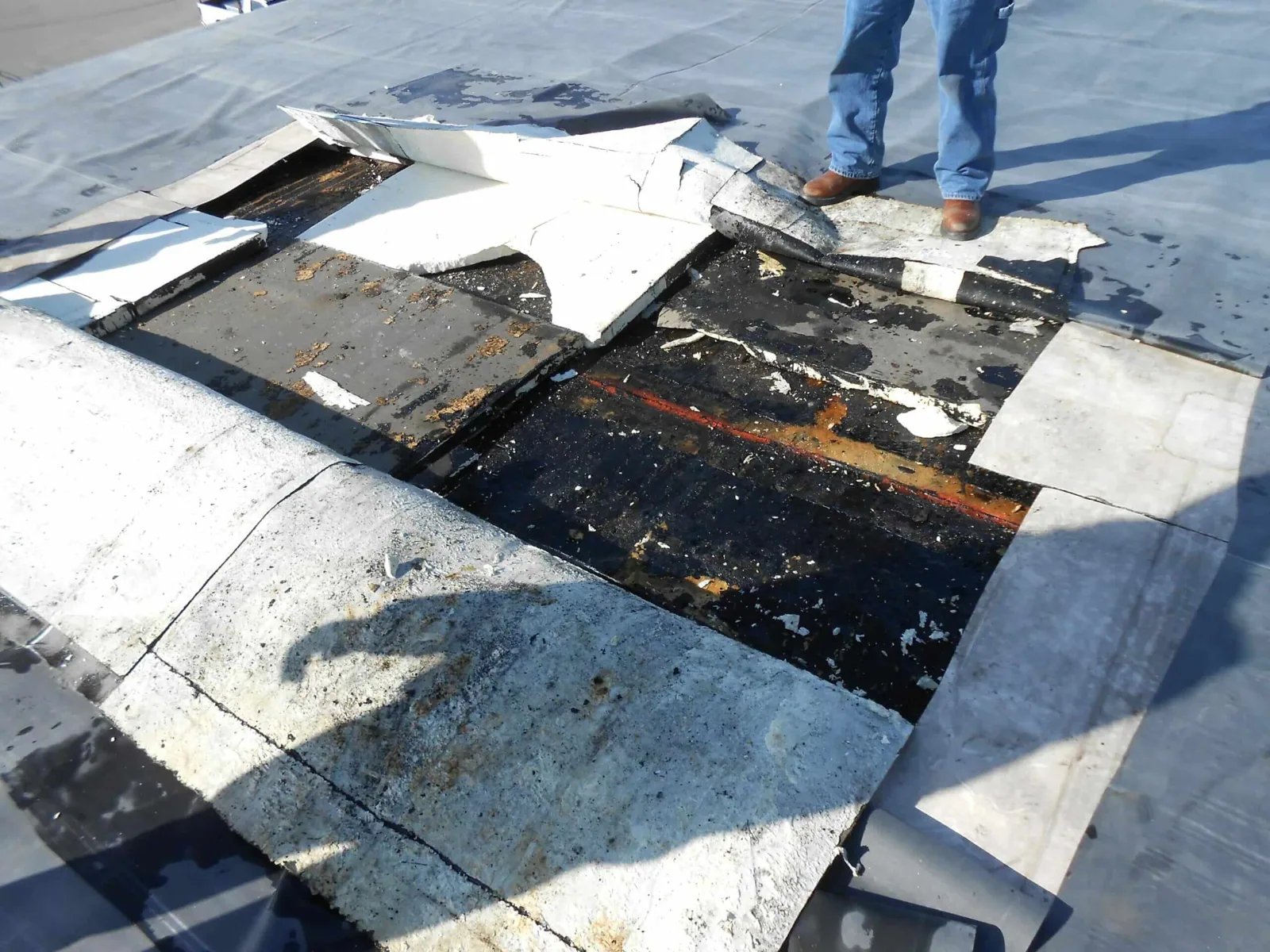
Interior water can travel along a deck, insulation joint, curb, or support before appearing in a room. We compare the reported location with roof openings and adjacent drain paths, then inspect likely transitions. When needed, we propose a controlled test or targeted opening, with interior protection and a closure method agreed before the crew starts. The record marks what the test confirmed and which nearby details remain untested.
Regional spring and autumn severe storms can bring hail and damaging wind across Texas, and Tyler has a recorded tornado event in June 2021. Following a storm, impact on a skylight or loose flashing may be visible, but water entry still needs a documented route. A storm-related roof review can map damage to the opening and surrounding surface. We keep any hail mark, uplift, loose fastener, and leak observation as individual findings. A separate flashing-failure assessment can isolate a damaged transition from the storm documentation.
Repair sequence and inspection hold points
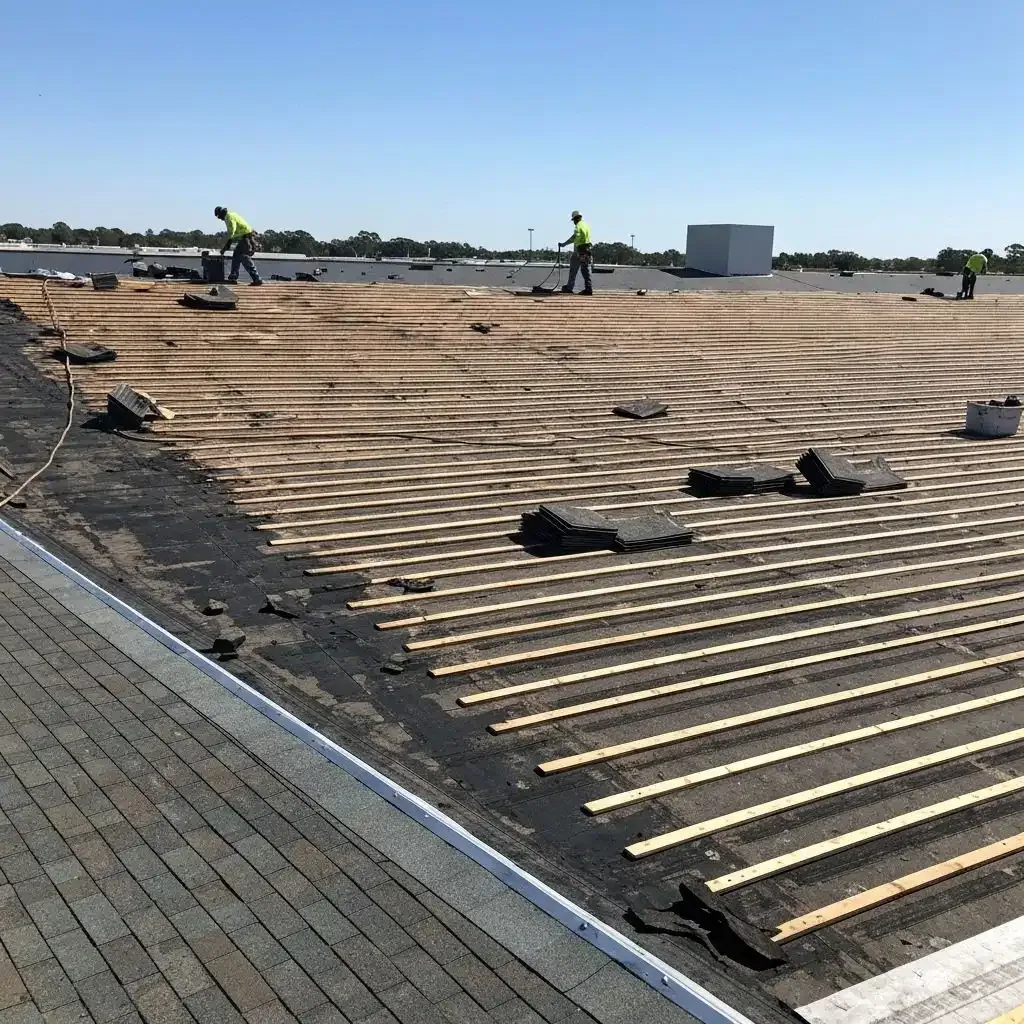
The work sequence identifies roof access, removal boundary, substrate review, curb or boot repair, membrane tie-in, and final inspection. If the crew exposes wet insulation or a weak curb, it pauses at the hold point and records the new condition before expanding work. The contractor can then approve repair, replacement of the unit, or a revised detail. This is particularly important when an opening sits near other active work that could conceal the new tie-in.
Occupied operations may require a second person inside the space during testing or opening, plus a dust and water protection plan. We mark the roof zone released, the interior area protected, and the person who accepts the handoff. In Tyler Midtown, healthcare and education are part of the district’s documented role; the actual access limits still come from the property schedule and room use. A phased work plan can coordinate the roof opening with interior operations.
Detail closeout and maintenance
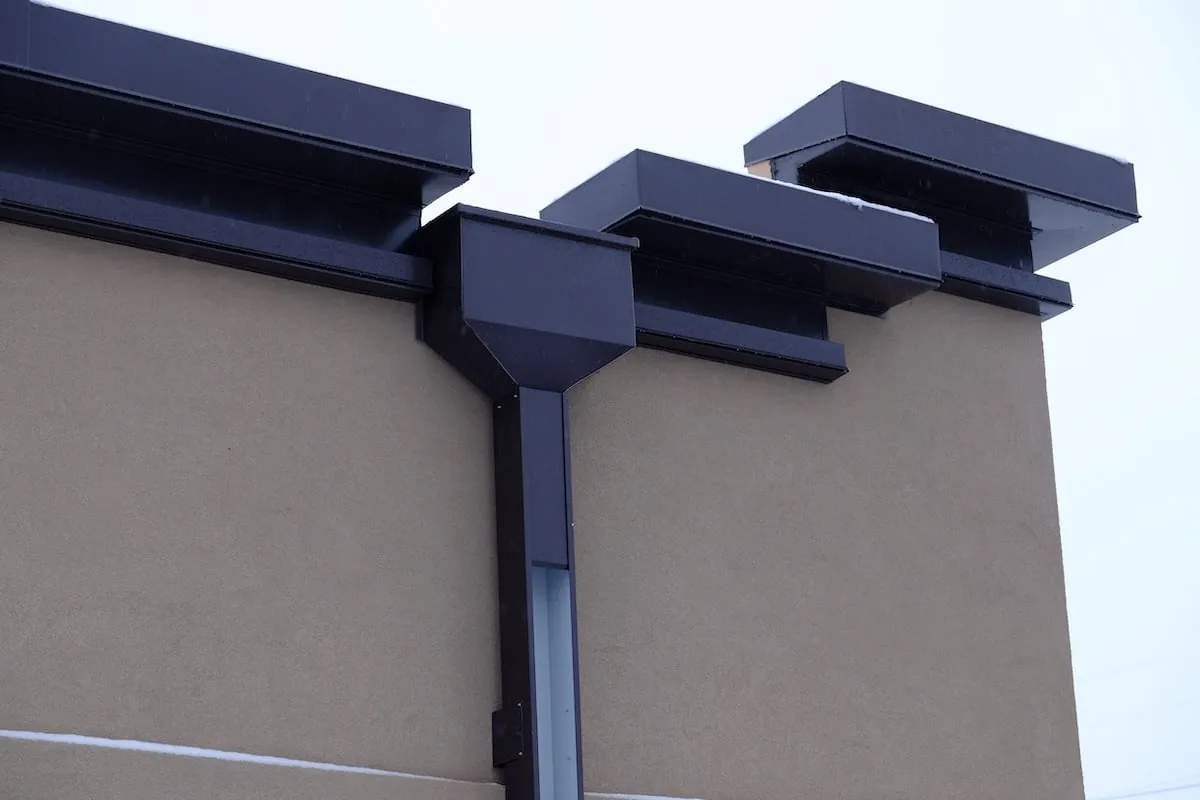
Closeout photos should show the penetration from above, each repaired corner or collar, the membrane tie-in, and the surrounding drainage path. We note the material used, cure or inspection point, and whether any test remains open. If a skylight unit needs glazing or mechanical follow-up by another trade, the handoff identifies the interface and the party responsible. This prevents the roof repair record from implying that separate work has been completed.
A future maintenance visit can compare the same penetration and look for returning sealant separation, loose fasteners, ponding at the curb, or service damage. The record includes the access route and any unit-specific restriction supplied by the owner. A Tyler roof condition map keeps the detail location connected to the next inspection, while scheduled maintenance can identify repeat findings before they expand into a broader tie-in repair.
Commercial Roofing Questions
How do you find which skylight or penetration is leaking?
We compare the reported interior location with the roof plan and inspect nearby curbs, boots, seams, drains, and wall transitions. If the route is unclear, we propose a controlled test or opening with an agreed closure detail. Findings are mapped to the detail that was actually checked.
Can a skylight be repaired without replacing the entire roof?
That depends on the curb, unit, surrounding membrane, and extent of moisture or damage. We document the opening and substrate, then compare a localized repair with unit replacement or broader roof work when the field findings support that comparison.
Do you handle the mechanical equipment connected to a curb?
We repair the roofing tie-in and coordinate the required access with the property contact. Mechanical disconnection or equipment service remains with the authorized trade. The work package identifies the handoff so flashing work does not proceed against an uncleared unit.
Does summer heat change the flashing repair?
Heat can affect preparation, adhesion, and cure. We measure the surface and follow the selected material’s instructions before releasing the detail. Tyler’s July normal is useful context, but the recorded substrate reading governs that roof zone.
What should be included in the flashing closeout?
The record should identify the opening, system, repair material, photos of the tie-in, any test result, cure or inspection point, and remaining trade work. We also list the access restrictions and the next maintenance check for that detail.

Related Pages

Identify the roof opening
Send the roof plan, leak location, available assembly records, interior access needs, and decision deadline. We will return a penetration-by-penetration scope with compatible details, test points, and roof-zone releases.