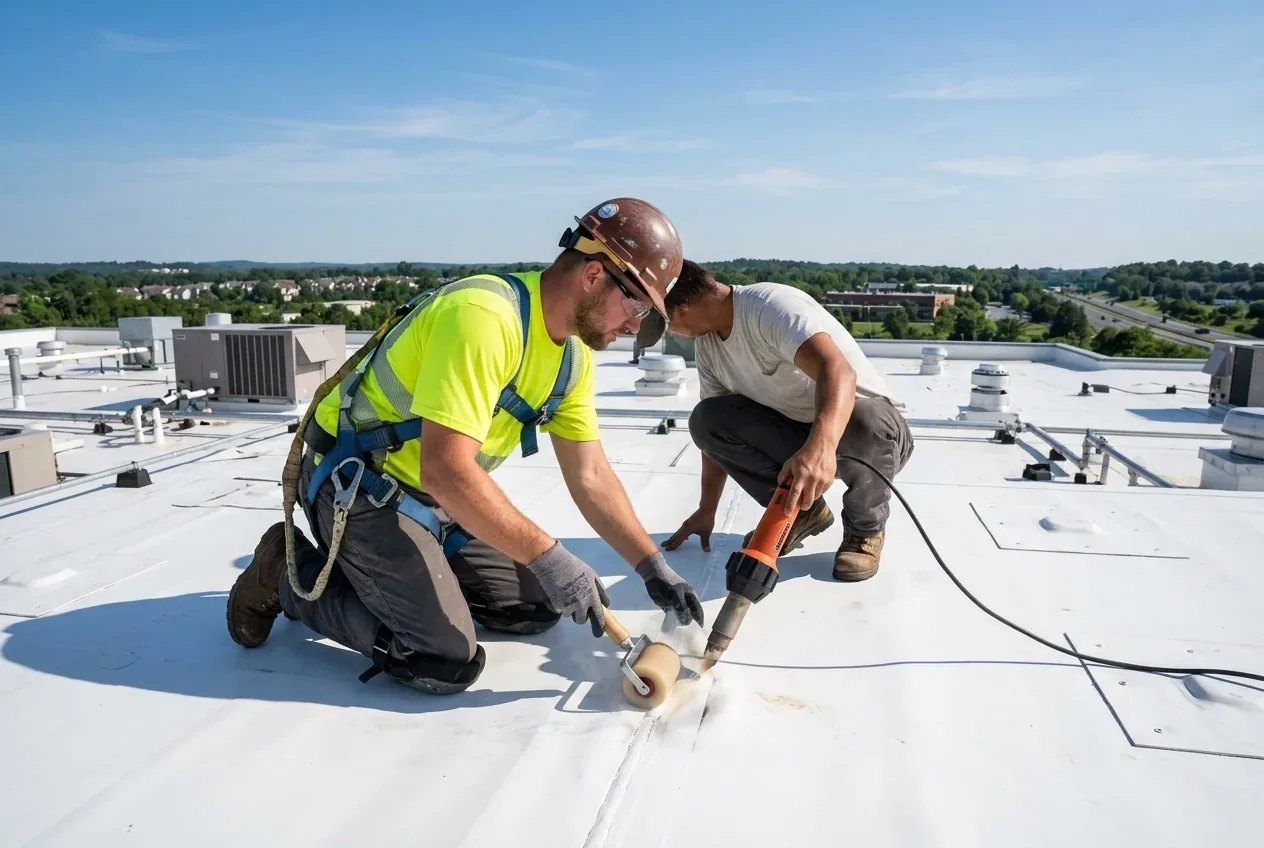
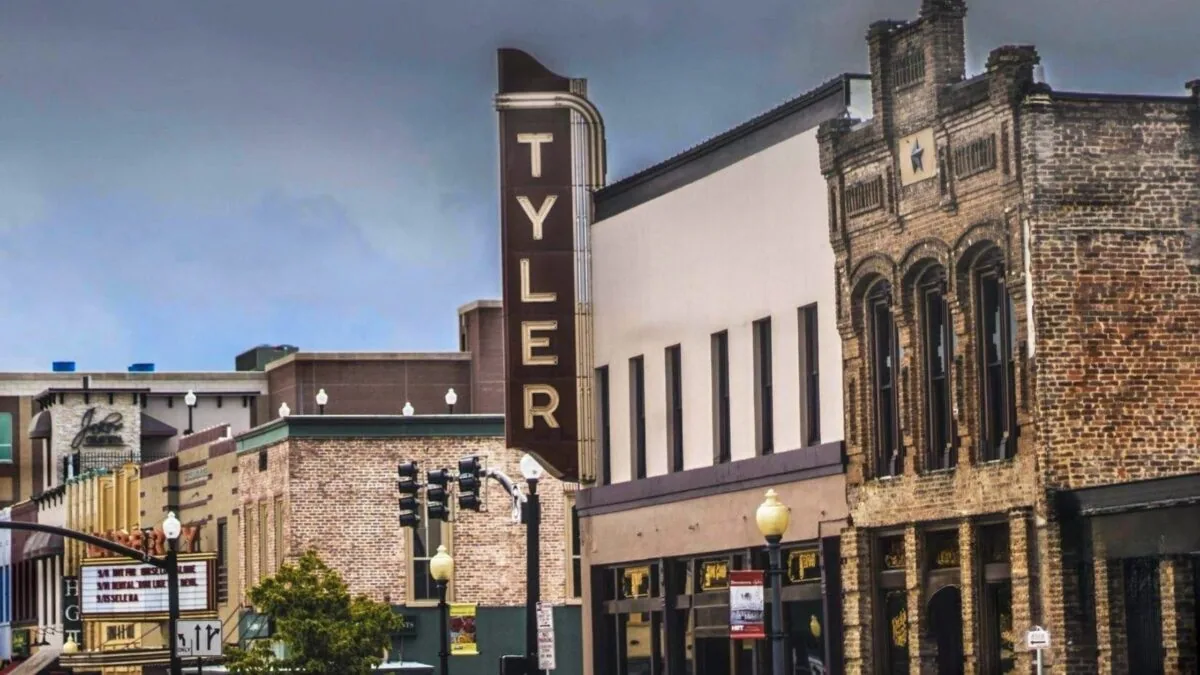
Tyler’s summer heat can change when a crew prepares a membrane seam or bonds a flashing detail, so a GAF work package starts with the roof assembly and a field reading. The normal July high for Tyler averages 94.5°F, a useful scheduling signal that does not replace a substrate measurement. We check the deck, insulation, attachment, drainage, edges, and existing layers before matching a proposed GAF system to the approved design. Separate access windows at the Tyler Interstate Commerce Park and along the South Broadway Commercial Corridor can affect material staging and roof-zone release.
GAF offers commercial roofing products across several system types, including single-ply membranes, modified bitumen, coatings, and insulation components. The right selection depends on the building, project specification, compatible details, and the condition found in each roof zone. We install, repair, inspect, and maintain commercial assemblies using the approved project specification and relevant GAF product documents. A Tyler commercial roof review can begin with plans and current leak locations, then identify which tests or records are needed before procurement.
System and substrate review
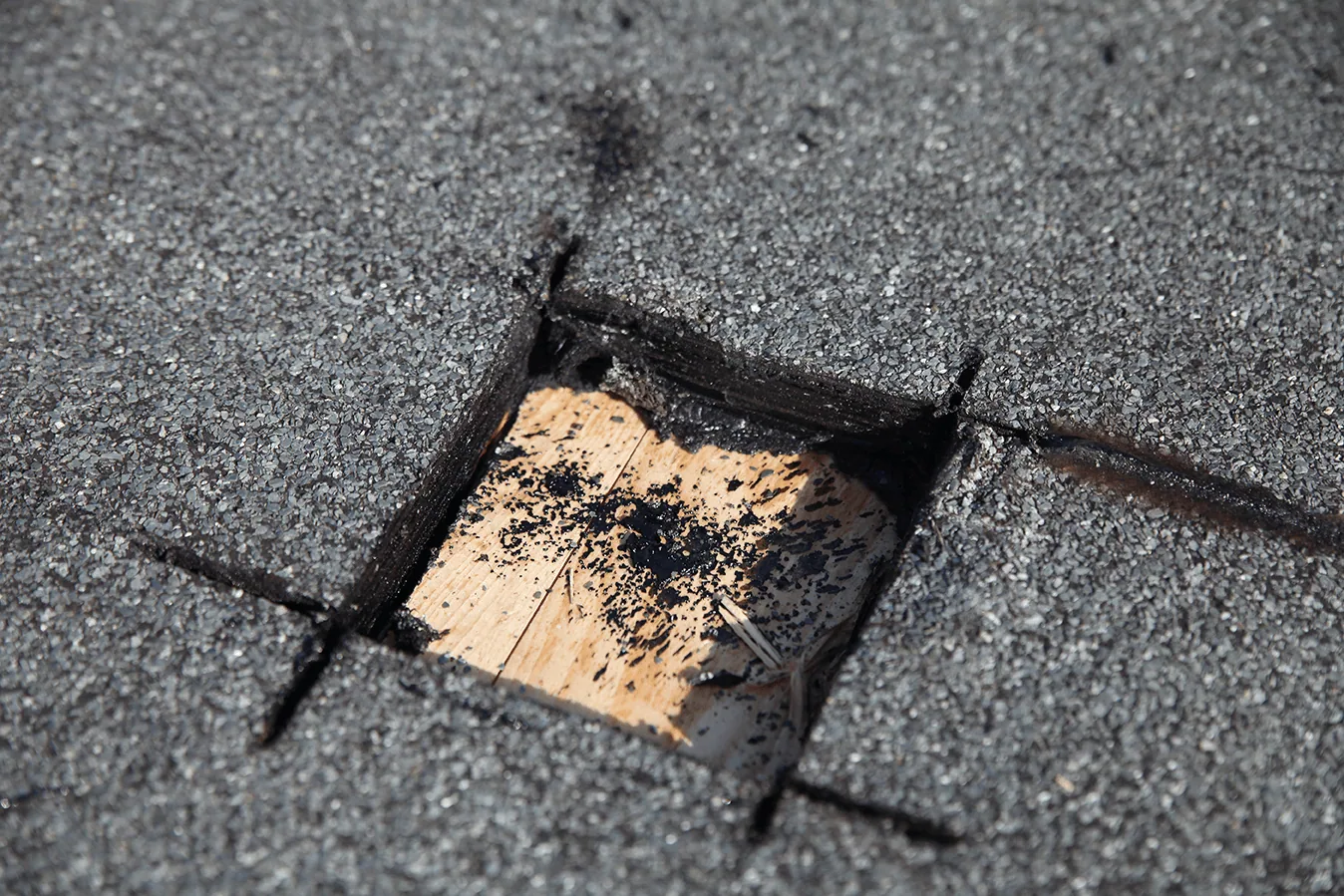
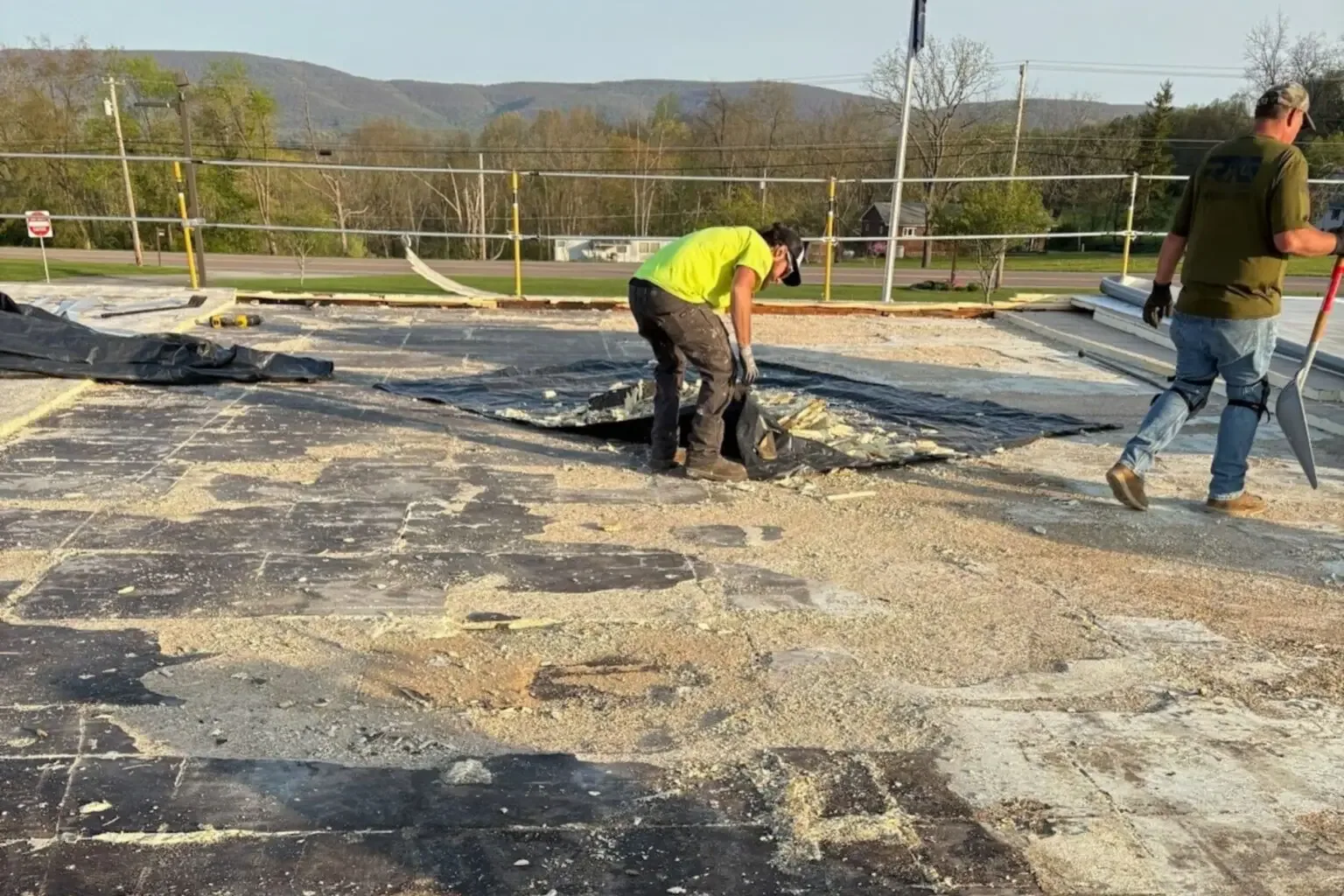
A product name does not settle the assembly question. We identify the deck type, existing roof layers, slope, insulation condition, edge geometry, penetrations, and drainage, then compare those findings with the project documents and selected GAF system requirements. A recover may be considered only when the existing roof is stable, sufficiently dry, compatible, and within applicable code and system limits. When that cannot be confirmed, selective testing or removal belongs in the scope rather than an assumption carried into installation.
Tyler’s target industries include advanced manufacturing and corporate services. A production building and an office property can have different access controls, rooftop equipment, and acceptable work periods even when the same membrane family is specified. We map those operational constraints by zone and keep the installation sequence tied to the field condition. If replacement is under review, the replacement scope should separate tear-off, insulation, perimeter details, temporary protection, and turnover tasks.
Seams and perimeter transitions
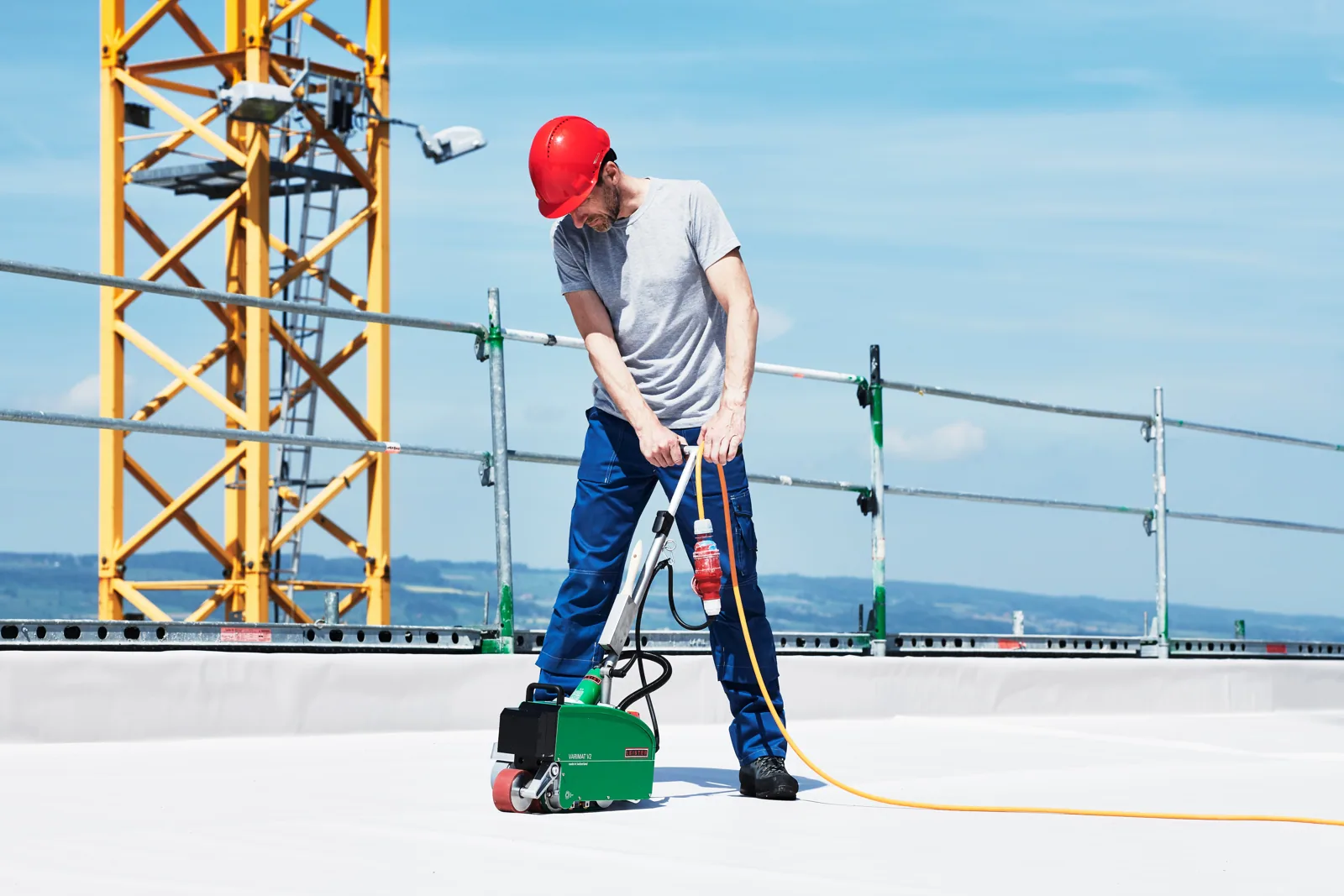
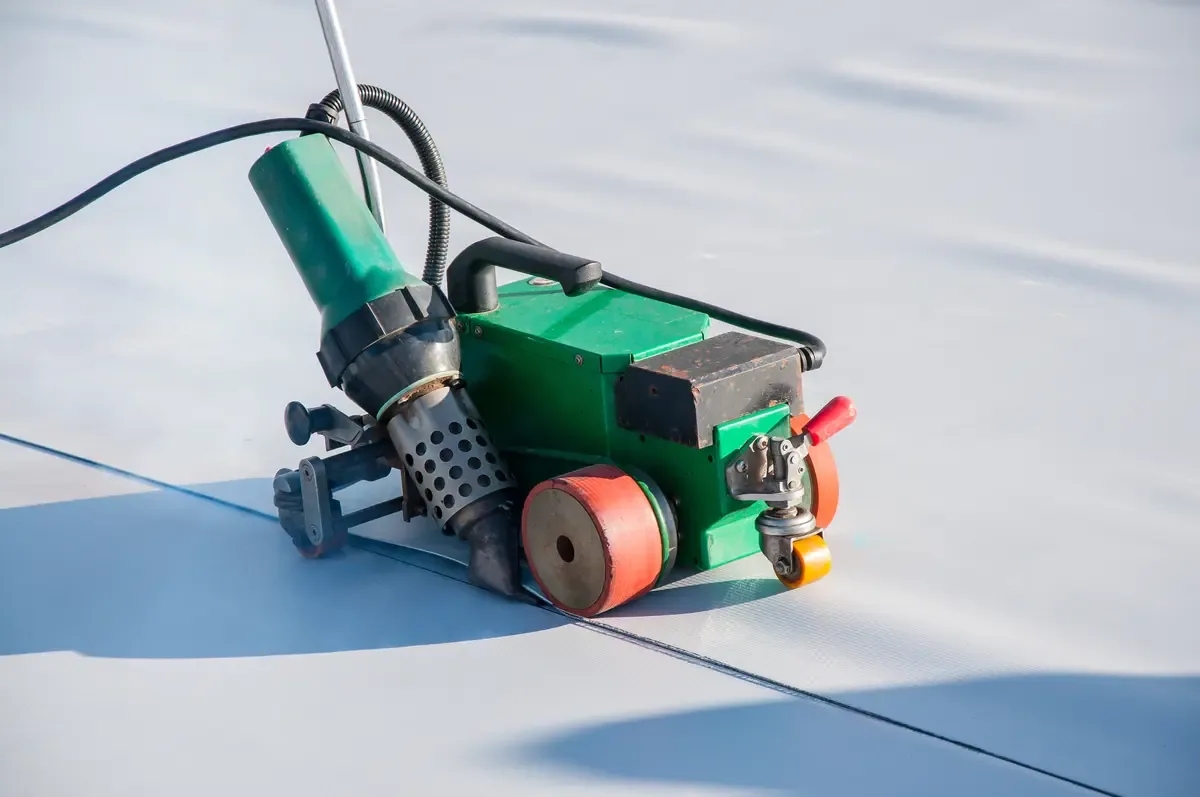
Thermoplastic membrane seams depend on clean surfaces and a controlled welding process. Before production work, the crew checks the equipment setup and makes a test weld when conditions or tools change, then lets the sample cool before testing it with the project method. We record the location and result, correct a weak seam, and hold the next roof zone until the agreed inspection point is satisfied. At curbs, pipes, walls, and equipment supports, the specified flashing detail must remain compatible with the field sheet.
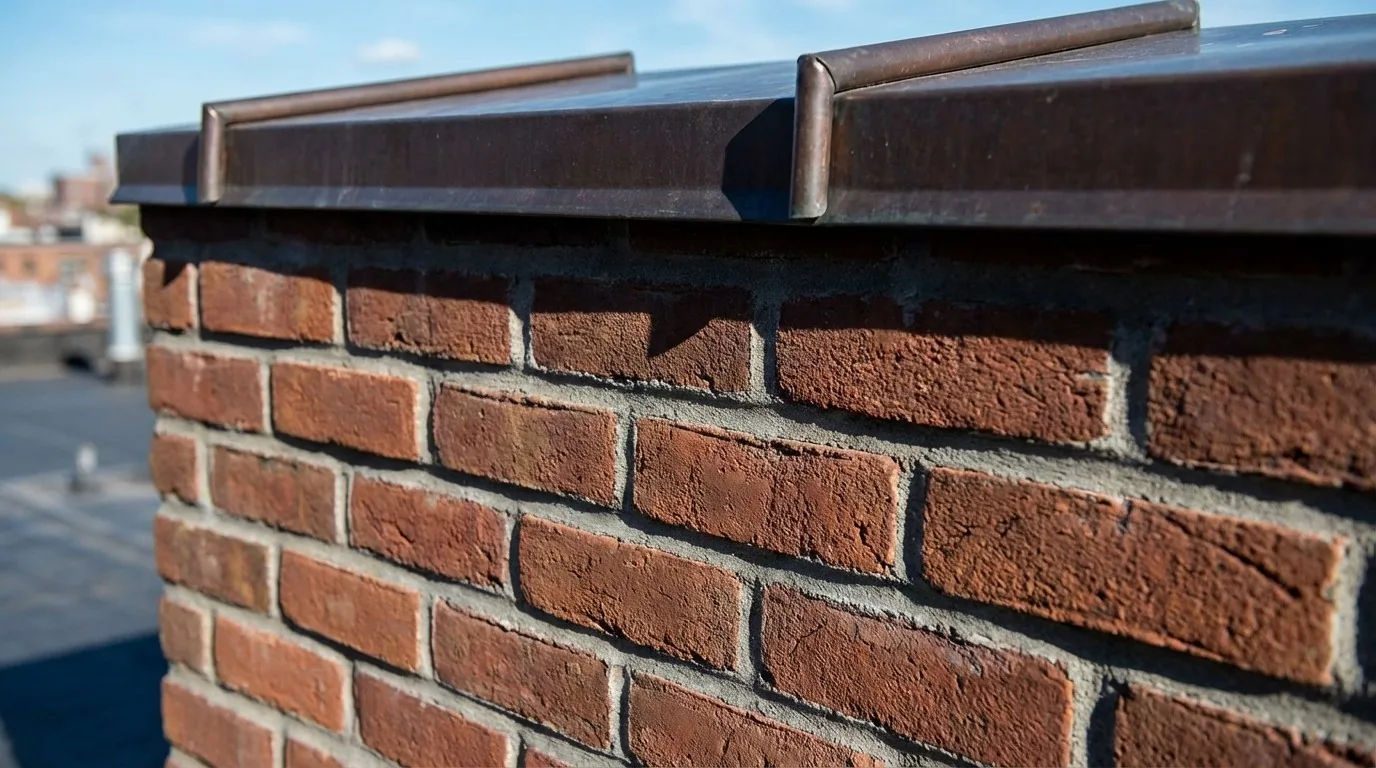
Perimeters deserve their own review because edge metal, termination bars, corners, and parapet transitions can move differently from the open roof field. Wind exposure, fastening, substrate condition, and existing metal all influence the detail. We mark each transition on the roof plan, confirm which trade supplies adjacent work, and keep unapproved changes out of the production sequence. A perimeter and edge-metal work package helps the general contractor assign inspections before the membrane crew closes the next area.
Heat window and daily closeout
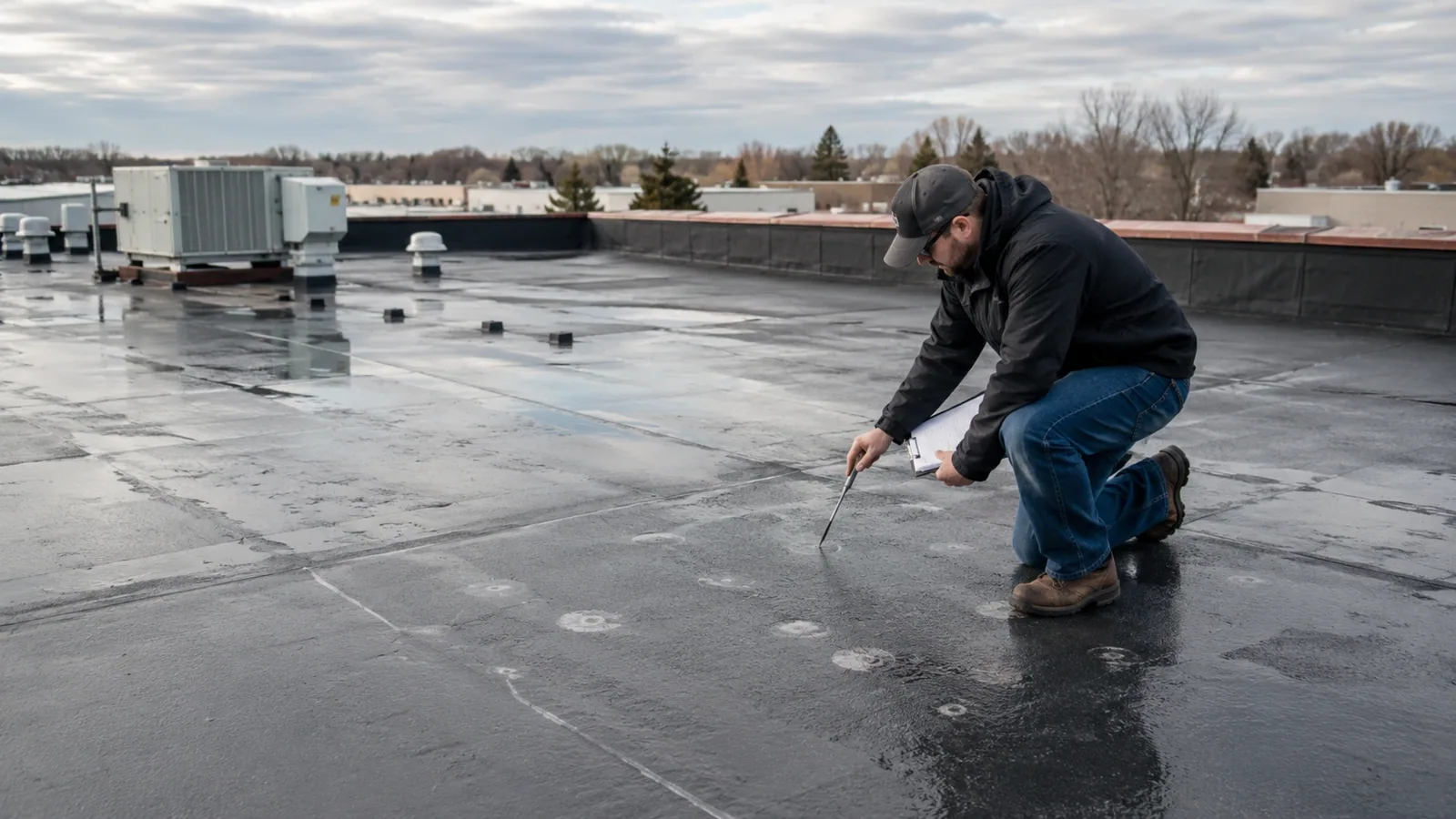
Tyler’s July normal high of 94.5°F is climate context, not a reading from a particular roof. Sun exposure can make the membrane and substrate warmer than the air, so we take a surface measurement and follow the selected product instructions for welding, adhesives, primers, and sealants. The daily plan identifies heat-sensitive operations, areas ready for work, and any hold point that needs a test or approval. If one step falls outside its working conditions, the crew can move to another approved task without treating the calendar as permission.
Spring and fall bring the region's busier thunderstorm periods, including Texas hail and damaging gusts; the closeout plan should account for any section left exposed. That exposure makes temporary drainage and end-of-shift protection part of the work package, especially when a roof is open or a detail remains unfinished. We note the exposed section, drain path, installed protection, and person responsible for release after a weather delay. A hail-damage assessment can document observed conditions after an event without treating regional exposure as proof of damage at a specific roof.
Repair, recover, or replace
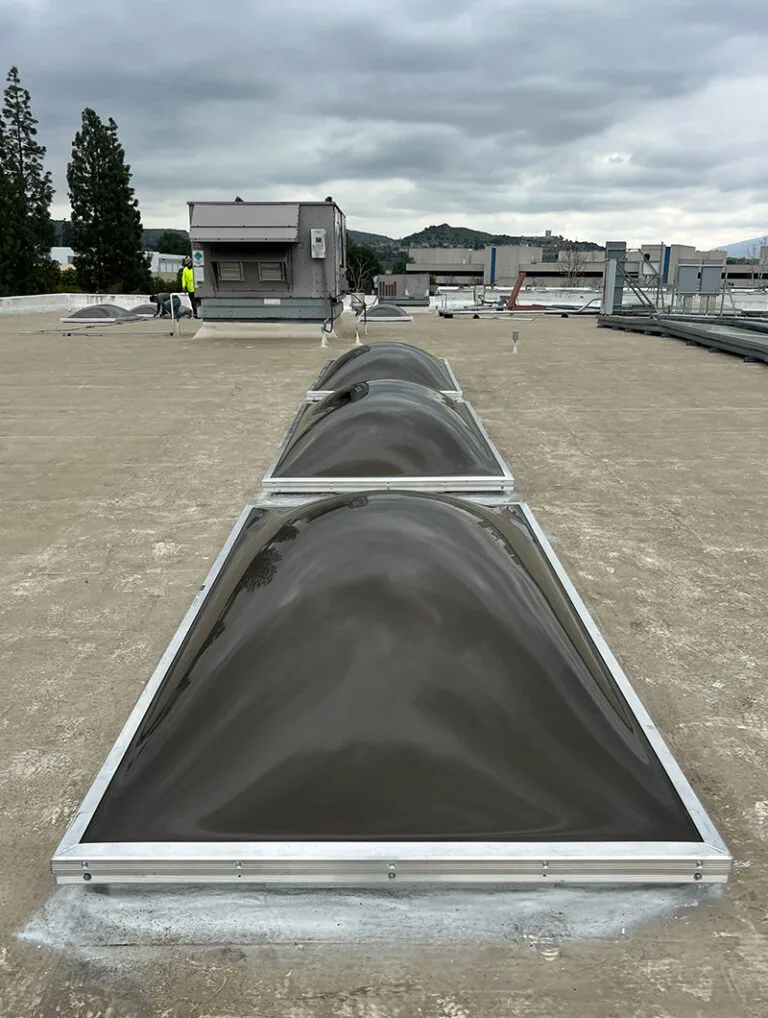
An isolated puncture, open seam, or failed flashing may fit a localized repair when surrounding material is sound and the repair method is compatible with the existing system. We mark the boundary, inspect adjacent transitions, and test the completed work where the specification requires it. Repeated failures or moisture concerns may call for a wider condition map before the owner approves a sequence of patches. A commercial roof repair should state what is confirmed, what remains concealed, and which finding could change the scope.
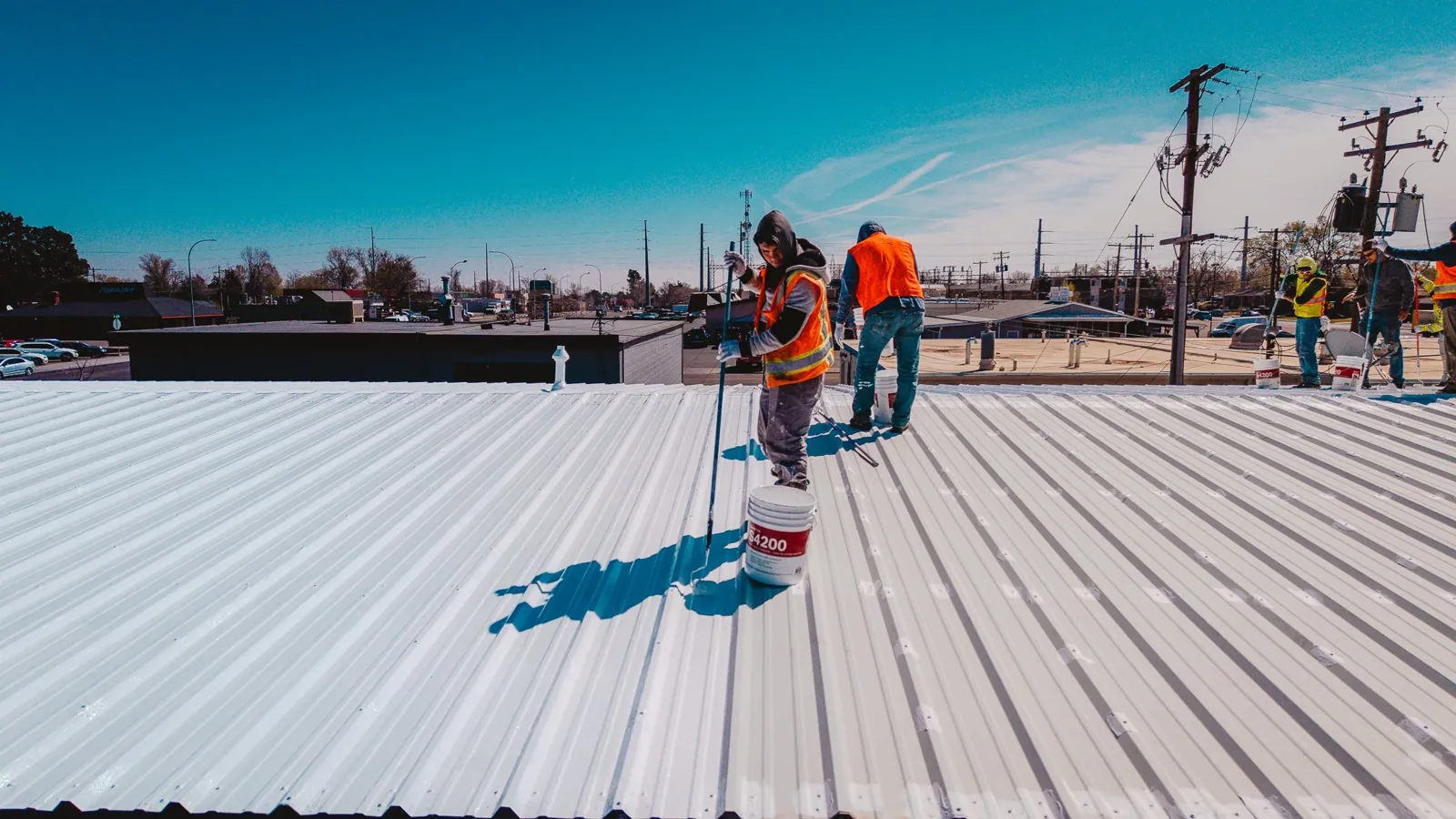
Coatings and recover assemblies have their own substrate and compatibility gates. A coating needs a suitable, prepared surface and any required adhesion checks; a recover needs a stable existing roof and must satisfy system limits. Wet insulation, weak attachment, corrosion, or trapped moisture can change the recommendation toward selective removal or replacement. We compare material, labor access, interior protection, edge details, and disposal qualitatively, then leave design decisions with the responsible project team. The restoration review can include test areas when those results affect the selected work.
Submittals and roof-zone release
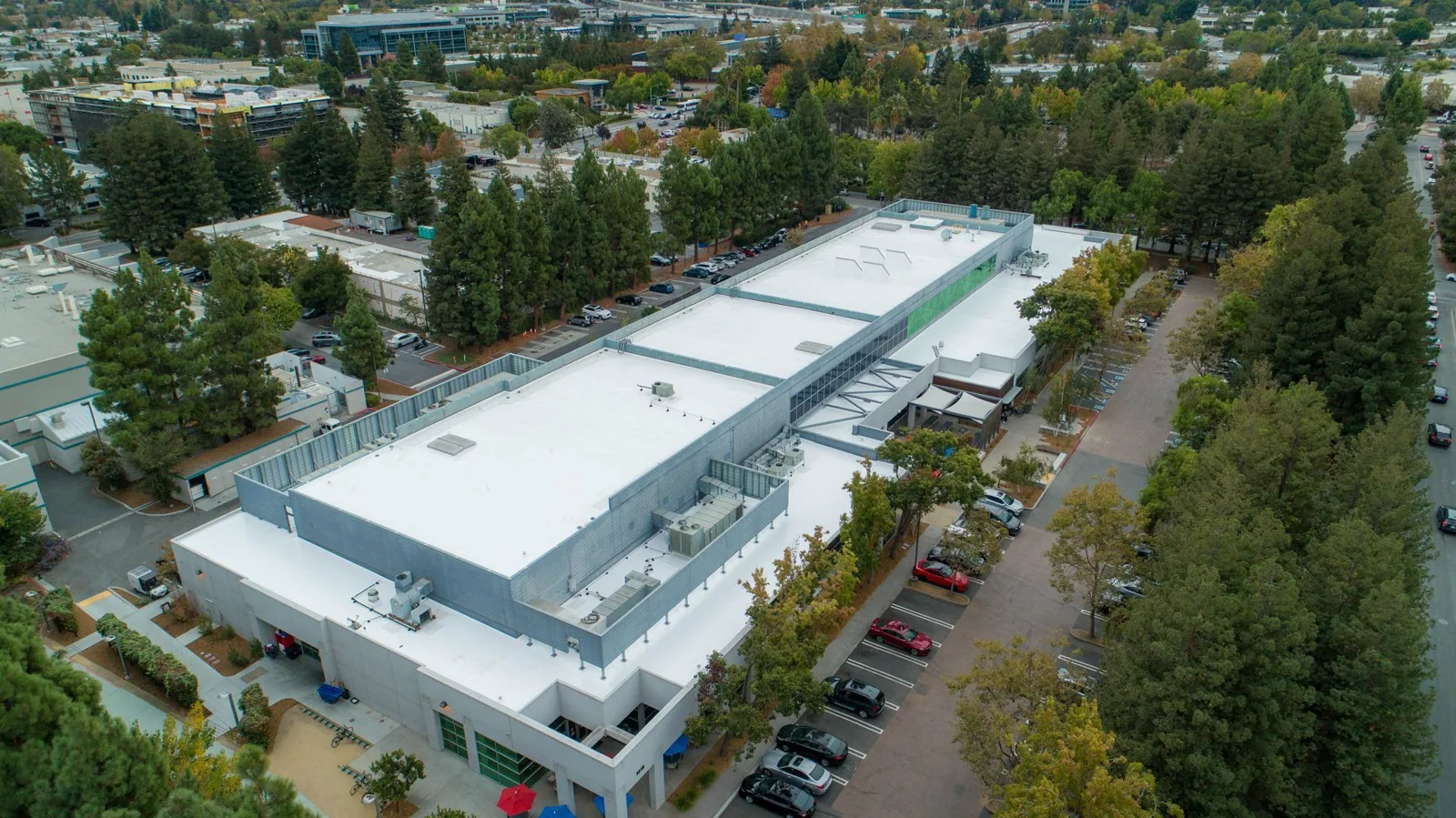
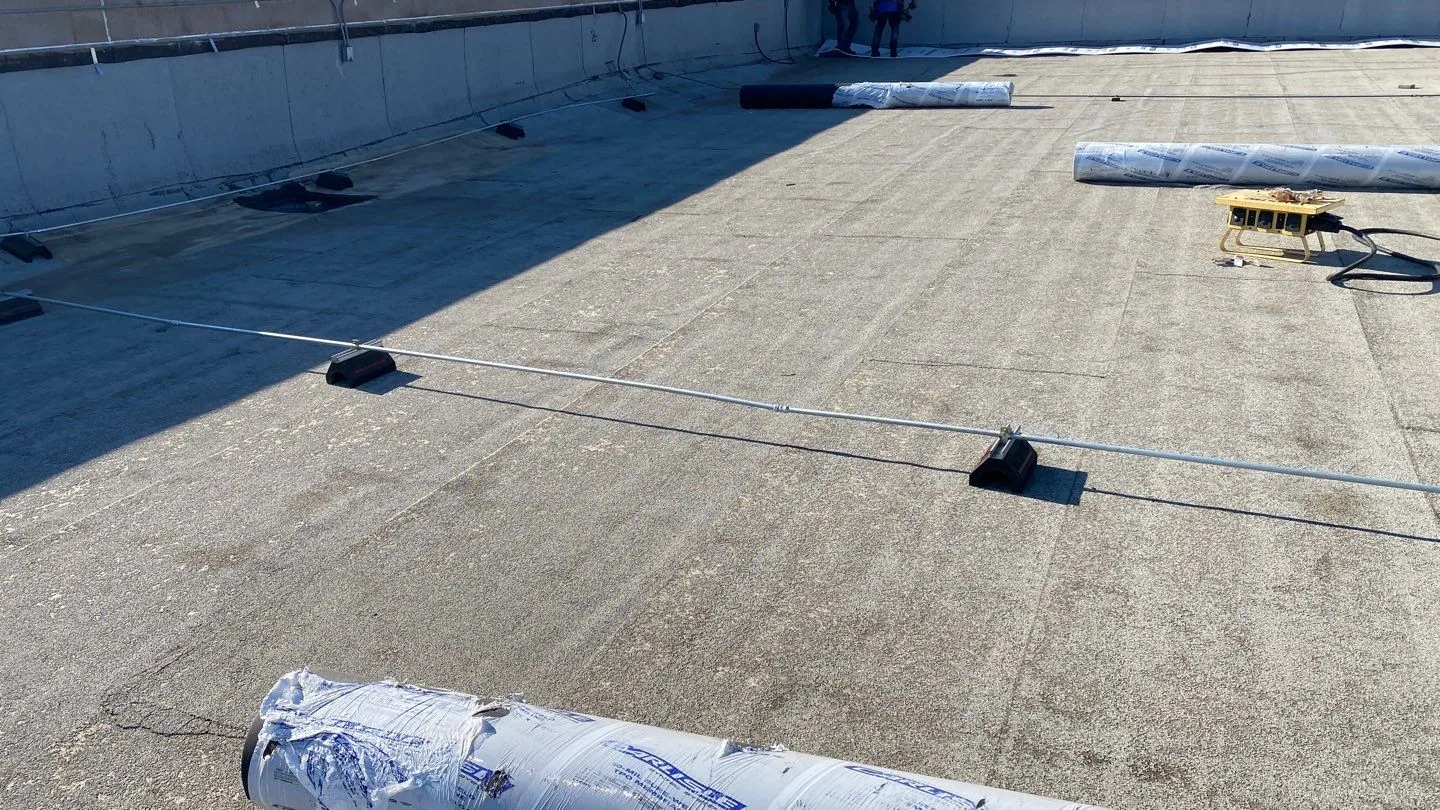
Before mobilization, the general contractor can send the roof plan, assembly records, access window, current condition notes, and decision deadline. We return a sequence showing material staging, surface preparation, seam checks, penetration details, and daily closeout. Submittals should identify the selected system components and approved details, while Diligence Notes record any difference between the documents and the roof. When that difference could affect attachment, compatibility, or drainage, we stop at the hold point and request direction before expanding the work package.
At turnover, the record should connect the installed assembly to roof zones, inspection results, repairs, photographs, and unresolved observations. The next maintenance visit can then revisit the same seam or transition without relying on a general note that the roof was completed. A roof condition report can preserve findings, while Carlisle SynTec system considerations and Johns Manville alternatives help frame a comparison when the project allows more than one assembly. Product selection remains tied to the approved design and actual substrate.
Commercial Roofing Questions
Which roof conditions should be settled before a GAF system is selected?
We confirm the deck, existing layers, moisture questions, attachment, drainage, edge details, and rooftop penetrations. Plans and test results help distinguish a suitable recover from work that needs selective removal or replacement. The selected assembly must match the project design and its documented limitations.
How do you check thermoplastic seams during installation?
The crew prepares the sheet, verifies the welding setup, and makes a test weld when conditions or equipment warrant it. After cooling, the sample is checked with the agreed method. We note the result and roof location, correct weak work, and hold the next area until the inspection point is cleared.
Does Tyler’s July temperature determine the work schedule?
No. The 94.5°F normal high is regional climate context, not a roof-surface measurement. We measure the actual substrate and follow the product instructions for each operation. The sequence can shift to another approved task if heat, moisture, or wind falls outside the working range.
Can an existing commercial roof receive a GAF recover system?
That depends on confirmed assembly condition, moisture, attachment, compatibility, code, and system limits. We use records and agreed field tests to resolve uncertainties before pricing a recover. If the roof cannot support another layer, removal or localized correction belongs in the comparison.
What information helps release the first roof zone?
Provide the roof plan, known assembly, current leak or damage locations, access rules, staging limits, and the decision deadline. We can return the proposed sequence with test points, temporary closeout, and approvals needed before each section opens.
Related Pages
Set the GAF work sequence
Send the roof plan, assembly records, access window, current condition, and decision deadline. We will return a sequenced field plan with open tests, heat-sensitive steps, and roof-zone hold points marked for the general contractor.