
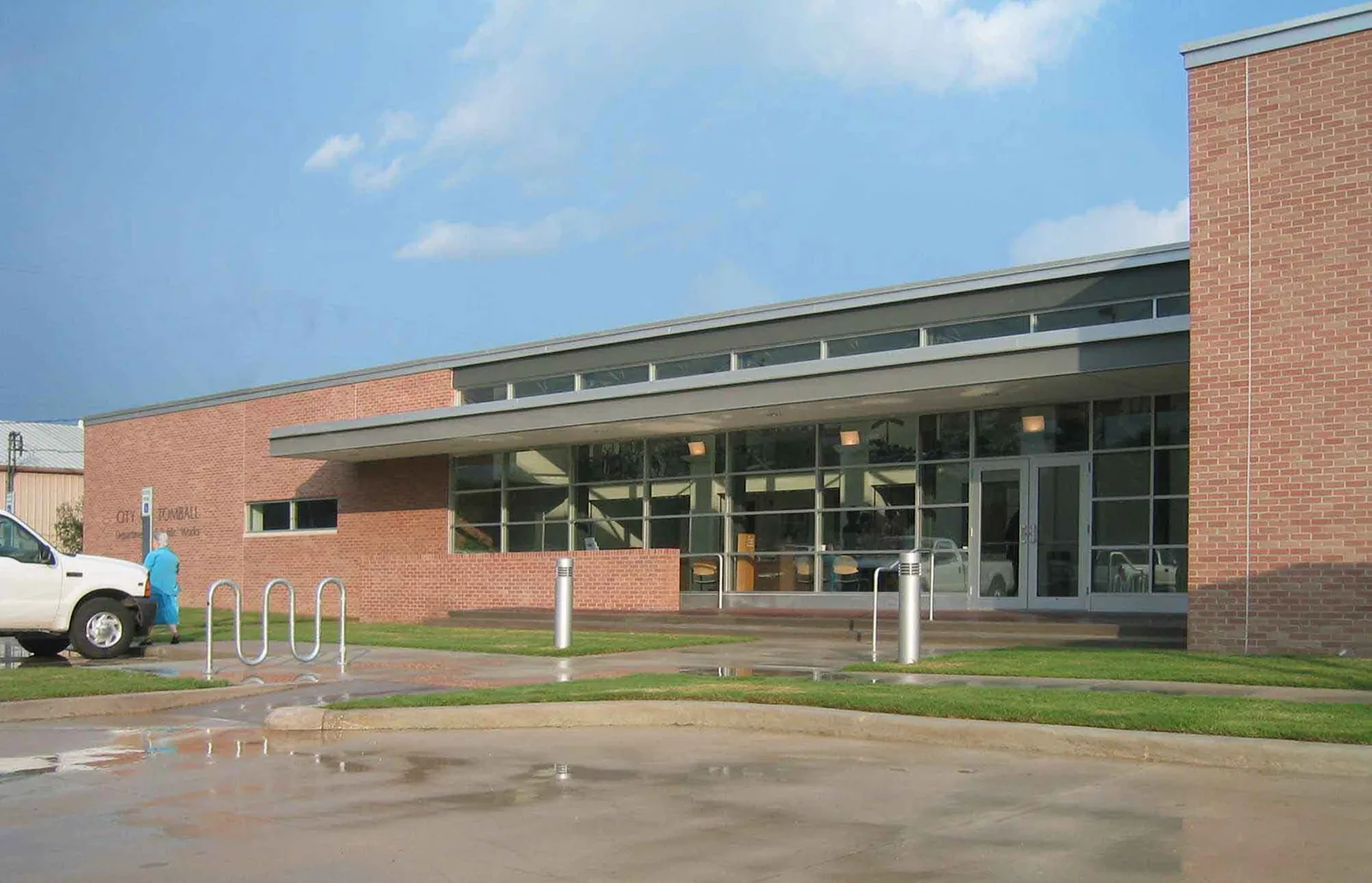
A public facility roof package needs an approved boundary, an access contact, and a record that can follow procurement into the field. Tyler’s 94.5°F normal July high makes measured substrate conditions relevant before adhesive or coating work, but the weather normal cannot release an installation step. We compare the work-area reading with the selected material requirements and mark each hold point and daily closeout. The roof plan, known leaks, access rules, and capital deadline give the agency a basis for the first review.
From January 1, 2024, Tyler’s permit review applies the 2021 IBC and IECC to building plans. The agency and design team determine the requirements for a specific project; our Diligence Notes identify the existing assembly, condition, and proposed roofing work for that review. North End planning includes commercial development and public-safety priorities, while East Grande Boulevard and Old Omen Road planning addresses regional connectivity. Our North End roof assessment connects local context to the facility’s actual condition and approvals.
Procurement record and scope clarity
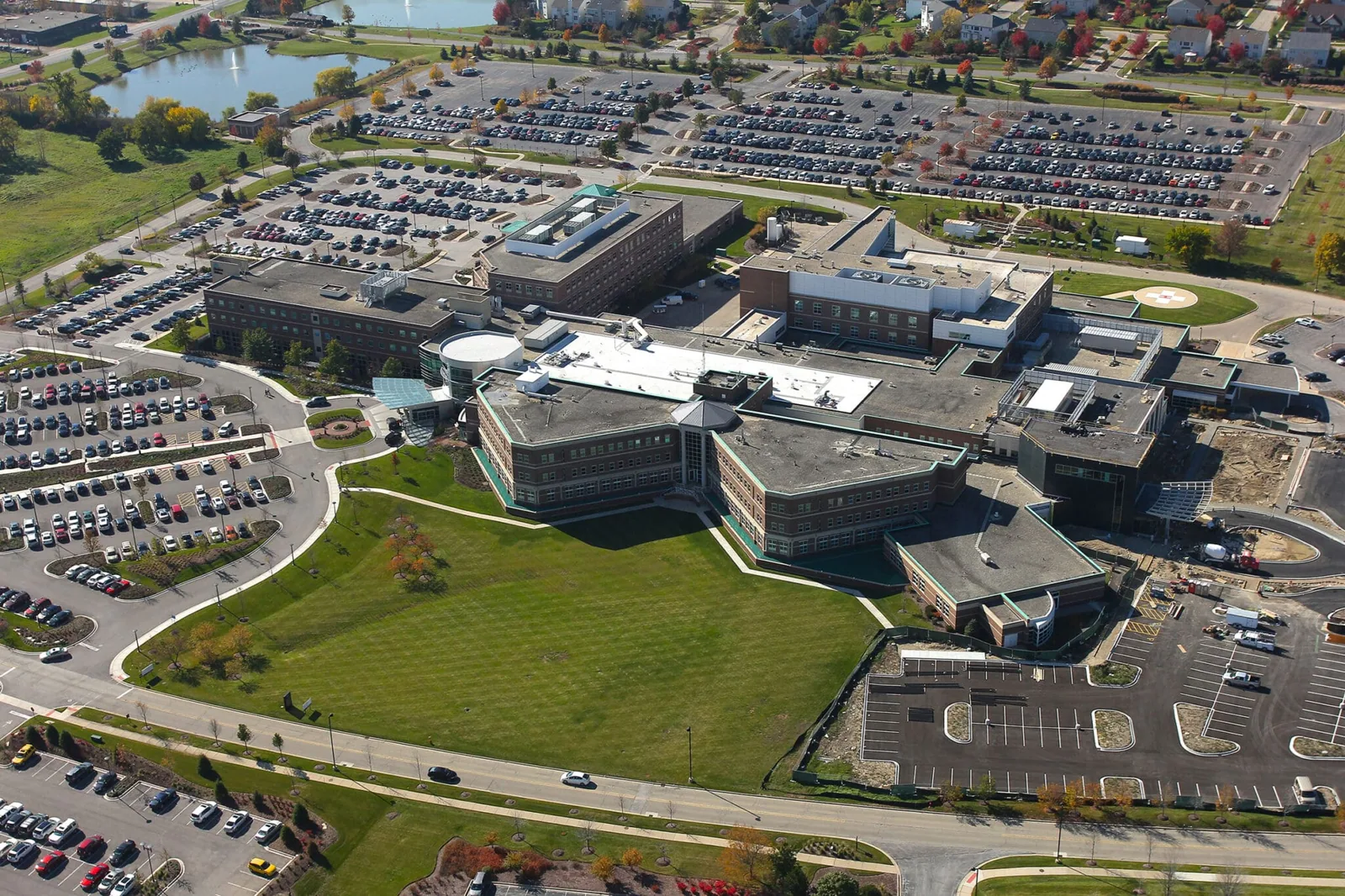
A public bid or work order needs a defined roof area, assembly assumption, removal depth, and permanent endpoint. We document the observed defect, supporting preparation, edge and penetration details, and any test that could change the quantity. Temporary protection is shown separately from permanent repair, so a response to active water does not appear to complete the long-term scope. We can identify unit-based components where concealed conditions remain open and state the approval path before additional work proceeds.
When a proposed assembly changes insulation, attachment, drainage, or edge work, we put those items into reviewable bid language with the supporting field observations. The design team and agency can determine permit applicability against Tyler’s adopted 2021 code editions. A public works construction handoff can carry the roof-zone boundaries, access release, and trade dependencies into procurement. Each alternate states what it includes and what remains an allowance or hold point, giving the owner a useful comparison between repair, recover, restoration, and replacement.
Facility access and public operations
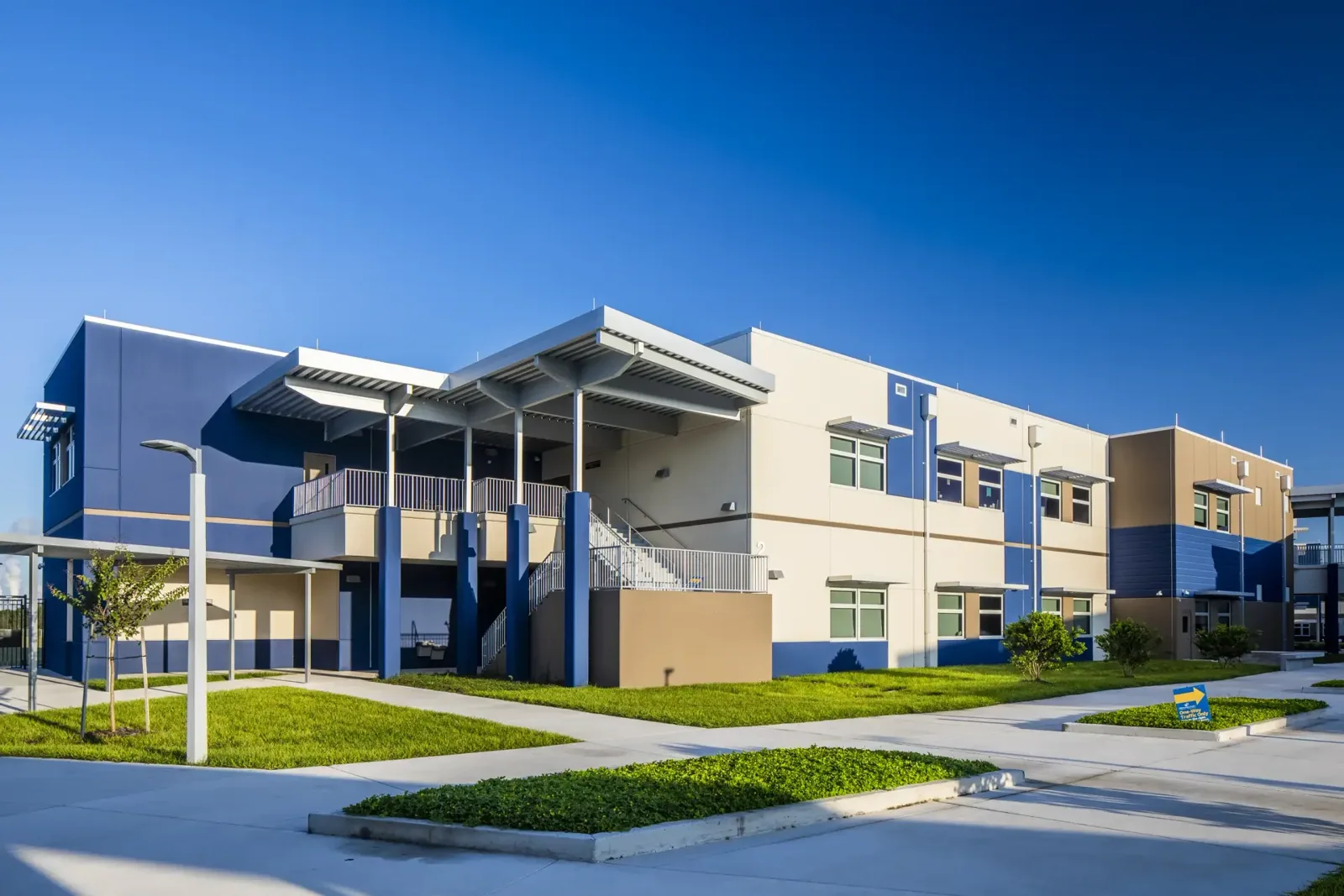
Public buildings can have service counters, emergency functions, meeting rooms, parking, and restricted equipment areas below the roof. The facility representative identifies public entrances, staff routes, secure zones, hours, and any space that must remain open. We set a material route and overhead boundary with those operations in mind, then name who can release the next work area. If an unplanned event changes access, the field lead records the revision before entering the affected zone.
The Downtown Tyler Business District includes a historic multi-property area, while Tyler Midtown has planned connectivity improvements along 5th Street and Beckham Avenue. Tyler’s districts include varied building types; the building record still controls roof access and construction. A phased occupied-building sequence can reduce the number of active zones while a public facility stays in use. The daily handoff identifies completed work, temporary protection, drain status, and any restriction on the public route below.
Inspection evidence and repairs
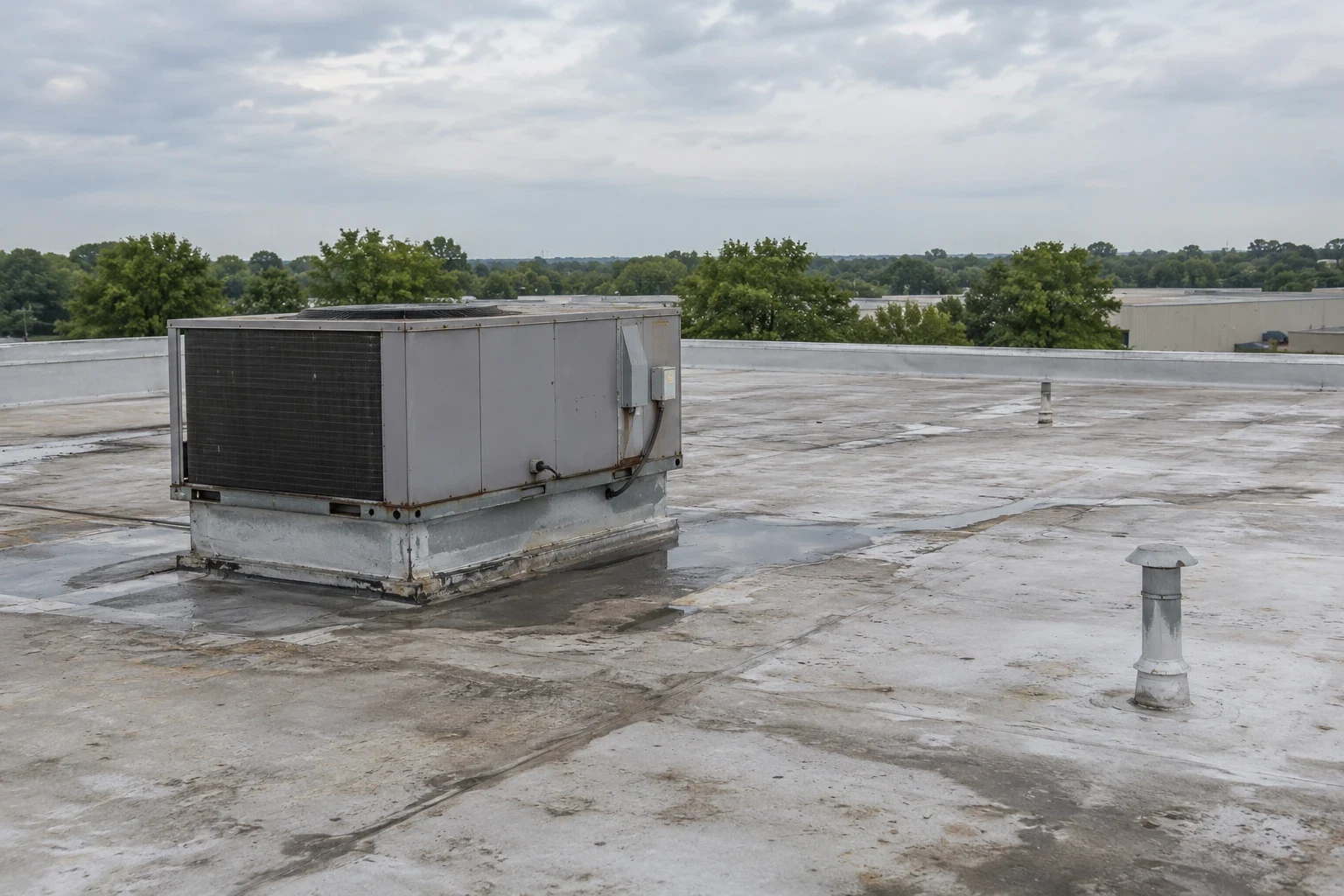
We inspect seams, penetrations, drains, edges, and transitions, comparing roof findings with reported interior water. A ceiling stain can sit away from the opening, so the record connects it to the roof plan without assuming a repair boundary. Photographs show observed conditions and their locations. If moisture, attachment, or deck integrity could change the scope, we state the test point and await approval before measuring concealed replacement.
An infrared moisture pattern can help focus investigation when the roof assembly supports that method. We use field observations and confirmatory tests where results affect removal. A roof inspection or moisture survey can provide a condition record for agency review, with inspected and untested zones clearly distinguished. The written report can include photographs, priority, proposed work, and open decisions so the owner can track approval through procurement and field release.
Heat windows and storm interruption
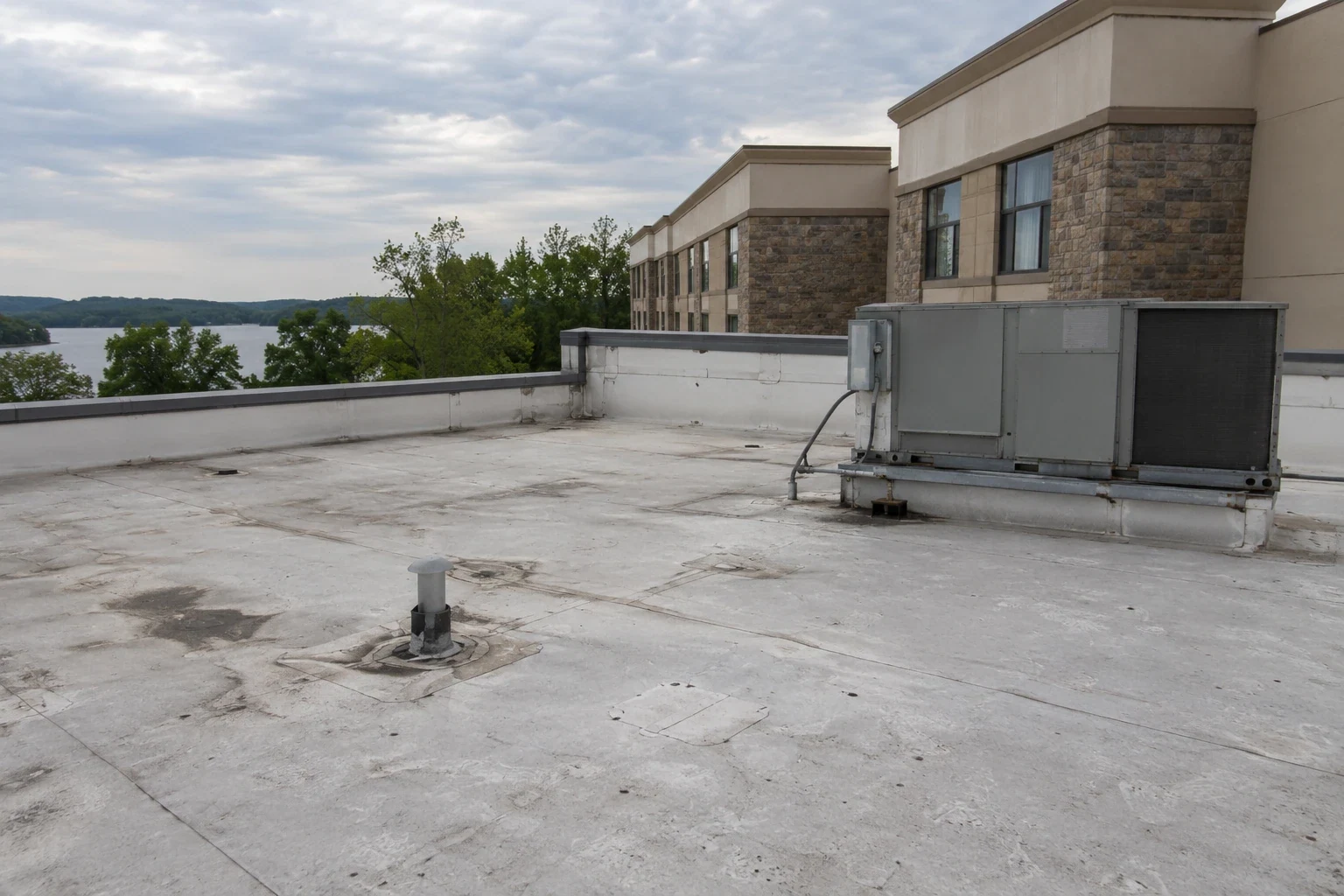
Tyler’s July normal high is 94.5°F and its normal monthly mean is 84.4°F. The readings describe climate context; they do not establish roof temperature. We check the actual substrate before adhesive, coating, or flashing work and follow the selected material’s instructions. If the work window closes, the crew secures exposed edges, verifies that drains remain open, and records a weather delay with a next inspection point.
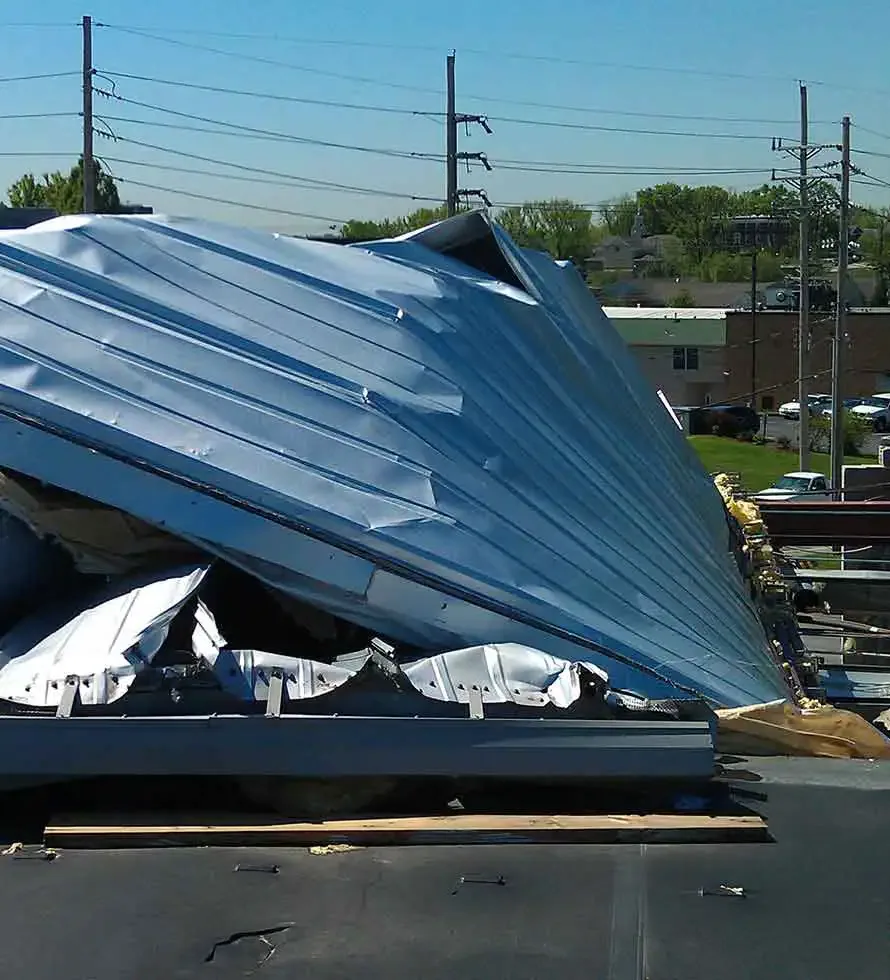
Large hail and damaging wind come with the region’s severe thunderstorms, which are most common in spring and autumn. Tyler’s tornado record includes June 8, 2021. After a storm, we document edges, seams, penetrations, drains, and visible impact by roof zone. A wind damage assessment can support the public owner’s repair record. Photographs and observations describe the roof condition; any insurance coverage or public funding decision follows the appropriate agency process.
Repair scope and capital alternatives
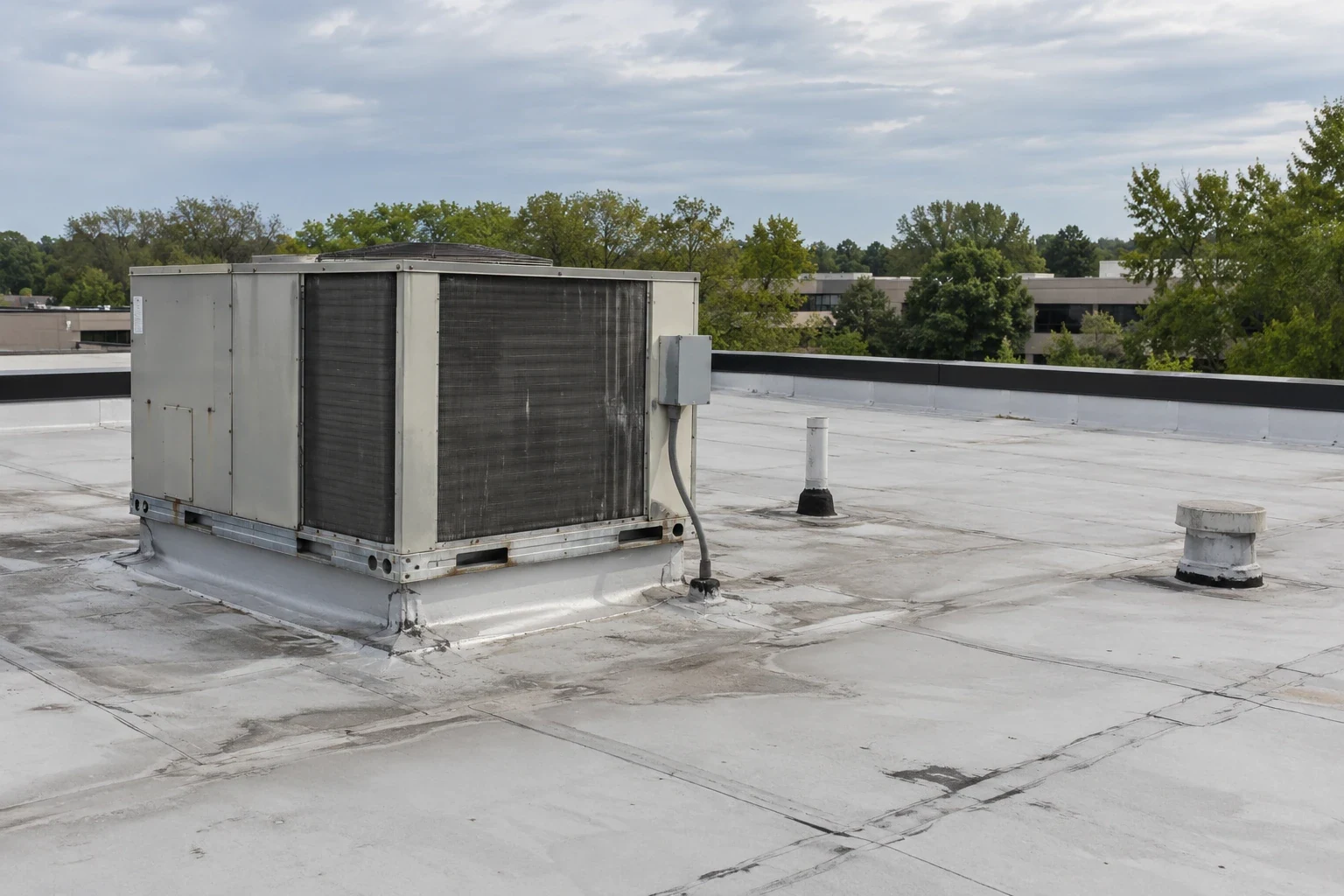
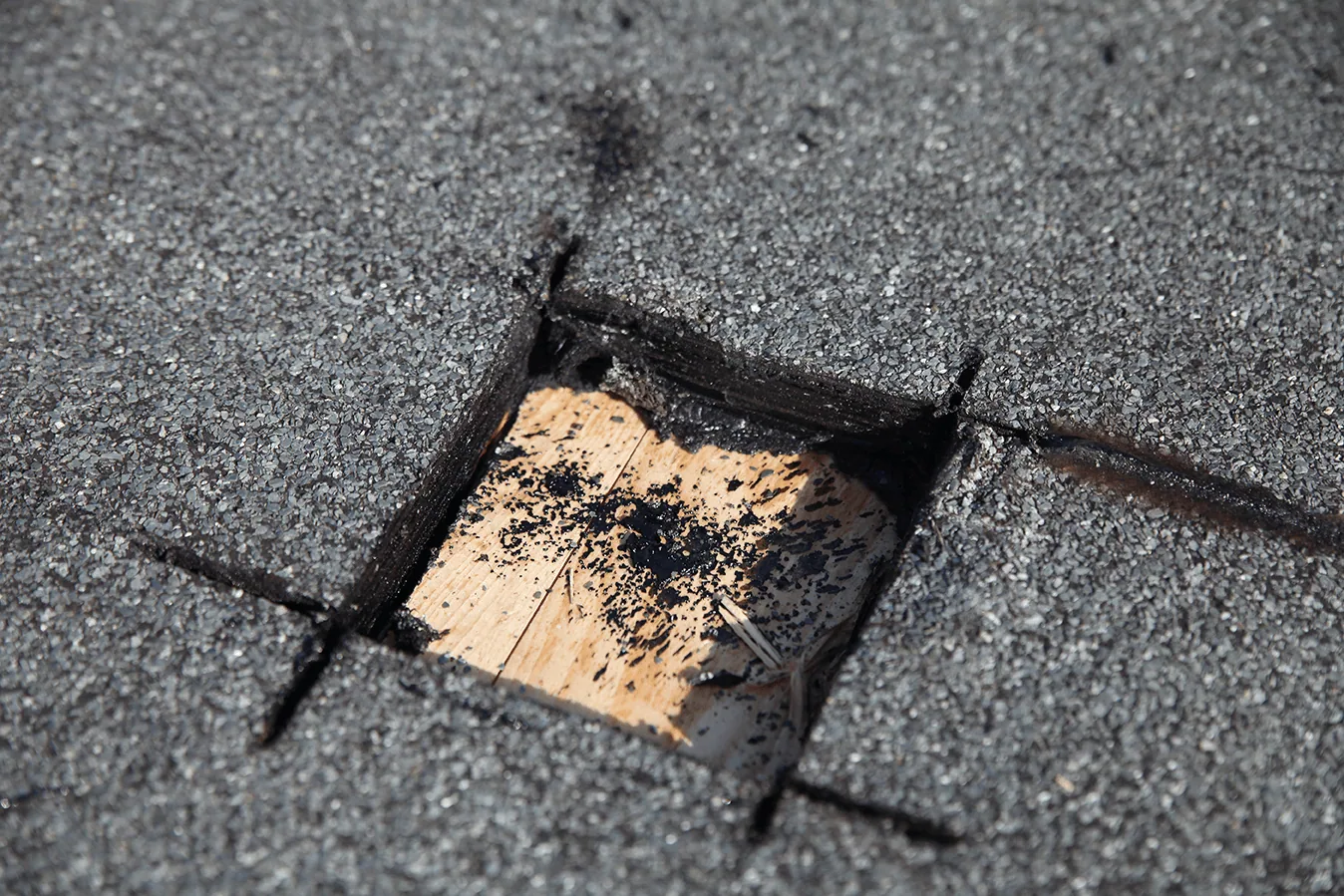
A local repair can work when the defect is bounded and adjacent material provides a sound connection. We specify preparation, compatible materials, test requirements, and closeout. If removal reveals wet insulation or deck damage, the crew stops at the hold point, documents the exposed condition, and submits measured work for approval. The permanent repair can then be priced against the actual supporting layers rather than an assumed surface-only patch.
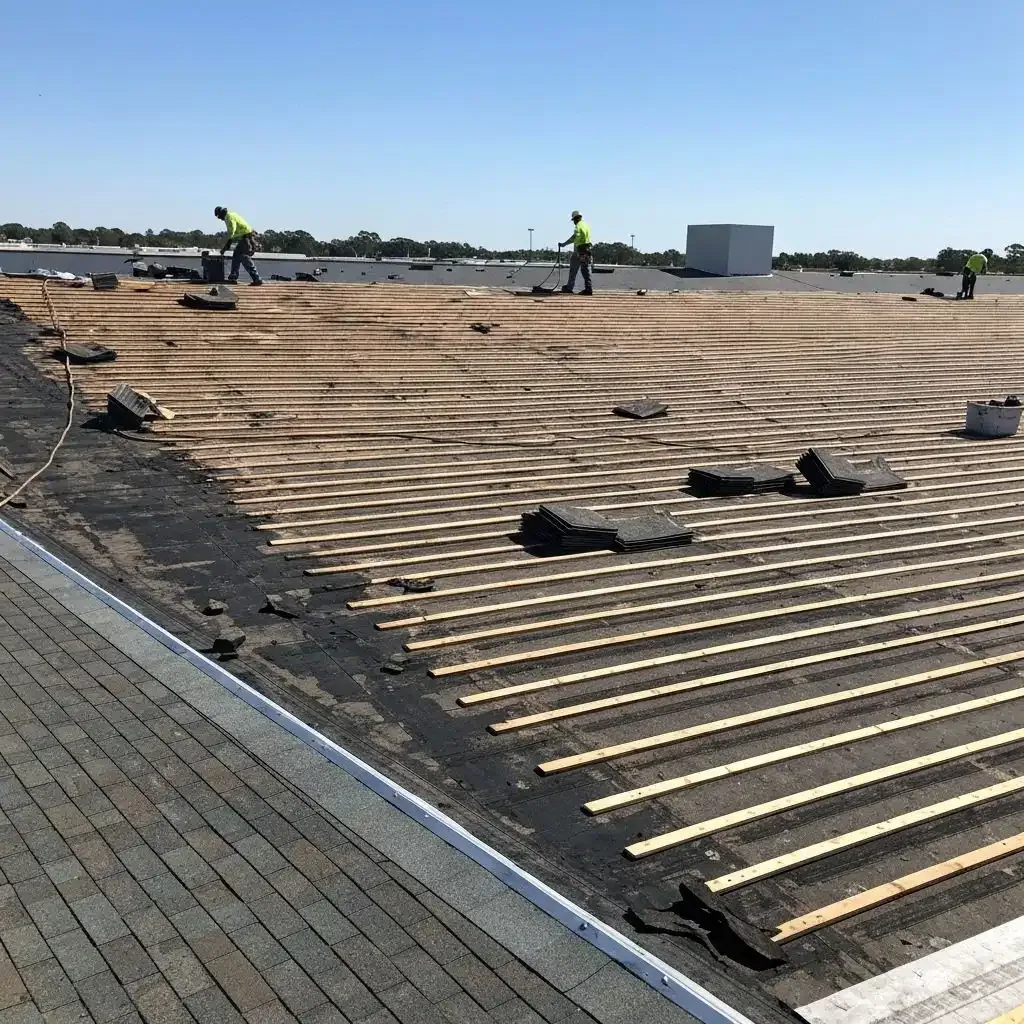
For a larger area, the agency may compare repair, recover, restoration, and replacement. A recover requires suitable moisture, attachment, compatibility, and drainage conditions. Replacement includes removal, disposal, insulation, deck repair, perimeter details, and equipment coordination. A replacement scope and a coating option should state their different prerequisites and work endpoints. We return a sequenced package with quantities, approvals, and open tests identified for review before the site is scheduled.
Records, release, and maintenance
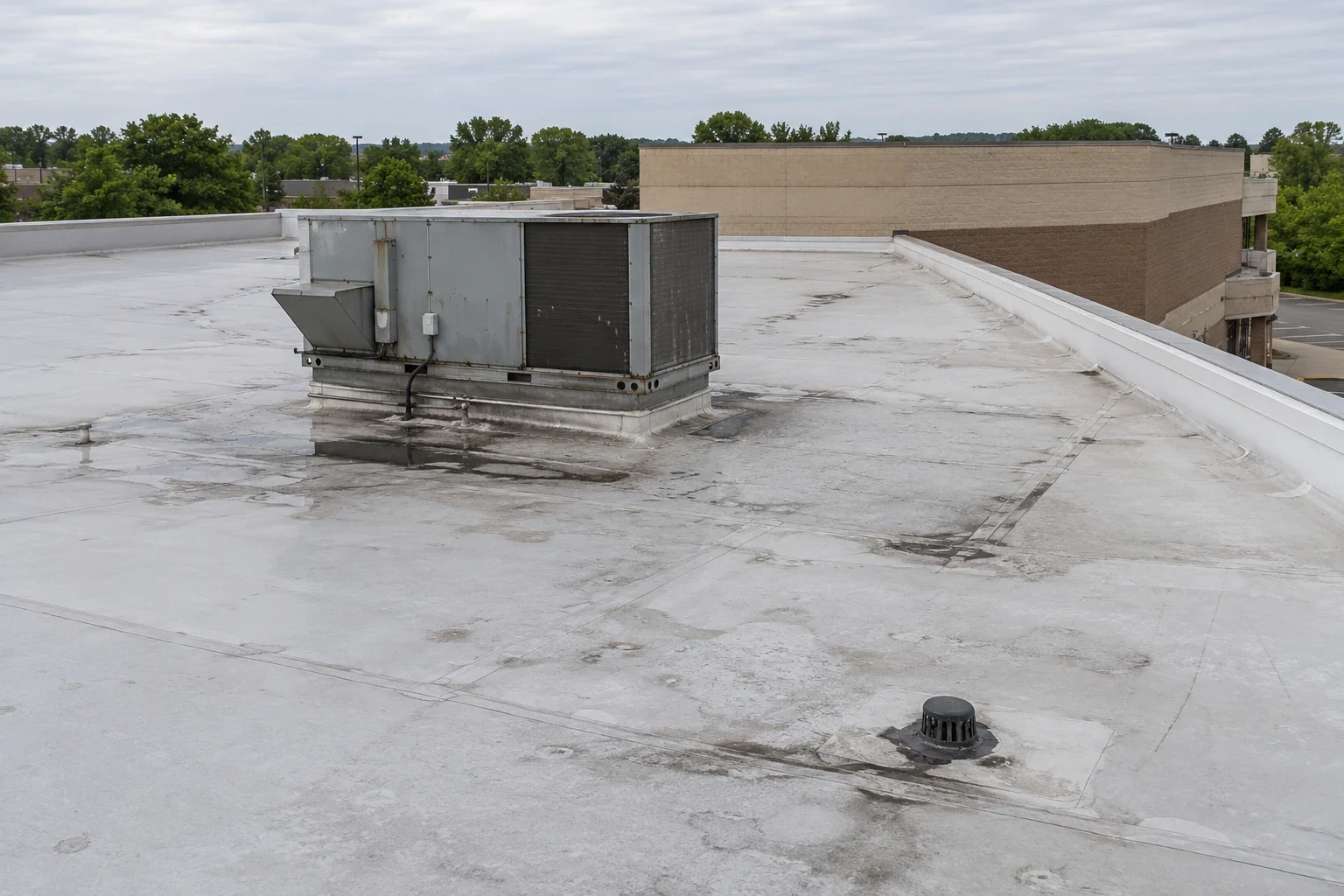
The closeout names the roof zones completed, the work installed, drain checks, photographs, and remaining observations. We record which person accepted the area and whether any temporary measure remains. If a public route or room stays restricted, the handoff states the limit and planned release. These notes help the facilities team retain a reliable record for future inspection and procurement.
South Tyler’s mobility proposal spans seven corridors and nine projects addressing congestion, connectivity, and access. That planning context can help a project team consider approach routes, while the facility determines actual gates, staging, and operating hours. A multi-property condition register can keep each building’s inspection and repair history available for capital planning. A maintenance visit can revisit drains, edges, and penetrations after the approved work has closed.
Commercial Roofing Questions
What should an agency include in a roofing bid package?
Include the roof plan, known assembly, inspected zones, repair boundary, removal assumptions, edge and penetration details, and access rules. We identify tests that could change quantities and the approval point for concealed findings. Temporary protection and permanent work should have separate endpoints.
How do Tyler building-code references affect the roof scope?
Tyler enforces the 2021 IBC and adopted the 2021 IECC effective January 1, 2024. The agency and design team determine project applicability. We document the existing roof and proposed work so those professionals can review the assembly and plan requirements.
Can public services remain open during roof replacement?
The facility can remain open where access, public routes, protection, and work zones can be safely coordinated. We sequence defined areas and record the daily release. A change to public operations can alter the schedule and should be reflected in the field handoff.
How are storm findings recorded for a public building?
We photograph observed conditions at seams, edges, penetrations, and drains, then map each finding to a roof zone. The record distinguishes visible damage from older wear and identifies tests still open. Funding or coverage decisions remain with the agency and relevant reviewer.
What does a weather delay mean for an exposed roof area?
The closeout states the exposed limit, temporary protection, drain path, and next inspection point. We check actual roof conditions before returning to adhesion-sensitive tasks. The facility contact receives the revised access release before the next crew enters.
Related Pages
Prepare a reviewable roof package
Provide the public facility roof plan, known assembly, procurement milestone, operating hours, access rules, and current condition reports. We will return a sequenced scope with field evidence, weather hold points, and approval gates marked.