Tyler’s long-term July climate record puts a typical high near 94.5°F, while roof surfaces can behave differently from the station environment. We note actual conditions before using thermal equipment so a regional average never stands in for the building-specific pattern. We document the survey conditions, map readings by zone, and select test points for confirmation. The infrared image is a screening tool, not a moisture verdict; the next release is a hands-on check or core cut where the owner authorizes it.
We use thermal imaging to identify areas with temperature differences that may warrant closer inspection. Sun exposure, shade, wind, roof construction, moisture, and operating equipment can all affect the pattern. A Tyler roof survey pairs the image map with roof plans, visible details, and selected verification points. We keep observed temperatures separate from conclusions about concealed insulation, then give the general contractor a test sequence and access boundary.
Survey conditions and timing
Before imaging, we note recent rain, cloud cover, wind, time of day, roof orientation, and conditions that can change surface temperature. A thermal contrast may help prioritize an area, but it can also reflect a curb, shaded wall, equipment discharge, or a different construction layer. We compare the image with visible roof details and identify what needs verification. If conditions do not support a useful survey, we reschedule or mark the affected zone as inconclusive.
At any facility, the operating team sets survey access and identifies equipment or hours that need protection. We still base the image map on the current property’s roof plan, equipment state, and recorded surface conditions, not on a neighborhood description.

Image map and test points
The image map uses roof-zone labels that match the site plan or an agreed field sketch. We note the apparent pattern, its location, and nearby drains, penetrations, equipment, or transitions that may influence the reading. The report marks a verification point where a core cut or other approved method can test the assembly. After the approved sample is closed with its selected assembly detail, we mark the field result at the corresponding position on the thermal map. This links the test to the observation without treating a camera reading as a diagnosis.
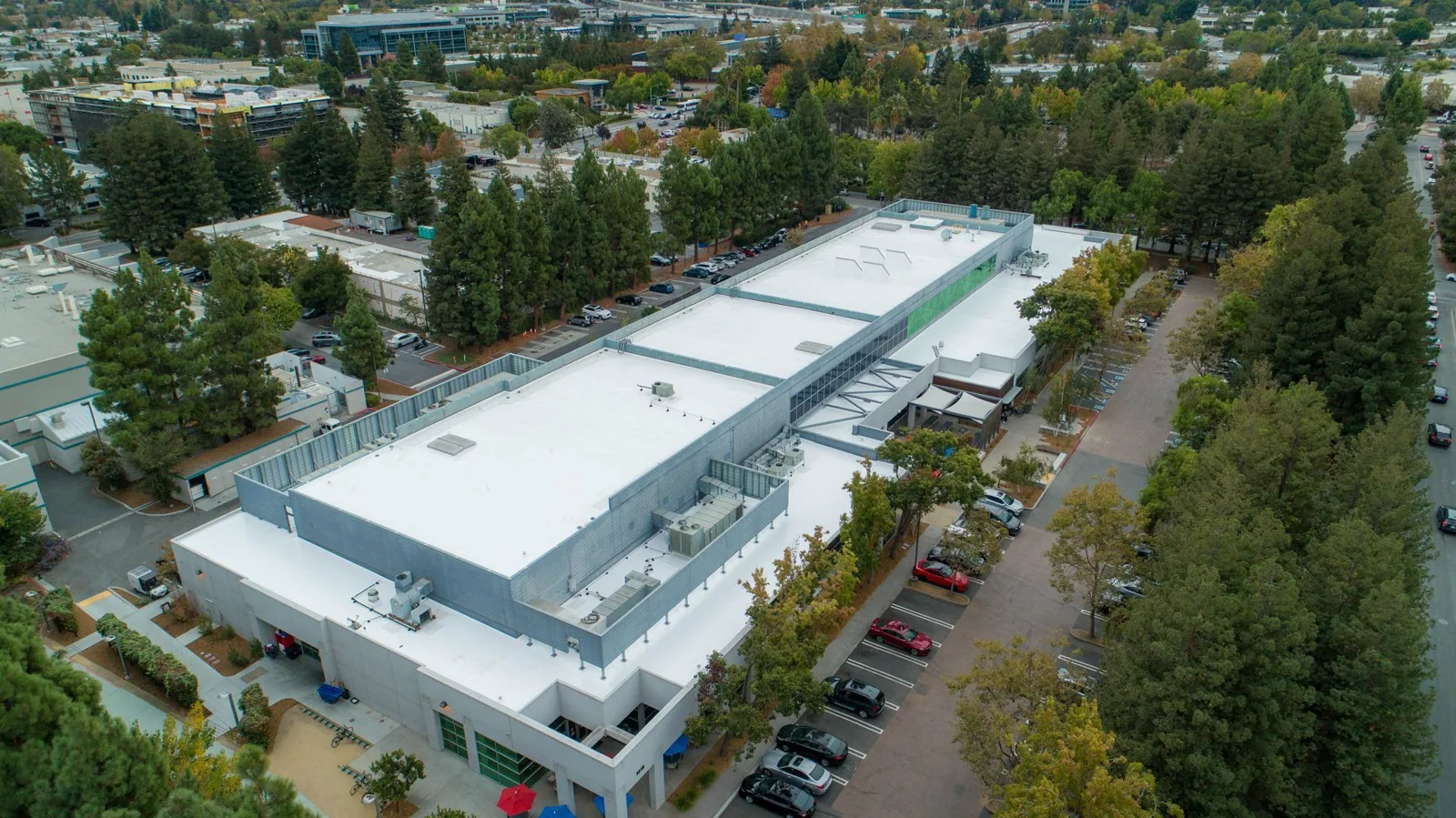
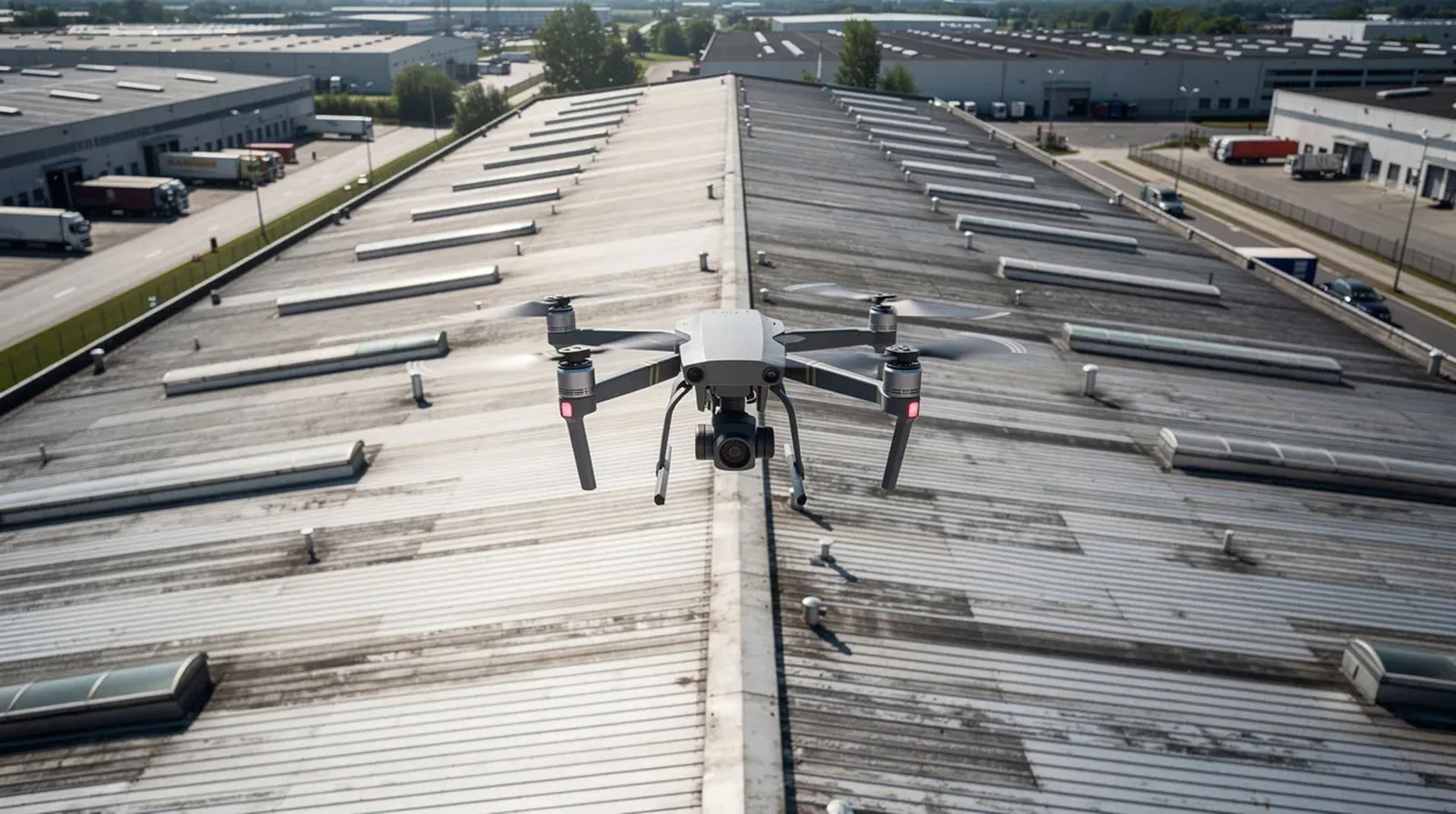
The Bullard U.S. 69 Commercial Corridor is designated for larger regional commercial uses, while Bullard’s plan directs smaller community-serving activity toward downtown and FM 2493. That distinction can affect how an owner plans access and work windows across a regional property portfolio, but it does not prove a roof's size or assembly. For any selected property, we verify the roof plan, layer information, and actual test location before recommending insulation removal. A drone image set can help orient the zone map when roof access is difficult.
Verification before removal
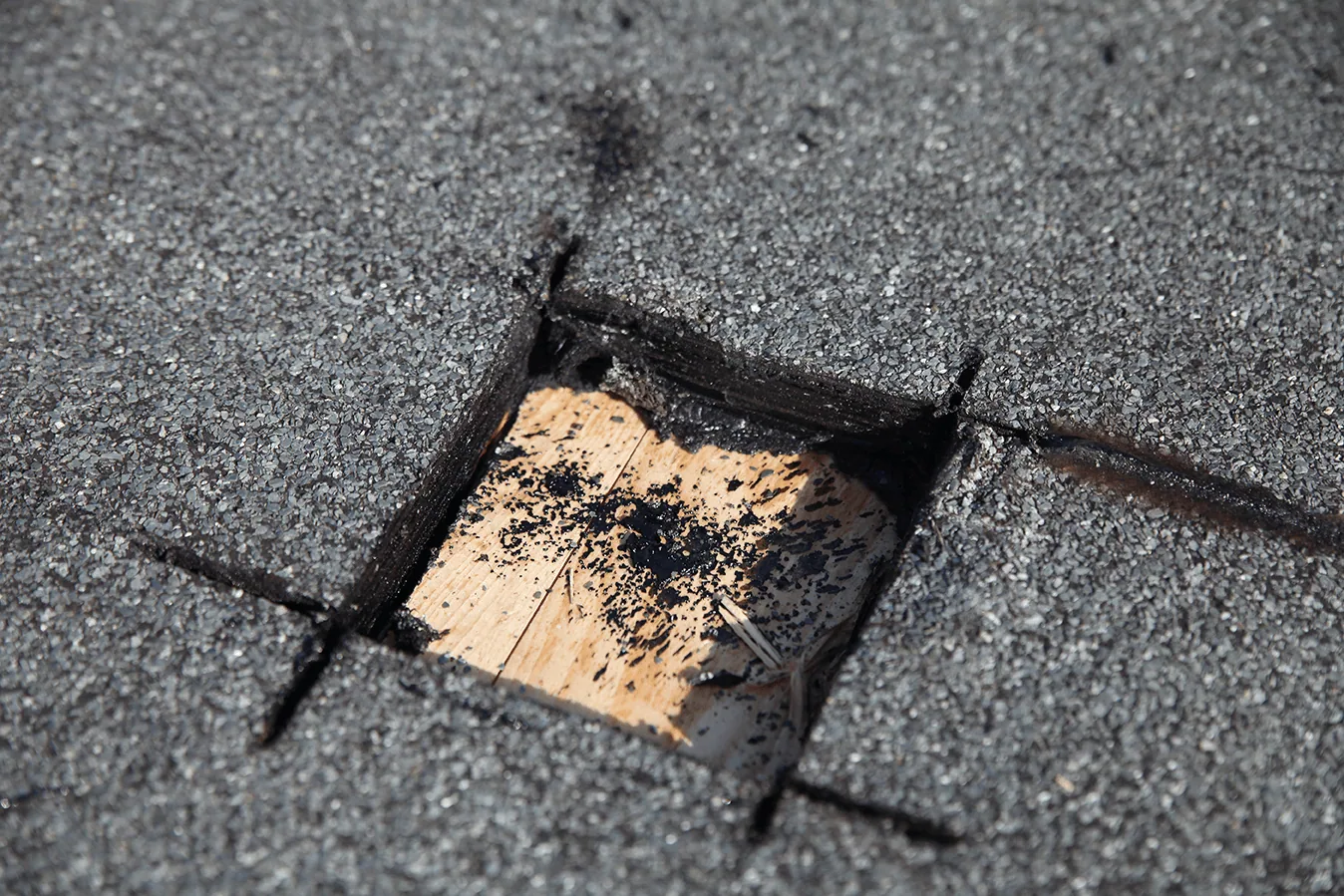
A warm or cool area on the image does not by itself prove wet insulation. We compare the pattern with the roof construction, inspect the surface, and use agreed test cuts or other diagnostic methods at selected locations. If a cut finds dry material, that result narrows the interpretation; if it confirms moisture, we map its depth and boundary as the assembly allows. The owner receives both the infrared observation and the field verification so the two are not mistaken for the same evidence.
Tyler's normal July high can make the timing and thermal contrast of a survey more sensitive to daily conditions. We record when images were captured and avoid applying a regional climate figure to an individual surface. If a coating or membrane repair is planned afterward, the substrate still needs a separate reading and preparation check. The survey report can recommend testing, targeted removal, repair, or a broader evaluation, but it does not authorize an added scope without the general contractor's approval.
A test cut should answer a specific question, such as whether insulation at a mapped anomaly is dry, wet, or layered differently than expected. We select a point that represents the pattern and record the sample depth and condition. If results vary across a zone, the contractor may authorize more sampling before setting a removal limit. We close each opening using the agreed repair detail, then show the location and result on the final map.
Repair and replacement decisions
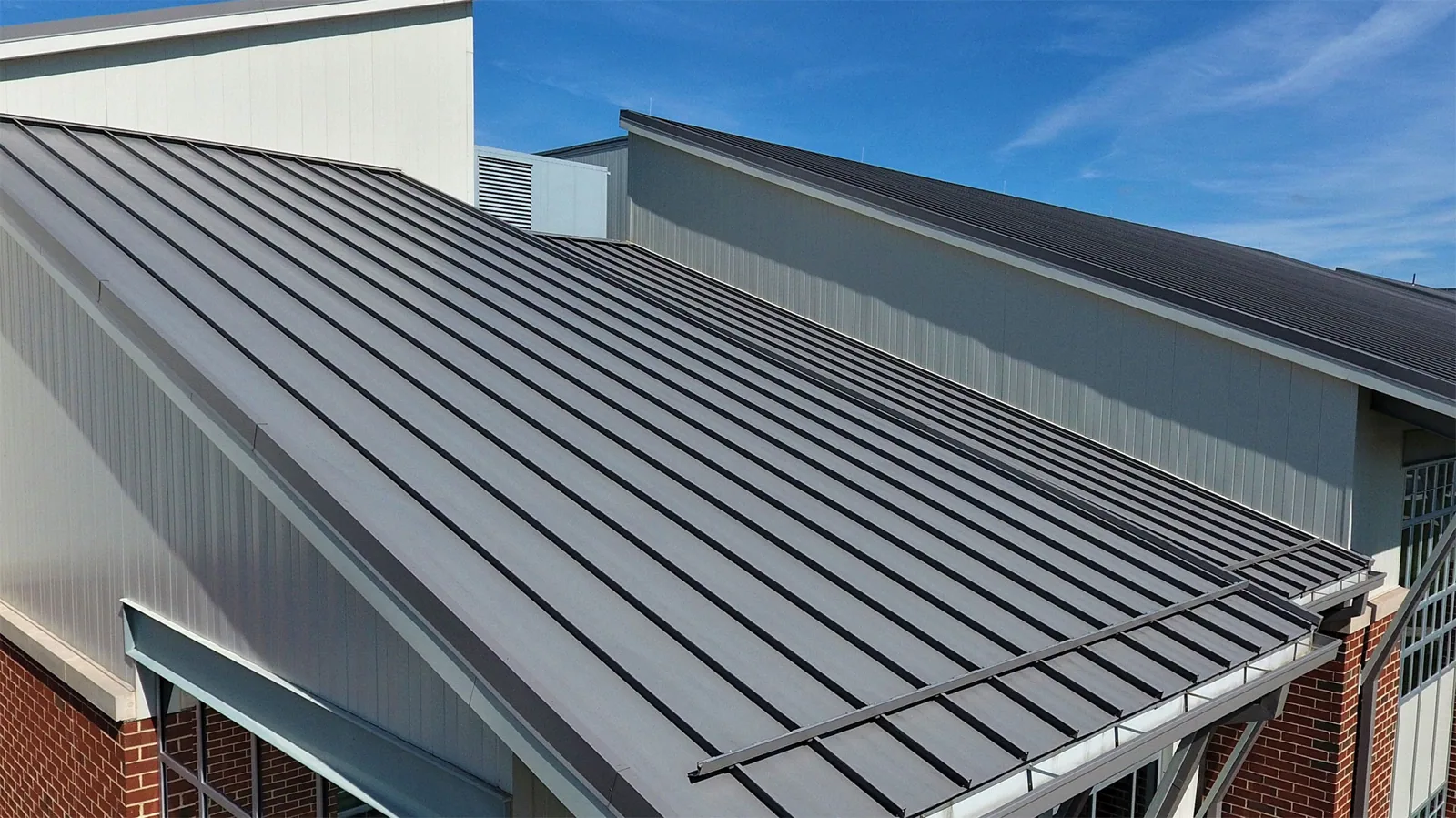
Confirmed wet insulation may call for removal and replacement, while a limited temperature anomaly with dry test results may need monitoring or another test. We list each verified area, the evidence, and the remaining uncertainty. The work package identifies the cut location, repair detail, interior protection, and next access release. A hands-on inspection can extend the review to seams, flashings, drains, and edges that thermal imaging does not evaluate.
Cost and schedule turn on the number of test points, roof access, repair of openings, insulation depth, and how much assembly must be removed. We keep those drivers separate from the survey fee or repair scope. A targeted repair may fit a bounded condition; broader confirmed moisture can support a replacement comparison. The Bullard U.S. 69 commercial corridor and Tyler Midtown are different planning contexts, yet each property still needs its own test map and roof-zone release.
Records and crew handoff
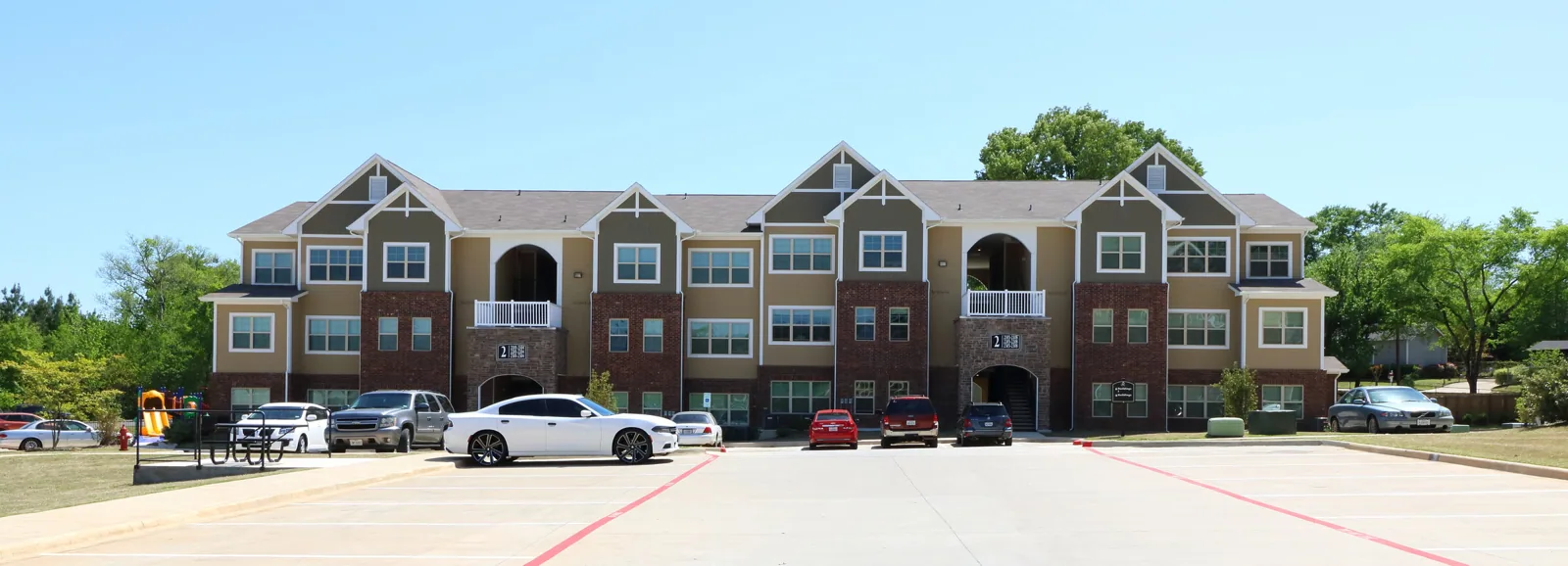
The report includes survey date and conditions, image labels, roof-zone map, apparent anomalies, verification cuts, and any area the camera could not resolve. We identify which opening was repaired and whether the result changed the proposed scope. The general contractor receives the open test points and the access needed for follow-up. If an area remains untested, it stays an explicit question in the handoff instead of disappearing behind an overall roof rating.
For several buildings, consistent survey records let an owner compare findings without assuming that similar images mean identical assemblies. A condition report can preserve the map for a later maintenance visit. Each record keeps image evidence, core-cut results, and repair work distinct, so the next decision uses the actual findings gathered on that roof.
Closeout also identifies the person who releases the next roof zone and the time allowed for follow-up. The crew receives the approved test locations, safety boundaries, repair material, and a clear stop point if another layer differs from the field assumption. The owner can compare the survey map with the completed cuts before approving a broader removal. This keeps the thermal pattern, verified condition, and authorized work in separate columns.
Commercial Roofing Questions
Does an infrared image prove that insulation is wet?
No. Thermal patterns show temperature differences that may have several causes. We compare the image with roof construction and verify selected points with an approved field method before recommending removal.
What conditions make a survey less useful?
Recent rain, changing cloud cover, wind, shade, equipment discharge, and roof construction can affect thermal contrast. We record those conditions and mark any inconclusive zone. A different time or verification method may be needed.
How many test cuts will the survey need?
The number follows the pattern, roof layout, and decision the owner needs to make. We propose specific locations and explain what each test will resolve. The contractor approves openings and their repair details before the crew proceeds.
Can infrared imaging define the full repair area?
It can help select areas for investigation, but the repair boundary follows verified field conditions. We map confirmed wet material and identify untested sections separately. Removal limits change only after the owner reviews the evidence.
Should the building remain open during the survey?
Many surveys can be coordinated around normal operations, subject to roof access, flight or equipment rules, and interior protection needs. We confirm routes and restricted zones with the site contact. Any test cut or repair may require a separate work window.
Related Pages
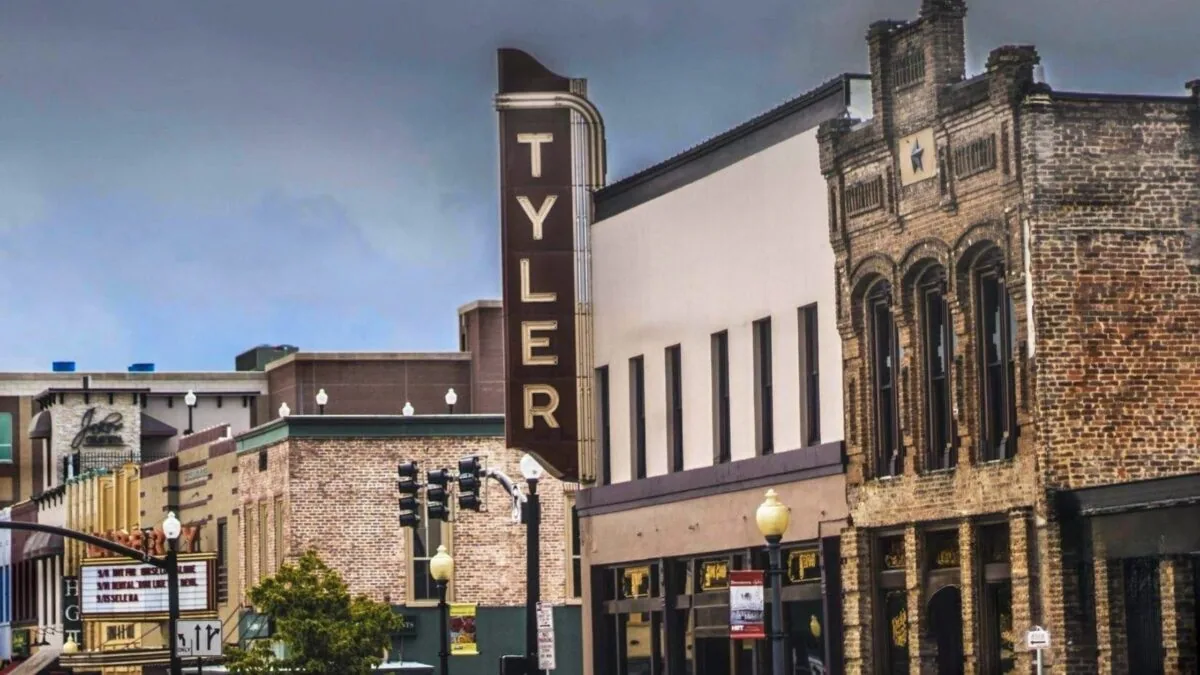
Tyler
Tyler, TX
Drone Roof Inspection
Tyler, TX
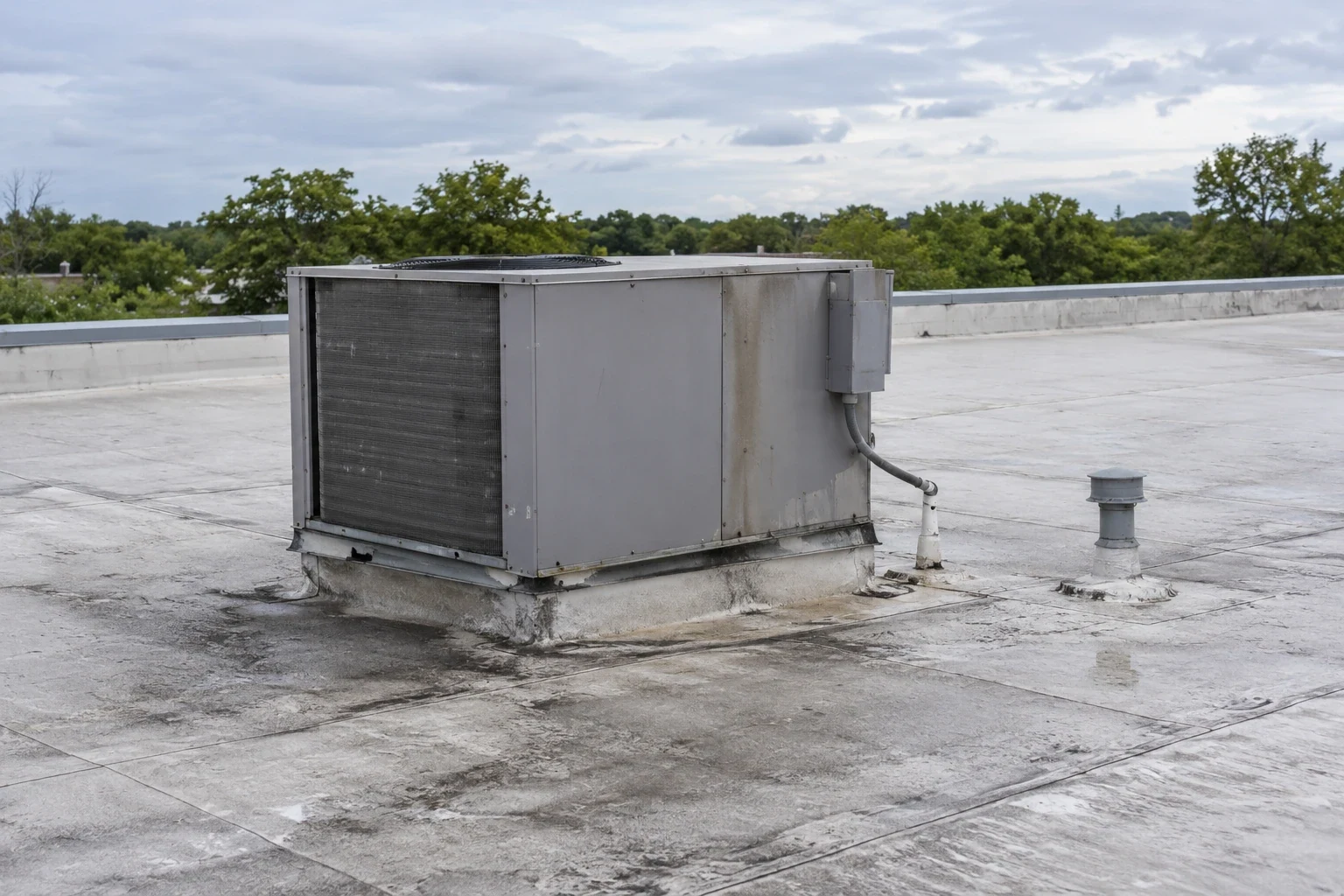
Commercial Roof Inspection
Tyler, TX
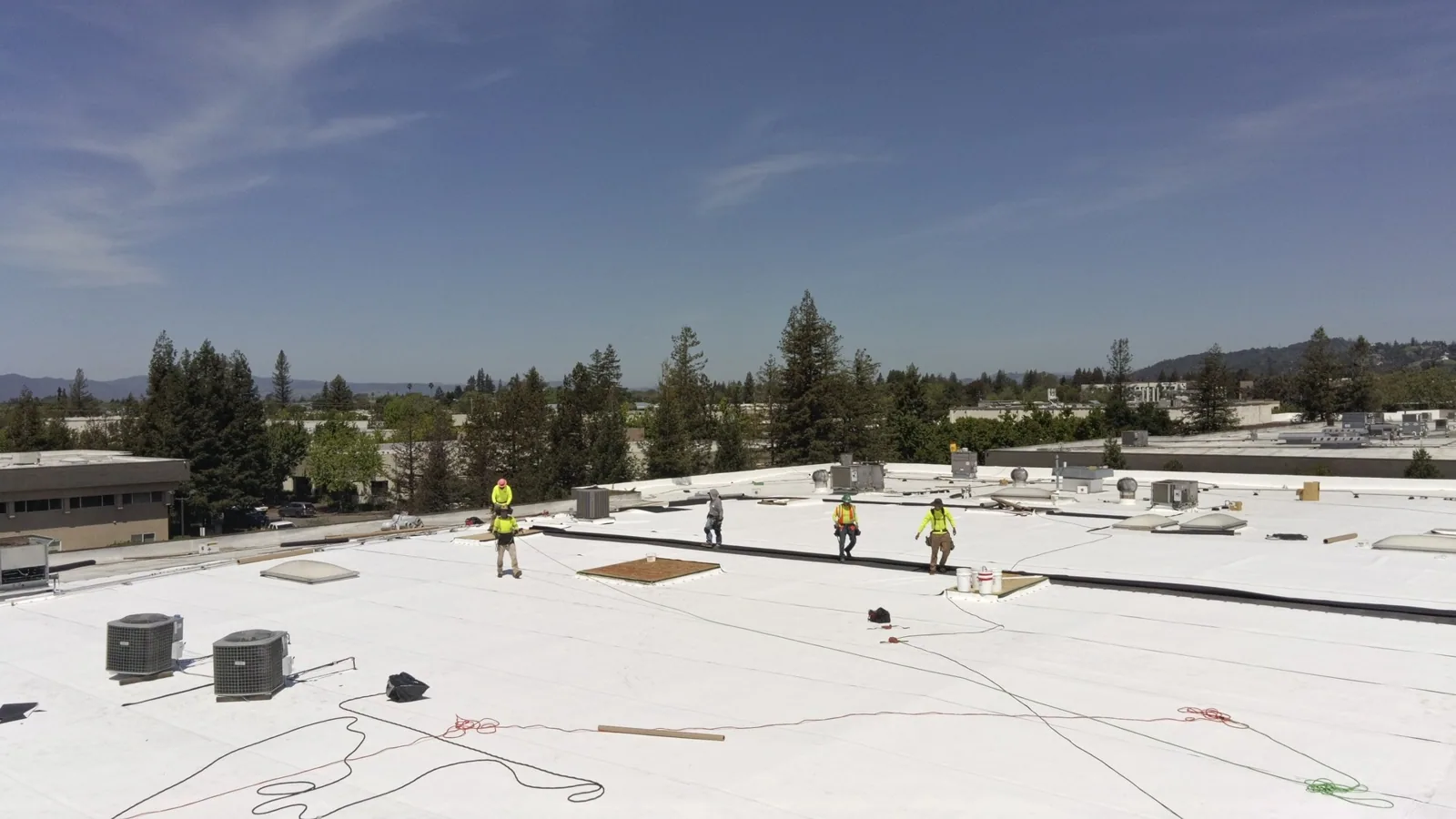
Commercial Roof Repair
Tyler, TX
Release the verification points
Send the roof plan, assembly records, recent leak history, access window, and decision deadline. We will return an infrared survey plan with zone labels, test points, opening repairs, and approval hold points marked.