
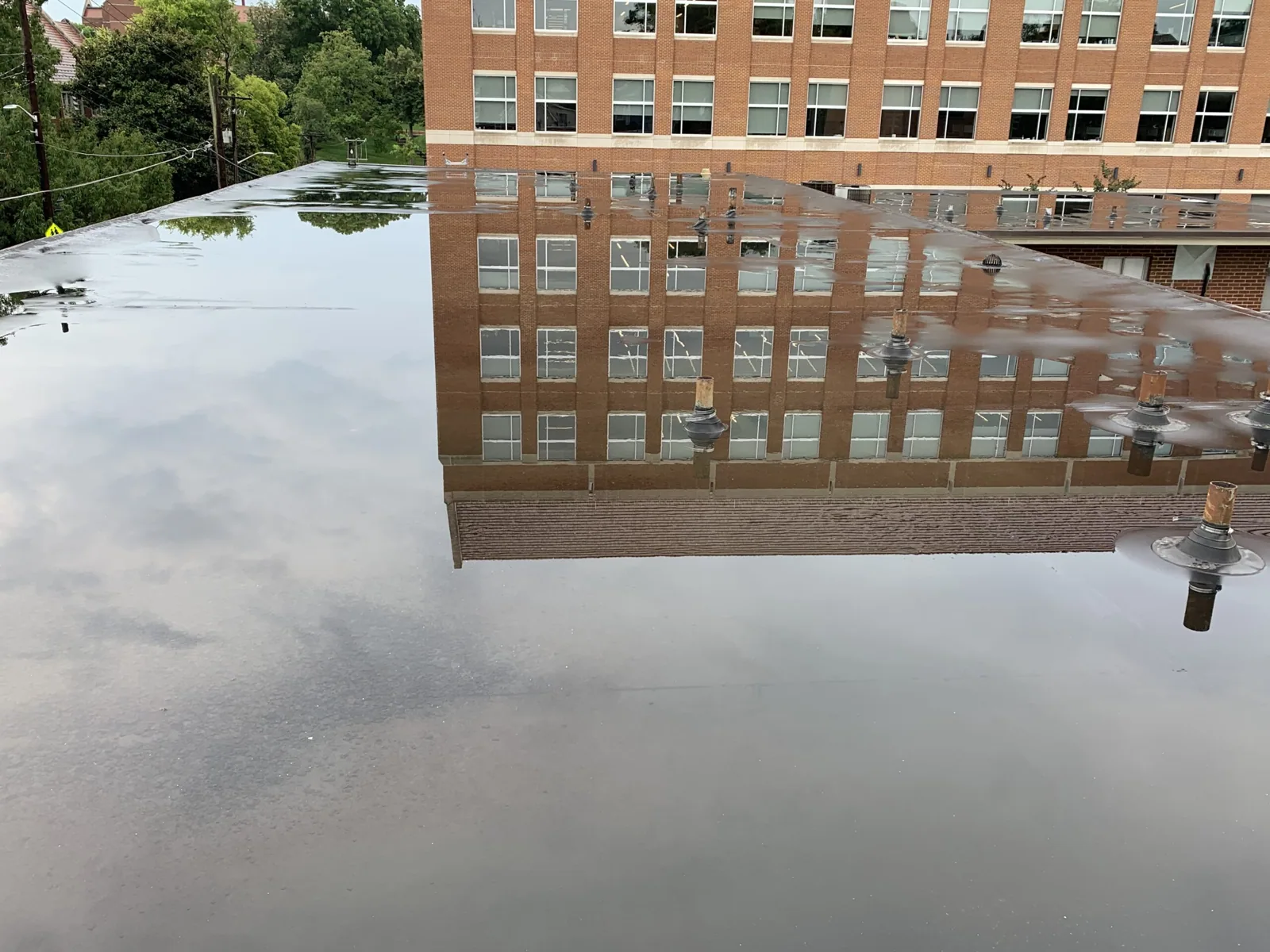
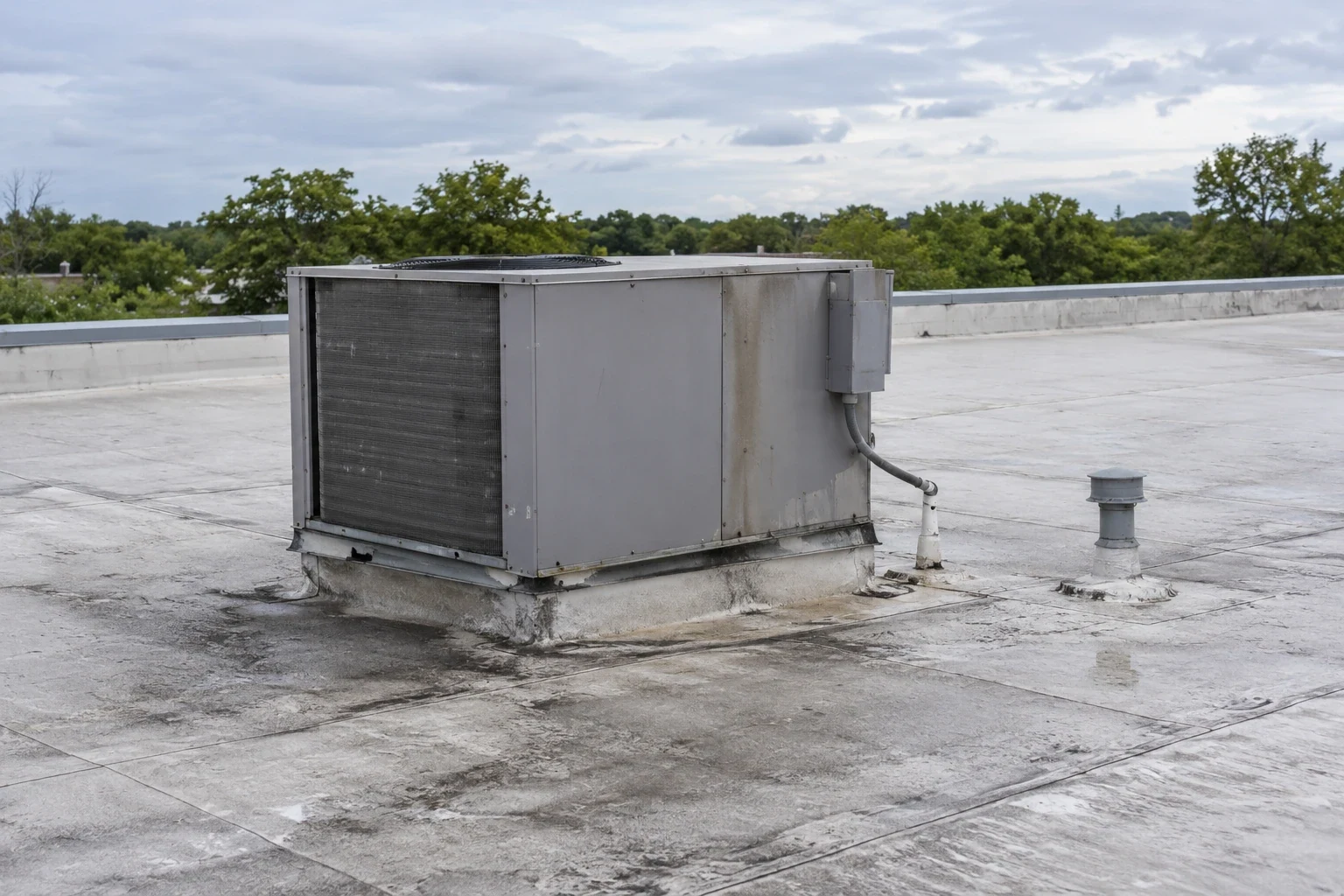
After a Tyler rain, a shallow pool marks a roof zone where the outlet, slope, or assembly needs inspection. We record how long after rainfall it remained, map the water line, and trace the outlet before assigning work. The first release is a roof-zone review of the outlet, surrounding slope, and membrane surface. For a general contractor, that record separates a blocked drain from a structural or insulation condition that needs a different decision.
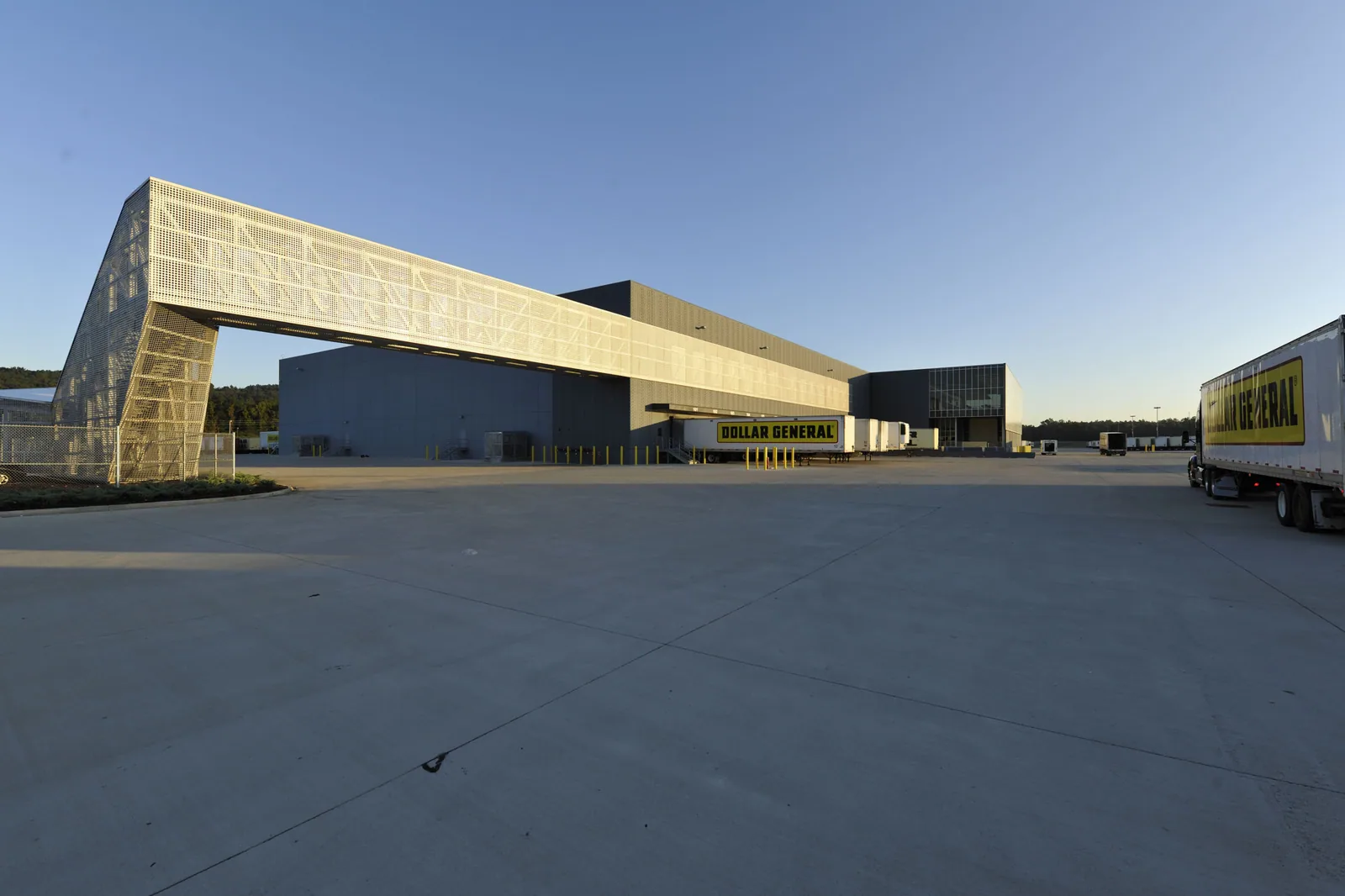
Rain can leave water at a low point between inspections. Spring and autumn are common severe-storm seasons across the region, with damaging wind and hail among the hazards. Water may leave a ring or deposit after it drains, so we use photographs and repeat observations instead of a single snapshot. At a property in the Tyler Interstate Commerce Park, which sits next to I-20 and SH 155, logistics access can matter when a drain repair needs equipment or debris removal. The actual roof plan and property access rules set the route. A drain and scupper inspection helps establish where runoff should leave the roof.

Water path and drain condition
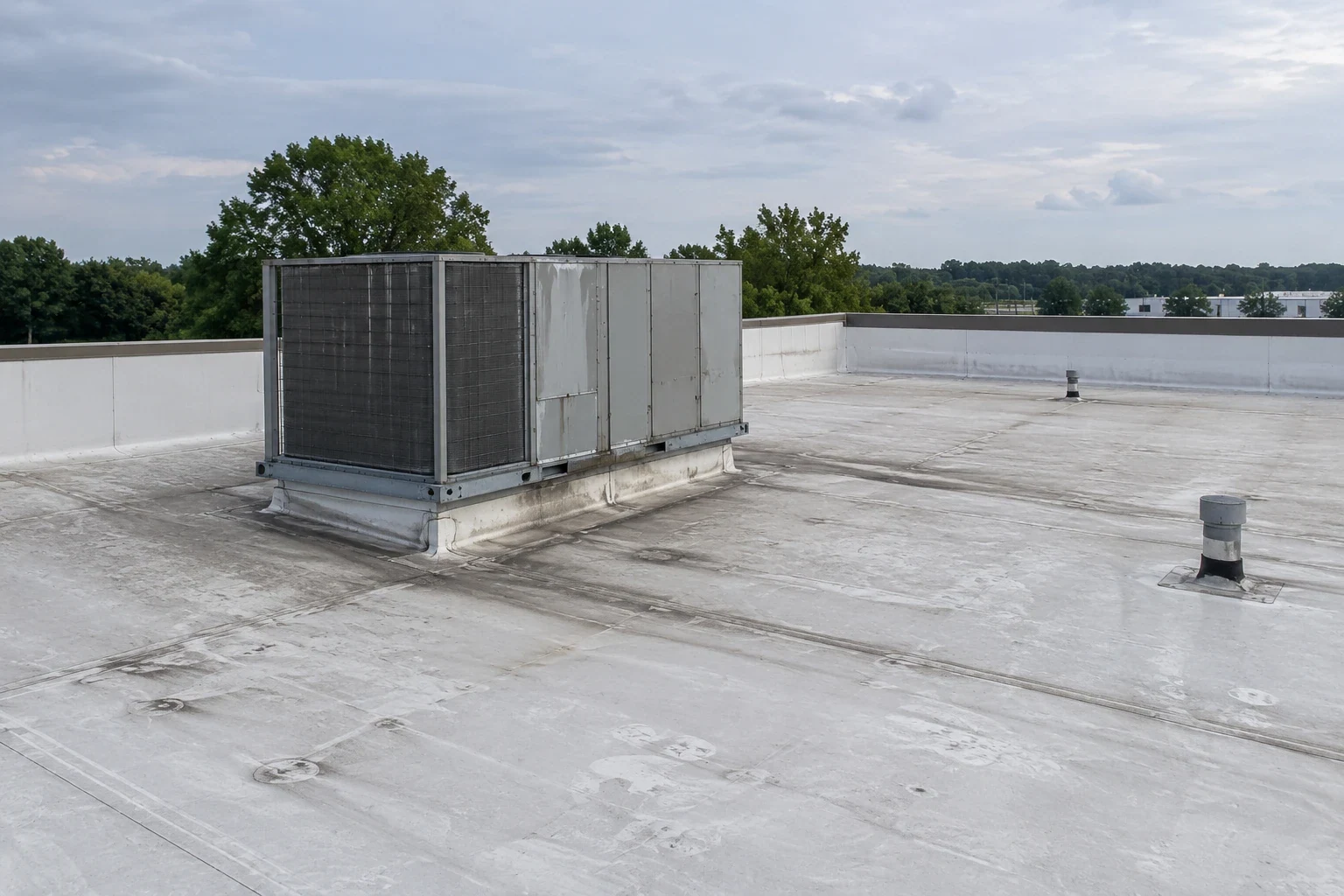
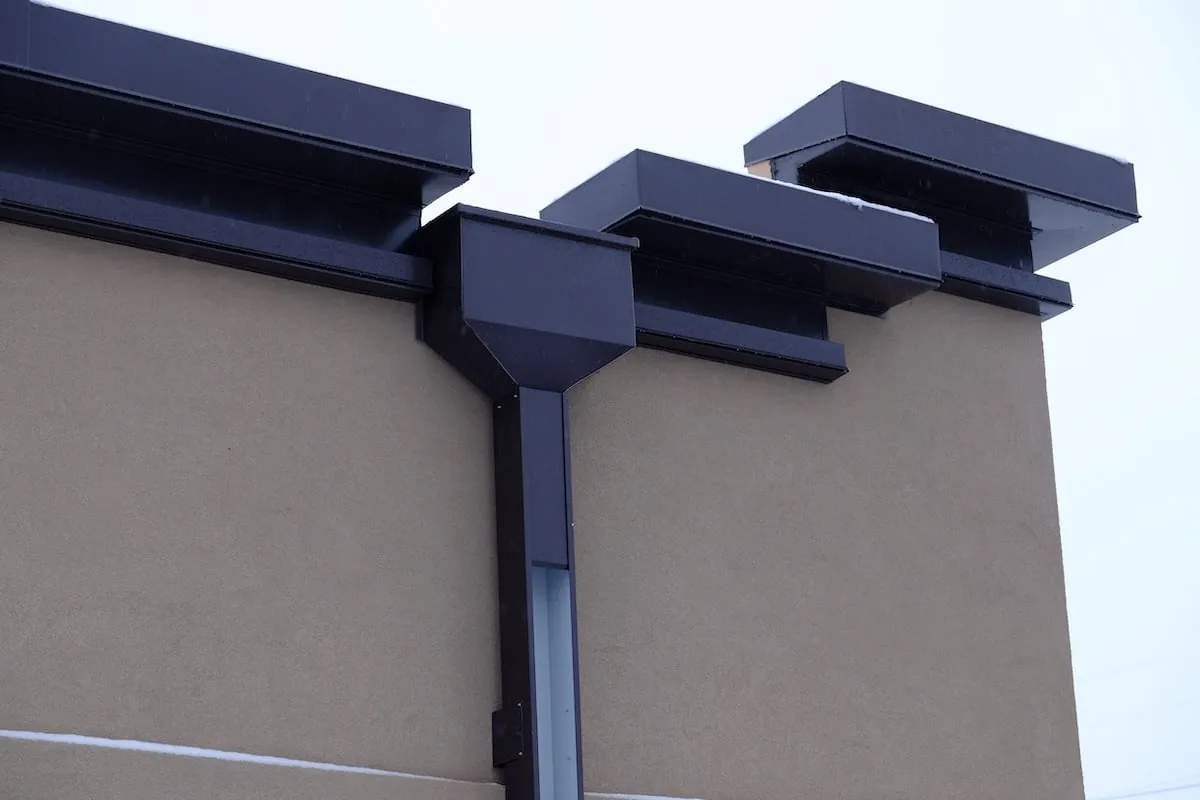
We begin at the outlet and work backward through the flow path. The inspection checks strainers, drain bowls, scuppers, overflow paths, debris, and any nearby curb or parapet that can redirect runoff. We note standing water by roof zone and compare it with the roof plan, prior repair records, and interior reports. A blocked opening may be cleared as maintenance, while recurring water in the same location can require measurement of slope and the assembly below the surface.
Water can collect because the original taper leads to a low point, because insulation has compressed, or because a deck deflects under load. Those causes cannot be resolved with the same patch. We record the pool outline, nearby seams, membrane tension, and changes in deck elevation. A targeted roof inspection can add infrared readings or test cuts when the project authorizes them. The report marks visible ponding separately from any test-confirmed wet layer and ties concealed removal to an approved sample.
Membrane and insulation findings
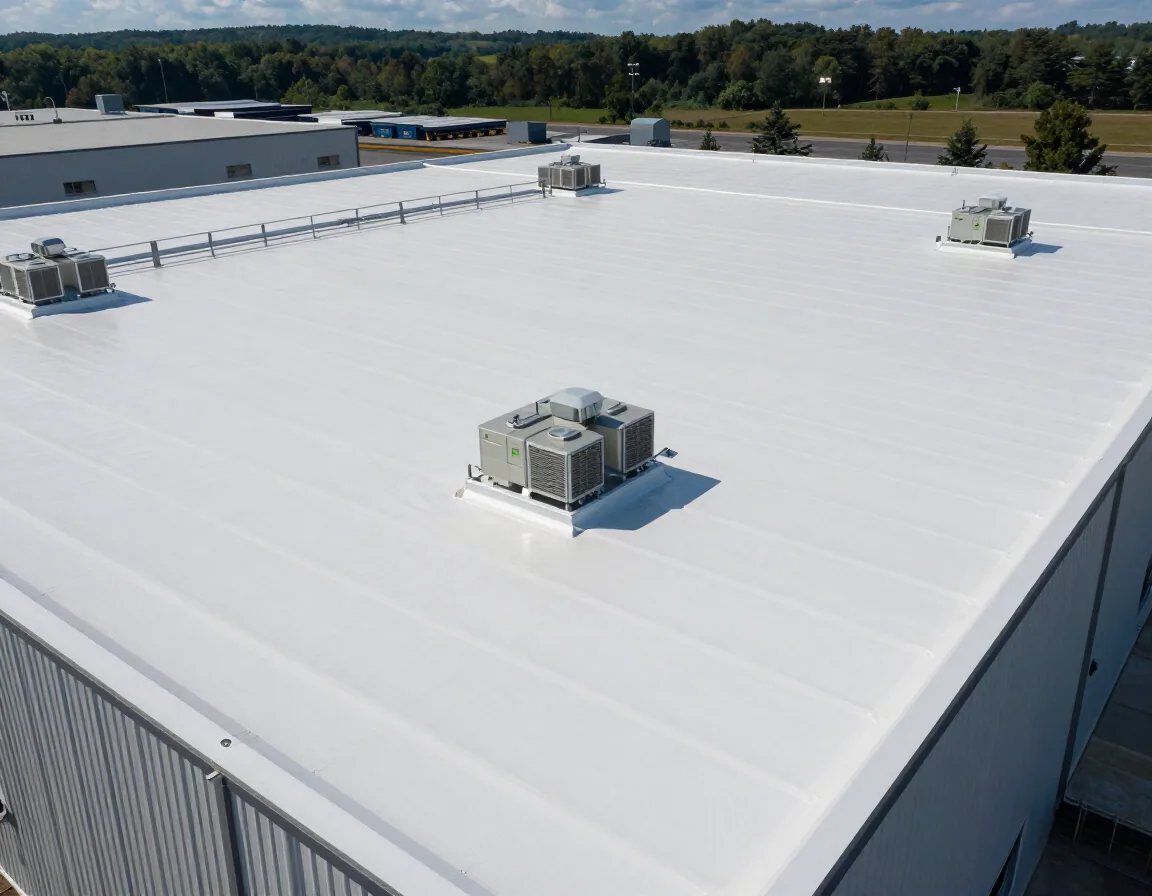
Standing water tests weak details over time. We inspect seams, patches, flashing failures, penetrations, and coating transitions within and around the affected zone. Blisters, open laps, softened material, or a wrinkle under tension can change the repair boundary. A membrane may be intact while water remains, which points the work toward drainage or slope correction. We identify the observed defect and the evidence needed for a concealed condition before making the next release.
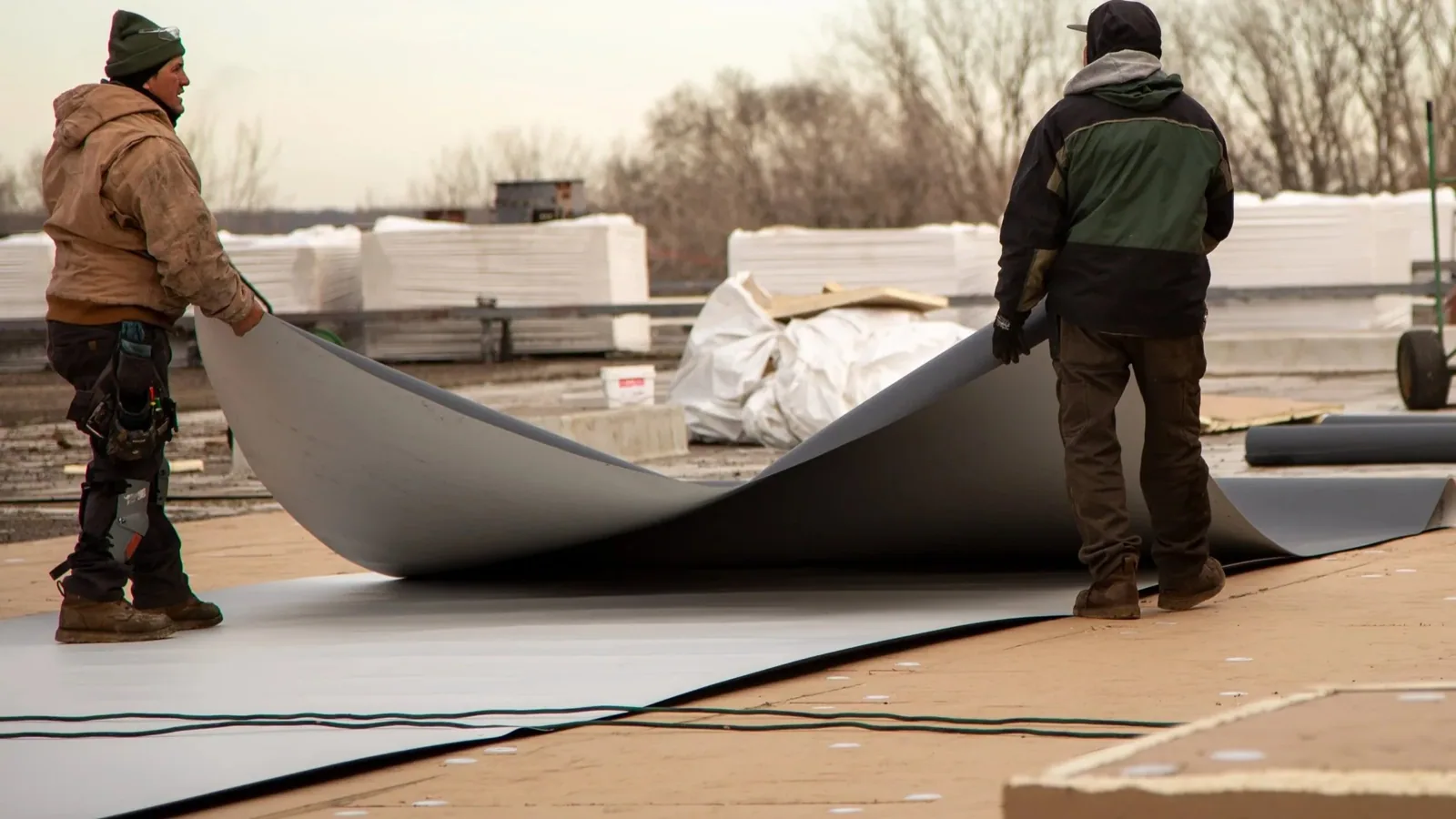
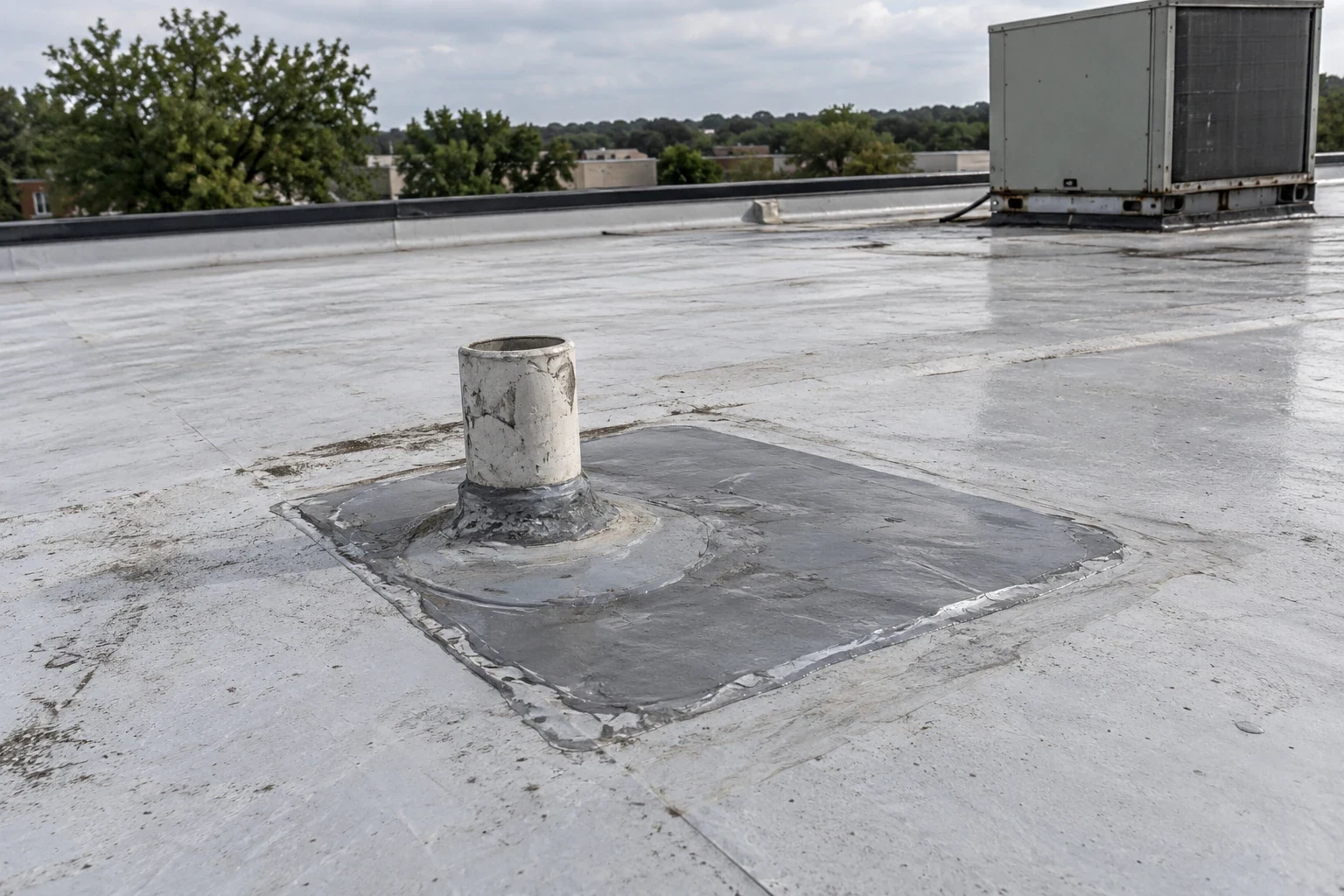
On a low-slope assembly, wet insulation can lose thermal performance and may affect the surface above it. Infrared readings can flag candidate test points when conditions support the method; a test cut confirms layers and depth at that location. We mark the opening, photograph the assembly, and close it after review. If the deck is involved, we coordinate a structural review before adding tapered insulation or altering drainage. A membrane puncture repair addresses a breach in the field, while a TPO system has its own compatible repair preparation.
Drainage correction options
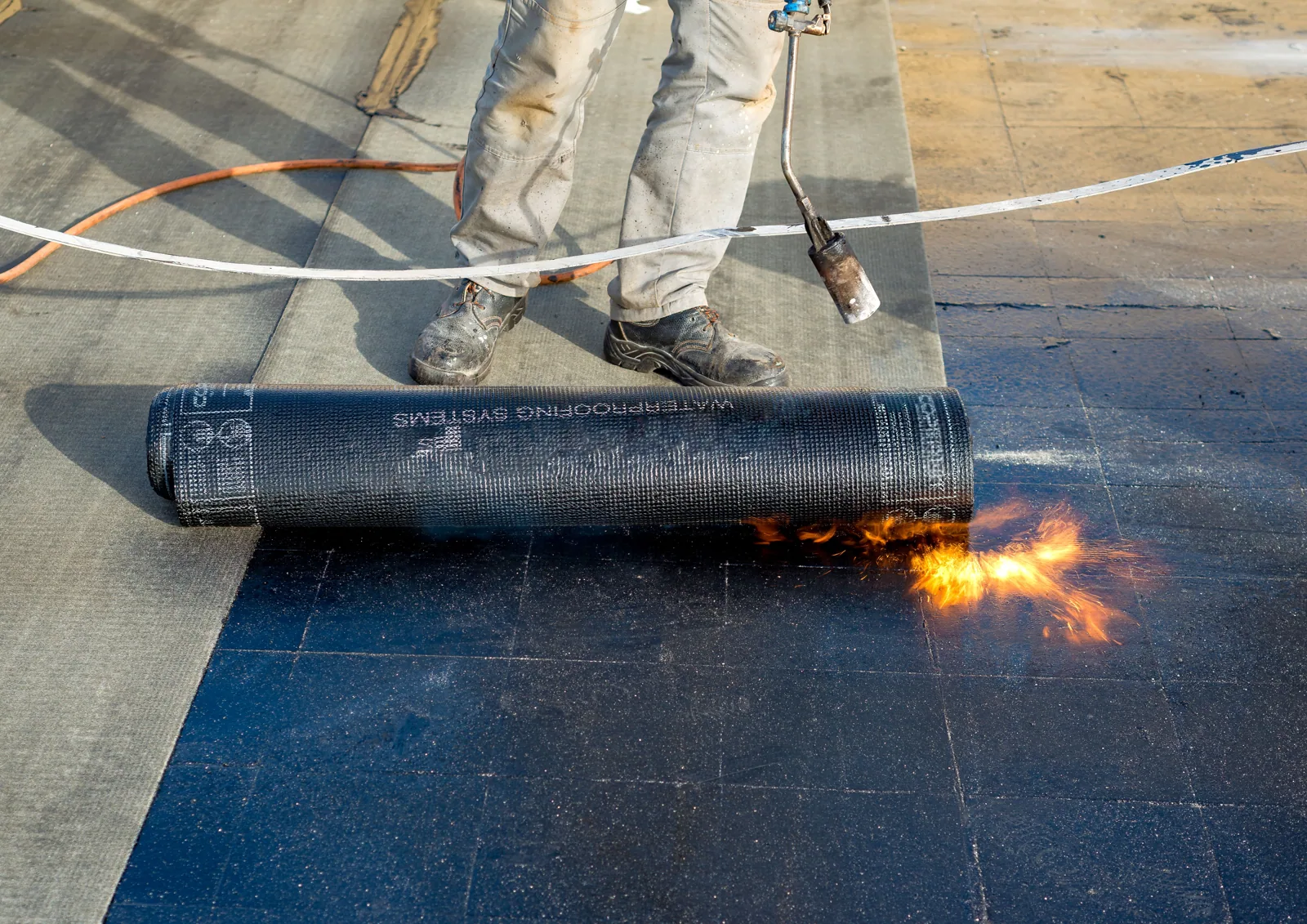
The correction depends on what holds water in the zone. Clearing a blocked drain can restore the intended path if the slope and outlet remain functional. A localized depression may need tapered insulation or a repair detail that transitions cleanly to the existing assembly. Reworking a drain bowl or adding an overflow requires coordination with the roof system and the building’s drainage design. We describe the proposed tie-in, outlet condition, and any approval needed before removing material.
Tyler applies the 2021 IBC and IECC to applicable building plans filed from January 1, 2024. If a ponding correction alters insulation, slope, or an outlet detail, the general contractor can route the revised assembly for design review before material is ordered. We document the existing layers and the proposed change so the approval tracks the actual drainage work. Cover board and insulation work can be coordinated with a replacement plan when repeated ponding accompanies wider assembly deterioration.
Work windows and occupied operations
Water removal and repair need a dry surface, stable substrate, and a defined forecast window for the selected materials. Tyler’s normal July high is 94.5°F, so a climate normal is useful for planning but cannot stand in for a surface or substrate reading. We check temperature, moisture, and product instructions before setting adhesion-sensitive work. If rain interrupts preparation, the crew closes the exposed section and logs which test or inspection remains open before access is released.
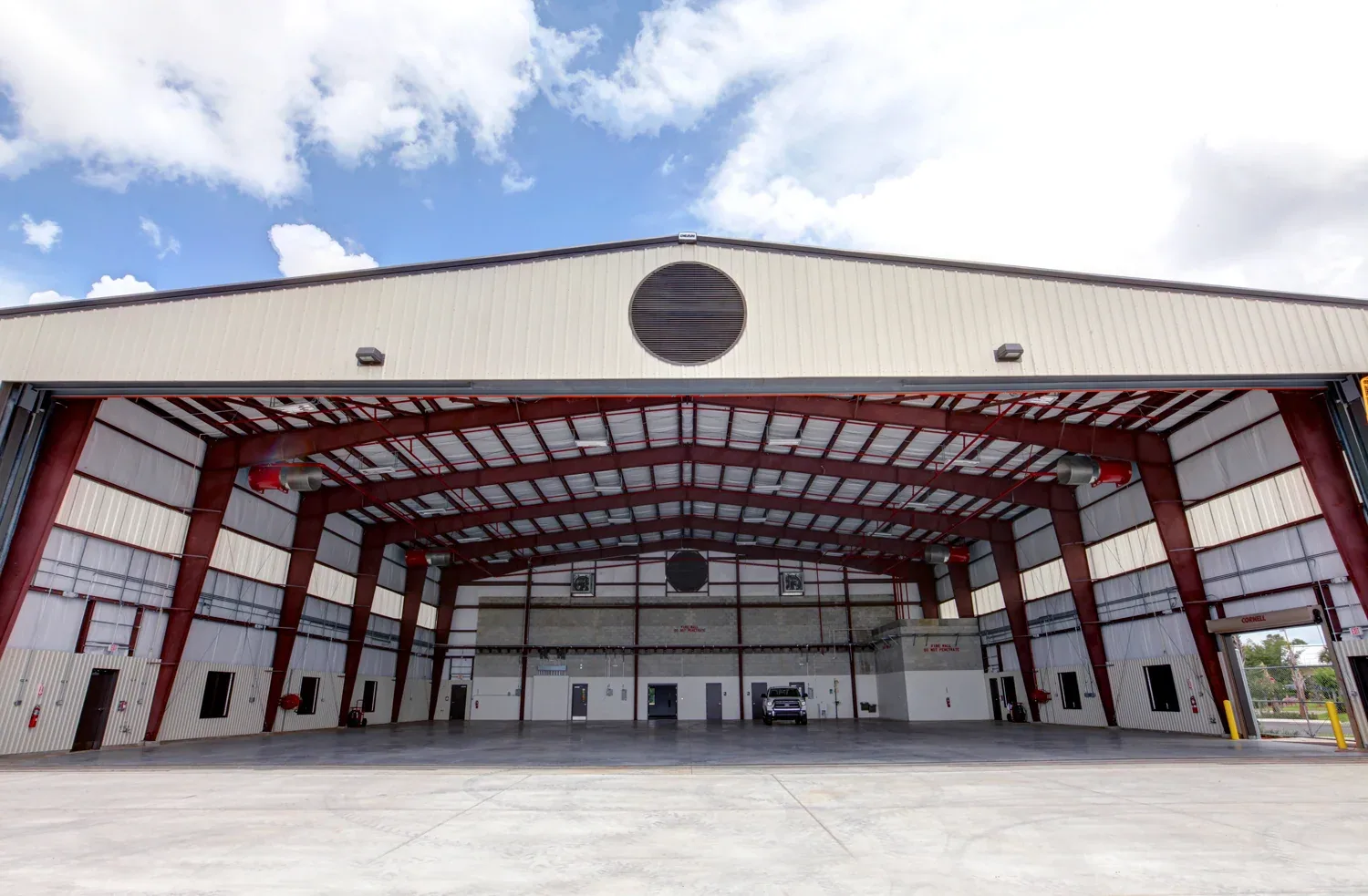
The former Wisenbaker property is now Prosperity Park, a 281-acre site acquired in December 2024. Each project still has its own loading and operating restrictions. We verify the actual facility schedule, access route, and any equipment shutdown before mobilization. The work package identifies the drain path, material staging area, protected interior, and handoff contact. When work spans several zones, we release each completed section after confirming its outlet and closeout condition.
Budget and performance review
Cost and timing reflect the number of low areas, access equipment, drain configuration, removal depth, insulation replacement, membrane compatibility, and permit or design review. A drain cleanout may be a small task; a compressed insulation zone can require testing, selective removal, and a tapered rebuild. We list the confirmed items separately from conditions that remain concealed. That gives the owner an approval point before the project extends beyond the mapped ponding area.
When a building has several roof sections, we compare the low points and outlet paths instead of applying one remedy to all of them. A condition report with zone photographs can record the current water map and later observations. Along the South Broadway Commercial Corridor, property access and traffic plans may affect equipment delivery, but they do not prove what a roof needs. The sequence remains tied to that roof’s slope, assembly, and drainage path. We identify the next inspection, repair, or capital review before closeout so ponding is not left as an undefined recurring note.
Commercial Roofing Questions
How long should water remain before it is called ponding?
We record when the observation was made after rainfall and whether the pool is still present on a later visit. The pattern and location matter alongside elapsed time. A drain obstruction, deck deflection, and insulation compression lead to different work packages.
Can a coating fix a low area that keeps holding water?
A coating can protect a suitable surface, but it does not correct the slope beneath it. We check drainage, substrate, adhesion, and system instructions before specifying a coating. If the low point comes from a depressed assembly, correction of the underlying condition needs review first.
Will you replace a drain to correct the problem?
We inspect the drain bowl, connection, surrounding membrane, and overflow route before proposing replacement. A clear outlet may still sit below a low area, while a damaged bowl can need its own detail repair. The work plan identifies the condition and any design review required.
What does a test cut establish?
A test cut can show the layers and moisture condition at that location. We record the exact point, photograph the assembly, and close the opening after review. Additional samples may be needed if nearby zones differ or the roof plan shows separate additions.
Can the correction be sequenced around production or deliveries?
We work from the approved access window, staging location, and any shutdown limits supplied by the site. The package names the roof zone, protected area, outlet check, and next handoff so an active operation can release work in planned sections.
Related Pages
Commercial Roof Drains and Scuppers
Tyler, TX
Commercial Roof Inspection
Tyler, TX
Map the water path
Send the roof plan, assembly records, access window, current condition, and decision deadline. We will return a drainage work package with low points, outlets, test locations, and approval hold points marked.