
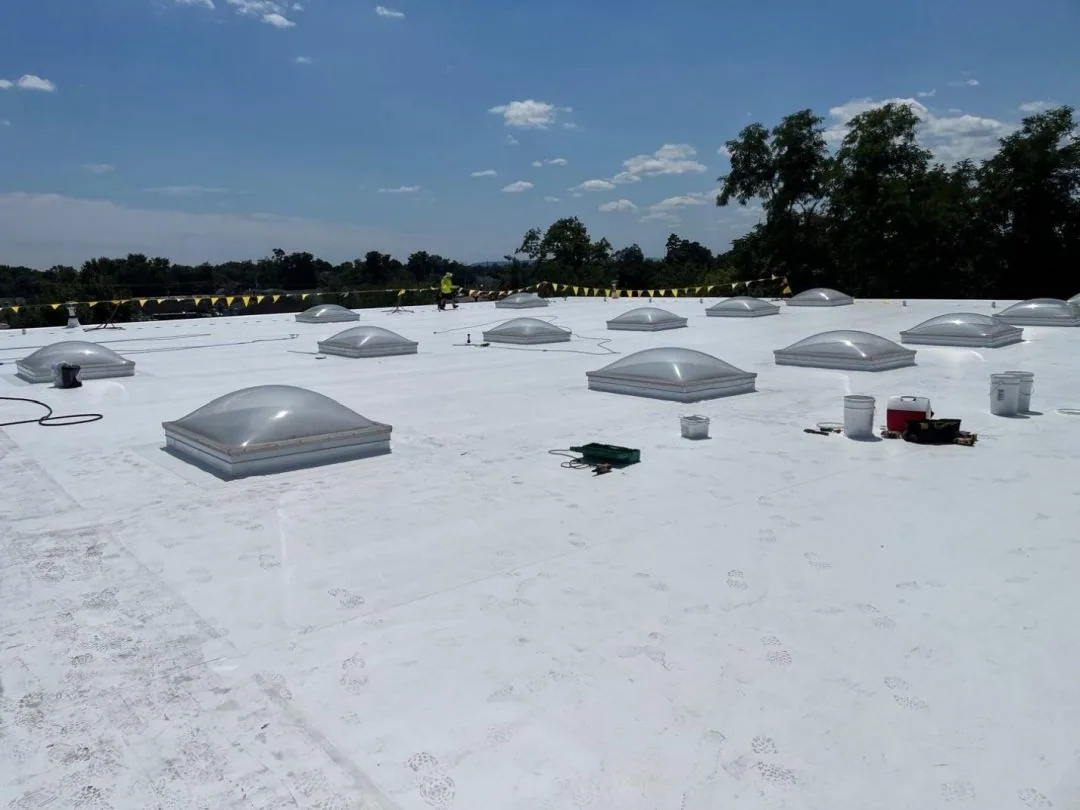
South Broadway work starts with the access window, then moves to the roof zone that can be opened and closed safely. Large hail and damaging wind arrive most often in spring and autumn, so a project plan needs a protected stopping point before removal begins. Broadway is a major route through the area, and traffic concentration can contribute to congestion. We confirm the property’s delivery path, laydown area, and approved roof access before the crew sets its first boundary. A Tyler commercial roof review can then connect the corridor’s logistics to the actual membrane, flashing, and drainage findings.
The South Broadway signal program has addressed intersections along this and other major Tyler corridors. That traffic context can affect a scheduled material drop, but it does not tell us what any individual roof contains. We check the assembly, record the arrival route with the general contractor, and divide the work into zones with separate release points. A roof with active water, loose edge metal, and a blocked drain has three distinct tasks, even when each sits within the same project boundary.
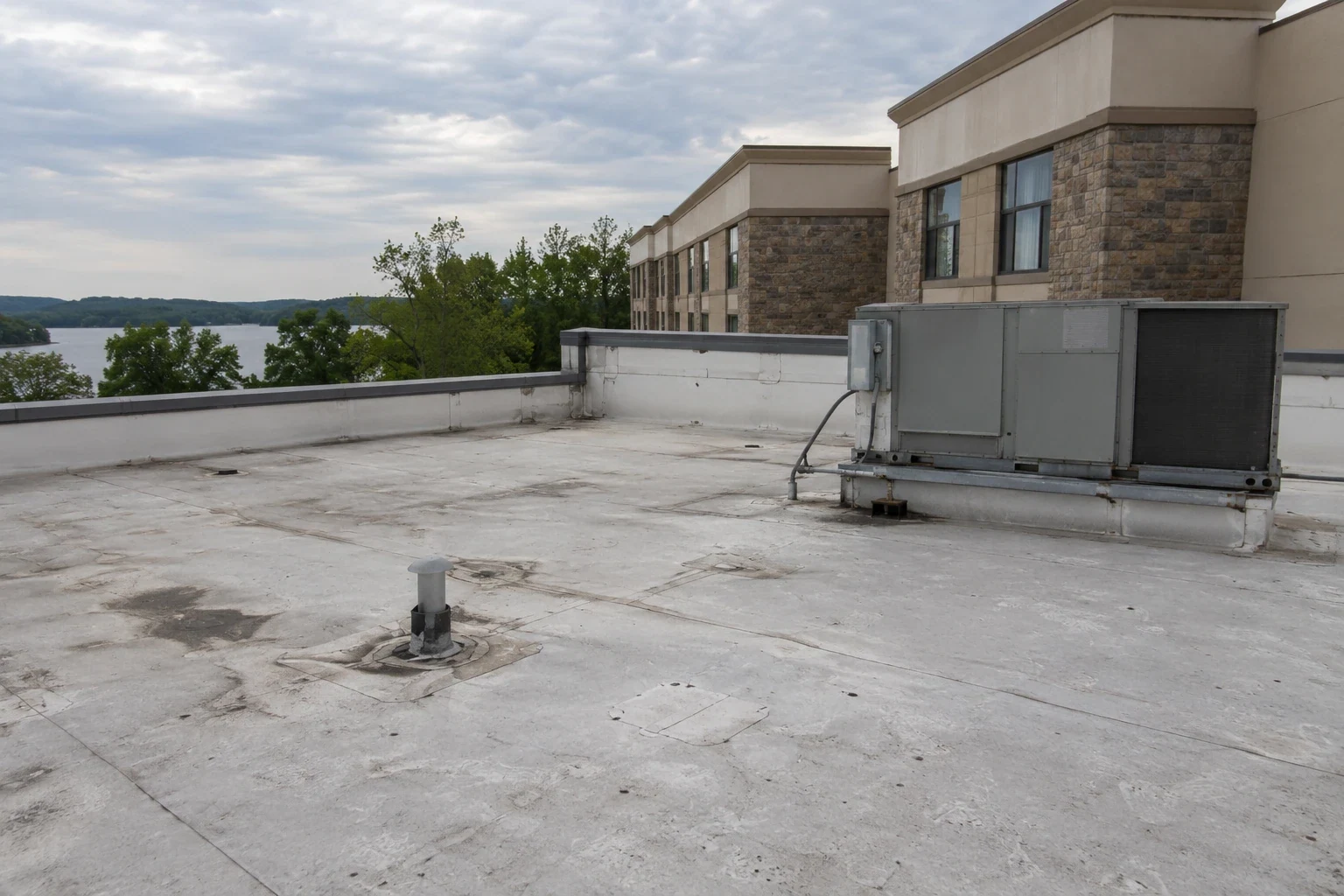
Access before roof-zone release
Before mobilization, we review the roof plan, building hours, equipment restrictions, delivery rules, and any interior areas that need protection. South Broadway traffic coordination can make a narrow unloading period more practical than an all-day staging assumption. The general contractor confirms where materials can wait and who can release the roof hatch or other access point. We record those details with the work package so a crew handoff does not depend on an informal update after removal starts.
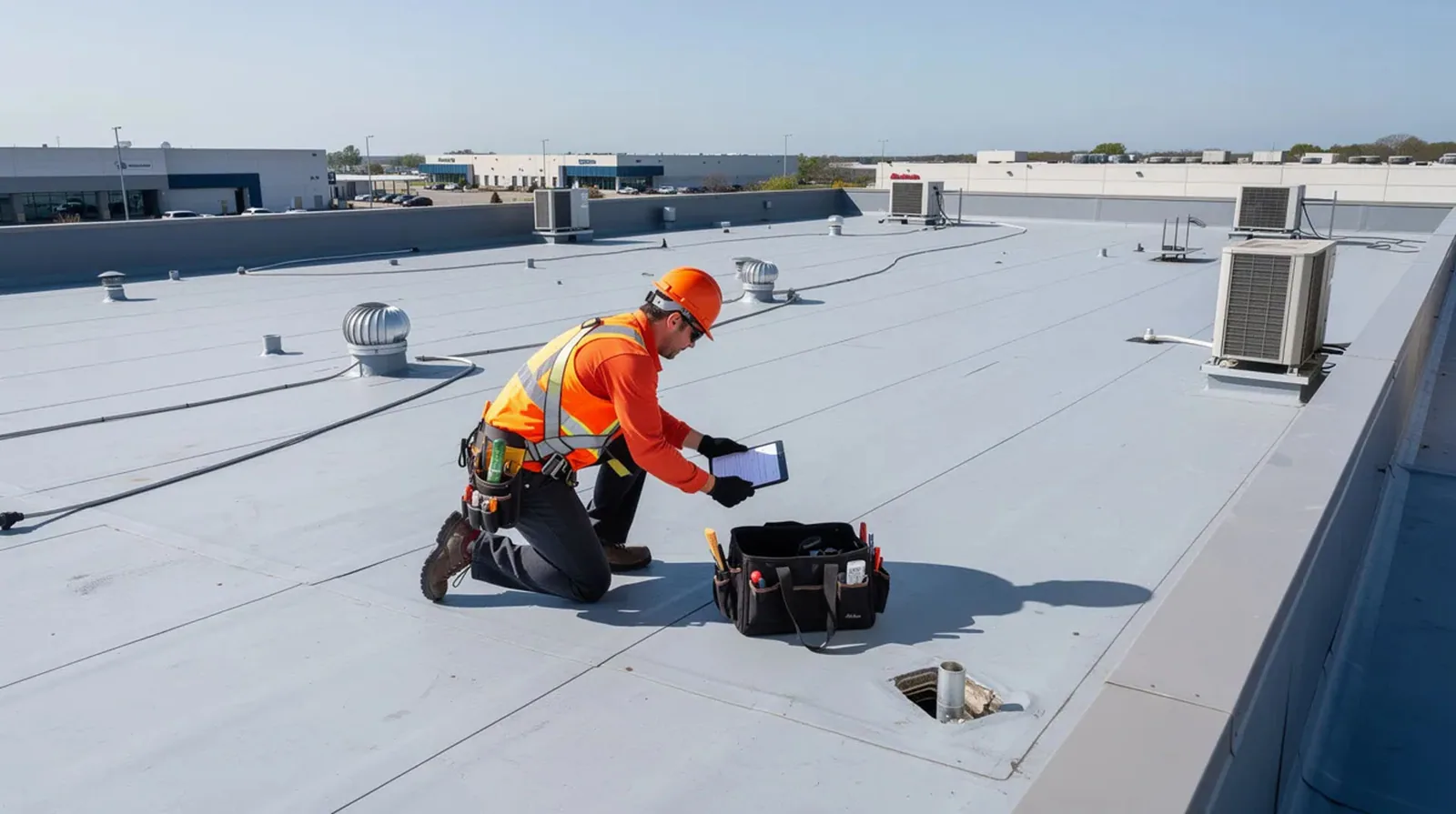
On the roof, we identify transitions, penetrations, perimeter details, seams, and drainage paths before setting the first repair boundary. A commercial roof inspection gives the project team a mapped starting condition, while a photo-based condition report ties observations to roof zones. Where access is limited, the report names the area not reached and what approval or equipment is needed to return. That keeps an inaccessible section from being treated as a confirmed pass.
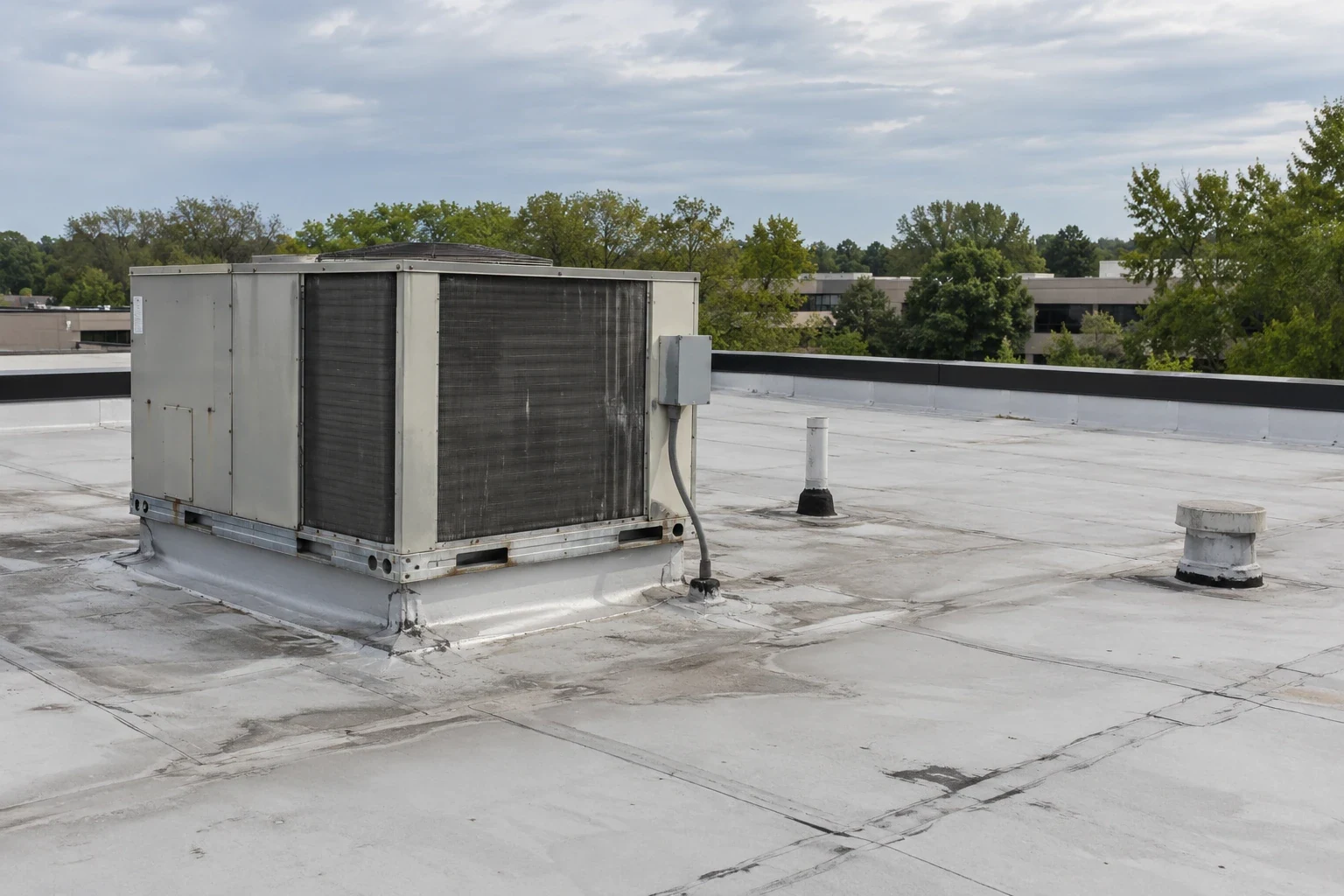
Surface readings in the Tyler heat
The Tyler climate record places the normal July average high at 94.5°F, a useful seasonal benchmark for South Broadway scheduling. That number cannot tell us whether a specific roof is ready for bonding. We check the work-area surface, substrate moisture, and selected product limits before releasing primer, adhesive, or coating steps. The roof plan marks the inspection point and identifies an alternate zone if the measured conditions do not support the planned detail.
That sequencing can affect the choice between a localized repair, a recover, a coating restoration, or replacement. We check whether existing plies remain attached, whether insulation is wet, how many roof layers are present, and how edges and penetrations can receive new flashing. A coating restoration needs compatible, sound material and suitable preparation; it is not a substitute for wet insulation removal. If the existing system has wider failure, a replacement scope can show the tear-off depth, insulation decisions, and closeout steps separately.
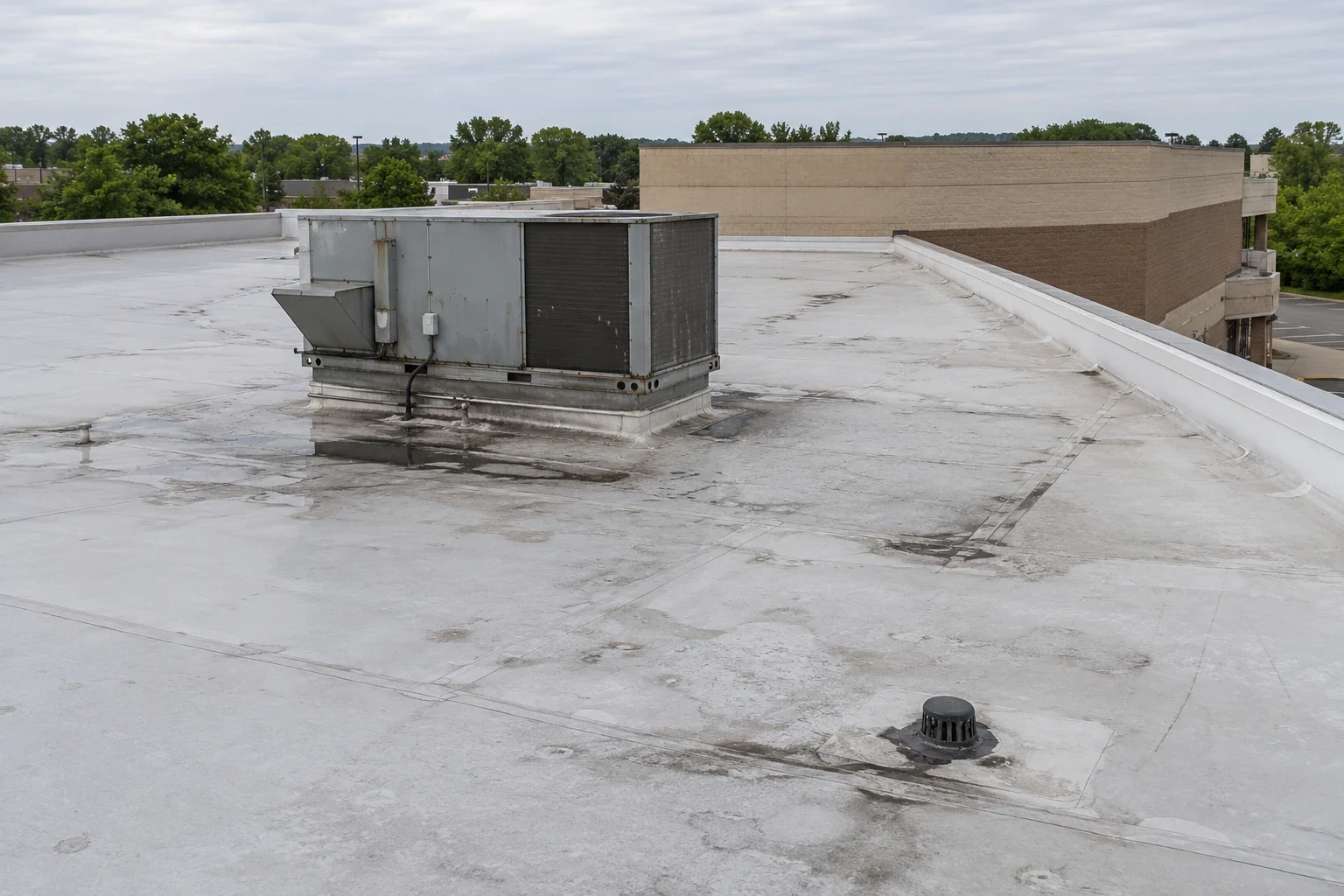
Storm findings and temporary protection
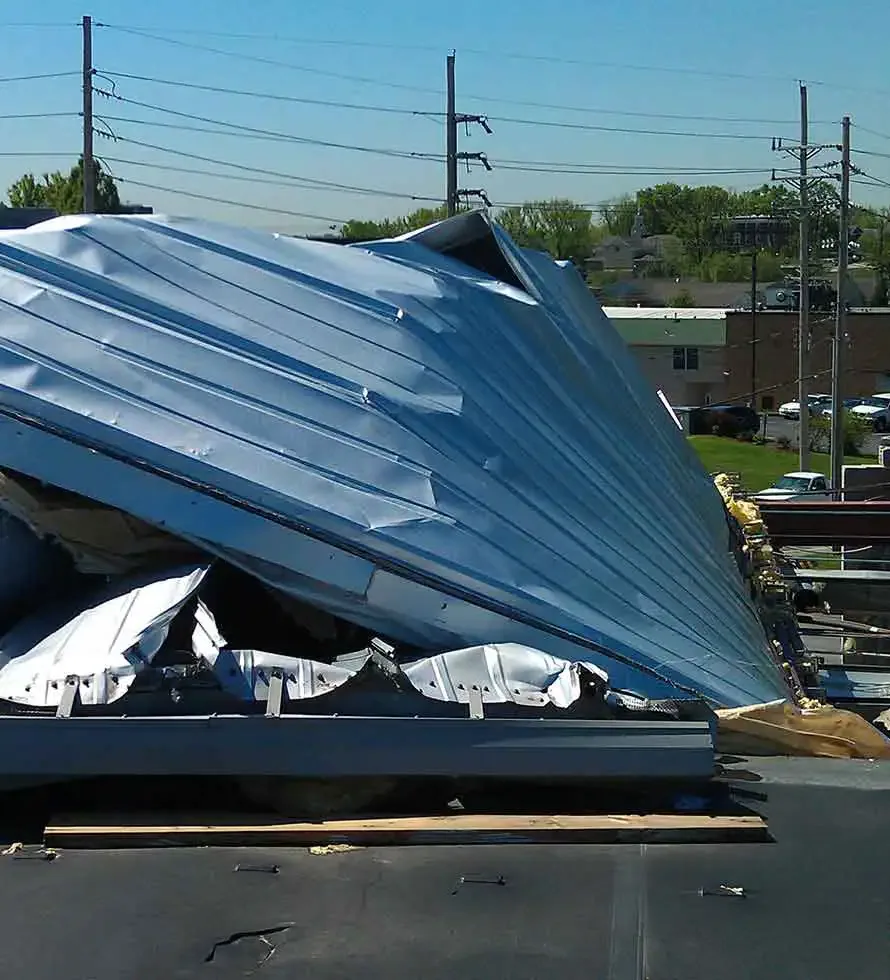
Across Texas, spring and autumn storms are when hail and damaging wind most often arrive. After an event, we photograph loose edge metal, displaced accessories, open seams, punctures, and debris before disturbing the affected area where conditions permit. A mark is not automatically a breach. We trace the likely water route, check nearby transitions, and record whether a selected test is needed to distinguish surface impact from a concealed assembly condition. The property’s repair boundary follows those observations rather than the regional storm pattern.
Tyler records also include a tornado on June 8, 2021. That event establishes local exposure, not damage at a current project. For a live opening, call us; attendance begins with safe access, temporary water control, and a protected closeout. Permanent repair follows once the substrate and affected layers can be inspected. A hail impact review and a wind-damage assessment keep separate conditions from being blended into one allowance.
Drainage and exposed-section closeout
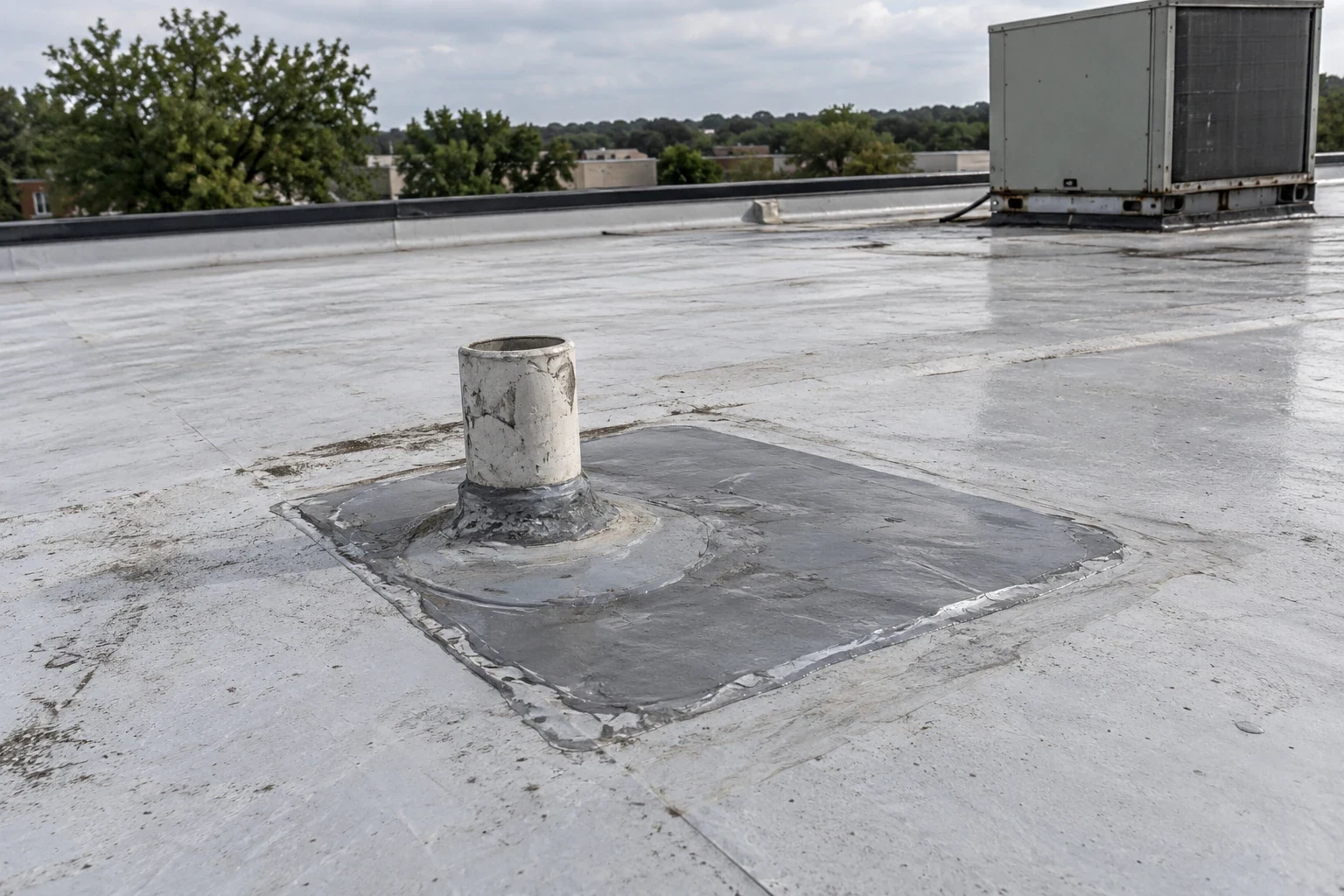
Water control is a separate hold point from membrane repair. We inspect drains, scuppers, overflow routes, and low areas, then note whether debris, a disconnected detail, or a depression changes the proposed scope. If removal exposes damp insulation or a weak deck, the crew stops at the approved boundary and documents what is open. The general contractor can then decide whether to authorize a test, extend removal, or secure the section for a later release. That decision affects both material quantities and the weather window.
At the end of a shift, we close each exposed section to the condition agreed in the work package and identify what must be checked before work resumes. Photos show the last completed seam, flashing connection, and temporary protection. For related properties on other broad service routes, the Lindale service area and Bullard commercial area use the same field discipline while their access facts remain distinct. A drain and scupper repair can be carried as its own work item when the outlet, rather than the field membrane, controls the water path.
Repair scope, timing, and cost drivers
A useful proposal separates confirmed repair from conditions that still need a test. We map each roof zone, list the detail to be addressed, and identify preparation, material compatibility, access, and closeout requirements. Cost changes with the area opened, insulation or deck work, number of penetrations, staging limits, and the selected system. Timing changes with substrate readings, forecast exposure, required approvals, and whether the building must keep equipment or occupants operating below. A TPO assembly and a standing-seam metal system call for different attachment and flashing details, so the field condition must lead the comparison.
Waiting can allow water to travel beyond the visible interior mark, soften insulation, or reach a deck connection. That does not mean every leak requires a full replacement. We document what is known, mark the open question, and show the owner which option fits the confirmed condition. For occupied commercial buildings, the work plan also identifies noise periods, shutdowns, protected entrances, and the person who accepts each roof-zone release. The result is a sequence the project team can price and schedule without treating an unknown layer as a settled quantity.
Commercial Roofing Questions
Can a South Broadway roof job be staged around delivery hours?
Yes. We set the access and material window with the general contractor, then place it in the roof-zone work package. Traffic work along the corridor can affect arrival timing, but site-specific deliveries and building rules still determine the usable route. We identify the staging point and the person who releases access before the crew arrives.
What does the Tyler summer normal tell you about a coating schedule?
Tyler’s 94.5°F normal July high describes seasonal exposure, not the release condition for a corridor roof. We measure the receiving surface and follow the selected product’s limits before bonding or coating. If delivery access or weather moves that operation, the zone plan records the alternate task and next inspection point.
How do you separate hail marks from a roof opening?
A mark needs inspection before it becomes a repair quantity. We photograph the area, check membrane continuity and nearby seams, and trace any reported water path. If the assembly below could change the scope, we request an approved test and keep the finding separate from visible impact.
Who decides whether removal can extend past the planned boundary?
The approved scope names the person who can release that change. When the crew finds wet insulation, a weak deck, or a detail different from the records, we secure the open zone and document the condition. The general contractor can then authorize a test or expanded removal before material quantities change.
What information should accompany a repair request?
Send the roof plan, leak location, recent repair notes, access limits, operating hours, and the decision date. If storm activity prompted the call, include when it occurred and which interior areas reported water. We use those details to set the first inspection route, identify a test point, and return a sequenced work package with open items marked.
Related Pages
Tyler
Tyler, TX
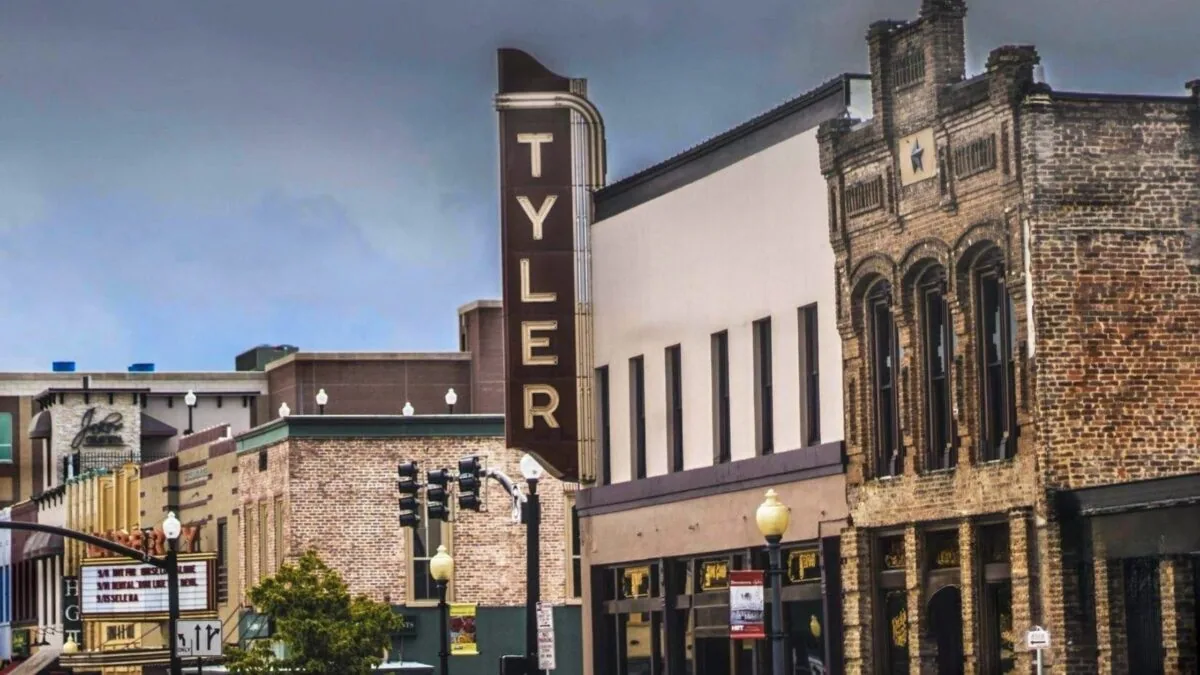
Commercial Roof Condition Reports
Tyler, TX
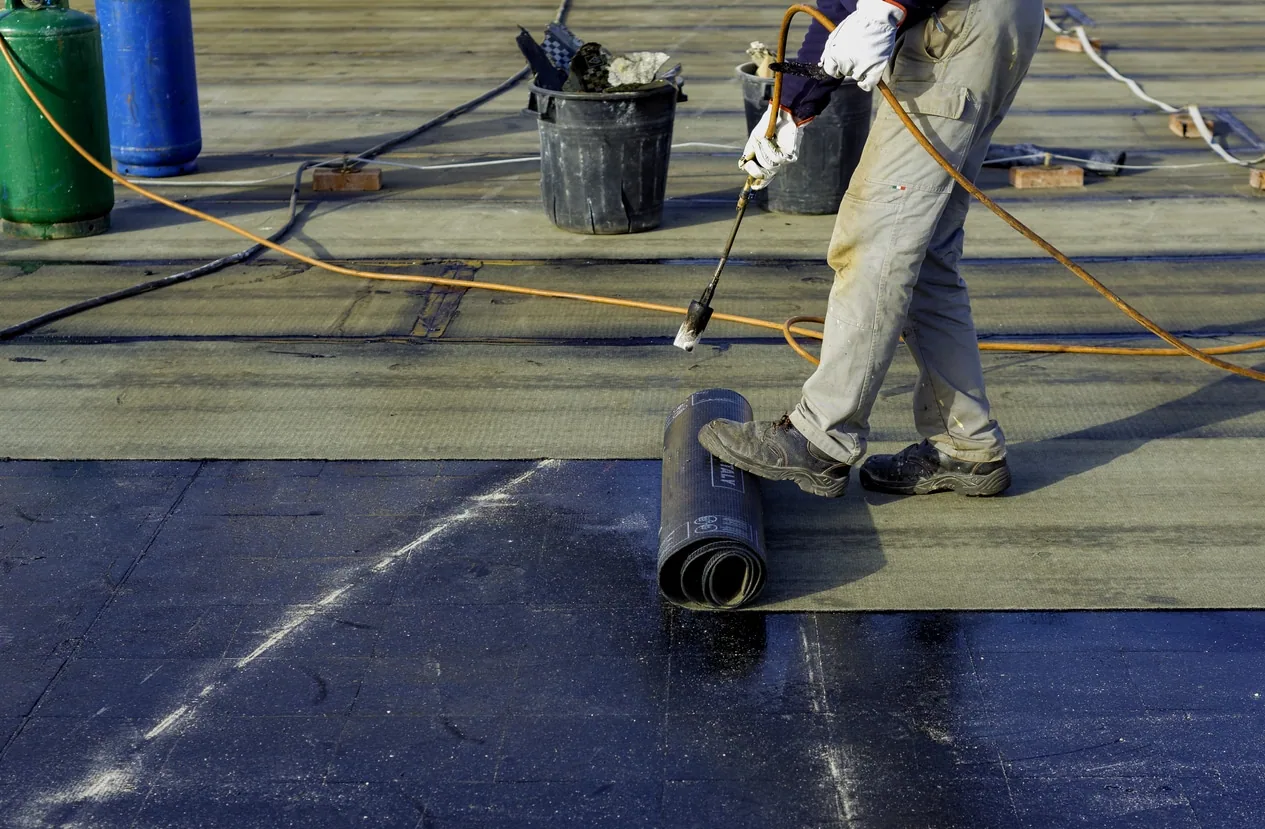
Commercial Roof Coating Restoration
Tyler, TX
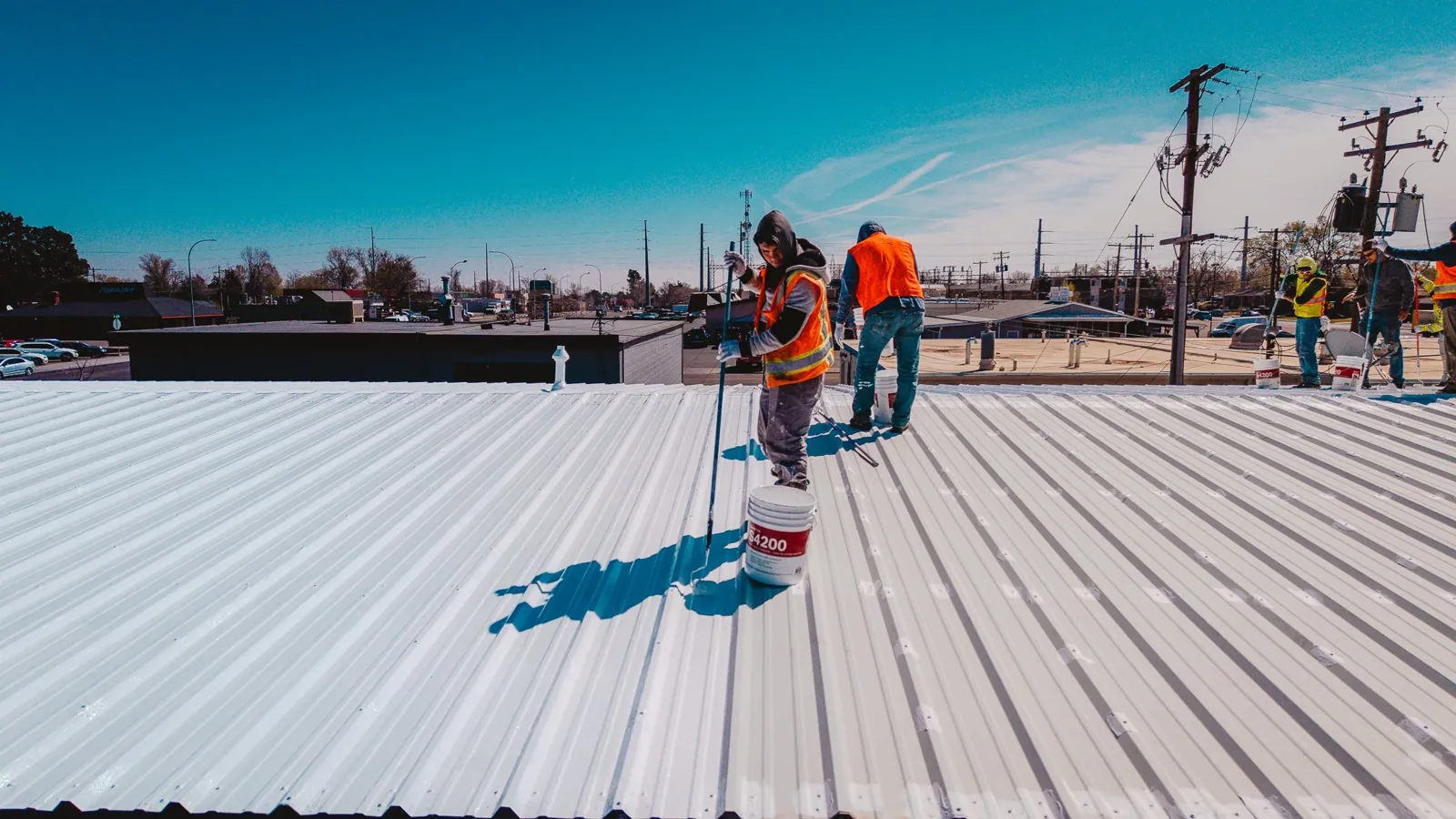
Commercial Hail Damage Roof Repair
Tyler, TX
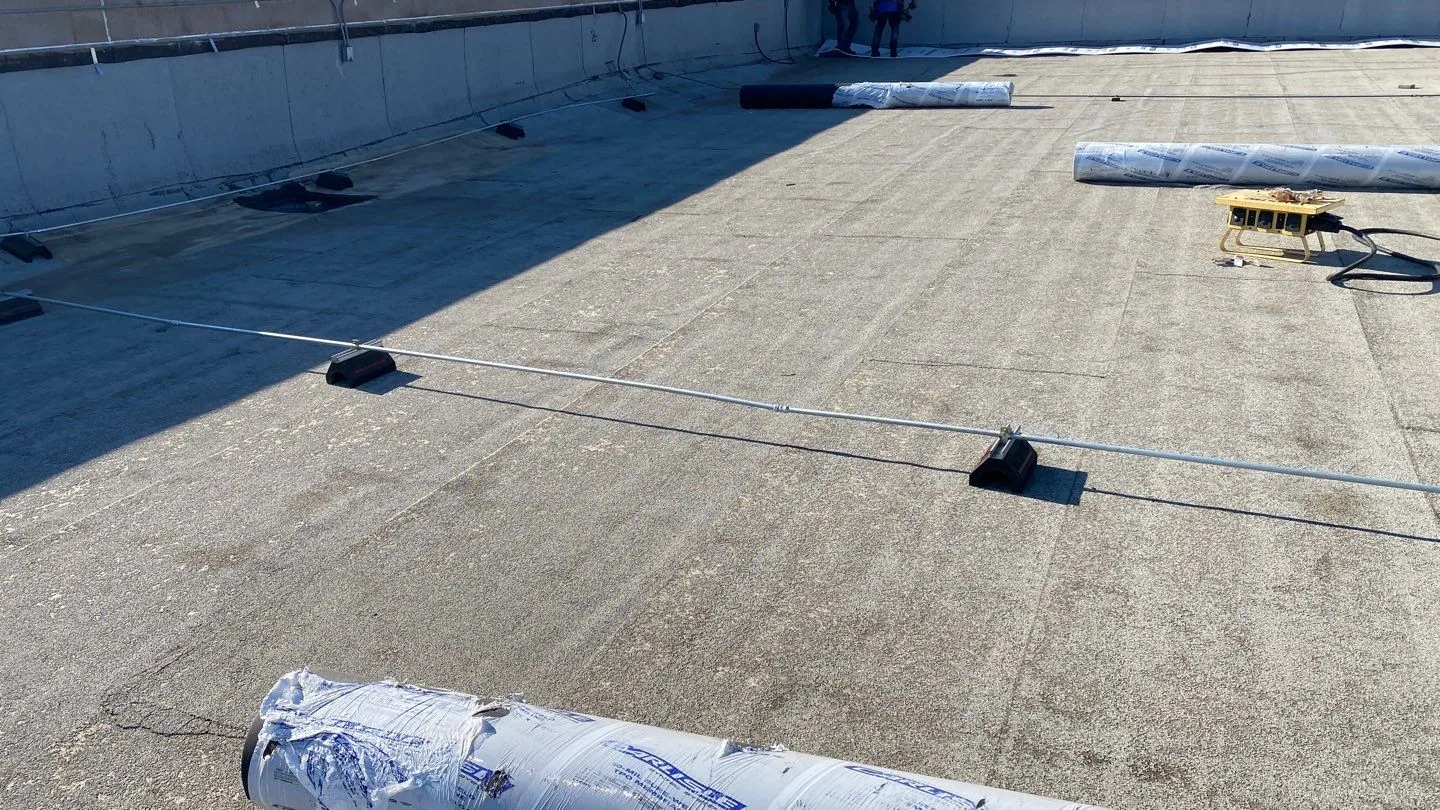
Set the first roof-zone release
Share the roof plan, assembly records, access window, current condition, and decision deadline. We will return a field sequence with confirmed repairs, open tests, and each hold point identified for the general contractor.