
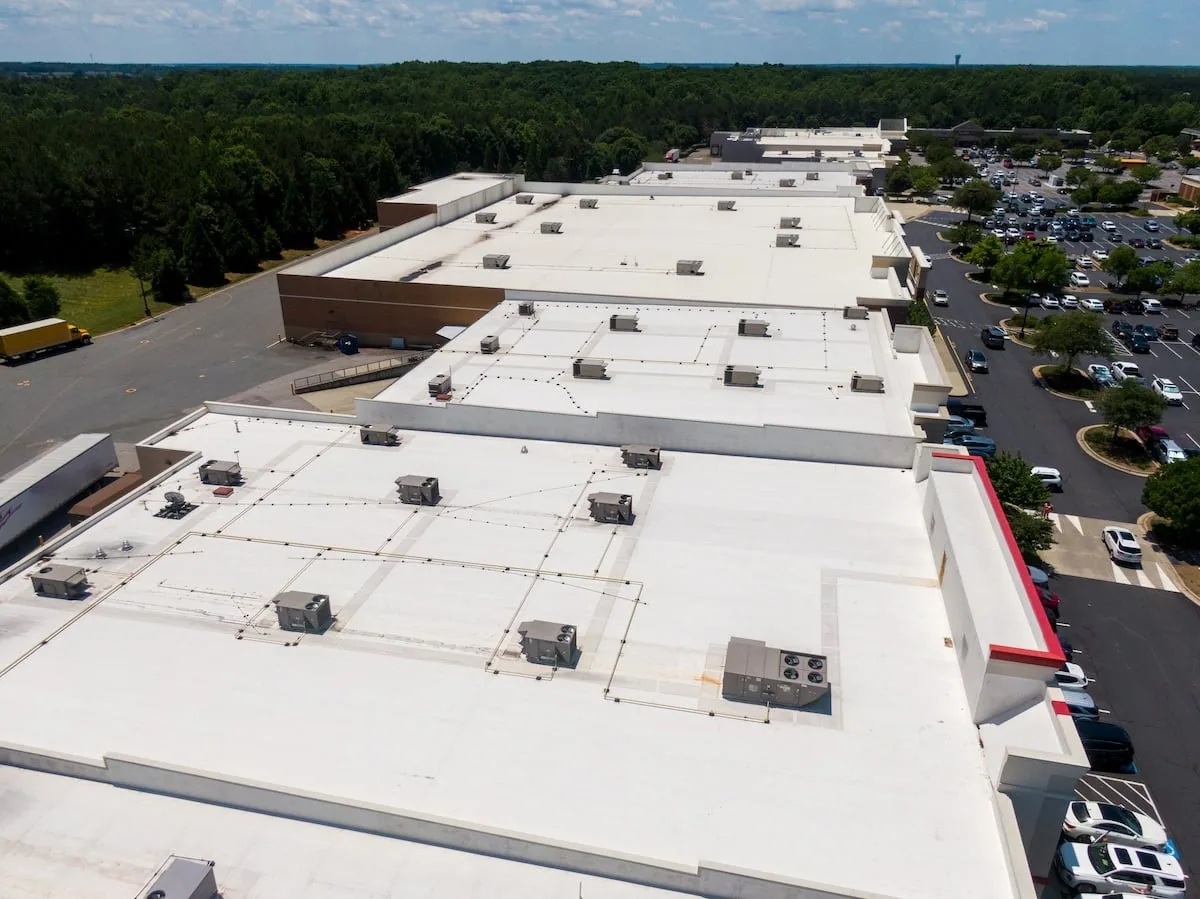
A warranty file in Tyler, TX, should show the roof condition before a spring or autumn storm changes an exposed detail. Large hail and damaging wind are regional hazards, so a dated inspection and repair trail helps the project team locate what changed and what had already been documented. We organize the available assembly records, closeout photos, service notes, and follow-up items by roof zone. The file gives the general contractor a clear next step, while the actual warranty document remains the guide to its own notice, maintenance, and repair requirements.
Tyler’s July normal high of 94.5°F is another scheduling factor when a repair involves adhesive, sealant, or coating preparation. We record the conditions and product instructions that apply to the work, then preserve the closeout evidence with the relevant area. A Tyler warranty review can connect inspection history to repair planning without implying a warranty term or approval that is not stated in the governing documents.
One file for each roof area
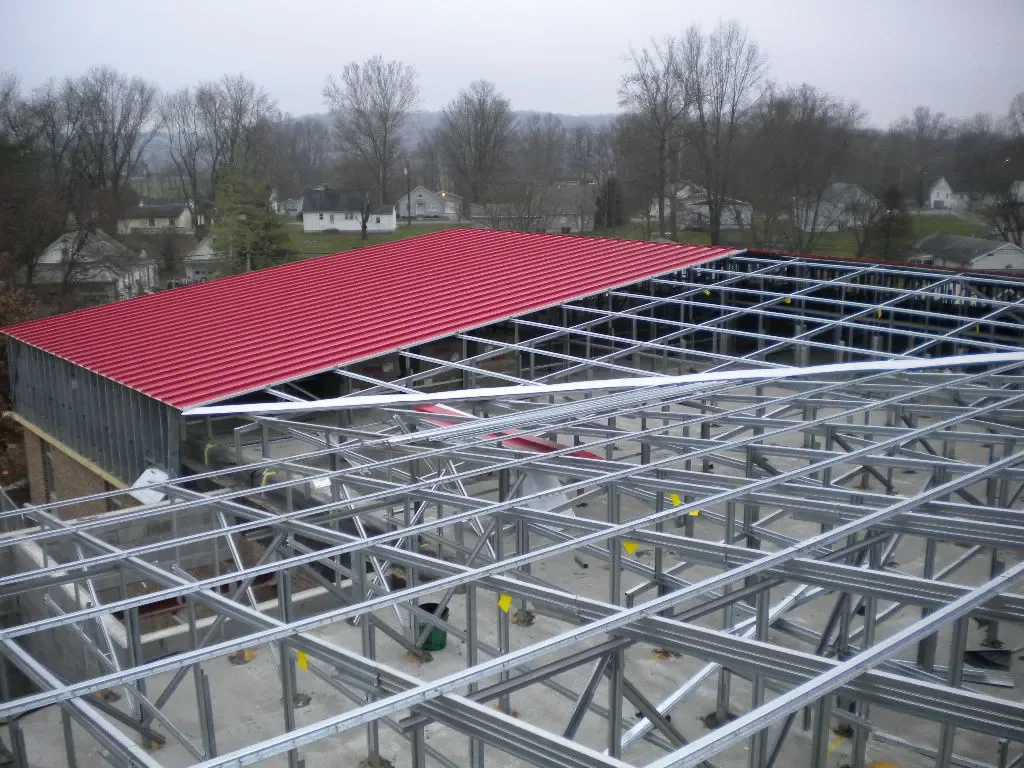
The file begins with the roof plan, available system and installation records, closeout material, and any warranty documents already in the owner’s possession. We index them by building and roof zone, then identify missing items such as a dated inspection, repair description, product record, or change made by another trade. If a drawing or warranty form does not match the field assembly, we flag the discrepancy for review before it shapes the next scope. A clear record helps keep a later service visit from starting with an unverified assumption.
Tyler Interstate Commerce Park and Champion Commons are separate multi-property business areas, so a portfolio register should preserve one record set per building rather than one file per district. The roof system, access process, and documented work can differ even when the same owner coordinates both sites. A roof asset register can hold the building-level index, while a condition report adds a dated description of what the inspector could see.
Notice, access, and repair steps
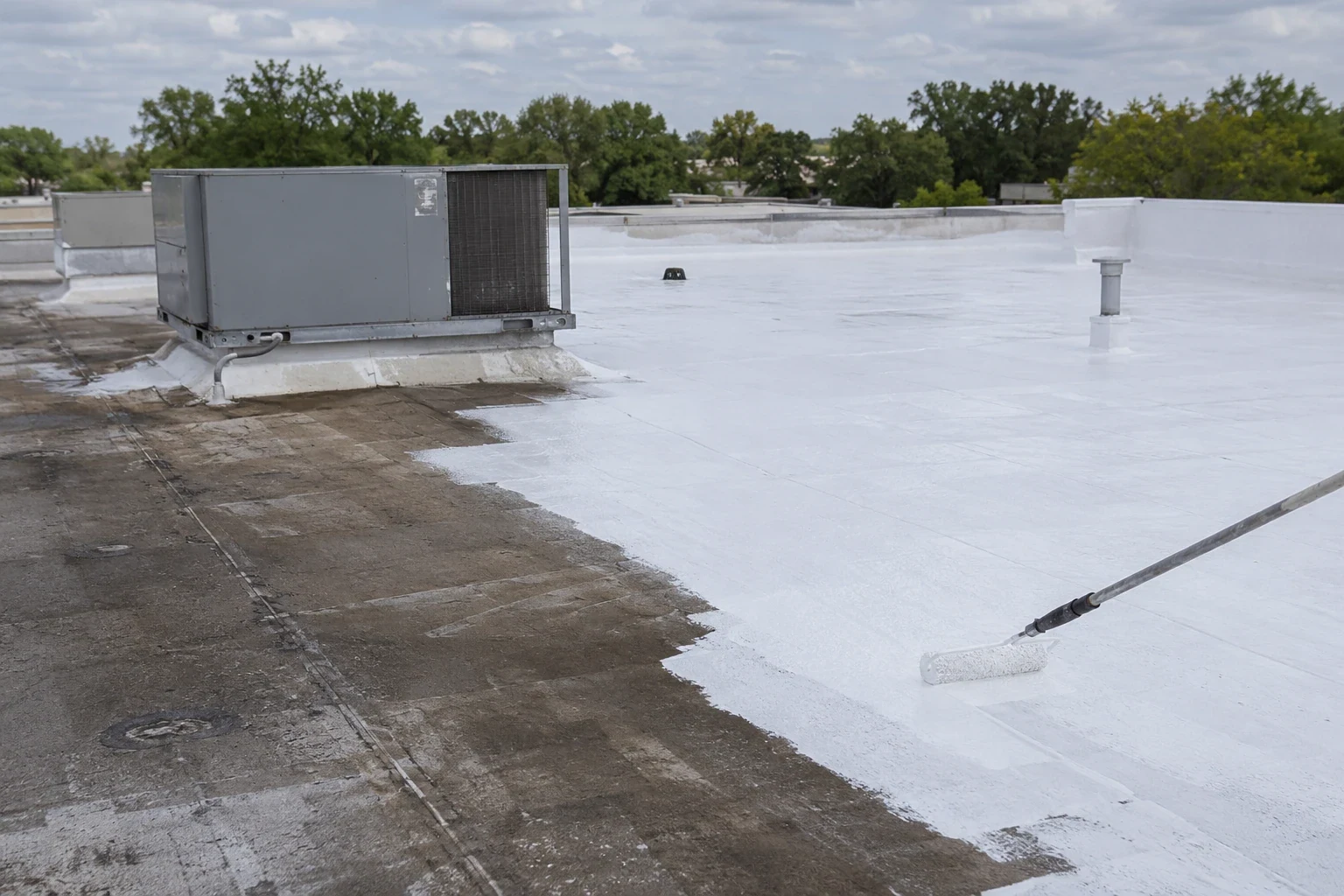
When a leak, storm observation, or failed detail may fall within a warranty process, the first work package should preserve the condition and follow the document’s notice instructions. We record the reported area, photos, date, access restriction, and any temporary water-control step. The owner or general contractor can then determine who must be notified and which repairs may proceed before a permanent scope is authorized. Emergency water control and a permanent repair have different closeout needs, so the file should show which action took place.
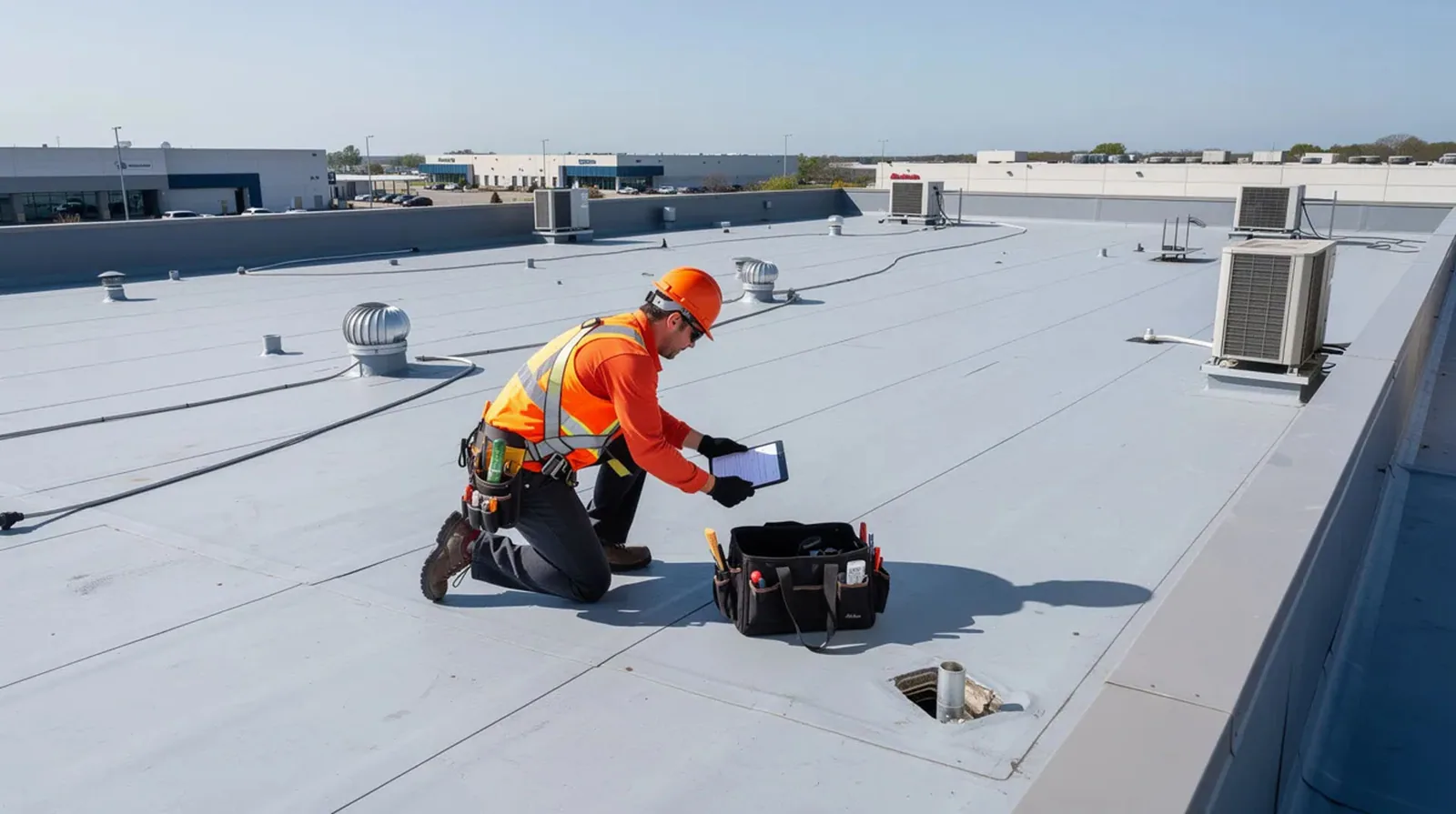
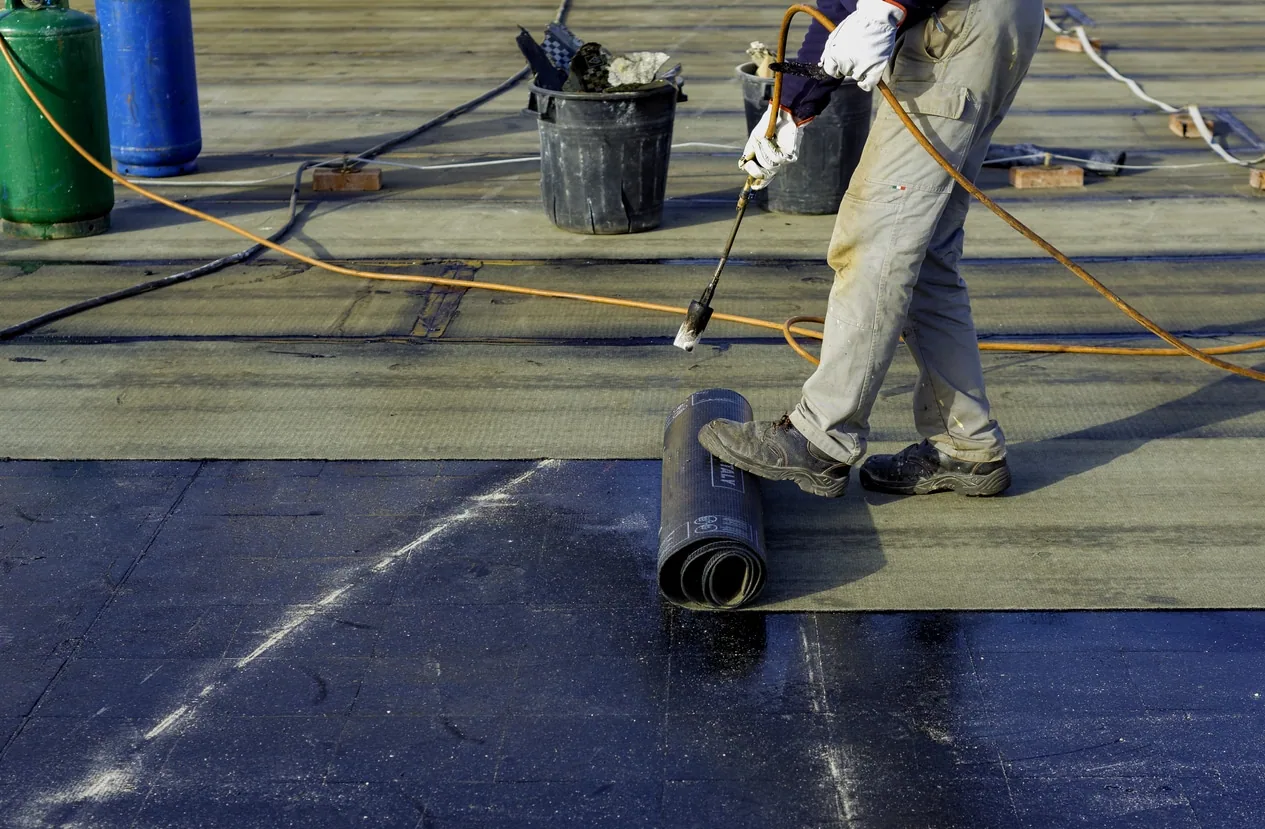
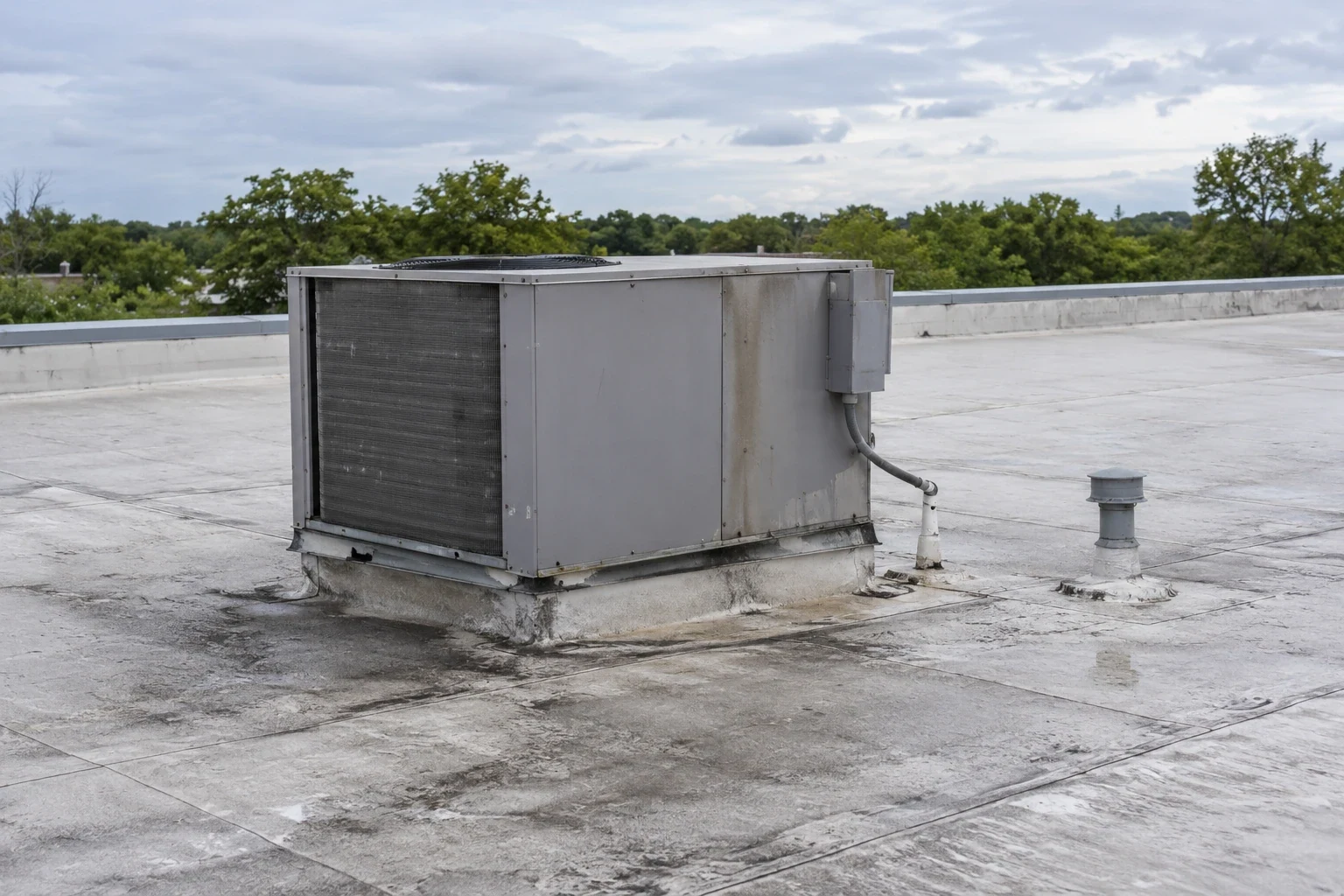
A roof visit can include seam and flashing observations, drainage, rooftop penetrations, edges, and any prior patch that affects the current detail. We note the requested repair, materials used where documented, and the limits of the work area. A roof inspection can update the field record, and repair documentation can attach the completed work and photos to the correct zone. If a condition needs a manufacturer or designer decision, we mark that hold point and keep the file separate from an assumed response.
Maintenance and changing conditions
Preventive work can support a sound warranty record when it is logged with date, location, observation, and disposition. We note drain cleaning, sealant or flashing attention, surface debris, and items held for testing. A follow-up entry should say whether the same condition remained, changed, or was repaired, with the related photos attached. Routine notes do not replace the contract’s stated maintenance requirements, but they help the owner show what work was performed and when.
Heat affects the timing of adhesion-sensitive maintenance, while a weather delay can shift the access period or require temporary protection. Tyler’s building plans beginning in 2024 follow the City’s 2021 International Building Code and Energy Conservation Code references; project changes should be reviewed against the applicable code path and the existing warranty terms. A maintenance visit can add a dated entry, and a coating repair review should preserve substrate and adhesion findings before the work is released.
After hail or damaging wind
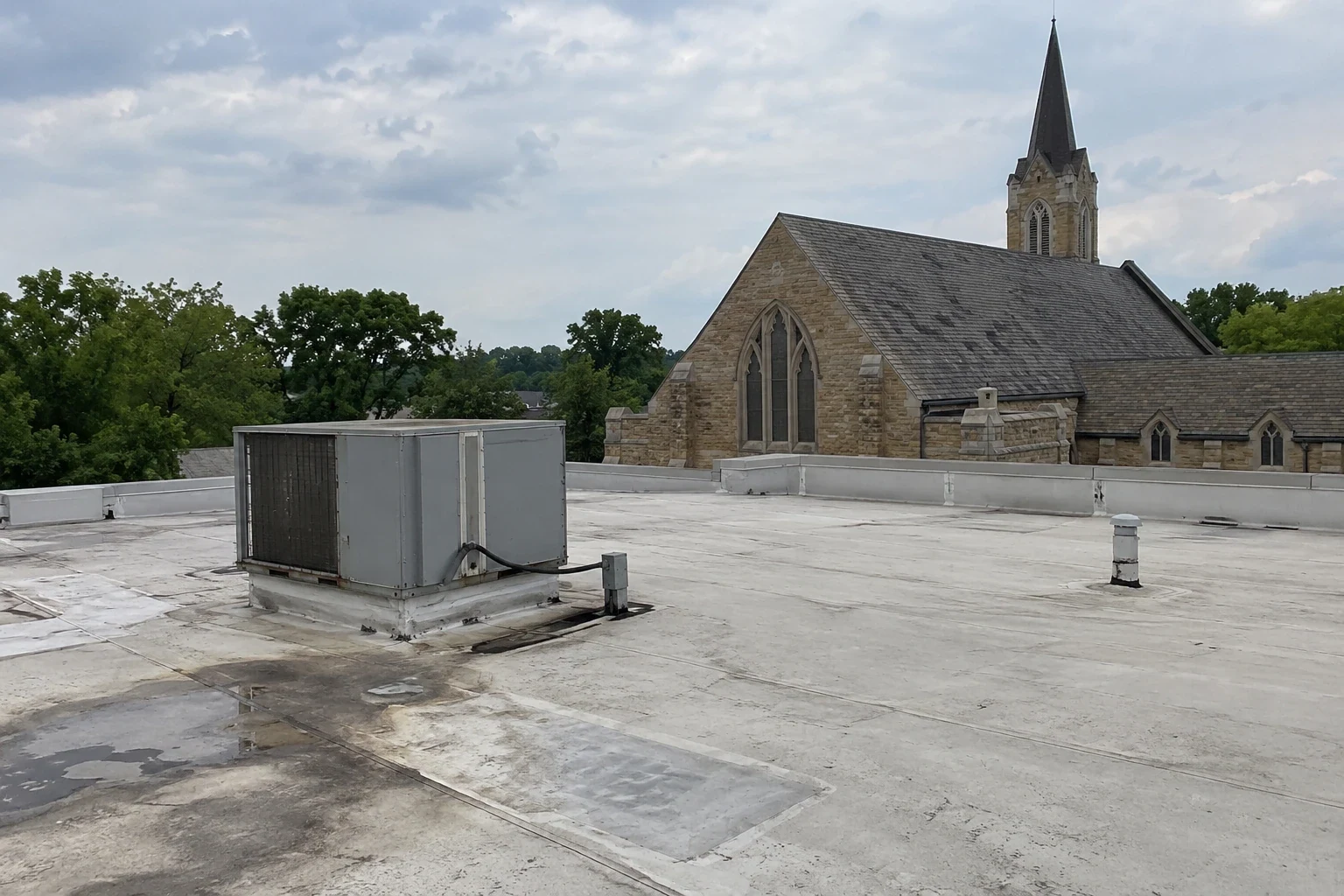
Regional storms occur most often in spring and autumn, and the roof record should make the before-and-after sequence easy to follow. We compare dated photos and prior observations, then document any new surface mark, displaced edge, open seam, damaged flashing, or blocked drain by roof zone. A wet surface, debris, or restricted access can limit what is visible; the file identifies the follow-up needed when conditions allow. The report keeps storm timing in context without deciding claim coverage or warranty responsibility.
East Grande Boulevard and Old Omen Road are part of an east and southeast Tyler area where transportation connections are under review. Nearby work access can depend on the property’s own route and release rules, so the roof file should retain the approved entrance and contact process for a follow-up visit. A hail observation can be tied to prior condition photos, while a wind detail review focuses on edges, flashings, and other exposed components. Both work packages should state what was inspected and what remains open.
A file the next contractor can follow
When a new crew receives the work, the handoff should include the plan, applicable warranty paperwork, prior service record, current photos, access rules, and the decision deadline. We mark the roof zone, specified repair area, material question, and any test or approval needed before permanent work begins. If a test shows concealed damage or a different assembly than the record indicates, the project team gets a defined hold point for scope review. That leaves a record of why the released work differed from the initial request.
At closeout, we attach completed-work photos, the area addressed, any material information available, and follow-up observations requested by the scope. The file can continue into an asset review or a future condition report without treating old observations as current. This is useful for an owner with several properties and for a general contractor coordinating a staged repair. The next field team can identify the existing condition, see what has already been tried, and plan the next roof-zone release with the right records in hand.
Commercial Roofing Questions
What should go into a commercial roof warranty file?
Keep the governing documents with the roof plan, installation and closeout records, inspection reports, repair notes, photos, and maintenance entries. Organize them by building and roof zone, then list missing records or field mismatches for review. The document itself sets its notice and maintenance requirements, so the index should point to those instructions rather than replace them.
Does a repair automatically preserve the existing warranty?
The applicable document and repair authorization determine what can proceed. We record the condition, proposed work area, materials, and any notice or approval step identified in the file. If the scope needs a manufacturer, designer, owner, or warranty administrator decision, that becomes a hold point before permanent work is released.
What records matter after a Tyler hail or wind event?
After an event, group the date, affected roof zones, prior condition photos, new observations, access limits, and temporary water-control work. A follow-up report should distinguish visible changes from earlier wear and list areas requiring closer review. Those records support the next scope discussion without deciding coverage or responsibility.
Can maintenance notes support a future warranty review?
Dated notes can show the area inspected, work performed, conditions found, and items carried forward. Photos and closeout details make the record easier to compare later. We keep maintenance evidence connected to the applicable assembly while leaving any specific warranty obligation to the governing document.
What should the general contractor send before a warranty-related repair?
Provide the warranty paperwork, roof plan, available assembly and closeout records, leak or storm observations, access rules, and requested decision date. We can organize the open questions and return a field sequence that marks notice steps, tests, and approval points before permanent repair begins.

Related Pages
Tyler
Tyler, TX

Commercial Roof Asset Management
Tyler, TX
Commercial Roof Condition Reports
Tyler, TX
Commercial Roof Inspection
Tyler, TX
Put the roof record in order
Send the roof plan, warranty paperwork, assembly records, current condition, access window, and decision deadline. We will return a roof-zone index with open notices, tests, and hold points marked.